The Decline of Meat Consumption in Iranian Household Food Baskets and Its Human Rights Implications

HRANA – The sustained rise in the cost of essential goods in Iran over recent years has significantly eroded households’ purchasing power and restricted access to basic necessities, particularly protein-rich foods. The trend first manifested in the gradual disappearance of red meat from the diets of low-income families and has now spread to chicken, the country’s primary source of animal protein, as soaring prices and supply constraints place it increasingly out of reach for many households.

The poultry industry has been driven into crisis by its reliance on imported animal feed, supply-chain disruptions caused by the recent war and the ensuing maritime blockade of Iran, the sharp rise in exchange rates following the elimination of preferential currency subsidies, and state-imposed price controls. These developments have led to reduced protein consumption among families and heightened concerns about public health, especially for children, pregnant women, and older adults.

The scale of this economic crisis and market instability has reached a point where it is evolving into a broader social crisis. It may also be understood as a human rights concern, given that sustained access to adequate and nutritious food is recognized as a fundamental right under international human rights standards. The gradual erosion of this right threatens the health, well-being, and dignity of a significant portion of the population. Based on field observations and interviews conducted by HRANA reporters with citizens, producers, and experts, alongside data published by official bodies and domestic media, this report examines the causes, dynamics, and consequences of the crisis.

From Red Meat to Chicken: A Breaking Chain

Years ago, red meat was a regular part of many Iranian families’ diets. However, the sharp increase in the prices of beef and lamb gradually pushed red meat out of the reach of low-income households and even large portions of the middle class.

Available data illustrate the scale of this decline. Annual per capita red meat consumption in Iran, once estimated at around 12 kilograms, has reportedly fallen to approximately 6 kilograms or less. Monthly red meat consumption per household, estimated at about 2.8 kilograms in the early 2010s, has declined to roughly 1.25 kilograms in recent years.

Beyond the decline in average red meat consumption, the data reveal a deep disparity in consumption levels across different segments of society. According to reports by the Parliament Research Center and economic experts, the consumption gap between income groups has widened dramatically, with red meat consumption among the highest-income deciles reported to be more than 30 times greater than among the lowest-income deciles.

Some estimates suggest that annual per capita red meat consumption among the lowest three income deciles, which include a large proportion of salaried workers and retirees, has fallen below one kilogram per year. In practical terms, this means that many in these groups have effectively eliminated red meat from their diets altogether.

To compensate for this loss, many families turned to chicken, making it the primary source of animal protein for millions of people. Due to its relatively lower cost, chicken served as a “lifeline protein” for struggling households. But now, even this source of protein is gradually vanishing from the food basket of Iranian households.

Producers point to rising costs of animal feed, difficulties in securing poultry feed supplies, increased transportation expenses, higher costs for medicines and vaccines, and other production-related expenses. They argue that government-mandated prices do not reflect market realities or the true costs of production.

One poultry farmer described the gap between retail prices and actual production costs:

“Many people only see the final price of chicken, but they are unaware of production costs. The prices of feed, medicine, vaccines, fuel, and transportation have all increased. At the same time, producers are required to sell their products at fixed prices while actual production costs continue to rise. If this trend continues, some producers will no longer be able to stay in business, which could lead to lower production and even greater pressure on the market.”

The long-term scale of the increase in chicken prices is striking. According to published data, the official price of one kilogram of chicken, which stood at approximately 4,500 tomans in 2011, had reached around 800,000 tomans per kilogram by 2026, an increase of more than 177 times over roughly fifteen years.

Even over shorter periods, price increases have been dramatic. In Qazvin Province, for instance, the price of fresh chicken rose by approximately 10.5 percent in just twelve days in May 2026. During periods of acute shortage, reports indicated that prices in some markets climbed to between 430,000 and 480,000 tomans per kilogram.

Roots of the Crisis: War, Import Disruptions, Currency Depreciation, and Price Controls

The origins of the recent surge in chicken prices and shortages must be sought beyond the domestic market. A combination of interconnected factors has placed simultaneous pressure on multiple points of the production chain:

1. The U.S.-Israel/Iran War, Maritime Blockade, and Supply Chain Disruptions

The war between the United States and Israel on one side and Iran on the other, commonly referred to as the Ramadan War, began on February 28, 2026, and continued until the ceasefire of April 8, 2026. The conflict caused major disruptions to the import of animal feed and poultry production inputs. Combined with instability in the Persian Gulf and concerns over damage to critical infrastructure, the war placed severe strain on supply chains and further disrupted the flow of essential agricultural commodities.

Iran’s poultry industry is heavily dependent on imports for feed supplies, particularly corn and soybean meal. According to the Secretary of the Livestock and Poultry Federation, more than 85 percent of animal feed inputs, as well as a substantial share of medicines and vaccines, are imported. Any disruption in this supply chain directly increases poultry production costs. Notably, the period of the Ramadan War coincided precisely with the sharp decline in chick placement, spanning from February 28, 2026, to early May 2026.

Conditions did not improve after the war ended. Instead, they worsened following the U.S. maritime blockade of Iran. The blockade, which refers to U.S. restrictions on the movement of vessels and the transport of goods through Iranian ports, began on April 13, 2026, after negotiations in Islamabad aimed at ending the U.S.-Israel war with Iran collapsed.

These restrictions posed serious obstacles to the import of animal feed, which is transported primarily by sea through Iranian ports. As a result, the government was forced to shift imports from southern ports to northern ports and rely more heavily on rail and road transportation. This rerouting of supply channels further increased both costs and delivery times.

2. Currency Depreciation and the Elimination of Preferential Exchange Rates

The government’s initial basis for liberalizing prices was an exchange rate of approximately 112,000 tomans per U.S. dollar in January 2026, when the phased elimination of preferential exchange rates began. However, the exchange rate subsequently rose to between 144,000 and 145,000 tomans.

This increase raised production costs across the supply chain by roughly 35 percent.

The impact extends beyond the poultry sector. In the legumes market, for example, the transfer of foreign-currency allocations from the government’s “First Exchange Hall” to the “Second Exchange Hall” nearly doubled the prices of products such as lentils and beans within a year. The benchmark exchange rate used for imports rose from approximately 70,000 tomans to 140,000 tomans.

3. Liquidity Crisis and Government Debt to Importers

Following the sharp rise in costs after exchange-rate liberalization, the government pledged to provide liquidity support but failed to fulfill that commitment.

The government currently owes legume importers payments related to preferential exchange rates dating back 14 to 16 months. According to the head of the Iran Legumes Association, these debts have remained unpaid since February 2025 and are still calculated at the old exchange rate of 28,500 tomans.

In the poultry sector, the Secretary of the Livestock and Poultry Federation has similarly reported approximately 15 months of outstanding foreign-currency debts owed by the government to importers.

At the same time, the government’s decision to stop accepting bank guarantees for value-added tax obligations has significantly reduced importers’ liquidity. Experts warn that the impact of these measures on the availability of goods will become increasingly apparent in the coming months.

4. Price Controls and the Decline in Chick Placement

Additionally, poultry producers contend that government-mandated chicken prices fail to account for rising production costs, rendering chick placement, the first stage of the production cycle, increasingly uneconomical.

Approximately 80 percent of Iran’s poultry farms, nearly 19,000 units, operate with capacities below 30,000 birds and lack the financial resources to purchase feed at current prices. The result has been a sharp decline in chick placement during the months corresponding to February, March, and April.

The latest figures indicate a decline of approximately 28 percent in chick placement between February 28 and May 3, 2026, compared to the same period a year earlier. This downturn led to the culling of breeder flocks and day-old chicks, further contributing to rising production costs.

This pattern of oscillation between surplus and shortage is not new. Experts attribute it to unstable policymaking and the absence of long, term security for producers, the same dynamics that previously resulted in the widely criticized mass culling of chicks.

The cumulative effect of these factors has been a breakdown in the production and supply cycle, reflected in volatile prices and the emergence of multiple price tiers in the market.

Importantly, as field research conducted in Tehran’s markets indicates, the current crisis appears to be less a crisis of physical scarcity than a crisis of pricing and a widening gap between production and distribution. As one wholesale trader put it: “There is chicken, but it is expensive.”

Nevertheless, the gap between the government-set price and the actual cost of production forces producers to recoup part of their losses through the open market, leaving consumers caught in a system of multiple and often conflicting prices.

The Impact on Everyday Life: A Shrinking Food Basket

The consequences of these developments are most visible in the daily lives of ordinary people. Many families say they can no longer afford to purchase red meat on a regular basis, and that even buying chicken has become increasingly difficult. In some households, protein consumption has been reduced to only a few meals per month, while others have been forced to eliminate or drastically reduce protein-rich foods from their diets in order to manage living expenses.

The pressure is not limited to animal protein. Reports also point to declining dairy consumption, which had already fallen to roughly half of the recommended level even before the latest wave of price increases.

A 38-year-old mother of two from Tehran offered a vivid account of this change:

“A few years ago, we could at least buy chicken several times a week for the children and occasionally red meat. Now the situation is completely different. Red meat disappeared from our table long ago, and even buying chicken has become a source of worry. Some weeks we only buy chicken once and try to stretch it across several meals. My children are growing, and when I see that I can no longer provide them with the same nutritious food as before, I feel genuinely worried and powerless. No mother wants her child to be deprived of proper nutrition because of economic hardship.”

A 65-year-old retiree, reflecting on decades of work and social insurance contributions, said:

“After thirty years of work and paying into the system, I expected a more comfortable retirement. Today, most of my income goes toward basic living expenses. In the past, if red meat became too expensive, we could at least buy chicken. Now even chicken has become something we have to carefully budget for. Every time I go to the market and see the prices, I feel as though a part of our purchasing power disappears. Many people my age are no longer choosing what food they want to eat—they are simply looking for the cheapest option available.”

A 42-year-old construction worker paid on a daily basis described the gradual disappearance of protein-rich foods from his family’s table:

“Our income is based on daily wages, and there is no guarantee about tomorrow. There may be work for an entire week, and then nothing the next. In those conditions, the first things to disappear from the family table are the more expensive foods. First red meat was eliminated, then chicken consumption declined, and now even buying some legumes has become difficult. When your child asks why you no longer buy chicken like before and you have no answer, that’s when you truly feel the pressure of life.”

A 23-year-old university student described similar pressures among young people:

“The cost of rent, transportation, and food has risen so much that many students have been forced to reduce the quality of their diets. Many of my friends haven’t eaten red meat for months, and chicken consumption has also fallen to a minimum. Sometimes all we think about is how to fill our stomachs, not how to eat healthy and nutritious food. This isn’t just a student issue—it reflects the pressure being placed on a large part of society.”

Changes in purchasing behavior are also increasingly apparent. Some consumers have turned to chain supermarkets to take advantage of discounts, where the price of fresh chicken can be up to 15 percent lower than at local retailers. This trend has placed additional pressure on traditional grocery stores and butcher shops, creating an uneven competitive environment.

At the same time, periodic inspection campaigns and market crackdowns, which, in the two months preceding this report, led to inspections of more than 17,000 retail outlets and the referral of hundreds of alleged violations for legal action, have, according to independent observers, amounted to little more than a temporary remedy for a chronic problem.

A longtime vendor in one of Tehran’s markets described the shift in customer behavior:

“I’ve been in this business for years and know my customers well. People used to pay little attention to weight or quantity when shopping. Now most customers ask the price several times before making a purchase. Some decide not to buy at all, while others buy much smaller amounts. I’ve often seen people come to buy chicken, look at the price, and leave with only a few small pieces—or with nothing at all. These scenes repeat themselves every day.”

Beyond the statistics and economic indicators, one of the most common themes in citizens’ accounts is a growing sense of uncertainty and an inability to plan for the future. A 31-year-old resident expressed it this way:

“My biggest concern is not that prices have gone up today. My concern is that no one knows what will happen tomorrow. When prices change not only monthly but weekly or even daily, planning a life becomes impossible. Many people feel they are becoming poorer every day and losing more of their purchasing power. This is not just an economic problem—it affects people’s morale and sense of hope as well.”

Warnings About the Public Health Consequences of Declining Protein Consumption

Nutrition experts emphasize that protein is one of the most essential nutrients for the human body. Children’s growth, muscle health, immune system function, tissue repair, and many other vital processes depend on adequate protein intake.

In the short term, reduced protein consumption may lead to physical weakness and fatigue. Over the long term, however, it can have far more profound consequences for public health.

One nutrition expert warned about the health dimensions of the crisis:

“The main issue is not simply rising prices. The real issue is that when a family can no longer afford sources of protein, that family’s health is put at risk. Protein is essential for children’s growth, maintaining the health of older adults, and supporting normal bodily functions. If the decline in protein consumption continues, we may face much broader public health consequences in the years ahead. Our concern is that the economic pressures of today will reveal their effects on the physical health of the next generation many years from now.”

Children and adolescents are among the groups most vulnerable to protein deficiency. Specialists warn that poor nutrition during developmental years can have irreversible effects on physical health and even on learning capacity.

Older adults, patients with chronic illnesses, and pregnant women are also particularly vulnerable to nutritional deficiencies. Health-sector reports point to a growing prevalence of anemia, especially among adolescent girls and women, as well as an increased risk of impaired physical development among children.

More troubling still, according to officials from the Ministry of Health’s Office for Nutrition Improvement, up-to-date annual data on food consumption is currently unavailable, prompting calls for the implementation of a new National Nutrition Survey. This means that the true extent of declining protein and nutrient consumption among lower-income groups has yet to be fully measured or monitored.

Experts warn of the emergence of a “hidden crisis”: the coexistence of undernutrition and food insecurity in deprived regions alongside obesity driven by poor-quality, low-cost diets in urban areas, a dual burden that reflects the absence of a coherent food policy grounded in principles of nutritional equity.

Pulses: Even the Last Affordable Food Refuge Has Become Expensive

While some officials have promoted pulses as a substitute for animal-based protein sources, field observations indicate that pulse prices have also risen significantly in recent months. According to HRANA’s field reporters, the price of lentils, which was around 40,000 tomans per kilogram in Farvardin 1404 (March–April 2025), had already reached approximately 70,000 tomans before the war and is now being sold in some stores for as much as 300,000 tomans per kilogram.

This trend is consistent with official data. Approximately 70 percent of pulses are supplied through domestic production and 30 percent through imports. Drought, water shortages, and pest infestations have reduced domestic output, while in the import sector, the sharp rise in foreign exchange rates has driven prices higher. Data from the Statistical Center of Iran also show that nearly all food items have experienced substantial price increases. Lentil prices rose by approximately 58.3 percent in 2021 and 57.6 percent in 2024, while pinto beans followed a similar trajectory. As a result, recommendations to replace animal protein with pulses become ineffective in practice when pulses themselves are becoming increasingly expensive, further narrowing the options available to low-income households.

Human Rights Dimensions: The Right to Adequate Food

What has been described in this report is not merely a market issue; it is directly tied to the fundamental right of access to adequate food. Article 11 of the International Covenant on Economic, Social and Cultural Rights recognizes every individual’s right to an adequate standard of living, including adequate food, as well as the fundamental right to be free from hunger. Iran acceded to the Covenant in 1975 and is therefore obligated to take steps, using the maximum of its available resources, toward the progressive realization of this right. In its General Comment No. 12, the Committee on Economic, Social and Cultural Rights defines the right to food as including sustainable physical and economic access to sufficient and nutritious food.

From a human rights perspective, states’ obligations regarding the right to food encompass three levels: respect (refraining from interfering with existing access), protect (preventing others from interfering with such access), and fulfill (creating the conditions necessary for the realization of the right). When exchange-rate policies, unpaid government debts, and inconsistent pricing mechanisms undermine the economic access of millions of households to protein sources, serious questions arise regarding compliance with these obligations. It is also noteworthy that international human rights instruments regard the right to food and freedom from hunger as rights that may not be suspended even during armed conflict. Therefore, wartime conditions cannot serve as a justification for neglecting the food security of citizens.

Another dimension of the issue is inequality and discrimination in access. When red meat consumption among higher-income deciles becomes many times greater than that of lower-income deciles, and the three poorest deciles are effectively excluded from their protein basket, the crisis extends beyond a general shortage and approaches a violation of the principles of non-discrimination and food justice—principles emphasized both in the Covenant and in other human rights instruments.

Conclusion

Iran’s protein market today faces not an absolute shortage of goods, but a problem of structural imbalance. Intertwined factors, including the Ramadan War and the maritime blockade, heavy reliance on imported feed and production inputs, sharp currency depreciation, the government’s mounting debt to importers, producers’ liquidity constraints, and state-imposed price controls, have all played a role in exacerbating the crisis. As a result, protein sources, from red meat and poultry to even pulses, have been steadily retreating from the tables of low- and middle-income households.

Beyond the economic statistics, a serious threat is emerging to the health of future generations and to Iranian families’ fundamental rights to adequate food and an adequate standard of living. Experts argue that a sustainable solution lies not in temporary directives and emergency interventions, but in increasing transparency throughout the supply and distribution chain, ensuring the timely provision of inputs at stable prices, paying the outstanding claims of producers and importers, and updating livelihood support programs, such as food voucher credits, in line with actual inflation. As long as production inputs remain difficult to obtain and expensive, and household purchasing power is not restored, Iranian families will continue to feel the strain of rising protein prices at their dinner tables.

Ali Shokri Arrested by Security Forces in Bukan

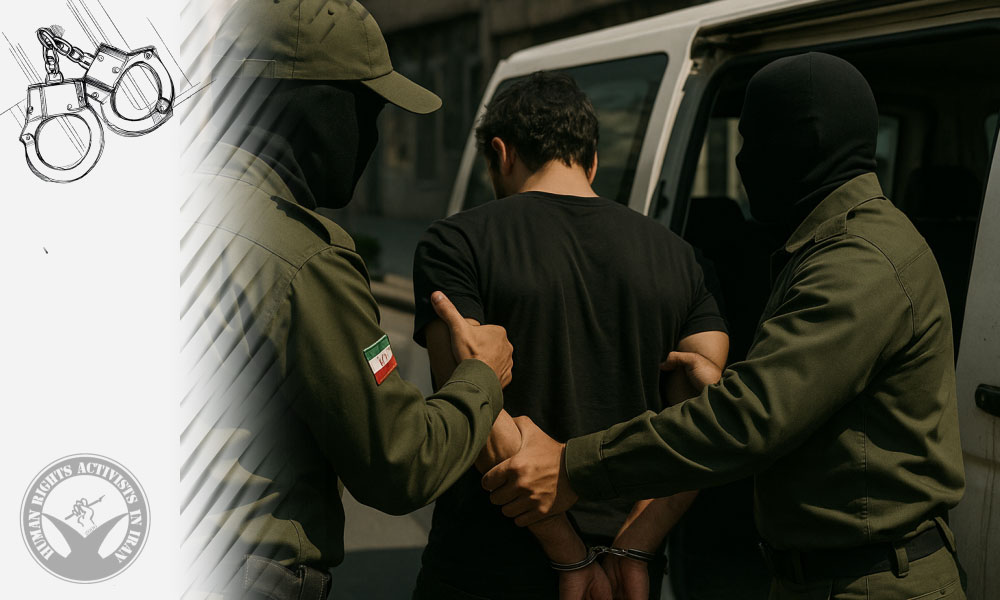
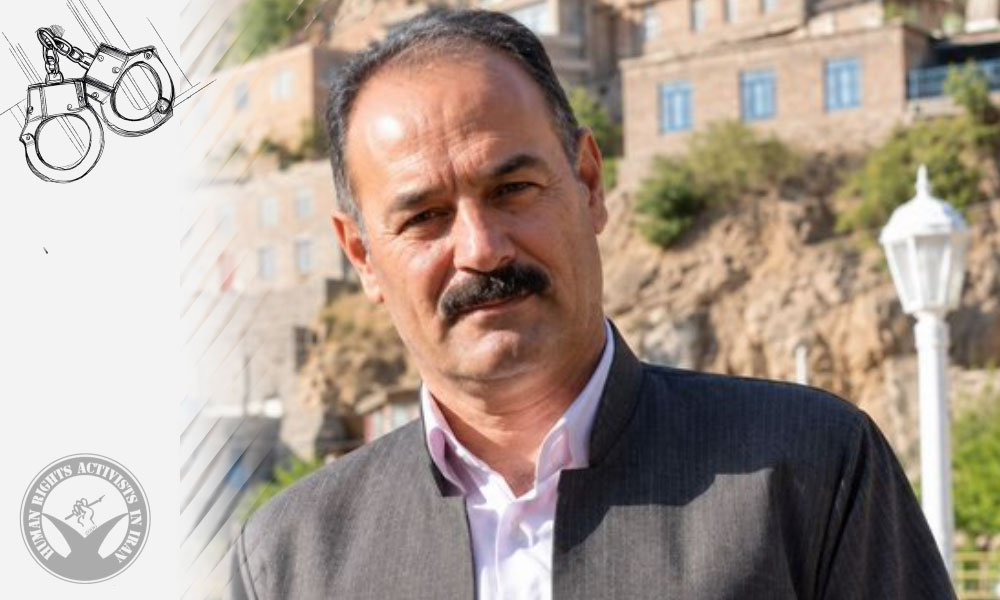
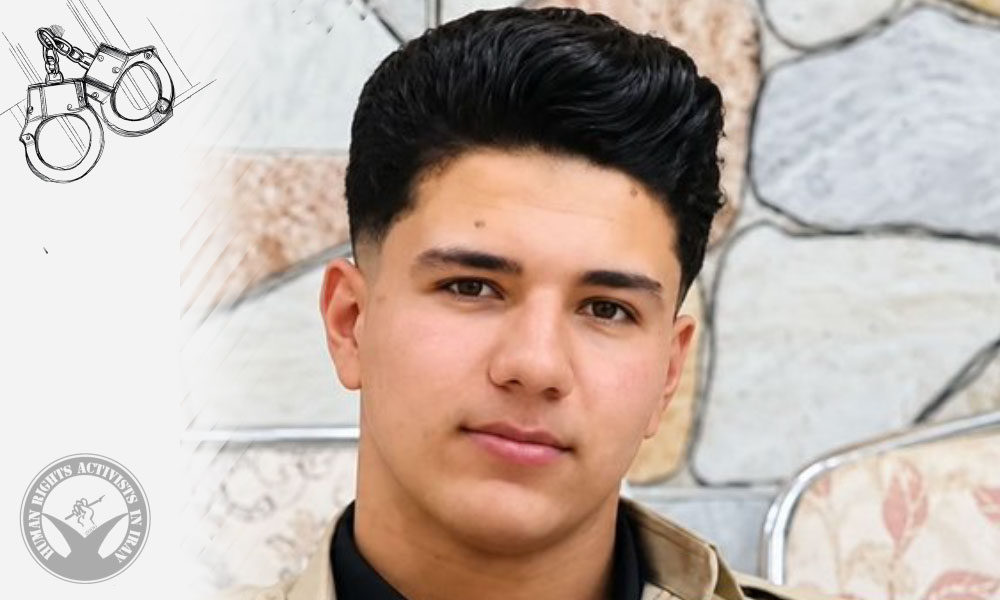
HRANA – On Tuesday, June 16, 2026, Ali Shokri, a resident of Bukan, was arrested by security forces and transferred to a security detention facility in Urmia.

Based on the report by Kurdpa, on Tuesday, June 16, 2026, Mr. Shokri was arrested by security forces at his workplace and transferred to one of Urmia’s security detention facilities. His arrest was carried out without the presentation of a judicial warrant.

As of the time of this report, no information has been obtained regarding the reasons for his arrest or the charges brought against him.

Ali Shokri is a 50-year-old resident of Bukan.

Pouya Esmaeili Arrested in Nowshahr

HRANA – Pouya Esmaeili, a resident of Nowshahr, was arrested by security forces in the city and transferred to an undisclosed location.

According to information received by HRANA, Pouya Esmaeili was arrested by security forces in Nowshahr on Tuesday, June 9, and transferred to an undisclosed location.

As of the time of this report, no information has been obtained regarding the reasons for his arrest, the charges against him, or his place of detention.

Pouya Esmaeili is an electrical engineer and a resident of Nowshahr County, Mazandaran province.

Sister and Brother Kazhal and Danial Rahmani Arrested by Security Forces in Kamyaran

HRANA – On Saturday, June 6, Kazhal Rahmani and her brother, Danial Rahmani, residents of Kamyaran, were arrested by security forces in the city and transferred to undisclosed locations.

According to a report by Kurdpa, two citizens were arrested by security forces in Kamyaran, Kurdistan province. The individuals have been identified as Kazhal Rahmani and her brother, Danial Rahmani.

According to the report, the two citizens were arrested at their homes without the presentation of a judicial warrant. Following their arrest, the siblings were taken to undisclosed locations.

As of the time of this report, no information has been obtained regarding the reasons for their arrest, their whereabouts, or any charges brought against them.

Monthly Report – May 2026: Human Rights Situation in Iran

This report provides a statistical overview of human rights violations documented by HRANA during the month of May. Among the most notable human rights concerns in Iran this month were the alarming increase in executions of prisoners on political and security-related charges, including espionage; the killing of two protesters by the IRGC Intelligence Organization; and the growing number of convictions handed down against ethnic rights activists.

Executions

During the past month, the Iranian regime carried out 55 executions. Among those executed was one woman, while the gender of four others remains unknown.

Twenty-two of the individuals had been sentenced to death on murder charges, while sixteen had been convicted of drug-related offenses. Two others were executed on charges of spreading corruption on earth (efsad-e fel-arz). The charges related to two of the executions remain unknown.

A particularly notable development was the execution of 13 individuals on political and security-related charges, including five people convicted of espionage. The execution of political and security prisoners has intensified following the recent war.

During the same month, Iranian judicial authorities issued 18 death sentences. Among the most significant cases were the death sentences handed down to four protesters involved in the 2022 protests in the case known as “Ekbatan Township”, as well as the death sentences of 20-year-old twin brothers on espionage charges.

Eight of these death sentences have been upheld by the Supreme Court, increasing the risk that they may be carried out.

Freedom of Thought and Expression

In May, the regime’s security forces arrested 162 individuals for reasons that constitute violations of citizens’ freedom of expression. During the same period, the summons of one person to security agencies and six individuals to court were also reported.

The homes of seven individuals were searched by security forces, and five people stood trial.

Iranian courts also sentenced 35 individuals to a combined total of 3,575 months of imprisonment for expressing their views and opinions. Among these cases was the five-year prison sentence imposed on Yasamin Dashtani, one of the defendants in the case known as the Ekbatan Township case. In another development, an appeals court sentenced four citizens to a combined total of 30 years in prison.

In addition to prison sentences, courts imposed seven cases of deprivation of social rights, 24 months of internal exile, and 20 lashes. Authorities also confiscated the assets of 821 individuals, a practice that, according to decisions by Iran’s senior judicial officials, has intensified following the recent war and has been particularly directed against opponents of the regime, especially those residing outside the country.

Additionally, one case of physical assault related to the exercise of freedom of expression and opinion was reported.

Prisoners’ Rights

In May, HRANA documented eight cases of denial of medical care for political and ideological prisoners, including the denial of medical treatment to Mahshar Parandin, a Christian convert imprisoned in Evin Prison, despite serious health complications.

The month also saw seven cases of denial of phone contact, 17 cases of denial of access to legal counsel, five cases of denial of visitation rights, 31 cases of detention under harsh conditions, and three cases of forced prisoner transfers.

Additionally, 15 cases of forced confessions obtained from prisoners or detainees were reported, along with 61 cases of detainees being held in legal limbo without clarification of their status. In 39 arrest cases, prison authorities and security agencies withheld information regarding the detainees’ whereabouts or condition from their families.

During the same month, reports also emerged of a hunger strike by Craig and Lindsay Foreman, the British couple imprisoned in Evin Prison.

Kolbars and Fuel Carriers

In May, military and security forces killed seven individuals through shootings. The most notable case was the killing of Meysam Veisi and Mojtaba Veisi by gunfire from the IRGC Intelligence Organization. The two followers of the Yarsan faith were being pursued by security forces in connection with the January protests. In another incident, four occupants of a vehicle were killed after officers from the Iranshahr Intelligence Department opened indiscriminate fire on their car.

Workers’ Rights

In May, at least 13 labor protests and one workers’ strike were held. HRANA also reported the dismissal of 551 workers, reflecting the widespread layoffs and workforce reductions that occurred during and after the war.

Workplace accidents claimed the lives of 25 workers and left 86 others injured during the month. One notable incident was the death of a mine worker in Tabas due to gas inhalation.

Trade unions and guilds also held 22 protest gatherings. In addition, three business establishments were sealed by authorities for reasons including non-compliance with the mandatory hijab regulations.

Women’s Rights
During this month, HRANA recorded the murders of twelve women. In most of these cases, the victims were killed by family members, highlighting the high prevalence of domestic violence in Iran.

Children’s Rights

In May, three cases of child murder were reported, including the stabbing death of an infant by his father and the murder of an 11-year-old boy by a man allegedly motivated by sexual assault.

Additionally, one case involving the detention of a child by security forces was reported.

Religious Minorities

During the past month, HRANA documented six cases of members of religious minorities being arrested by security forces. Four home searches were also reported.

Additionally, a Baha’i citizen, Amin Imanian, was sentenced by the Revolutionary Court of Babol to one year in prison.

Ethnic Rights

In the past month, security forces arrested eleven individuals from ethnic minority communities or ethnic rights activists, including three people in Mahabad. In seven cases, security forces reportedly failed to present arrest warrants. Additionally, the trial of four Azerbaijani-Turk activists on political charges was held before the Revolutionary Court.

Thirteen individuals were also collectively sentenced to a total of 977 months of imprisonment.

Inhuman Punishment

During this month, Iranian courts sentenced at least 16 individuals to a total of 309 lashes.

Subscribe to Our Newsletter

Now is definitely not the time to stop reading!

Two Yarsan Followers Killed in Shooting by Security Forces

HRANA – Meysam and Mojtaba Veisi, two citizens and followers of the Yarsan faith who had been pursued by security forces in connection with the January 2026 protests, were killed this morning after being targeted in a shooting by the IRGC Intelligence Organization in a village in Dalahoo County.

According to HRANA, two brothers were killed following a shooting by IRGC forces. The identities of the victims have been reported as Meysam Veisi and Mojtaba Veisi, two brothers and followers of the Yarsan faith, each of whom was the father of one child.

Since the protests of January 2026, the two brothers had been wanted by security forces for arrest and had been hiding in the village of Qal’eh Kahvash, located in Dalahoo County in Kermanshah Province. On the morning of yesterday, May 28, 2026, agents of the IRGC Intelligence Organization opened fire on their hiding place, resulting in the deaths of both men.

In this regard, Kurdpa reported that the bodies of the two citizens have not yet been returned to their families. The report also states that Mojtaba Veisi had been summoned by security institutions via telephone in recent months; however, because he had not received a written summons, he had declined to appear before those authorities.

Mojtaba Veisi had previously been arrested due to his activities.

It should be noted that protests and strikes by shopkeepers and bazaar merchants began in Tehran on Sunday, December 28, 2025, and within two days spread beyond markets and commercial centers. With the participation of students, citizens, and various social groups, these protests became one of the largest protest movements of recent years. Following the crackdown by security and law enforcement forces, thousands were killed or injured, and tens of thousands were arrested or summoned by security agencies. For more information, readers may refer to HRANA’s comprehensive report titled “Crimson Winter,” documenting the first fifty days following the outbreak of Iran’s nationwide protests.

Arrest of Three Citizens in Mahabad

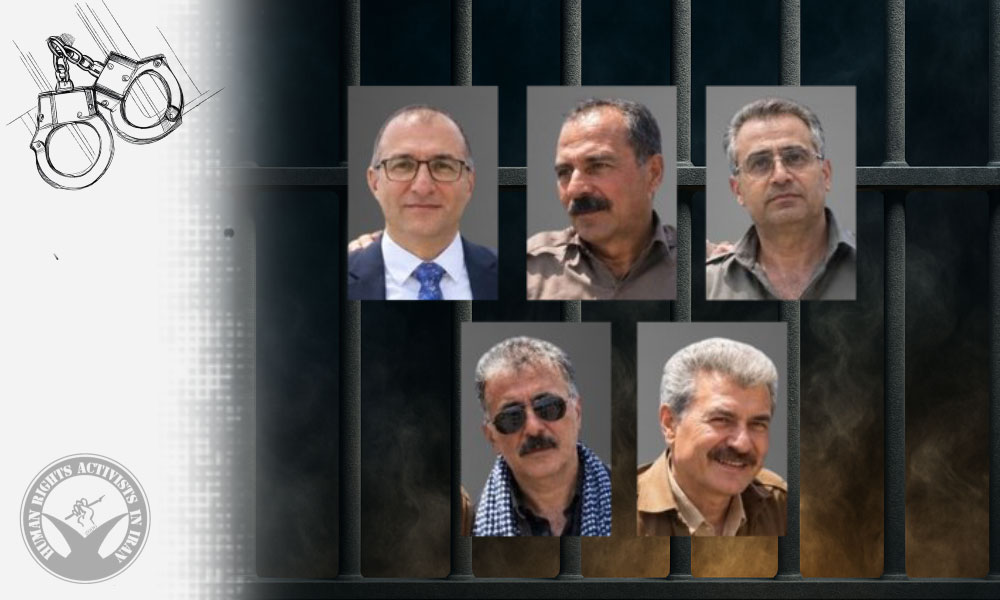
HRANA – On Monday, May 25, security forces arrested three citizens from Mahabad, Mansour Abbasi, Ahad Kheyri, and Vahed Kheyri, and transferred them to an undisclosed location.

According to a report by Kurdpa, in the early hours of Monday, May 25, 2026, three young men from the village of Bafran, located in the Shamat district of Mahabad County in West Azerbaijan Province, identified as Mansour Abbasi, Ahad Kheyri, and Vahed Kheyri, were arrested by security forces at their homes and taken to an unknown location. It should be noted that Ahad and Vahed Kheyri are brothers.

As of the time of this report, no information has been obtained regarding the reasons for their arrest or their place of detention.

At Least 32 People Arrested on Security-Related Charges in Several Provinces

HRANA  – The IRGC Intelligence Organization has announced the arrest of at least 32 individuals in the provinces of Qazvin, Kerman, and Chaharmahal and Bakhtiari. The agency stated that the charges against these individuals include “espionage, links to anti-regime groups, terrorist activities, and sabotage.”

According to a report by Mehr News Agency, the IRGC Intelligence Organization announced the identification and arrest of several citizens in multiple provinces across the country.

According to the report, in Qazvin Province, two citizens were arrested on accusations described as “spying for the Zionist regime.” Authorities in the province also announced the dismantling of a network distributing military-grade weapons and the seizure of quantities of arms and ammunition. Another section of the report claimed that 1,400 tons of petrochemical raw materials allegedly stockpiled with the aim of “disrupting the market” had been discovered.

The report further stated that in Kerman Province, eight individuals were arrested as “main agents of terrorist activities.” Allegations against them include “shooting at a vehicle carrying security forces, attacking law enforcement officers, setting fire to the Sirjan Governor’s Office, spying for Israel, and maintaining ties with anti-regime groups.”

In addition, the IRGC Intelligence Organization in Chaharmahal and Bakhtiari Province announced the identification and arrest of 22 individuals as part of several networks allegedly linked to anti-regime groups. The report claimed that these individuals, through contact with “foreign-based coordinators,” were seeking to “procure weapons, create insecurity, and carry out sabotage operations.”

The report did not provide any information regarding the identities of those arrested, the timing and manner of their arrests, or the locations where they are being held.

In recent weeks, authorities have reported numerous arrests across several Iranian provinces on similar security-related charges. In many cases, security agencies have accused detainees of “espionage” or ties to foreign-based media outlets and opposition groups without providing supporting evidence or detailed information. The absence of transparency surrounding these arrests and subsequent legal proceedings has fueled concerns over the status and treatment of those detained.

Report on the Arrest of Shahram Pas-o-Pish in Piranshahr

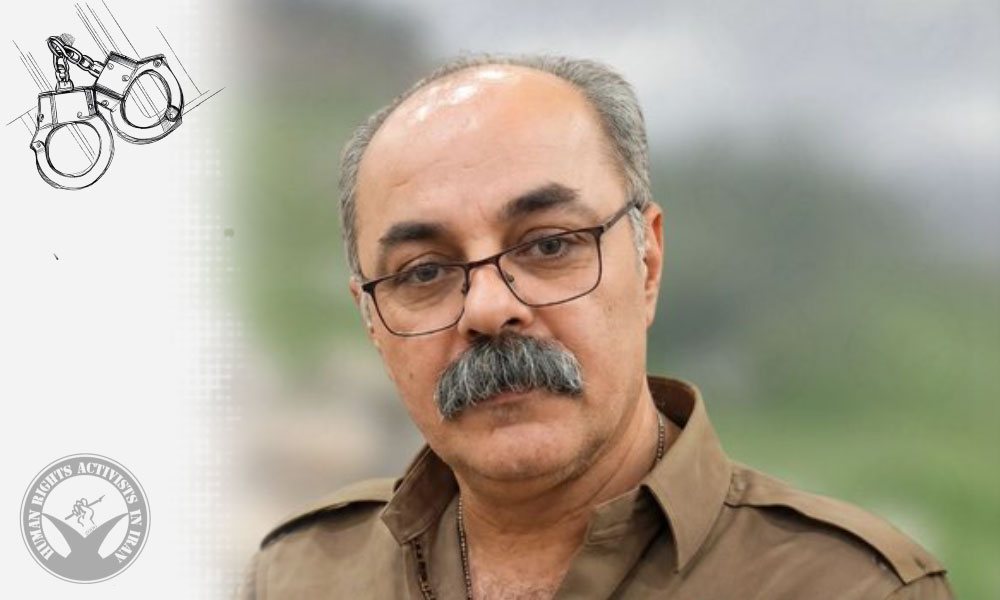
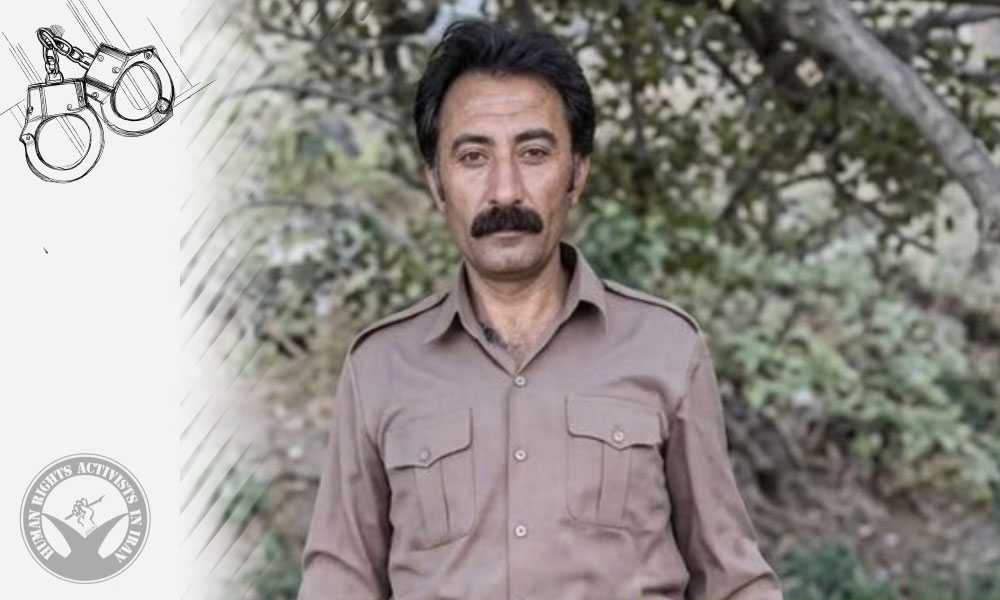
HRANA – Shahram Pas-o-Pish, a resident of Piranshahr, was arrested by security forces in the county on Wednesday, May 13. There is still no information available regarding his whereabouts or condition.

According to a report by Kurdpa, Shahram Pas-o-Pish remains in detention. Based on the report, Shahram Pas-o-Pish was arrested on Wednesday, May 13, at his home in Piranshahr by security forces without the presentation of a judicial warrant. Since then, no information has been obtained regarding his fate or place of detention. Despite repeated inquiries by his family to security and judicial authorities, officials have so far failed to provide any clear response regarding their son’s whereabouts.

During his detention, he has been denied access to a lawyer and family visits. The lack of information about his condition has intensified concerns among his family and relatives.

At the time of this report, no information has been obtained regarding the reasons for his arrest or the charges brought against him.

Shahram Pas-o-Pish, is a resident of Chiane village, located in Piranshahr County.

Rare Medicines, Astronomical Prices; Patients’ Accounts of Post-War Iran’s Informal Drug Market

HRANA – This report examines Iran’s worsening medicine shortage crisis in the aftermath of the recent U.S.-Israel war and the growing expansion of the informal drug market, a crisis that has driven patients from pharmacy lines to Telegram channels and online groups.

Patients, families, and pharmacy workers describe the daily struggle to obtain medicine, rising prices, concerns over the authenticity of drugs sold on the black market, and the emergence of informal drug supply networks.

It is after 9 p.m., yet the line outside the 24-hour pharmacy on Taleghani Street still has not ended. Some patients hold paper prescriptions in their hands, while others show photos of medicine boxes on their mobile phones. A middle-aged woman repeats the name of her husband’s medication under her breath every few minutes; a young man standing near the entrance constantly calls several other pharmacies, and nearly every response is the same: “We don’t have it.”

The medicine shortage crisis, which has intensified in the months following the war, has now shifted the process of obtaining many medications from official pharmacies to informal markets and Telegram channels. Patients who, until just a few months ago, were able to obtain their medications through official channels with a doctor’s prescription now spend hours searching from one pharmacy to another, often ultimately turning to the black market, where prices are several times higher and there is no guarantee of the medicines’ authenticity.

On the windows of some pharmacies, notices have been posted reading: “Insulin unavailable,” “Dispensing only with the patient’s national ID code,” and “We are unable to provide inventory information by phone.” Yet only a few hours later, the same medicines appear advertised in Telegram channels and groups at black-market prices. Some sellers do not even mention the drug’s name publicly and disclose the price only through private messages.

Sudabeh, a 35-year-old woman who has spent the past three days going from one pharmacy to another across Tehran in search of her father’s heart medication, told HRANA that eventually another customer sent her the link to a Telegram channel.

“First they said the pharmacy’s allocated supply had run out, then they said maybe it would be distributed again next week. Everywhere we went either didn’t have it or said they had no idea when it would arrive again.”

She says she ultimately found the same medicine on the informal market, but at a price nearly three times higher than before.

“When we finally found the medicine, we were happy, but then we became afraid that it might be counterfeit. We had no way of making sure.”

A review of several Telegram channels and groups involved in drug sales shows that medications for special-disease patients, diabetes drugs, certain chemotherapy medicines, hormonal injections, and imported pharmaceutical products are bought and sold in these spaces almost every day. Some sellers claim the medicines were obtained “directly from pharmacies” or “from foreign travelers.” In some advertisements, phrases such as “limited quantity,” “last stock,” or “Tehran only” are even used, expressions that resemble the market for foreign currency or smuggled goods more than medicine.

Reza, a 46-year-old taxi driver, told HRANA that he searched multiple pharmacies across different parts of Tehran to find insulin pens for his mother.

“Some pharmacies would say they didn’t have it before we could even finish saying the medicine’s full name. In the end, we found it through those same channels, but the price was much higher.”

He says his family no longer has any option other than buying from the informal market.

“When your patient needs medicine every single day, you can’t wait around hoping distribution might resume next week.”

After the war, pressure on the country’s pharmaceutical system increased simultaneously from several directions. Disruptions in the import of raw materials, difficulties in currency transfers, damage to parts of the transportation infrastructure, accumulated debts owed by insurance providers, and a sudden rise in demand for certain medicines gradually widened the shortages. Medications that had previously become scarce only occasionally have now turned into items patients must search for hours to obtain.

An employee at a pharmacy in central Tehran, who asked not to be named, told HRANA’s reporter that pressure caused by medicine shortages has clearly intensified in recent months.

“Some medicines simply aren’t delivered to pharmacies in sufficient quantities. For certain items, we’ve been instructed to dispense them in limited amounts or provide them only with complete patient documentation.”

He says the emergence of an informal market under such circumstances is almost unavoidable.

“When demand is high and medicine is hard to find, it’s natural for middlemen to step in. Patients, because of their urgent needs, are forced to obtain it by any means possible.”

In some pharmacies, tensions between patients and staff have become a daily occurrence. A man who visited a pharmacy seeking anti-seizure medication for his daughter protests loudly for several minutes after receiving a negative response from the prescription desk clerk, saying: “If there’s no medicine, then why do all these people come here every night?”

Several people in line nod in agreement. A woman holding her young child quietly says: “We’re all looking for the same thing; the hope that maybe we’ll find it here.”

Patients say the problem is not only the shortage of medicine, but also the sharp rise in costs, which has placed heavy pressure on families. Many medicines that were previously obtainable through insurance are now either unavailable altogether or sold only at free-market prices in the informal market.

Soudabeh says the cost of the medicine they obtained for her father was nearly equivalent to one week of the family’s income.

“Before, insurance covered it, but now if you can even find it, you have to buy it at the free-market rate. A lot of people simply can’t afford it.”

Screenshot of a Telegram channel used for the illicit sale of medicines

Alongside rising prices, concerns about the authenticity of medicines are also increasing. The lack of clear oversight regarding the storage and distribution conditions of drugs sold on the informal market has left many patients uncertain whether the medicines they are taking are genuine or counterfeit, expired, or properly stored.

One cancer patient who turned to the black market to obtain chemotherapy medication says:

“When I received the medicine, even the box was slightly damaged. I didn’t know whether I should trust it or not. But I had no other choice.”

Health activists warn that the continuation of this situation could have broader consequences for public health. According to them, the expansion of the informal drug market does not only mean higher prices, but also increases the risk of smuggled, counterfeit, and substandard medicines entering circulation.

An internal medicine physician in Tehran, who asked not to be named due to the sensitivity of the issue, told HRANA that many patients are now abandoning treatment midway or reducing their medication doses so their supplies last longer.

“When a patient cannot find their medicine or afford its cost, treatment is effectively disrupted. This is not just an economic crisis; it is a direct public health crisis.”

He says that in recent weeks he has seen multiple cases of patients arriving in worse condition than before.

“Some patients have gone several days without their medication because they couldn’t obtain it. For chronic or special illnesses, even a short interruption like this can be extremely dangerous.”

Meanwhile, officials have repeatedly cited difficulties in securing foreign currency, import restrictions, and economic pressure as the main reasons behind the medicine shortage. But for many patients, the drug crisis is defined not by statistics, but by their daily experiences: the long hours spent searching between pharmacies, the nightly queues, unanswered phone calls, and messages in Telegram channels.

As the night goes on, the line outside the pharmacy does not grow shorter. Some patients leave in disappointment, while others still hope that a new shipment might arrive. A young man holding a prescription gives his phone number to another person in line before leaving and says: “If you find it somewhere, let me know too.”

In days when the medicine crisis has become part of people’s daily lives, many patients have now built informal networks of acquaintances, channels, and online groups, networks aimed at finding medicines that until recently had been an ordinary part of treatment.

For those who go from one pharmacy to another every day, the medicine crisis is no longer just a news story or an economic statistic. It has now become part of their everyday lives, lives in which finding a few pills, an injection, or an insulin pen has sometimes become harder than the treatment itself.