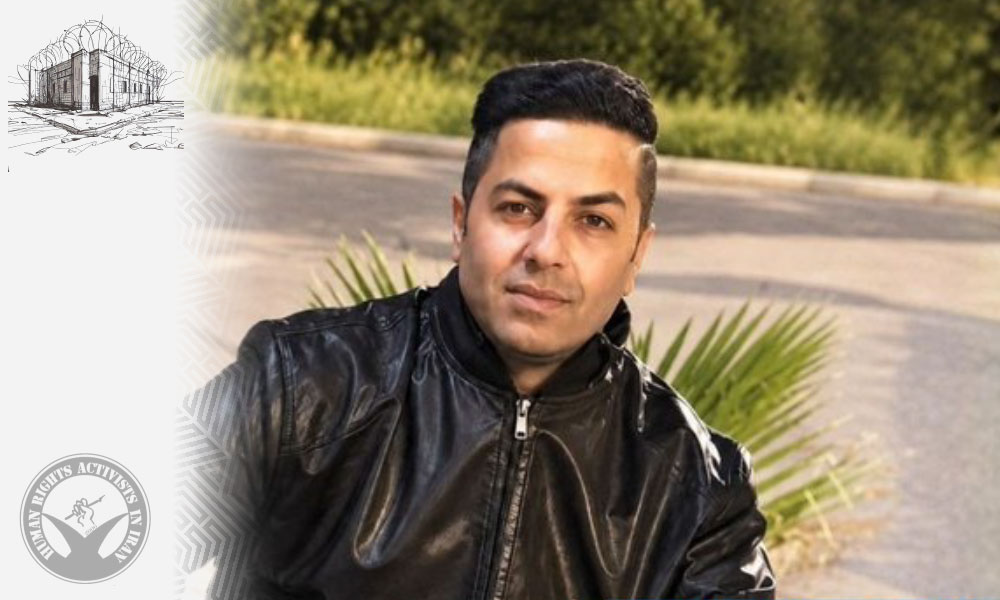
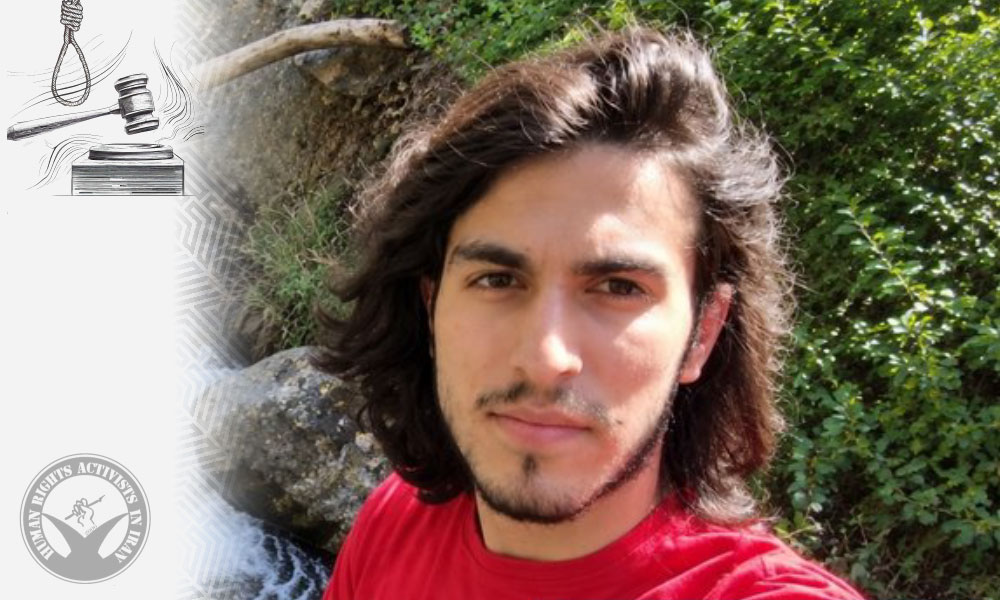
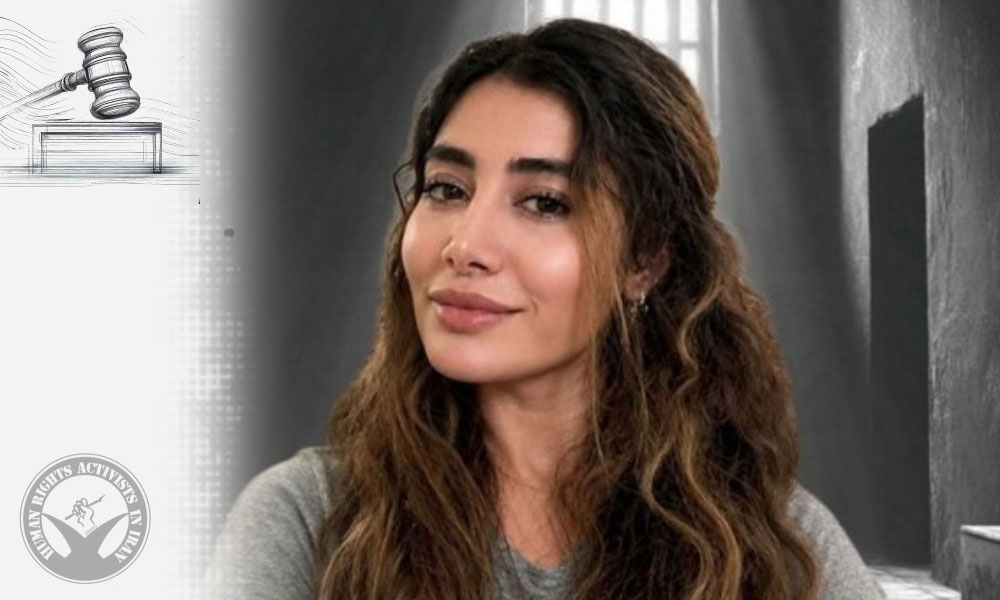
University Lecturer and Music Instructor Fereydoun Farahani Arrested

HRANA – Fereydoun Farahani, a music instructor and visiting lecturer in architecture at Pars University of Tehran, has been arrested by security forces.

Mr. Farahani, a music instructor and visiting lecturer in architecture at Pars University of Tehran, was detained by security forces.

The report states that in March 2026, Mr. Farahani published a statement expressing support for students and their role and participation in the protests.

At the time of this report, no information is available regarding the reasons for his arrest, the charges brought against him, or his place of detention.

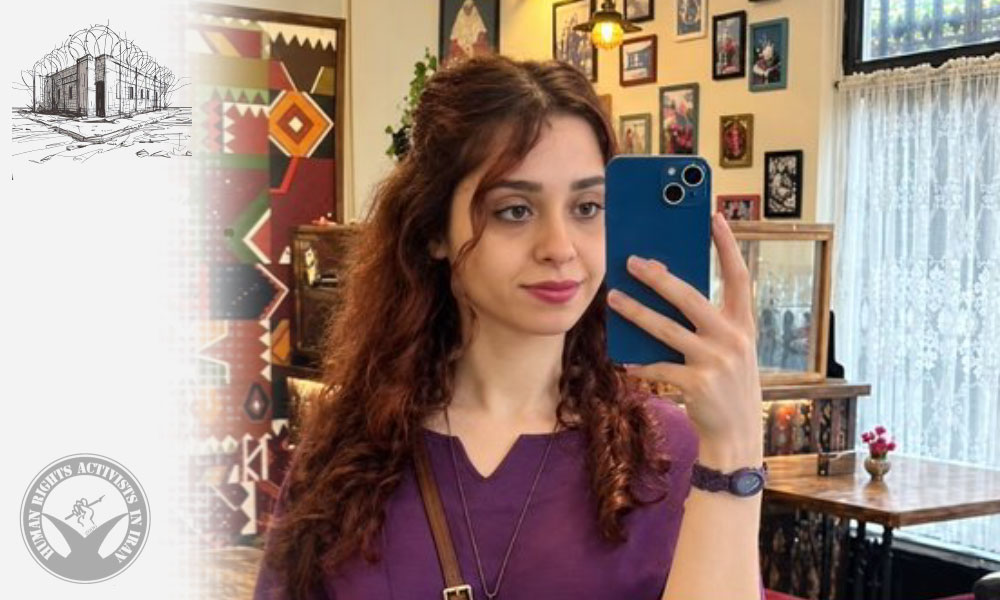
Former Prisoners Describe Beatings and Denial of Medical Care in Ghezel Hesar Prison

HRANA – Former inmates of Suite 35 at Ghezel Hesar Prison in Karaj have provided HRANA with accounts alleging the systematic mistreatment of prisoners, including physical assaults, the use of pipes as instruments of corporal punishment, denial of medical care, and the transfer of injured detainees to the facility. Multiple independent testimonies repeatedly identified a prison guard officer by name and described what sources characterized as a pattern of violent and degrading treatment of inmates.

According to HRANA, several former prisoners who had been held in Suite 35 of Ghezel Hesar Prison in recent months and have since been released have provided new details about conditions in the ward and the treatment of certain inmates.

According to these individuals, a number of detainees with physical injuries, including leg wounds, have been transferred to Ghezel Hesar Prison in recent months. Sources familiar with the matter reported that Parsham Parvas, Hojjat Naimi, and Sasan Jalilian were among those transferred to the prison while in poor physical condition.

HRANA has received accounts regarding the cause of these injuries; however, it is currently unable to independently verify all details concerning when, where, and how the injuries were sustained. Nevertheless, several informed sources separately confirmed that these individuals faced obstacles in accessing adequate medical care for a period following their transfer to prison.

One informed source stated: “Sasan Jalilian’s condition was more concerning than the others. He had suffered a serious gunshot wound to his leg, and despite the severity of the injury, his treatment was neither complete nor adequate.”

According to information received by HRANA, Parsham Parvas, a businessman residing in Tehran, was arrested in the mid-March 2026. Informed sources stated that his arrest was linked to his online activities and criticism of security conditions and inspection checkpoints. Hojjat Naimi, a 35-year-old resident of Tehran, reportedly faced security action because of content published on, or remaining on, his Instagram page.

Regarding Sasan Jalilian, a man approximately 25 years old, informed sources said he was arrested following a review of content on his Instagram account. HRANA has received conflicting information concerning the precise charges against him and therefore refrains from definitively identifying the accusations.

Several former prisoners also reported repeated beatings of inmates by certain prison officials. In most of these accounts, the name of Meysam Seifi, a prison guard officer, was mentioned.

One former political prisoner who was present in Suite 35 during an incident that resulted in the beating of Soheil Arabi told HRANA: “For several days, prisoners had been deprived of purchases, outdoor time, and certain facilities, and tensions in the ward had escalated. After inmates protested, Soheil Arabi was taken out of the ward. Some time later, sounds of a confrontation and blows could be heard from outside, and later we learned that he had been severely beaten.”

According to several former prisoners, physical abuse was not limited to punches and kicks. In some cases, water pipes were allegedly used to beat inmates. One former prisoner said: “Many times, prisoners would be taken out of the ward and return with bruises and visible signs of beating.”

Informed sources further stated that in one such case, the injuries inflicted on a prisoner were so severe that he required surgery after being transferred to a hospital. According to these sources, prison authorities initially recorded the cause of his injuries as “self-harm,” a claim that the prisoner himself rejected.

Another former prisoner described the atmosphere in the ward as follows: “For many of us, the most painful part was not being beaten ourselves. It was hearing the screams and pleas of other prisoners. Some nights those sounds continued for hours, and there was nothing anyone could do.”

At the same time, these former inmates emphasized that not all prison staff behaved in the same manner. Nevertheless, multiple independent accounts described violent conduct by certain prison officials.

Under the Executive Regulations of Iran’s Prisons Organization, adopted in 2021, as well as the directive on “Clarifying the Rights of Detainees, Respecting Their Dignity, and Supervising Detention Facilities,” prison authorities are required to uphold prisoners’ human dignity, ensure access to medical services, protect their physical safety, and prohibit all forms of torture, degrading treatment, harsh behavior, and physical or psychological abuse. Furthermore, prison regulations stipulate that disciplinary measures may only be imposed through legally prescribed procedures, and physical violence against prisoners is not among the lawful disciplinary sanctions.

This report follows a series of previous HRANA reports concerning Suite 35 of Ghezel Hesar Prison, a section that has repeatedly been the subject of complaints by prisoners and their families regarding detention conditions, imposed restrictions, and the treatment of detainees.

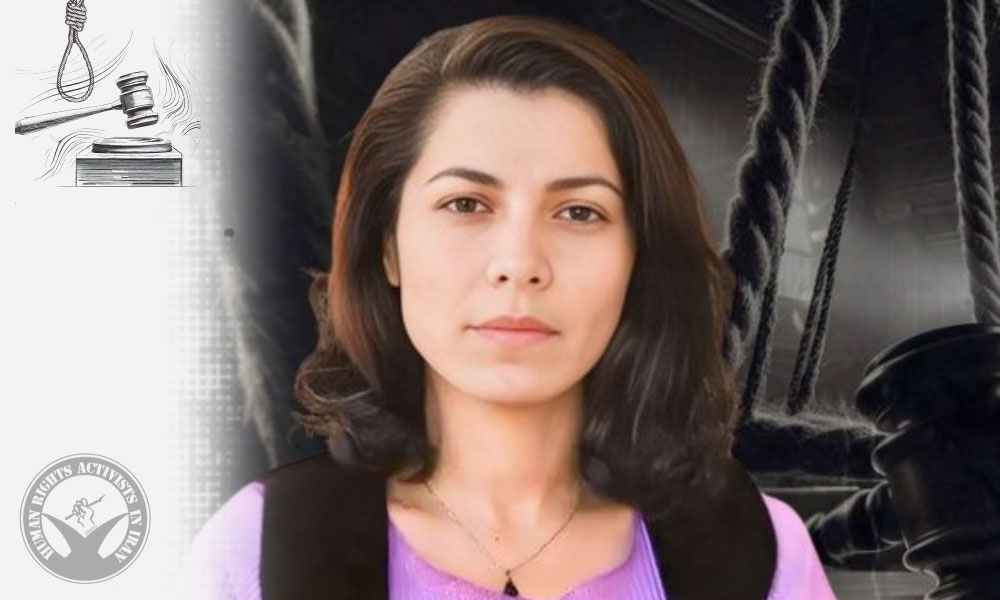
Homeyra Sharifi Sentenced to Five Years in Prison; Denied Medical Care in Evin Prison

HRANA – Homeyra Sharifi, one of those arrested during the January 2026 protests and currently imprisoned in Evin Prison, has been sentenced to five years in prison. The Afghan national is reportedly suffering from both physical and psychological health problems and has been denied adequate medical care.

The five-year prison sentence was recently communicated to Ms. Sharifi while she was being held in Evin Prison. According to information received by HRANA, she suffers from a skin disease and is experiencing serious psychological distress. Despite her condition, she has not received adequate medical or mental health care.

A source familiar with her situation told HRANA:

“Homeyra Sharifi does not possess identity documents. Since her transfer to Evin Prison, she has attempted suicide twice, the most recent incident occurring last week. After fellow prisoners expressed concern, she was sent for a single counseling session, but no effective follow-up care was provided afterward.”

Homeyra Sharifi was arrested during the nationwide January protests and transferred to Qarchak Prison in Varamin. On February 16, 2026, she was transferred from Qarchak Prison to Evin Prison, where she has remained ever since.

HRANA’s investigation into the charges brought against Ms. Sharifi and the authority that issued the sentence is ongoing.

January 2026 Protests: Rostam Shahpari Talkh Abi and Iman Shahpari Nia Sentenced to Prison

HRANA – The convictions of Rostam Shahpari Talkh Abi and Iman Shahpari Nia, who were arrested during the January 2026 protests, have been fully upheld by the Khuzestan Province Court of Appeals. In a joint case, Branch 1 of the Ahvaz Revolutionary Court had previously sentenced each of them to two years in prison along with supplementary punishments.

Based on a ruling recently issued by Branch 14 of the Khuzestan Province Court of Appeals, Mr. Shahpari Talkh Abi and Mr. Shahpari Nia were each sentenced, on the charge of “disrupting public order,” to two years in prison, a two-year ban on leaving the country, and one year of mandatory attendance at the Headquarters for the Promotion of Virtue and Prevention of Vice. The court cited the note to Article 286 of the Islamic Penal Code as the basis for the sentence.

The initial verdict in their case had been issued by Branch 1 of the Ahvaz Revolutionary Court on the same charge.

In this case, the charge of “disrupting public order” was brought under the note to Article 286 of the Islamic Penal Code. Under Iran’s legal framework, Article 286 itself pertains to the offense of “spreading corruption on earth” (efsad-e fel-arz). However, according to its accompanying note, if a defendant’s actions are deemed to have caused disorder or insecurity but are not considered sufficiently extensive to constitute efsad-e fel-arz, the death penalty is not applied, and the defendant may instead be sentenced to a Grade 5 or Grade 6 discretionary prison term (up to five years’ imprisonment).

The reliance on this note rather than Article 618 of the Islamic Penal Code, which addresses ordinary public-order offenses and carries a maximum sentence of one year in prison, indicates that the case was handled through a security-oriented approach, with the court relying on the more severe penalties provided under the note to Article 286.

Rostam Shahpari Talkh Abi and Iman Shahpari Nia were arrested on January 9, 2026, during the nationwide protests and were subsequently transferred to Sheiban Prison in Ahvaz.

Appeals Court Upholds Prison Sentences of British Detainees Lindsay and Craig Foreman

HRANA – The prison sentences of Craig Foreman and Lindsay Foreman, two British citizens currently held in Evin Prison, have been upheld in full by the Court of Appeals. The couple had previously been sentenced to 10 years in prison each by Branch 15 of the Tehran Revolutionary Court on charges of “espionage.”

According to HRANA, citing BBC News, the Court of Appeals has upheld without modification the prison sentences imposed on Lindsay and Craig Foreman, a British couple imprisoned in Iran.

According to the report, the couple was not permitted to attend the appeals hearing. Following the confirmation of their sentences, their case has been referred to the Supreme Court.

In February 2026, Branch 15 of the Tehran Revolutionary Court, presided over by Judge Abolghasem Salavati, sentenced the couple to 10 years in prison each on charges of “espionage.”

According to the couple, “Despite appearing in court, no evidence was presented, and we were given no opportunity to defend ourselves.”

In May 2026, the couple launched a hunger strike to protest their detention conditions and the suspension of telephone contact with their family. As the strike has continued, Lindsay Foreman has reportedly experienced deteriorating health conditions, including weight loss, low blood sugar, and fluctuations in blood pressure.

Craig and Lindsay Foreman, who had entered Iran as part of a motorcycle journey around the world, were arrested by the IRGC Intelligence Organization in Kerman in December 2024. Judicial authorities had accused them of “espionage,” alleging that they collected information in several provinces under the guise of tourism and research activities.

The British ambassador to Iran at the time also met with the two defendants at the Kerman Prosecutor’s Office in February of that year.

In recent years, Iranian authorities have arrested several foreign nationals on charges such as espionage or cooperation with hostile governments. Some detainees have later been released following political negotiations. Human rights organizations and several Western governments have accused Iran of using such arrests as a means of political leverage, allegations that Iranian authorities have consistently denied.

Subscribe to Our Newsletter

Now is definitely not the time to stop reading!

Death Sentences of Raouf Sheikh Maroufi and Mohammad Faraji Upheld by the Supreme Court

HRANA – The Supreme Court of Iran has upheld the death sentences of Raouf Sheikh Maroufi and Mohammad Faraji, two political prisoners held in Bukan Prison.

According to Kurdpa, the death sentences of Raouf Sheikh Maroufi and Mohammad Faraji have been confirmed by the Supreme Court.

Based on the report, the death sentences were recently upheld by Iran’s highest judicial authority and have been forwarded to the sentence enforcement branch for implementation.

In February 2026, Branch One of the Revolutionary Court of Mahabad sentenced Raouf Sheikh Maroufi and Mohammad Faraji to death on charges of “spreading corruption on earth.” The verdicts were officially communicated to them in Bukan Prison on February 24, 2026.

Kurdpa had previously reported that interrogators pressured the two men to make forced confessions and accept responsibility for “participation in the killing of a security force member in Bukan.”

Raouf Sheikh Maroufi was arrested by security forces on December 26, 2022, and Mohammad Faraji was arrested on February 22, 2023, both without the presentation of a judicial warrant. Following the completion of interrogations, they were transferred on June 10, 2023, from The Ministry of Intelligence’s detention facility in Urmia to Bukan Prison.

16-Year-Old Protest Detainee Diana Taherabadi Still Held in Karaj Prison

HRANA – Diana Taherabadi, a 16-year-old who was arrested during the January protests, remains detained in the Juvenile Correction and Rehabilitation Center section of Kachooie Prison in Karaj.

A source familiar with the teenager’s family confirmed the matter to HRANA, stating: “Despite the passage of 126 days since Diana Taherabadi’s arrest, she is still being held in the Juvenile Correction and Rehabilitation Center section of Kachooie Prison in Karaj. Security forces obtained forced confessions from her and subsequently sent her case to court. She denied the charges against her during the court proceedings, and her case has now been transferred to Tehran for further review following the intervention of security agencies.”

Diana Taherabadi, a 16-year-old student, was arrested by security forces in Karaj on January 25, 2026, during the protests. Following her arrest, she was transferred to the Juvenile Correction and Rehabilitation Center section of Kachooie Prison in the city.

It should be noted that protests and strikes by shopkeepers and bazaar merchants began in Tehran on Sunday, December 28, 2025, and within two days spread beyond markets and commercial centers. With the participation of students, citizens, and various social groups, these protests became one of the largest protest movements of recent years. Following the crackdown by security and law enforcement forces, thousands were killed or injured, and tens of thousands were arrested or summoned by security agencies. For more information, readers may refer to HRANA’s comprehensive report titled “Crimson Winter,” documenting the first fifty days following the outbreak of Iran’s nationwide protests.

January Protests; Detained Teenager Nima Araban Remains in Legal Limbo

HRANA– Nima Araban, a 17-year-old teenager and one of those arrested during the 2026 protests in Naein, remains in a state of legal limbo at the Isfahan Juvenile Correction and Rehabilitation Center. He has been prosecuted in a joint case alongside Abbas Akbari Feyzabadi, one of the protesters who was executed.

Based on information received by HRANA, Nima Araban was arrested together with Abbas Akbari Feyzabadi, an executed protester, during the protests in January 2026 in Naein, Isfahan Province. He has now been held for more than four months at the Isfahan Juvenile Correction and Rehabilitation Center.

A source familiar with the teenager’s situation confirmed the news to HRANA and said: “Nima Araban is currently 17 years and 9 months old and is approximately three months away from reaching the legal age of adulthood. Given the execution of his co-defendant, concerns among Nima’s family and relatives have intensified regarding the possibility of a heavy sentence being issued against him after he reaches legal adulthood.”

Abbas Akbari Feyzabadi, one of the detainees from the 2026 protests, was executed on May 25, 2026.

Ruhollah Korki, Political Prisoner, Sentenced to Death

HRANA – Ruhollah Korki, a political prisoner held in Sheiban Prison in Ahvaz, has been sentenced to death.

Based on information received by HRANA, Ruhollah Korki was sentenced to death. Some time ago, the indictment against this citizen was issued on charges including “publishing and disclosing confidential documents,” “cooperation with the Mojahedin-e Khalq Organization (MEK),” “spying for Israel and exchanging military and security information,” “insulting sanctities and officials,” and “acting against national security.” The case had been referred to Ahvaz Criminal Court Two.

Mr. Korki was transferred to Sheiban Prison in Ahvaz on October 2, 2025. He had previously been arrested by security forces in Andimeshk on August 5, 2025.

It should be noted that Ruhollah Korki is the brother of Amin Korki, one of those arrested during the nationwide protests of December 2017–January 2018. Amin Korki died under unclear circumstances in March 2018 after being rearrested.

Ruhollah Korki, aged approximately 47, is married and originally from Andimeshk County.

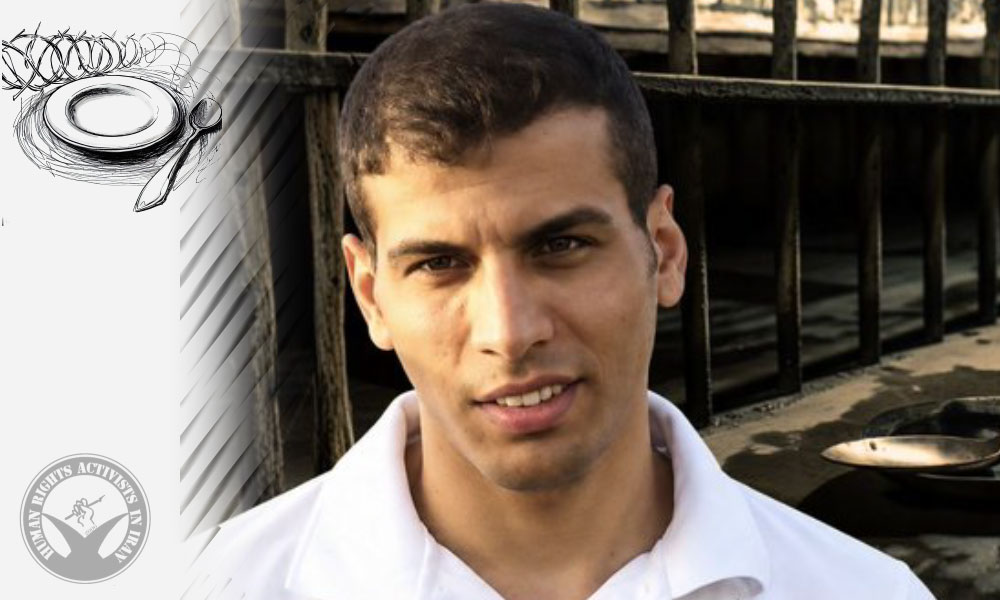
British Couple Craig and Lindsay Foreman Go on Hunger Strike in Evin Prison

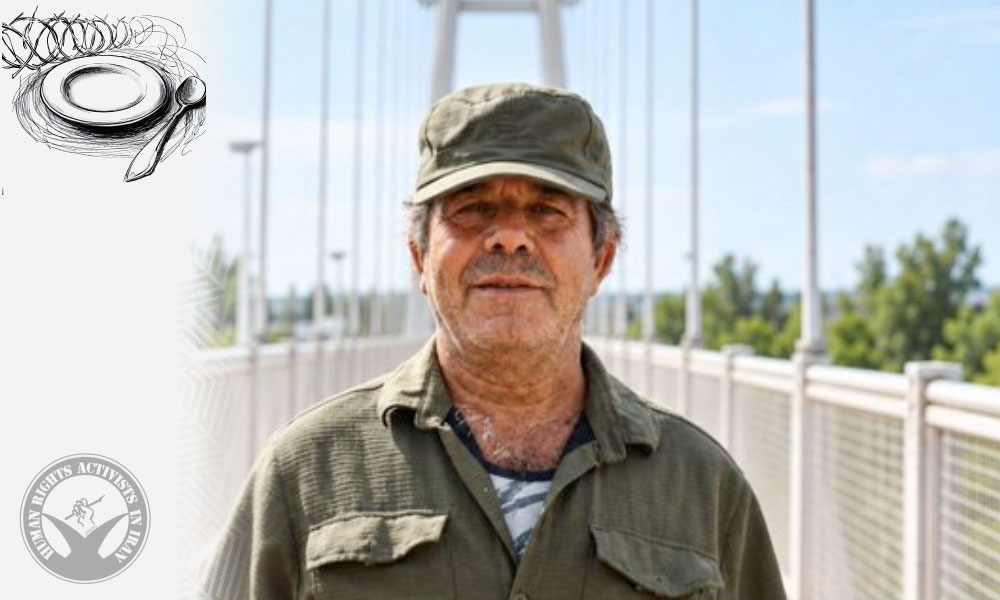
HRANA – Craig and Lindsay Foreman, two British citizens imprisoned in Evin Prison, have gone on strike in protest against their detention conditions and the suspension of their ability to make phone calls to their family.

According to BBC, a British couple imprisoned in Evin Prison has launched a hunger strike. The report states that Craig Foreman has been on hunger strike for approximately 12 days. Meanwhile, his 53-year-old wife, Lindsay Foreman, had temporarily suspended her strike after being promised contact with her family, but has since resumed it.

Before phone contact was cut off, the couple said in a conversation from inside Evin Prison that they would likely remain in detention for “a long time.” In this regard, Craig Foreman stated: “We are innocent people. We have committed no offence.”

Joe Bennett, the couple’s son, described the situation as “medical emergency in the making” and warned that their lives are at risk. He called for immediate action by the British government. Foreign Office Minister Hamish Falconer described the two as “innocent tourists” and called their case “an injustice.”

According to the report, in response to the continued detention of the two British citizens, a group of motorcyclists in Britain plans to hold a protest rally marking the 500th day of the couple’s detention. Supporters of the pair, including members of parliament, also intend to submit a petition to the Prime Minister’s Office calling for urgent action to secure their release.

In February 2026, Craig and Lindsay Foreman were each sentenced to 10 years in prison by Branch 15 of the Tehran Revolutionary Court, presided over by Judge Abolghasem Salavati, on charges of “espionage”, allegations they denied.

The British couple had been arrested in January 2025 during a motorcycle trip to Iran by intelligence forces affiliated with the Islamic Revolutionary Guard Corps in the city of Kerman.