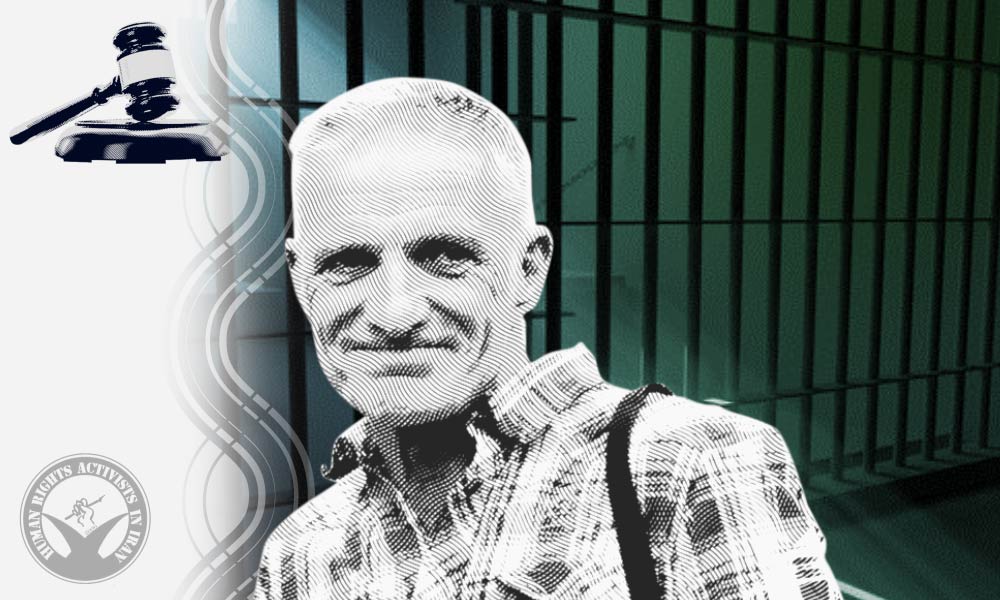
Nationwide Protests: Report on the Arrest of 13 Citizens in Various Cities

HRANA – In connection with the recent nationwide protests, security forces have arrested 13 individuals. Some of those detained have since been released, while information regarding the charges against these individuals remains unclear.

Based on information received by HRANA, Mousa al-Reza Meshkani was arrested on January 10 in Meshkan, a district of Sabzevar, and is currently being held in Vakilabad Prison in Mashhad. Ali Sharifzadeh (Eizi), Saeed Gharagholi, and Mohammad Kalmishi were arrested in Sabzevar on January 8 (18 Dey), February 11, and January 9, respectively. Ali Sharifzadeh was transferred to Mashhad Prison, while Saeed Gharagholi and Mohammad Kalmishi are still being held in Sabzevar Prison. Reza Gerami was arrested on February 14 in Joghatai and is currently detained in the city’s prison.

Raham Rahimi, Elias Jahannoush, Ali Ansari, and Farshad and Farhad Salari, other residents of Sabzevar, were released on Tuesday, February 24, from Vakilabad Prison in Mashhad after posting bail.

Leila Bakhshandehfar, who had been arrested on January 3 by the Mashhad Intelligence Office, was also released yesterday from Vakilabad Prison in Mashhad. She had previously been sentenced by a judicial authority to four years and six months of discretionary imprisonment. The sentence was initially converted to a fine of 140 million tomans in lieu of imprisonment. Ultimately, taking into account her detention period and submission to the verdict, the amount was reduced to 70 million tomans.

Additionally, the Kurdpa news outlet reported that in the early hours of Monday, February 23, Ahmad Tamouei, a former political prisoner from Salmas County, was arrested by security forces in Tehran and taken to an undisclosed location. Mr. Tamouei has previously served prison sentences due to his activities.

Hyrcani media also reported that Sohrab Kolthoumi, 32, a resident of Rasht, was arrested by security forces at his home in the city on January 25.

According to the report, following his arrest, he was held for 26 days at an IRGC Intelligence detention facility, where he was interrogated and beaten. He was then transferred for a short time to the triage ward of Lakan Prison in Rasht. He was subsequently removed from the prison and transferred back to the IRGC Intelligence detention facility. Concerns have increased regarding continued pressure to extract a forced confession and about his physical condition.

As of the time of this report, no information has been obtained regarding the charges brought against these individuals.

It should be noted that gatherings and strikes by shopkeepers and bazaar merchants began in Tehran on Sunday, December 28, 2025. After two days, the protests expanded beyond markets and commercial centers. With the participation of students, citizens, and various social groups, these demonstrations became one of the most widespread protests in recent years. Following the suppression of the protests by law enforcement and security forces, thousands were killed or injured, and tens of thousands were arrested or summoned by security institutions. For further information, refer to HRANA’s comprehensive report titled “The Crimson Winter: A 50 Day Record of Iran’s 2025–2026 Nationwide Protests.”

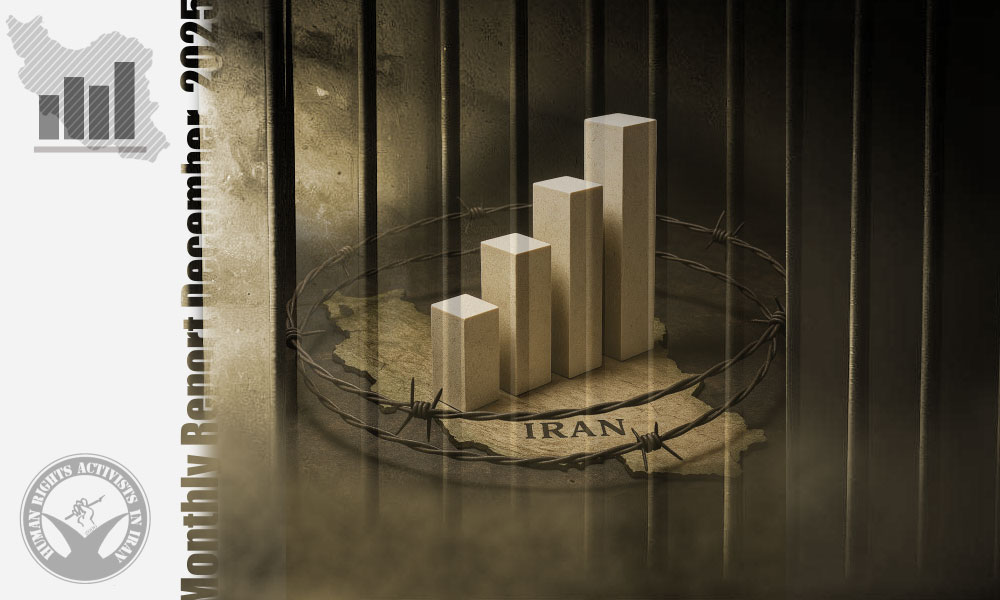
Monthly Report – December 2025: Human Rights Situation in Iran

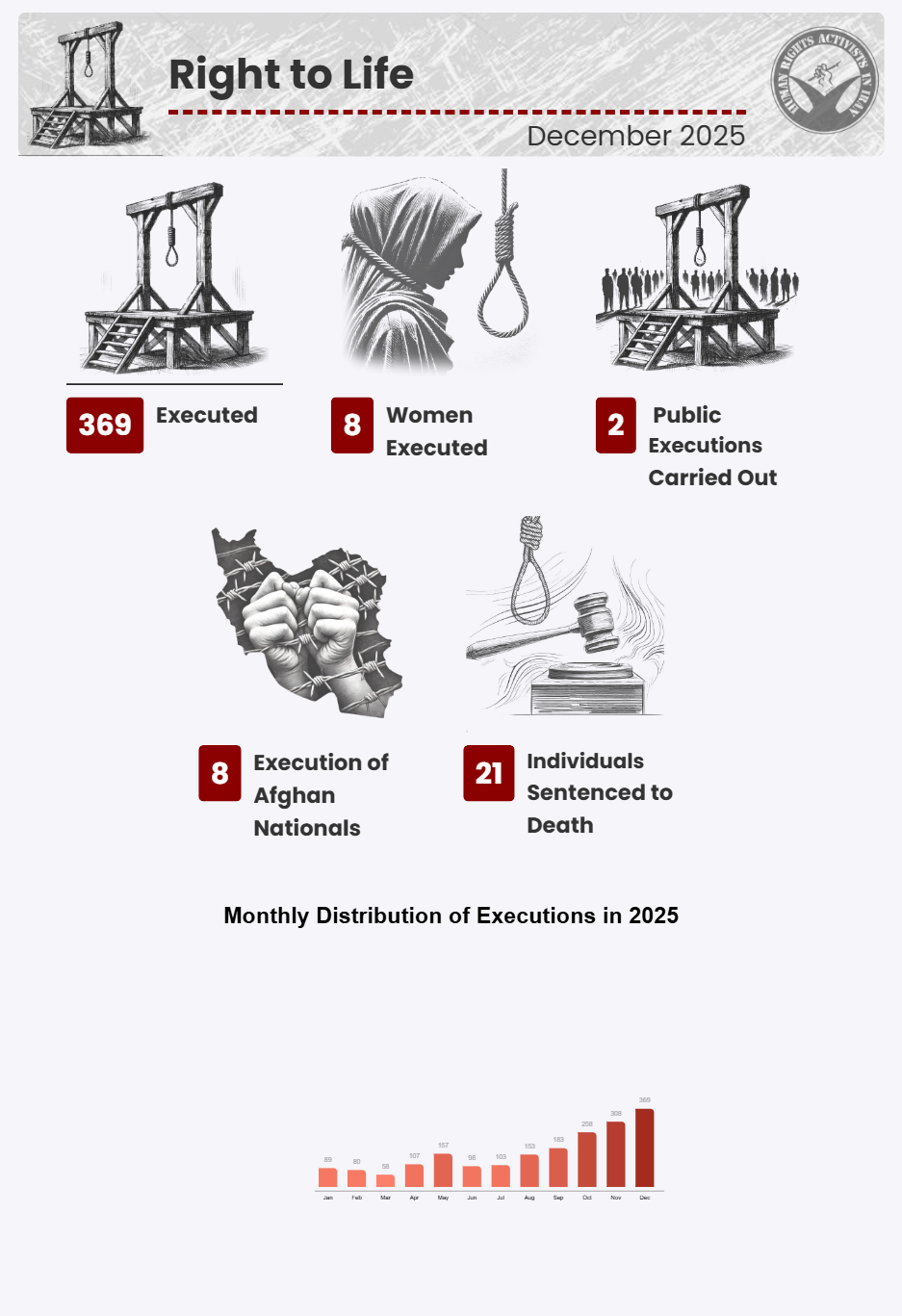
This report provides a statistical summary of human rights violations in Iran. In December, Iran’s judiciary carried out 369 executions, breaking the execution record of recent years.

HRANA- This report provides a statistical summary of human rights violations in Iran. In December, Iran’s judiciary carried out 369 executions, breaking the execution record of recent years. The month also saw an increase in arrests related to the exercise of freedom of expression and belief, a rise in labor protests and strikes, and an increase in convictions against religious and ethnic minorities.

Executions

In December, Iran recorded the highest number of executions in 2025, with 369 people put to death. The number of executions began to rise steadily starting in July, reaching its peak in this month.

Among those executed, eight were women and eight were Afghan nationals. Many of these executions were never announced by prison authorities or reported by domestic media; as a result, the gender of 45 of those executed remains unknown. Two executions were carried out in public.

One of the most notable cases this month was the execution of Aghil Keshavarz, an architecture graduate, who was executed on espionage charges in Urmia Prison.

Of those executed, 229 individuals had been convicted of murder and 136 on charges related to drug offenses. Two people were executed on rape charges, one on espionage charges, and one for economic crimes.

During this month, courts issued 16 death sentences; among those sentenced, one was under the age of 18 and one was a woman. In addition, five death sentences were upheld by the Supreme Court. One of the most notable confirmations was the death sentence of Mehrab Abdollahzadeh, upheld by the Supreme Court. Abdollahzadeh had previously been tried by Branch Two of the Urmia Revolutionary Court on charges of “corruption on earth” through “complicity in the intentional killing” of a Basij member.
Freedom of Thought and Expression

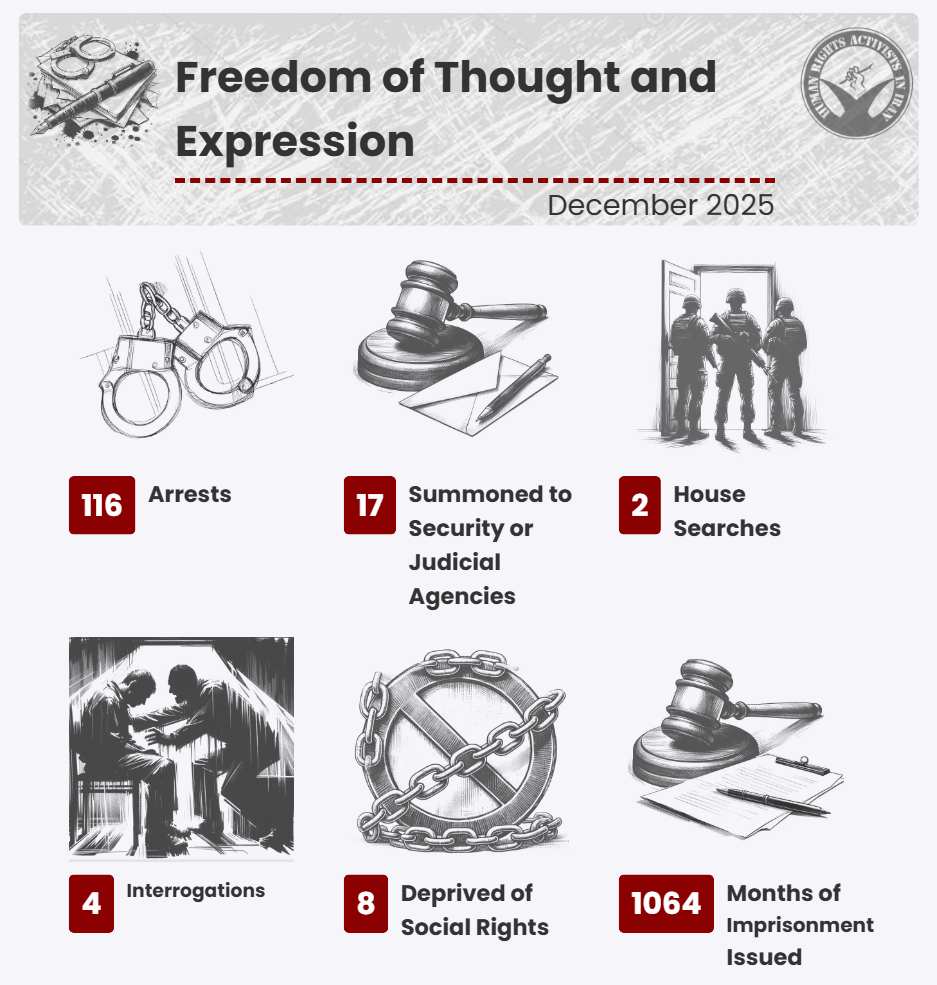
During this month, the regime’s security agencies arrested at least 116 individuals for expressing their views and opinions. According to reports, at least six of these arrests were carried out without arrest warrants. In the same context, nine individuals were summoned by security agencies, and eight others were summoned to court.

In addition, the homes of two individuals were searched, and 11 trials were held.

Iranian courts also sentenced 25 citizens this month, in a clear violation of freedom of expression, to a total of 1,064 months in prison. Alongside prison sentences, HRANA recorded 24 months of internal exile, four travel bans, eight cases of social deprivation, and fines totaling 333 million tomans.
Prisoners’ Rights

Regarding violations of prisoners’ rights, HRANA published 22 reports documenting the denial of adequate medical treatment, which resulted in the deaths of two prisoners. In one case, the lack of medical care for a prisoner convicted of non-political offenses in Mahabad Prison led to cardiac arrest and his death.

HRANA also reported 164 cases of legal limbo affecting detainees and prisoners, and 61 cases in which families of detainees were not informed of their situation. Additionally, 11 cases of transfer to solitary confinement, 18 cases of denial of access to legal counsel, 10 cases of prisoners being held in harsh conditions, and eight cases of denial of access to fresh air were recorded.

Furthermore, three cases of forced confessions and three cases of physical torture of prisoners were reported.

As a result of harsh prison conditions and violations of prisoners’ rights, HRANA reports indicate that five prisoners resorted to hunger strikes. One prisoner also died by suicide in Vakilabad Prison in Mashhad after consuming narcotics.

Kolbars and Fuel Carriers

Indiscriminate gunfire by military and law enforcement forces in December claimed the lives of seven civilians and left seven others injured. Among those killed were one kolbar and two fuel carriers. Additionally, two kolbars were wounded.

Kolbars are laborers who, particularly in Iran’s border regions, especially the west, carry goods on foot across the borders to earn a living. Fuel carriers, driven by poverty, transport limited amounts of fuel using personal vehicles for subsistence. Gunfire by military forces targeting kolbars or vehicles suspected of fuel smuggling, often without prior warning, kills or injures dozens of such individuals each year.

Workers’ Rights

In December, at least 97 labor protests and 33 labor strikes were recorded. During this month, five workers at the Middle East Sugar Factory in Shush were summoned and arrested by security agencies for participating in labor strikes and gatherings.

Workplace accidents during the month resulted in the deaths of 32 workers and injuries to 101 others.

HRANA’s reports for December also documented wage arrears affecting a total of 5,234 workers.

In addition, 115 guild/union gatherings and 14 strikes (prior to the outbreak of the nationwide bazaar strike) were held. HRANA also reported 25 cases of commercial premises being sealed. Two labor activists were arrested, five were summoned to court, and three were summoned by security agencies. Five labor activists were tried, and Mohammad Hassan Davoudi, a teachers’ union activist, was sentenced to 40 months in prison by the court of appeal on political charges. Courts also issued five rulings depriving individuals of social rights.

Women’s Rights

During this month, twelve women were killed, including one case reported by HRANA in which a woman was murdered by her son in Tehran for so-called “honor” reasons. Additionally, 36 cases of rape were reported.

HRANA also documented the sealing of 12 commercial establishments due to failure to comply with compulsory hijab regulations.

Children’s Rights

In December, HRANA recorded one case of child suicide and one case of sexual abuse. Two cases of violence and physical punishment against children were also documented, including the severe injury of a student as a result of punishment by a teacher in Baharestan County.

Additionally, one child death and 41 cases of child injury resulting from the negligence of responsible authorities were reported.

During this month, the death sentence of Dariush Atashafrouz, who had committed murder at the age of 17, was also upheld by the Supreme Court. The arrest of one minor was also reported.

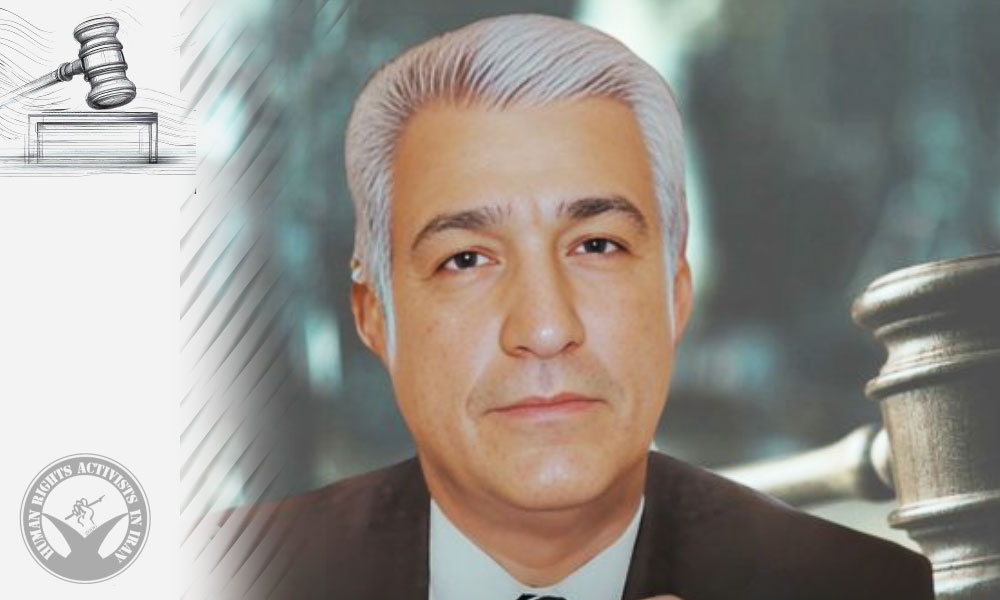
Kamal Ja’fari Yazdi Sentenced to 18 Years in Prison on Political Charges

HRANA – Kamal Ja’fari Yazdi, a political defendant, has been sentenced by Branch Two of the Mashhad Revolutionary Court to a total of 18 years in prison.

On December 8, 2025, a verdict was issued by Branch Two of the Mashhad Revolutionary Court, presided over by Judge Hassan Vaziri, and it was communicated to Mr. Ja’fari Yazdi today, December 24. Based on the ruling, he was sentenced to 10 years in prison on the charge of “forming a group with the intent to disrupt national security,” five years in prison for “membership in opposition groups,” two years in prison for “insulting the Supreme Leader,” and one year in prison on the charge of “propaganda against the regime.”

With the application of Article 134 of the Islamic Penal Code, the severest punishment, 10 years of imprisonment, will be enforceable for this political defendant. The verdict is subject to appeal within 20 days of notification.

Mr. Ja’fari Yazdi was arrested on December 10, 2024, by agents of the Ministry of Intelligence in Mashhad and transferred to Vakilabad Prison in Mashhad. He was later released from Vakilabad Prison on November 15 of 2025, after posting bail.

Kamal Ja’fari Yazdi has previously faced arrest and judicial action due to his activities.

Death Sentence of Seyed Mohammad-Javad Vafaie Upheld by the Supreme Court

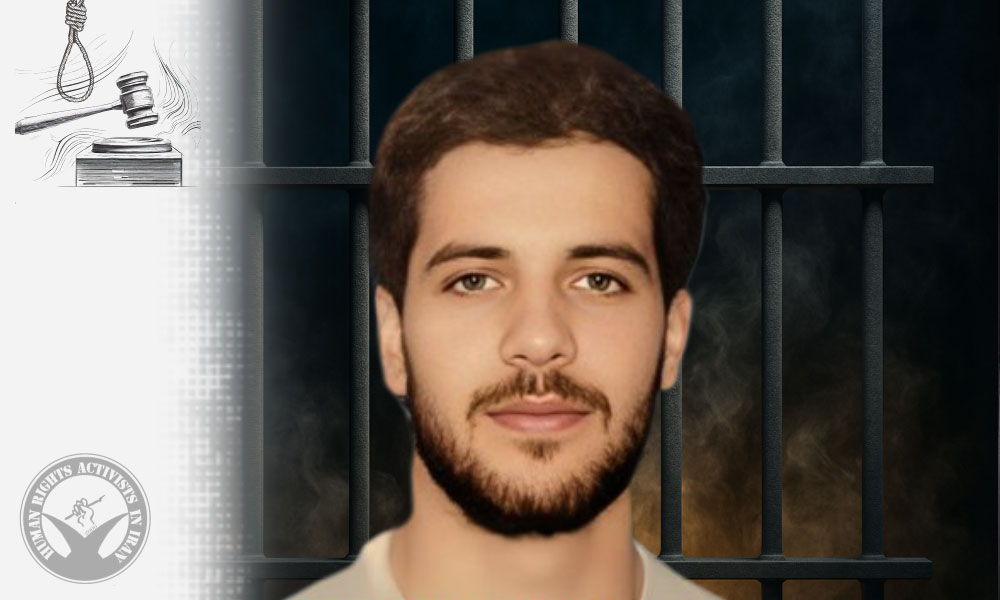
HRANA – The death sentence of Seyed Mohammad-Javad Vafaie Sani, a political prisoner, has once again been upheld by Iran’s Supreme Court after his request for retrial was rejected.

The informed source told HRANA: “On Monday, December 15, 2025, the rejection of Seyed Mohammad-Javad Vafaie Sani’s request for retrial by the Supreme Court was formally communicated to him in Vakilabad Prison in Mashhad. Following this notification, prison authorities informed the Vafaie family during a phone call that his case had been sent to the Mashhad Office for the Implementation of Sentences. In addition, his mother was unexpectedly granted an in-person visit. Taken together, final confirmation of the sentence, referral of the case for implementation, and the sudden family visit, these developments indicate that this political prisoner’s situation has entered a highly concerning stage.”

The death sentence of Seyed Mohammad-Javad Vafaie Sani had previously been overturned twice by the Supreme Court, but in recent months it was upheld by Branch 9 of the Supreme Court. Following this decision, his defense attorney submitted another request for retrial, which was ultimately rejected. Most recently, in September 2024, Branch 3 of the Mashhad Revolutionary Court sentenced him to death on charges of “corruption on earth.”

This 28-year-old political prisoner and boxing coach was arrested in Mashhad in March 2020 and transferred to Vakilabad Prison. In the initial stage of proceedings, he was also sentenced to death by the Mashhad Revolutionary Court on charges of “corruption on earth through deliberate destruction.” That verdict was overturned by the Supreme Court, and the case was referred to a parallel branch for reconsideration. In the second trial, a death sentence was again issued, which was likewise overturned by the Supreme Court in June 2024.

Vakilabad Prison: Death-Row Protester’s Case Under Supreme Court Review

HRANA – Mohammad-Mehdi Soleimani, one of those arrested during the 2022 nationwide protests and later sentenced to death, is currently held in Ward 1 of Vakilabad Prison in Mashhad.

In November of last year, the Mashhad Criminal Court sentenced him to death on the charge of killing a Basij member. His case is now under review by the Supreme Court.

HRANA first identified him as a death-row prisoner in January 2025. Mr. Soleimani was arrested by security forces in Mashhad in October 2022 and transferred to Ward 1 of Vakilabad Prison in March 2023. After more than two years in legal uncertainty, he was tried in November 2024 at Branch 5 of Criminal Court One in Razavi Khorasan Province. Presiding judge Mohammad Shoja’pour-Fadaki sentenced him to death for the alleged killing of Rasoul Doost-Mohammadi, a Basij member, during the Mashhad protests. His case remains under Supreme Court review.

A source familiar with the case told HRANA: “Mohammad-Mehdi has been denied access to a chosen lawyer at every stage of the legal process.”

In the same case file, he has also been sentenced to pay blood money and serve two and a half years in prison for inflicting bodily harm, and to two years and six months in prison plus 74 lashes for possessing explosive and incendiary materials.

State media previously claimed that on September 22, 2022, Mr. Soleimani stabbed and fatally wounded Rasoul Doost-Mohammadi, a Basij member, on a street in Mashhad.

Mohammad-Mehdi Soleimani is originally from Quchan, lived in Mashhad, and was approximately 20 years old at the time of his arrest.

Subscribe to Our Newsletter

Now is definitely not the time to stop reading!

Arman Oskouei Sentenced to Imprisonment

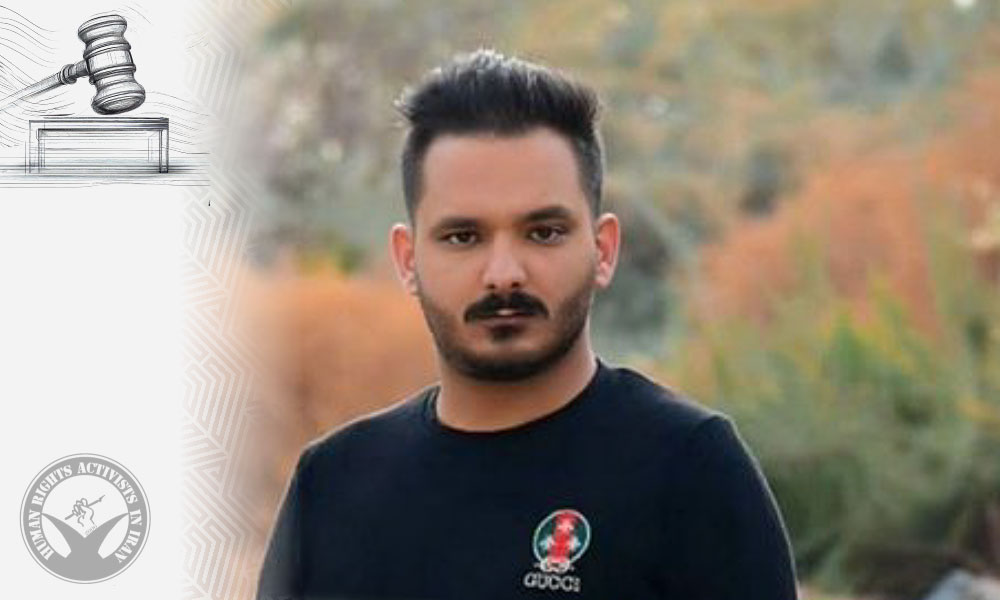
HRANA – Seyed Arman Oskouei, a political prisoner held in Vakilabad Prison in Mashhad, has been sentenced to 23 months in prison by the Revolutionary Court of Mashhad.

According to the ruling issued by the Mashhad Revolutionary Court and delivered to Mr. Oskouei last week, he received 15 months and 1 day in prison on the charge of insulting the Supreme Leader and 7 months and 23 days on the charge of propaganda against the regime. He had been formally notified of these charges in October at the Mashhad Prosecutor’s Office.

Oskouei was arrested on September 14, 2025, at his home in Mashhad and was transferred to Vakilabad Prison on September 27, 2025.

According to information obtained by HRANA, he had previously been arrested on July 6, 2025, by Basij forces for walking his dog in a park. During that incident, he was beaten, taken to a police station in Mashhad, and later released.

Seyed Arman Oskouei, 29, had also been arrested by security forces during the 2022 nationwide protests and was released afterward.

Six Executed in Vakilabad Prison in Mashhad

HRANA News Agency – At dawn on Wednesday, April 30, six inmates were executed in Vakilabad Prison in Mashhad.

HRANA has confirmed the identities of two of the executed individuals as Mehdi Azizi, a resident of Mashhad, and Javid Galleh-Bacheh.

The Baloch-focused outlet Hasl Vsh has identified three others as, Abdolghaffar Barahouei (Lajei), approximately 47 years old and father of nine, Parviz Dastkaleh (Nouraldin Lajei), around 40 years old and father of three, and Abdolsamad Gorgij (Rigi), 39 years old, father of five, and a resident of Zahedan.

All six prisoners had previously been sentenced to death by Revolutionary Courts on drug-related charges.

Details about the sixth executed prisoner, including their identity, are still being investigated by HRANA.

As of the time of this report, the executions have not been officially confirmed by prison authorities or relevant institutions.

According to data compiled by HRANA, 52.69% of all executions in Iran in 2024 were related to drug-related charges. Notably, only 6% of the executions were officially announced, highlighting a significant lack of transparency. For a detailed analysis of these executions and the associated statistics, see HRANA’s full report.

Over 5 Executions Per Day on Average: 26 Prisoners Executed Across Iran Since Start of the Week

HRANA News Agency – Since the beginning of this week, Iranian prisons have witnessed a significant surge in executions. Over the past five days, at least 26 prisoners—mostly convicted of murder and drug-related offenses—have been executed across various prisons in Iran. Among them were five prisoners executed on political-security charges.

According to HRANA, the news agency of Human Rights Activists in Iran, executions in Iranian prisons have sharply increased in recent days.

Since the start of the week, at least 26 prisoners have been executed in Ghezel Hesar (Karaj), Shiraz, Kermanshah, Gonabad, Shahrud, Vakilabad (Mashhad), Aligudarz, Bukan, Dezful, Qom, Zanjan, and Sepidar (Ahvaz) prisons. This averages over five executions per day. Vakilabad Prison alone accounted for at least 10 executions in a single day, the highest recorded among these facilities.

On Wednesday, April 9, four prisoners—Bahram Hodavand-Khani, Salar Amir Jalali, Abolfazl Karimi, and another unidentified individual—were executed in Ghezel Hesar Prison for separate murder cases. Also on Wednesday, Esmail Dahmardeh, convicted on drug-related charges by the Revolutionary Court of Gonabad, was executed in Gonabad Prison. Gholamreza Pardakhteh faced a similar fate in Shahroud Prison. Another prisoner, Kambiz Fathi, was hanged in Kermanshah Prison for murder. Two more prisoners, Vahid Ashouri (30) and Afghan national Saud Mirzaei, were executed in Shiraz Prison, both convicted of murder.

On Tuesday, April 8, at least 10 prisoners—including three women—were executed in Vakilabad Prison, Mashhad. Five of them—Farhad Shakeri, Abdolhakim Azim Gorgij, Abdolrahman Gorgij, Taj Mohammad Khormali, and Malek Ali Fadaie Nasab—were executed on political-security charges. Four others, including two women, were executed on drug-related charges. HRANA identified two of them as Ahmad Sanaie and Mohammadreza Damideh. Additionally, one woman convicted of murder was also executed at the same facility.

On Monday, April 7, Shahram Goodarzi (36) and Taher Shabani (35) were executed in Aligudarz Prison in separate murder cases. That same day, Seyed Taha Hassani, a prisoner from Bukan, was executed in Bukan Prison, and Hamid Abdouli was hanged in Dezful Prison—both convicted of murder.

On Sunday, April 6, a prisoner named Samir Ghasemi was executed in Qom Prison. He had been sentenced to death by the criminal court for murder.

On Saturday, April 5, Hossein Molazadeh (29), convicted on drug charges, was executed in Zanjan Prison. Simultaneously, Zahir Shamsi (32), a father of a five-year-old girl from Dezful, was executed in Sepidar Prison, Ahvaz. Shamsi had been arrested four years ago for the alleged murder of his cousin.

This recent escalation in executions has sparked serious concerns over widespread violations of the right to life in Iran. Human rights organizations consider Iran’s extensive use of the death penalty to be in stark violation of its international obligations and have called for an immediate moratorium on capital punishment.

Update on Political Prisoner Shirin Beyraghdar’s Legal Status in Vakilabad Prison

Shirin Beyraghdar is presently serving her term at Vakilabad Prison.

Initially apprehended by security forces at her shop in Mashhad in June-July 2022, Beyraghdar spent approximately six months in detention before being released on bail amounting to one billion tomans (roughly 20,000 dollars).

Following her release, the Revolutionary Court in Mashhad convicted her on charges including “forming groups to act against national security,” “assembly and collusion against national security,” “insulting the Supreme Leader,” and “propaganda against the regime.” Pursuant to Article 134 of the Islamic Penal Code, she received a sentence of four years and six months for the primary charge.

In June-July 2023, Beyraghdar commenced serving her sentence at Vakilabad Prison.

French-Irish National Bernard Phelan Sentenced to 6.5 Years

Detained French-Irish Bernard Phelan was sentenced to six years and six months.

According to HRANA, the news agency of Human Rights Activists, quoting Reuters, French-Irish Bernard Phelan was sentenced to six-and-a-half years in prison.

Quoting Phelan’s sister, the report mentioned “providing information to another country” as one charge against Phelan.

On October 3, 2022, Phelan, 64, was arrested by security forces during his last trip to Iran.

Earlier, The Irish Times revealed that he is jailed in Vakilabad Prison, Mashhad.