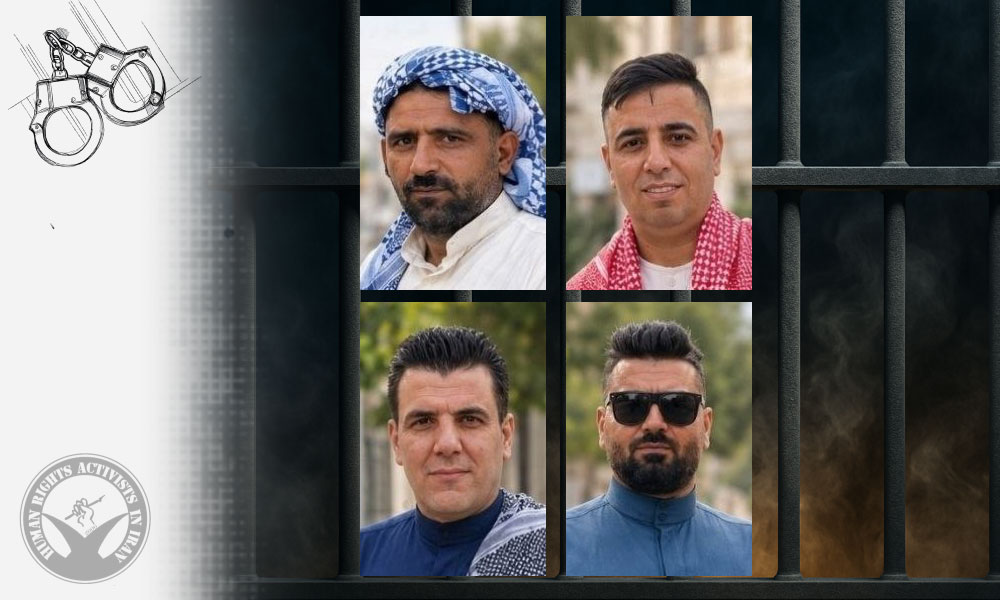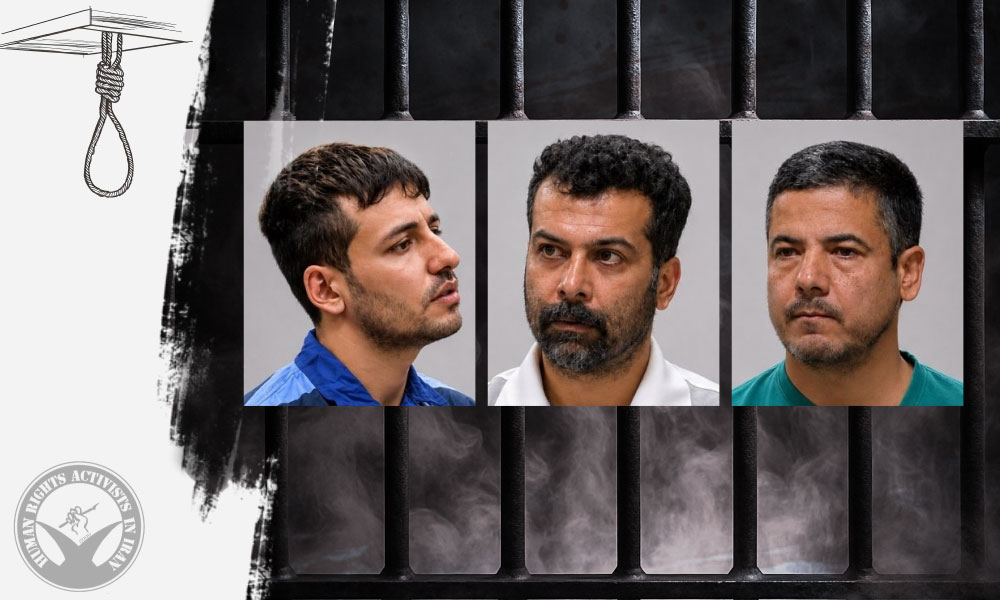


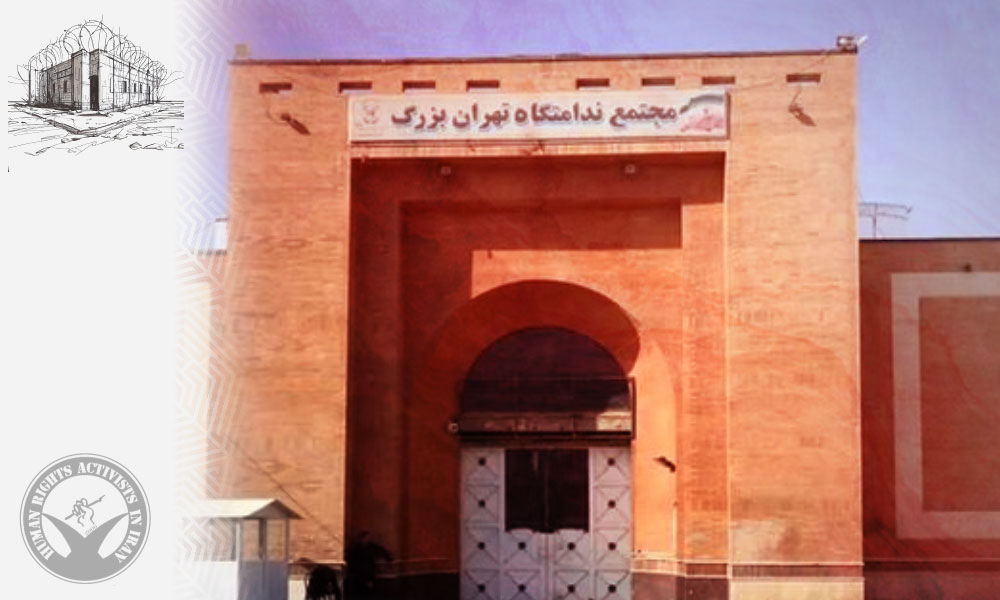
HRANA – Informed sources have reported incidents of violence and threats against political prisoners at Greater Tehran Prison by inmates assigned security duties. Among the reported cases is the beating of Seyed Mehdi Hosseini, who was arrested during the January 2026 protests. The reports have raised concerns about prisoner safety and the delegation of security responsibilities to inmates, a practice prohibited under Iran’s prison regulations.
According to HRANA, information received indicates that officials at Greater Tehran Prison have transferred several prisoners convicted of ordinary crimes to the section housing political prisoners and assigned them responsibilities related to maintaining internal order in the ward.
These individuals, referred to within the prison as “security personnel,” reportedly intervene in certain matters involving the monitoring of other prisoners’ behavior and movements, according to informed sources. However, HRANA has not been able to independently verify the precise scope of authority granted to these individuals or the extent of prison staff supervision over their activities.
The involvement of prisoners in internal prison affairs, including service-related and cultural activities and conveying other inmates’ requests to prison officials, has long been practiced in Iranian prisons. However, existing regulations distinguish between such participation and the delegation of security and disciplinary authority.
Under Article 76 of the Executive Regulations of Iran’s Prisons and Security and Corrective Measures Organization, prisoners in each hall or ward may elect representatives to form a “Prisoners’ Council.” The prison director may also appoint one of the council members as a “ward representative,” subject to the prescribed conditions. This individual’s responsibilities include cooperating with prison officials to address prisoners’ concerns and facilitate the implementation of prison programs.
However, the note accompanying the same article explicitly states: “Assigning the duties of prison guards or supervising officers to ward representatives or other prisoners is prohibited.”
Similarly, Article 192 of the regulations permits the use of prisoners’ professional expertise and skills under specified conditions. However, its accompanying note explicitly prohibits employing prisoners in guarding, security, or administrative functions within the prison.
Accordingly, a prisoner’s mere participation in the daily affairs of a ward does not necessarily constitute a violation of regulations. However, if appointed inmates have been granted the authority to control, threaten, punish, or use force against other prisoners, such arrangements would violate the limits established by the regulations. Responsibility for maintaining order and security within the prison remains with prison staff and the relevant authorities.
Reports of Violent Treatment of Prisoners
In addition to concerns over the delegation of security responsibilities, several families of prisoners held at Greater Tehran Prison have contacted HRANA to report violent treatment of political prisoners by inmates designated as “security personnel.”
According to these sources, in some cases, prisoners have been taken to an area known as the “Hosseiniyeh,” where they were subjected to beatings. The sources allege that this area has no surveillance cameras and is located near the prison’s guard station.
A family member of one prisoner also told HRANA that, during some of these incidents, the hall supervisor was present and even participated in the violence.
HRANA currently lacks sufficient information to determine the number of alleged incidents of violence, identify all individuals involved, or independently verify the details of these claims. Nevertheless, the nature of the reports received, particularly allegations that violence occurred in the presence of prison staff, underscores the need for an investigation by the relevant oversight authorities.
Reported Beating of Seyed Mehdi Hosseini
One specific reported incident involves Seyed Mehdi Hosseini, one of those arrested during the January 2026 protests, who was sentenced to five years in prison on the charge of “assembly and collusion.”
According to information received by HRANA, Hosseini was recently taken to the area known as the Hosseiniyeh following a dispute with an inmate designated as “security personnel” while waiting in line at the prison store. There, he was reportedly beaten by several prisoners.
An informed source stated that Hosseini sustained injuries and bleeding to his head and face during the assault, and his nose was also injured.
The same source reported that Hosseini filed a complaint following the incident. However, he subsequently faced threats of further legal complications and deprivation of certain prison privileges, including furlough and pardon. As a result, he ultimately withdrew his complaint.
HRANA has been unable to independently obtain Hosseini’s medical records, documents related to his complaint, or any records of a possible investigation into the incident. Nevertheless, the report is significant because, beyond the allegations of violence, it raises concerns about whether prisoners can file and pursue complaints without fear of retaliation.
Legal Responsibilities of Prison Authorities and Prisoners’ Right to File Complaints
The Executive Regulations of Iran’s Prisons Organization not only prohibit delegating security duties to prisoners but also establish obligations to protect prisoners’ rights and address their complaints.
Under Article 108 of these regulations, abusive behavior, physical and psychological violence, and degrading treatment of prisoners by prison staff are prohibited and may, depending on the circumstances, result in disciplinary, administrative, or criminal proceedings.
Article 114 also emphasizes the establishment of mechanisms for reporting violations while allowing the identities of those reporting them to remain confidential. Article 115 outlines the procedures through which prisoners may file complaints and objections and establishes the obligation of prison authorities to review and follow up on them.
Consequently, if reports that prisoners have been threatened to discourage them from pursuing complaints are substantiated, the matter would extend beyond a dispute between inmates. The conduct of prison authorities in ensuring access to legal complaint mechanisms would also warrant investigation.
Regarding the placement of prisoners, the Prisons Organization’s regulations establish principles for the separation and classification of inmates. Under Article 33, individuals convicted of political offenses must be held separately from other prisoners. However, determining whether the transfers carried out at Greater Tehran Prison comply with this provision requires an examination of the judicial status and legal classification of the prisoners involved.
At the international level, the United Nations Standard Minimum Rules for the Treatment of Prisoners, known as the “Nelson Mandela Rules,” also emphasize the prohibition on assigning disciplinary authority to prisoners. Under Rule 40, prisoners must not be employed by prison authorities in disciplinary capacities, although their participation in certain supervised social, educational, or sporting activities is permitted.
Rules 56 and 57 of the same document emphasize prisoners’ access to complaint mechanisms and the need to protect them against threats or retaliation arising from filing complaints.
Taken together, these regulations demonstrate that prisoners’ participation in managing certain internal prison affairs is not inherently prohibited. Rather, the legal concern arises when security or disciplinary authority is delegated to individuals who are themselves subject to the supervision and responsibility of the prison administration.
Reports received concerning Greater Tehran Prison, including the alleged incident involving Seyed Mehdi Hosseini, underscore the need to clarify the scope of responsibilities assigned to inmates designated as “security personnel,” examine how prison authorities supervise their activities, and independently investigate allegations of violence and interference with prisoners’ efforts to pursue complaints.
Previously, in July 2025, HRANA reported that several families of political prisoners had protested the body-search procedures and arbitrary treatment they experienced before visits at Greater Tehran Prison.