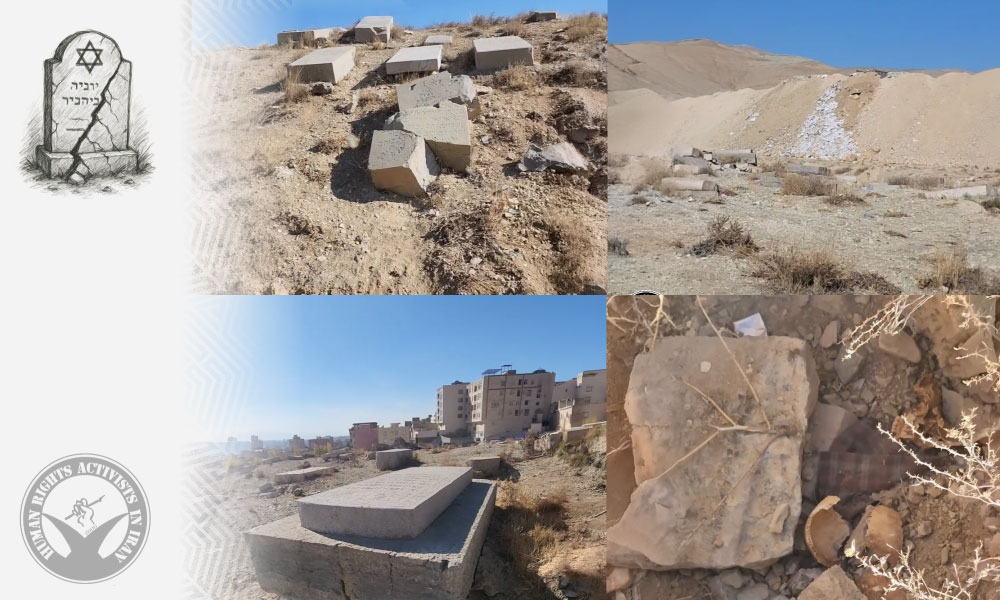
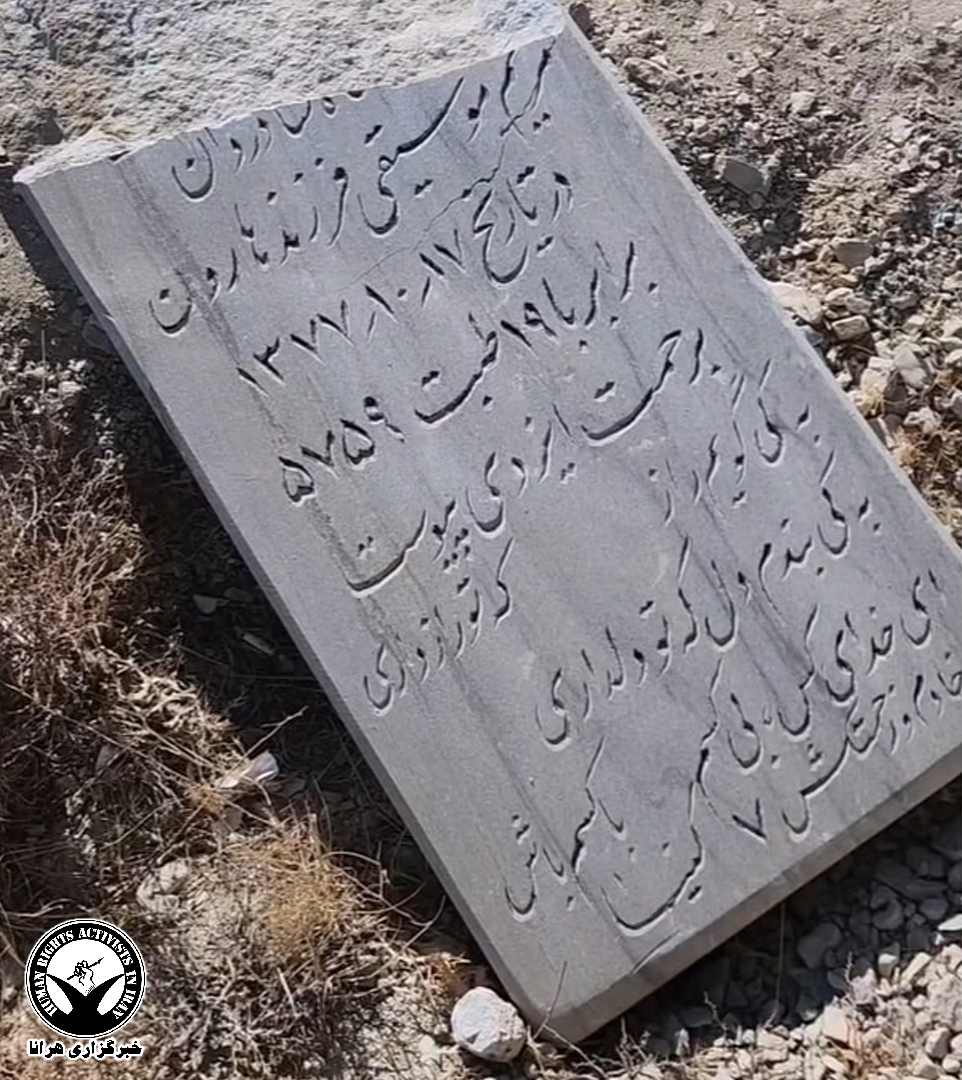
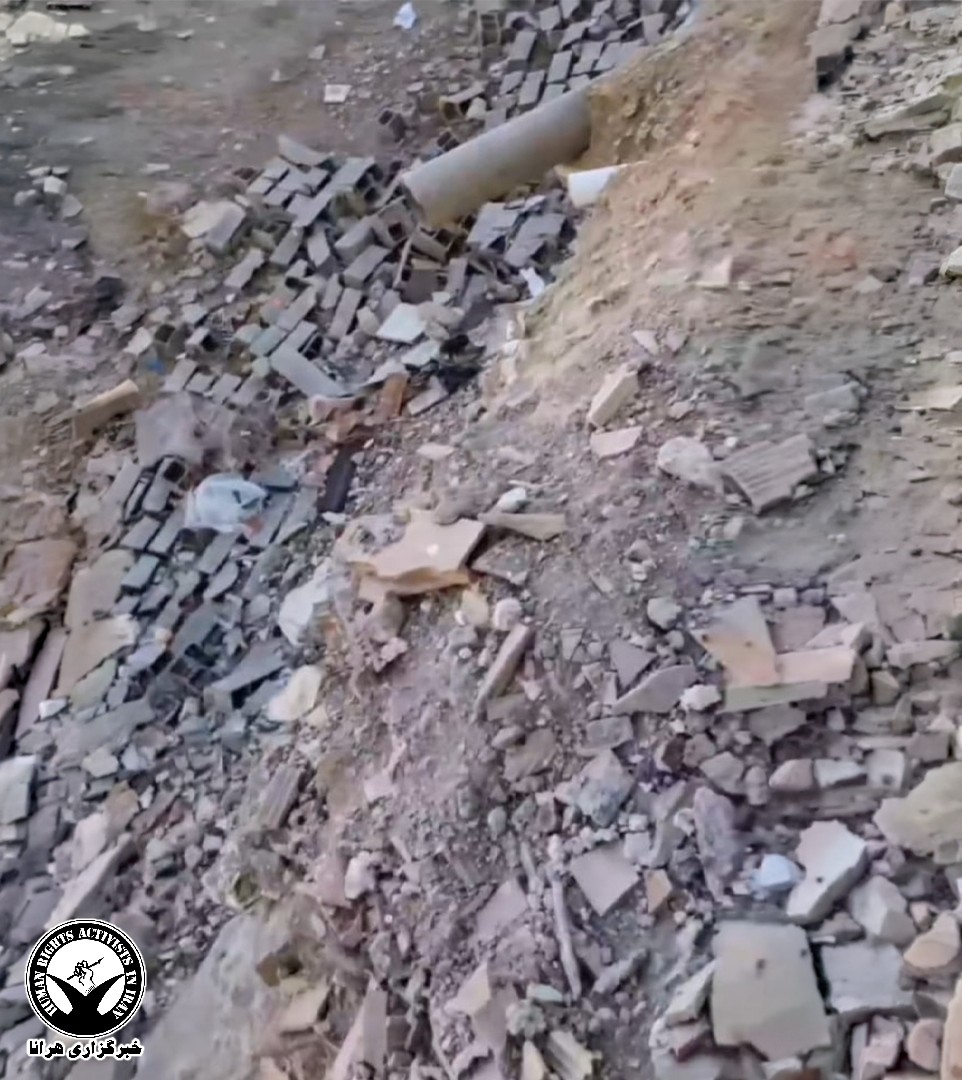
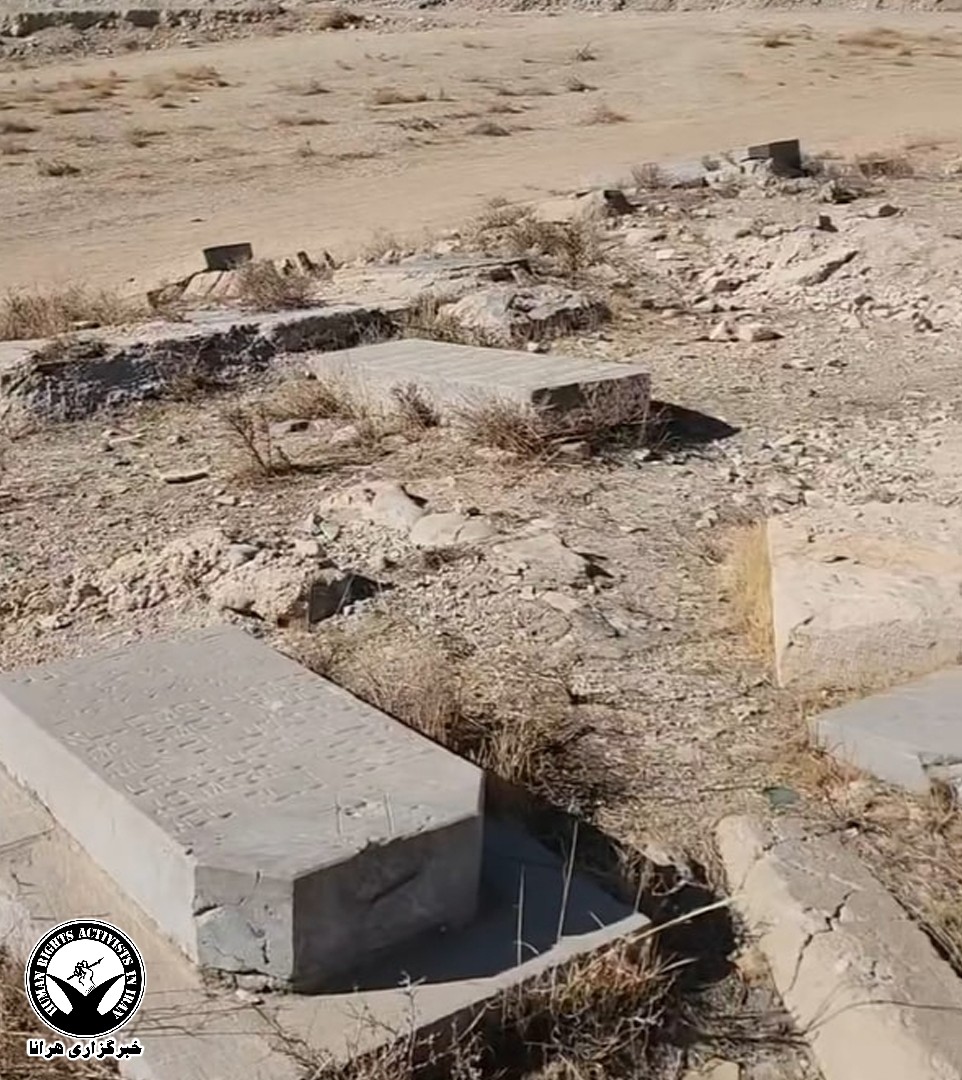
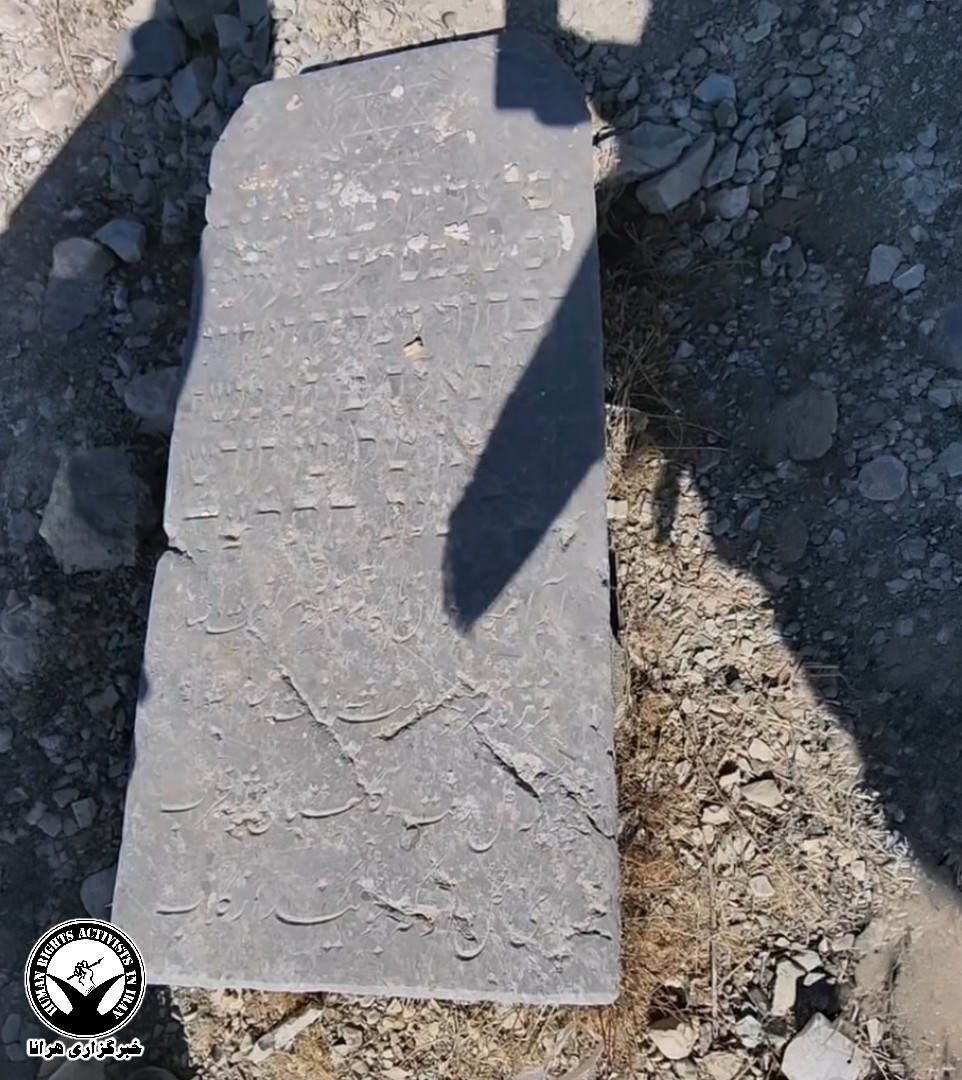
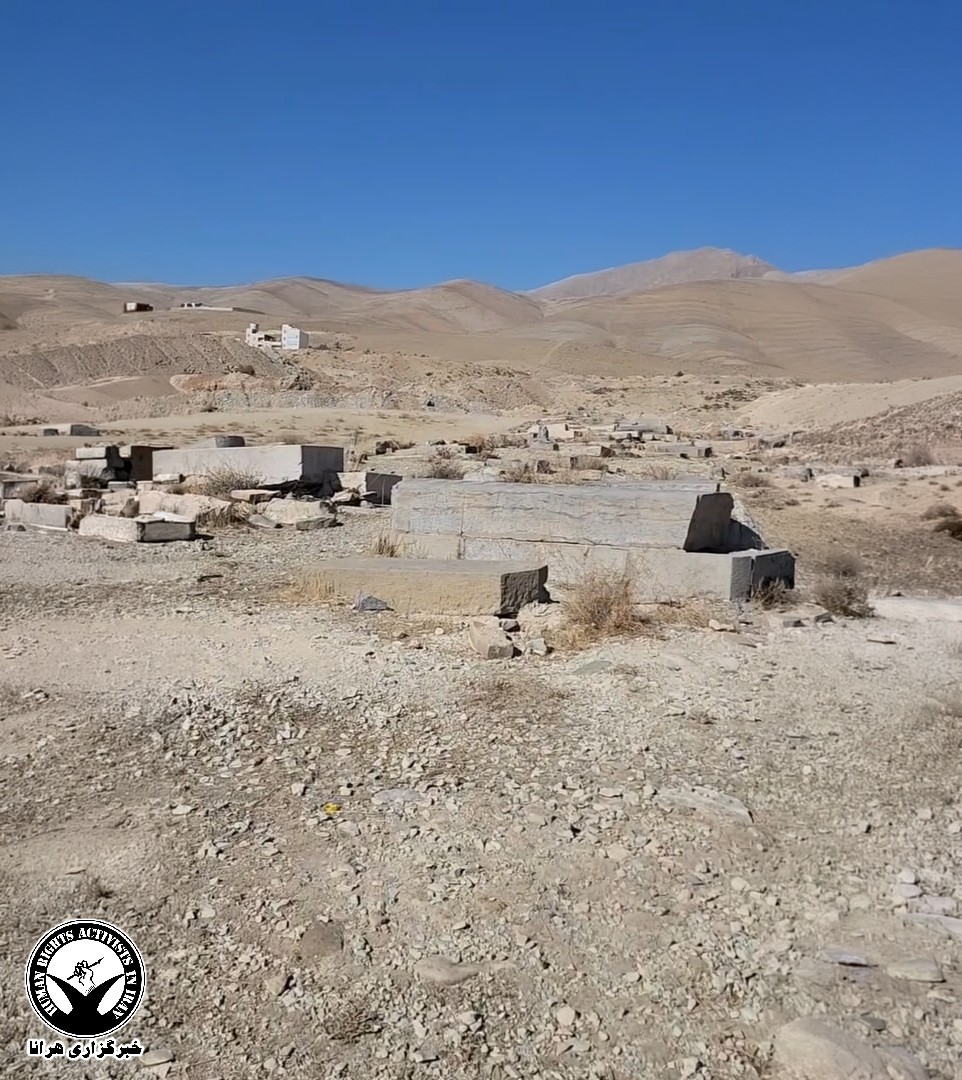
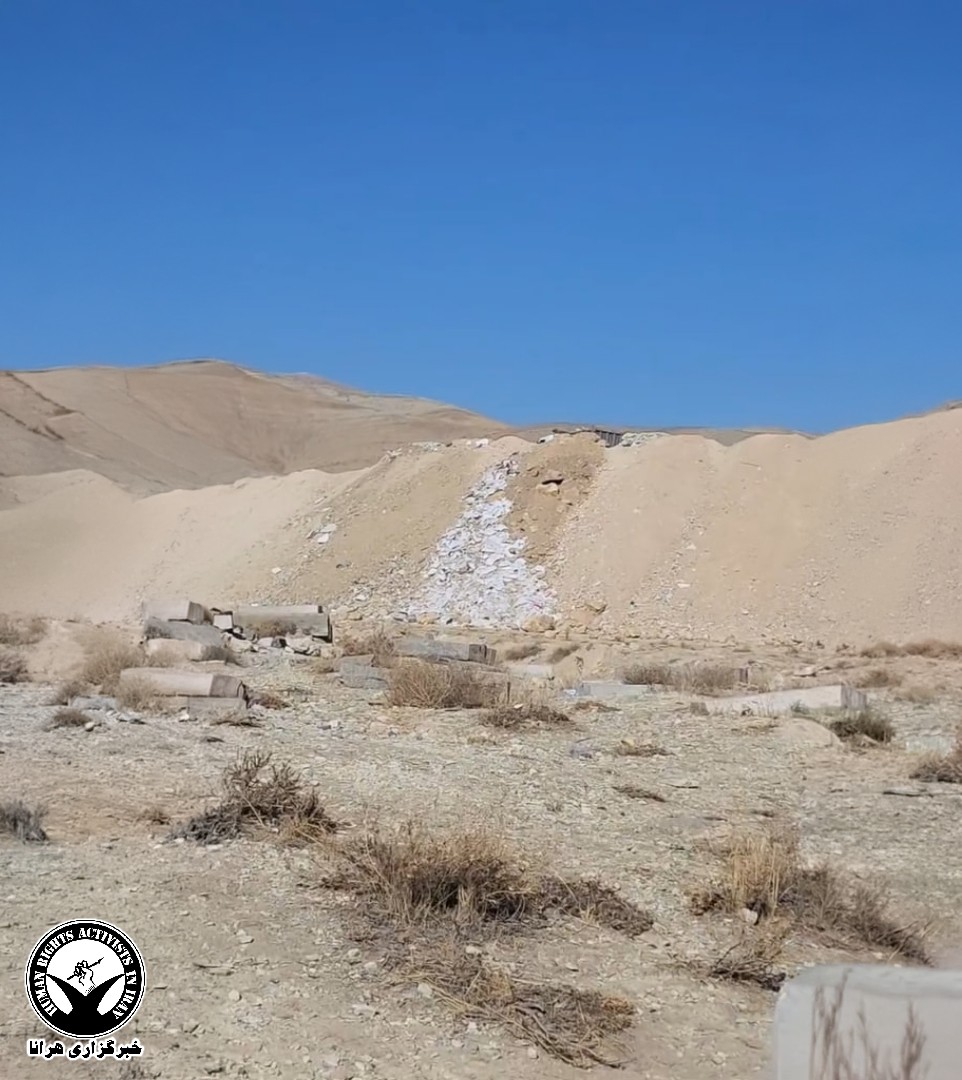
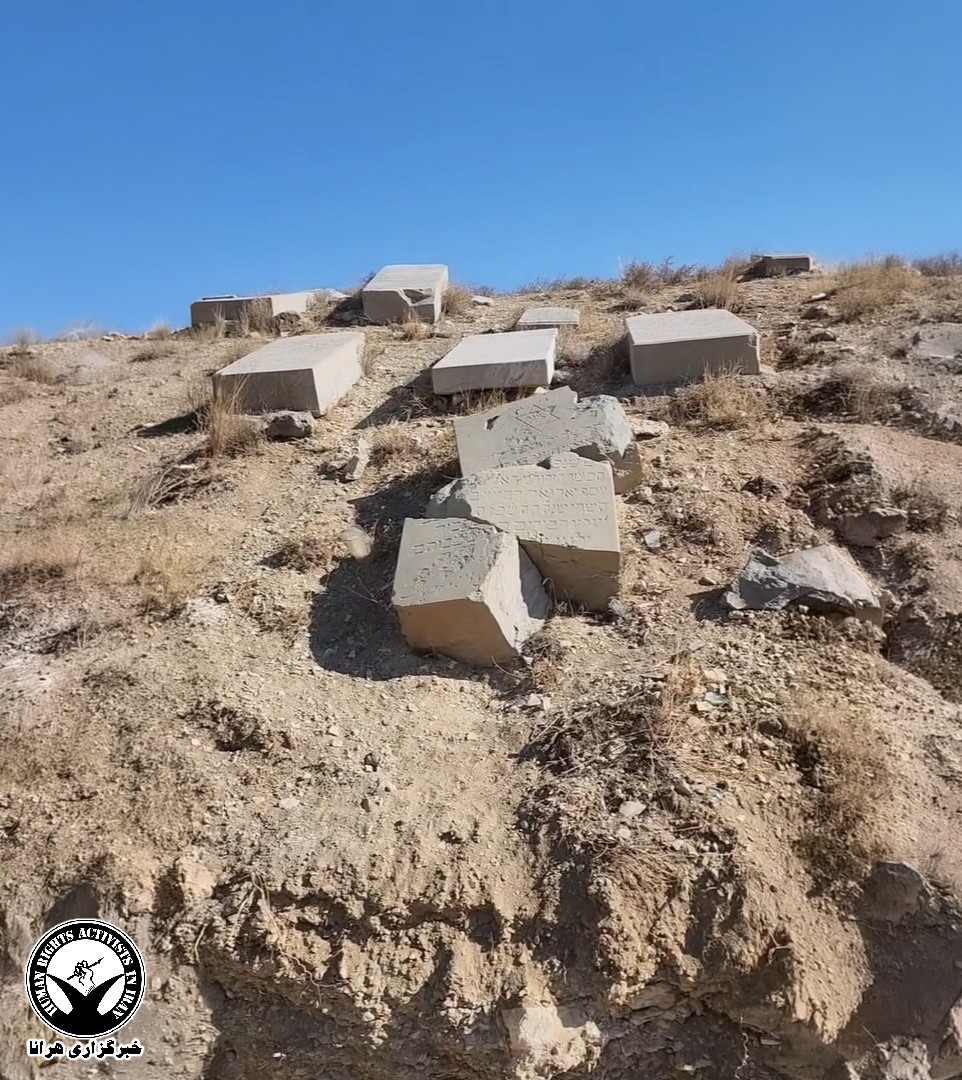
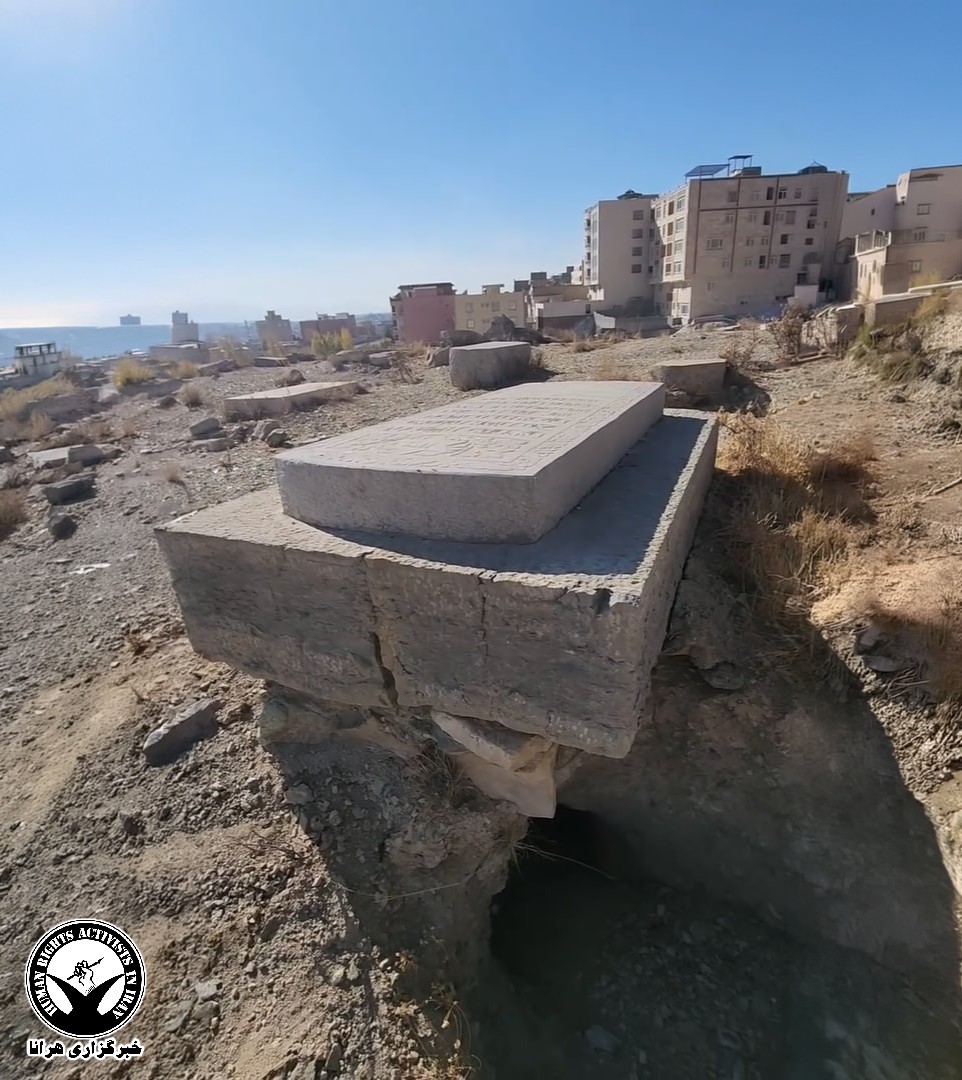
HRANA – The historic Giliard Cemetery, registered on Iran’s National Heritage List and considered one of the most important burial sites belonging to the Jewish community in the country, has in recent months faced escalating destruction, neglect, and pollution. This cemetery, located west of Damavand, has now seen parts of its grounds turned into dumping areas for garbage and debris, and a large number of headstones have been broken, displaced, or otherwise damaged.
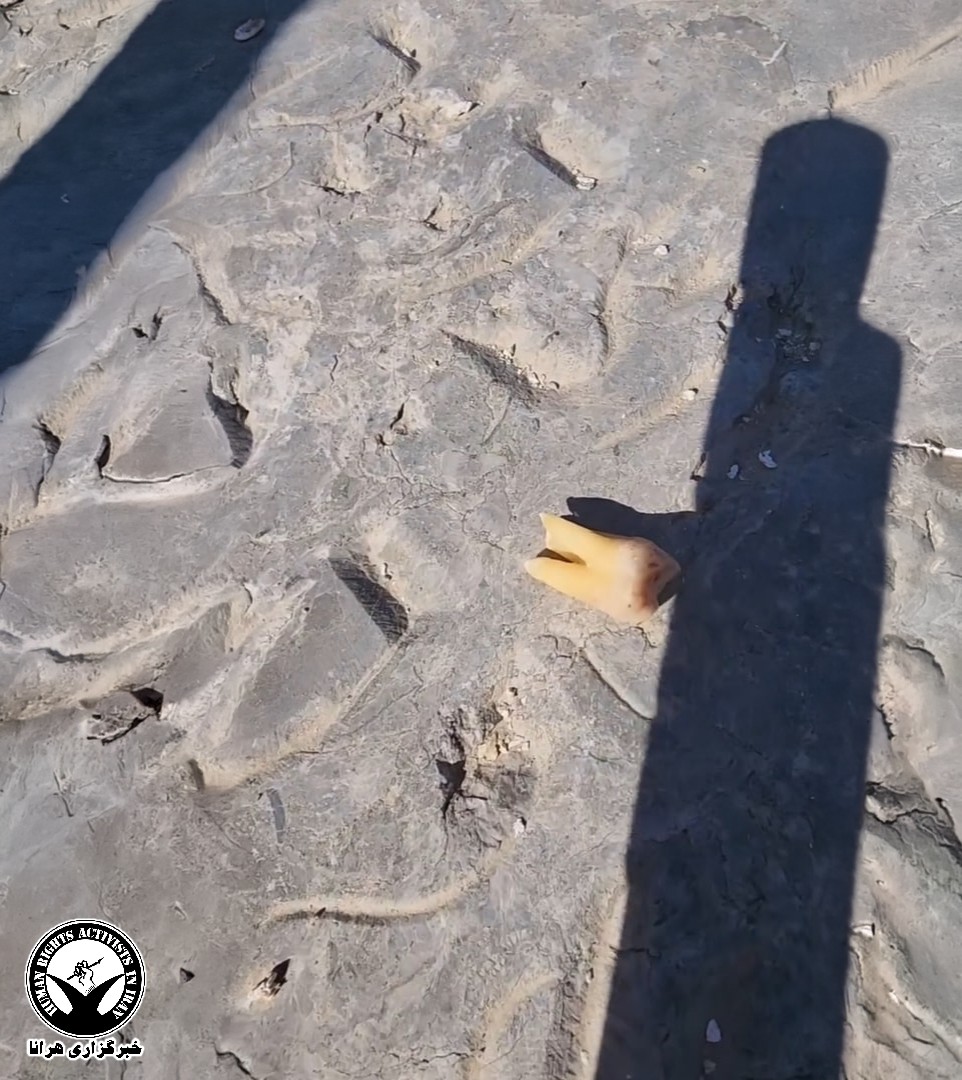
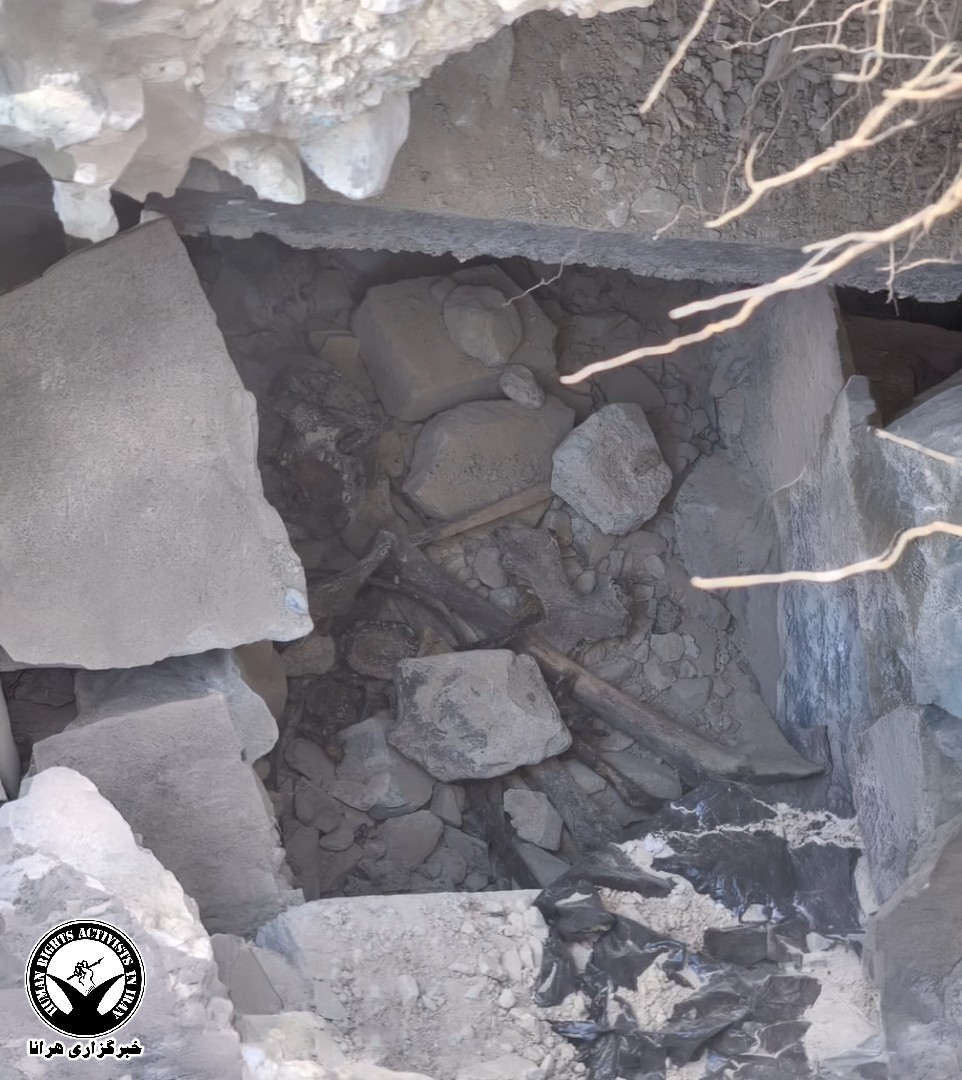
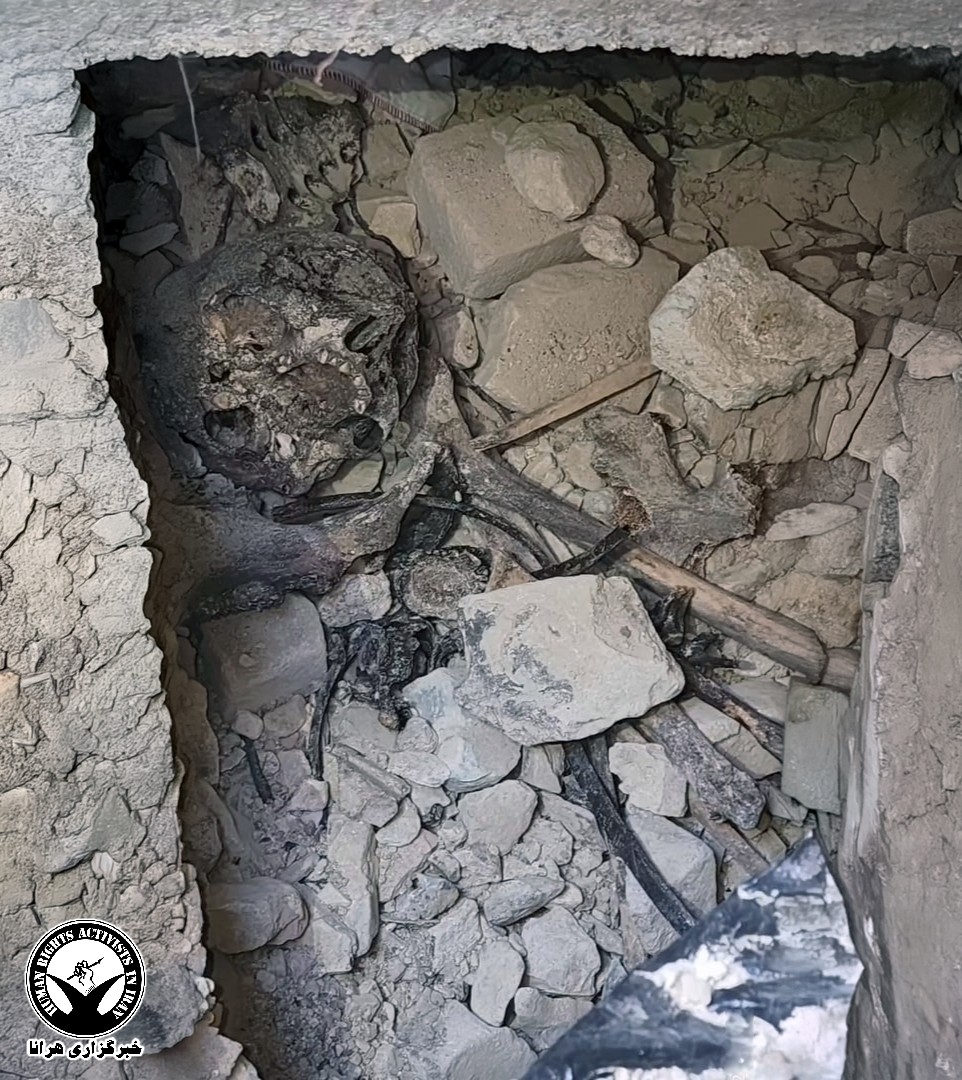
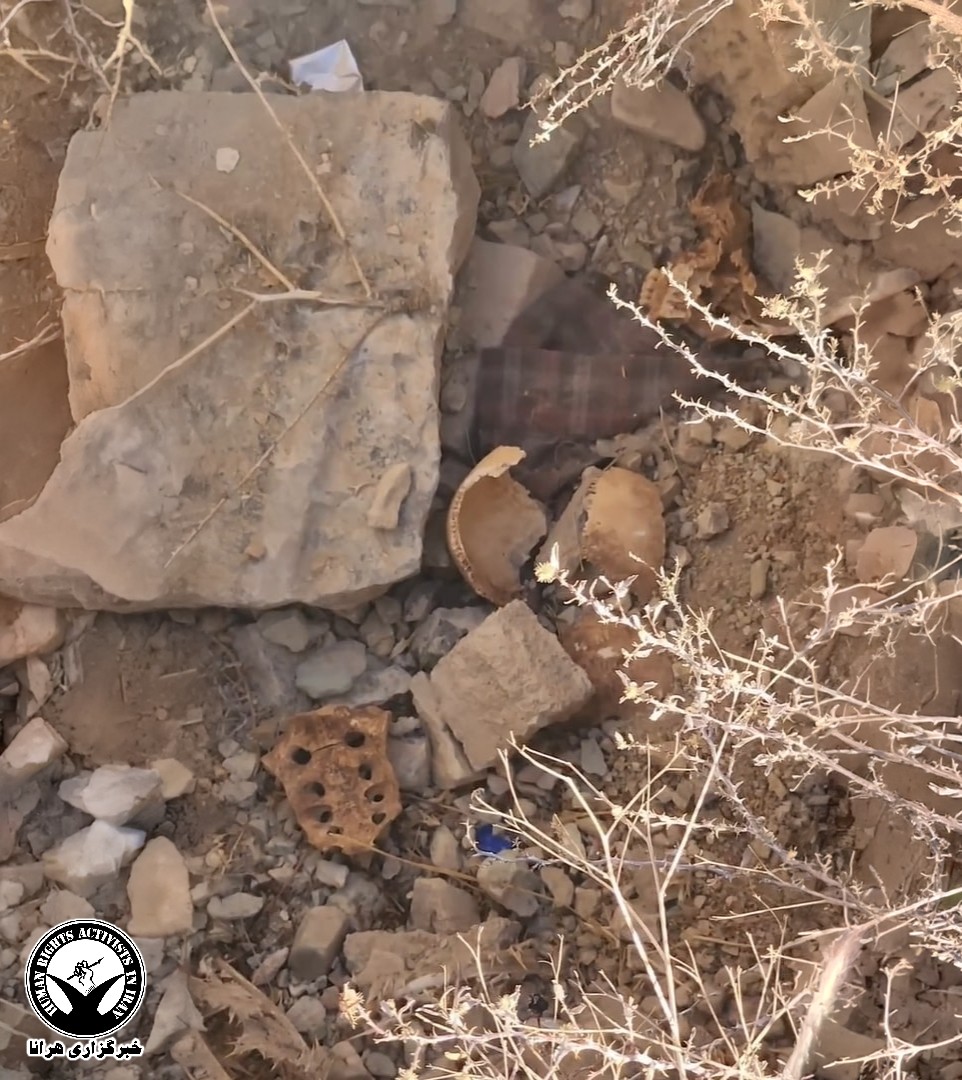
According to HRANA, the news agency of Human Rights Activists in Iran, reports from local sources indicate that in addition to waste accumulation, numerous signs of illegal excavations can be seen across the cemetery. In some areas, these excavations appear as deep pits between graves, likely carried out in search of historical artifacts or belongings buried with the deceased, acts that, aside from being criminal, have inflicted serious damage on the cemetery’s historical structure.
Local observations and reports suggest that the Giliard Cemetery, located in Mazandaran Province, lacks secure fencing, guards, and any routine cleaning or maintenance program. A local witness who spoke with HRANA said: “This place has been completely abandoned. There is no protection, no restoration, and no effort to stop nighttime digging. Local follow-ups have gone unanswered.”
Local channels and activists in the area have also released visual reports in recent days, urging authorities to address the deteriorating condition of this historic burial ground.
The Giliard Cemetery is considered one of the most significant sites belonging to Jewish citizens in northern Iran. Historical research shows that the cemetery includes both old and new sections, and many of the headstones feature Hebrew inscriptions, images of the menorah, and the Star of David. Some parts of the grounds date back several centuries, serving as evidence of the long-standing presence of the Jewish community in the Damavand region.
Earlier research sources had already noted waste accumulation, the destruction of headstones, and the gradual encroachment upon surrounding lands, indicating that today’s problems are part of a long-standing pattern of neglect toward this historical heritage.
The current neglect of the Giliard Cemetery not only results in the destruction of cultural heritage but also constitutes a violation of multiple legal obligations of the government regarding the rights of religious minorities and the protection of registered heritage sites. According to Article 13 of the Constitution, Judaism is recognized as one of the country’s official religious minorities, and the government is required to protect their religious and cultural sites; therefore, the abandonment and damage to this cemetery constitutes a direct breach of that obligation.
Furthermore, cultural heritage laws clearly stipulate that nationally registered sites,under the 1930 Law on the Preservation of National Monuments, must be fully protected, and any destruction, boundary violations, removal of stones, or excavations within such sites is considered a crime. This is reinforced by Articles 558 to 569 of the Islamic Penal Code, which provide criminal penalties for such offenses.
Additionally, under Article 114 of the Sixth National Development Plan and related regulations, the Ministry of Cultural Heritage is obligated to provide active protection, cleaning, restoration, and prevention of encroachment or illegal excavations in registered sites. Failure to do so may constitute administrative misconduct or even a criminal offense.
Internationally, by accepting the International Covenant on Civil and Political Rights, Iran has committed to ensuring the preservation of minority cultural sites and enabling free use of religious and historical identity. The destruction or neglect of sites belonging to religious minorities may simultaneously violate Article 18 of the Covenant, on freedom of religion, and Article 27, on the rights of minorities to preserve their culture, sites, and traditions.
This is not the first time that religious or cultural sites belonging to minorities in Iran have faced abandonment, encroachment, or destruction. In recent years, multiple similar cases have been reported involving cemeteries of Jews, Bahá’ís, Armenians, and other minorities. The repetition of this pattern has intensified concerns about structural discrimination and the absence of effective oversight mechanisms for minority sites.
The Giliard Cemetery is part of Iran’s shared cultural heritage, and its current condition not only reflects a failure of responsible institutions to fulfill their legal duties but also threatens an important part of the historical memory and identity of Iran’s Jewish community.
 |  |
 |  |
 |  |
 |  |
 |  |
 |  |