Execution of Five Prisoners, Including a Woman, in Dastgerd Prison of Isfahan

HRANA – At dawn on Monday, October 13, 2025, the death sentences of five prisoners, including one woman, who had previously been convicted on drug-related charges, were carried out in Dastgerd Prison of Isfahan.

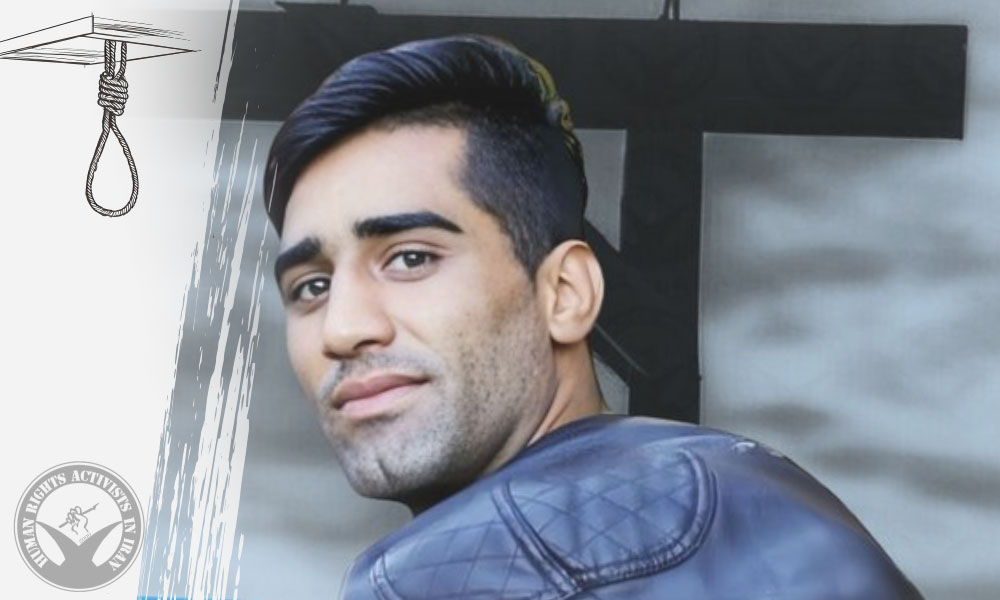
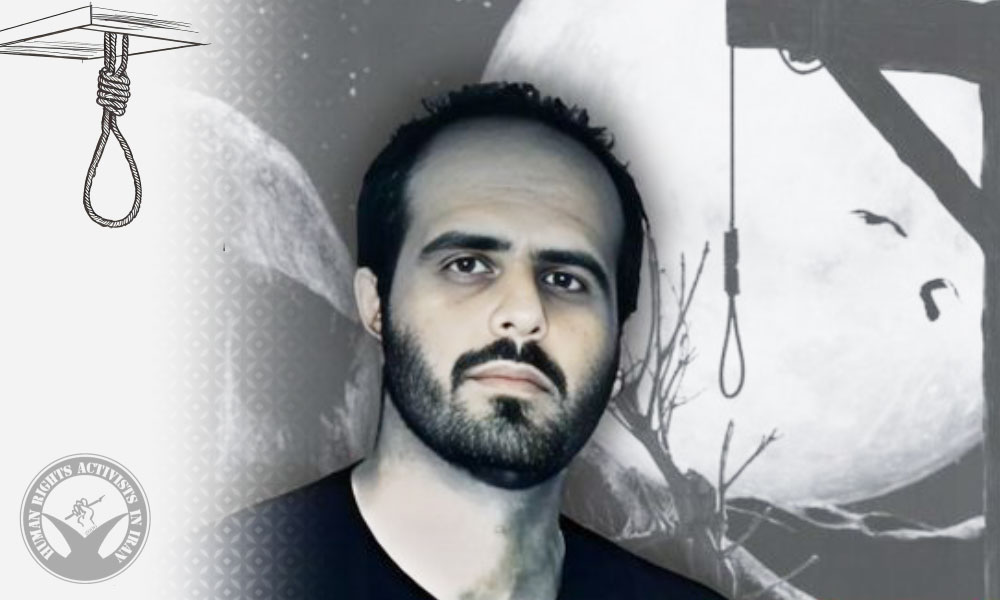
HRANA has identified two of the executed individuals as Ms. Zeynab Khodabandeh and Mr. Sobhan Safinejad, who were hanged at dawn yesterday.

According to information obtained by HRANA, the five prisoners had been previously arrested on charges related to drug offenses and were later sentenced to death by Revolutionary Courts. Further details, including the identities of the remaining three prisoners, are under investigation by HRANA.

As of this report’s publication, the execution of these prisoners has not been announced by prison officials or judicial authorities.

From October 10, 2025, to October 8 of the previous year, 124 people were executed in Dastgerd Prison of Isfahan.

Amputation Sentence Carried Out in Isfahan for Theft Conviction

HRANA – The sentence of amputating four fingers of the right hand of Mohsen Ashiri, a 37-year-old prisoner from Falavarjan, Isfahan Province, was carried out in Dastgerd Prison of Isfahan, despite the victim’s consent and the submission of a repentance statement by the prisoner. This action took place even though, under Iran’s Islamic Penal Code, both repentance and the complainant’s consent can prevent the implementation of such punishments (hudud).

The identity of this prisoner has been confirmed as Mohsen Ashiri, 37, a resident of Falavarjan County in western Isfahan Province. His amputation sentence was carried out on Tuesday, September 30, in Dastgerd Prison. The implementation occurred despite the fact that the complainant had already granted consent.

A relative of Mr. Ashiri confirmed the incident and told HRANA:

“About five years ago, Mohsen Ashiri, along with another individual named Majid, was arrested on charges of stealing from the home of a provincial official’s son-in-law. The Isfahan Criminal Court sentenced him to six months in prison and the amputation of four fingers of his right hand. After the stolen property was returned, the complainant expressed consent, and Mr. Ashiri submitted a written repentance statement. He was later released on bail of one billion tomans.”

The source added:

“Later, during the judicial process, the case was referred to the Supreme Court. At that stage, despite not having committed any new offense, Mohsen was again summoned to court and detained. His bail was suddenly increased from one billion to 200 billion tomans without a clear explanation from the judiciary. Eventually, on Tuesday, September 30, the amputation was carried out in Dastgerd Prison, and he was released after being transferred to a hospital.”

Under Articles 114 and 119 of the Islamic Penal Code, in crimes punishable by hadd (such as theft), repentance before the proof of the crime, the victim’s consent, and the existence of doubt about the fulfillment of religious conditions can prevent the execution of the sentence. Furthermore, Article 113 provides that if the convicted person repents after conviction, the judge may request clemency from the Supreme Leader. Considering that in this case the prisoner had repented, the victim had consented, and the stolen property was returned, the execution of the amputation sentence raises serious legal and ethical concerns.

The unprecedented increase in bail amount and the execution of such an irreversible and severe corporal punishment despite the absence of a new offense may indicate judicial misconduct or external interference in the case.

It should be noted that hand amputation sentences violate the fundamental principle of human dignity. The International Covenant on Civil and Political Rights (ICCPR) explicitly prohibits inhuman and degrading punishments, yet Iran continues to carry out such sentences despite domestic and international objections.

Four Prisoners Executed in Dastgerd Prison of Isfahan

HRANA- On Monday, October 6, four prisoners were executed in Dastgerd Prison, Isfahan.

HRANA has confirmed the identities of two of the executed prisoners as Abolfazl Lerni and Ahmad Arzani. All four prisoners had been arrested and sentenced to death on drug-related charges.

Further details, including the identities of the other two executed prisoners, are currently being investigated by HRANA.

As of this report’s publication, the executions have not been announced by prison officials or relevant authorities.

According to HRANA’s statistics, in 2024, 61 inmates were hanged in Dastgerd Prison in Isfahan – a 74% increase compared to the previous year. This sharp rise reflects a disturbing escalation in executions at this facility.

Execution of Two Prisoners in Dastgerd Prison of Isfahan

HRANA – At dawn on Monday, September 29, two prisoners who had previously been sentenced to death on charges related to drug offenses and murder were executed in Dastgerd Prison of Isfahan.

HRANA has confirmed the identities of the prisoners who were hanged at dawn on Monday as Milad Kiani and Behnam Mirahmadi.

According to information received by HRANA, Mirahmadi, a resident of Fooladshahr, Isfahan, had earlier been arrested on charges related to drug offenses and sentenced to death by the Revolutionary Court. Mr. Kiani had been arrested on a charge of murder and sentenced to death by the Criminal Court.

As of the time of this report, the execution of these prisoners has not been announced by prison officials or relevant authorities.

According to HRANA’s statistics, in 2024, 61 inmates were hanged in Dastgerd Prison in Isfahan – a 74% increase compared to the previous year. This sharp rise reflects a disturbing escalation in executions at this facility.

Two Prisoners Executed in Dastgerd Prison, Isfahan

HRANA – At dawn on Sunday, September 21, two prisoners previously sentenced to death on separate murder charges were executed in Dastgerd Prison, Isfahan.

According to HRANA, quoting Iran Human Rights Organization, the executions took place at dawn on Sunday, September 21, 2025, in Dastgerd Prison, Isfahan.

Iran Human Rigths has identified the prisoners as Vahid Ebrahimi, 33, from Isfahan, and Mousa Alizadeh, 28, from Tabriz.

According to the report, seven years ago, Vahid Ebrahimi was arrested on a murder charge and later sentenced to death by the judicial authorities. Mr. Alizadeh was also arrested about five years ago during a street fight on a murder charge and subsequently sentenced to death.

As of the time of this report, the executions of these prisoners have not been announced by prison officials or the relevant authorities.

According to HRANA’s statistics, in 2024, 61 inmates were hanged in Dastgerd Prison in Isfahan – a 74% increase compared to the previous year. This sharp rise reflects a disturbing escalation in executions at this facility.

Subscribe to Our Newsletter

Now is definitely not the time to stop reading!

Execution of Two Prisoners in Dastgerd Prison, Isfahan

HRANA – At dawn on Tuesday, September 16, two prisoners who had previously been sentenced to death on charges related to drug offenses were executed in Dastgerd Prison, Isfahan.

HRANA has confirmed the identity of one of the prisoners who was hanged at dawn on Tuesday, as Noormohammad Chegali.

According to information received by HRANA, these prisoners had earlier been arrested on charges related to drug offenses and subsequently sentenced to death by the Revolutionary Court.

As of the time of this report, the executions of these prisoners have not been announced by prison authorities or official sources.

According to HRANA’s statistics, in 2024, 61 inmates were hanged in Dastgerd Prison in Isfahan – a 74% increase compared to the previous year. This sharp rise reflects a disturbing escalation in executions at this facility.

Protester Arrested in 2022 Uprising, Mehran Bahramian, Executed

HRANA – At dawn today, Saturday, September 6, the death sentence of Mehran Bahramian, one of those arrested during the nationwide protests of 2022 in Semirom, Isfahan Province, was carried out. He had previously been sentenced to death on the charge of moharebeh (enmity against God) for the alleged killing of a Special Forces officer.

Mizan, the Judiciary’s Media Center, reported that on the morning of September 6, 2025, Bahramian was executed by hanging on charges of moharebeh through the killing of Mohsen Rezaei, a Special Forces officer.

According to the Judiciary, Bahramian was arrested on January 16, 2023, along with several others in the same case. He was initially sentenced to death by a branch of the Revolutionary Court in Isfahan. The Supreme Court later overturned the ruling and referred the case to a parallel court for retrial. Following a new trial, the death sentence was reissued and ultimately upheld by the country’s highest judicial authority.

The Judiciary alleges that on January 10, 2023, Bahramian, together with others, carried out an armed attack on a police vehicle, during which officer Mohsen Rezaei was fatally shot in the head.

The report did not specify the prison where Bahramian’s execution took place.

Two prisoners executed in Dastgerd Prison, Isfahan

HRANA– At dawn yesterday, August 21, two prisoners were executed in Dastgerd Prison, Isfahan. These prisoners had previously been sentenced to death in separate cases on charges related to drug offenses and murder.

HRANA has confirmed the identities of the prisoners as Taleb Rikani, from Khuzestan, and Hossein Karimi.

According to information received by HRANA, Mr. Karimi had previously been arrested on drug-related charges and later sentenced to death by the Revolutionary Court.

Mr. Rikani had earlier been arrested on a charge of murder and subsequently sentenced to death by a Criminal Court.

As of the time of this report, the execution of these prisoners has not been announced by prison officials or judicial authorities.

According to HRANA’s report, in 2024, over 52 percent of executed prisoners had been convicted on drug-related charges. Over the past ten years, individuals convicted of drug trafficking have accounted for 40 percent of all executions. Unfortunately, HRANA’s statistics show no progress in reducing executions for drug-related offenses.

Two Prisoners Executed in Dastgerd Prison of Isfahan

HRANA– At dawn yesterday, August 18, the death sentences of two prisoners previously convicted of murder were carried out in Dastgerd Prison of Isfahan.

HRANA has identified the prisoners executed yesterday as Behrouz Sedghi and Arash Mahjour.

According to information obtained by HRANA, Behrouz Sedghi, 28, and Arash Mahjour, 36, had previously been arrested on murder charges in separate cases and later sentenced to death by the criminal court.

As of the time of this report, the execution of these prisoners has not been announced by prison officials or judicial authorities.

According to HRANA’s statistics, in 2024, 61 inmates were hanged in Dastgerd Prison in Isfahan — a 74% increase compared to the previous year. This sharp rise reflects a disturbing escalation in executions at this facility.

Execution of Four Prisoners in Dastgerd Prison, Isfahan

HRANA- At dawn on Monday, August 11, four prisoners, including one woman, were executed in Dastgerd Prison, Isfahan.

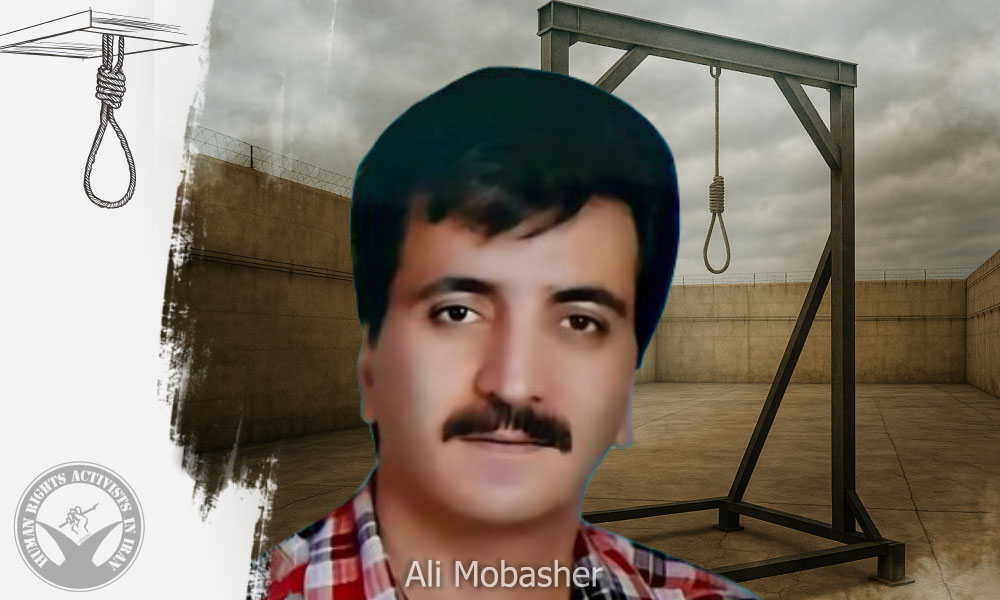
HRANA has identified the prisoners as Zaker Aramesh, Hossein Rezaei, Soudabeh Ghasemzadeh (female), and Ali Mobasher.

Zaker Aramesh, 27, was arrested in Isfahan four years ago on charges related to drug offenses and later sentenced to death by the Revolutionary Court of the city. Mr. Rezaei had previously been arrested on drug-related charges and was also sentenced to death by the Revolutionary Court.

According to information received by HRANA, Mr. Mobasher had likewise been arrested on drug-related charges and later sentenced to death by the Revolutionary Court.

As for the other prisoner, Soudabeh Ghasemzadeh had been arrested earlier on charges of murdering her husband and, after some time, was sentenced to death by the Criminal Court.

As of the time of writing, the execution of these prisoners has not been announced by prison officials or relevant authorities.