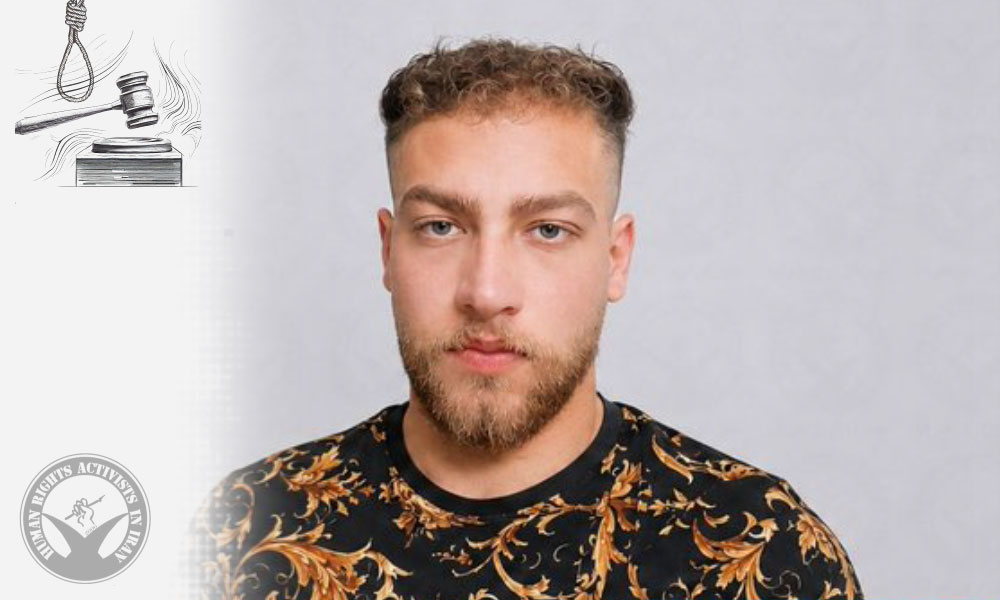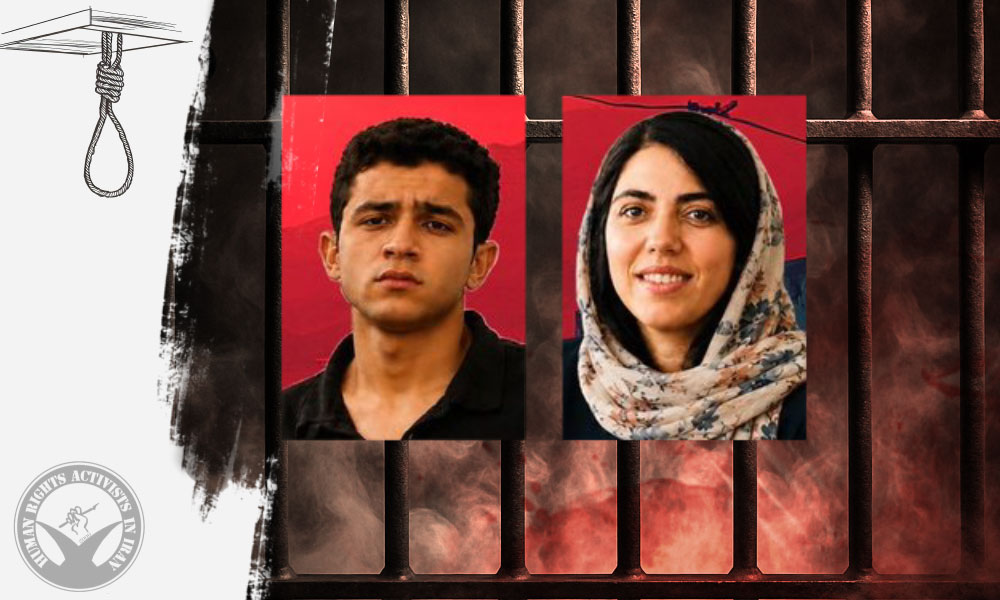
Sepehr Amirzadeh, Detained During January Protests, Sentenced to Death

HRANA – Sepehr Amirzadeh, one of those arrested during the January 2026 protests and currently held in Dastgerd Prison in Isfahan, has been sentenced to death by the Revolutionary Court on the charge of “moharebeh” (enmity against God).

According to HRANA, Sepehr Amirzadeh, who was arrested during the January 2026 protests, has been sentenced to death.

Based on information received by HRANA, Mr. Amirzadeh was sentenced to death by the Revolutionary Court on the charge of “moharebeh” (enmity against God). His case is currently under review by the Supreme Court.

Mr. Amirzadeh was arrested by security forces at his home in Isfahan on January 13, 2026, in connection with nationwide protests. After undergoing interrogation, he was transferred to Dastgerd Prison in Isfahan, where he remains incarcerated.

HRANA’s investigation into the details of the case, including the specific acts underlying the charge brought against him, is ongoing.

Sepehr Amirzadeh, aged approximately 23, is originally from Ramhormoz, Khuzestan Province. He is an instructor and musician who plays the ney-anban, a traditional Iranian bagpipe, and resides in Isfahan.

One Prisoner Executed in Isfahan Prison; Number of Executions in Zanjan Prison Rises to Two

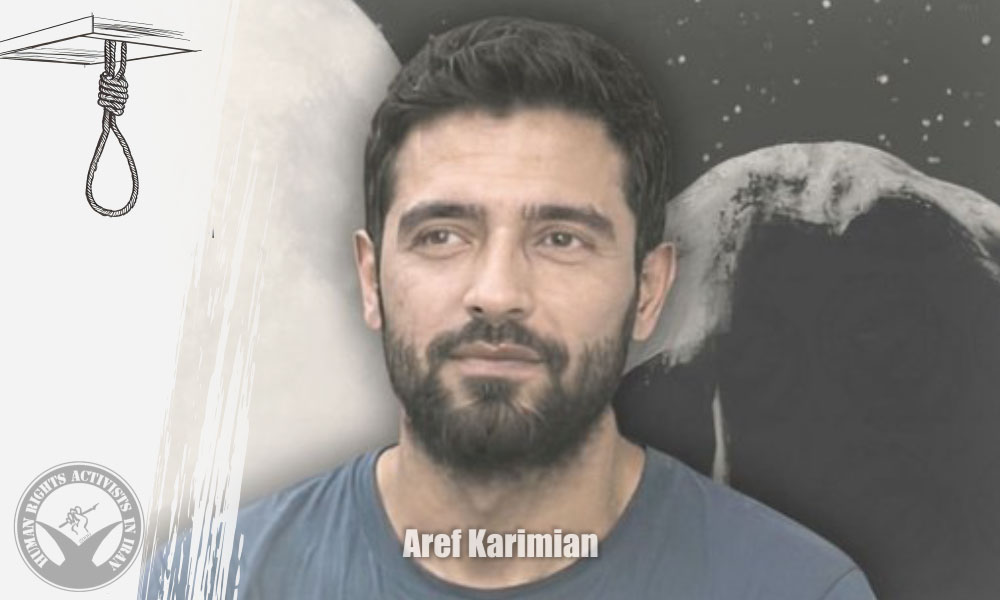
HRANA – The death sentence of a prisoner who had previously been sentenced to death on a murder charge was carried out on Tuesday, August 11, at Dastgerd Prison in Isfahan. Additionally, with confirmation of the execution of another prisoner convicted of murder, the number of prisoners executed at Zanjan Prison on Saturday, August 8, has risen to two.

According to HRANA, citing Iran Human Rights Organization, the death sentence of a prisoner was carried out at Dastgerd Prison in Isfahan on the morning of Tuesday, August 11, 2026.

The prisoner has been identified as Aref Karimian, 38, a resident of Khomeini Shahr and father of one child.

According to the report, Mr. Karimian was arrested four years ago on a murder charge involving an honor-related motive and was subsequently sentenced to death by a judicial authority.

Number of Prisoners Executed at Zanjan Prison Rises to Two

According to another report by Iran Human Rights Organization, another prisoner was executed at Zanjan Prison on the morning of Saturday, August 8, 2026.

The prisoner has been identified as Payam Pakzad, 41, a native of Bojnurd, father of four children, and resident of the Shahrak-e Shohada neighborhood in Zanjan.

According to the report, Mr. Pakzad, who worked as a construction worker, became involved in an altercation with another person three years ago while working on a construction project. Following the altercation, which resulted in the other person’s death, he was arrested on a murder charge and subsequently sentenced to death by a judicial authority.

The execution of another prisoner, Yousef Bagheri, which was carried out at the same prison on the same day, had previously been reported.

As of the time of this report, the executions of these prisoners have not been officially announced by prison authorities or other relevant institutions.

According to HRA’s Annual Report, in 2025 at least 2,063 citizens, including 61 women and 2 juvenile offenders, were executed. Of these, the sentences of 11 individuals were carried out in public. During the same period, 172 other individuals were sentenced to death.
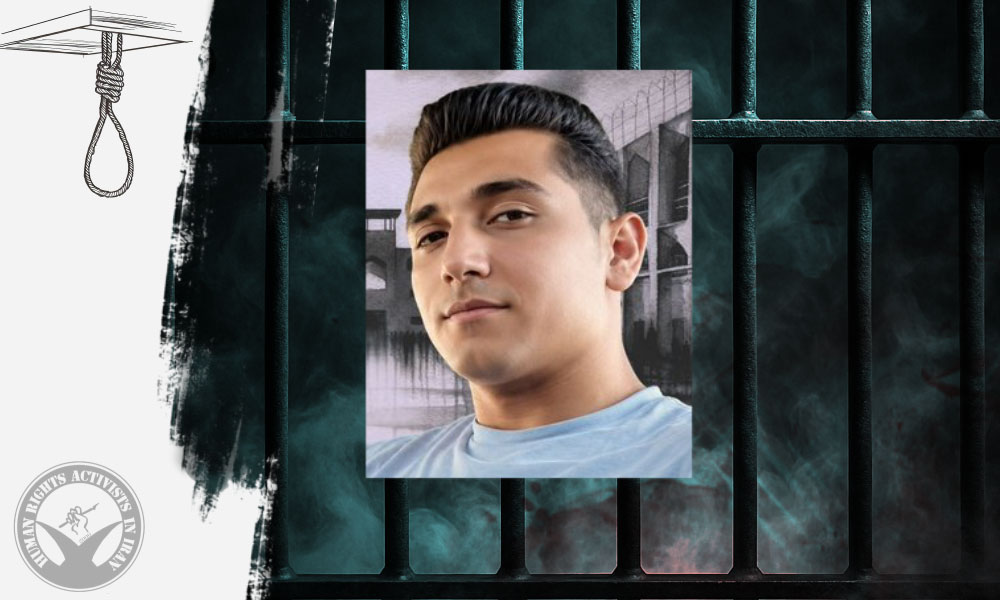
Alireza Sepahi Returned to Prison After Suffering Stroke Ahead of Execution

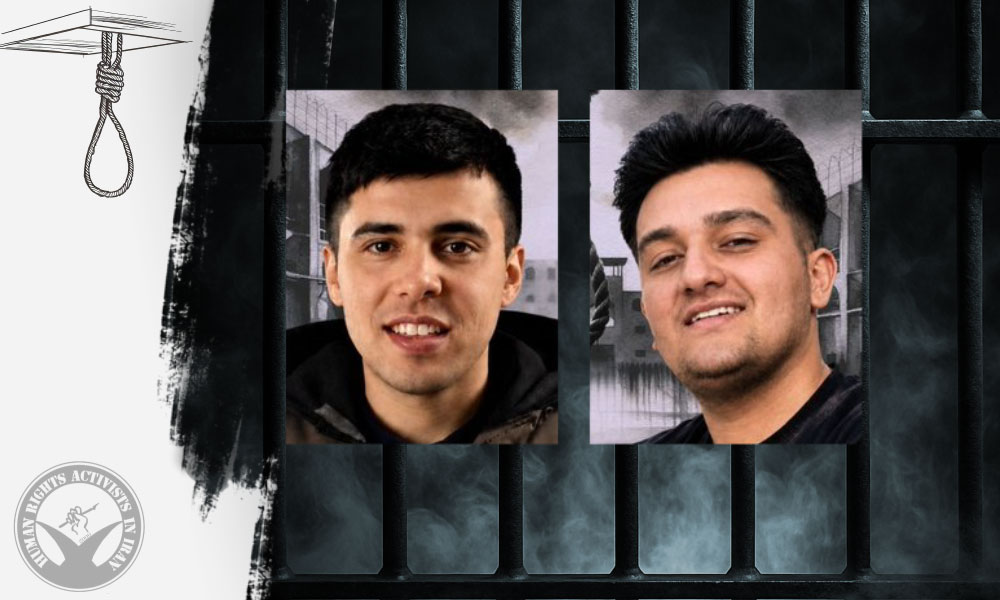
HRANA – Alireza Sepahi, one of those arrested during the January 2026 nationwide protests and among the defendants in the case known as the “Alikhani Square of Isfahan” case, suffered a stroke before being transferred for the implementation of his death sentence. Sepahi, who was scheduled to be executed alongside Abolfazl Sepahi and Amirhossein Safari, was taken to a hospital and, after receiving medical treatment, was returned to Dastgerd Prison in Isfahan.

According to HRANA, Alireza Sepahi, a death row prisoner, was returned to Dastgerd Prison in Isfahan after suffering a stroke and being transferred to a hospital.

According to information received by HRANA, Mr. Sepahi’s execution was scheduled to be carried out in the early hours of Tuesday, July 28, alongside those of Abolfazl Sepahi and Amirhossein Safari at Alikhani Square in Isfahan. However, before being transferred to the execution site, he suffered a stroke and was taken to a hospital by prison officials.

A source close to the prisoner’s family told HRANA that after undergoing medical treatment and being resuscitated at the hospital, Alireza Sepahi was returned to Dastgerd Prison, where he is currently being held. His return to prison has intensified his family’s concerns about both his physical condition and his fate.

Alireza Sepahi, aged approximately 25, was arrested on January 10, 2026, in connection with the nationwide protests. He had previously been transferred from the general ward of Dastgerd Prison to solitary confinement at around 5:00 a.m. on July 18, along with his cousin, Abolfazl Sepahi.

Court hearings in Mr. Sepahi’s case were held inside the prison via video conference. The judicial proceedings were marked by a number of due process concerns, including his lawyer’s inability to effectively access the case file, the authorities’ refusal to provide a copy of the court’s verdict, the family’s lack of information about the details of the charges, and the court’s failure to properly examine evidence submitted in his defense.

According to a source close to the family, surveillance camera footage and other evidence indicate that Alireza Sepahi was not present at Alikhani Square at the time of the incident forming the basis of the case and was elsewhere. Nevertheless, Judge Morteza Barati, who presided over the case, sentenced him to death on four counts without effectively examining this evidence.

Several other defendants in the case have also stated that they were subjected to pressure and torture during interrogations to force them to confirm Alireza Sepahi’s presence at the scene of the incident. Despite these allegations, no independent or effective investigation has been conducted into the possibility that these statements were obtained under coercion.

Two other defendants in the case, Erfan Esfandiari and Gol-Mohammad Mohammadi, were executed on July 19. The death sentences of Abolfazl Sepahi and Amirhossein Safari were carried out publicly at Alikhani Square in Isfahan in the early hours of Tuesday, July 28.

In the initial trial, 15 defendants in this case were sentenced to death. According to information provided by their lawyer, the death sentence of one defendant was overturned by the higher judicial authority, while the death sentences of the remaining 14 defendants were upheld.

January 2026 Protests:Execution of Erfan Esfandiari and Gol-Mohammad Mohammadi

HRANA – The Iranian Judiciary’s Media Center has announced the execution of Erfan Esfandiari and Gol-Mohammad Mohammadi, two individuals arrested during the January 2026 protests in Isfahan. The two had been tried in a case referred to as the “Alikhani Square case” and sentenced to death.

According to HRANA, citing Mizan, the executions of Erfan Esfandiari and Gol-Mohammad Mohammadi, both detained during the January 2026 protests in Isfahan, were carried out at dawn on Sunday, July 19, 2026.

The Judiciary’s Media Center claimed that during the protests on January 8, 2026, in Alikhani Square in Isfahan, four law enforcement officers were killed. It further alleged that a number of protesters attacked police forces using firearms, bladed weapons, and incendiary materials, while also damaging public property and facilities. The judiciary additionally claimed that, after attacking the officers, the defendants committed acts of violence, including setting the victims’ bodies on fire, mutilating them, and filming the scenes.

However, HRANA has not been able to independently verify these allegations. Moreover, no official or transparent information has been released regarding the judicial proceedings, including the defendants’ access to legal counsel of their own choosing, the conduct of the trial the evidence presented before the court, or their ability to mount an effective defense. Given the documented record of the Islamic Republic’s security and judicial authorities in relying on forced confessions, torture, and other forms of ill-treatment in security-related cases, there are serious concerns regarding compliance with fair trial standards and the defendants’ rights in this case.

The Judiciary’s Media Center stated that death sentences had been issued for several defendants in this case and that the sentences of two of them were carried out at dawn today.

Yesterday, Voice of America (VOA) claimed that Erfan Esfandiari and Gol-Mohammad Mohammadi, along with ten other death row prisoners, had been transferred from the general ward of Dastgerd Prison in Isfahan to solitary confinement. VOA also reported that 59 individuals were tried in connection with the case, 12 of whom were sentenced to death. According to VOA, the identities of the remaining ten death row prisoners are: Alireza Sepahi, Abolfazl Sepahi, Ghaem Hosseini, Shervin Bagherian, Amirhossein Safari, Amirhossein Maleki, Ali Dashti, Abolfazl Ebrahimi, Alireza Raisi, and Amirhossein Ebrahimi Analoucheh. The report further stated that Erfan Esfandiari and Gol-Mohammad Mohammadi were 18 and 23 years old, respectively.

HRANA has not yet been able to independently verify the information published by VOA regarding the identities of those sentenced to death, the total number of defendants, their ages, or other details of the case. HRANA is continuing to investigate and verify additional information. Further reports will be published if independent and reliable information becomes available.

It should be noted that protests and strikes by shopkeepers and bazaar merchants began in Tehran on Sunday, December 28, 2025, and within two days spread beyond markets and commercial centers. With the participation of students, citizens, and various social groups, these protests became one of the largest protest movements of recent years. Following the crackdown by security and law enforcement forces, thousands were killed or injured, and tens of thousands were arrested or summoned by security agencies. For more information, readers may refer to HRANA’s comprehensive report titled “Crimson Winter,” documenting the first fifty days following the outbreak of Iran’s nationwide protests.

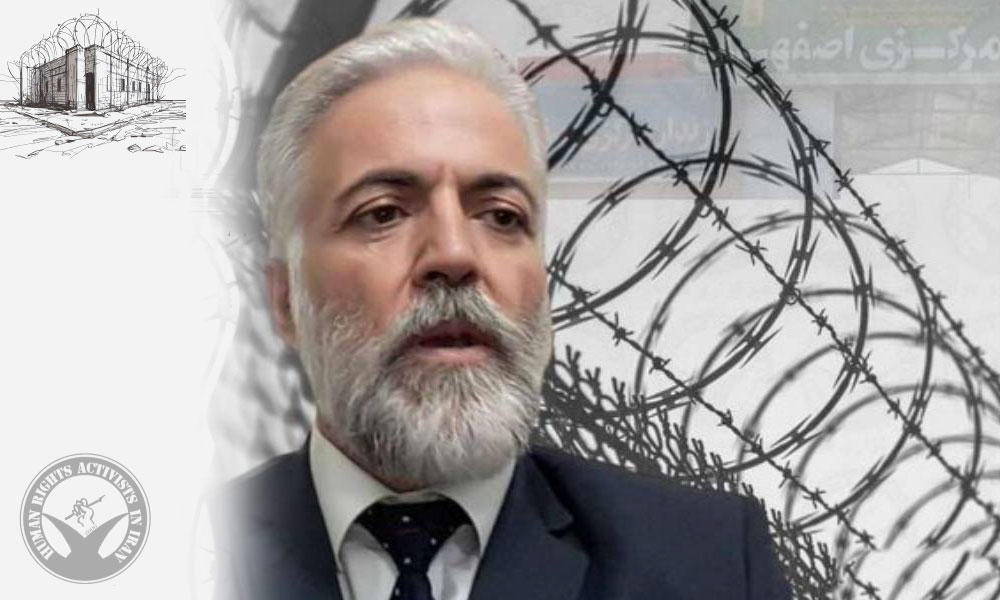
Report on Political Prisoner Abdolrasoul Mortazavi’s Situation in Dastgerd Prison

HRANA – Political prisoner Abdolrasoul Mortazavi is serving his sentence in Dastgerd Prison in Isfahan. He has been sentenced to more than 30 years in prison in several separate cases and is currently serving his longest executable sentence of 11 years’ imprisonment.

According to HRANA, Abdolrasoul Mortazavi is currently serving his sentence in Dastgerd Prison in Isfahan.

A source close to the family of the political prisoner told HRANA that Mr. Mortazavi is a veteran of the Iran-Iraq War and, due to his injuries, is required to use a prosthetic leg. The source added: “In addition to the difficult prison conditions Mr. Mortazavi faces, on March 1, 2026, he was taken out of prison and transferred to one of the intelligence detention cells within the prison for a period of 40 days. Prison authorities claimed that the transfer was a preventive measure.”

The source further stated that after returning from the detention facility, Mr. Mortazavi released an audio file in which he reported acts of violence against detainees in the detention facility.

In August 2019, a letter signed by 14 civil activists calling for the resignation of Ayatollah Khamenei was published. Following the publication of the letter, several of its signatories, including Abdolrasoul Mortazavi, were arrested. In connection with this case, Mr. Mortazavi was sentenced by the Revolutionary Court of Mashhad to 26 years in prison. In another part of the same case, he was sentenced by a criminal court to two years’ imprisonment on charges of disturbing public opinion. Of these sentences, 11 years as the severest punishment is enforceable, and he is currently serving this sentence in Dastgerd Prison in Isfahan.

In June 2021, in a case opened against him while he was in prison, Branch 26 of the Tehran Revolutionary Court sentenced him in absentia to two years’ imprisonment. The sentence, issued on charges of “propaganda against the regime” and “disrupting public order,” was later reduced to eight months in prison on appeal.

Additionally, in 2022, in another case opened against him during his imprisonment, the Revolutionary Court of Karaj sentenced him to two years in prison on charges of insulting the Supreme Leader.

Abdolrasoul Mortazavi, a veteran of the Iran-Iraq War who had also been sentenced to imprisonment in another case in 2017, was arrested in Mashhad in 2019 and has remained in prison ever since.

Following his arrest, Mr. Mortazavi was initially transferred to Evin Prison to serve his sentence. He was subsequently transferred to Rajai Shahr Prison in Karaj in April 2021 and finally to Dastgerd Prison in Isfahan in July 2022.

Subscribe to Our Newsletter

Now is definitely not the time to stop reading!

Three Prisoners Executed in Isfahan Prison

HRANA – On June 15, authorities at Dastgerd Prison in Isfahan executed three prisoners on charges of murder and drug-related offenses.

HRANA has identified one of the prisoners as Mohammadreza Gashoul. According to information received by HRANA, he had previously been arrested on a murder charge and was sentenced to death by a criminal court.

The Iran Human Rights Organization has identified the other two prisoners as Fariborz Jafari, 27, from Khomeyni Shahr, and Hamidreza Afsharipour, 51, from Fuman and the father of three children.

According to the report, Fariborz Jafari had previously been arrested on a murder charge and was sentenced to death by the judicial authorities. He was being held in Ward 4 of Dastgerd Prison and had previously been incarcerated in Najafabad Prison. Hamidreza Afsharipour had been arrested approximately two years ago on drug-related charges and was subsequently sentenced to death by the judicial authorities.

As of the time of this report, prison officials and the relevant authorities had not publicly announced the executions.

According to HRA’s Annual Report, in 2025 at least 2,063 citizens, including 61 women and 2 juvenile offenders, were executed. Of these, the sentences of 11 individuals were carried out in public. During the same period, 172 other individuals were sentenced to death.

Six Prisoners Executed in Multiple Iranian Prisons

HRANA – The death sentences of four prisoners were carried out in Adelabad Prison in Shiraz, Khorramabad Prison, and Shirvan Prison. In addition, following the identification of two other prisoners, the number of people executed on Tuesday in Dastgerd Prison in Isfahan and Dizelabad Prison in Kermanshah has risen to four. These prisoners had previously been sentenced to death in separate cases on charges related to drug offenses and murder.

According to a report by the Iran Human Rights Organization, two prisoners were executed at dawn on Tuesday, June 9, 2026, in Adelabad Prison in Shiraz.

They were identified as Farhad Minaei, 40, from Borujerd, and Hossein Salehpour, from Shiraz.

According to the report, Mr. Salehpour had been arrested approximately four years ago, and Mr. Minaei about two years ago, in separate cases involving drug-related charges. They were subsequently sentenced to death by judicial authorities.

The report also states that the death sentence of another prisoner was carried out on June 1, 2026, in Shirvan Prison.

The prisoner was identified as Keramat Mansouri, 53, a father of four from Baghan village in Shirvan County.

According to the report, he had been arrested about five years ago on murder charges and was later sentenced to death by a judicial authority.

Number of Executions in Dastgerd Prison, Isfahan, Rises to Two

According to Iran Human Rights, on Tuesday, June 9, 2026, a prisoner identified as Reza Ghanbarlou, 45, from Rasht and the father of two children, was executed in Dastgerd Prison in Isfahan.

The report states that Mr. Ghanbarlou had been arrested approximately five years ago on drug-related charges and was subsequently sentenced to death by the Revolutionary Court.

HRANA had previously reported the execution of another prisoner, Rashid Ghanbarzehi, in the same prison on the same date.

Number of Executions in Dizelabad Prison, Kermanshah, Reaches Two

According to another report from Iran Human Rights, Dariush Ghobadi was executed at dawn on Tuesday, June 9, 2026, in Dizelabad Prison in Kermanshah.

Ghobadi had been accused of murdering four members of his family and one of his friends on October 17, 2023. He was subsequently sentenced to death by judicial authorities.

The execution of Abbas Zarei in the same prison on the same date had previously been reported.

Execution of a Prisoner in Khorramabad

According to Iran Human Rights, a prisoner was executed in Khorramabad Prison on May 14, 2026.

The prisoner was identified as Ahmadreza Torabi, 32, from Khorramabad.

According to the report, Mr. Torabi had been arrested approximately five years ago on a murder charge stemming from a street altercation and was later sentenced to death by judicial authorities.

At the time of writing this report, the executions of these prisoners had not been officially announced by prison authorities or the relevant responsible institutions.

According to HRA’s annual report, in 2025, there were reports of delayed or unpaid wages amounting to at least 638 months across 182 industrial and service units, 2,458 cases of dismissals or layoffs and 3,761 workers left in uncertain employment conditions.

Six Prisoners Executed in Various Prisons Across Iran

HRANA – The death sentences of six prisoners previously convicted on charges related to drug offenses and murder have been carried out in the prisons of Neyshabur, Marvdasht, Kashan, and Isfahan.

According to Iran Human Rights, two prisoners were executed at dawn on Wednesday, May 27, 2026, in Dastgerd Prison, Isfahan.

The identities of the prisoners, both from Torbat-e Heydarieh County, have been reported as Mojtaba Khosravi, 42, a father of one, and Meysam Abdi, 38.

According to the report, the two men had been arrested approximately one year and nine months earlier in a joint case on charges of transporting 27 kilograms of methamphetamine and heroin. They were subsequently sentenced to death by the Revolutionary Court.

The Iran Human Rights also reported the execution of another prisoner in Neyshabur Prison. The prisoner, who was executed on Saturday, May 23, 2026, has been identified as Jafar Sabouhi, 40, and the father of one child.

According to the report, Mr. Sabouhi, who worked as a barber before receiving his death sentence, had fatally stabbed his mother-in-law during a family dispute approximately three years ago. He was subsequently arrested and sentenced to death by a criminal court.

In a separate report, another prisoner was executed in Marvdasht Prison on May 11, 2026. The prisoner has been identified as Milad Heydari, 36. The report states that Mr. Heydari, who had been sentenced to death on a murder charge, had spent the previous four years in prison.

Additionally, at dawn on Monday, April 27, 2026, two prisoners were executed in Kashan Prison.

The two prisoners have been identified as Farhad Jalilvand, 30, from Aligudarz, and Seyed Ali Bozorgi, 28, from Kashan.

According to the report, Mr. Jalilvand had been sentenced to death approximately three years earlier on charges related to drug offenses. Seyed Ali Bozorgi had also been arrested about four years ago on a murder charge stemming from an altercation at his workplace and was subsequently sentenced to death.

As of the time of publication, the executions of these prisoners had not been officially announced by prison authorities or the relevant institutions.

According to HRA’s Annual Report, in 2025 at least 2,063 citizens, including 61 women and 2 juvenile offenders, were executed. Of these, the sentences of 11 individuals were carried out in public. During the same period, 172 other individuals were sentenced to death.
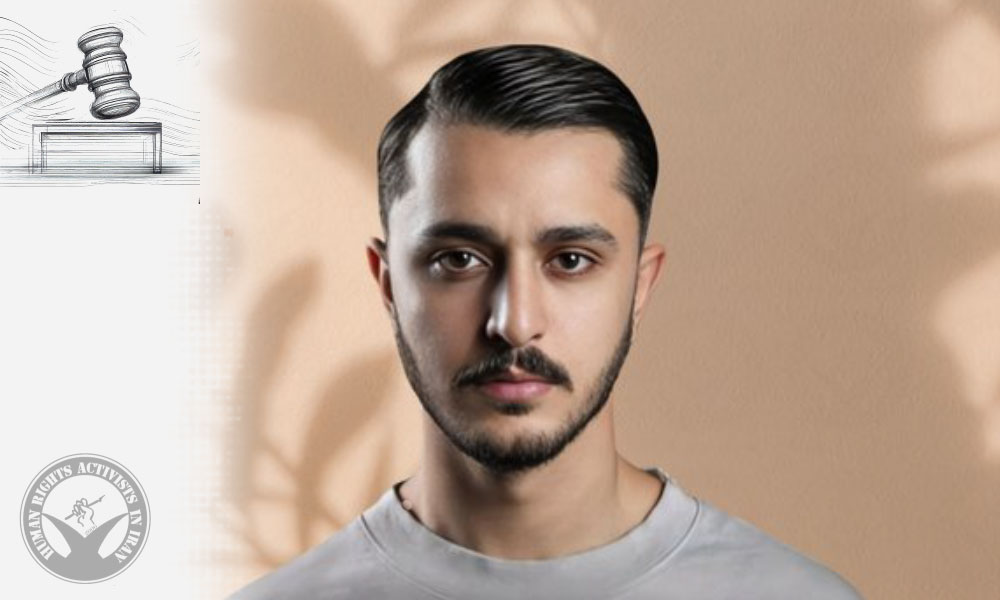
January Protests: 21-Year-Old Sasan Azadvar Junaqani Executed

HRANA – At dawn today, Thursday, April 30, 2026, Sasan Azadvar Junaqani, one of those detained during the January 2026 protests, was executed in Dastgerd Prison in Isfahan. The death sentence against this prisoner had previously been issued on the charge of “enmity against God” (moharebeh) and was ultimately upheld by the Supreme Court.

The execution of Sasan Azadvar Junaqani, a 21-year-old athlete from Isfahan who had been arrested during the nationwide protests of January last year, was carried out early this morning, Thursday, April 30, 2026, in Dastgerd Prison. A source close to the family told HRANA that only 10 relatives were allowed to attend his burial ceremony. According to this source, the funeral took place at noon under heavy security, and his body was laid to rest.

This sentence, initially issued at the trial stage on the charge of “enmity against God,” had recently been confirmed by the Supreme Court.

On Tuesday, the prisoner’s family had been summoned to the prison and met with him. One relative described this meeting in an interview with a HRANA journalist as a “final visit.”

Sasan Azadvar Junaqani was arrested on January 1, 2026, during nationwide protests in Isfahan. He was later tried in March 2026 by Branch One of the Isfahan Revolutionary Court, presided over by Seyed Mahmoud Kazemzadeh, with advisor Mohammad Vakili.

On March 17, 2026, his verdict was issued. He was sentenced to death on charges of moharebeh, including:
(a) effectively inciting military forces to desert and refuse to carry out their duties during unrest with the intent to oppose the regime and overthrow the government;
(b) destruction of public property and disruption of public order.

He was also sentenced to 15 months in prison for “propaganda against the system,” 7 years in prison for “inciting or provoking people to engage in war and killing one another with the intent to disrupt national security,” including encouraging unrest in public and online spaces, 25 months in prison for insulting the Supreme Leader.

Sasan Azadvar Junaqani, 21, is a karate athlete and a resident of Isfahan.

It should be noted that following the onset of military conflict between the United States–Israel and Iran on February 28, 2026, the issuance and implementation of death sentences against prisoners facing political and security-related charges have intensified, driven by an expedited judicial process.

It should be noted that protests and strikes by shopkeepers and bazaar merchants began in Tehran on Sunday, December 28, 2025, and within two days spread beyond markets and commercial centers. With the participation of students, citizens, and various social groups, these protests became one of the largest protest movements of recent years. Following the crackdown by security and law enforcement forces, thousands were killed or injured, and tens of thousands were arrested or summoned by security agencies. For more information, readers may refer to HRANA’s comprehensive report titled “Crimson Winter,” documenting the first fifty days following the outbreak of Iran’s nationwide protests.

January Protests: Death Sentence of Sasan Azadvar Junaqani Upheld by Supreme Court

HRANA – The death sentence of Sasan Azadvar Junaqani, who was arrested during the January 2026 protests and is currently being held in one of the solitary confinement cells of Dastgerd Prison in Isfahan, has been upheld by the Supreme Court.

Based on information received by HRANA, his death sentence was upheld by the Supreme Court some time ago. Additionally, yesterday his family was summoned to the prison and met with him.
A family member, in an interview with an HRANA journalist, described the meeting as a “last visit,” adding: “Given that Azadvar is being held in solitary confinement, his family is deeply concerned about his condition.”

Sasan Azadvar Junaqani was arrested on January 1, 2026, during nationwide protests in Isfahan. He was later tried in March 2026 by Branch One of the Isfahan Revolutionary Court, presided over by Seyed Mahmoud Kazemzadeh, with advisor Mohammad Vakili.

On March 17, 2026, his verdict was issued. He was sentenced to death on charges of moharebeh, including:
(a) effectively inciting military forces to desert and refuse to carry out their duties during unrest with the intent to oppose the regime and overthrow the government;
(b) destruction of public property and disruption of public order.

He was also sentenced to 15 months in prison for “propaganda against the system,” 7 years in prison for “inciting or provoking people to engage in war and killing one another with the intent to disrupt national security,” including encouraging unrest in public and online spaces, 25 months in prison for insulting the Supreme Leader.

Sasan Azadvar Junaqani, 21, is a karate athlete and a resident of Isfahan.

It should be noted that following the onset of military conflict between the United States–Israel and Iran on February 28, 2026, the issuance and implementation of death sentences against prisoners facing political and security-related charges have intensified, driven by an expedited judicial process.

It should be noted that protests and strikes by shopkeepers and bazaar merchants began in Tehran on Sunday, December 28, 2025, and within two days spread beyond markets and commercial centers. With the participation of students, citizens, and various social groups, these protests became one of the largest protest movements of recent years. Following the crackdown by security and law enforcement forces, thousands were killed or injured, and tens of thousands were arrested or summoned by security agencies. For more information, readers may refer to HRANA’s comprehensive report titled “Crimson Winter,” documenting the first fifty days following the outbreak of Iran’s nationwide protests.