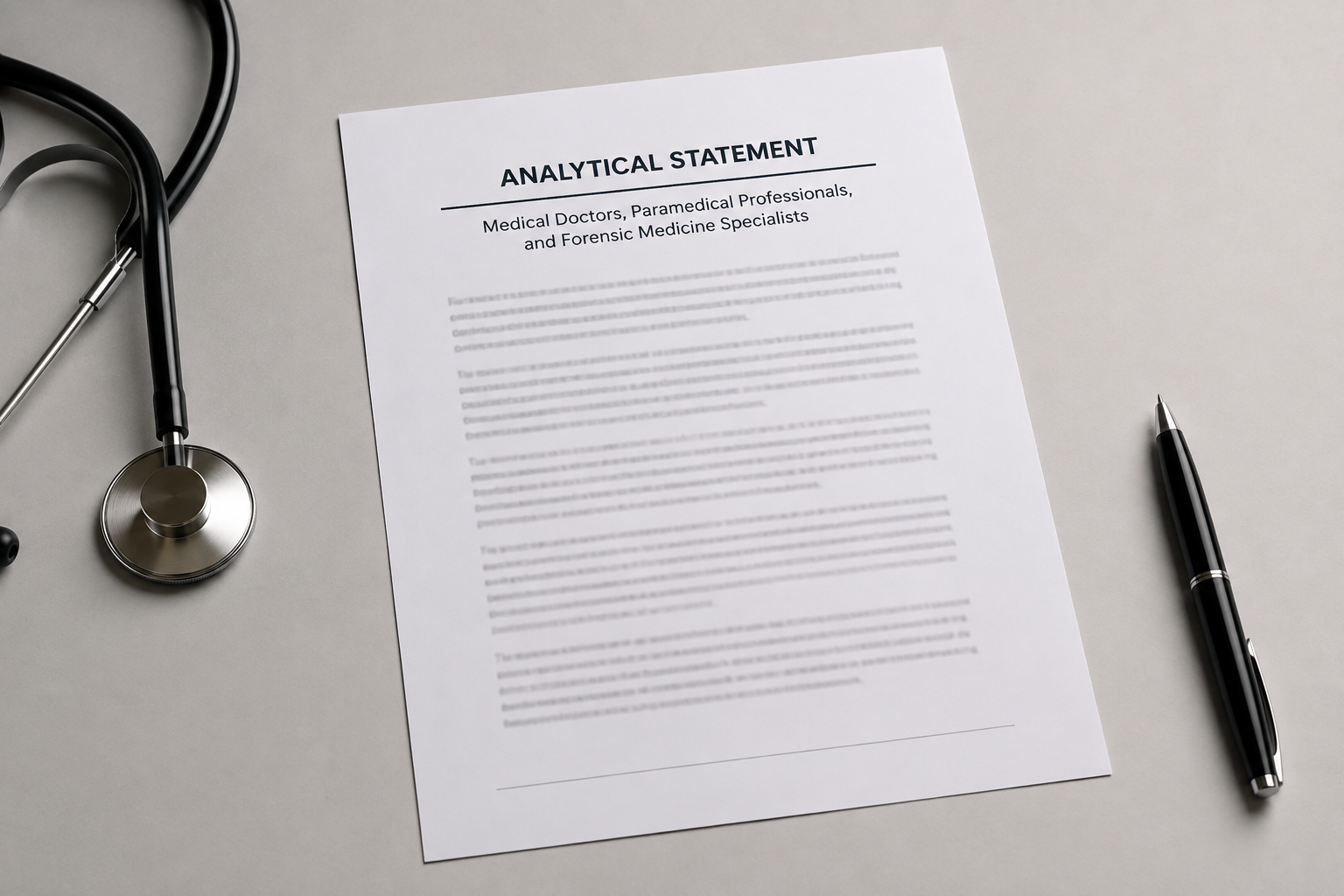
HRANA News Agency – A group of medical doctors, paramedical professionals, and forensic medicine specialists issued an analytical statement, a copy of which was provided to HRA, declaring that a systematic review of publicly available images and videos from Iran reveals serious and alarming patterns of violations of fundamental medical, forensic, and human rights principles during recent events.
According to the statement, the assessments were based on independent analyses conducted by physicians, nurses, emergency responders, forensic pathologists, and staff working in medical centers, hospitals, and morgues.
Medical experts emphasized that in numerous cases, evidence was observed indicating that hospital-based medical interventions had been performed prior to the deaths of some of the deceased. Such evidence includes the presence of equipment remaining on the bodies, such as intravenous cannulas (Angio catheters), urinary catheters, endotracheal tubes, and cardiac monitoring devices.
The authors of the statement stressed that these medical devices are used exclusively in clinical and emergency settings, and their presence indicates that the individuals were alive at the time they were receiving medical care. From a medical perspective, this suggests that death occurred after the initiation of therapeutic intervention.
According to the authors, the observation of such medical equipment on bodies outside clinical settings raises serious concern. This situation may indicate the transfer of patients without official confirmation of death, or the killing of individuals after medical treatment had already begun. They emphasized that such actions constitute a clear violation of the principle of medical neutrality and the professional obligation to protect patients.
In another section of the statement, reference is made to cases in which signs inconsistent with confirmed death prior to the transfer of bodies were observed. It was also reported that in some instances, individuals with gunshot wounds were left without triage, emergency care, or life-saving intervention. From the perspective of emergency medicine, such conduct can result in preventable deaths.
The statement further notes the presence of extensive longitudinal abdominal incisions on a number of bodies. These incisions were reported to fall outside documented and recognized forensic medical frameworks. According to the authors, such findings raise serious concerns regarding the destruction of forensic evidence or potential unlawful actions, including organ removal or the concealment of signs of trauma and severe violence.
The statement further raises evidence of severe physical violence, mutilation, complete decapitation, and the improper and collective handling of bodies. Medical experts emphasized that such actions are incompatible with established medical and forensic standards. Moreover, these practices seriously obstruct the processes of identification, determination of cause and manner of death, and legal accountability.
Additionally, in some cases, findings were reported that are medically consistent with exposure to toxic chemical substances. Instances of severe thermal destruction of remains were also observed. According to the authors, such conditions significantly limit the possibility of conducting independent and credible forensic examinations.
The statement stressed that the report is based solely on the analysis of publicly available images and videos. Due to the lack of direct access to bodies, scenes, or medical records, and the absence of the ability to conduct in-person examinations, the report is subject to methodological limitations.
Nevertheless, they concluded that the documented findings are consistent with patterns of systematic misconduct in the context of mass casualties and with severe and gross violations of human rights.
This statement was issued with the aim of providing preliminary medical and forensic documentation, preserving evidence, identifying concerning patterns, and supporting future independent and impartial investigations.