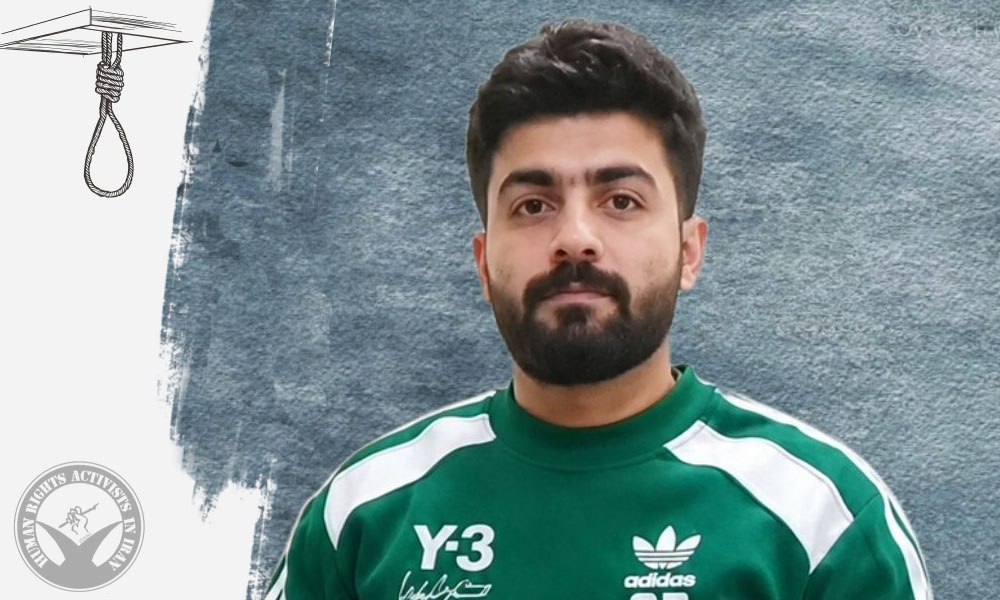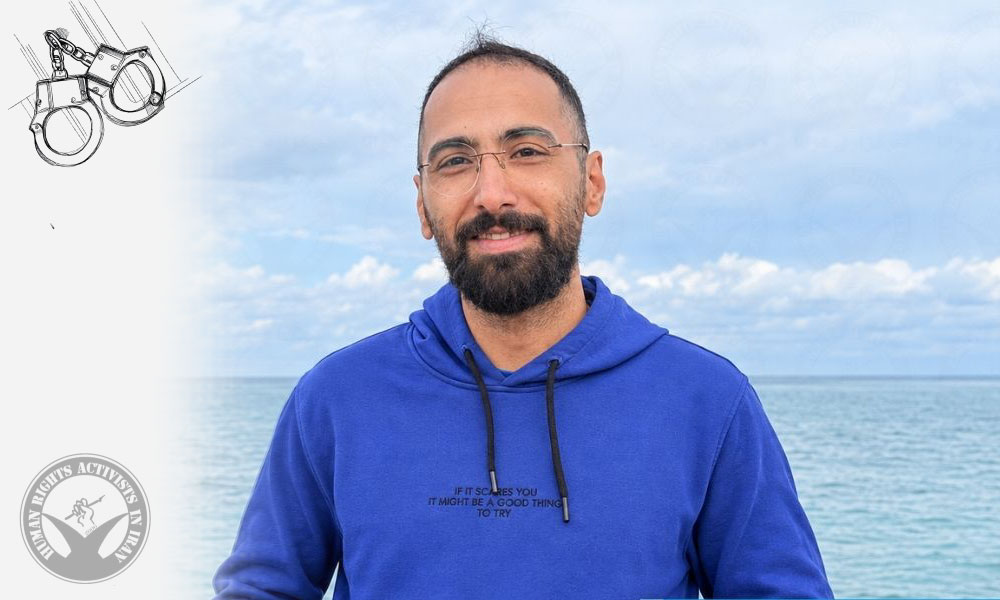


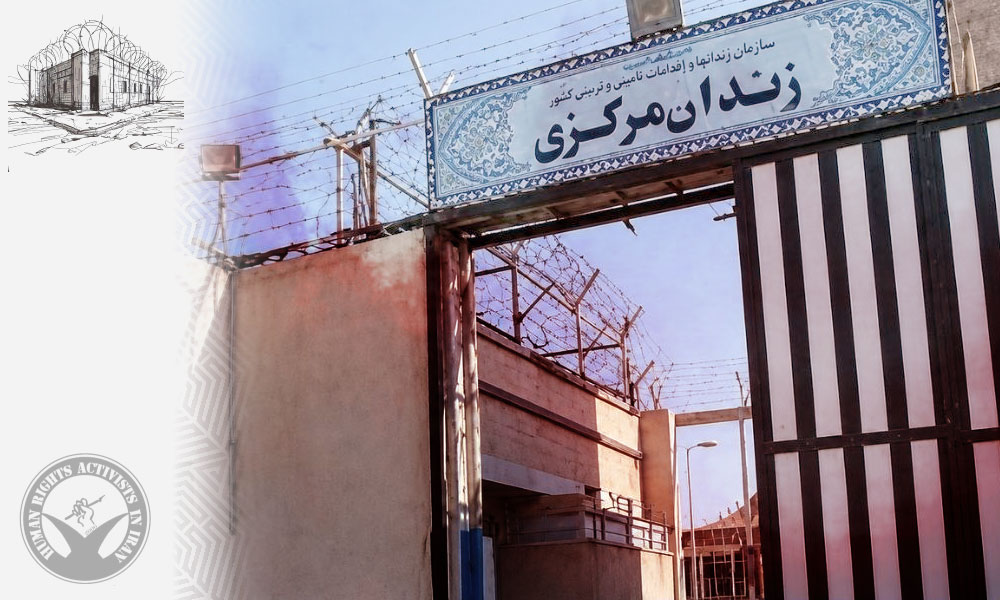
HRANA’s investigation into individuals arrested during the January 2026 protests and held in Yazd Prison reveals lengthy prison sentences, continued legal uncertainty, and poor detention conditions. Of the 28 prisoners examined, 15 have received sentences ranging from three to 21 years, while 13 remain in legal limbo. The report also documents prolonged denial of family visits, pressure on prisoners’ relatives, and overcrowding and inadequate facilities in the prison’s isolation ward.
As part of ongoing efforts to monitor and document the situation of individuals arrested during the nationwide protests of January 2026, this report sheds light on the legal cases and detention conditions of several prisoners held in Yazd Prison. In addition, this report provides details about the judicial proceedings against them, restrictions imposed on the prisoners and their families, and detention conditions in certain sections of the prison.
HRANA’s findings indicate that, among the 28 prisoners examined, 15 have been sentenced to prison terms ranging from three to 21 years, while the remaining 13 continue to face legal uncertainty months after their arrests. In the cases of several of these individuals, social media activity, publishing content, communicating with media outlets based outside Iran, and using communications equipment have been among the matters cited in judicial proceedings against them.
Meanwhile, an examination of their detention conditions reveals that some prisoners have been denied family visits for several months. There have also been reports of pressure and threats against prisoners’ relatives, as well as problems including overcrowding, insufficient beds, and limited access to basic amenities in the prison’s isolation ward.
HRANA has previously published numerous reports examining various aspects of the arrests of citizens and the situation of prisoners connected to the January protests in Yazd Province. The present report builds on that coverage, focusing on the individual circumstances of prisoners, their sentences, and their detention conditions. The examination of these 28 individuals covers only a portion of the broader situation of protest-related detainees held in Yazd Prison and should not be interpreted as representing the total number of prisoners detained in connection with the protests.
Identities and Prison Sentences of 15 Prisoners
Fifteen individuals arrested during the January protests and held in Yazd Prison have been sentenced to prison terms ranging from three to 21 years. Their identities and sentences are as follows:
• Ayoubi (first name unknown): 21 years in prison.
• Mousa Salarzehi: 20 years in prison and exile.
• Soheil Sotoudehnia Karani: 15 years in prison.
• Sajjad Sadeghian: 15 years in prison.
• Kazem Rastegar: 12 years in prison.
• Reza Yazdi: 12 years in prison.
• Mohammad Kargar Bideh: 11 years in prison.
• Esmaeil Hassanzadeh: 10 years in prison.
• Milad Salimi: Seven years in prison.
• Mohammad Mousavi: Five years in prison.
• Sattar Khani: Five years in prison.
• Karim Saeed: Five years in prison.
• Mohammad Ali Ghazian: Five years in prison.
• Ayoub Eidani: Four years in prison.
• Amir Habibian: Three years in prison.
An examination of the details of certain cases indicates that communication-related activities and the publication of content on social media were among the grounds cited in judicial proceedings against several of these individuals.
An individual with the surname Ayoubi, whose first name has not yet been identified, was prosecuted for making a phone call to a television network based outside Iran and sentenced to 21 years in prison.
Karim Saeed, a resident of Kerman, was also sentenced to five years in prison in connection with a phone call to a television network. Esmaeil Hassanzadeh, another resident of Kerman, was prosecuted for publishing content and sending messages in a family group chat and received a 10-year prison sentence.
In the case of Amir Habibian, possession of Starlink satellite internet equipment was among the reported grounds for his prosecution. In addition to his three-year prison sentence, he faces another legal case that remains unresolved.
Mohammad Ali Ghazian was initially sentenced to 12 years in prison after approximately six months of legal uncertainty. However, his sentence was subsequently reduced to five years during a later stage of judicial proceedings.
Nevertheless, precise information regarding the charges brought against the prisoners, the judicial branches that issued the sentences, and whether the convictions are final or subject to appeal is not available for all the cases examined.
Continued Legal Uncertainty for 13 Prisoners
Another part of HRANA’s investigation focuses on the situation of 13 prisoners who remain held in Yazd Prison months after their arrests, without a final resolution of their legal cases.
These individuals have been identified as Ahmad Shahriyan, Masoud Shahvalibeyg, Mohammad Hossein Kamzaban, Mohammad Reza Rezaei, Mohsen Zareian, Shahab Vaziri, Amir Aliakbari, Salarian (first name unknown), Seyed Javad Tabatabaei, Abolfazl Torshizi, Ali Ghasemi, Mojtaba Makki, and Seyed Reza Tabatabaei.
An examination of information concerning these prisoners indicates that Mohsen Zareian has faced prosecution in connection with liking posts and sending messages on social media. Seyed Reza Tabatabaei was also arrested for posting stories and liking content on social media.
Amir Aliakbari, known as “Javid,” was arrested on January 3, 2026. According to information reviewed by HRANA, his arrest was related to remarks he made that day in front of the Jameh Mosque of Yazd. His father is an Afghan national, and his mother is suffering from cancer.
Mohammad Hossein Kamzaban, another prisoner whose legal case remains unresolved, has a history of imprisonment in 2013 and 2014. An examination of his situation indicates that he was transferred to a psychiatric hospital at one point. However, details regarding the reasons for his transfer and his current health condition remain unclear.
Another prisoner who continues to await a final resolution of his legal case is an individual with the surname Salarian, from Nur County in Mazandaran Province.
Among the prisoners facing legal uncertainty, the case of Mohammad Reza Rezaei, a resident of Shiraz, is also notable for the impact of his detention on his family. Both he and his wife are currently imprisoned. The couple has two children who have been deprived of their parents’ direct care following the simultaneous arrests of both parents. However, precise information regarding the children’s ages, their current care arrangements, and the location where Mr. Rezaei’s wife is being held is not available.
Ahmad Shahriyan, Masoud Shahvalibeyg, Mohammad Reza Rezaei, Shahab Vaziri, Seyed Javad Tabatabaei, Abolfazl Torshizi, Ali Ghasemi, and Mojtaba Makki are also among the prisoners whose legal cases have yet to reach a final resolution.
HRANA’s investigations into the charges brought against these individuals, the stages of their judicial proceedings, and the reasons for their continued detention remain ongoing.
Prolonged Deprivation of Visitation Rights and Pressure on Families
In addition to examining the judicial status of the detainees, an investigation into their contact with family members has revealed cases of prolonged deprivation of visitation rights and pressure exerted on prisoners’ relatives.
A prisoner who was recently released from Yazd Prison told HRANA that Masoud Shahvalibeyg and Seyed Javad Tabatabaei had each been denied family visits for six months, while Esmaeil Hassanzadeh had been deprived of such visits for five months.
According to the former prisoner, Ayoub Eidani and another prisoner with the surname Salarian had also been unable to meet with their families from the time of their arrests until the information was provided.
Regarding the situation of Masoud Shahvalibeyg, a source close to his family told HRANA that he had been subjected to pressure and interrogation during his detention and that his family had also faced threats. The prolonged denial of visitation rights has heightened his family’s concerns about his well-being.
Reports of pressure on family members have also emerged in the case of Karim Saeed. An informed source told HRANA that Mr. Saeed’s wife suffered a miscarriage during the period when these pressures were being exerted. However, the medical details of the incident and any potential connection between the miscarriage and the reported pressure have not been independently verified.
These cases, alongside the continued legal uncertainty faced by several detainees, are among the issues HRANA is examining as part of its ongoing investigation into the situation of prisoners and their families.
Conditions in the Isolation Ward of Yazd Prison: Overcrowding, Sleeping on the Floor, and Limited Facilities
Another part of HRANA’s investigation focuses on detention conditions in the section known as the “isolation ward” of Yazd Prison, where several individuals arrested during the January protests are being held.
According to information reviewed by HRANA, this ward has 42 beds, while its prisoner population typically ranges between 45 and 55 individuals. As a result, when the population reaches 55, at least 13 prisoners are forced to sleep on the floor due to the shortage of beds.
An examination of the ward’s facilities also indicates that its outdoor exercise yard measures approximately 16 square meters, with dimensions of two meters in width and eight meters in length. Given the number of prisoners, this space is considered severely inadequate.
A source familiar with conditions in the isolation ward told HRANA that prisoners are generally allowed to use the gym once a week, but even this limited access is frequently canceled.
According to informed sources, most individuals held in this ward are young adults between the ages of 18 and 25.
Overcrowding, insufficient beds, prisoners being forced to sleep on the floor, limited outdoor exercise space, and irregular access to sports facilities are among the problems identified in the examination of detention conditions in this ward.
Granting of Prison Leave and Changes in Sentence Enforcement for Some Prisoners
Alongside the examination of the judicial status and detention conditions of the detainees, HRANA has also documented information regarding the granting of prison leave and changes in the manner in which sentences are served by several prisoners in Yazd.
A recently released prisoner told HRANA that prison authorities had begun granting leave to a number of inmates in recent weeks.
According to the former prisoner, the sentence enforcement status of some prisoners has also been changed to an “open sentence” arrangement, allowing them to serve part of their prison terms outside the prison facility.
However, precise information regarding the number of prisoners granted leave or placed under open-sentence arrangements, the duration of these measures, and the conditions governing their implementation is not available.
The arrests of citizens in Yazd Province during the nationwide protests of January 2026 were not limited to the initial days of the demonstrations but continued in the weeks that followed.
HRANA previously reported on January 4, 2026, the arrest of five women along with approximately 70 other citizens during protests in Yazd. Official media outlets also reported the arrest of 43 citizens, while the Yazd Province Intelligence Department announced on February 2, 2026, the arrest of 188 citizens in connection with the protests.
Furthermore, on August 8, 2026, HRANA published a report revealing that at least 159 individuals arrested during the January protests were being held in Yazd Prison. According to that report, approximately 94 prisoners were held in the temporary detention and isolation wards, while around 50 prisoners in the temporary detention ward had not yet received final verdicts.
Months after the protests, several detainees continue to face legal uncertainty, while others have received lengthy prison sentences. HRANA’s investigations to identify additional prisoners and document their judicial status and detention conditions remain ongoing.
Background: The January 2026 Protests
It should be noted that protests and strikes by shopkeepers and bazaar merchants began in Tehran on Sunday, December 28, 2025, and within two days spread beyond markets and commercial centers. With the participation of students, citizens, and various social groups, these protests became one of the largest protest movements of recent years. Following the crackdown by security and law enforcement forces, thousands were killed or injured, and tens of thousands were arrested or summoned by security agencies. For more information, readers may refer to HRANA’s comprehensive report titled “Crimson Winter,” documenting the first fifty days following the outbreak of Iran’s nationwide protests.