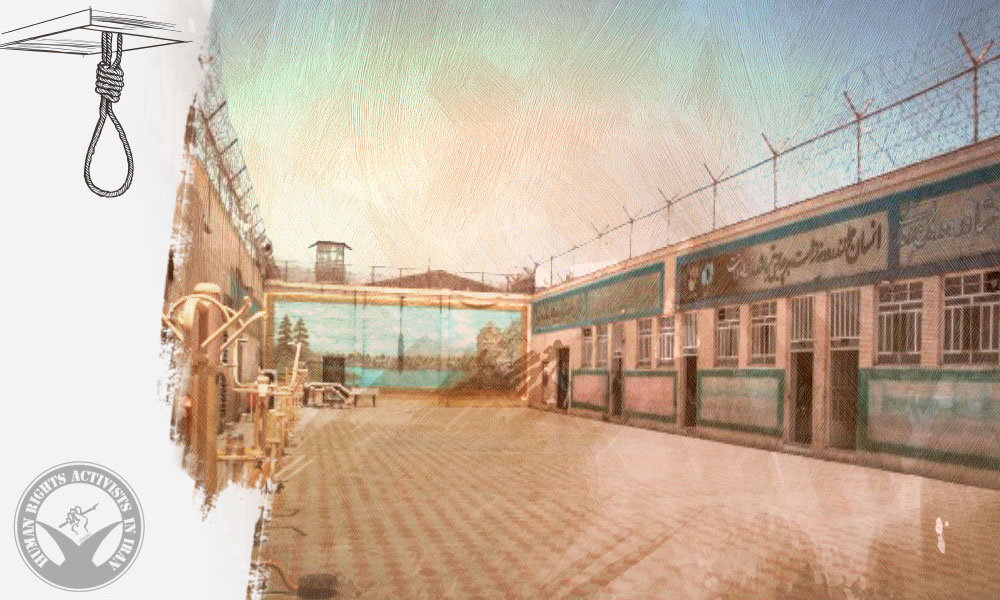
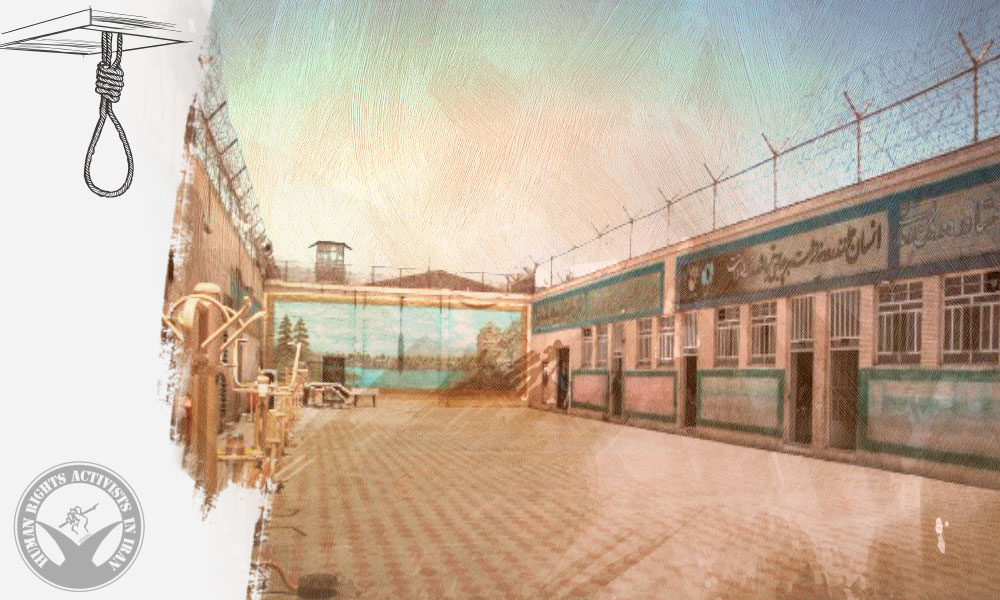
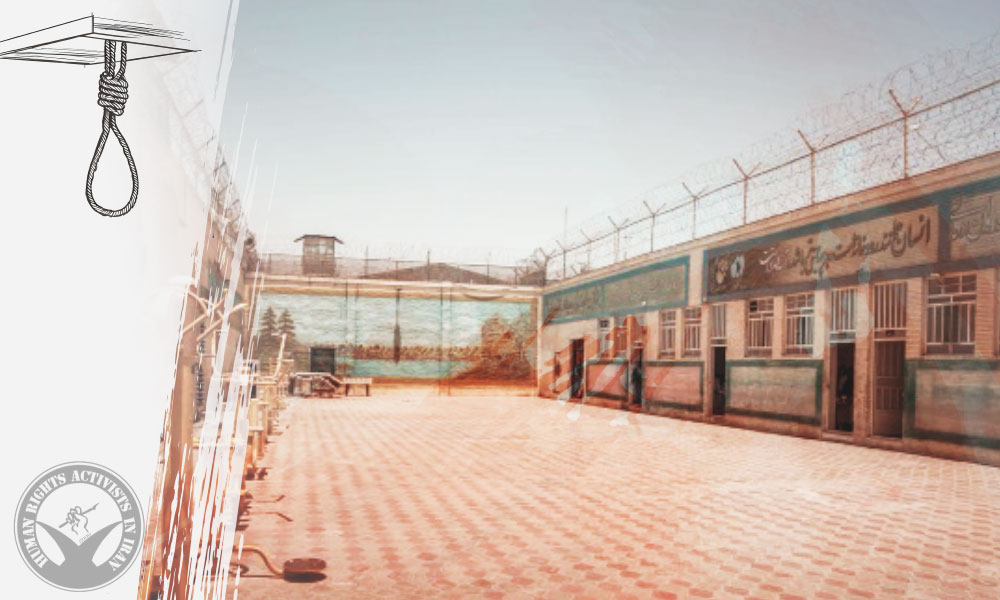
Three Prisoners Executed in Yazd Prison

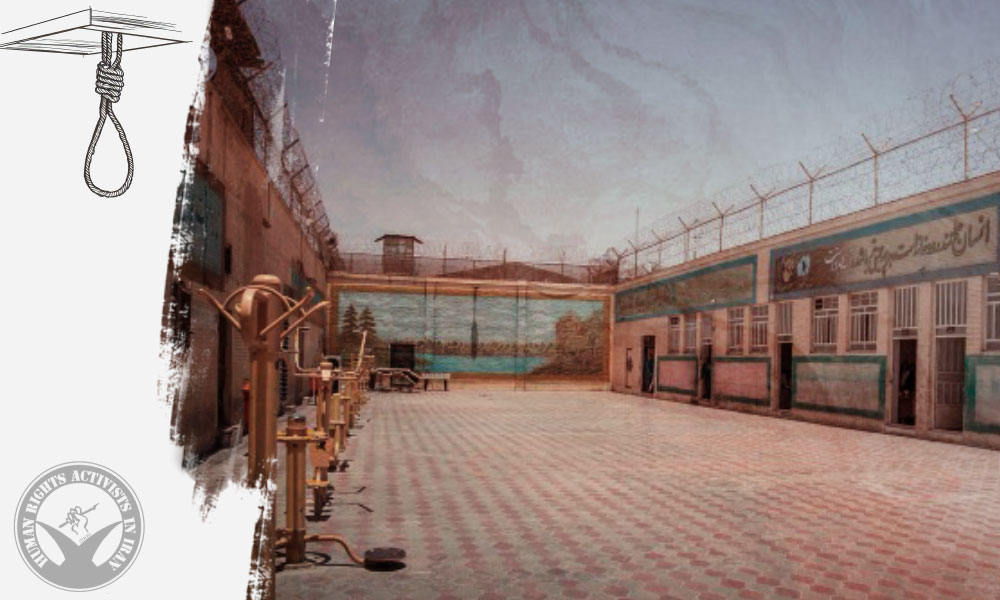
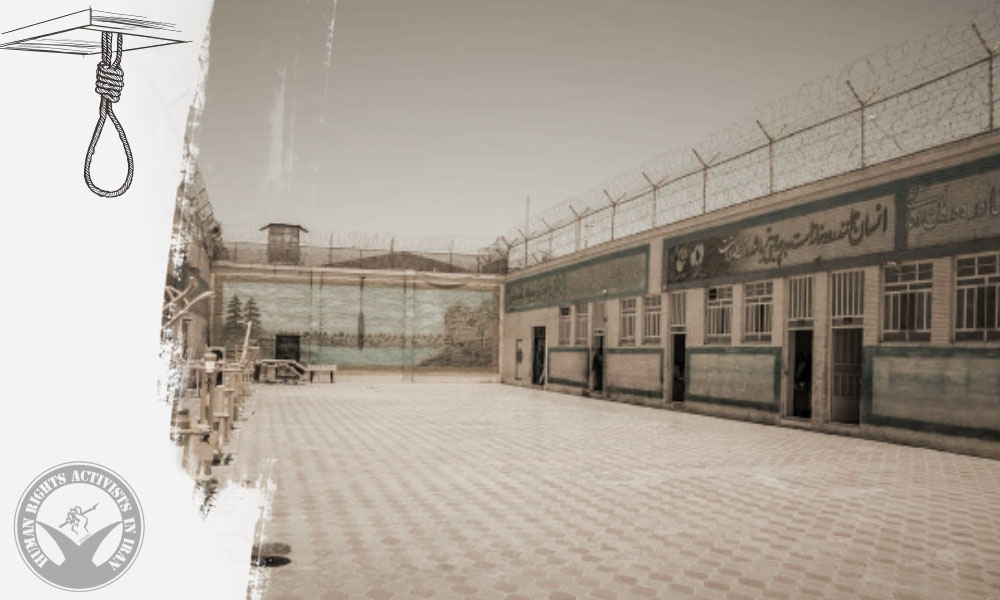
HRANA – On Wednesday, November 25, three prisoners previously sentenced to death on drug-related and murder charges were executed in Yazd Prison.

According to HRANA, three prisoners were executed in Yazd Prison on Wednesday, November 25, 2026.

HRANA has verified the identities of the prisoners as Mehdi Nasabi, aged approximately 46, married and a resident of Yazd; Faraj Ali Kordi, 59 years old, a father of two and a resident of Eqlid in Fars Province; and Yousef Sotoudeh, 58 years old and a resident of Khomein in Markazi Province.

According to information obtained by HRANA, Faraj Ali Kordi was arrested in 2016–2017 on charges of selling and distributing 80 kilograms of opium and was subsequently sentenced to death by the Revolutionary Court.

Mehdi Nasabi, who was executed on the same day, had been arrested in 2018–2019 on charges of murder committed during an armed bank robbery and was ultimately sentenced to death. Yousef Sotoudeh had also been arrested in 2020–2021 on charges of murdering his employer during a workplace dispute and was subsequently sentenced to death by the Criminal Court.

As of the time of this report, the executions of these three prisoners have not been announced by prison authorities or relevant institutions.

According to HRANA, 1,062 people were executed by hanging in Iran between January 1 and October 31, 2026, amid a sharp increase in executions over the past two years.

Yazd Prison: Report on the Judicial Status of 28 Detainees Arrested During the January Protests

HRANA’s investigation into individuals arrested during the January 2026 protests and held in Yazd Prison reveals lengthy prison sentences, continued legal uncertainty, and poor detention conditions. Of the 28 prisoners examined, 15 have received sentences ranging from three to 21 years, while 13 remain in legal limbo. The report also documents prolonged denial of family visits, pressure on prisoners’ relatives, and overcrowding and inadequate facilities in the prison’s isolation ward.

As part of ongoing efforts to monitor and document the situation of individuals arrested during the nationwide protests of January 2026, this report sheds light on the legal cases and detention conditions of several prisoners held in Yazd Prison. In addition, this report provides details about the judicial proceedings against them, restrictions imposed on the prisoners and their families, and detention conditions in certain sections of the prison.

HRANA’s findings indicate that, among the 28 prisoners examined, 15 have been sentenced to prison terms ranging from three to 21 years, while the remaining 13 continue to face legal uncertainty months after their arrests. In the cases of several of these individuals, social media activity, publishing content, communicating with media outlets based outside Iran, and using communications equipment have been among the matters cited in judicial proceedings against them.

Meanwhile, an examination of their detention conditions reveals that some prisoners have been denied family visits for several months. There have also been reports of pressure and threats against prisoners’ relatives, as well as problems including overcrowding, insufficient beds, and limited access to basic amenities in the prison’s isolation ward.

HRANA has previously published numerous reports examining various aspects of the arrests of citizens and the situation of prisoners connected to the January protests in Yazd Province. The present report builds on that coverage, focusing on the individual circumstances of prisoners, their sentences, and their detention conditions. The examination of these 28 individuals covers only a portion of the broader situation of protest-related detainees held in Yazd Prison and should not be interpreted as representing the total number of prisoners detained in connection with the protests.

Identities and Prison Sentences of 15 Prisoners

Fifteen individuals arrested during the January protests and held in Yazd Prison have been sentenced to prison terms ranging from three to 21 years. Their identities and sentences are as follows:

• Ayoubi (first name unknown): 21 years in prison.

• Mousa Salarzehi: 20 years in prison and exile.

• Soheil Sotoudehnia Karani: 15 years in prison.

• Sajjad Sadeghian: 15 years in prison.

• Kazem Rastegar: 12 years in prison.

• Reza Yazdi: 12 years in prison.

• Mohammad Kargar Bideh: 11 years in prison.

• Esmaeil Hassanzadeh: 10 years in prison.

• Milad Salimi: Seven years in prison.

• Mohammad Mousavi: Five years in prison.

• Sattar Khani: Five years in prison.

• Karim Saeed: Five years in prison.

• Mohammad Ali Ghazian: Five years in prison.

• Ayoub Eidani: Four years in prison.

• Amir Habibian: Three years in prison.

An examination of the details of certain cases indicates that communication-related activities and the publication of content on social media were among the grounds cited in judicial proceedings against several of these individuals.
An individual with the surname Ayoubi, whose first name has not yet been identified, was prosecuted for making a phone call to a television network based outside Iran and sentenced to 21 years in prison.

Karim Saeed, a resident of Kerman, was also sentenced to five years in prison in connection with a phone call to a television network. Esmaeil Hassanzadeh, another resident of Kerman, was prosecuted for publishing content and sending messages in a family group chat and received a 10-year prison sentence.

In the case of Amir Habibian, possession of Starlink satellite internet equipment was among the reported grounds for his prosecution. In addition to his three-year prison sentence, he faces another legal case that remains unresolved.

Mohammad Ali Ghazian was initially sentenced to 12 years in prison after approximately six months of legal uncertainty. However, his sentence was subsequently reduced to five years during a later stage of judicial proceedings.

Nevertheless, precise information regarding the charges brought against the prisoners, the judicial branches that issued the sentences, and whether the convictions are final or subject to appeal is not available for all the cases examined.

Continued Legal Uncertainty for 13 Prisoners

Another part of HRANA’s investigation focuses on the situation of 13 prisoners who remain held in Yazd Prison months after their arrests, without a final resolution of their legal cases.

These individuals have been identified as Ahmad Shahriyan, Masoud Shahvalibeyg, Mohammad Hossein Kamzaban, Mohammad Reza Rezaei, Mohsen Zareian, Shahab Vaziri, Amir Aliakbari, Salarian (first name unknown), Seyed Javad Tabatabaei, Abolfazl Torshizi, Ali Ghasemi, Mojtaba Makki, and Seyed Reza Tabatabaei.

An examination of information concerning these prisoners indicates that Mohsen Zareian has faced prosecution in connection with liking posts and sending messages on social media. Seyed Reza Tabatabaei was also arrested for posting stories and liking content on social media.

Amir Aliakbari, known as “Javid,” was arrested on January 3, 2026. According to information reviewed by HRANA, his arrest was related to remarks he made that day in front of the Jameh Mosque of Yazd. His father is an Afghan national, and his mother is suffering from cancer.

Mohammad Hossein Kamzaban, another prisoner whose legal case remains unresolved, has a history of imprisonment in 2013 and 2014. An examination of his situation indicates that he was transferred to a psychiatric hospital at one point. However, details regarding the reasons for his transfer and his current health condition remain unclear.

Another prisoner who continues to await a final resolution of his legal case is an individual with the surname Salarian, from Nur County in Mazandaran Province.

Among the prisoners facing legal uncertainty, the case of Mohammad Reza Rezaei, a resident of Shiraz, is also notable for the impact of his detention on his family. Both he and his wife are currently imprisoned. The couple has two children who have been deprived of their parents’ direct care following the simultaneous arrests of both parents. However, precise information regarding the children’s ages, their current care arrangements, and the location where Mr. Rezaei’s wife is being held is not available.

Ahmad Shahriyan, Masoud Shahvalibeyg, Mohammad Reza Rezaei, Shahab Vaziri, Seyed Javad Tabatabaei, Abolfazl Torshizi, Ali Ghasemi, and Mojtaba Makki are also among the prisoners whose legal cases have yet to reach a final resolution.

HRANA’s investigations into the charges brought against these individuals, the stages of their judicial proceedings, and the reasons for their continued detention remain ongoing.

Prolonged Deprivation of Visitation Rights and Pressure on Families

In addition to examining the judicial status of the detainees, an investigation into their contact with family members has revealed cases of prolonged deprivation of visitation rights and pressure exerted on prisoners’ relatives.

A prisoner who was recently released from Yazd Prison told HRANA that Masoud Shahvalibeyg and Seyed Javad Tabatabaei had each been denied family visits for six months, while Esmaeil Hassanzadeh had been deprived of such visits for five months.

According to the former prisoner, Ayoub Eidani and another prisoner with the surname Salarian had also been unable to meet with their families from the time of their arrests until the information was provided.

Regarding the situation of Masoud Shahvalibeyg, a source close to his family told HRANA that he had been subjected to pressure and interrogation during his detention and that his family had also faced threats. The prolonged denial of visitation rights has heightened his family’s concerns about his well-being.

Reports of pressure on family members have also emerged in the case of Karim Saeed. An informed source told HRANA that Mr. Saeed’s wife suffered a miscarriage during the period when these pressures were being exerted. However, the medical details of the incident and any potential connection between the miscarriage and the reported pressure have not been independently verified.

These cases, alongside the continued legal uncertainty faced by several detainees, are among the issues HRANA is examining as part of its ongoing investigation into the situation of prisoners and their families.

Conditions in the Isolation Ward of Yazd Prison: Overcrowding, Sleeping on the Floor, and Limited Facilities

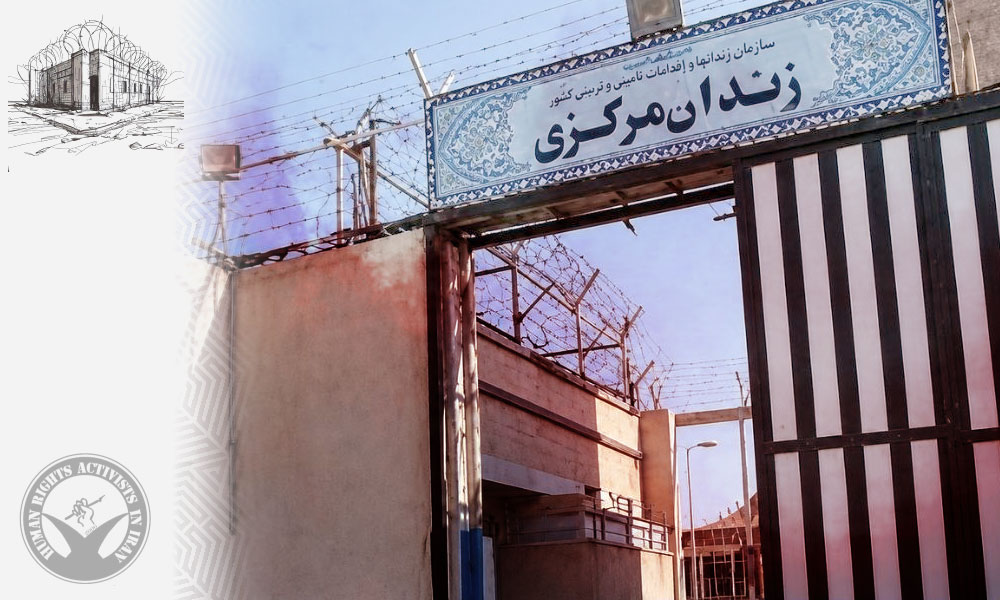
Another part of HRANA’s investigation focuses on detention conditions in the section known as the “isolation ward” of Yazd Prison, where several individuals arrested during the January protests are being held.

According to information reviewed by HRANA, this ward has 42 beds, while its prisoner population typically ranges between 45 and 55 individuals. As a result, when the population reaches 55, at least 13 prisoners are forced to sleep on the floor due to the shortage of beds.

An examination of the ward’s facilities also indicates that its outdoor exercise yard measures approximately 16 square meters, with dimensions of two meters in width and eight meters in length. Given the number of prisoners, this space is considered severely inadequate.

A source familiar with conditions in the isolation ward told HRANA that prisoners are generally allowed to use the gym once a week, but even this limited access is frequently canceled.

According to informed sources, most individuals held in this ward are young adults between the ages of 18 and 25.

Overcrowding, insufficient beds, prisoners being forced to sleep on the floor, limited outdoor exercise space, and irregular access to sports facilities are among the problems identified in the examination of detention conditions in this ward.

Granting of Prison Leave and Changes in Sentence Enforcement for Some Prisoners

Alongside the examination of the judicial status and detention conditions of the detainees, HRANA has also documented information regarding the granting of prison leave and changes in the manner in which sentences are served by several prisoners in Yazd.

A recently released prisoner told HRANA that prison authorities had begun granting leave to a number of inmates in recent weeks.

According to the former prisoner, the sentence enforcement status of some prisoners has also been changed to an “open sentence” arrangement, allowing them to serve part of their prison terms outside the prison facility.

However, precise information regarding the number of prisoners granted leave or placed under open-sentence arrangements, the duration of these measures, and the conditions governing their implementation is not available.

The arrests of citizens in Yazd Province during the nationwide protests of January 2026 were not limited to the initial days of the demonstrations but continued in the weeks that followed.

HRANA previously reported on January 4, 2026, the arrest of five women along with approximately 70 other citizens during protests in Yazd. Official media outlets also reported the arrest of 43 citizens, while the Yazd Province Intelligence Department announced on February 2, 2026, the arrest of 188 citizens in connection with the protests.

Furthermore, on August 8, 2026, HRANA published a report revealing that at least 159 individuals arrested during the January protests were being held in Yazd Prison. According to that report, approximately 94 prisoners were held in the temporary detention and isolation wards, while around 50 prisoners in the temporary detention ward had not yet received final verdicts.

Months after the protests, several detainees continue to face legal uncertainty, while others have received lengthy prison sentences. HRANA’s investigations to identify additional prisoners and document their judicial status and detention conditions remain ongoing.


Background: The January 2026 Protests

It should be noted that protests and strikes by shopkeepers and bazaar merchants began in Tehran on Sunday, December 28, 2025, and within two days spread beyond markets and commercial centers. With the participation of students, citizens, and various social groups, these protests became one of the largest protest movements of recent years. Following the crackdown by security and law enforcement forces, thousands were killed or injured, and tens of thousands were arrested or summoned by security agencies. For more information, readers may refer to HRANA’s comprehensive report titled “Crimson Winter,” documenting the first fifty days following the outbreak of Iran’s nationwide protests.

Eight Prisoners Executed in Yazd Prison

HRANA – Yesterday, June 17, 2026, the death sentences of eight prisoners convicted on non-political charges were carried out in Yazd Prison.

According to Rasank, two of those executed have been identified as Omar Shahbakhsh, approximately 24 years old and a native of Zahedan, and Ghafour Shahbakhsh, approximately 25 years old, married and the father of one child, also from Zahedan.

The two prisoners had been arrested several years ago in Yazd in a joint case involving drug-related offenses and were subsequently sentenced to death by the Revolutionary Court of the city.

Additionally, Haalvsh reported the execution of six other prisoners in the same prison on non-political charges. The report did not provide their identities or details regarding their cases.

As of the time of writing, the executions have not been officially announced by prison authorities or the relevant government institutions.

According to HRA’s Annual Report, in 2025 at least 2,063 citizens, including 61 women and 2 juvenile offenders, were executed. Of these, the sentences of 11 individuals were carried out in public. During the same period, 172 other individuals were sentenced to death.

Parisa Kamali Ardakani Reaches Seventh Day of Hunger Strike in Yazd Prison

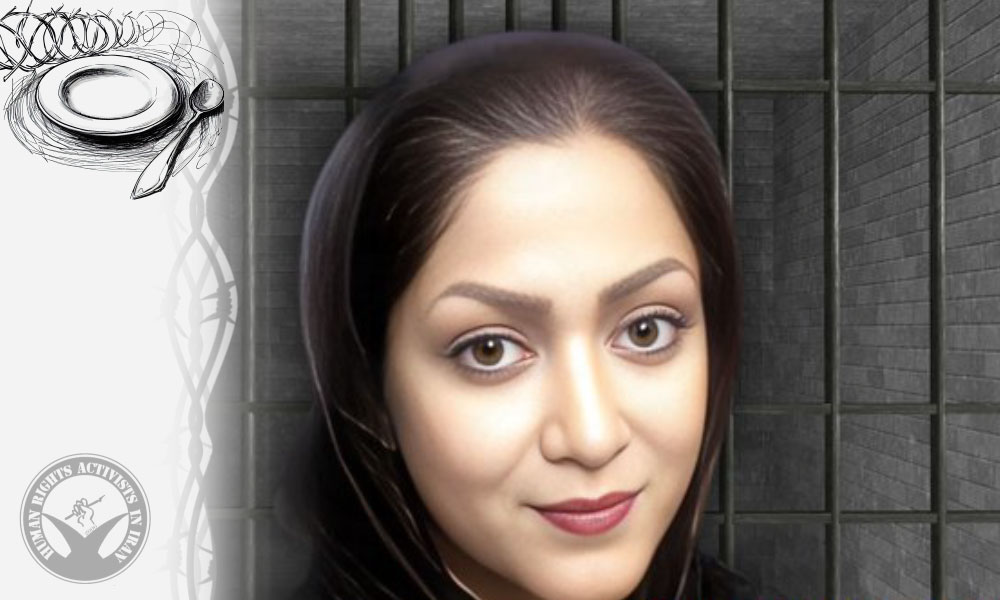
HRANA – Parisa Kamali Ardakani, a political prisoner held in Yazd Prison, is now on the seventh day of her hunger strike. She began the strike in protest against the authorities’ refusal to consolidate her sentences.

A source familiar with the Kamali family confirmed the news to HRANA, saying: “Ms. Kamali submitted a request for the consolidation of her sentences a long time ago, but prison authorities did not process it. For this reason, on November 24 she began a hunger strike. In response to her protest, prison officials transferred her to a solitary cell and cut off her contact with her family. She remained in solitary confinement until November 29 and was then returned to the ward. Due to suffering from toxic thyroid disease, Ms. Kamali is currently in poor physical condition.”

Parisa Kamali was arrested on April 29, 2024, in Isfahan and transferred to Dolatabad Prison in the same city. She was later sentenced by Branch 1 of the Isfahan Revolutionary Court, presided over by Judge Tavakoli, to a total of seven years and nine months in prison, two years of exile on the charge of “destruction of public property,” and to imprisonment on charges of ‘insulting the Supreme Leader’ and ‘membership in anti-regime groups.’

She was transferred from Dolatabad Prison in Isfahan to Yazd Prison in 2025. Parisa Kamali Ardakani, aged approximately 39, is from Abadan, married, and a geography student.

Three Prisoners Executed in Yazd Prison

HRANA – At dawn today, November 11, three prisoners were executed in Yazd Prison. They had previously been sentenced to death on murder and drug-related charges.

According to HRANA, the execution sentences of these individuals were carried out early Tuesday morning. HRANA has identified one of them, Shah Hossein Farhadi, who had been convicted of murder.

Based on information obtained by HRANA, the other two executed prisoners had been sentenced to death by Revolutionary Courts on drug-related charges.

Further details, including the identities of the second and third executed prisoners, are still under investigation by HRANA.

As of the time of this report, the executions have not been officially announced by prison or judicial authorities.

In 2024, according to 812 reports compiled by HRANA, the Iranian regime executed 930 individuals in its prisons, marking the highest number of executions in the past 12 years. Despite the scale of these executions, prison officials and other relevant authorities publicly acknowledged only 6% of them, highlighting the regime’s lack of transparency and accountability.

Subscribe to Our Newsletter

Now is definitely not the time to stop reading!

Five Prisoners Executed in Yazd Prison

HRANA – At dawn today, five prisoners, including at least one woman, were executed in Yazd Prison. The individuals had previously been sentenced to death on charges related to drug offenses and murder.

The executions were carried out early Tuesday morning, November 4. Among those executed was Kobra Rezaei, whose identity has been confirmed by HRANA. Ms. Rezaei had previously been sentenced to death by the Revolutionary Court on drug-related charges.

Based on information received by HRANA, two of the executed prisoners had been convicted of murder, while two others were sentenced to death for drug-related crimes by the Criminal and Revolutionary Courts.

Further details, including the identities of the other four prisoners, are currently under investigation by HRANA.

As of the time of this report, the executions have not been officially announced by prison authorities or relevant state institutions.

In 2024, according to 812 reports compiled by HRANA, the Iranian regime executed 930 individuals in its prisons, marking the highest number of executions in the past 12 years. Despite the scale of these executions, prison officials and other relevant authorities publicly acknowledged only 6% of them, highlighting the regime’s lack of transparency and accountability.

Two Prisoners Executed in Yazd Prison

HRANA – At dawn on Tuesday, October 21, the death sentences of two prisoners previously convicted of murder were carried out in Yazd Prison.

HRANA has identified one of the executed individuals as Azim Dastavar. Based on information received by HRANA, the prisoners had been arrested earlier on murder charges and later sentenced to death by the Criminal Court.

Further details, including the identity of the second executed prisoner, are under investigation by HRANA.

As of the time of this report, the executions have not been officially announced by prison authorities or other responsible institutions.

According to HRANA’s statistics, Ghezel Hesar Prison in Karaj carried out the highest number of executions among all Iranian prisons, with 150 inmates hanged. This figure has nearly doubled compared to the previous year, a deeply alarming increase that underscores the escalating use of capital punishment in Iran.

Three Prisoners Executed in Yazd Prison

HRANA – At dawn on Monday, October 13, 2025, the death sentences of three prisoners previously convicted on drug-related charges were carried out in Yazd Prison.

HRANA has identified one of the executed prisoners as Karim Aslani.
Based on information obtained by HRANA, the prisoners had been arrested on drug-related charges and subsequently sentenced to death by the Revolutionary Court.

As of the time of this report, prison authorities and relevant institutions have not yet officially announced these executions.

According to HRANA’s report, in 2024, 25 prisoners were executed in Yazd Prison. Also, over 52 percent of executed prisoners across Iran had been convicted on drug-related charges. Over the past ten years, individuals convicted of drug trafficking have accounted for 40 percent of all executions. Unfortunately, HRANA’s statistics show no progress in reducing executions for drug-related offenses.

Execution of Three Prisoners in Yazd Prison

On Thursday, September 4, three prisoners were executed in Yazd Prison.

HRANA has confirmed the identity of one of the executed prisoners as Mohammad Salehi. Haal Vsh outlet has identified another as Ebrahim Safari (Mingel), 22, a resident of Zahedan. He had been arrested four years ago on charges of murder and sentenced to death by a criminal court in Yazd.

Further details, including the identity of the third executed prisoner, are under investigation by HRANA.

As of the time of this report, the executions have not been announced by prison officials or relevant authorities.

In 2024, according to 812 reports compiled by HRANA, the Iranian regime executed 930 individuals in its prisons—marking the highest number of executions in the past 12 years. Despite the scale of these executions, prison officials and other relevant authorities publicly acknowledged only 6% of them, highlighting the regime’s lack of transparency and accountability.

Seven Prisoners Executed in Yazd Prison

HRANA – On July 21, the death sentences of seven prisoners who had previously been convicted in separate cases on charges related to drug offenses and murder were carried out in Yazd Prison.

Four of the individuals were hanged on charges of murder, while the remaining three were executed for drug-related offenses.
According to information received by HRANA, one of the executed individuals was a resident of Bandar Abbas. All seven had been transferred to solitary confinement on Sunday in preparation for the implementation of their sentences.

Further details, including the identities of these individuals, are under investigation by HRANA.

As of the time this report was compiled, the executions had not been officially announced by prison authorities or relevant institutions.

According to HRANA reports, in 2024, only 6% of executions were announced by official bodies or domestic media outlets. Over the past five years, 77% of executions have gone unreported—commonly referred to as secret executions. In some of these cases, the lack of transparency is so severe that the death-row prisoners are denied even the chance for a final visit with their families.