According to HRANA, the news agency of Human Rights Activists, a number of protests took place this week in Iran, many of which were continuations of ongoing movements. Read our recap below for details, photos, and videos from the demonstrations.
Friday, January 21
In Ahvaz City, dozens of citizens assembled at the premises of the Debel al-Khuzai Sugarcane Agro-Industry Company to ask that they recruit native workers. According to the protesters, the company prioritizes non-native people in recruitment.
“We assigned our lands to them, but this company and other manufacturing and industrial companies prioritize non-native people in recruitment. Many of young people in this area are unemployed,” stated one of the protestors.
The workers of the Mianab Sugarcane Agro-Industry Company in Shush City went on strike and assembled at their workplace. They protested against low wages and the company’s failure to pay their insurance contribution.
A number of the residents of the village Margh Malek, located in Chaharmahal and Bakhtiari Province, held protests against the seizure of their lands by the Oghaf Organization. They announced that if their demands are not addressed, they will hold protests next week before the Shahrekord Justice building.
Saturday, January 22
A group of prison guards and personnel assembled before the Parliament in Tehran to protest failure to address their issues. HRANA has reported that dozens of personnel at Arak Prison went on strike against a three month delay in payments. They refused to perform daily prison duties.
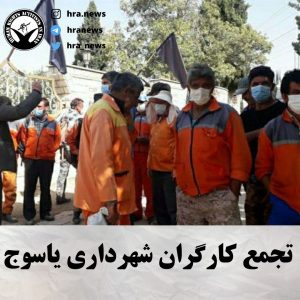
A group of workers of the Yasuj Municipality assembled before the governorate building to ask for wage demands. The private contractor for which they work has delayed six months of payments as well as end of year bonuses. According to the workers, the contractor has to afford at least two to three months payments per the terms of the contract.
Sunday, January 23
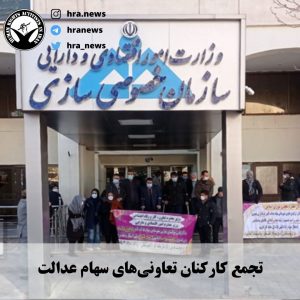
Personnel in charge of managing Edalat stock from cities across the country protested before the Iranian Privatization Organization offices to ask for two years unpaid wages. After three days of protests, members of the Supreme Council of the Stock Exchange held a session to address their demands and decided that until next week, 75 per cent of these delayed payments will be remitted.
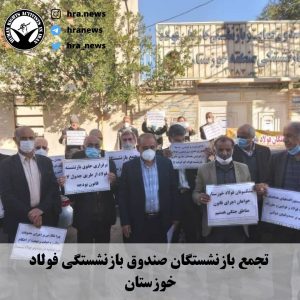
A number of the retirees and pensioners of Fulad Company’s pension fund assembled before the offices of this pension fund in Tehran, Ahvaz and Isfahan. As they had announced, they will protest each Sunday until their demands are addressed.
A group of medical staff who are working on temporary three month contracts assembled before Parliament to ask to change their employment contract.
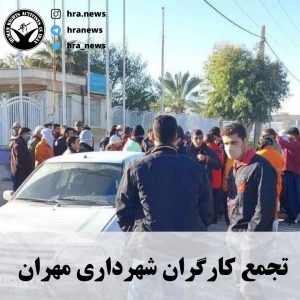
A number of municipal workers in Mehran City assembled before the governorate building in Ilam City to ask for wage demands. Reportedly, these workers are experiencing a five month delay in wages and nine months of unpaid employer’s insurance contribution.
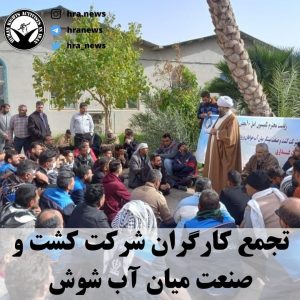
For several consecutive days, workers at the Mianab Sugarcane Agro-Industry Company in Shush City went on strike and assembled at their workplace. They protested against low wages, employment contracts and mismanagement.
A group of retirees and pensioners under the support of the Social Security Organization assembled before the quarters of these organizations in Tabriz, Rasht and Mashhad cities. Their demands include raising pensions above the poverty line, implementing a plan to close pension gaps and addressing issues with supplementary insurance.
Monday, January 24
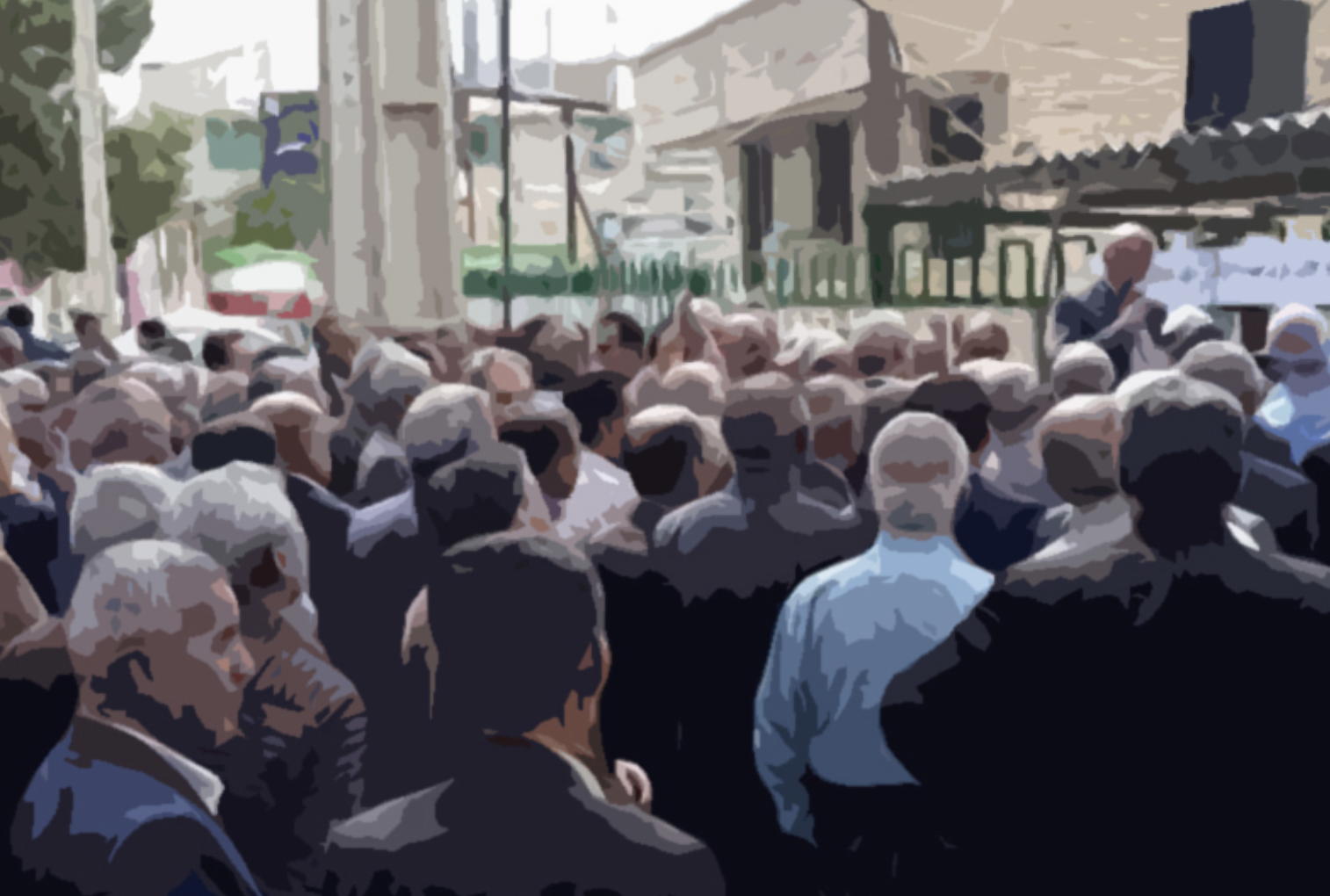
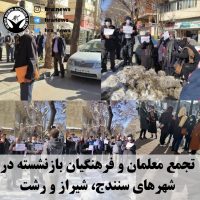
Dozens of retired teachers and educators assembled before the Civil Servants Pension Organization building in Tehran, Sanandaj, Ardabil, Rasht, Shiraz, Hamedan and Kermanshah cities. In Noorabad and Darab, they assembled in their cities. They asked to close pension disparities, among other demands.
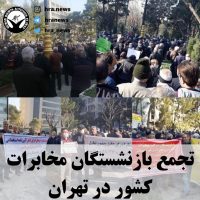
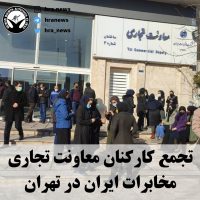
A group of the retirees of the Iran Telecommunication Company from various cities assembled before the building of Execution of Imam Khomeini’s Order in Tehran. On the same day, a group of personnel of the Commercial Deputy of the Iran Telecommunication Company assembled before the company office in Tehran.
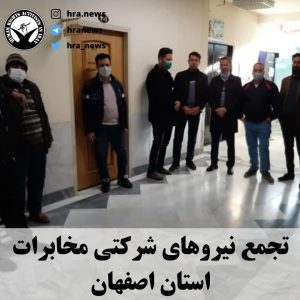
Personnel of Isfahan Telecommunication company who have temporary contracts, assembled inside the governorate building to protest against the layoff and asked for returning to work. They said that due to following their demands such as wages and implementation of Job classification Plan, they have been fired and the management doesn’t let them entering inside the company premises.
Dozens of workers of petrochemical company Razi located in Bandar Imam Khomeini assembled at the complex’s security office.
For several consecutive days, a group of workers at the Mianab Sugarcane Agro-Industry Company went on strike and assembled at their workplace to protest against employment contracts, low wages and mismanagement. According to the workers, employees have been halved to 500 people, 400 of which have temporary contracts, since 2017 when the company was assigned to the private sector.
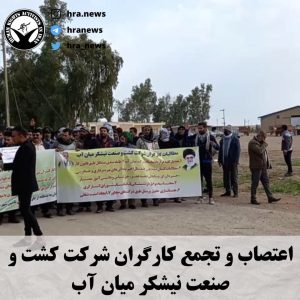
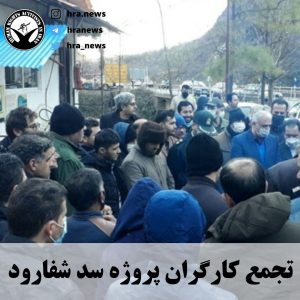
A group of workers on the Shafarud Dam assembled at their workplace to protest against several months of unpaid wages and employer insurance contributions.
Tuesday, January 25
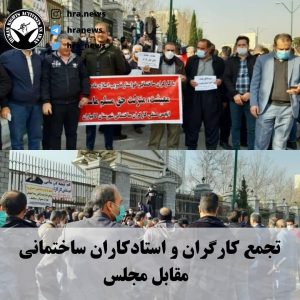
A number of construction workers assembled before Parliament in Tehran to protest against failure to receive Social Security insurance after ten years of demands, even after the policy was enacted last year in Parliament.
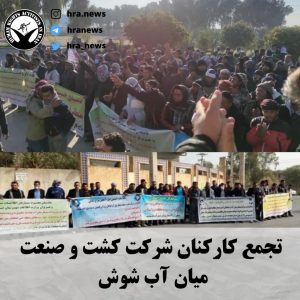
For several consecutive days, workers at the Mianab Sugarcane Agro-Industry Company in Shush City continued their protest at their workplace.
For the second consecutive day, a group of welding workers at the Ilam Petrochemical Company assembled on company premises to protest against conditions about working hours in their contracts. They asked to return to previous conditions in their contracts.
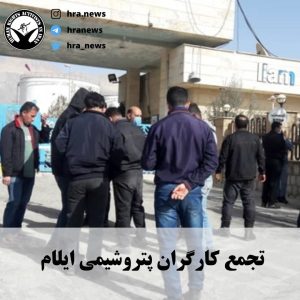
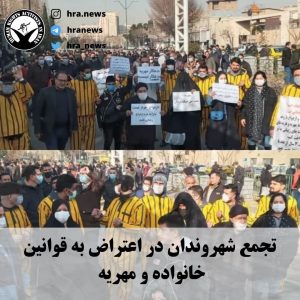
A number of citizens held protests before Parliament to ask to change family laws, particularly Mahr (money or possessions which the groom is obliged to pay to the bride.). During divorce, many men who cannot afford to pay Mahr are condemned or imprisoned.
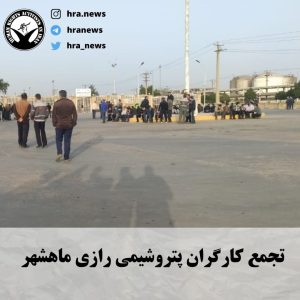
A group of workers of the petrochemical company Razi Mahshahr went on strike and assembled at their workplace. They protested against a rejection of their five representatives by their employer. As revenge, the employer banned the representatives from coming to work.
A group of citizens who have pre-purchased imported trucks held protests before the office of the President to protest customs duty costs.
A group of workers of tire company Barez Kerman assembled on company premises to protest against delays in payments and low wages.
Workers at the Morwarid Petrochemical Company in Asaluyeh City went on strike and assembled at their workplace to demand delayed wages.
Wednesday, January 26
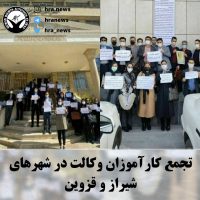
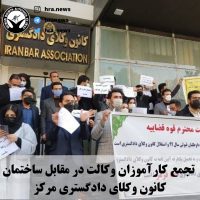
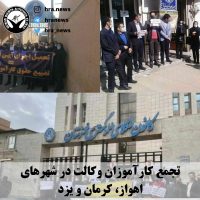
A group of lawyer interns held protests in Shiraz, Qazvin, Kerman, Tehran and Yazd before the building of the association of lawyers to ask for their demands.
A group of nomadic people in Izeh and Dezpart cities assembled before the governorate building to protest against not receiving barley quota and subsidized forage.
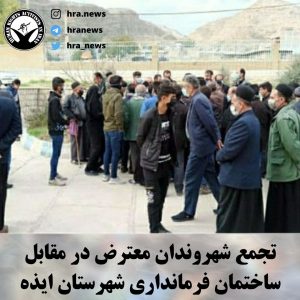
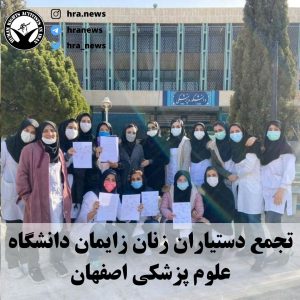
A group of the maternity healthcare assistants from Isfahan University of Medical Sciences went on strike and assembled before the faculty dean’s office to protest against heavy workload due to understaffing.
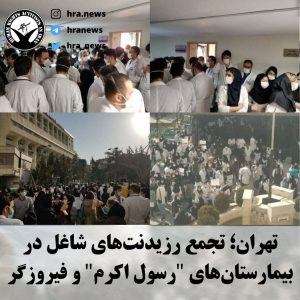
A number of medical students in residency at two hospitals in Tehran went on strike and assembled at their workplace to ask for unpaid wages.
A group of workers who work for contractors in the Tondgooyan refinery in Tehran assembled on company premises. They asked for the implementation of the Job Classification Plan and to address other issues.
Thursday, January 27
A group of workers of the Mianab Sugarcane Agro-Industry Company in Shush City assembled this time before the Imam of Friday Prayer’s office. They asked to have a contract with the company rather than private contractors.
Dozens of stock market shareholders who lost their investments due to fraudulent activities in Iran’s stock market held protests before the Planning and Budget Organization.