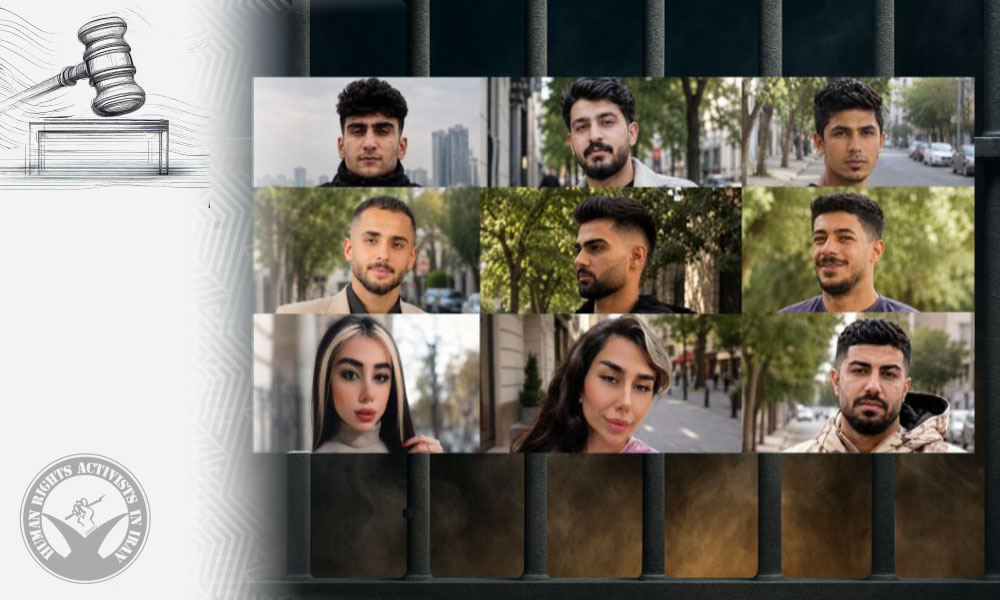
HRANA – 10 defendants in the case known as the “Isfahan Shohada Square” case, have each been sentenced by Branch 1 of the Isfahan Revolutionary Court to death and 11 years in prison. These verdicts were issued at the initial stage of proceedings.
According to HRANA, Branch 1 of the Isfahan Revolutionary Court has issued sentences for 16 citizens arrested in connection with the January 2026 protests, in a case known as the “Isfahan Shohada Square” case.
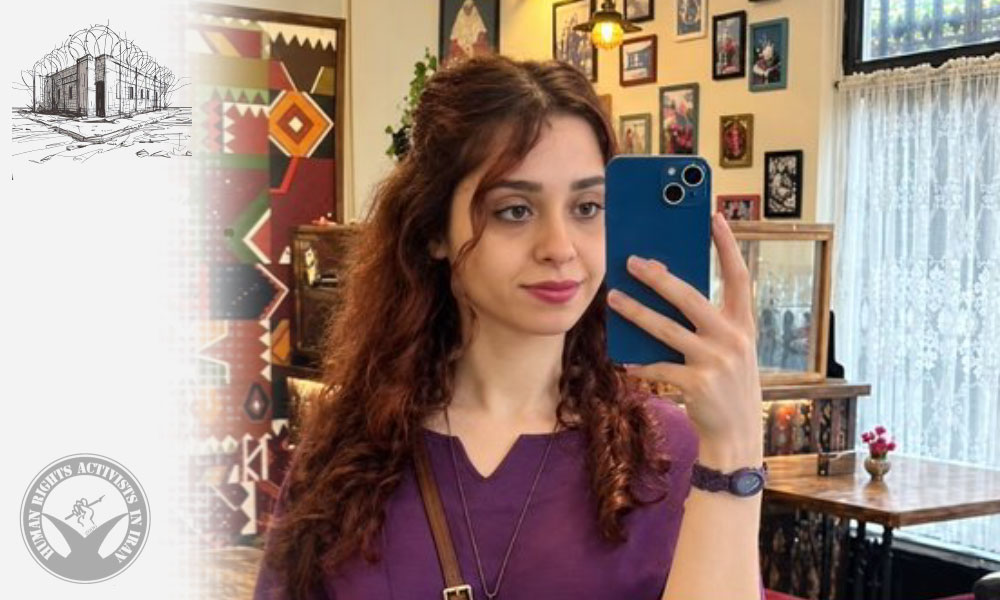
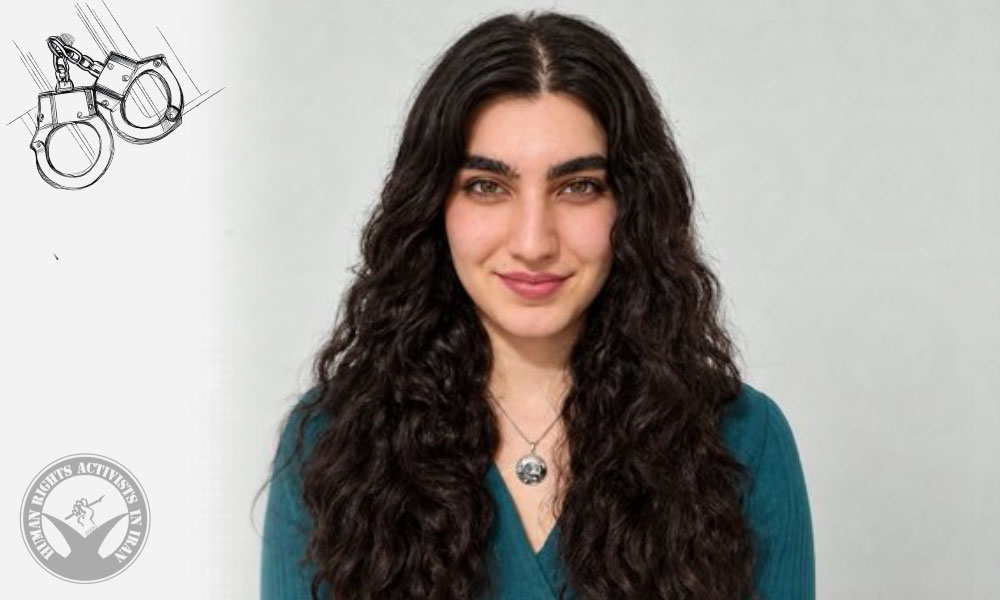
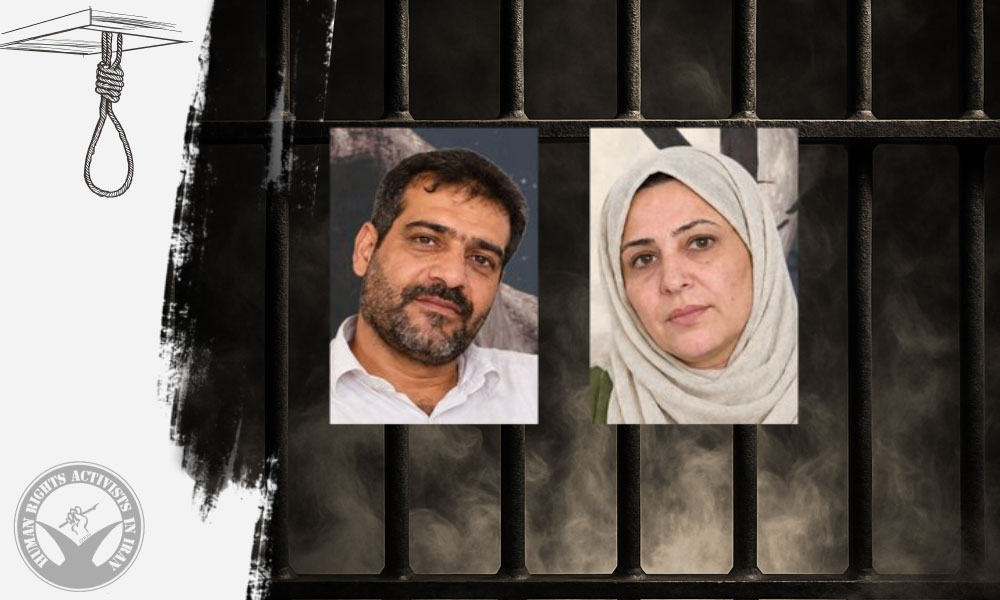
According to information obtained by HRANA, Taraneh Rahimi, Navid Elyasi, Abolfazl Dadgostar, Mehdi Mansouri, Ahmadreza Saeedi, Mehrdad Boveyri, Mohammadmehdi Asadi, Armin Gholami, Parsa Jafari, and Mehdi Jafari (Khosravi) were each sentenced to death and 11 years in prison. Romina Rahimi and Milad Boveyri were each sentenced to 36 years in prison, Hamed Mehralian to 26 years, and Setayesh Saedi, Sajjad Abedi, and Ali Boveyri to 16 years each.
Accordingly, the prison sentences imposed on the 16 defendants in this case total 256 years. These verdicts were issued at the initial stage of proceedings.
The case known as the “Isfahan Shohada Square” case was opened in connection with the protests of the January 2026 and events that took place in and around the square. Two people lost their lives during these events, one of whom was identified as a member of the Islamic Revolutionary Guard Corps (IRGC) and the other as a homeless citizen. Following these events, 16 citizens were arrested and prosecuted on charges including “moharebeh (enmity against God) through carrying bladed weapons,” “destruction of public property,” “assembly and collusion,” and “propaganda against the regime.”
HRANA had previously reported on the trial proceedings involving these individuals. Before the hearing, the defendants’ lawyers did not have access to a substantial portion of the case file and objected that they had not been given sufficient time to review the documents and evidence.
The hearing on the charges against the defendants was held at Dastgerd Prison in Isfahan in the presence of Judges Morteza Barati and Mohammadreza Tavakoli. Although the case had been registered with Branch 5 of the Isfahan Revolutionary Court, it was heard by judges from Branch 1 of the city’s Revolutionary Court.
During the hearing, Ahmadreza Saeedi told the judges that he had been subjected to torture during interrogation. He alleged that the investigator assigned to the case personally used an electric shock device to injure his neck and genitals. As of the time of this report, it remains unclear whether a complaint has been filed regarding this allegation or whether a separate case has been opened to investigate it.
At the same time, the nature of the defendants’ alleged connection to the deaths of the two individuals has remained among the unresolved issues in the case. According to information obtained by HRANA, the indictment issued against the 16 defendants does not contain any specific charge related to the killing of the two individuals. Instead, the judicial proceedings have focused primarily on other charges, including “moharebeh,” “destruction of public property,” “assembly and collusion against national security,” and “propaganda against the regime.”
A source familiar with the proceedings previously told HRANA that no evidence was presented during the hearing that specifically established the defendants’ role or participation in the deaths of the two individuals. According to the source, the location where the IRGC member died was some distance from the area where several of the defendants had been active near the shoe stores in Shohada Square, and no clear connection between them and the incident that resulted in his death had been established.
Regarding the homeless citizen who also died during these events, according to information received by HRANA, a video found on the mobile phones of some of the defendants and included among the evidence in the case shows Taraneh Rahimi asking a group of people who were involved in a confrontation with the man not to beat him.
The women charged in this case are currently being held in Dowlatabad Prison, while the men are being held in Dastgerd Prison in Isfahan.
Background on the January 2026 Protests
It should be noted that protests and strikes by shopkeepers and bazaar merchants began in Tehran on Sunday, December 28, 2025, and within two days spread beyond markets and commercial centers. With the participation of students, citizens, and various social groups, these protests became one of the largest protest movements of recent years. Following the crackdown by security and law enforcement forces, thousands were killed or injured, and tens of thousands were arrested or summoned by security agencies. For more information, readers may refer to HRANA’s comprehensive report titled “Crimson Winter,” documenting the first fifty days following the outbreak of Iran’s nationwide protests.