A Year of Pressure on Lawyers: At Least 135 Targeted by Judicial and Security Authorities

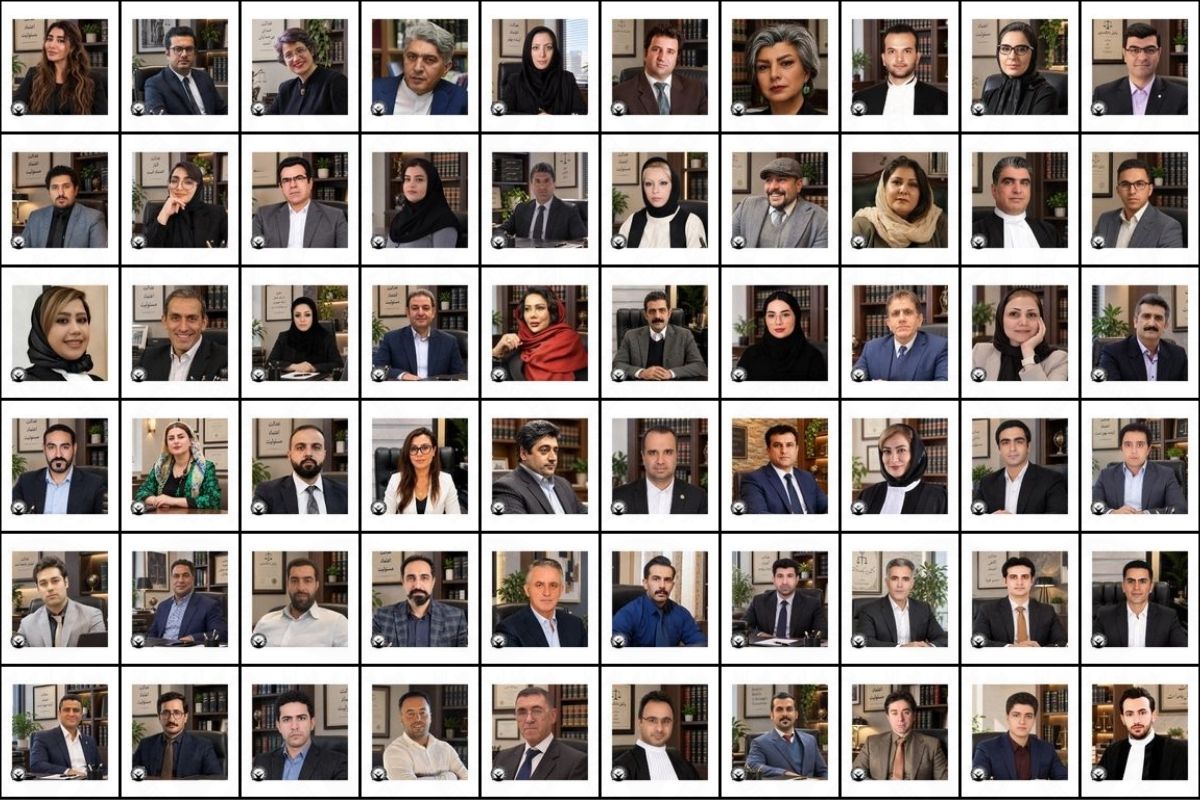
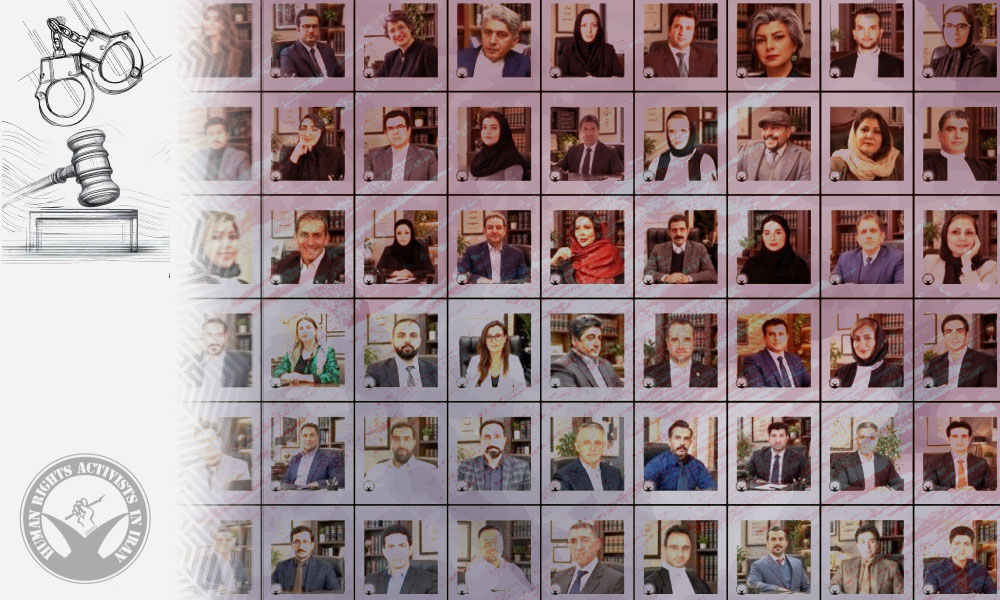
HRANA – At least 135 attorneys across Iran were subjected to judicial and security measures between September 2025 and September 2026, including arrests, summonses, prison sentences, bans from practicing law, and travel restrictions. HRANA identified 60 of the lawyers across 14 provinces and documented at least 75 additional cases in which the individuals’ names were not made public. The findings point to a marked escalation in pressure on the legal profession, particularly since January 2026. This report details the arrests, prison sentences, cases of lawyers currently behind bars, collective actions, and other restrictions imposed during the period.

According to HRANA, a review of cases documented between September 2025 and September 2026 shows that actions against attorneys during this period ranged from summonses and the opening of judicial cases to arrests, prison sentences, bans from practicing law, travel bans, and other judicial restrictions.

Among the cases compiled, HRANA verified the identities of 60 lawyers across 14 provinces. In addition, information concerning at least 75 other lawyers whose names have not been made public was documented. A significant portion of these cases involved collective actions against lawyers in East Azerbaijan, Fars, and Gilan provinces.

According to the latest available information, at least five lawyers are currently serving prison sentences, at least 11 others have received prison sentences, and the arrests of at least 34 identified lawyers were documented during the period under review. A number of others have faced summonses, the opening of judicial cases, suspension or revocation of their licenses to practice law, travel bans, and other restrictions.

Report at a Glance

IndicatorNumber / Status
Total number of lawyers documented in the reportAt least 135
Lawyers whose identities have been confirmed60
Lawyers whose identities have not been made publicAt least 75
Geographic scope of identified lawyers14 provinces
Lawyers currently serving prison sentencesAt least 5
Lawyers who have received prison sentencesAt least 11
Identified lawyers whose arrests were documentedAt least 34

January 2026: Peak of the Arrests

A review of the chronological sequence of documented cases shows that following an increase in actions against lawyers in Gilan Province in September 2025, January 2026 marked one of the most significant periods during the year under review.

In January alone, at least 16 identified lawyers were arrested or subjected to judicial and security-related actions. A significant number of these arrests took place amid the nationwide protests in January.

Shima Ghosheh, Mohammad-Hadi Jafarpour, Jafar Zarei, Jafar Keshavarz, Nazanin Baradaran, Enayatollah Keramati, Omid Darabi, Hossein Shokri, Zohreh Javani, Sepideh Taheri, Teymour Salari, Alireza Farzaneh Jajromi, Fatemeh Rouhandeh, Mohsen Darginejad, Amir Bahadorifar, and Masoud Shirmardi Shah-Ghasemi were among the lawyers whose arrests were reported during January 2026.

Some of these individuals were released after a period of detention upon posting bail or other forms of security. However, actions against lawyers continued in the following months, with new cases of arrests, summonses, and the opening of judicial cases documented in February and March.

At Least Five Lawyers Are Currently Serving Prison Sentences

According to the latest available information, Mohammad Najafi, Javad Alikordi, Taher Naghavi, Seyed Mehdi Karimi Farsi, and Golaleh Vatandoust are currently serving prison sentences.

Mohammad Najafi, an attorney imprisoned in Evin Prison, was sentenced by Branch 26 of the Tehran Revolutionary Court to three years in prison, a fine, and a two-year ban on leaving the country and membership in political and social groups in a case opened against him while he was incarcerated. This case is separate from the sentences he was already serving. In April 2025, the Supreme Disciplinary Court for Judges also permanently barred him from practicing law.

Javad Alikordi, an attorney in Mashhad, was arrested on December 12, 2025. Branch 1 of the Mashhad Revolutionary Court sentenced him to a total of 18 years in prison, permanent disbarment from the legal profession, exile, and additional penalties. According to the latest published information, after approximately four months in solitary confinement, he was transferred to Ward 6.1 of Vakilabad Prison in Mashhad.

Taher Naghavi has been imprisoned in Evin Prison since February 2024. His sentence of four years in prison, a two-year travel ban, and two years of deprivation of social rights was upheld on appeal. In October 2025, Branch 6 of the Disciplinary Court of the Center for Lawyers suspended his license to practice law. Another case was opened against him while he was imprisoned in March 2026.

Seyed Mehdi Karimi Farsi was taken to Evin Prison on January 4, 2026, to begin serving his one-year prison sentence. The sentence had previously been issued by Branch 29 of the Tehran Revolutionary Court and was upheld in full by Branch 36 of the Tehran Province Court of Appeals.

Golaleh Vatandoust, an attorney from Marivan, was arrested on May 2, 2026, to begin serving her sentence and was transferred to Sanandaj Prison. She had previously been sentenced to six years, seven months, and 20 days in prison.

Prison Sentences Issued to at Least 11 Other Lawyers

During the period under review, at least 11 attorneys, Nazanin Salari, Mahmoud Taravat-Rouy, Masoud Ahmadian, Elham Zeraatpisheh, Mehdi Ansari, Mehran Ansari, Babak Eslami Farsani, Mohammadreza Faghihi, Saeed Sheikh, Seyed Mohammadreza Razavifard, and Mohammad Tarighat Esfanjani, received prison sentences and, in some cases, additional penalties. Details of the sentences and the latest status of each lawyer are provided below.

In Fars Province, Nazanin Salari, Mahmoud Taravat-Rouy, and Masoud Ahmadian were each sentenced by Branch 1 of the Shiraz Revolutionary Court to three years in prison and a two-year travel ban. The case against the three lawyers had been ongoing since 2020 and resulted in these sentences in June 2026.

Elham Zeraatpisheh was also arrested in May 2026. In July of the same year, Branch 1 of the Shiraz Revolutionary Court sentenced her to five years in prison on the charge of “assembly and collusion against national security” and one year in prison on the charge of “propaganda against the regime.” She was also sentenced to a two-year travel ban and revocation of her passport for two years. In early August, she was released from Adelabad Prison in Shiraz after posting bail.

Mehdi Ansari was also sentenced to imprisonment and a travel ban as proceedings in his case continued. Mehran Ansari, another lawyer arrested during the January protests, was sentenced in late May 2026 by the Shiraz Revolutionary Court to one year in prison on the charge of “propaganda against the regime.”

Babak Eslami Farsani was sentenced in August 2026 by Branch 23 of the Tehran Revolutionary Court to nine months in prison on the charge of “propaganda against the regime.”

Mohammadreza Faghihi had previously received a prison sentence and additional penalties. He was released from Evin Prison in June 2026 after his request for a retrial was granted.

Saeed Sheikh was sentenced in Tehran to one year and six months in prison, a fine, and a one-year ban from practicing law. In November 2025, he announced that 12 months of his prison sentence had been suspended.

Seyed Mohammadreza Razavifard was also sentenced in late June 2026 by Branch 1 of the Qom Revolutionary Court to 10 years in prison on the charge of “propaganda activity against the country’s national security.”

Mohammad Tarighat Esfanjani, a member of the East Azerbaijan Bar Association, was sentenced in June 2026 by the Osku Revolutionary Court to one year in prison on the charge of “propaganda against the regime” and two years in prison on the charge of “insulting the Supreme Leader and the founder of the Islamic Republic.”

Arrests of Lawyers Across Several Provinces

During the period under review, Zahra Naghshineh, Abolfazl Ranjbari, Yilmaz Mehrali Beiglou, Shahrzad Sharbiani, Shadi Falahati, Hesam Pourahmadi, Tahereh Pour Esmaeili, Mohammadreza Tak, Masoumeh Pourshahrani, Hamid Norouzi, Hadi Sharifzadeh, Dariush Ganjehpour Qashqai, Astareh (Maryam) Ansari, Bahar Sahraian, Ebrahim Parsamehr, Nasrin Sotoudeh, Shahab Soleimani, and Bahareh Aghaei were arrested in various provinces. Some of these lawyers were released after a period of detention upon posting bail or other forms of security, while in some cases legal proceedings against them remain ongoing. Details regarding the arrests and the latest status of each individual are provided below.

In East Azerbaijan Province, Zahra Naghshineh was arrested on September 9 after appearing before Branch 15 of the Investigation Office of the Tabriz Public and Revolutionary Prosecutor’s Office. Her case was opened following a report by the Tabriz Intelligence Department concerning her activities and her legal and critical writings.

Abolfazl Ranjbari was arrested in May 2025 and, after approximately one year, was released from Tabriz Prison in May 2026 after posting bail of 50 billion tomans.

Yilmaz Mehrali Beiglou was arrested in Jolfa in July 2025. He was initially transferred to the Ministry of Intelligence’s detention facility in Tabriz and later to Jolfa Prison. He was released after a period of detention upon posting bail. In December of the same year, an interrogation session concerning the charge of “disturbing public opinion” was held at Branch 1 of the Investigation Office of the Jolfa Public and Revolutionary Prosecutor’s Office.

In Gilan Province, Shahrzad Sharbiani, Shadi Falahati, and Hesam Pourahmadi were arrested in September 2025. During the same month, Tahereh Pour-Esmaeili, Mohammadreza Tak, and Masoumeh Pourshahrani were also arrested in Rasht. The three lawyers were released after a period of detention upon posting bail or other forms of security.

In Fars Province, Hamid Norouzi was arrested in Shiraz on February 14, 2026. He was released from Adelabad Prison on February 24 after posting bail.

Hadi Sharifzadeh and Dariush Ganjehpour Qashqai were also arrested in Shiraz during the winter of 2025–2026 and were subsequently released.

Astareh (Maryam) Ansari and Bahar Sahraian were separately arrested in May 2026 and transferred to Adelabad Prison in Shiraz. The two lawyers were released from prison in late July of the same year after posting bail.

In Khuzestan Province, Ebrahim Parsamehr was arrested in June 2025 and transferred to Sheiban Prison in Ahvaz. An indictment was subsequently issued in his case, which was referred to the Ahvaz Revolutionary Court. HRANA continues to investigate his latest status.

Nasrin Sotoudeh was also arrested in Tehran in April 2026 and was later released from the Greater Tehran Prison on a surety bond.

In Kermanshah Province, Shahab Soleimani was arrested by IRGC Intelligence forces in Ravansar County on July 17. According to information received, he was released after a period of detention upon posting bail or other forms of security.

Bahareh Aghaei was also arrested by security forces in January 2026 and transferred to Qarchak Prison in Varamin. According to the latest available information, she has remained in detention for more than seven months without resolution of her legal status.

Collective Actions Against Lawyers in East Azerbaijan, Fars, and Gilan

A significant portion of the 135 cases documented in this report relates to actions taken collectively against groups of lawyers, not all of whose identities have necessarily been made public.

The largest number of collective summonses during the period under review was recorded in East Azerbaijan Province. According to available reports, more than 40 lawyers who are members of the province’s Bar Association were summoned by the Judiciary’s Intelligence Protection Office, and cases were opened against some of them. Charges in some of these cases included “propaganda against the regime” and “spreading false information.”

In Fars Province, Mostafa Ansari, head of the Lawyers’ Support Commission of the Fars and Kohgiluyeh and Boyer-Ahmad Regional Bar Association, stated that following the January 2026 protests, judicial cases were opened against approximately 20 lawyers, 12 of whom were arrested.

In Gilan Province, at least 10 lawyers were summoned by judicial and security authorities, without their names being made public.

An attorney who asked not to be named for security reasons told HRANA that around November 2025, IRGC Intelligence forces went to the offices or homes of a number of lawyers in Gilan Province, including the president and several officials of the province’s Bar Association, and confiscated their mobile phones and other belongings.

According to the source, cases were also opened against two other lawyers. However, no information is available regarding their identities or the details of their cases.

Because the exact number of individuals subjected to these actions during the visits by security forces in Gilan is unclear, these cases were not included in the final total of 135 lawyers.

Summonses, Judicial Cases, and Restrictions on Lawyers’ Professional Activities

In addition to arrests and prison sentences, a number of lawyers during this period faced summonses, the opening of judicial cases, judicial and disciplinary proceedings, and restrictions on their ability to continue practicing law. Reza Tayyebnia, Amir Raisian, Milad Panahipour, Reza Shafakhah, Reza Gharloghi, Iman Soleimani, Hassan Younesi, Khosrow Alikordi, Nasser Rezaei Ahangarani, and Behnam Nezadi were among them. Details of the documented cases involving each of these lawyers are provided below.

Reza Tayyebnia was summoned in August 2026 to Branch 6 of the Assistant Prosecutor’s Office of the Kohgiluyeh County Public and Revolutionary Prosecutor’s Office.

Amir Raisian and Milad Panahipour had judicial cases opened against them in May 2026 at Branch 3 of the Tehran Security Prosecutor’s Office. The charges brought against them were “spreading false information” and “propaganda against the regime.”

Reza Shafakhah received a summons in December 2025 ordering him to appear before District 16 of the Tehran Prosecutor’s Office to defend himself against the charge of “spreading false information.”

Reza Gharloghi, an attorney residing in Karaj, faced disciplinary proceedings in October 2025 following comments he made online. The indictment in his case was referred to Branch 1 of the Disciplinary Court of the Bar Association.

Iman Soleimani, an attorney in Khuzestan, faced a request for the revocation of his license to practice law and renewed disciplinary proceedings in September 2025. He had previously faced charges including “propaganda against the regime,” “insulting religious sanctities,” and “insulting the Supreme Leader,” but the case had been declared closed. Nevertheless, the same evidence was once again referred to the Lawyers’ Disciplinary Court along with a request to revoke his license to practice law. The court acquitted him, but the disciplinary prosecutor appealed the ruling, and the case was referred to the Supreme Disciplinary Court for Judges.

Hassan Younesi was also interrogated at the Culture and Media Prosecutor’s Office in August 2025 and, by judicial order, was prohibited from engaging in online activity for three months.

Khosrow Alikordi, an attorney in Razavi Khorasan Province, was barred from pursuing further education in September 2025. He died on December 5, 2025. Because the action against him occurred within the period covered by this report, his name has been included among the identified lawyers documented in the report.

Nasser Rezaei Ahangarani was assaulted by security forces on the evening of January 3, 2026, during protests in Khorramabad.

Behnam Nezadi also faced judicial proceedings in connection with his work as a lawyer, but was ultimately acquitted by Branch 31 of the Tehran Province Court of Appeals.

Additionally, according to information received by HRANA, since January 2026 at least three other lawyers have received warnings in connection with content published on their personal social media accounts, and their pages were made inaccessible for at least two months. HRANA has not yet verified the identities of these individuals; therefore, these three cases were not included in the report’s final total.

Impact on Access to Legal Representation

The continuation of this trend, in addition to its direct impact on the lawyers involved in these cases, may also affect citizens’ ability to access legal counsel and receive an effective defense. Attorneys play an essential role in safeguarding defendants’ right to a defense in many judicial cases, particularly those involving civil rights and security-related charges.

Conclusion

The data compiled in this report indicate that over the past year, a number of lawyers have faced judicial and security-related actions not merely because of the circumstances of their clients, but also in connection with their own legal activities, public statements, and conduct in their professional capacity as attorneys. Continued monitoring of this trend is essential for assessing the extent to which citizens have independent and unrestricted access to legal services.
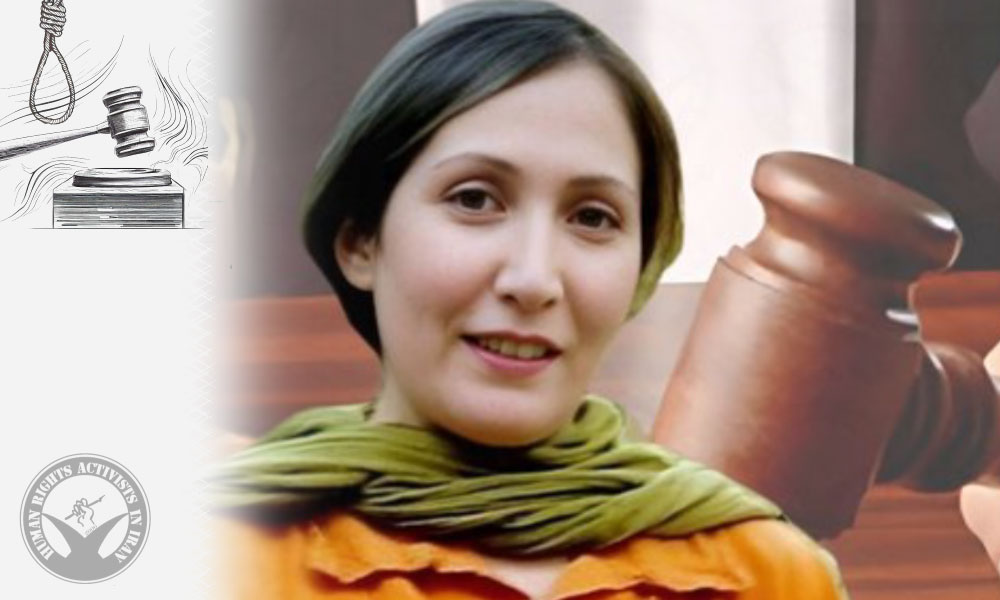
Legal Case Filed Against Lawyers Amir Raisian and Milad Panahipour Following Case Disclosure

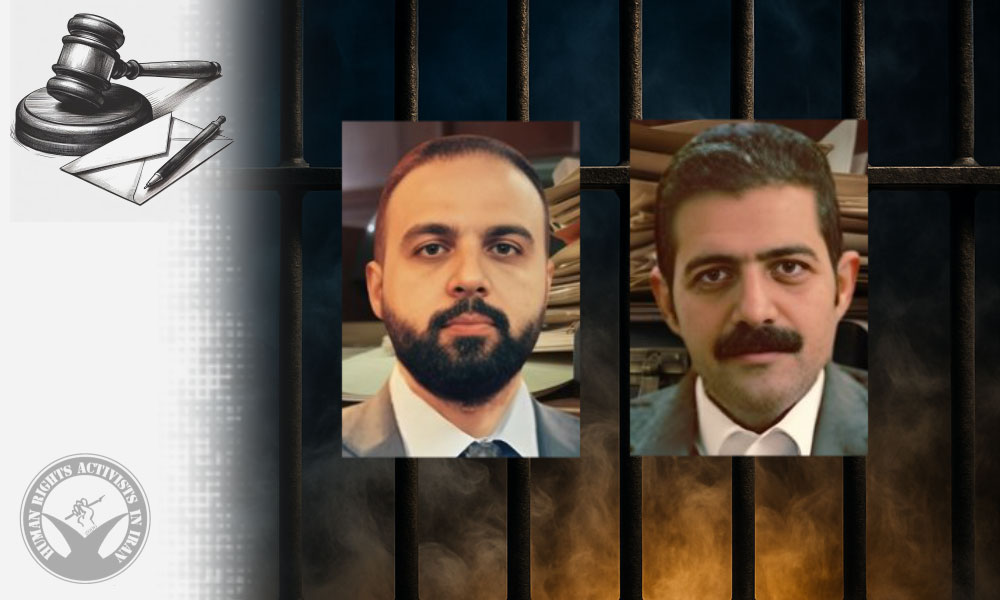
HRANA – Following the disclosure of information about the case of Ehsan Hosseinipour, a detainee from the January 2026 protests who has been sentenced to death, a judicial case has been opened against Amir Raisian and Milad Panahipour, both attorneys, in Branch 3 of the Tehran Security Prosecutor’s Office.

According to Etemad, a judicial case has been filed against the two lawyers. Based on the report, this action came after the two attorneys posted on their Instagram pages in February of 2026, stating that “Branch 26 of the Revolutionary Court had prevented the chosen lawyer from accessing the case of Ehsan Hosseinipour.”

Mahmoud Behzadi-Rad, Amir Raisian’s lawyer, announced: “In Branch 3 of the Security Prosecutor’s Office, Mr. Raisian has been charged with spreading falsehoods for informing the public about Ehsan Hosseinipour’s case, and with propaganda against the regime for signing a protest statement by 49 attorneys in February.” He added that the public disclosure was intended to prevent the violation of the rights of a defendant facing the death penalty, and that signing the statement was within professional duties and in defense of the right to a fair trial for detainees.

Mostafa Nili, the lawyer for Milad Panahipour, also stated that his client faces similar charges, including spreading falsehoods and propaganda against the state.

According to the report, Messrs. Raisian and Panahipour were released on bail after appearing at Branch 3 of the Security Prosecutor’s Office and being formally charged, pending further proceedings. Despite the case being opened, they have still been denied access to their client’s case file.

It is worth noting that some time ago, Ehsan Hosseinipour Hesarloo, along with several other citizens, including Matin Mohammadi, Erfan Amiri, and Maryam Hodavand, was sentenced to death by Iman Afshari, judge of Branch 26 of the Tehran Revolutionary Court. These sentences were issued on charges including “participation in the killing of two Basij members,” “intentional arson of a religious site,” “destruction of public property,” and “assembly and collusion against national security.”

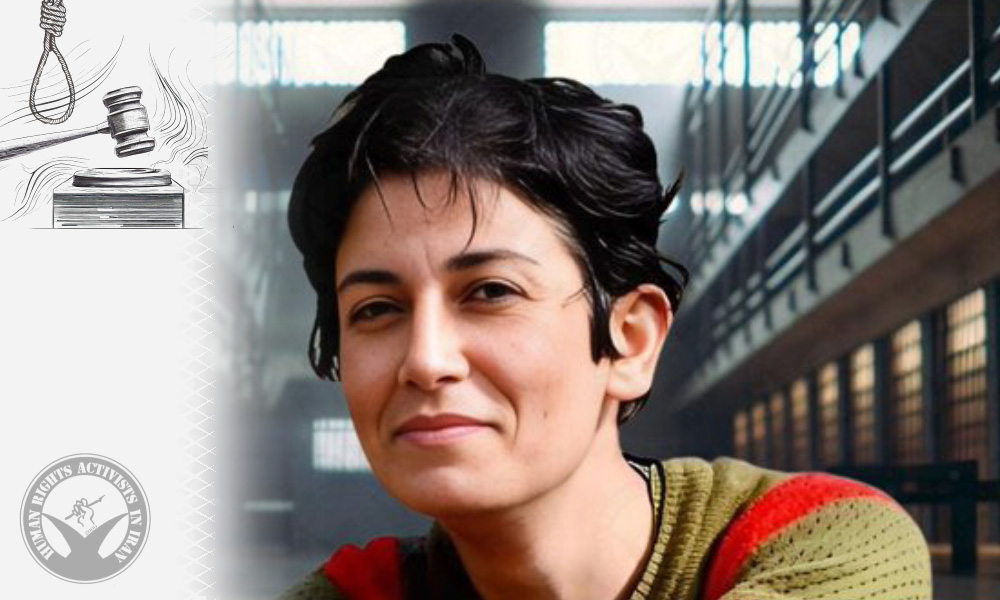
Death Sentence of Labor Activist Sharifeh Mohammadi Commuted to 30 Years in Prison

HRANA – Amir Raisian, the defense attorney for Sharifeh Mohammadi, a labor activist imprisoned in Lakan Prison of Rasht, announced that her death sentence has been commuted to 30 years in prison following an order from the head of the Judiciary.

The attorney stated that his client’s sentence has been changed from the death penalty to a first-degree imprisonment term of 30 years. He explained that this decision was made with the approval of the head of the Judiciary, effectively halting the immediate risk of execution. Raisian also emphasized that legal efforts continue to pursue a retrial or the application of Article 477 of the Criminal Procedure Code, with the goal of ultimately overturning Mohammadi’s conviction and acquitting her of the charge of baghi (armed rebellion).

Article 477 of the Criminal Procedure Code is considered a special and exceptional legal provision that allows the head of the Judiciary to order a case to be referred to the Supreme Court for retrial if a final verdict is deemed to be “in clear contradiction with Islamic law.” In practice, this article serves as one of the last legal avenues for reviewing final verdicts, particularly in political, ideological, and death penalty cases.

Earlier, in August 2024, Raisian had reported that Branch 39 of the Supreme Court had upheld Mohammadi’s death sentence.

On July 4, 2024, Branch 1 of the Revolutionary Court of Rasht sentenced Sharifeh Mohammadi to death on the charge of baghi (armed rebellion). The issuance of her death sentence sparked widespread reactions.

Her trial session was held on June 8, 2024, in the same court branch, where she faced charges of propaganda against the regime, acting against national security, and baghi through membership in an opposition group.

Previously, in Branch 4 of the Rasht Prosecutor’s Office, presided over by Judge Rajabi, Mohammadi had been formally charged with propaganda against the regime, acting against national security, and baghi through membership in an opposition group.

Sharifeh Mohammadi was arrested on December 5, 2023, at her home by agents of the Ministry of Intelligence. On December 30, 2023, she was transferred from Lakan Prison in Rasht to Sanandaj Prison, before eventually being returned to Lakan Prison after a period of time.

A source close to her family had earlier told HRANA: “Until 2013, Sharifeh was a member of the Association of Labor Unions, which has no connection whatsoever with the Komala Party, yet she was accused of baghi due to alleged membership in that group.”

Death Sentence of Sharifeh Mohammadi Upheld by the Supreme Court

HRANA News Agency – Amir Raisian, attorney at law, announced that the death sentence of Sharifeh Mohammadi, a labor activist held in Lakan Prison in Rasht, has been upheld by Branch 39 of the Supreme Court.

Confirming the news, Mohammadi’s lawyer stated: “Branch 39 of the Supreme Court, which had previously overturned the death sentence of Sharifeh Mohammadi, this time—despite all persisting ambiguities and flaws in the case—upheld the ruling.”

According to Raisian, Branch 39 of the Supreme Court had earlier annulled the sentence due to numerous deficiencies, including the lack of evidence connecting her to armed operations, the failure to prove her membership in an organization classified under Baghi (armed rebellion) or a rebel group, as well as flaws in the intelligence agents’ report. The case had then been referred to Branch 2 of the Revolutionary Court of Rasht, but that court “treated the judicial officer’s report as conclusive evidence” and reissued the death sentence.

The lawyer stressed that the ruling of Branch 2 of the Revolutionary Court in Rasht merely repeated the earlier decision of Branch 1, without addressing the Supreme Court’s objections, relying solely on the intelligence report. Raisian added: “It was expected that the Supreme Court would once again overturn the ruling, but contrary to expectations, it did not.”

Reaffirming his client’s legal prospects, Raisian said: “We are still hopeful for retrial. We will continue to pursue a request for retrial and try to annul the death sentence of this prisoner through other legal avenues.” He expressed hope that given the numerous flaws in the case and the judicial process, the death sentence of Sharifeh Mohammadi would be overturned and its enforcement stopped.

In late December of last year, the trial of Sharifeh Mohammadi’s charges was held in Branch 2 of the Revolutionary Court of Rasht. Prior to that, after the Supreme Court’s Branch 39 had overturned her death sentence, the case had been referred back to Branch 2 of the Revolutionary Court of Rasht for retrial.

Mohammadi was sentenced to death on July 4, 2023, on charges of baghi (armed rebellion) due to her alleged membership in an opposition group. This sentence against the female labor activist triggered widespread public outcry.

Her trial, held on June 8, 2023, revolved around multiple charges, including propaganda against the regime, actions against national security, and baghi through her supposed affiliation with the group.

Mohammadi was arrested by the Ministry of Intelligence at her home in Rasht on December 5, 2023. Later that month, she was transferred from Lakan Prison to Sanandaj Prison on December 30, only to be sent back to Lakan after some time.

A source close to her family told HRANA: “Sharifeh was a member of the Association of Labor Organizations until 2013, which has no ties to the Komala group. The charge of baghi is based on her alleged membership in this group, which is not true.”

Supreme Court Rejects Pakhshan Azizi’s Request for Retrial

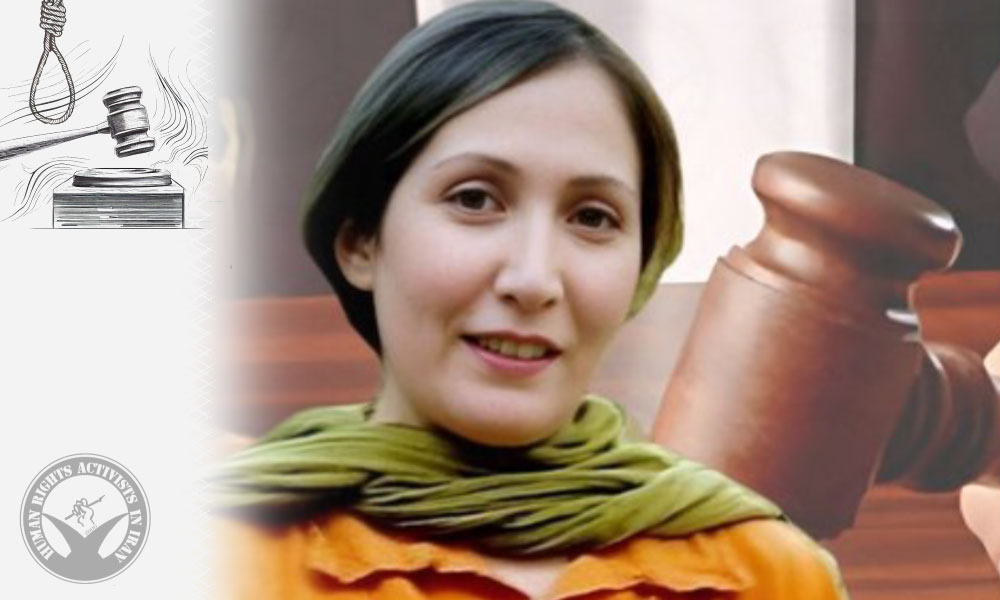
HRANA News Agency – Attorney Amir Raisian announced that Branch 9 of Iran’s Supreme Court has rejected the request for a retrial in the case of Pakhshan Azizi, a political prisoner sentenced to death.

According to HRANA, quoting Shargh, Raisian provided details about Azizi’s latest legal status. In an interview, he stated that Branch 9 of the Supreme Court issued the rejection ruling on January 25, which was officially communicated to him yesterday.

Raisian  explained that the court justified its decision by arguing that the legal flaws in the case fall under substantive issues rather than procedural errors. However, he pointed out that in March 2024, a specialized criminal panel of the Supreme Court had stated that a retrial could be granted in cases where the convicted person’s actions do not constitute a crime or lack essential criminal elements.

Criticizing procedural flaws in the case, Raisian highlighted a key inconsistency in the ruling: “The rejection order states that Ms. Azizi is affiliated with both the Democratic Party and PKK (PJAK). It is unclear how she could simultaneously belong to both groups. More importantly, the ruling does not specify which organization she was allegedly a member of that warranted a death sentence. The document states that she was sentenced to death for ‘armed rebellion’ under Article 287 of the Islamic Penal Code, while also receiving a prison sentence for membership in ‘hostile and terrorist groups’—the Democratic Party and PKK (PJAK).”

Raisian further questioned the legal reasoning behind the verdict: “If she received a prison sentence under Article 499 of the Penal Code for alleged membership in either the Democratic Party or PJAK, then for which other group was she sentenced to death?”

He also noted that previous errors in defining the alleged “criminal group” in this case had set a precedent, and he expressed astonishment that such mistakes persisted at this stage of the legal proceedings.

In a separate development, Maziar Tataie, another defense attorney for Azizi, had stated earlier that when he followed up on her retrial request at the Supreme Court, the reviewing branch had agreed to suspend the execution of her sentence under the provisions of Note 478 of the Criminal Procedure Code.

Background on Azizi’s Case

On July 24, Azizi was sentenced to death and four years in prison by Branch 26 of the Tehran Revolutionary Court, presided over by Judge Iman Afshari, on charges of “armed rebellion (baghi)” through alleged membership in dissident groups.

On August 4, 2023, Azizi, along with her 67-year-old father Aziz Azizi (a lymphoma patient), her sister Parshang (49), and her sister’s husband Hossein Abbasi (49), was arrested in Tehran. The arrests were carried out by approximately 20 armed agents who stopped their moving vehicle, searched them, and transferred them to The Ministry of Intelligence’s detention facility, known as Ward 209 of Evin Prison.

In protest against her family’s detention, Pakhshan began a hunger strike, which she ended after learning that her family members were released on bail after two weeks of solitary confinement. After being held in solitary confinement in Ward 209 for three months and three weeks, she was transferred to the women’s ward of Evin Prison on December 10, 2023.

Later, Aziz Azizi, Parshang Azizi, and Hossein Abbasi were sentenced to one year in prison each by Branch 26 of the Tehran Revolutionary Court, also under Judge Iman Afshari, for “assisting a criminal in escaping prosecution and conviction.” Their sentences were upheld by the Tehran Court of Appeals on September 27, and their appeal was forwarded to the Supreme Court.

A source close to Azizi’s family told HRANA:
“Pakhshan has no affiliations with any groups. She worked as a social worker for 10 years in refugee camps in Rojava. The groups she worked with were fighting against ISIS—an enemy of both the Islamic Republic and the Quds Force. There was no direct conflict between Pakhshan’s associates and Iranian forces, a fact clearly evident in her case.”

In mid-October 2024, during a protest by female prisoners in Evin following the execution of Reza Rasaei and a clash with prison guards, Azizi was accused of “assaulting an officer and disobedience” and was sentenced to six months in prison by the Criminal Court.

Also, in August, 2024, Azizi faced new accusations of “inciting unrest in prison” during the second round of the 2024 presidential election, brought before Branch 3 of the Evin Prosecutor’s Office.

A native of Mahabad, Azizi has a history of arrests and judicial encounters. In 2009, she was detained on charges of political activity and was released after four months on bail.

Subscribe to Our Newsletter

Now is definitely not the time to stop reading!

Death Sentence for Pakhshan Azizi Upheld by Supreme Court

Amir Raisian , the lawyer representing Pakhshan Azizi, a political prisoner held in Evin Prison, has announced that her death sentence has been upheld by Branch 39 of the Supreme Court of Iran. Raisian criticized the court for disregarding numerous flaws in the case.

According to HRANA, citing Shargh newspaper, the death sentence issued against Pakhshan Azizi by Branch 26 of the Tehran Revolutionary Court was upheld despite significant procedural and substantive errors highlighted by her defense.

In a statement, Raisian expressed concern that the court ignored evidence showing Azizi’s peaceful activities in refugee camps in northern Syria, specifically refugees from Sinjar and other areas affected by ISIS attacks. He emphasized that her humanitarian efforts, focused on aiding victims of ISIS aggression, had no political or militant nature.

The lawyer further argued that accusations of her membership in an armed group lacked any legal basis, noting that Azizi was unarmed at the time of her arrest and had never engaged in armed conflict. Raisian also highlighted contradictions with Iran’s judicial policies on capital punishment and questioned the legality of associating her actions with criminal offenses.

Raisian confirmed that a request for retrial will be submitted immediately, urging the new branch of the Supreme Court to consider the errors and prevent the execution of the current ruling.

On July 24, Azizi was sentenced to death and four years in prison by Branch 26 of the Tehran Revolutionary Court, presided over by Judge Iman Afshari, on charges of “armed rebellion (baghi)” through alleged membership in dissident groups.

On August 4, 2023, Azizi, along with her 67-year-old father Aziz Azizi (a lymphoma patient), her sister Parshang (49), and her sister’s husband Hossein Abbasi (49), was arrested in Tehran. The arrests were carried out by approximately 20 armed agents who stopped their moving vehicle, searched them, and transferred them to The Ministry of Intelligence’s detention facility, known as Ward 209 of Evin Prison.

In protest against her family’s detention, Pakhshan began a hunger strike, which she ended after learning that her family members were released on bail after two weeks of solitary confinement. After being held in solitary confinement in Ward 209 for three months and three weeks, she was transferred to the women’s ward of Evin Prison on December 10, 2023.

Later, Aziz Azizi, Porshang Azizi, and Hossein Abbasi were sentenced to one year in prison each by Branch 26 of the Tehran Revolutionary Court, also under Judge Iman Afshari, for “assisting a criminal in escaping prosecution and conviction.” Their sentences were upheld by the Tehran Court of Appeals on September 27, and their appeal was forwarded to the Supreme Court.

A source close to Azizi’s family told HRANA:
“Pakhshan has no affiliations with any groups. She worked as a social worker for 10 years in refugee camps in Rojava. The groups she worked with were fighting against ISIS—an enemy of both the Islamic Republic and the Quds Force. There was no direct conflict between Pakhshan’s associates and Iranian forces, a fact clearly evident in her case.”

In mid-October 2024, during a protest by female prisoners in Evin following the execution of Reza Rasaei and a clash with prison guards, Azizi was accused of “assaulting an officer and disobedience” and was sentenced to six months in prison by the Criminal Court.

Also, in August, 2024, Azizi faced new accusations of “inciting unrest in prison” during the second round of the 2024 presidential election, brought before Branch 3 of the Evin Prosecutor’s Office.

A native of Mahabad, Azizi has a history of arrests and judicial encounters. In 2009, she was detained on charges of political activity and was released after four months on bail.

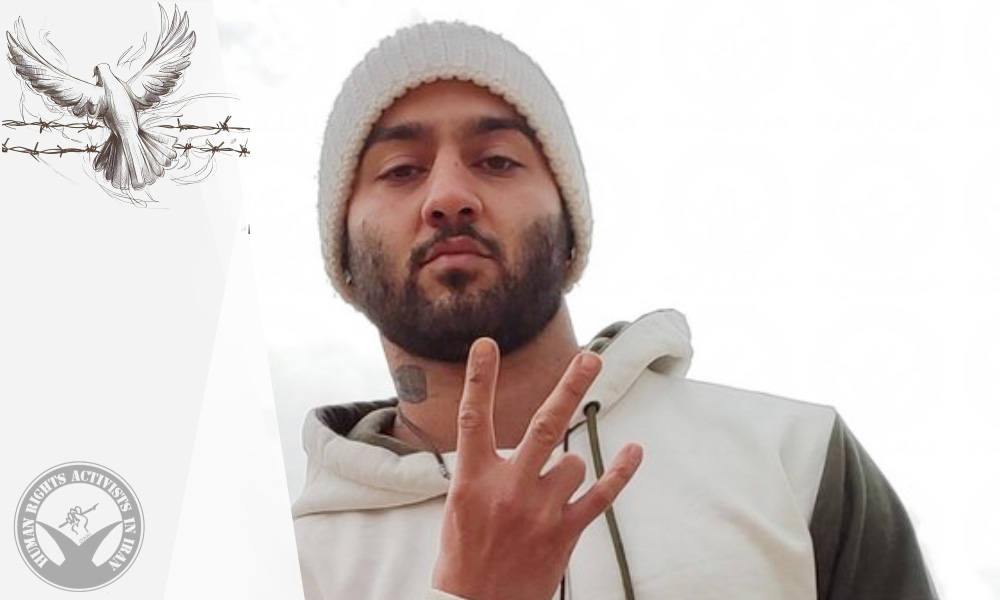
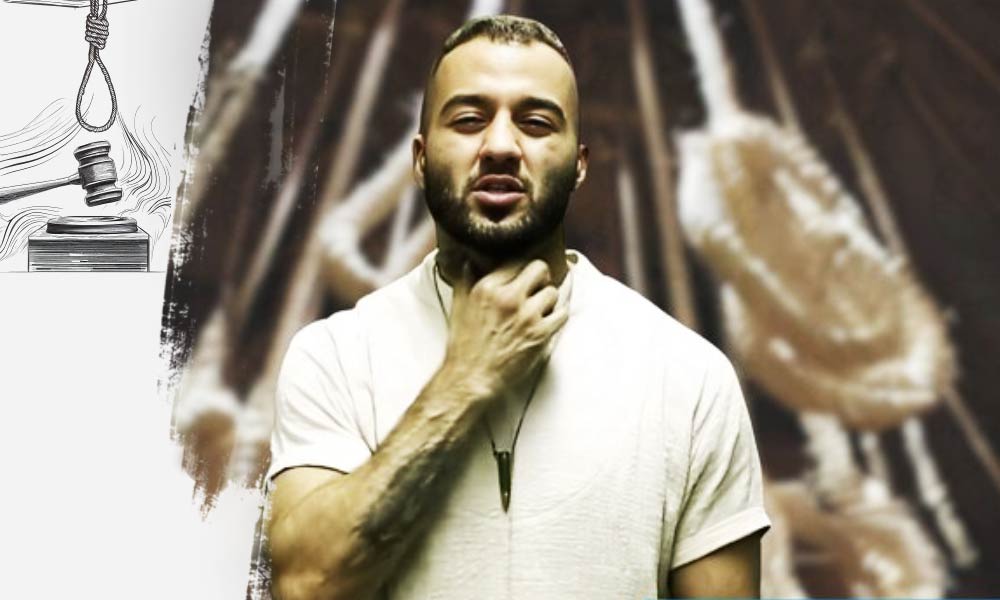
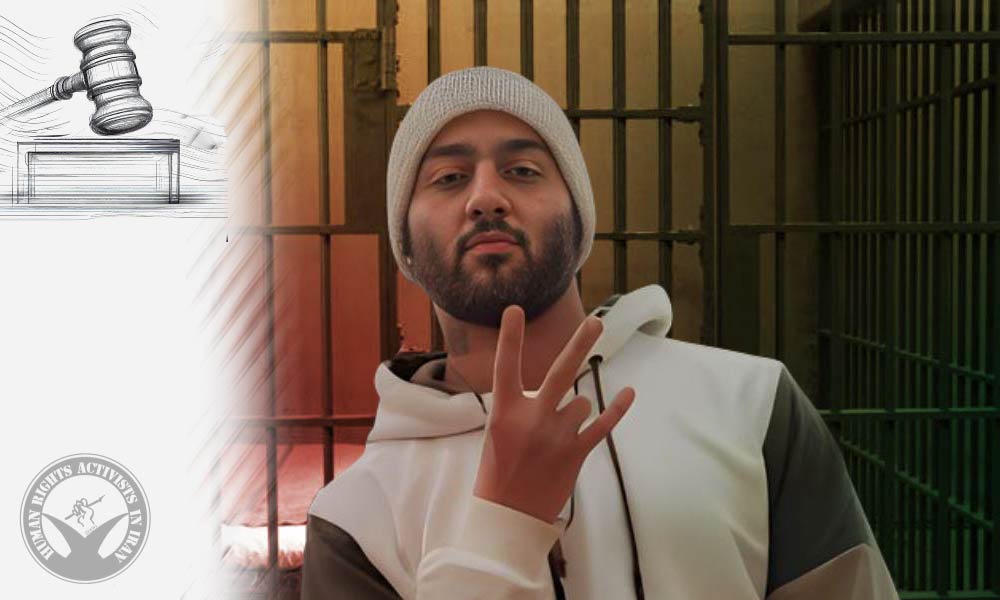
Toomaj Salehi Released from Prison After Serving Sentence

The public relations office of Isfahan’s Judiciary has announced that Toomaj Salehi, a protest rapper, was released from prison on Sunday, December 1, 2024, after completing a one-year sentence for “propaganda against the regime.”

The Judiciary’s media center, citing the Isfahan Judiciary’s public relations office, confirmed that Mr. Salehi’s release marked the end of his imprisonment on these charges.

Recently, Mostafa Nili, one of Salehi’s lawyers, revealed that Branch 5 of the Revolutionary Court of Isfahan had closed his 2022 case, issuing a decision to discontinue prosecution.

Earlier, another of Salehi’s lawyers, Amir Raisian, had disclosed that the same court had dismissed the charge of “spreading corruption on earth” (efsad-e-fel-arz), which had initially resulted in a death sentence, and instead acquitted him of that charge.

In April of this year, Salehi was sentenced to death by Branch 1 of the Revolutionary Court of Isfahan on the charge of “corruption on earth.” However, following an appeal, Branch 39 of the Supreme Court overturned the death sentence in early July and referred the case to Branch 5 of the Revolutionary Court for further review.

Salehi’s release concludes a complex legal ordeal that included facing and ultimately overcoming charges that carried the death penalty.

Salehi was arrested in late October 2022 in connection with the nationwide protests by security forces. Official news agencies claimed that he was attempting to illegally leave the country through the western borders, a claim denied by his associates. In July last year, he was sentenced by Branch 1 of the Revolutionary Court in Isfahan to six years and three months in prison, a travel ban, a ban on producing music and singing, and two years of mandatory behavior management and skills training. After this sentence was overturned by Branch 39 of the Supreme Court, he was released on bail on November 18, 2023.

Nevertheless, Salehi’s freedom was short-lived as he was re-arrested in Babol on November 30, just twelve days after being bailed out from Dastgerd Prison in Isfahan. The Judiciary spokesperson cited Salehi’s post-release statement as grounds for this subsequent arrest.

In January of 2024, in another part of his case, the Revolutionary Court of Isfahan sentenced him to one year in prison, two years of passport invalidation, and participation in behavior management courses on the charge of ‘propaganda against the regime.’ This sentence was upheld by the Isfahan Provincial Court of Appeals in late February. Late last year, Branch 117 of Criminal Court 2 in Isfahan acquitted him of the charges of ‘spreading falsehoods’ and ‘inciting violence.’

Toomaj Salehi, a protest rapper from Shahin Shahr, Isfahan, had previously been sentenced to six months in prison and a fine in 2021 for ‘insulting the Supreme Leader’ and ‘propaganda against the regime.’

Supreme Court Overturns Death Sentence Against Protest Rapper Toomaj Salehi

Amir Raisian, the lawyer for protest rapper Toomaj Salehi, announced that Branch 39 of the Supreme Court has overturned the death sentence against his client. The case will now be referred to another court branch for further review.

“In a precise verdict, the Supreme Court not only overturned the death sentence but also affirmed that even the previous sentence of six years and three months stands at odds with Article 131 and the rules of multiplicity of charges,” Raisian clarified.

In mid-May, Raisian announced the registration of his appeal to the Supreme Court, stating, “One day after this announcement about the initial verdict against my client, prison officials banned Salehi from making phone calls and even imposed restrictions on in-person visits.”

In April, the Revolutionary Court of Isfahan sentenced Salehi to death for “spreading corruption on earth.” At the time, Raisian commented on the ruling, stating, “Branch 1 of the Isfahan Revolutionary Court issued an unprecedented verdict by disregarding the Supreme Court’s resolution from 2022, labeling it as an ‘advisory verdict,’ and upheld the initial death sentence for ‘spreading corruption on earth.’”

Salehi’s legal saga began in late October 2022 when he was initially detained by security forces during nationwide protests. Subsequently, the Isfahan Revolutionary Court sentenced him to six years and three months in prison, among other penalties. However, he secured release on bail after the Supreme Court overturned the verdict.

Nevertheless, Salehi’s freedom was short-lived as he was re-arrested in Babol on November 30, just twelve days after being bailed out from Dastgerd Prison in Isfahan. The Judiciary spokesperson cited Salehi’s post-release statement as grounds for this subsequent arrest.

It’s worth noting that Salehi has a prior conviction from January 12, 2022, where he received a six-month prison term and a fine, with the imprisonment suspended for one year.

Protest Rapper Toomaj Salehi Sentenced to Death

The Revolutionary Court of Isfahan sentenced protest rapper Toomaj Salehi to death for “spreading corruption on earth,” according to Shargh Newspaper.

Salehi’s lawyer, Amir Raisian, commented on the ruling, stating, “Branch 1 of the Isfahan Revolutionary Court issued an unprecedented verdict by disregarding the Supreme Court’s resolution from 2022, labeling it as an ‘advisory verdict,’ and upheld the initial death sentence for ‘spreading corruption on earth.'”

Raisian explained that the Isfahan Revolutionary Court cited “assisting in armed rebellion (Baghi),” “propaganda against the regime,” and “inciting people to unrest” as per Article 512 of the Islamic Penal Code as grounds for the charge of “spreading corruption on earth.” The court emphasized the concept of widespread corruption, although Raisian argued that the evidence did not support the charge at the level required for the severest punishment.

In addition to the death sentence, the court imposed other penalties on Salehi, including a two-year travel ban, the annulment of his passport, and mandatory participation in behavior management and knowledge skills programs. The court also enforced a previously suspended sentence.

Raisian expressed his surprise at the “obvious conflict within the initial verdict and with the Supreme Court’s decision.” He also dismissed rumors of Salehi receiving amnesty or commutation, clarifying that the court only mentioned the potential for a one-degree reduction in punishment through the Amnesty Commission.

Salehi’s legal saga began in late October 2022 when he was initially detained by security forces during nationwide protests. Subsequently, the Isfahan Revolutionary Court sentenced him to six years and three months in prison, among other penalties. However, he secured release on bail after the Supreme Court overturned the verdict.

Nevertheless, Salehi’s freedom was short-lived as he was re-arrested in Babol on November 30, just twelve days after being bailed out from Dastgerd Prison in Isfahan. The Judiciary spokesperson cited Salehi’s post-release statement as grounds for this subsequent arrest.

It’s worth noting that Salehi has a prior conviction from January 12, 2022, where he received a six-month prison term and a fine, with the imprisonment suspended for one year.


Protest Rapper Toomaj Salehi Acquitted of Disseminating False Information and Inciting Violence

Toomaj Salehi, the protest singer, has been acquitted by the Criminal Court of Isfahan of charges related to “disseminating false information” and “inciting people to violence.” His lawyer, Amir Raisian, confirmed this development, clarifying that these charges stemmed from a video Salehi published in November 2023.

Presently held in Dastgerd Prison, Isfahan, Salehi faces a one-year prison sentence imposed by the Revolutionary Court for allegedly “spreading propaganda against the regime.” Alongside this verdict comes a two-year travel ban, revocation of his passport, and mandatory enrollment in behavior management and knowledge skills programs. This sentence was upheld on appeal.

Salehi’s legal saga began in late October 2022 when he was initially detained by security forces during nationwide protests. Subsequently, the Isfahan Revolutionary Court sentenced him to six years and three months in prison, among other penalties. However, he secured release on bail after the Supreme Court overturned the verdict.

Nevertheless, Salehi’s freedom was short-lived as he was re-arrested in Babol on November 30, just twelve days after being bailed out from Dastgerd Prison in Isfahan. The Judiciary spokesperson cited Salehi’s post-release statement as grounds for this subsequent arrest.

It’s worth noting that Salehi has a prior conviction from January 12, 2022, where he received a six-month prison term and a fine, with the imprisonment suspended for one year.