





Human Rights Activists News Agency (HRANA) – Kurdish merchants in Iran’s Kurdistan, Kermanshah, and West Azerbaijan provinces have shut down shop and gone on strike, heeding a call from Kurdish activists to organize a rebellion in response to the recent execution of three Kurdish political prisoners.
Loghman Moradi, Zanyar Moradi, and Ramin Hossein Panahi were hanged to death in dubious circumstances on September 8th, sparking international outcry and rebuke from the UN High Commissioner for Human Rights. Kurdish opposition parties reacted to the untimely deaths of Moradi, Moradi and hossein Panahi by sounding the call to strike through Kurdish regions of Iran, inviting fellow Kurds to protest their comrades’ executions, HRANA previously reported.
The Kurdish shop owners began staging strikes September 12th, which have thus far led to the arrest of 16 political and civil activists in the Iranian Kurdish cities of Sanandaj, Marivan, Oshnavieh, Sardasht, and Ravansar. In addition to civic arrests, security forces have responded by spray-painting threats onto shuttered bodegas.
On Tuesday, Labor activist Khaled Hosseini was detained by security forces in Sanandaj–the Iranian city with the largest Kurdish population–along with Mozaffar Salehnia and Mokhtar Zarei, who were arrested one day later. All were transferred to Sanandaj Central Prison with a bail set at approximately $8000 USD (800 million IRR).
Meanwhile, the western border city of Marivan is experiencing the brunt of the crackdown: Moslem Bahrami, Suran Daneshvar, Aram Fathi, Mohammad Azkat, Dalir Roshan, Ahmad Tabireh, Nishervan Rezaei, Nooshirvan Khoshnazar, Aram Amani and Ahsan Partovi were all reportedly arrested there Tuesday.
Oshnavieh resident Rashid Naserzadeh was also detained on Tuesday, and released on bail a few hours later.
Jafar Rasoulpour was arrested the same day in Sardasht, West Azerbaijan Province. Bagher Safari, age 60, was taken in Wednesday by security forces in Ravansar, Kermanshah.
Zanyar and Loghman Moradi were put on death row after the Iranian authorities accused them of murdering the son of a Friday prayer leader in Marivan, a charge they have always denied. Censured by human rights organizations from the outset for its shoddy documentation and lack of evidence, the Moradi’s case was still incomplete at the time they were put to death.
The Moradis wrote an open letter, published in May 2017, detailing their ordeal along with case facts they alleged were constructed by the Ministry of Intelligence. The letter also described torture they experienced at the hands of authorities.
Ramin Hossein Panahi, the third executed Kurd, was tried and sentenced to death by Branch One of the Revolutionary Court in Sanandaj on a charge of “acting against national security by violating the rights of others” on January 16, 2018. His sentence was upheld in mid-April by the Supreme Court before being forwarded to the Execution of Sentences Unit.
Tag: iran protests
January Protests: Third Day of Hunger Strike for Prisoner Mahin-Taj Ahmadpour
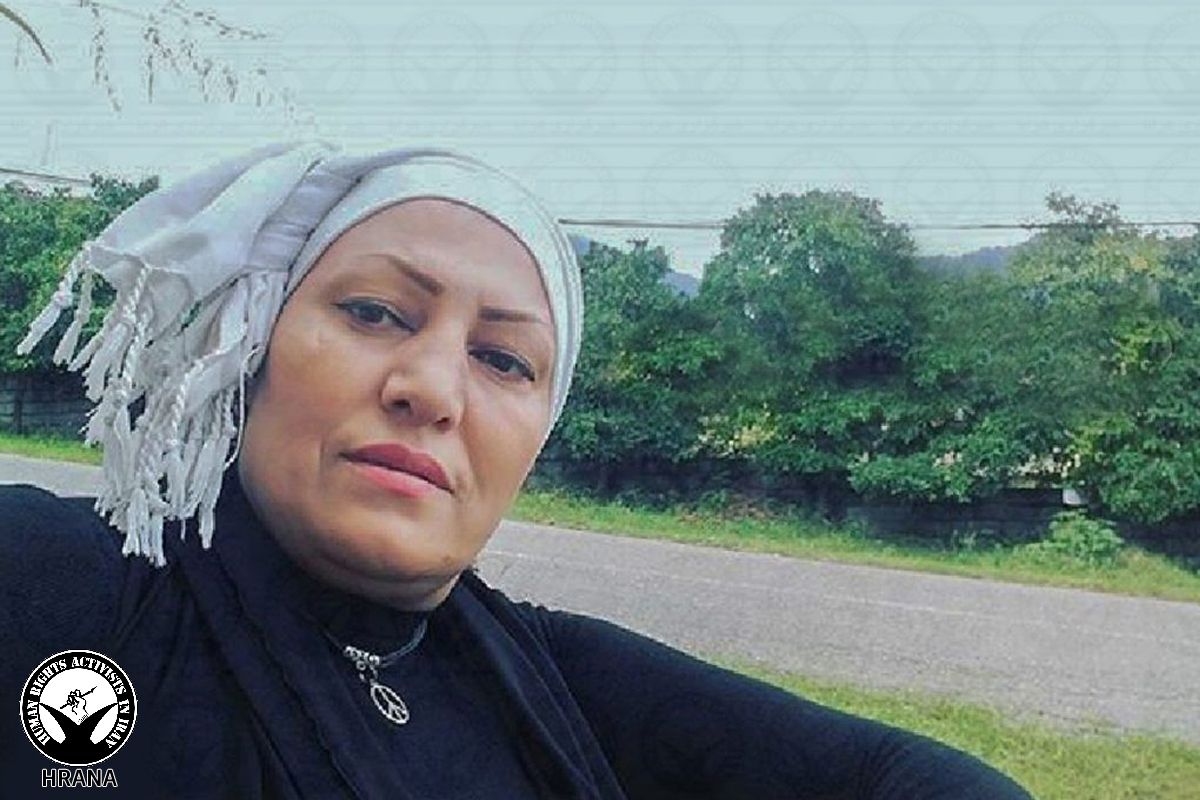
Human Rights Activists News Agency (HRANA) – Mahin-Taj Ahmadpour, a political prisoner being held at Nashtaroud Prison of Tunekabon, has been on hunger strike for three days.
For her participation in the January protests in Tunekabon, Ahmadpour was sentenced in the city’s Revolutionary Court, and Branch 101 of its Penal Court, to 10 months in prison. She has been serving her sentence since August 14, 2018.
Ahmadpour declared hunger strike on Monday September 10, 2018 in protest to a lack of medical attention, authorities’ refusal to allow her access to the prison phone, and of prison authorities, who have reportedly threatened to develop a new case file against her.
An informed source elaborated to HRANA, “When they didn’t let Ahmadpour use the phone, it led to an argument. Instead of escalating the matter for handling by authorities, Mrs. Sha’bani the guard got involved, insulting the prisoner and threatening to get prison and security authorities to pursue further charges against her.”
One day after the incident, the guard told Ahmadpour that a new case file had been opened against her, charging her with blasphemy, even while the content of Ahmadpour’s altercation with Sha’bani was reportedly limited to their disagreement over use of the phone.
The source added, “Ahmadpour is anemic, and is supposed to receive seven units of blood every month. Due to her anemia, she has a high chance of developing leukemia and has to receive regular monthly injections as a preventative measure. Despite these conditions and supporting medical documentation, the prison authorities have not permitted her to be transferred to the hospital for her treatments.”
Mahin-Taj Ahmadpour is a 46-year-old resident of Tunekabon. A peddler by trade, she was arrested along with 14 other residents during the January 2018 countrywide rallies known as the January Protests. The Revolutionary Court of Tunekabon sentenced eight of these arrestees to 28 months’ imprisonment, divided among the defendants. Branch 101 of Criminal Court No. 2 of Tunekabon, presided by Judge Ebrahimi, also sentenced six of the arrestees to 24 collective months of prison time.
Ahmadpour was sentenced May 2, 2018 in Branch 101 of Tunekabon Criminal Court No. 2 to serve six-months prison sentence on a charge of “disrupting the public peace through participation in an illegal gathering.” On August 11, 2018, Tunekabon’s Revolutionary Court compounded the sentence with four months’ imprisonment for “propaganda against the regime.” As evidence against her, the court cited a combination of law enforcement reports and images and video taken during the January protests in Tunekabon.
Thirty-Five January Protestors Must Answer to Khoy Court

Human Rights Activists News Agency (HRANA) – Thirty five residents of Khoy (northwestern Iran) were summoned to Branch One of the city’s Revolutionary Court on Monday, September 10th in connection with their participation in protests that gained exceptional momentum across the country last January.
HRANA was able to confirm the identities of the 35 residents: MohammadBagher Abazari, Amir Ebrahimzadeh Khoei, Ali Oroujzadeh Amirbeigi, Maryam Asadlou, Alireza Jabbari, Akbar Jafarpour, Hamed Jafari, Vahid Jafari, Mohammad HajiAllahyari, Naser Hajizadeh, Hadi HajiAlizadeh Parchlou, Sadra HajiAligholilou, Milad Hajilou, Ruhollah Hosseinzadeh, Mehdi Heidari Aghbash, Shayan Khalilzadeh, Vahid Rostamlou, Mehdi Zamankhani, Aref SoltanAlizadeh, Hatef SoltanAlizadeh, Hamid Sadegh, Arezoo Sahraei, AmirHossein Alinejad, Manouchehr GhareMohammadlou, Mohammad Ghalaji, Abbas Kouchari, Hamed Golvani, Shahriar Golvani, Milad Mafi Kandi, Mohammad MohsenNejad Khoei, Majid Mohammadi, Amir Mahmoudi, Reza Mehrani, Aidin Mohsennejad Khoei and MohammadEsmaeil Yekani.
Aidin Mohsenejad Khoei, an additional resident who was not previously detained, has received summons from the same court.
In the throes and final pulses of what came to be known as the “January protests,” various branches of the Iranian security apparatus–including Islamic Revolutionary Guards Corps (IRGC) Intelligence Agents, Police, and Criminal Investigation Police–came down on the aforementioned group, subjected them to interim interrogations, and released them on bail pending trial. HRANA reported on the contingent release of these arrestees last March.
The arrestees stand accused of “Assembly and collusion against the internal security of the country,” “Propaganda against the regime,” “Insulting the Supreme Leader of the Islamic Republic of Iran,” “Disturbing public conscience,” and “Disturbing public order.” They join the roughly 5,000 Iranian citizens who were detained and interrogated across the country in the tumult of the January protests, which led to the death of 25 individuals. Many who were detained were transferred directly to prison, and the precise whereabouts and fates of a number of them is still unknown.
Ministry of the Interior Abdolreza Rahmani Fazli previously stated that public demonstrations “turned violent” in 40 of the 100 cities where the January protests broke out.
Iran: One Protest Continues as Two More Begin
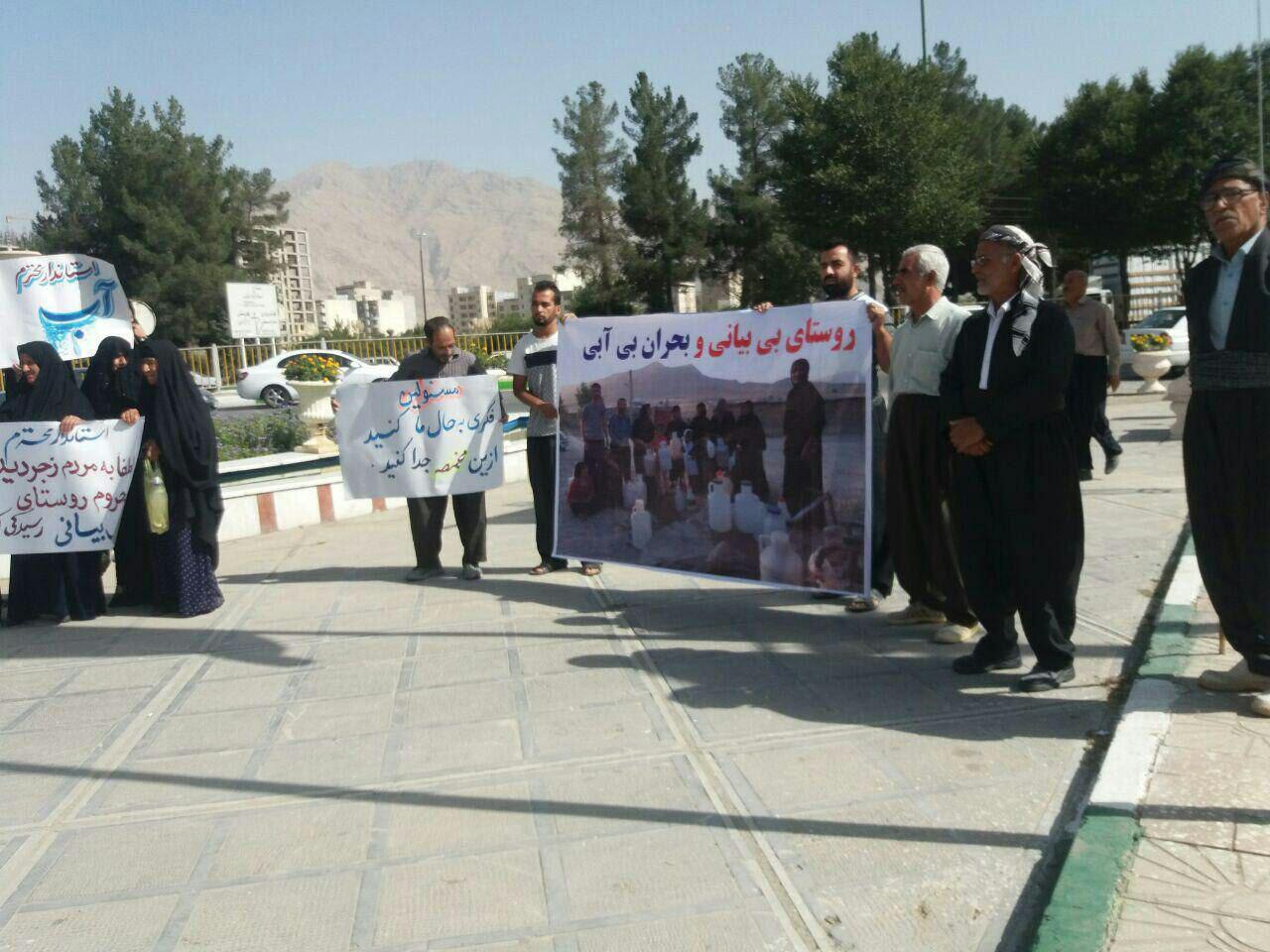
Human Rights Activists News Agency (HRANA) – Over the last few days, three distinct protests were organized to express the yet-unmet demands of three separate collectives: the Citizens of Zabul, the residents of Bibayani village (of the Dasht-e Zahab tributary of Sar-e Pol Zahab), and a number of shareholders of the bankrupt Caspian Institution in Tehran.
Caspian Institution
HRANA reported today that Caspian Institution shareholders were gathering in front of Tehran’s Majlis building. The group, who started staging protests two years ago, includes a mix of investors and shareholders from financial and credit institutions. When their public demonstrations first began, the government and Central Bank of the Islamic Republic of Iran (CBI) committed to paying the dividends owed to investors. According to the CBI, over 95% of reclamations against the Caspian Institution have been resolved.
Bibayani Village Residents Protest Water Crisis
HRANA reported today on a group of Bibayani village residents who were gathering before the Kermanshah Provincial Governor’s office. Sar Pol-i Zahab is a town bordering the province of Kermanshah.
Protestors Seal the Entrance to the Zabul City Council Building
According to a September 2nd report from Radio Zamaneh, a group of Zabul residents (in the province of Sistan and Baluchestan), in protest to financial corruption and abysmal public services in their municipality, used mud to seal shut the entrance to the municipality building on Saturday, September 1, 2018.
Some time ago, judicial officials reported on the arrest of 11 city council members and municipal employees on charges of financial corruption and embezzlement.
News agencies affiliated with the government reported that these protestors were decrying pollution and lack of public services. Images published on social media tell a different story: shared photos feature protesters brandishing signage reading “When embezzlement is ousted, Zabul will be a paradise”.
Demonstrators on the scene were reportedly chanting slogans such as “When the council is dissolved, Zabul will be a paradise,” and “We don’t want an incompetent council.”
Ahwazi Arab Activists Arrested in Southwestern Iran

Human Rights Activists News Agency (HRANA) – Three Ahwazi Arab activists from the city of Hamidiyeh, in the province of Khuzestan (southwestern Iran), were arrested by plainclothes forces on the morning of Monday August 27th and taken to an undisclosed location.
HRANA has confirmed the identities of two of the detainees as Hassan Beit Said, 26, and Ali Mazraeh, 27.
Hamidiyeh county consists of two districts and four villages and has a population of 48,935 people (based on a 2006 census).
At the same time, three prisoners who were detained on July 2, 2018, during widespread protests in Ahwaz (capital of the Khuzestan province) were transferred to Sheyban Prison by IRGC Intelligence forces following the completion of the interrogation process. HRANA has identified these three individuals as Seyed Ali Mousavi, 27, Mohammad Savari, 18, and Reza Savari, 26. All three are residents of Ahwaz’s Kouy-e Alawi district. The charges against them are still unknown.

Five Hoveyzeh Protestors Arrested

Human Rights Activists News Agency (HRANA) – On August 25, 2018, five Hoveyzeh residents protesting the hiring practices of local petroleum companies were arrested.
HRANA reported the identity of the detainees: Majid Zahiri, Hakim Zahiri, Abbas Zahiri, Rahim Zahiri, and Hassan Zahiri, natives of the village of Zahiriya (also known as Zahiri).
An informed source told HRANA that the detainees were protesting “the hiring of a non-native workforce by the petroleum companies active in their village.”
July 2018 protests in the village of Zahiriya were among a number of protests this summer that were gaining momentum across the country, according to HRANA reports.
The report states that around 30 Zahiriya residents staged a stand-in on the road to the petroleum factories, in protest of their heavy pollution output as well as their apparent resistance to hiring local manpower.
Residents of Zahiriya have previously protested the companies’ reluctance to aid in solving the region’s rampant unemployment by offering work opportunities to locals.
The village of Zahiriya, a tributary of the city of Hoveyzeh, located in the Khuzestan province, occupies a region covering the active petroleum fields of northern and southern Azadegan and northern and southern Yaran. It is adjacent to Hoor al-Azim, the Iranian portion of the Mesopotamian Marshes, a 2016 UNESCO world heritage site.
At Arrival of Security Forces, Alternative Worship Turns Violent
Human Rights Activists News Agency (HRANA) – In one of many recent attacks from security forces on Shiite sub-sects, a peaceful ceremony commemorating the death of the ninth Shiite Imam was broken up on August 12th when officers arrived and began beating those in attendance.
The owner of the shop that hosted the gathering was arrested the following day, only to be released when members of a group called “Ansar Imam Mehdi” gathered in front of the Intelligence Bureau of Torbat Heydarieh to demand his release. On August 16th, two of these protestors were arrested on orders from the Revolutionary Court.
Several individuals who have gained a following in recent years by claiming to have contact with the Shiite eschatological figure Imam Mehdi — also known as the 12th Imam — have also come under fire from security forces, particularly the Ministry of Intelligence. Iranian authorities have since appointed special divisions to address religious activities that contravene the ideology of the regime, often resulting in violent clashes.
A source close to the Ansar Imam Mehdi group told HRANA, “If they refuse to release our brothers, members plan to assemble in front of the Revolutionary Court and peacefully announce that we are not the enemy; we only demand our basic rights such as freedom of conscience, opinion, the right to life, and the right to hold our religious ceremonies for imams.”
The situation escalated on August 19th, the anniversary of the death of the fifth Imam, when a group of about 60 people were met with tear gas, electric shocks, and blunt-force assault from security forces outside the Revolutionary Court. The group, who reportedly read religious texts to appeal to a religious common ground with authorities, were heard chanting “freedom of opinion is our undeniable right” and imploring for the release of their comrades.
In a report to HRANA, the aforementioned source said the gathering served to commemorate the fifth Imam in the same manner that the group had intended on August 12th, “which should not be a crime in Iran.” He said that an elderly man with heart problems was among those beaten and that security forces, rather than relenting when the man felt pains in his chest, arrested him. “They attacked our sisters,” the source added, “not even the children were spared from beatings, and some of them were trampled.”
The group in question had been regularly congregating around Seyed Ahmad Hossein, a man who claims to have contact with Imam Mehdi. The government crackdown on the group first began on November 9, 2017, when six seminary students and professors, including Mohammad Javad Choobtarash, were seized from a residence in Qom and held in the Intelligence Bureau for interrogation. Most of those detained that day were released on bail shortly after.
Other arrests related to this religious group are as follows:
May 7, 2018: Ahmad Reza Zaraghi, a seminary student, who had been released 16 days earlier on bail, was arrested a second time by the security forces at his sister’s home in Qaem Shahr, northern Iran, and transferred to Tehran in police custody.
May 2, 2018: Cleric Mohammad Hossein Bigdeli was arrested at a holy shrine in the city of Qom.
March 7, 2018: Massoud Ghorbani was arrested, released, and again summoned to the Clerics Special Court before being transferred to Qom Saheli Prison.
February 6, 2018: Ahmad Kohandel was arrested in connection to his group affiliation.
January 11, 2018: Qom seminary student Seyyed Hamed Miri, 31, was arrested.
Security Forces Arrest Citizen in Ahvaz
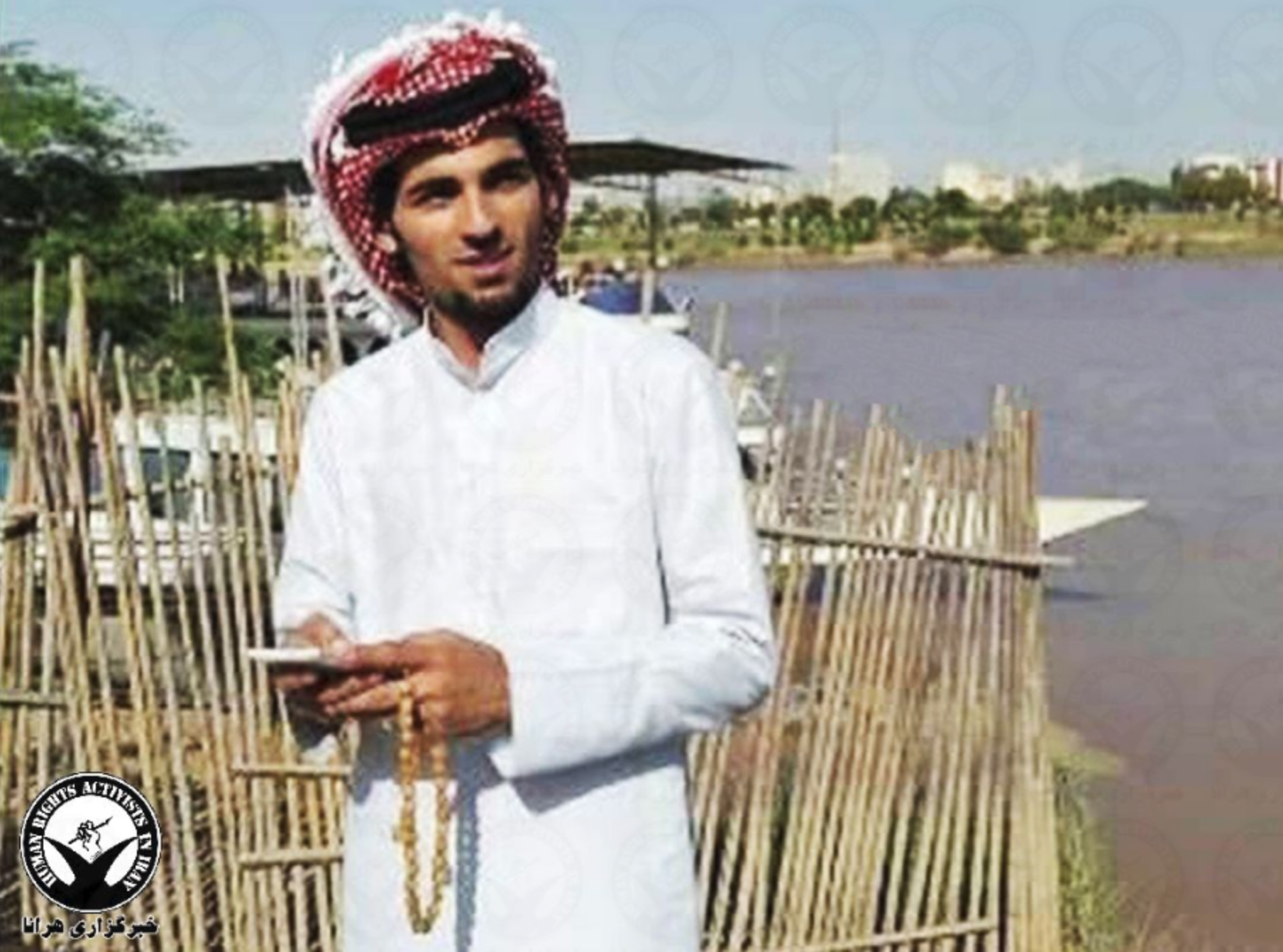
Human Rights Activist News Agency (HRANA) – Majed Savari, a citizen from the city of Ahvaz (southwestern Iran), was arrested by Ministry of Intelligence forces early morning on Wednesday, August 15, 2018. According to an informed source, Mr Savari was transferred to an undisclosed location.
“He had participated in the popular protests against environmental pollution and the transport of water out of Karoun River. His family does not have any information about the reason for his arrest yet,” says the close source.
Majed Savari is a 26-year-old civil engineering student.
Journalist & Human Rights Activist Ejlal Ghavami Summoned to Court in a New Case
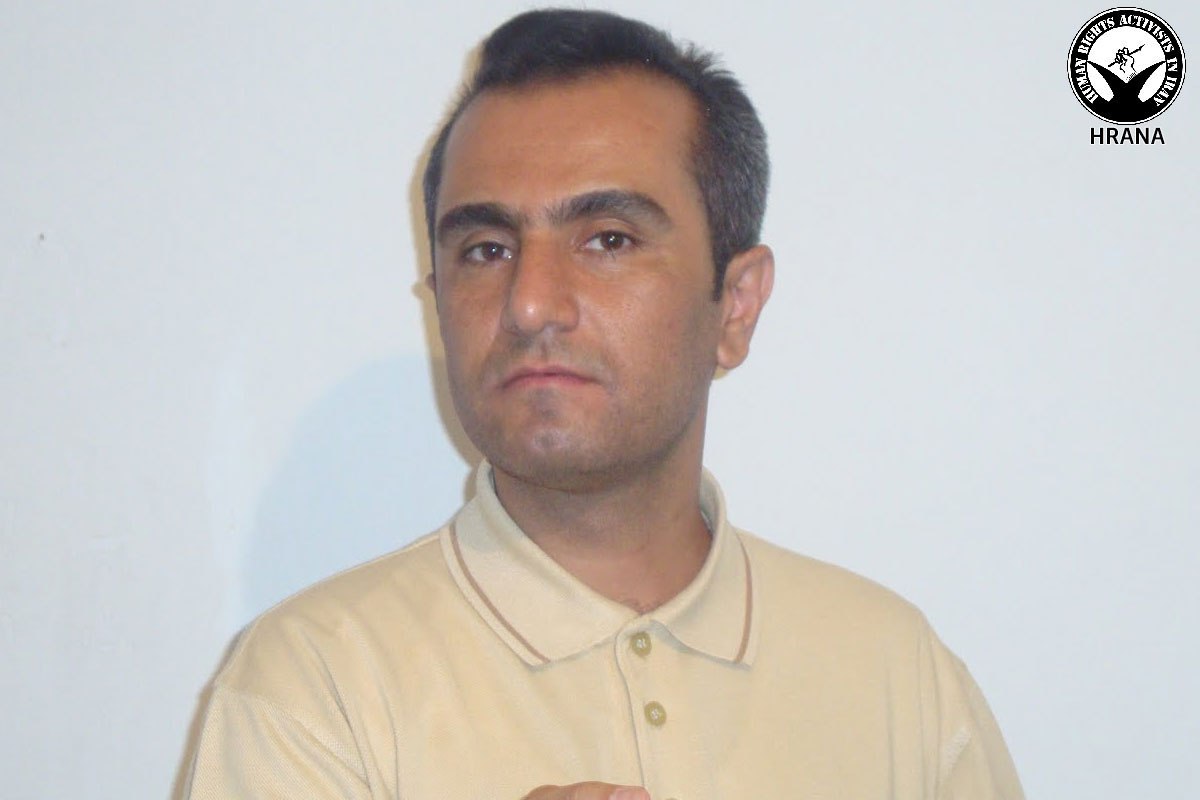
Human Rights Activists News Agency (HRANA) – Ejlal Ghavami, journalist and human rights activist, was summoned to Branch 2 of the Sanandaj Revolutionary Court (western Iran) in a new case. “I will be tried on November 18th in relation to a previous case, this is another case,” Mr Ghavami said in a note.
Ejlal Ghavami was previously charged with “Propaganda against the regime”, “Speaking to anti-regime media”, “Disseminating lies” and “Insulting the Islamic Revolutionary Guard Corps (IRGC)”. He was acquitted, but upon objections from the Prosecutor, his case was sent to an appeals court.
On June 9, 2018, Mr Ghavami was summoned to the Intelligence office of the IRGC along with Hiwa Rahimi and Ahmad Khalighi, two other civil rights activists from the Kurdistan province. Late last year, he was summoned to Branch 1 of Prosecutor’s office in the Kurdistan province after he was interrogated by the Iranian Cyber Police (FATA). Mr Ghavami was interrogated by FATA in Sanandaj and on Monday, March 25, 2018, he was charged with “Relation and cooperation with anti-regime channels” and “Disseminating lies and illegal contents”.
Civil Rights Activist Mohammad Davari Arrested

Human Rights Activist News Agency (HRANA)- Mohammad Davari, a civil rights activist from the city of Yasouj (southwestern Iran), was arrested by Ministry of Intelligence forces on August 10, 2018, at his parent’s home. Mr Davari was reportedly held incommunicado for three days before he was transferred to Yasouj’s central prison.
A source close to Mr Davari confirmed the news and told HRANA: “After the three days, he was remanded without bail for two months, and is currently in solitary confinement. At the time of his arrest, the agents confiscated some of his personal belongings such as his mobile phone, laptop and written notes.”
Mohammad Davari was previously detained on March 5, 2018, for pulling down a banner during the widespread popular protests in Iran. He was released eight days later on a 50 million Tomans (approximately $10,000 USD) bail. The authorities reportedly told Mr Davari’s family that he was arrested on the charge of “Acting against national security through disturbing the public peace of mind”.
Mohammad Davari, 26, was born in Deshdasht and is studying master of Political Science. He was arrested another time following the death of Hashemi Rafsanjani when he pulled down a banner bearing Rafsanjani’s photo. He was later released on bail.