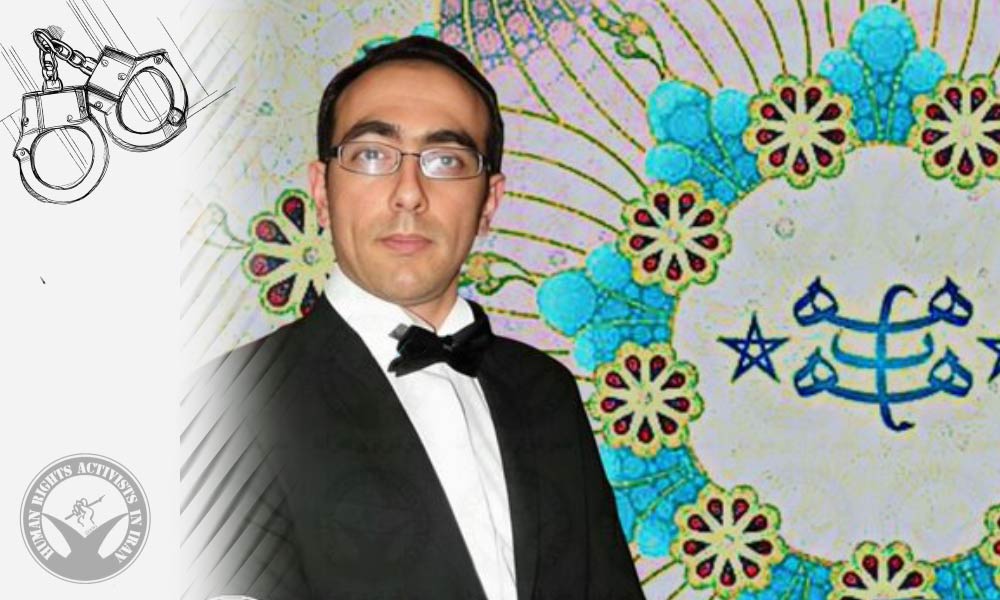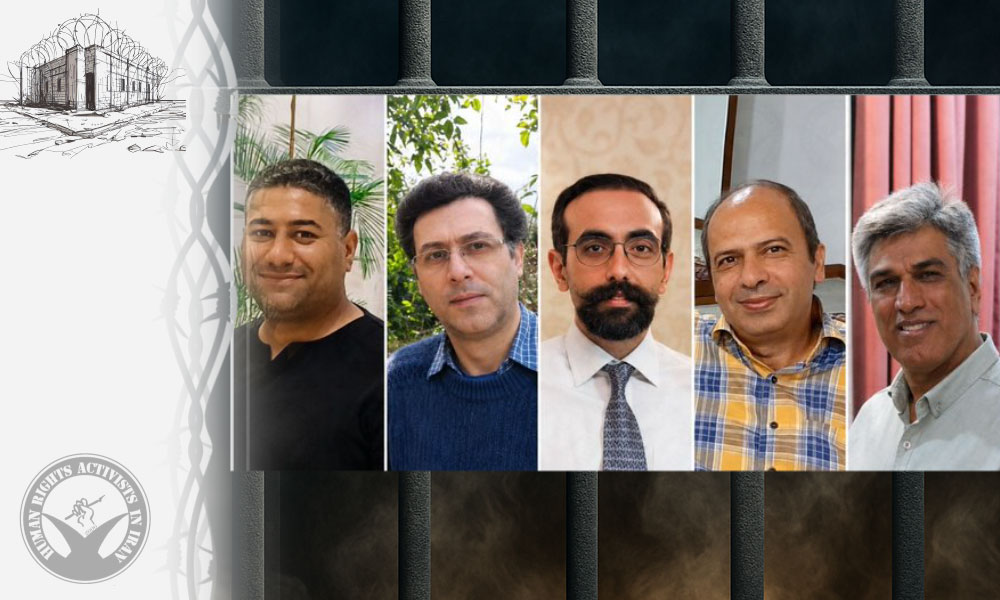
HRANA – On Monday, August 31, five Baha’i citizens residing in Karaj, were arrested after reporting to the Shahriar Revolutionary Court to begin serving their one-year prison sentences.
According to HRANA, on the morning of Monday, August 31, 2026, Babak Zeinali, Sahba Taef, Fouad Taefi, Shervin Shabrokh, and Ali Bagherkashi, Baha’i citizens residing in Karaj, reported to the Shahriar Revolutionary Court following a prior summons to begin serving their prison sentences and were subsequently arrested.
According to information received by HRANA, the families of these citizens were initially informed that they would be transferred to the Greater Tehran Prison. However, the five were held at a detention facility in Shahriar, and it was later announced that they were to be transferred to Ghezel Hesar Prison. As of the time of this report, no precise information regarding their transfer is available, and their final place of detention remains unknown.
These individuals had previously been arrested on November 7, 2023, at Babak Zeinali’s home in Mehrshahr, Karaj. Following interrogation and judicial proceedings, they were eventually released on bail.
As proceedings in their case continued, the five citizens were tried under Article 500 bis of the Islamic Penal Code on charges including “propaganda against the regime” and “deviant educational and proselytizing activities contrary to or disruptive of the sacred law of Islam.” Each was ultimately sentenced to one year in prison.
Babak Zeinali has also previously been arrested and convicted in cases related to his religious beliefs.