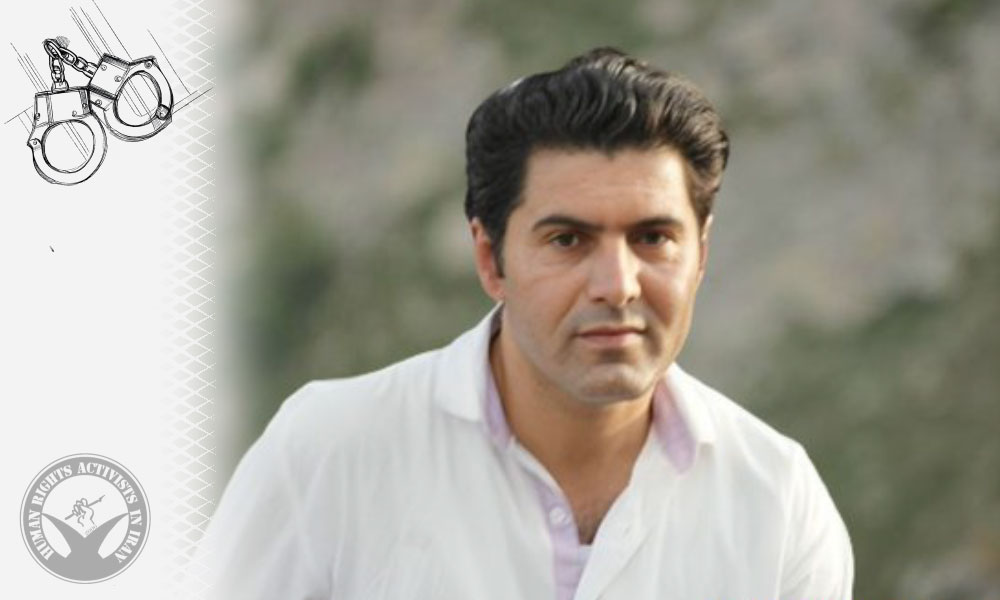
HRANA – The death sentence of Aref Khoshkar, one of those arrested during the 2022 nationwide protests, was carried out at dawn today, July 15, 2026, at Ghezel Hesar Prison in Karaj.
According to HRANA, the execution of Aref Khoshkar, a detainee from the 2022 nationwide protests, was carried out at dawn on Wednesday, July 15, 2026, at Ghezel Hesar Prison in Karaj.
A source close to the family of the political prisoner told HRANA that Khoshkar’s family was informed of his execution at approximately 8:00 a.m. today. Prison authorities refused to hand over his body to the family and transferred it to the Behesht Zahra morgue in Tehran at around 11:00 a.m. The family was also instructed to go to Behesht Zahra at approximately 9:00 a.m. on Thursday, July 16, 2026, to identify and receive his body.
The source added that Aref Khoshkar had been transferred to Suite 35 of Ghezel Hesar Prison on Saturday, July 11, 2026, and his family had their final visit with him on Sunday, July 12, 2026. His family had sought a one-month postponement of the execution and requested a meeting aimed at obtaining the consent of the victim’s family in an effort to halt the sentence. However, these efforts were unsuccessful. Despite assurances that such a meeting would be held, the relevant authorities ultimately took no action to arrange it.
Aref Khoshkar had been sentenced to death by the Revolutionary Court on the charge of moharebeh (enmity against God) through carrying and using a weapon, as well as the killing of a Basij member. His lawyer had previously pointed to significant ambiguities in the case, stating that the location of the killing cited by the court was not covered by surveillance cameras and that there was insufficient evidence to substantiate the charges.
Aref Khoshkar was arrested on November 11, 2022, during the nationwide protests in Tehran’s Fallah neighborhood. His indictment, which included charges of moharebeh through carrying and using a weapon, assembly and collusion against national security, and the killing of a Basij member, was referred to the Revolutionary Court.