Three Prisoners, Including a Woman, Executed in Sari Prison

The death sentences of three prisoners, including a woman, previously convicted in separate cases of drug-related charges and murder, were carried out in Sari Prison.

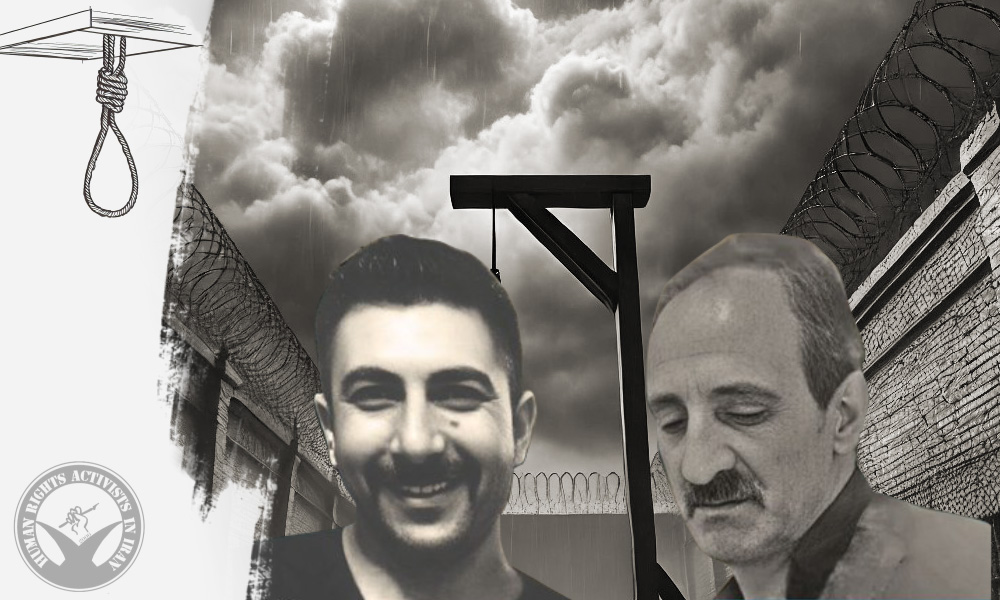
According the Iran Human Rights Organization, the executions took place at dawn on Tuesday, December 17. The identities of the executed prisoners have been reported as Effat Hamedi, approximately 35 years old and a mother of one, Yousef Sattari, 38, a resident of Sari, and Manoochehr Hedayati, 47, a resident of Babol.

A source close to the matter stated: “Ms. Hamedi was arrested four years ago on charges of murdering her husband and was subsequently sentenced to death by the judiciary. Sattari was arrested three years ago for murdering a friend over financial disputes and was also sentenced to death. Additionally, Hedayati had been detained for three years on drug-related charges and was sentenced to death by the judiciary.”

Previously, HRANA had reported the execution of another prisoner, Jamal Asgarabadi, on the same day in the same prison.

As of the time of this report, the executions have not been officially announced by prison authorities or relevant officials.

According to latest HRANA’s annual report over between October 10, 2023, and October 8, 2024, at least 811 individuals were executed by hanging in Iran, rising to 23.06% compared to the same period last year. Of these executions, four were carried out in public. Many of the defendants were denied a fair trial.

Prisoner Executed in Sari Prison for Drug-Related Charges

The death sentence of a prisoner convicted on drug-related charges was carried out at dawn on Tuesday, December 17, in Sari Prison.

HRANA has identified the individual as Jamal Asgarabadi, 42, a resident of Sharifabad, Sari.

According to information obtained by HRANA, Asgarabadi had previously been arrested on drug-related charges and later sentenced to death by the court.

As of the time of this report, prison authorities and relevant officials have not publicly announced the execution.

The reports from the Department of Statistics and Publication of Human Rights Activists for the year 2023 reveal a concerning prevalence of executions for drug offenses in Iran, constituting 56.4% of the total executions. For a comprehensive examination of the details and statistics surrounding the executions in Iran, refer to HRANA’s report.

Two Prisoners Executed in Mahabad Prison

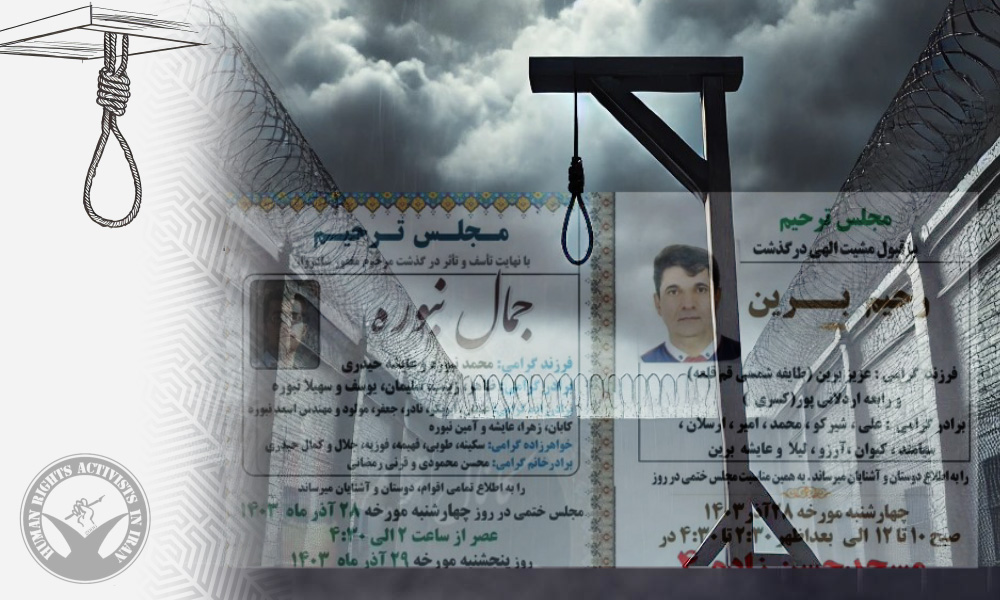
At dawn on Wednesday, December 18, the death sentences of two prisoners previously convicted in separate cases of murder were carried out in Mahabad Prison.

Kurdpa has identified the prisoners as “Rahim Barin and Jamal Naboureh, residents of Mahabad.”

The report states that Mr. Barin was arrested in 2005 on charges of killing a government official and was later sentenced to death by the judiciary. Mr. Naboureh was arrested about two years ago on murder charges and subsequently sentenced to death by a criminal court.

As of the time of this report, the executions have not been officially announced by prison authorities or other relevant institutions.

According to latest HRANA’s annual report over between October 10, 2023, and October 8, 2024, at least 811 individuals were executed by hanging in Iran, rising to 23.06% compared to the same period last year. Of these executions, four were carried out in public. Many of the defendants were denied a fair trial.

Prisoner Executed in Hamedan Prison for Drug-Related Crimes

Yesterday, December 18, a prisoner previously sentenced to death on charges related to drug-related crimes was executed in Hamedan Prison.

HRANA has identified the prisoner as Mohammad Shams, a 36-year-old man from Asadabad, Hamedan. He had been arrested on drug-related charges and subsequently sentenced to death by the Revolutionary Court.

As of the time of this report, prison authorities and relevant officials have not publicly announced the execution.

The reports from the Department of Statistics and Publication of Human Rights Activists for the year 2023 reveal a concerning prevalence of executions for drug offenses in Iran, constituting 56.4% of the total executions. For a comprehensive examination of the details and statistics surrounding the executions in Iran, refer to HRANA’s report.

Two Prisoners Executed in Rudbar Prison

The death sentences of two prisoners, previously convicted of murder in separate cases, were carried out in Rudbar Prison, Gilan province.

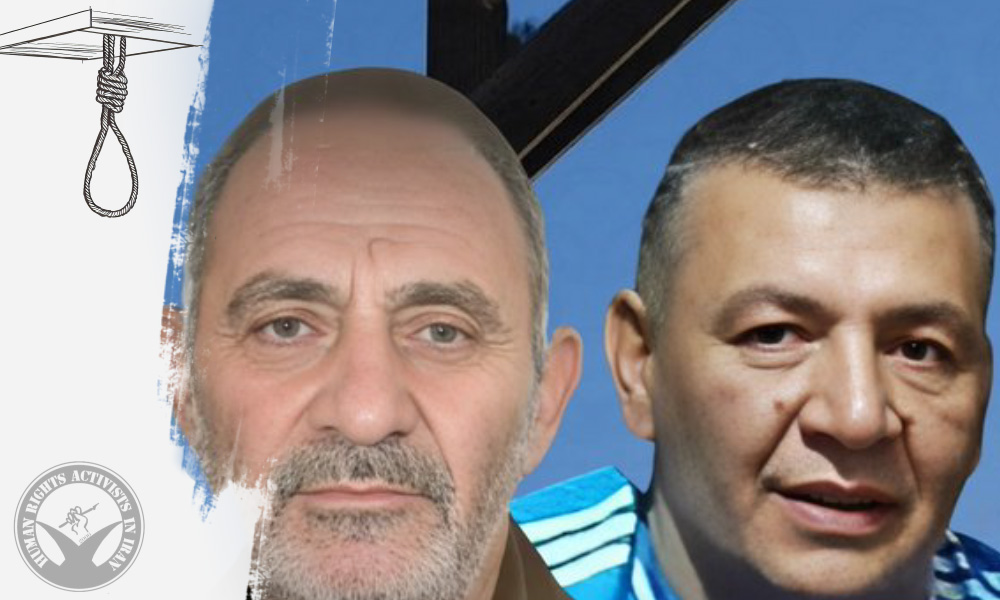
According to HRANA, quoting the Iran Human Rights Organization, the executed individuals were identified as Ali Akbar Gharib Sardoui and Hamed Basirat, both residents of Rudbar.

Reports state that Ali Akbar Gharib Sardoui was arrested on murder charges and later sentenced to death by the judiciary. His execution took place at dawn on Saturday, December 14, 2024, in Rudbar Prison.

Similarly, the execution of Hamed Basirat was carried out at dawn on Monday, December 9, 2024. He had also been arrested in a separate murder case and sentenced to death by the judiciary.

As of the time of this report, neither prison authorities nor relevant officials have publicly announced these executions. In 2023, 66% of HRANA’s reports on executions lacked official announcements by judicial authorities and went unreported by media inside Iran, highlighting a troubling lack of transparency in due process.

Subscribe to Our Newsletter

Now is definitely not the time to stop reading!

Six Prisoners Executed in Ghezel Hesar Prison, Karaj

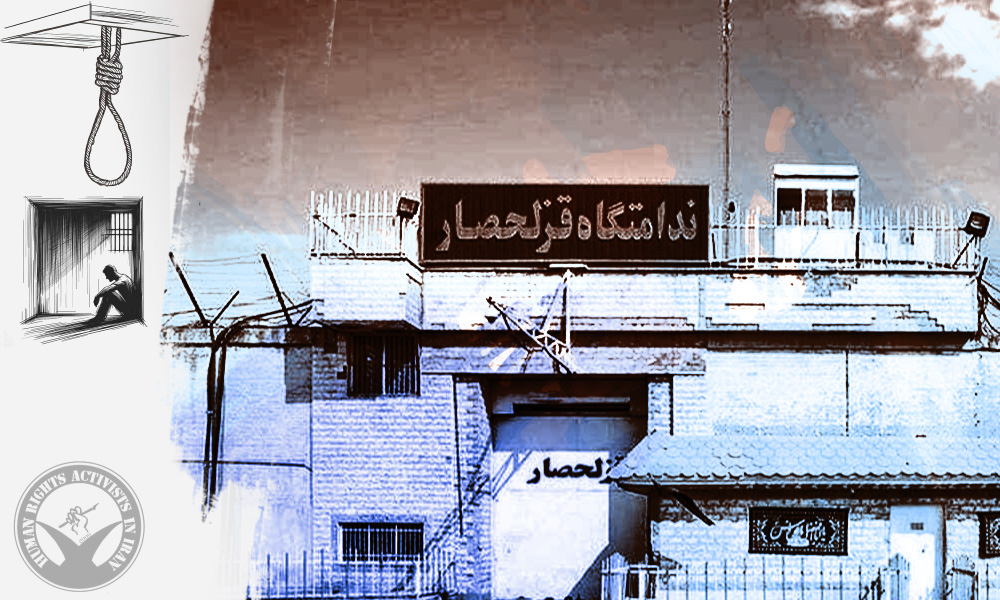
At dawn on Wednesday, December 18, 2024, the death sentences of at least six prisoners were carried out in Ghezel Hesar Prison in Karaj.

Among those executed, one had been convicted of murder, four were sentenced on drug-related charges, and one was condemned for “spreading corruption on Earth” by instilling fear among women and causing injuries.

The identities of the prisoners have been confirmed by HRANA as Hassan Ali Yousefi, Majid Jamshidi, Sohrab Ahmadipour, Abdolbari Pakouhi (an Afghan national), Farzad Nowruzi, and Rastgouyi Kondelaj.

According to reports, Yousefi, Jamshidi, Ahmadipour, and Pakouhi were arrested on drug-related charges and sentenced to death by Revolutionary Courts. Farzad Nowruzi received a death sentence from a Criminal Court for murder. Rastgouyi Kondelaj, the sixth prisoner executed, was sentenced to death for “spreading corruption on Earth.”

The Judiciary’s media center provided details on Kondelaj’s case, which began in late 2018. He used a motorcycle and concealed his face to approach women and girls from behind, attacking them with an awl—a sharp iron tool with a wooden handle typically used in leatherworking—before fleeing. These assaults injured 59 women and girls in Tehran.

Following his arrest, Kondelaj was charged with “spreading corruption on Earth by instilling fear among women and injuring them.” He was sentenced to execution and ordered to pay compensation to the victims.

As of this report, no official statements have been issued by the Judiciary’s media center, prison officials, or other authorities regarding the executions of the other five prisoners.

According to data gathered by the Department of Statistics and Publication of Human Rights Activists, Ghezel Hesar Prison in Karaj witnessed the highest number of executions in 2023, with Zahedan Prison following closely behind. For a comprehensive examination of the details and statistics surrounding the executions in Iran, refer to HRANA’s report.

Ghezel Hesar Prison: 3 Prisoners Transferred to Solitary Confinement for Execution

Today, December 17, three prisoners in Ghezel Hesar Prison in Karaj, who had previously been sentenced to death on drug-related charges, were transferred to solitary confinement in preparation for the execution of their sentences.

The transfer of these prisoners, sentenced to death for drug-related offenses, was carried out in preparation for their executions. Further details, including the identities of the prisoners, are under investigation by HRANA.

According to data gathered by the Department of Statistics and Publication of Human Rights Activists, Ghezel Hesar Prison in Karaj witnessed the highest number of executions in 2023, with Zahedan Prison following closely behind. For a comprehensive examination of the details and statistics surrounding the executions in Iran, refer to HRANA’s report.

Prisoner Executed in Nahavand Prison

At dawn on December 15, the death sentence of a prisoner previously convicted of murder was carried out in Nahavand Prison, located in Hamedan Province.

The identity of the prisoner has been confirmed by HRANA as Ali Morad Dehghani. He had been arrested on charges of murder and later sentenced to death by the Criminal Court.

As of the time of this report, prison officials and relevant authorities have not publicly announced the execution.

According to latest HRANA’s annual report over between October 10, 2023, and October 8, 2024, at least 811 individuals were executed by hanging in Iran, rising to 23.06% compared to the same period last year. Of these executions, four were carried out in public. Many of the defendants were denied a fair trial.

A Woman and 10 Men Executed in Zahedan and Yazd Prisons

Yesterday, December 15, the death sentences of 11 prisoners, including a woman, were carried out in the prisons of Zahedan and Yazd. The individuals had previously been convicted on separate charges related to drug offenses and murder.

According to HRANA, quoting Haal Vsh, four prisoners were executed early Sunday morning, December 15, 2024, in Zahedan Prison.

The identities of the executed in Zahedan are as follows:

  • Mohammad-Vazir Roudini, 45, married, father of four, from Zahedan.
  • Alireza Galebacheh, 37, married, father of three, from Zabol.
  • Elias Tardast (Shahoozahi), 22, known as “Elia,” from Zahedan.
  • Yaghoub Barahooie Moghadam, married, from the village of Sefidabeh in Nimrouz County.

These individuals had been arrested in recent years in various cities on drug-related charges and subsequently sentenced to death by judicial authorities.

In addition, Haal-Vash reported the execution of seven prisoners, including a woman, in Yazd Prison.

The identities of six of the men executed in Yazd are as follows:

  • Mohammad-Ali Kharkouhi (Barahooie), 36, married.
  • Reza Kharkouhi (Barahooie), 43, married, father of four, and the brother of Mohammad-Ali, both from Zahedan.
  • Salah Rahimi, approximately 37, from Sanandaj.
  • Abdolbaset Tootazahi, 38, father of two, from a village in Nosratabad, Zahedan.
  • Abdolnaser Tootazahi, 38, father of eight, from a village in Nosratabad, Zahedan.
  • Ne’matollah Tootazahi, 33, from Zahedan.

The identity of the seventh individual, a woman executed on murder charges, has not been disclosed. The six other prisoners in Yazd were convicted on drug-related charges.

According to latest HRANA’s annual report over between October 10, 2023, and October 8, 2024, at least 811 individuals were executed by hanging in Iran, rising to 23.06% compared to the same period last year. Of these executions, four were carried out in public. Many of the defendants were denied a fair trial.

Concerns Over Imminent Executions: Saman Mohammadi and Mohammad-Amin Mahdavi Transferred to Solitary Confinement

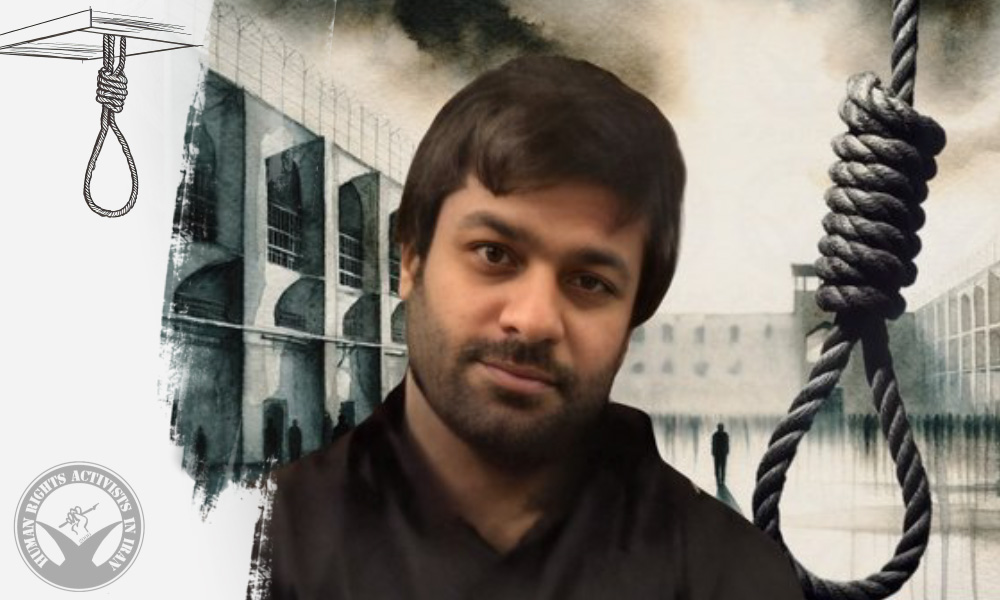
Saman Mohammadi Khiare and Mohammad-Amin Mahdavi Shayesteh, two political prisoners sentenced to death, have been transferred to solitary confinement in Ghezel Hesar Prison in Karaj. This move has heightened fears of their imminent execution.

According to HRANA, the news agency of Human Rights Activists in Iran, concerns over the execution of these two political prisoners have intensified following their transfer.

Mahdavi Shayesteh was recently moved from Evin Prison to solitary confinement in Ghezel Hesar Prison, while Saman Mohammadi was transferred from the general ward to solitary confinement in the same facility. Both individuals have been denied basic fair trial rights, including access to legal counsel of their choosing.

Saman Mohammadi Khiarah, a 34-year-old from Sanandaj, was arrested in January-February 2010 on charges of “enmity against God” (moharebeh). A few months later, Tehran’s Revolutionary Court Branch 15, presided over by Judge Abolghasem Salavati, sentenced him to death. However, due to insufficient evidence, the Supreme Court overturned the ruling and referred the case to a parallel court, which eventually sentenced him to 15 years of imprisonment for membership in opposition groups.

Despite this, under ambiguous circumstances and pressure from security agencies involved in the case, the initial sentence was overturned, and he was once again sentenced to death on the same charges.

A source close to Mohammadi’s family confirmed to HRANA that he had endured physical and psychological pressure during his detention and was coerced into confessing to allegations, including involvement in the killing of a military officer and another individual during the 2009 protests. However, he consistently denied these confessions during all investigation and trial phases.

Yesterday, December 14, Mohammadi’s family was informed of his transfer to solitary confinement. They visited Ghezel Hesar Prison for what they fear could be their final meeting with him. The family has expressed deep concern over the looming execution and urged authorities to halt the implementation of the death sentence and review his case.

Twenty-six-year-old political prisoner Mohammad-Amin Mahdavi Shayesteh was arrested in the fall of last year and sentenced to death by Tehran’s Revolutionary Court Branch 15, presided over by Judge Abolghasem Salavati, on charges of collaborating with Israel.

A source close to Mahdavi’s family told HRANA: “The allegations against Mohammad-Amin lack sufficient evidence, and he was subjected to severe pressure to extract confessions whose validity is questionable. Moreover, the process of his arrest and trial was fraught with clear injustices, and he was denied access to an attorney of his choice.”

The transfer of these two political prisoners to Ghezel Hesar Prison, a facility known for carrying out executions, has amplified fears of their imminent deaths. Human rights organizations have repeatedly raised alarms over the increasing number of death sentences in Iran.