Juvenile Offender Executed in Miandoab

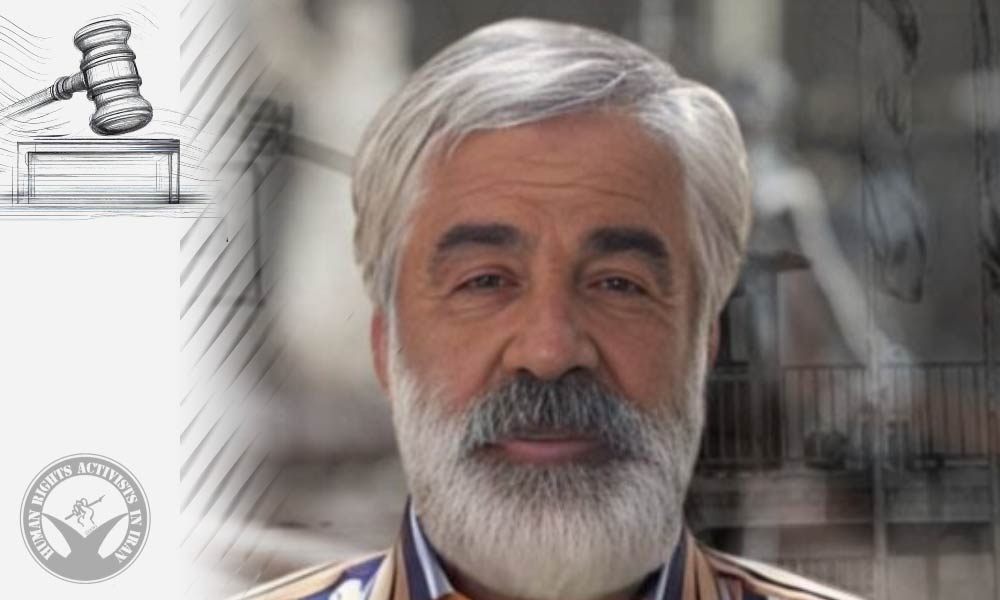
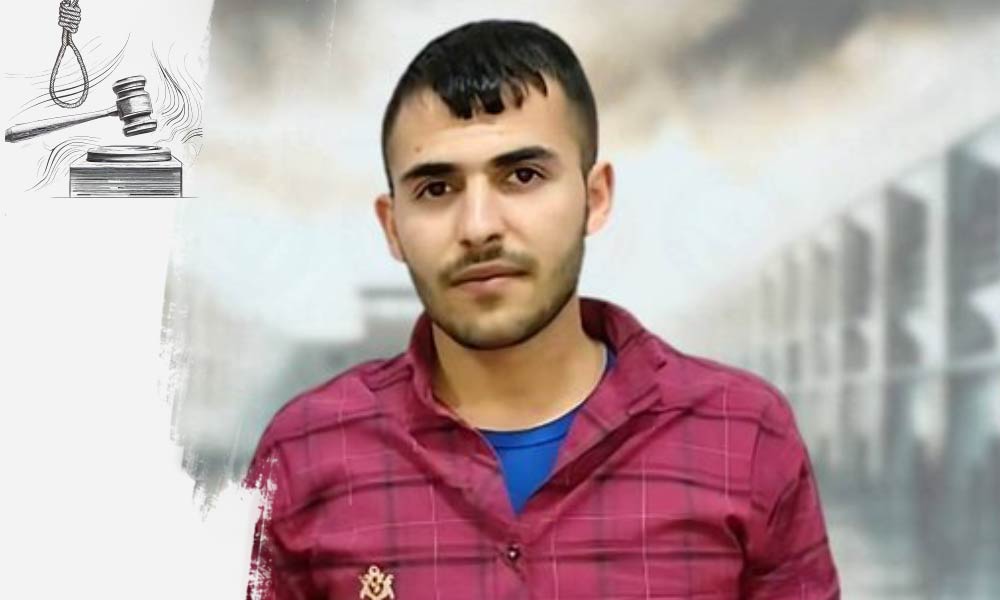
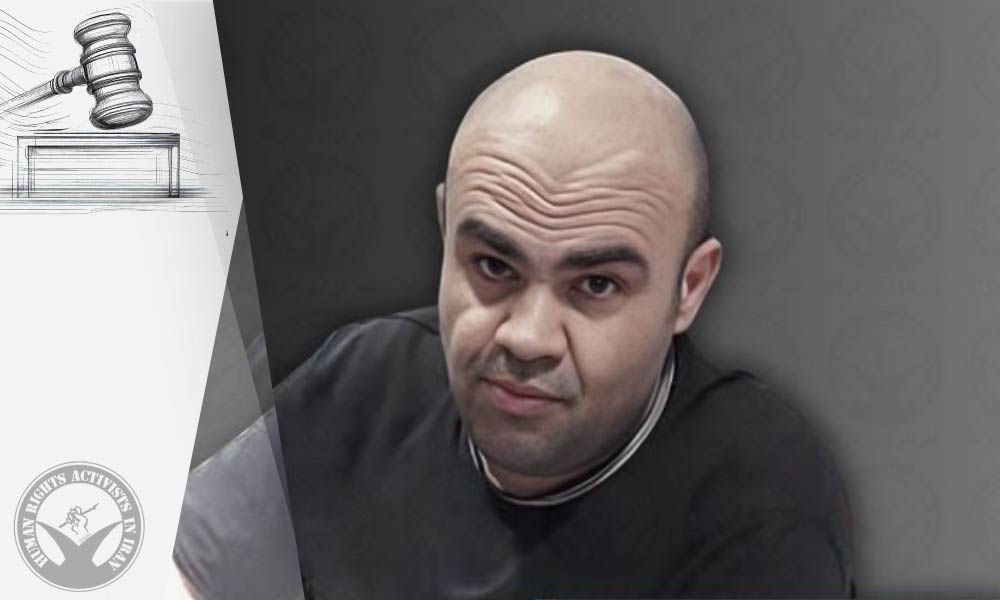
On May 18, 2024, 20-year-old Ramin Sa’adat was executed at Miandoab Prison for a murder committed when he was 16 years and five months old, reports Kurdpa.

Sa’adat was arrested after a fatal altercation. He maintained throughout his trial that he had not delivered the deadly blows.

No official sources or domestic media outlets within the country have provided coverage of these executions at the time of writing.

In 2023, the Department of Statistics and Publication of Human Rights Activists in Iran registered the execution of 767 individuals. Out of these, 7 were carried out in public. Among the executed individuals whose genders were identified, 21 were female. Additionally, 2 juvenile offenders, defined as individuals under the age of 18 at the time of their alleged crimes, were also executed. For a comprehensive examination of the details and statistics surrounding the executions in Iran, refer to HRANA’s annual report.
Appellate Court Upholds One-Year Sentence for Political Activist Reza Ramezanzadeh

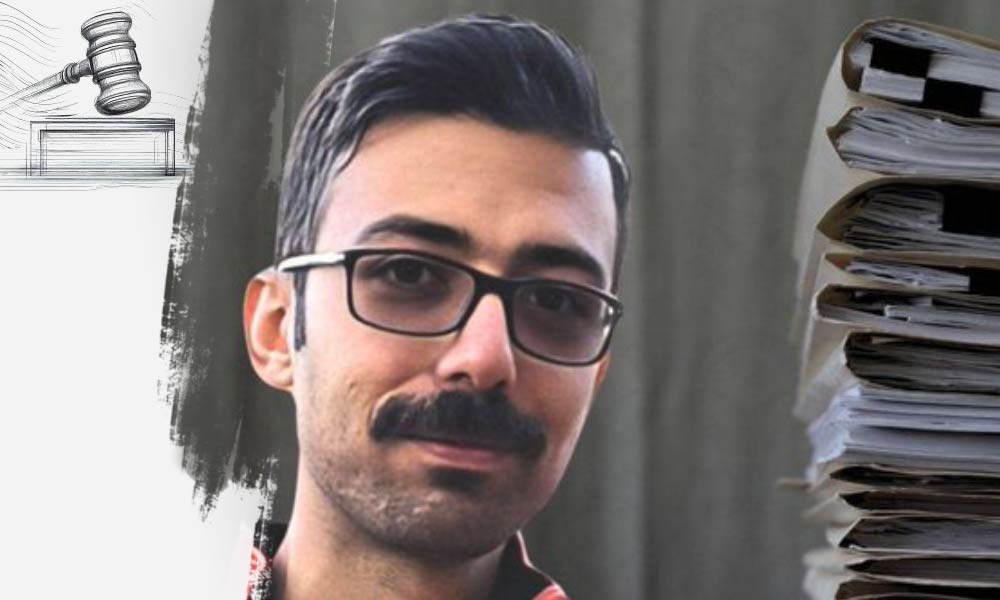
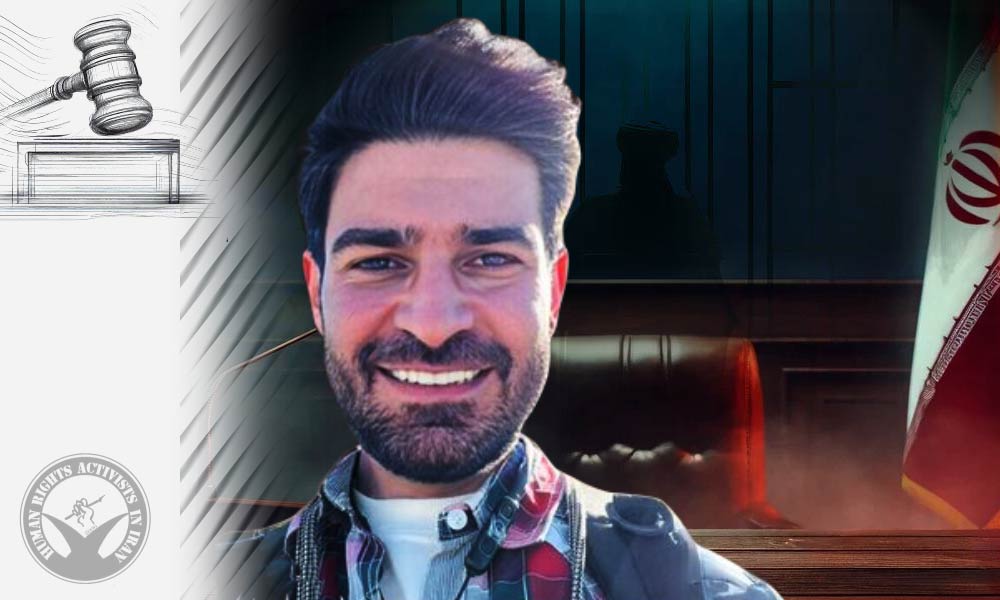
Branch 36 of the Tehran Appellate Court has upheld a one-year prison sentence for Reza Ramezanzadeh.

The sentence was originally imposed by Branch 24 of the Tehran Revolutionary Court, which convicted Ramezanzadeh of “disseminating false information” related to reporting on the conditions of prisoners.

Ramezanzadeh was initially detained in late February 2024 after attending a hearing at the Evin Prosecutor’s Office. He was released on bail three days later.

This incident marks another chapter in Ramezanzadeh’s history of arrests and legal challenges stemming from his political activism.

Four Political Detainees Face Armed Rebellion Charges

Pouya Ghobadi, Babak Alipour, Abolhassan Montazer, and Seyed-Mohammad Taghavi have been recently indicted of armed rebellion (Baghi) by the Public and Revolutionary Court of Tehran. This charge which carries the potential for severe penalties, including the death penalty, raises concerns.

On May 14, 2024, these individuals were indicted of “armed rebellion” for allegations of their involvement with an anti-regime group” and “assembly and collusion against national security.”

Earlier HRANA reported that another political detainee Vahid Bani-Amerian has also faced the same charges. He has been reportedly moved from Ward 209 of Evin prison to the quarantine section of this prison, following his indictment.

Under the Islamic penal code, Baghi is a grievous offense that can lead to severe punishments, including execution, amputation of the right hand and left foot, and exile.

Abolhassan Montazer and Babak Alipour were arrested separately in Tehran on December 22, 2023. Pouya Ghobadi was detained by security forces in Chaldoran, West Azerbaijan province, on February 23, 2024, and subsequently transferred to Maku and then Evin prison. Seyed Mohammad Taqavi was also detained by security forces late last year.

Prior Arrest and Conviction:

Montazer, 65, a political prisoner from the 1980s, was arrested in 2018, sentenced to five years, and released from Rajai-Shahr Prison in Karaj under a pardon directive after serving three years of his prison term.

Babak Alipour was also previously arrested with his brother Roozbeh while working at a market in Rasht on November 4, 2018. Sentenced to seven years for “membership in anti-regime groups and insulting the Supreme Leader,” he began his sentence at Lakan Prison in Rasht and was released from Evin Prison last spring.

Pouya Ghobadi, an electrical engineering graduate from the University of Sanandaj, was initially arrested in May 2018, sentenced to eighteen years and exile, and was released in 2022 under a pardon directive.

Seyed Mohammad Taqavi, 57, also a former political detainee from the 1980s, holds a bachelor’s degree in Graphic Design from Tehran University and has previously served a prison sentence.

Mashallah Karami Sentenced to Six Years in Prison

Mashallah Karami was sentenced to six years in prison by the Revolutionary Court of Karaj. This follows the execution of his son, Mohammad-Mehdi Karami, by the regime for his participation in the 2022 nationwide protests.

On May 20, 2024, Branch 2 of the Revolutionary Court in Karaj handed down a verdict sentencing Karami to five years for “assembly and collusion against national security” and an additional year for “propaganda against the regime.”

In March, Karami’s lawyer, Sharifzadeh Ardekani, revealed that his client also faces charges of “acquisition of illegal property” and “money laundering,” which are pending in the Criminal Court of Nazarabad.

Karami was arrested at his home on August 22, 2023. During the arrest, authorities conducted a search, seizing various items from him and his family.

He was initially detained at the Ministry of Intelligence facility before being transferred to the Central Prison of Karaj on October 28, 2023. After spending three months in the prison’s quarantine section, Karami was moved to Ward 15.

It is notable that Mohammad Mehdi Karami and Mohammad Hosseini, both implicated in the death of Basij militia member Ruhollah Ajamian, were executed on January 7, 2023.

Background on the 2022 Nationwide Protests

The arrest of Mahsa Amini by Tehran Morality Police for her improper hijab and her suspicious death on September 16 sparked protests sweeping across Iran. Protesters came to the streets with the central slogan “Women, Life, Freedom” in protest against the performance, laws, and structure of the regime. During the nationwide protests, thousands of people, including journalists, artists, lawyers, teachers, students, and civil rights activists, were arrested.


Father Sentenced to Three Years for Murder of Transgender Son

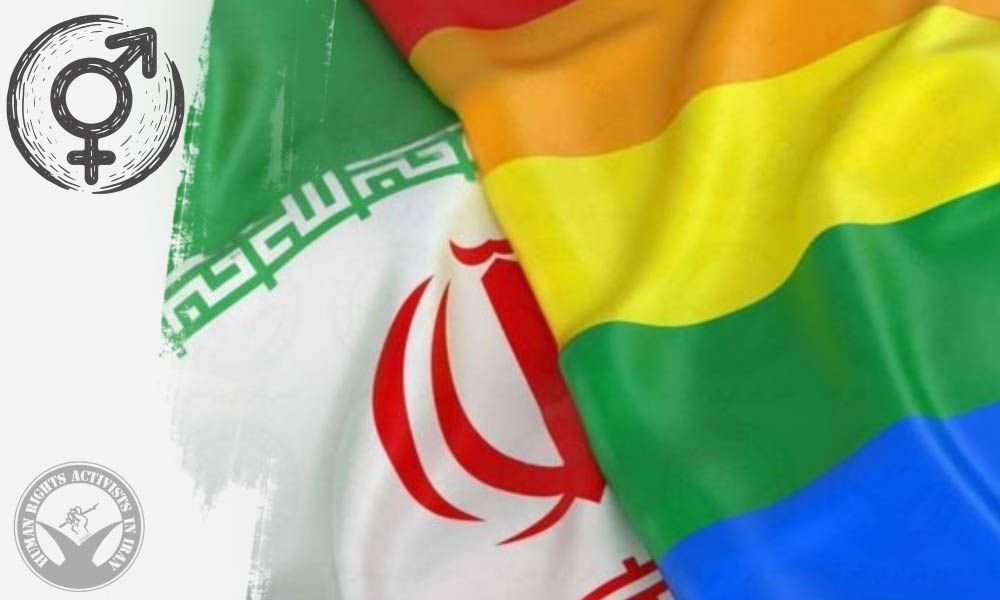
In February of last year, the Criminal Court of Tabriz sentenced a man to three years in prison for the murder of his 17-year-old transgender son, sparing him from more severe punishment. According to the report by Rokna, the man killed his son, Parsa, because he wore makeup.

During his trial, the father defended his actions by stating, “Parsa had feminine sexual inclinations, and we did everything we could to treat him, but none were effective because Parsa did not cooperate and kept running away from home. His behavior was completely uncontrollable.” He also attempted to place Parsa in the care of the State Welfare Organization, which declined due to Parsa’s conditions.

The father further claimed that Parsa had recently tried to influence his younger brother, asserting, “His brother said that when we are alone at home, Parsa shows pictures of his friends and talks about the ‘immoral acts’ they perform together. I could no longer bear it. I felt so disgraced and embarrassed among friends and relatives.”

Ultimately, referencing Article 612 of the Fifth Book of the Islamic Penal Code, the court sentenced the man to three years in prison, including time already served. The Islamic Republic’s laws designate the father as the primary “blood avenger,” a status that can spare him from severe punishment in cases involving the killing of a child. This provision has been widely criticized by many who argue that it sometimes enables repeat offenses.

It is important to note that transgender individuals have a gender identity that differs from the sex assigned to them at birth. Not all transgender individuals seek gender confirmation surgeries. However, under Iranian law, a transgender person’s identity is recognized officially only after undergoing surgery and sterilization.

No specific regulations have yet been established in Iranian law regarding the transition process for transgender individuals; however, a section was included in the 2013 Family Protection Bill. In 1983, Ruhollah Khomeini issued a fatwa legitimizing gender reassignment surgery. The absence of uniform laws for changing documents and obtaining necessary surgical permits has created significant challenges for transgender citizens, navigating legal complexities and facing arbitrary and sometimes exploitative behaviors by certain legal authorities.

Subscribe to Our Newsletter

Now is definitely not the time to stop reading!

Vahid Bani-Amerian Charged with “Armed Rebellion”

Political detainee Vahid Bani-Amerian has been indicted on charges of “armed rebellion (Baghi),” which carries the potential for severe penalties, including the death penalty.

Bani-Amerian was arrested in Tehran on December 22, 2023, by security forces. The Public and Revolutionary Court of Tehran has now formally charged him with “armed rebellion” for allegations of his involvement with an anti-regime group. He is additionally accused of “assembly and collusion against national security.”

According to reports from HRANA, Bani-Amerian is currently held in Ward 209 of Evin Prison, which the Ministry of Intelligence manages. Since his arrest, he has been denied legal representation.

HRANA sources also report that Bani-Amerian suffers from several health issues, including irritable bowel syndrome, a compromised immune system, and an acute respiratory tract infection. These health concerns have significantly heightened his family’s worries about his health.

Previously, Bani-Amerian was arrested and convicted in Tehran during April-May 2018. The Tehran Revolutionary Court sentenced him to 18 years in prison and exile across two separate cases. However, he was released in March 2023 from Rajai Shahr Prison under a general amnesty.

Journalist Manijeh Moazenzadeh Charged Over Comments on Iranian President’s Death

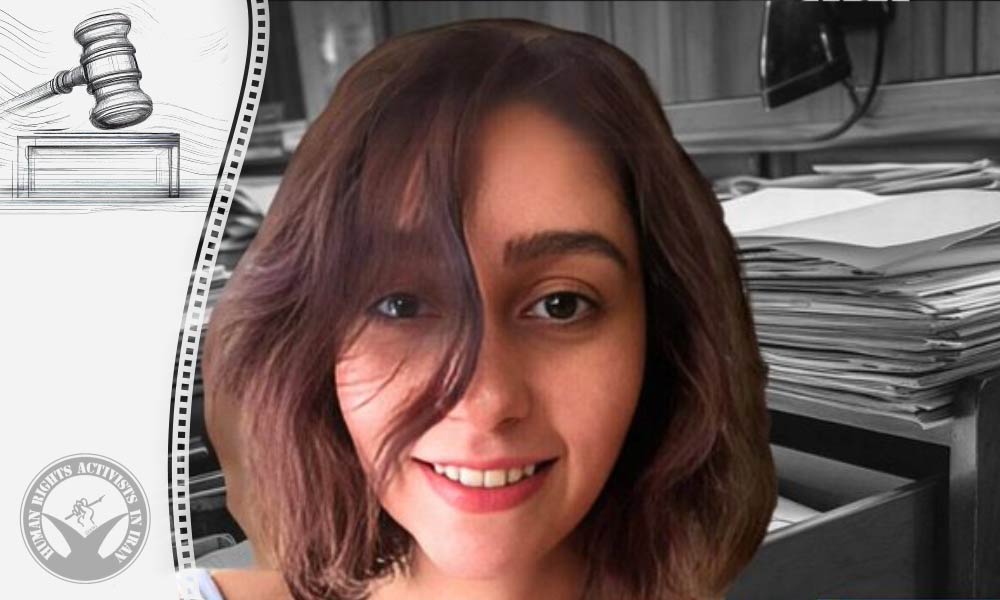
The Culture and Media Prosecutor’s Office has initiated legal proceedings against journalist and translator Manijeh Moazenzadeh following her article about the helicopter crash that resulted in the death of Iranian President Ebrahim Raisi.

Moazenzadeh revealed, “I am facing legal action for my reaction to President Raisi’s death and how I reported it.” She also mentioned that an existing legal case against her, which includes three charges, is still pending without any court hearing scheduled.

Previously, in November 2022, Moazenzadeh was detained by security forces and subsequently released on bail after 19 days. She is currently affiliated with EcoIran and the weekly magazine Tejarat-e-Farda.

Turkish National Hatem Ozdemir Receives Death Sentence in Retrial

The Revolutionary Court in Urmia has once again sentenced Turkish national Hatem Ozdemir to death for “enmity against God (Moharebeh)” after his initial death sentence was overturned by the Supreme Court.

The verdict was delivered by Branch 3 of the Urmia Revolutionary Court and communicated to Ozdemir on May 19, 2024, who is currently detained in Urmia Prison.

Ozdemir was arrested by security forces in early summer 2019 in Maku City. After two months of interrogation in a detention center, he was transferred to Urmia Prison. He was briefly moved to another detention center on September 19, 2019, before being returned to Urmia Prison.

Originally in March 2022, the Revolutionary Court in Khoy, under Judge Najafzadeh, convicted Ozdemir of “armed rebellion (Baghi).” However, this sentence was overturned by the Supreme Court, leading to a retrial in a different branch.

Abdolghani Darvishi’s Sentence Reduced on Appeal

The Appellate Court of West Azerbaijan Province has reduced Abdolghani Darvishi’s prison sentence from five years to two years and six months. Originally convicted on political charges for “collaboration with anti-regime groups,” his sentence is now suspended for two years.

Darvishi was first detained by security forces on May 22, 2020, in Urmia and subsequently held in Tehran’s Evin prison, controlled by the Ministry of Intelligence. After a month, he was moved back to a detention center in Urmia and later placed in solitary confinement on October 22, 2020, at Urmia Prison.

He was released on bail from Urmia Prison on March 2, 2021. Darvishi, a resident of Urmia and a father of two, continues to reside there with his family.

Four Prisoners Executed at Adelabad Prison in Shiraz

On May 19, 2023, four prisoners were executed at Adelabad Prison in Shiraz for drug-related offenses and murder in unrelated cases.

According to the Iran Human Rights Organization, the executed individuals included Mojtaba Jooyandeh, approximately 40 years old, Mostafa Aghayi, 35 years old, and Nader Ghorbani, 28 years old. The fourth individual, an unidentified Afghan national, was also executed.

Approximately three to four years ago, Jooyandeh and Aghayi received death sentences for murder, whereas Ghorbani and the Afghan national were sentenced for drug offenses. Before the execution, the prisoners had been transferred from Pirbanoo Prison to Adelabad.

As of this report, no official sources or domestic media within the country have reported on these executions.

In 2023, the Department of Statistics and Publication of Human Rights Activists in Iran registered the execution of 767 individuals. Out of these, 7 were carried out in public. Among the executed individuals whose genders were identified, 21 were female. Additionally, 2 juvenile offenders, defined as individuals under the age of 18 at the time of their alleged crimes, were also executed. For a comprehensive examination of the details and statistics surrounding the executions in Iran, refer to HRANA’s annual report.