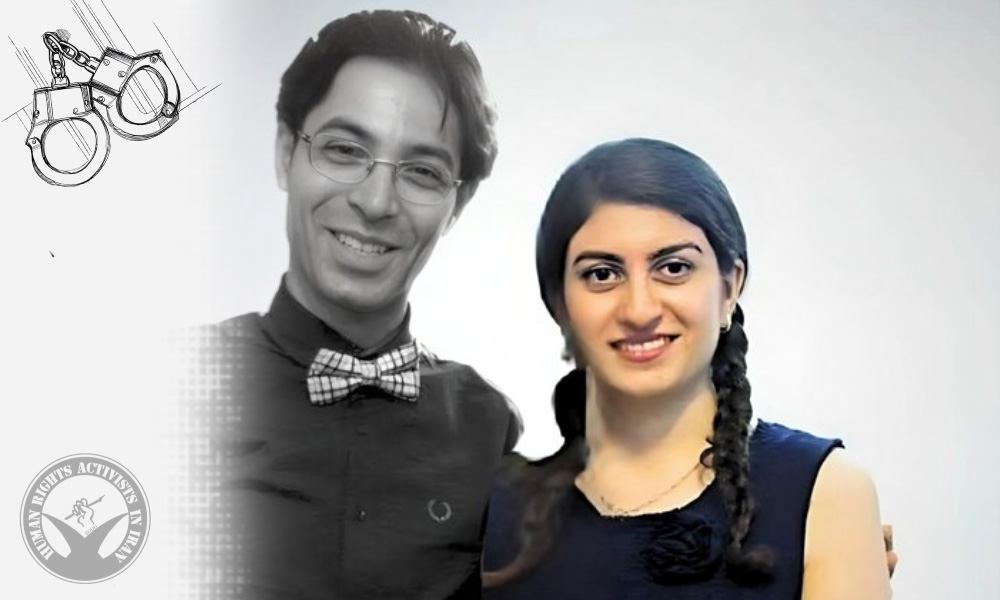
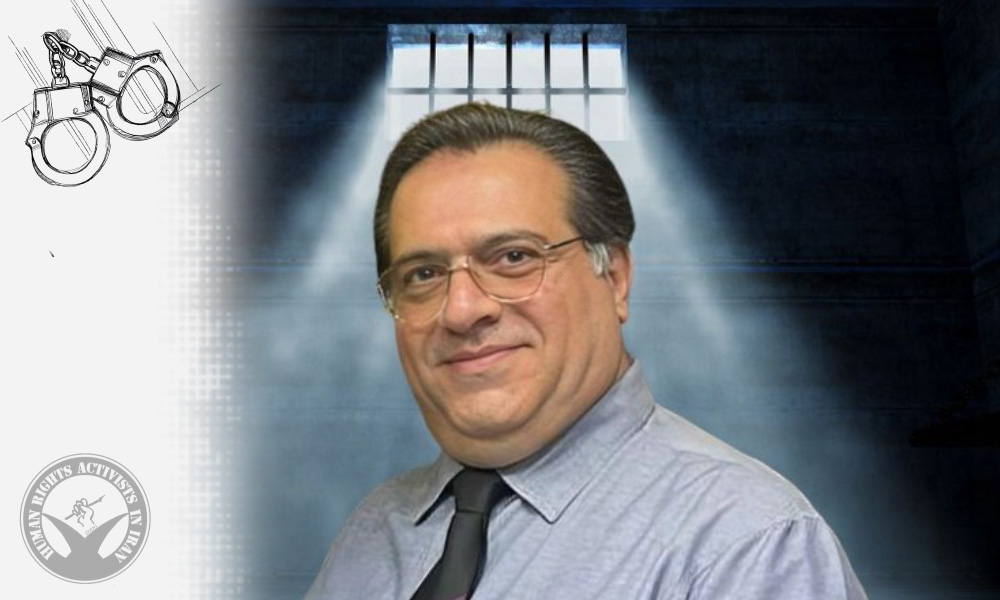
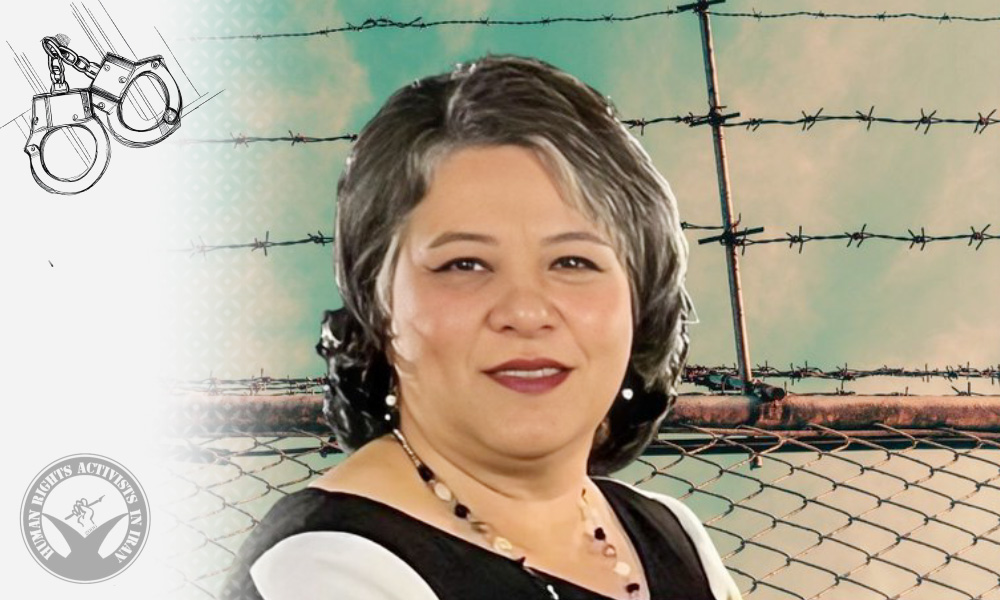
Confiscation of Property from 22 Baha’i Citizens in Isfahan

HRANA – Iranian authorities have intensified security and economic pressure on the Baha’i community by issuing judicial rulings to confiscate the property of 22 Baha’i citizens in Isfahan. Officials delivered these orders—citing Article 49 of the Constitution—without following standard legal procedures or registering them in the judiciary’s electronic system (Sana).

One of the Baha’i citizens affected, speaking to HRANA on condition of anonymity due to security concerns, stated: “At this point, property has been frozen for most, if not all, of those targeted, and they have effectively been placed under a transaction ban. Any assets or property in their name can no longer be sold or transferred. However, final rulings on permanent confiscation have not yet been issued.”

According to this source, the process is unfolding in complete secrecy and involves blatant violations of the accused individuals’ rights—including denial of access to legal representation, removal of case files from the judiciary’s Sana system, and the creation of two parallel legal cases for each individual: one criminal case (typically heard in Branch 11 of the Criminal Court) and another in courts handling cases under Article 49, aimed at confiscating property.

Another informed source noted that although some of the individuals had previously been arrested and had their belongings seized during security raids, a separate and now formal property confiscation process has been initiated—one that could result in significantly greater harm to families both legally and financially.

He added: “This goes far beyond temporary detention or the seizure of personal items. Full asset freezes and transfer bans are being enforced in cases that are not even officially registered in the judiciary’s database, leaving lawyers unable to intervene.”

HRANA has previously documented similar patterns of persecution against Baha’is in other provinces, including Mazandaran and Khorasan Razavi. Article 49 of Iran’s Constitution authorizes the government to confiscate assets acquired through illegitimate means. However, in recent years, this article has increasingly been used as a structural tool to target religious and political minorities and confiscate their assets.

Due to fears that the confiscation process may accelerate, many Baha’i citizens have declined to have their names made public. Nevertheless, HRANA has verified the identities and details of those involved in these cases.

The Baha’i International Community has previously expressed grave concern over the increasing confiscation of Baha’i-owned property in Iran, a campaign reportedly orchestrated and directed by the “Executive Headquarters of Imam’s Order” (Setad).
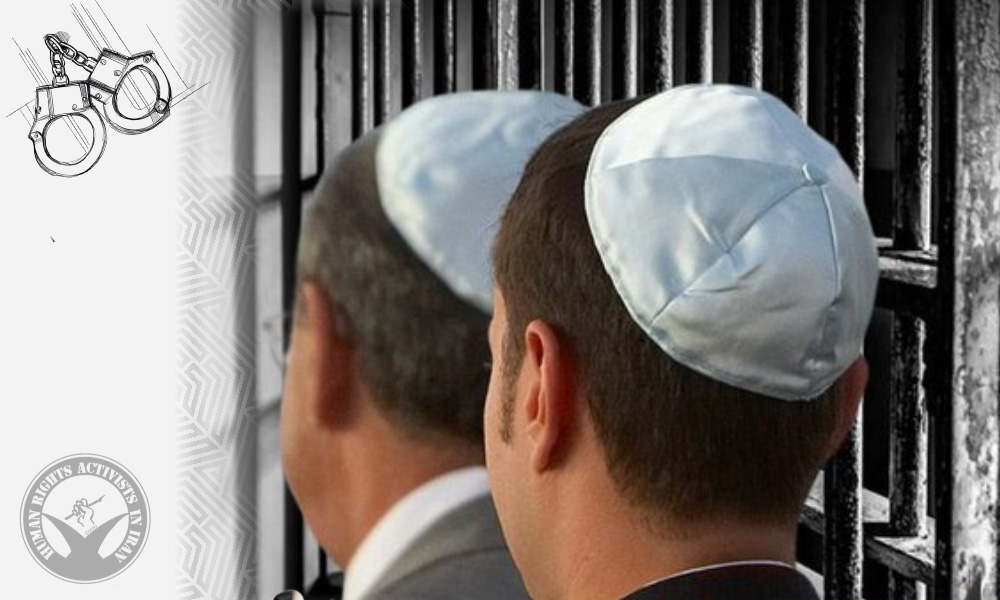
Identity Confirmed: One of Two Detained American-Jewish Citizens in Iran Identified as Yehuda Hekmati

HRANA – Amid a growing wave of summonses, arrests, and security pressure targeting Iran’s Jewish community, HRANA has confirmed the identity of one of the two American-Jewish citizens recently detained in Iran. The individual, Yehuda Hekmati, is over 70 years old and works in the jewelry and precious stones trade. His arrest is reportedly linked to a visit he made to Israel seven years ago.

According to HRANA, the news agency of Human Rights Activists in Iran, Hekmati is one of two American-Jewish citizens whose arrests were first reported by Israel’s Channel 11. The detentions came amid rising tensions between Iran and Israel following a 12-day conflict. The second detainee, an Iranian-American from Los Angeles, has reportedly been released on bail, while Mr. Hekmati remains in custody. Both men are believed to have traveled to Iran to visit relatives.

A source familiar with the case confirmed efforts to secure their release, telling Hebrew-language media: “These two Americans were in the wrong place at the wrong time.”

In recent weeks, at least 35 members of Iran’s Jewish community in Tehran and Shiraz have reportedly been summoned and interrogated by security agencies. These interrogations have focused mainly on their familial ties with relatives in Israel and included warnings against any phone or online contact with people outside the country.

In a related case, student activist Motahareh Goonehi (Gounei), who was recently released from the Ministry of Intelligence’s detention facility, mentioned a woman named Lida, whom she identified as a Jewish citizen. However, it remains unclear whether this individual is among the recently detained or connected to another security-related case.

Under Iranian law passed in 2011, travel to Israel by Iranian citizens can result in two to five years in prison and several years of passport suspension. This law has increasingly affected Iranian Jews with familial connections in Israel.

Despite the Iranian government’s official narrative about protecting the rights of religious minorities, including Jews, recent developments point to an unprecedented rise in security pressure on this community. Human rights experts warn that such actions could constitute “discrimination based on religion and ethnicity” and violate Iran’s international obligations.

Baha’i Citizen Armaghan Yazdani Arrested in Shiraz

HRANA – On Wednesday, July 23, 2025, Armaghan Yazdani, a Baha’i citizen residing in Shiraz, was arrested by agents of the IRGC Intelligence Organization. Her family home was also raided, during which agents confiscated digital devices, religious materials, and identification documents belonging to family members.

A source close to the family told HRANA:
“Ms. Yazdani was arrested while she was out with her mother and sister making preparations for her upcoming wedding. Agents intercepted them, forced the family to return home, and carried out the arrest at the residence.”

The source added that the agents searched the home during the arrest, seizing several personal belongings including mobile phones, a laptop, a tablet, IDs, photographs, and religious books and pamphlets.

As of the time of this report, no information has been made available regarding the reasons for Yazdani’s arrest, her current whereabouts, or the charges she may be facing.

Armaghan Yazdani is the fiancée of Vahid Masoumi, who was previously arrested and later released on bail.

Baha’i Citizen Leva Samimi Arrested in Sari

HRANA – Leva Samimi, a Baha’i citizen from Juybar and the wife of Noyan Hejazi, was arrested earlier today by security forces outside Kachouei Detention Center in Sari and taken to an undisclosed location.

According to HRANA, the news agency of Human Rights Activists in Iran, Samimi had been instructed to visit the detention center for a scheduled meeting with her husband. However, upon arriving at the facility, she was detained by security agents and transferred to an unknown location.

Her husband, Noyan Hejazi, also a Baha’i from Juybar, was arrested without a judicial warrant on Wednesday, June 25, at his home. He is currently being held in limbo at Kachouei Detention Center.

As of this report, no information has been made available regarding the charges against Leva Samimi or the reasons for her arrest.

Over the past decade, the Iranian Bahá’í community has been disproportionately targeted by Iran’s security forces and judiciary—more than any other minority group. In the past three years, an average of 72 percent of the reports on religious rights violations collected by HRANA have documented the Iranian regime’s repression of the Bahá’í community.

Continued Incommunicado Detention of Baha’i Citizen Mehran Dastournezhad

HRANA– Mehran Dastournezhad, a Baha’i citizen, has been held in detention by security forces in Marvdasht for eight days, with no information available about his fate.

According to HRANA, the news agency of Human Rights Activists in Iran, Mehran Dastournezhad was arrested in Marvdasht on June 28. His daughter reported that Mr. Dastournezhad’s arrest was carried out violently and accompanied by the confiscation of his personal belongings. According to her, eight days after the arrest, he has still not contacted his family.

As of the time of this report, no information has been obtained regarding his place of detention, the reasons for his arrest, or the charges brought against him.

Over the past decade, the Iranian Bahá’í community has been disproportionately targeted by Iran’s security forces and judiciary—more than any other minority group. In the past three years, an average of 72 percent of the reports on religious rights violations collected by HRANA have documented the Iranian regime’s repression of the Bahá’í community.

Subscribe to Our Newsletter

Now is definitely not the time to stop reading!

Christian Convert Mehran Shamlooei Arrested in Mashhad

HRANA – Security forces arrested Christian convert Mehran Shamlooei yesterday at Mashhad Airport and transferred him to a security detention facility in the city.

A source close to Shamlooei’s family confirmed to HRANA: “He was arrested upon entering Iran at Mashhad Airport and taken to a local security facility. As he is facing a prison sentence, the on-duty judge has ordered his transfer to Tehran on Monday.”

Shamlooei was previously sentenced by Branch 26 of the Tehran Revolutionary Court to 10 years and 8 months in prison, a fine of 250 million tomans, and an 11-year ban on social rights. The charges against him included “propaganda against Islamic law” and “membership in groups opposing the state.” The verdict was upheld in full by Branch 36 of the Tehran Court of Appeals on April 23, 2025.

His trial was held on February 13, 2025, following an earlier interrogation in January at Branch 3 of the Tehran Public and Revolutionary Prosecutor’s Office.

Shamlooei was last released from Evin Prison on December 1, 2024, after posting bail. He had been arrested on November 1, 2024, by Ministry of Intelligence agents for establishing a house church in Tehran and was held in Ward 209 of Evin Prison, which is operated by the Ministry.

Based on about 170 reports compiled by HRANA over the past decade, 11% of all victims of religious minority rights violations by Iran’s security-judicial apparatus were Christians—particularly Christian converts. In 2024 alone, Christians made up over 9% of those targeted.

Baha’i Citizen Soheil Haghdoost Arrested During Home Raid in Qaemshahr

HRANA – On July 3, security forces arrested Soheil Haghdoost, a Baha’i citizen living in Qaemshahr, at his home. Officers searched the residence and confiscated several personal items.

According to HRANA, eight agents from the Ministry of Intelligence and Public Security carried out the arrest, reportedly using force during the operation. A source close to Haghdoost’s family confirmed the incident and noted the seizure of personal belongings during the search.

Earlier this week, on Tuesday, July 1, Haghdoost’s wife, Raquel Ataeian, was also arrested by IRGC Intelligence agents.

As of this report, the reasons behind the couple’s arrests, their current whereabouts, and the charges they face remain undisclosed.

Haghdoost has previously faced legal persecution due to his Baha’i faith.

Over the past decade, the Iranian Bahá’í community has been disproportionately targeted by Iran’s security forces and judiciary—more than any other minority group. In the past three years, an average of 72 percent of the reports on religious rights violations collected by HRANA have documented the Iranian regime’s repression of the Bahá’í community.

Nine Followers of the “Yamani” Movement Remain in Detention at Vakilabad Prison, Mashhad

HRANA – Over a month after their arrests, nine followers of the “Yamani” religious movement remain in pre-trial detention at Vakilabad Prison in Mashhad. The detainees include Emad Eftetahi, Amin Akbari, Seyed Yahya Tarrahomi, Ghasem Hatami, Alireza Salim Kaviani, Sajjad Rezvan, Mohammad Kazem Fathi, Mohammad Hossein Nazarnajad, and one unidentified individual.

They were among 19 “Yamani” adherents detained in Mashhad. According to relatives, the arrests were made without official warrants and in violation of legal procedures.

In Iran, individuals are frequently detained for espousing spiritual or messianic beliefs, especially those claiming a connection to the Shi’a Mahdi. The “Yamani” movement, led by Ahmad al-Hasan Yamani, centers its teachings on Mahdism.

Iran’s security agencies—particularly the Ministry of Intelligence—operate dedicated units to suppress religious, spiritual, and ideological groups that fall outside the bounds of the state-sanctioned doctrine.

Raquel Ataeian, Baha’i Citizen, Arrested by Security Forces

HRANA News Agency – On Tuesday, July 1, Raquel Ataeian, a Baha’i citizen residing in Qaemshahr, was arrested at her home by security forces and taken to an undisclosed location. Agents also confiscated several personal items belonging to her and her family.

The arrest was carried out by seven IRGC Intelligence agents who presented a judicial warrant before detaining Ms. Ataeian and searching her home.

A source close to the family confirmed the incident, telling HRANA: “This morning, seven IRGC Intelligence agents arrived at Ms. Ataeian’s residence with a judicial warrant. During the search, they seized religious books, mobile phones, and laptops belonging to her and her family.”

As of the time of this report, no information has been released about the charges against Ms. Ataeian, the reasons for her arrest, or her whereabouts.

Raquel Ataeian has previously faced security-related harassment due to her Baha’i faith.

Over the past decade, the Iranian Bahá’í community has been disproportionately targeted by Iran’s security forces and judiciary—more than any other minority group. In the past three years, an average of 72 percent of the reports on religious rights violations collected by HRANA have documented the Iranian regime’s repression of the Bahá’í community.

Baha’i Citizen Sahba Mohammadi Arrested in Birjand

HRANA News Agency – On Saturday, June 28, security agents from the Ministry of Intelligence arrested Sahba Mohammadi, a Baha’i citizen residing in Birjand, at her home and transferred her to an undisclosed location. Authorities also confiscated some of her personal and electronic belongings.

According to information received by HRANA, agents arrested Ms. Mohammadi around 7 a.m. on Saturday at her residence. During the raid, they searched her home and seized several personal items, including her mobile phone, laptop, and Baha’i literature.

As of the time of this report, the reasons for her arrest, her whereabouts, and the charges against her remain unknown.

Sahba Mohammadi is 25 years old and resides in Birjand.

Over the past decade, the Iranian Bahá’í community has been disproportionately targeted by Iran’s security forces and judiciary—more than any other minority group. In the past three years, an average of 72 percent of the reports on religious rights violations collected by HRANA have documented the Iranian regime’s repression of the Bahá’í community.