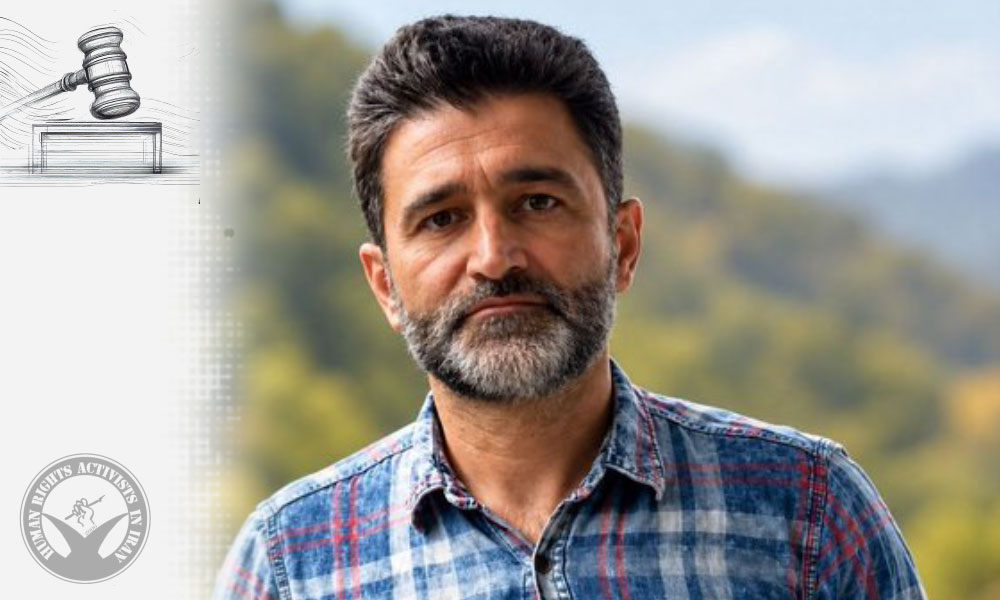
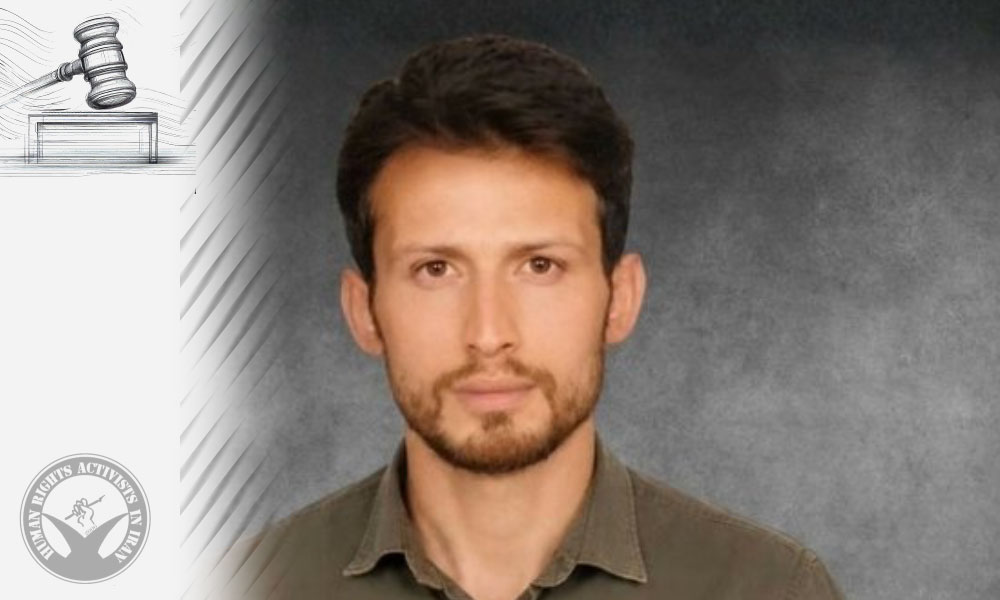
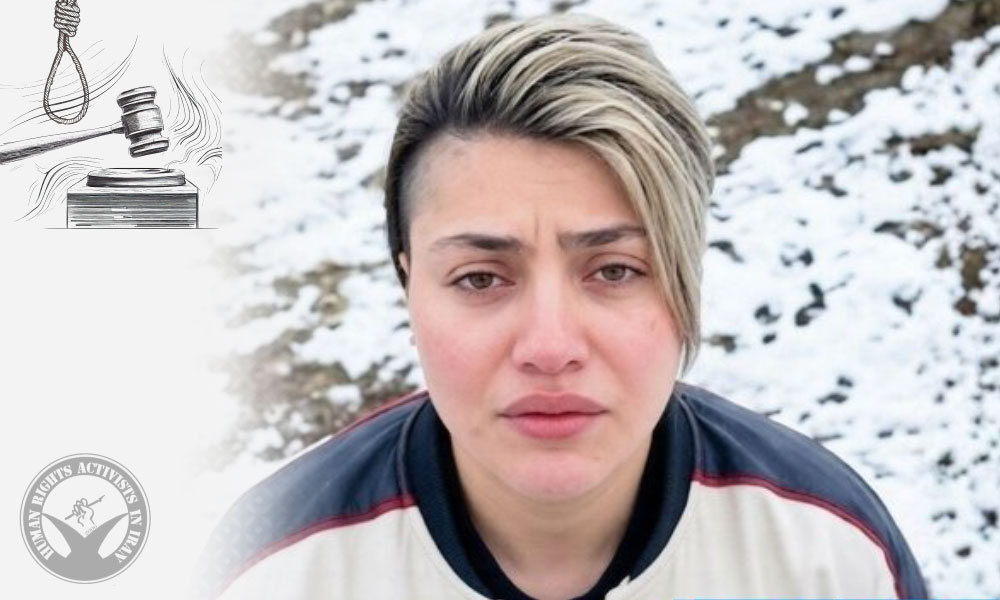
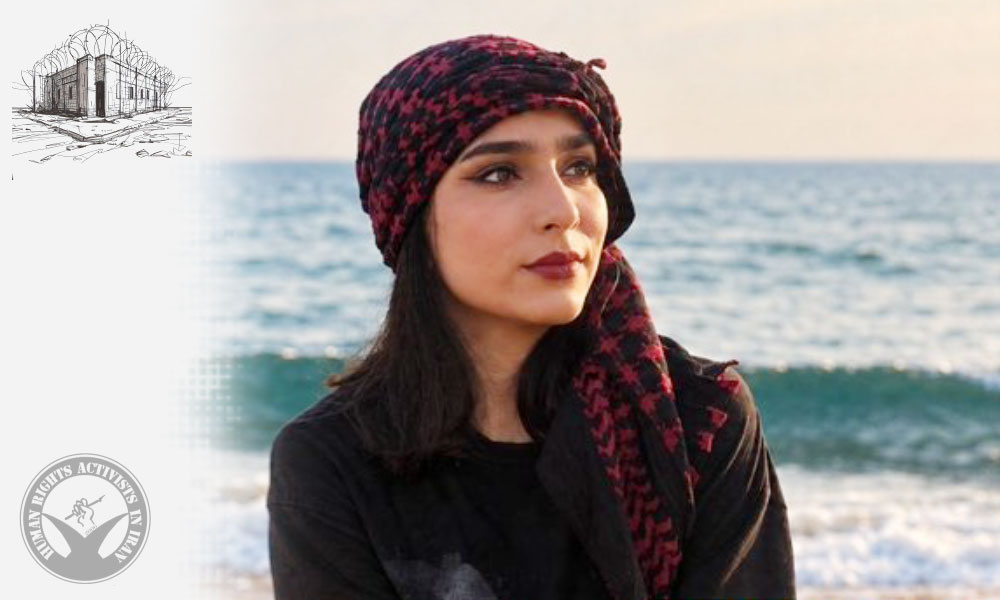
Najmeh Amini Faces Death Sentence and Over 12 Years in Prison Following Arrest During January Protests

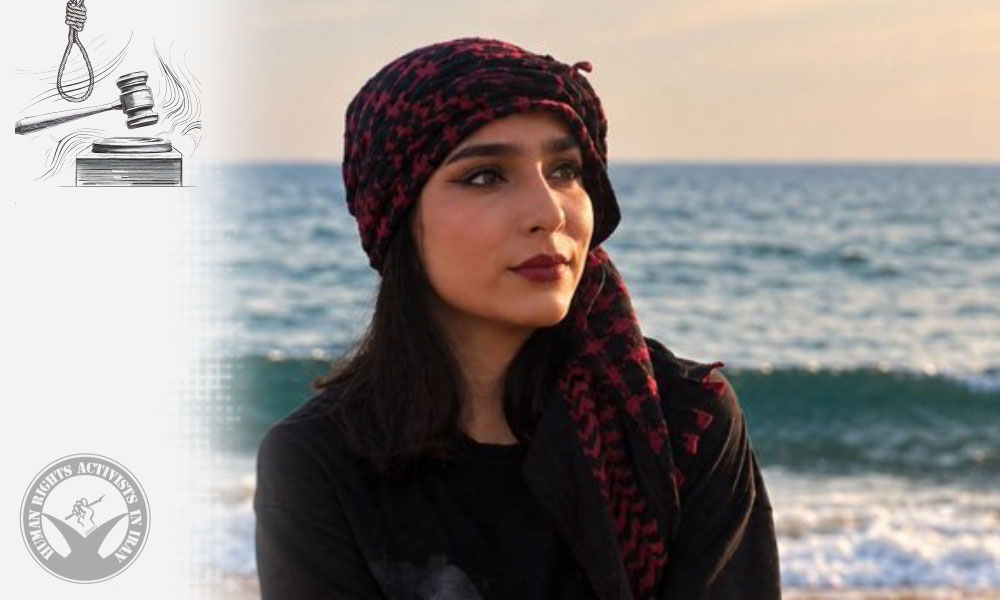
HRANA – Najmeh Amini, arrested during the January 2026 protests, remains incarcerated in Vakilabad Prison in Mashhad. The 23-year-old student has been sentenced to more than 12 years in prison and death in two separate cases heard by the Revolutionary Court and the Criminal Court in Mashhad.

According to HRANA, Najmeh Amini is currently being held in Vakilabad Prison in Mashhad.

A source close to Amini’s family confirmed this information and told HRANA about the judicial proceedings in her cases: “Following her arrest, she faced two separate legal cases, one heard by the Mashhad Revolutionary Court and the other by Criminal Court One. In the case heard by Criminal Court One, she was sentenced to death on charges of ‘insulting the Prophet.’ Initially, the charge against Ms. Amini in this case was described as ‘insulting the Imams,’ but the charge was subsequently changed during the judicial proceedings.”

The source added: “In a separate case, Branch One of the Mashhad Revolutionary Court sentenced Ms. Amini to a total of 12 years, six months, and one day in prison on charges including ‘acting against national security’ and ‘propaganda against the regime.'”

Recently, in an audio message from Vakilabad Prison in Mashhad, Ms. Amini announced that the judiciary had issued her death sentence on September 16, 2026. In the message, she called on the United Nations, lawyers, human rights activists, and human rights organizations to review her case and demanded her right to a fair trial.

A court hearing concerning Ms. Amini’s charges was held in August of this year at the Mashhad Revolutionary Court. She was tried on charges of “assembly and collusion” and “insulting religious sanctities and the Imams.”

On January 31, 2026, Najmeh Amini was arrested by security forces at Ferdowsi Shopping Center in Mashhad during the January protests. She was subsequently transferred to Vakilabad Prison in Mashhad.

Najmeh Amini, 23, is an accounting student and a resident of Mashhad.

Background on the January 2026 Protests

It should be noted that protests and strikes by shopkeepers and bazaar merchants began in Tehran on Sunday, December 28, 2025, and within two days spread beyond markets and commercial centers. With the participation of students, citizens, and various social groups, these protests became one of the largest protest movements of recent years. Following the crackdown by security and law enforcement forces, thousands were killed or injured, and tens of thousands were arrested or summoned by security agencies. For more information, readers may refer to HRANA’s comprehensive report titled “Crimson Winter,” documenting the first fifty days following the outbreak of Iran’s nationwide protests.

Najmeh Amini from Vakilabad Prison in Mashhad: “I Have Been Sentenced to Death”

HRANA – Najmeh Amini, one of those arrested during the January 2026 protests, announced in an audio message from Vakilabad Prison in Mashhad, which was circulated on social media, that the judiciary has sentenced her to death.

According to HRANA, one of those arrested during last year’s January protests, has reported that she has been sentenced to death.

In an audio message from Vakilabad Prison in Mashhad, Ms. Amini stated that the judiciary issued her death sentence on September 16, 2026.

The prisoner has called on the United Nations, lawyers, activists, and human rights organizations to review her case so that she may exercise her right to a fair trial.

HRANA is unable to independently verify Najmeh Amini’s statements.

A court hearing to address the charges against Ms. Amini was held in August of this year at the Mashhad Revolutionary Court. She was tried on charges of “assembly and collusion against national security” and “insulting sacred beliefs and the Imams.”

On January 31, 2026, Najmeh Amini was arrested by security forces at Ferdowsi Shopping Center in Mashhad during the January protests. She was subsequently transferred to Vakilabad Prison in Mashhad.

Najmeh Amini, 23, is an accounting student and a resident of Mashhad.

January 2026 Protests: Hossein Rasouli Nasab Sentenced to Death

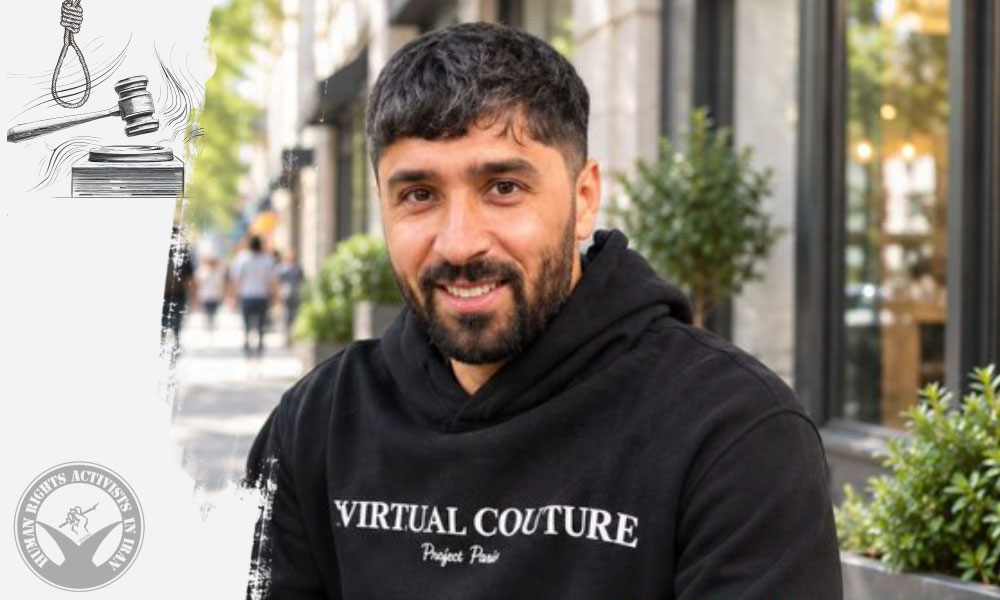
HRANA  – Hossein Rasouli Nasab, arrested during the January 2026 protests in Shandiz, has been sentenced to death by the Mashhad Revolutionary Court on the charge of “moharebeh” (enmity against God). He is currently being held in Vakilabad Prison in Mashhad.

According to HRANA, Hossein Rasouli Nasab has been sentenced to death.

According to information received by HRANA, the Mashhad Revolutionary Court sentenced Hossein Rasouli Nasab to death on charges including “moharebeh through participation in the destruction of public property and the setting fire to religious centers, as well as assembly and collusion against national security.”

An informed source close to his family confirmed the news to HRANA, saying: “During the protests on January 8 and 9, 2026, in Shandiz, a mosque and a Dar al-Quran (Quranic center) caught fire, and Hossein’s case was opened in connection with these incidents.”

Hossein Rasouli Nasab, who is married and the father of two children, was arrested along with several other citizens during the protests in Shandiz. After some time, he was transferred to Vakilabad Prison in Mashhad, where he remains in custody.

Six Prisoners Executed in Prisons in Mashhad and Isfahan

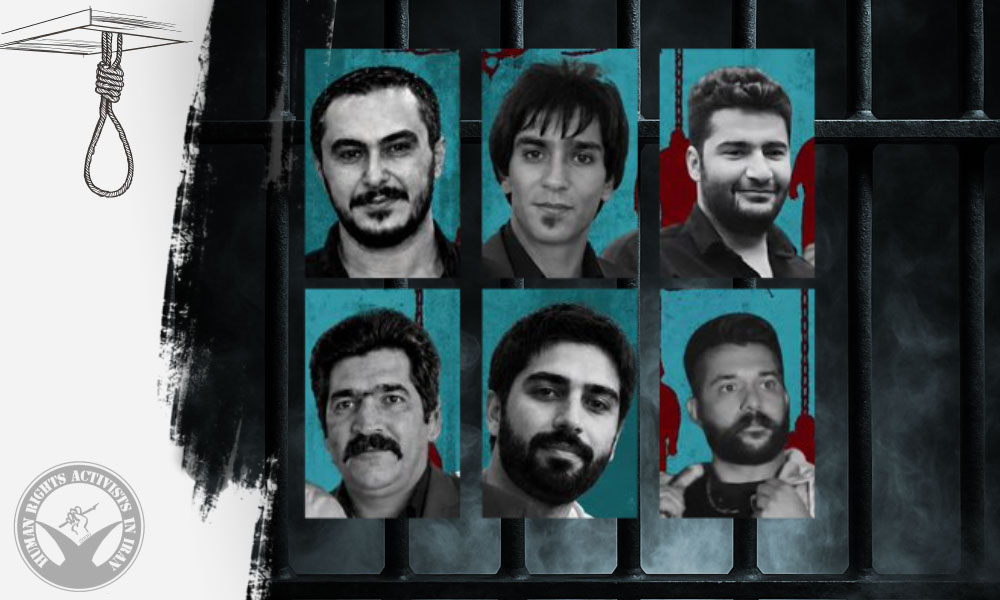
HRANA – On Sunday, September 6, and Wednesday, September 9, six prisoners were hanged in Vakilabad Prison in Mashhad and Dastgerd Prison in Isfahan.

According to HRANA, citing Iran Human Rights Organization, three prisoners were executed yesterday in Dastgerd Prison in Isfahan.

The prisoners have been identified as Mohammad Yousef Issazahi (Rigi), 40, a father of five; Shahrokh Pour Esmaeili, 27; and Hossein Ghasemzadeh, 54, a father of three. Their death sentences were carried out at the prison.

According to the report, Issazahi was arrested approximately four years ago, Pour Esmaeili three years ago, and Ghasemzadeh approximately five years ago, in separate cases on charges related to drug offenses. They were subsequently sentenced to death by judicial authorities. The executions were carried out without their families being notified and without the prisoners being granted final visits.

The death sentences of three other prisoners, identified as Mohammadreza Mohammadparast, Fatemeh Jahangard, approximately 40 years old, and Mehrdad Mokhtari, 24, were also carried out at the prison.

According to Khorasan newspaper, in September 2022, following a dispute with his mother’s financial partner, Mohammadparast attacked the individual with a knife, a shovel, and a concrete block, resulting in the person’s death. Mohammadparast was arrested following the incident.

According to a report by Iran Human Rights Organization, Ms. Jahangard was arrested approximately five years ago on a charge of murdering her husband following a family dispute. Mehrdad Mokhtari was also arrested four years ago on a murder charge stemming from a fight. The two prisoners were subsequently sentenced to death by criminal courts.

Four Prisoners Executed in Vakilabad Prison in Mashhad and Gorgan Prison

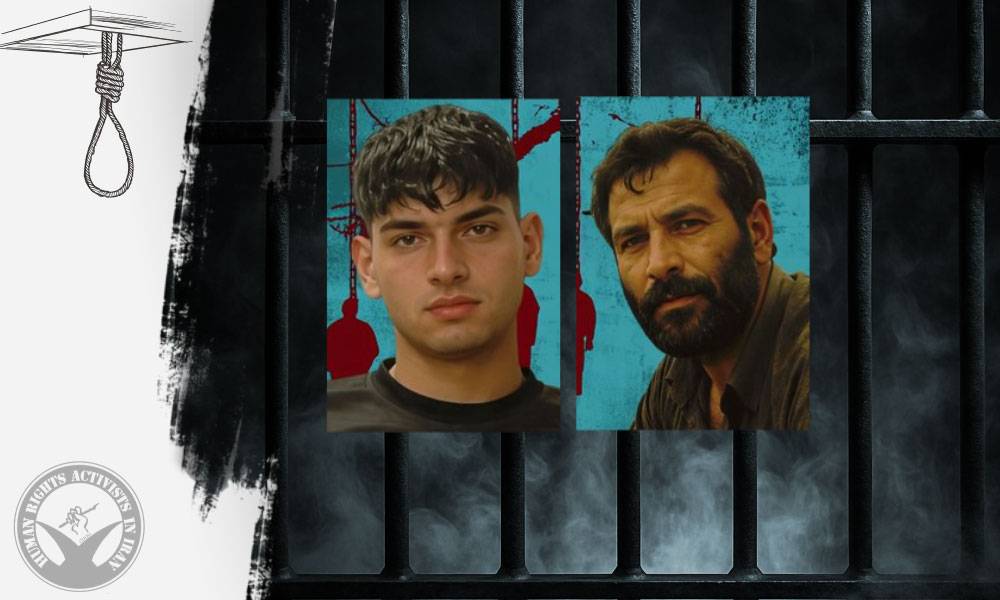
HRANA – At dawn on Wednesday, September 2, four prisoners, including two Afghan nationals, who had previously been sentenced to death on charges related to drug offenses and murder, were executed in Vakilabad Prison in Mashhad and Gorgan Prison.

According to HRANA, citing Iran Human Rights Organization, four prisoners were executed in Vakilabad Prison in Mashhad and Gorgan Prison at dawn on Wednesday, September 2, 2026.

The prisoners have been identified as Ahmad Haji-Hassani, 50, married, a father of four, and a resident of Gonbad-e Kavus; Omid Rakhshani, 22, from Mashhad; and Ansar Nami, 52, and Nazif Rasoul Khandeh, 46, both from Taloqan, Afghanistan.

According to the report, Ahmad Haji-Hassani was hanged in Gorgan Prison. He had previously been arrested on drug-related charges for “transporting eight kilograms and 700 grams of methamphetamine” and was subsequently sentenced to death by a Revolutionary Court.

Omid Rakhshani, Ansar Nami, and Nazif Rasoul Khandeh were executed in Vakilabad Prison in Mashhad. Rakhshani had been arrested approximately three years earlier on a murder charge and was subsequently sentenced to death by the judiciary.

Ansar Nami and Nazif Rasoul Khandeh, both Afghan nationals, were arrested two years ago on a murder charge in a joint case and were later sentenced to death by the judiciary.

The two Afghan nationals were executed without being granted a final visit with their families.

As of the time of this report, prison officials and relevant authorities have not publicly announced these executions.
According to HRA’s Annual Report, in 2025 at least 2,063 citizens, including 61 women and 2 juvenile offenders, were executed. Of these, the sentences of 11 individuals were carried out in public. During the same period, 172 other individuals were sentenced to death.

Subscribe to Our Newsletter

Now is definitely not the time to stop reading!

January 2026 Protests: Hossein Nazari Sentenced to Death

HRANA – Hossein Nazari, a 25-year-old citizen arrested during the January 2026 protests and currently held in Vakilabad Prison in Mashhad, has been sentenced to death by Branch 1 of the Mashhad Revolutionary Court.

According to HRANA, Hossein Nazari is currently held in Vakilabad Prison in Mashhad.

According to information received by HRANA, Branch 1 of the Mashhad Revolutionary Court sentenced Nazari to death on charges of “collaboration with hostile states and groups” and “assembly and collusion to commit a crime against national security.” The sentence was issued in July 2026.

Hossein Nazari, aged approximately 25, was arrested by security forces in January 2026. Following interrogation and judicial proceedings, he was transferred to Vakilabad Prison in Mashhad, where he remains in custody.

Background on the January 2026 Protests

The protests and strikes by shopkeepers and bazaar merchants began in Tehran on Sunday, December 28, 2025, and within two days spread beyond markets and commercial centers. With the participation of students, citizens, and various social groups, these protests became one of the largest protest movements of recent years. Following the crackdown by security and law enforcement forces, thousands were killed or injured, and tens of thousands were arrested or summoned by security agencies. For more information, readers may refer to HRANA’s comprehensive report titled “Crimson Winter,” documenting the first fifty days following the outbreak of Iran’s nationwide protests.

10 Prisoners Executed in Various Prisons

HRANA – The death sentences of 10 prisoners who had previously been sentenced to death on murder and drug-related charges were carried out in prisons in Borujerd, Mashhad, Karaj, Semnan, and Isfahan.

According to HRANA, citing Iran Human Rights Organization, eight prisoners were executed in Borujerd Prison, Vakilabad Prison in Mashhad, Karaj Central Penitentiary, Semnan Central Prison, and Dastgerd Prison in Isfahan. Haalvsh also reported the executions of two additional prisoners in Isfahan Prison.

The prisoners have been identified as Sajjad Shirzadi, 34, married and from Kermanshah; Farshad Safari, approximately 40, married, father of one, and from Hashtgerd; Mahmoud Talebi, 44, from Torbat-e Heydarieh and father of one; Seyed Hossein Hesari, 35, from Mashhad; Lotfollah Ahmadvand, 38, from Aligudarz; Faramarz Baghbani, 46, father of two and from Borujerd; Hamed Emami, 39; and Mohammad Ali Kaffashi, 42.

According to the report, at dawn on Tuesday, August 25, Sajjad Shirzadi was executed at Karaj Central Penitentiary. He had been arrested approximately four years earlier on a murder charge and was subsequently sentenced to death by a judicial authority.

At dawn on Wednesday, August 19, Farshad Safari was also executed at Karaj Central Penitentiary. Safari had been arrested five years earlier on a murder charge and subsequently sentenced to death.

At dawn on Sunday, August 23, two prisoners, Mahmoud Talebi and Seyed Hossein Hesari, were executed at Vakilabad Prison in Mashhad.

Talebi had been arrested four years earlier and Hesari five years earlier, in separate cases involving murder charges. Both were subsequently sentenced to death by judicial authorities. On Saturday, August 22, the two prisoners were transferred to solitary confinement at Vakilabad Prison in preparation for their executions.

Elsewhere, at dawn on Sunday, August 23, Hamed Emami and Mohammad Ali Kaffashi were executed at Semnan Central Prison. Emami and Kaffashi had been sentenced to death by a Revolutionary Court two years earlier in a joint case involving drug-related charges.

Their executions were carried out without their families being notified and without allowing them a final family visit.

At dawn on Tuesday, August 18, Faramarz Baghbani was executed at Borujerd Prison. He had been arrested three years earlier on drug-related charges, including possession of nine kilograms of heroin, and was subsequently sentenced to death by a Revolutionary Court.

At dawn on Wednesday, August 19, Lotfollah Ahmadvand was executed at Dastgerd Prison in Isfahan. He had been sentenced to death three years earlier on drug-related charges.

Including Ahmadvand, the number of prisoners executed at Dastgerd Prison in Isfahan on Wednesday, August 19, reached five. On the same day, four other prisoners, Mohsen Darabi, Abdolbaset Barahouei, Omidreza Ghanbarian, and Amir Farhadi, were also executed at the prison.

As of the time of this report, the executions of these prisoners have not been officially announced by prison authorities or other relevant institutions.

Two Prisoners Executed in Isfahan

According to Haal Vsh, at dawn on Monday, August 24, two prisoners were executed at a prison in Isfahan.

The prisoners have been identified as Saleh Zeidabadi, approximately 42, and his nephew, Merat Zeidabadi, 31, both from and residing in Fahraj County, Kerman Province.

The two prisoners were arrested in Isfahan in 2021 on drug-related charges and were subsequently sentenced to death. In the days leading up to their executions, they were transferred to the prison’s quarantine section without prior notice to their families. They were executed at dawn on Monday without being allowed a final family visit.

January 2026 Protests: Pouria Hosseini-Mofard Sentenced to Death

HRANA – Pouria Hosseini-Mofard, 23, who was arrested during the January 2026 protests, has been sentenced to death by Branch 5 of the Mashhad Revolutionary Court. He has been in detention since January 14, 2026, and is currently held in Vakilabad Prison in Mashhad.

According to HRANA, Pouria Hosseini-Mofard, one of those arrested during the January 2026 protests, has been sentenced to death.

According to information received by HRANA, Mr. Hosseini-Mofard was sentenced to death by Branch 5 of the Mashhad Revolutionary Court, presided over by Judge Hossein Yazdankhah, with Seyed Reza Javad Mousavi serving as an advisory judge. The sentence was issued approximately one month ago.

The charges brought against Hosseini-Mofard include “acting against national security,” “assembly and collusion against national security,” and “operational acts disrupting the security of the country.” His case also alleges that the actions attributed to him were carried out in support of an opposition group.

An informed source told HRANA: “The alleged acts cited as the basis for the charges against this 23-year-old include breaking the glass of a bus stop and setting boxwood shrubs on fire after taking part in a protest organized in response to a public call.”

Pouria Hosseini-Mofard was arrested in Mashhad on January 14, 2026. After undergoing interrogation and judicial proceedings, he was transferred to Vakilabad Prison in Mashhad, where he remains detained.

Azar Yaho Sentenced to Three Years in Prison

HRANA – Branch 4 of the Mashhad Revolutionary Court sentenced Azar Yaho, a prisoner held at Vakilabad Prison in Mashhad, to three years in prison, with two years of the sentence suspended.

According to HRANA, Azar Yaho has been sentenced to imprisonment.

Based on a ruling issued by Branch 4 of the Mashhad Revolutionary Court, Yaho was sentenced to three years in prison on the charge of “cooperating with Israel” by posting a comment on Benjamin Netanyahu’s social media page. Two years of the sentence have been suspended.

Azar Yaho, aged approximately 39, was arrested by agents of the IRGC Intelligence Organization in Mashhad on March 5, 2026, and transferred to Vakilabad Prison.

Yaho has also faced restrictions on communication with her family during her detention. According to a previous HRANA report, beginning July 5, she was punitively denied phone calls and family visits and transferred to Ward 6 of Vakilabad Prison. Prison officials said the measure was taken because information about her conditions in prison had been published, a claim denied by a source close to her family.

Female Prisoner Dies in Vakilabad Prison in Mashhad Following Lack of Medical Care

HRANA – Taktam Ramezani, a prisoner convicted of non-political offenses and held in Vakilabad Prison in Mashhad, died in the prison following a ruptured gallbladder and delays in receiving medical care and being transferred to a hospital.

According to HRANA, a prisoner held in Vakilabad Prison in Mashhad died due to a lack of timely medical care.

The prisoner, identified by HRANA as 37-year-old Taktam Ramezani, had been convicted of non-political offenses.

According to reports received by HRANA, Ms. Ramezani died in Ward 2 of Vakilabad Prison in Mashhad on Tuesday, August 11, 2026, following a ruptured gallbladder and delays in her transfer to a hospital. During the four days preceding her death, she suffered from severe pain in the gallbladder area. Despite repeated requests for medical attention, she was denied transfer to a hospital and access to appropriate medical treatment.

Ms. Ramezani had been arrested some time earlier on drug-related charges and was serving her sentence in Ward 2 of Vakilabad Prison in Mashhad. She also worked in the prison collecting garbage.

Under the regulations of Iran’s Prisons Organization, all prisoners are entitled to healthcare and medical services. The regulations stipulate that prisoners must undergo regular medical examinations and, when urgent treatment is required, be transferred to specialized hospitals. In practice, however, numerous reports indicate that prisoners are frequently denied this fundamental right.