Leila Adalati, Baha’i Citizen, Arrested

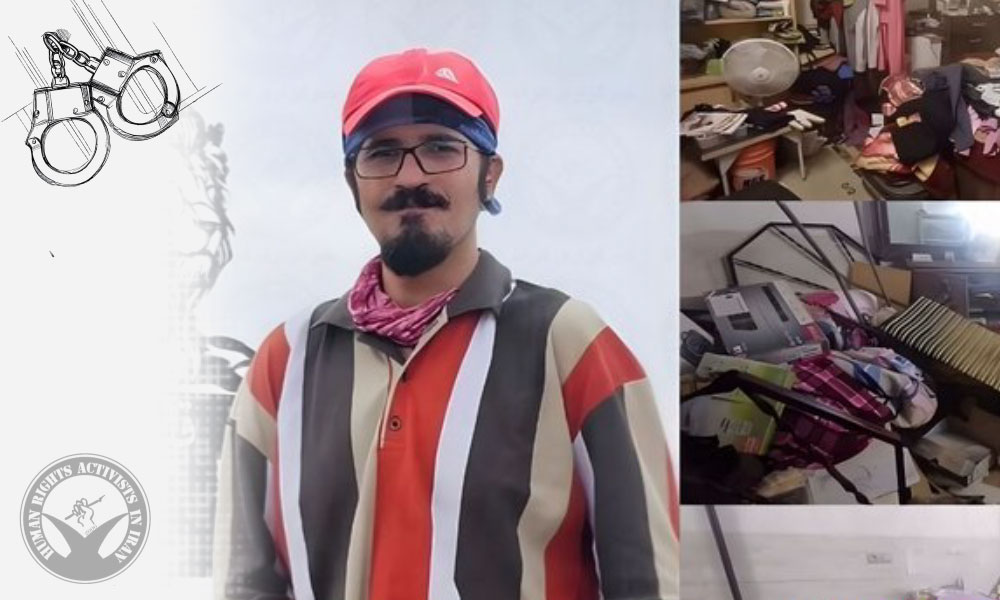
HRANA – On Saturday, November 8, Leila Adalati (Bangaleh), a Baha’i citizen residing in Shiraz, was arrested by intelligence agents of the Islamic Revolutionary Guard Corps (IRGC) and taken to an undisclosed location. At the same time, her home was searched by security agents.

Based on the information obtained by HRANA, Ms. Adalati was arrested at her private residence on Saturday, November 8, by IRGC intelligence agents. Her home was searched for more than four hours, during which a number of her personal belongings were confiscated.

So far, no information has been made available regarding the reasons for her arrest, the location of her detention, or the charges brought against her.

Leila Adalati (Bangaleh) is a Baha’i citizen residing in Shiraz.

Over the past decade, the Iranian Bahá’í community has been disproportionately targeted by Iran’s security forces and judiciary, more than any other minority group. In the past three years, an average of 72 percent of the reports on religious rights violations collected by HRANA have documented the Iranian regime’s repression of the Bahá’í community.
Baha’i Citizen Anisa Fanaeian Re-Sentenced to Eight Years in Prison After Retrial

HRANA – The prison sentence of Anisa Fanaeian, a Baha’i citizen, remained unchanged after the Supreme Court accepted her request for a retrial and referred the case to a parallel appellate branch. Branch 10 of the Semnan Province Court of Appeals has again sentenced her to eight years in prison.

Based on information received by HRANA, despite the Supreme Court’s acceptance of her retrial request, the parallel branch of the Semnan Court of Appeals has reissued the previous eight-year prison sentence against Ms. Fanaeian.

Anisa Fanaeian, who had previously served a prison term, was arrested in late August 2023 by security forces and released on bail some time later.

Earlier, in March 2024, the Semnan Revolutionary Court had sentenced her at the first instance to 10 years in prison for “forming a group with the intention of disrupting national security,” five years for “educational or promotional activities deemed deviant and contrary to Islam within the framework of a sect, group, or association,” a fine of 50 million tomans, and 15 years of deprivation of social rights (grade five). She was also sentenced to one year in prison for “propaganda against the regime.” Additionally, $4,350 -personal family property confiscated from her daughter’s room – was seized by the government.

In December 2024, Branch 7 of the Semnan Court of Appeals, presided over by Judge Javad Raisi and counselor Ali Momeni, sentenced her to seven years in prison on the charge of “forming a group with the intention of disrupting national security,” and to one year in prison for “propaganda against the regime.” Applying Article 134 of the Islamic Penal Code, the longest sentence, seven years, was enforceable.

On March 11, 2025, Ms. Fanaeian was arrested by security forces on a street in Semnan to serve her prison sentence and was transferred to Semnan Prison.

On October 2, 2025, following the Supreme Court’s acceptance of her retrial request, Anisa Fanaeian was released from Semnan Prison after posting bail.

It should be noted that Anisa Fanaeian is the niece of Ataollah Rezvani. As previously reported by HRANA, eleven years after the killing of Ataollah Rezvani, a Baha’i citizen, Branch One of the Juvenile Criminal Court of Hormozgan Province confirmed the occurrence of intentional homicide but rejected the family’s request for diyah (blood money) from the public fund (Beyt al-Mal) on the grounds of the victim’s Baha’i faith.

Shahram Fallah, Baha’i Citizen, Sentenced to Imprisonment and Exile

HRANA – Shahram Fallah, a 64-year-old Baha’i citizen currently held in Kerman Prison, has been sentenced by Branch 1 of the Kerman Revolutionary Court to 13 years, 6 months, and 2 days in prison, along with one year of exile in Birjand County.

According to the verdict, Mr. Fallah received 7 years, 6 months, and 1 day in prison for allegedly conducting educational and proselytizing activities deemed “deviant and contrary to Islamic law” through “false religious claims” and “organizational ties with foreign entities.” He was also sentenced to 6 years and 1 day in prison for forming a group with the intent to disrupt national security.

Mr. Fallah was arrested on August 18, 2025, by agents of the Ministry of Intelligence at his home and subsequently transferred to Kerman Prison. During the arrest, security agents confiscated mobile phones belonging to his family members and guests, as well as several of his religious books and images.

A long-time target of state repression, Shahram Fallah has previously faced arrest, prosecution, and imprisonment due to his Baha’i faith.

Baháʼís in Iran: Nine Homes Raided and Seven Citizens Arrested in a Single Day

HRANA – In a new wave of security and judicial pressure against members of the Baháʼí community in Iran, on Monday, October 20, the homes of at least nine Baháʼí citizens in Tehran, Shiraz, Semnan, Zahedan, and Sari were raided by security forces.

Seven Baháʼí citizens, identified as Fahim Agahi, Matin Agahi, Hengameh Sharifi, Adib Rahmani, Negar Misaghian, Shakib Farzan, and Armaghan Enayati, were arrested.

According to HRANA, security forces carried out coordinated operations targeting Baháʼí citizens across several cities. In addition to the seven arrests, the homes of Saman Eslami in Zahedan and Aruna Kowsari in Tehran were also searched.

Security agents reportedly conducted full searches of the residences, seizing electronic equipment, communication devices, books, and personal belongings. Eyewitnesses said the raids were carried out in an atmosphere of intimidation and fear.

According to HRANA’s earlier report, Negar Misaghian and Mahboob Habibi were transferred to The Ministry of Intelligence’s detention facility (Plaque 100) in Shiraz following their arrest. The location of the other detainees remains unknown.

The reasons for the arrests and the charges against these seven Baháʼí citizens have not yet been disclosed, and HRANA continues to investigate.

Negar Misaghian and Mahboob Habibi have previously faced arrest and judicial harassment for their faith and related activities. Armaghan Enayati and Adib Rahmani were previously expelled from Iranian universities due to their Baháʼí beliefs.

These raids and arrests come amid an ongoing pattern of systematic persecution of Baháʼí citizens across Iran. In recent months, Baháʼís in various cities have faced repeated waves of arrest, property confiscation, business closures, and social exclusion under vague and recurring accusations such as “propaganda against the regime,” “acting against national security,” and “membership in an illegal group.”

Over the past decade, the Iranian Bahá’í community has been disproportionately targeted by Iran’s security forces and judiciary—more than any other minority group. In the past three years, an average of 72 percent of the reports on religious rights violations collected by HRANA have documented the Iranian regime’s repression of the Bahá’í community.
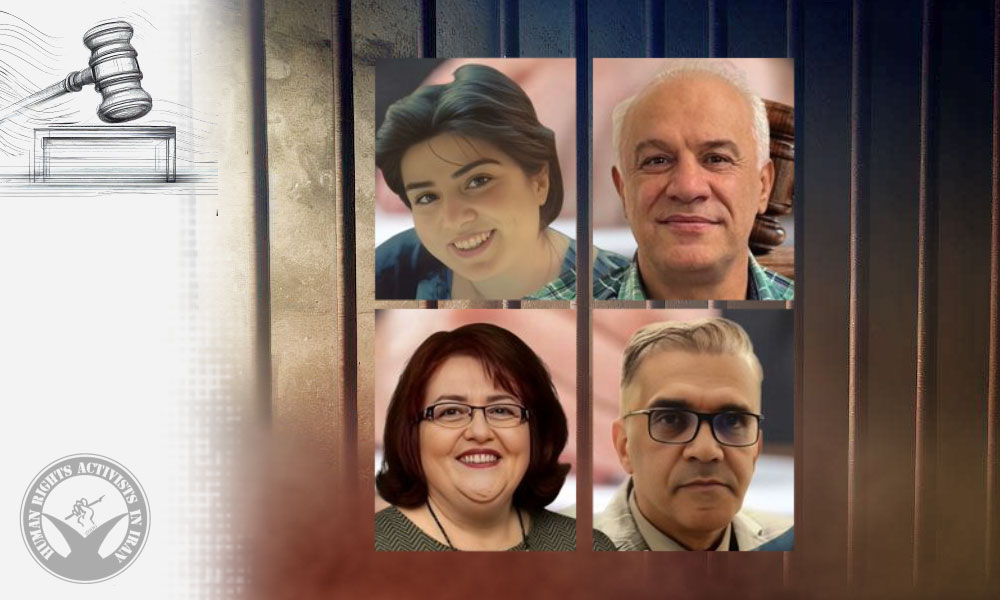
Arrest of Four Followers of the “Yamani” Movement

HRANA – Seyed Hamed Miri, Hadi Gharadaghi, Mohammad-Reza Atoof, and Abbas Fathiyeh, followers of the “Yamani” movement, have been arrested by security forces and transferred to prison.

According to a report by Entekhab News, these individuals were serving prison sentences but had been released on furlough and failed to return to prison after their leave ended.

As of this report’s publication, no information has been obtained regarding their exact place of detention or the duration of their sentences.

Seyed Hamed Miri, Hadi Gharadaghi, and Abbas Fathiyeh have previously faced arrest and conviction in connection with their activities.

In Iran, individuals are frequently detained for claiming spiritual or religious connections to the Hidden Imam, a central figure in Shi’a Islam. The “Yamani” movement, led by Ahmad al-Hasan Yamani, promotes beliefs centered on Mahdism, a messianic doctrine within Shi’a Islam.

Iran’s security apparatus – particularly the Ministry of Intelligence – maintains specialized units tasked with suppressing religious, spiritual, and ideological groups that operate outside the state-sanctioned framework.

Subscribe to Our Newsletter

Now is definitely not the time to stop reading!

Urmia: Baha’i Citizen Zhinus Mohammad-Nezhad Arrested

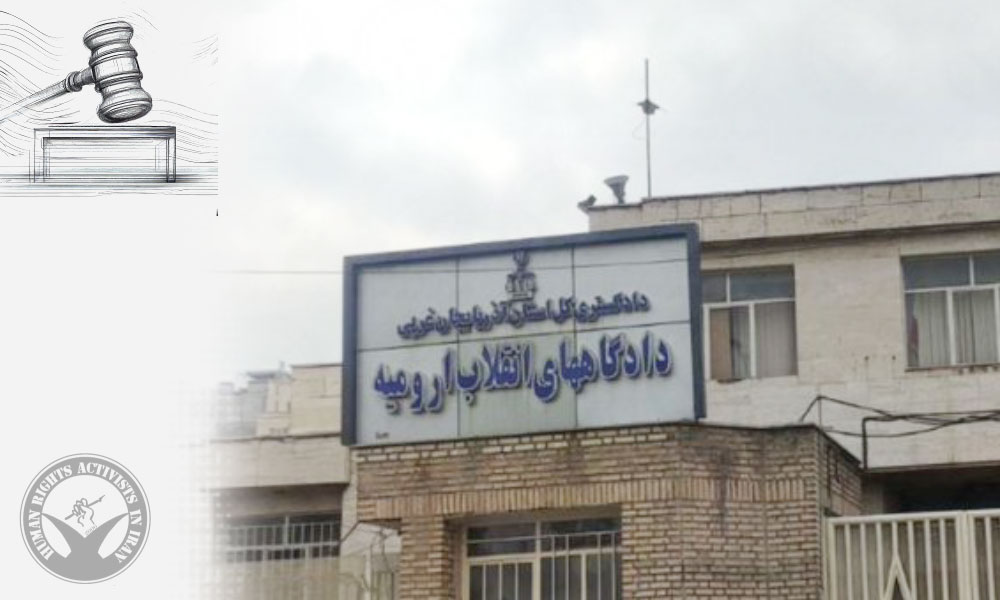
HRANA – On Tuesday, October 14, Zhinus Mohammad-Nezhad, a Baha’i citizen residing in Urmia, was arrested by agents of the Ministry of Intelligence and transferred to an undisclosed location. At the same time, her home and her parents’ residence were searched by the agents.

Based on information obtained by HRANA, her arrest took place on Tuesday, October 14, at her home on in Urmia, when Ministry of Intelligence agents detained her. Simultaneously, both her home and her elderly parents’ nearby residence were searched. During the searches, several personal belongings of the Mohammad-Nezhad family were confiscated.

So far, no information has been made available regarding the reasons for her arrest, her place of detention, or the charges brought against this Baha’i citizen.

Over the past decade, the Iranian Bahá’í community has been disproportionately targeted by Iran’s security forces and judiciary, more than any other minority group. In the past three years, an average of 72 percent of the reports on religious rights violations collected by HRANA have documented the Iranian regime’s repression of the Bahá’í community.
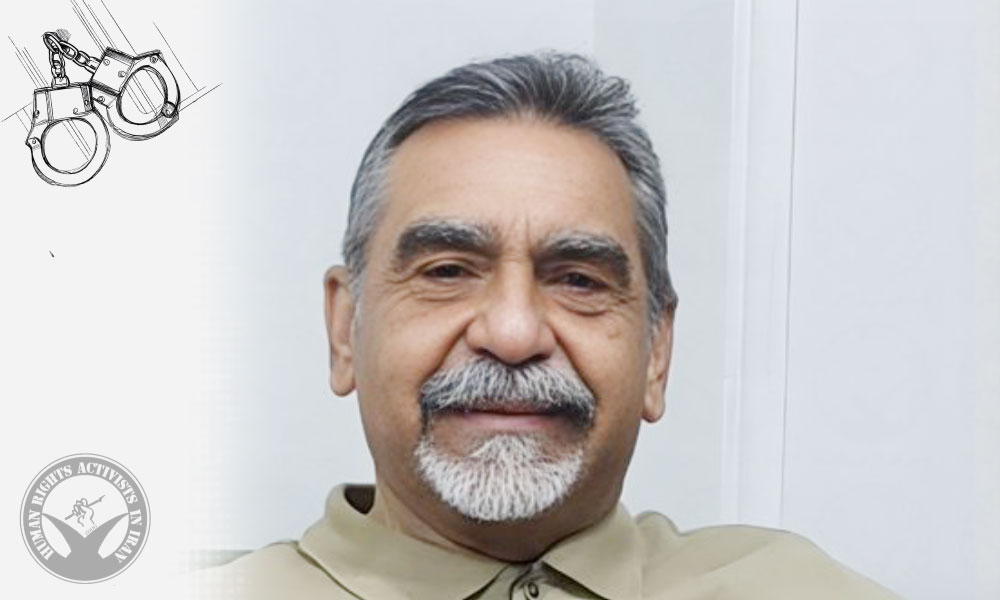
Afshin Haghighat, a Baha’i Citizen, Arrested

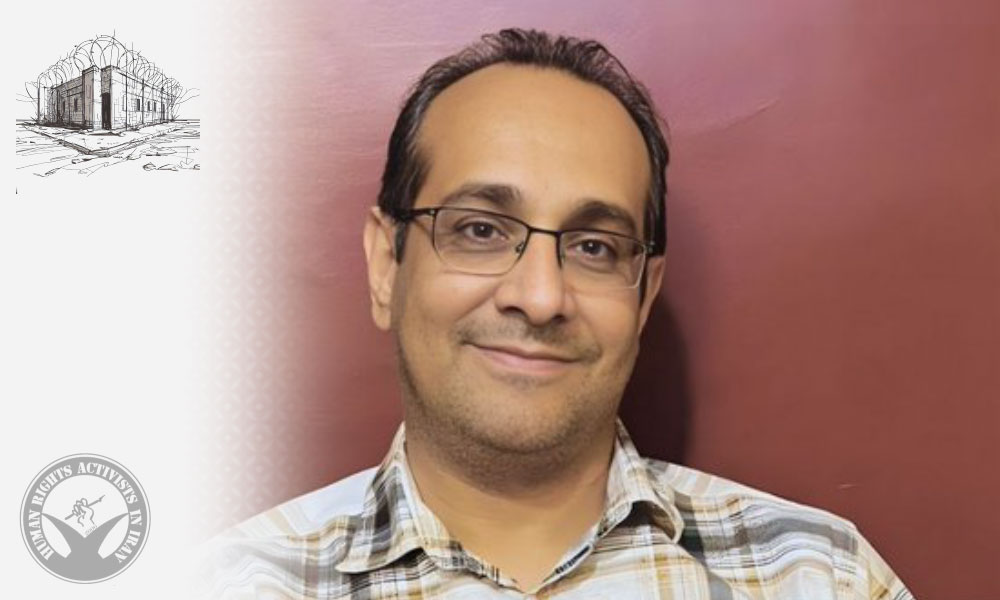
HRANA – On October 14, Afshin Haghighat, a Baha’i citizen residing in Shiraz, was arrested by security forces in the city and transferred to an undisclosed location. At the same time, his home was searched by agents, who confiscated several digital devices and religious books belonging to Mr. Haghighat and his family.

A source close to Haghighat’s family confirmed the arrest to HRANA, stating:
“On Tuesday, security agents came to the home of this Baha’i citizen in Shiraz and arrested him. His residence was simultaneously searched, and during the search, a number of digital devices and religious books belonging to him and his family were confiscated.”

As of this report, no information is available regarding the reasons for the arrest, his place of detention, or the charges brought against this Baha’i citizen.

Over the past decade, the Iranian Bahá’í community has been disproportionately targeted by Iran’s security forces and judiciary, more than any other minority group. In the past three years, an average of 72 percent of the reports on religious rights violations collected by HRANA have documented the Iranian regime’s repression of the Bahá’í community.
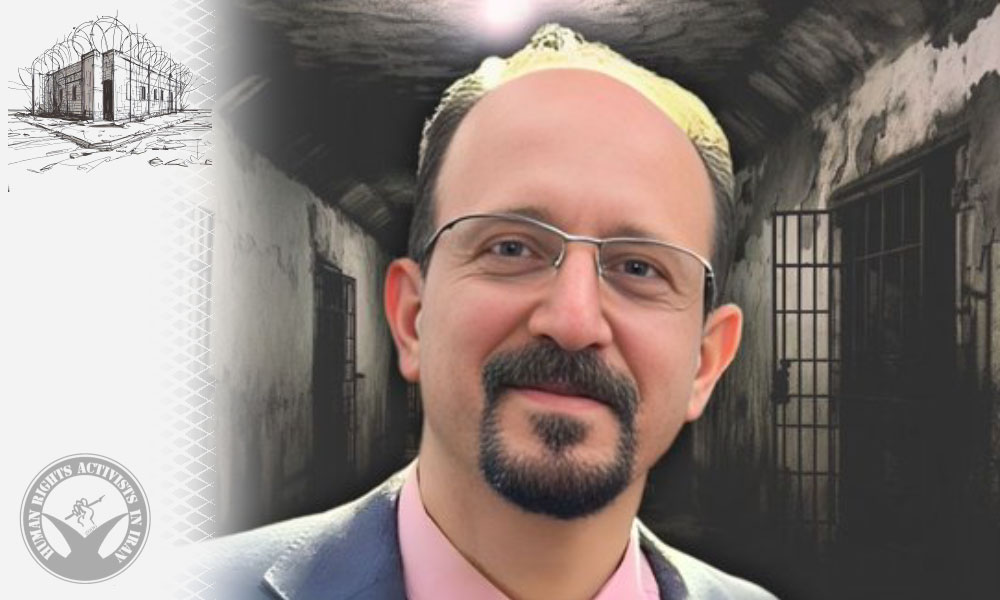
Baha’i Citizen Fardin Bengaleh Arrested

HRANA – On Tuesday, October 14, Fardin Bengaleh, a Baha’i citizen residing in Shiraz, was arrested by security forces and taken to an undisclosed location.

According to a report received by HRANA, Mr. Bengaleh was arrested in Shiraz by security forces on Tuesday, October 14. So far, no information has been obtained regarding the reasons for his arrest, the location of his detention, or the charges brought against him.

Fardin Bengaleh is a Baha’i citizen living in Shiraz.

Over the past decade, the Iranian Bahá’í community has been disproportionately targeted by Iran’s security forces and judiciary, more than any other minority group. In the past three years, an average of 72 percent of the reports on religious rights violations collected by HRANA have documented the Iranian regime’s repression of the Bahá’í community.

Baha’i Citizen Sonia Toudiee Arrested in Babol

HRANA – On Sunday, October 12, Sonia Toudiee, a Baha’i citizen residing in Babol, was arrested by security forces and taken to an undisclosed location.

Based on information obtained by HRANA, Ms. Toudiee was detained on the evening of Sunday, October 12, in Babol County. At the time of her arrest, security agents searched her residence, seizing a number of her personal belongings.

As of this report’s publication, the reasons for her arrest, her current whereabouts, and the charges against her remain unknown.

Previously, on May 17, 2025, Ms. Toudiee’s home was searched by security forces.

Sonia Toudiee is a Baha’i citizen residing in Babol, Mazandaran Province.

Over the past decade, the Iranian Bahá’í community has been disproportionately targeted by Iran’s security forces and judiciary—more than any other minority group. In the past three years, an average of 72 percent of the reports on religious rights violations collected by HRANA have documented the Iranian regime’s repression of the Bahá’í community.

Appeals Court: Baha’i Citizen Maryam Zabihi Sentenced to Imprisonment

HRANA – The prison sentence of Maryam Zabihi, a Baha’i citizen residing in Qaemshahr, has been reduced by the Mazandaran Province Court of Appeals to three months and one day. She had initially been sentenced to ten months in prison by a lower court.

According to Hyrkani news, Ms. Zabihi’s ten-month prison sentence was reduced to three months and one day by the Mazandaran Province Court of Appeals in late September.

The initial verdict against Ms. Zabihi was issued by Branch 104 of the Qaemshahr Criminal Court (Category Two) on the charge of “educational activities contrary to and disruptive of the sacred Islamic law.”

The charge reportedly stemmed from holding university examination sessions for students of the Baha’i Institute for Higher Education (BIHE) at her private residence. It is worth noting that, since Baha’is are denied access to higher education in Iran, this unofficial university was established by members of the Baha’i community to provide Baha’i students with access to higher education.

On Monday, February 12, 2024, security agents searched Maryam Zabihi’s home, seizing all electronic devices, textbooks, laptops, and tablets belonging to five Baha’i youths who were present at the time.

Over the past decade, the Iranian Bahá’í community has been disproportionately targeted by Iran’s security forces and judiciary—more than any other minority group. In the past three years, an average of 72 percent of the reports on religious rights violations collected by HRANA have documented the Iranian regime’s repression of the Bahá’í community.