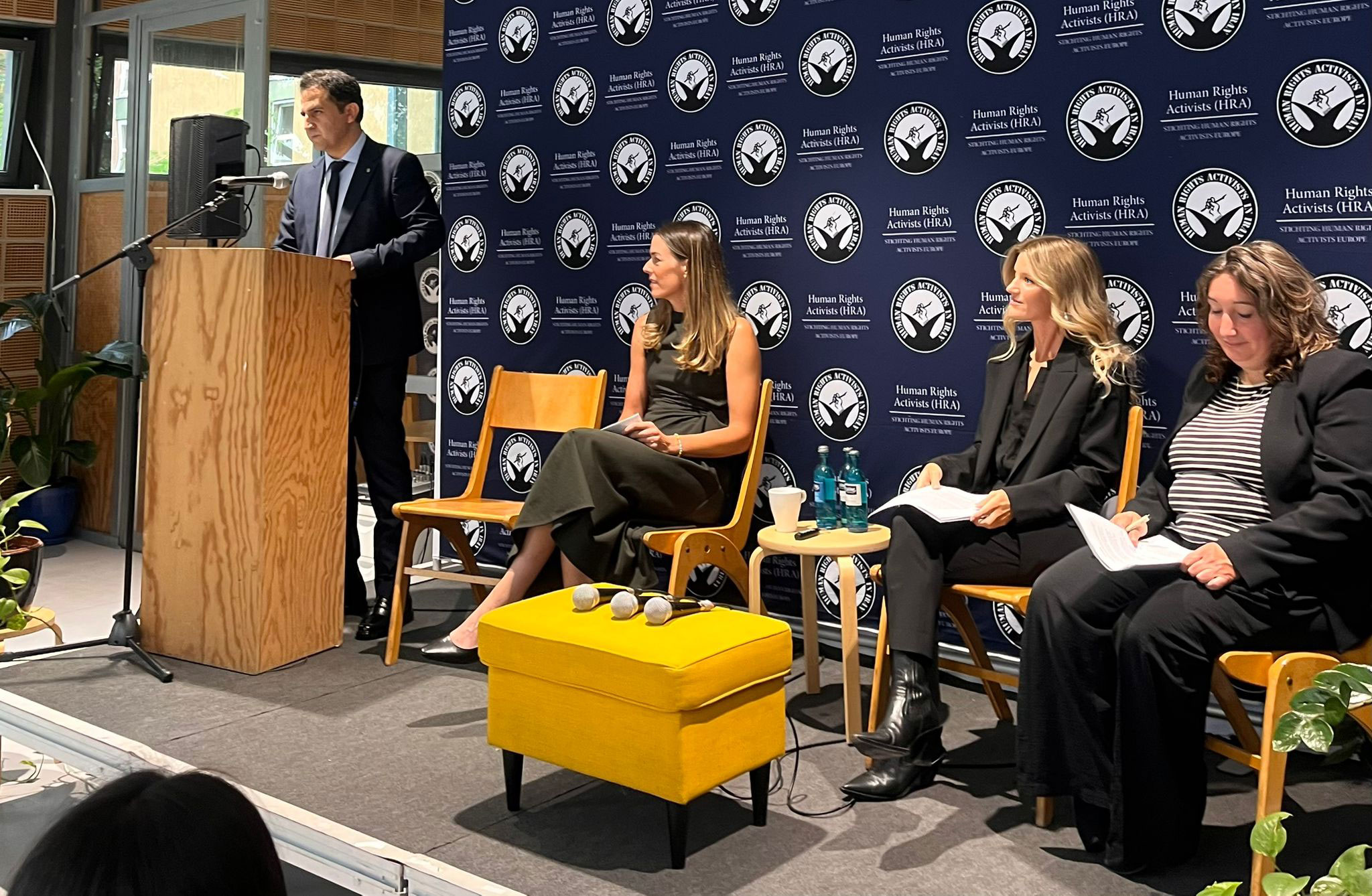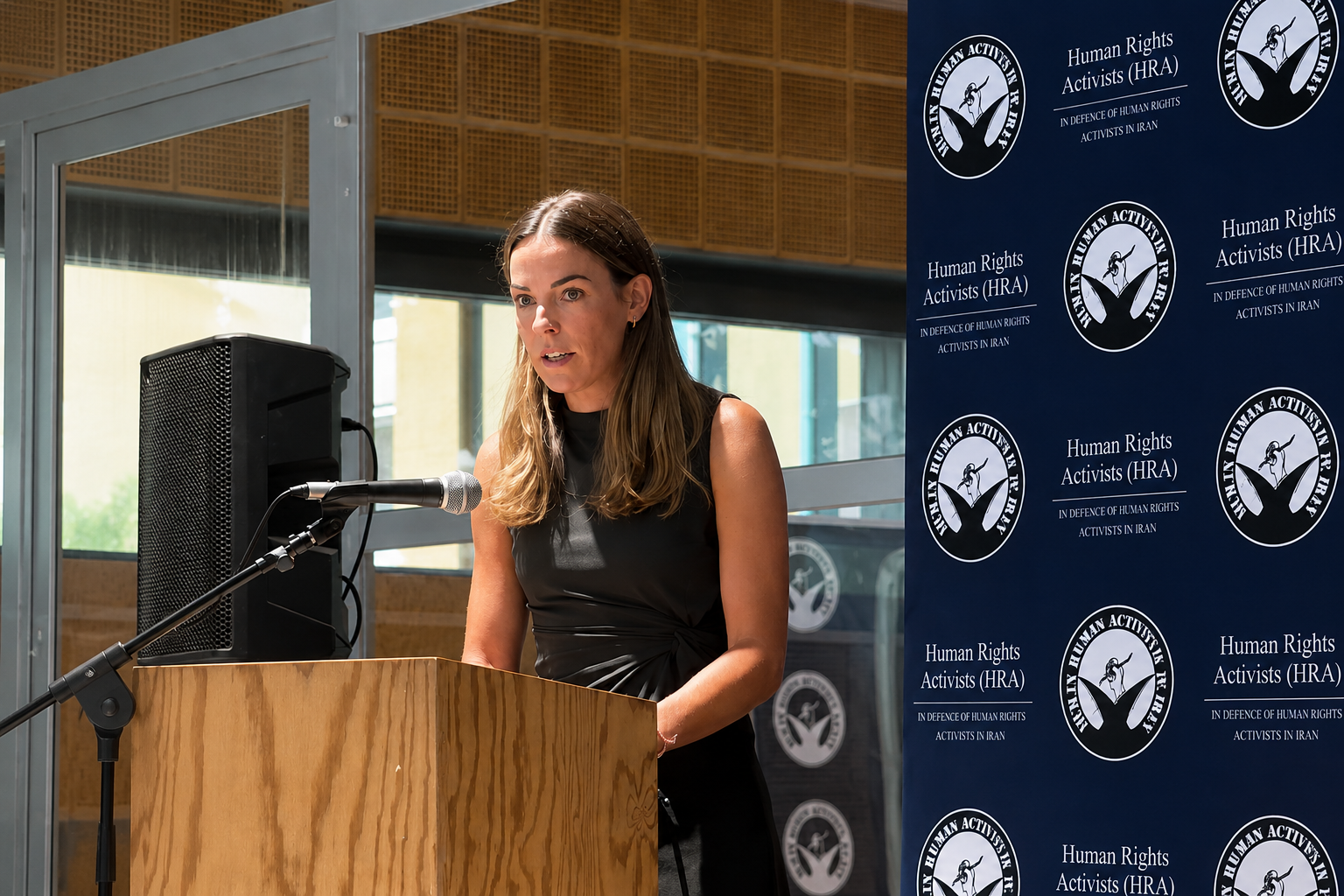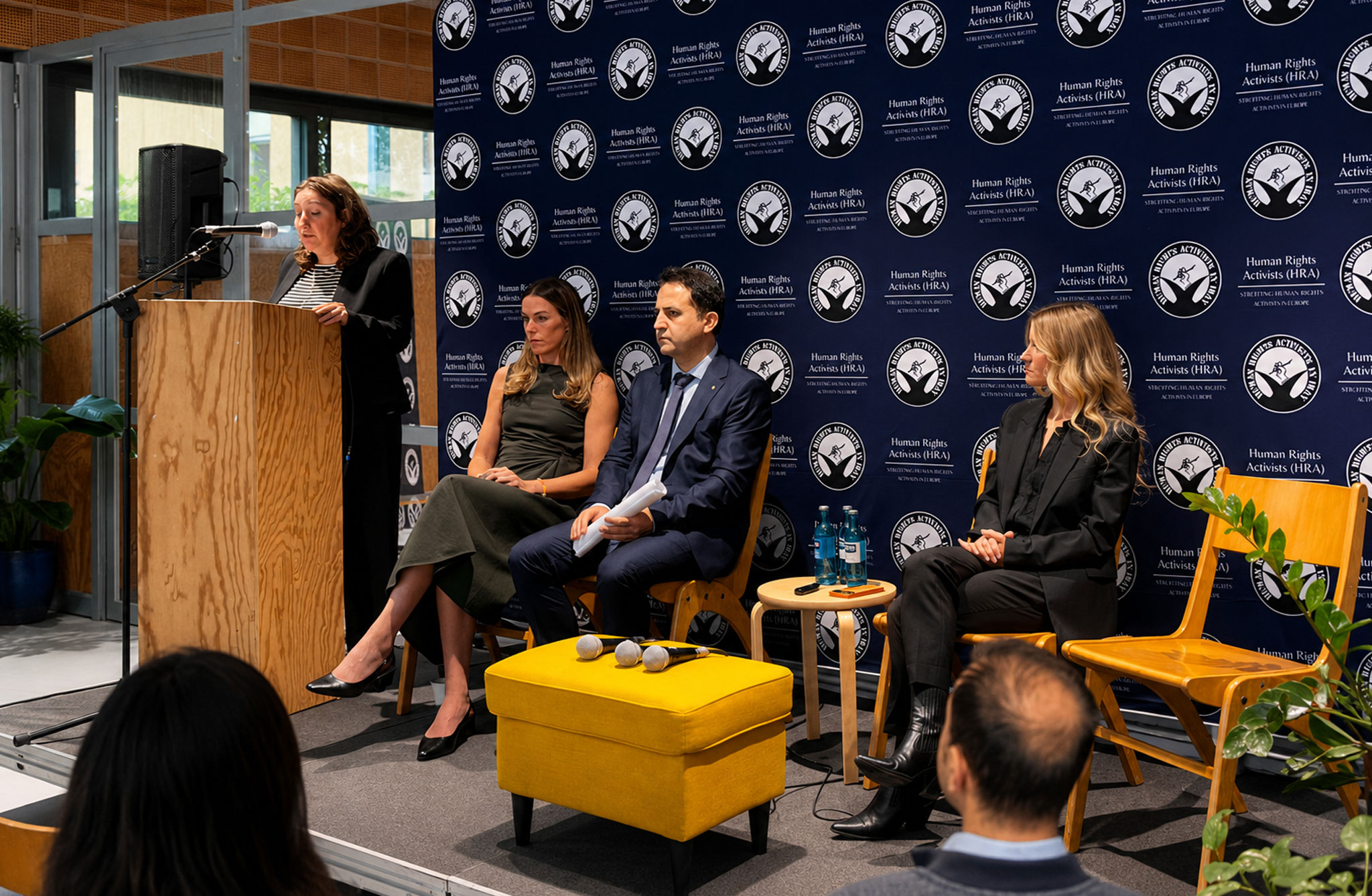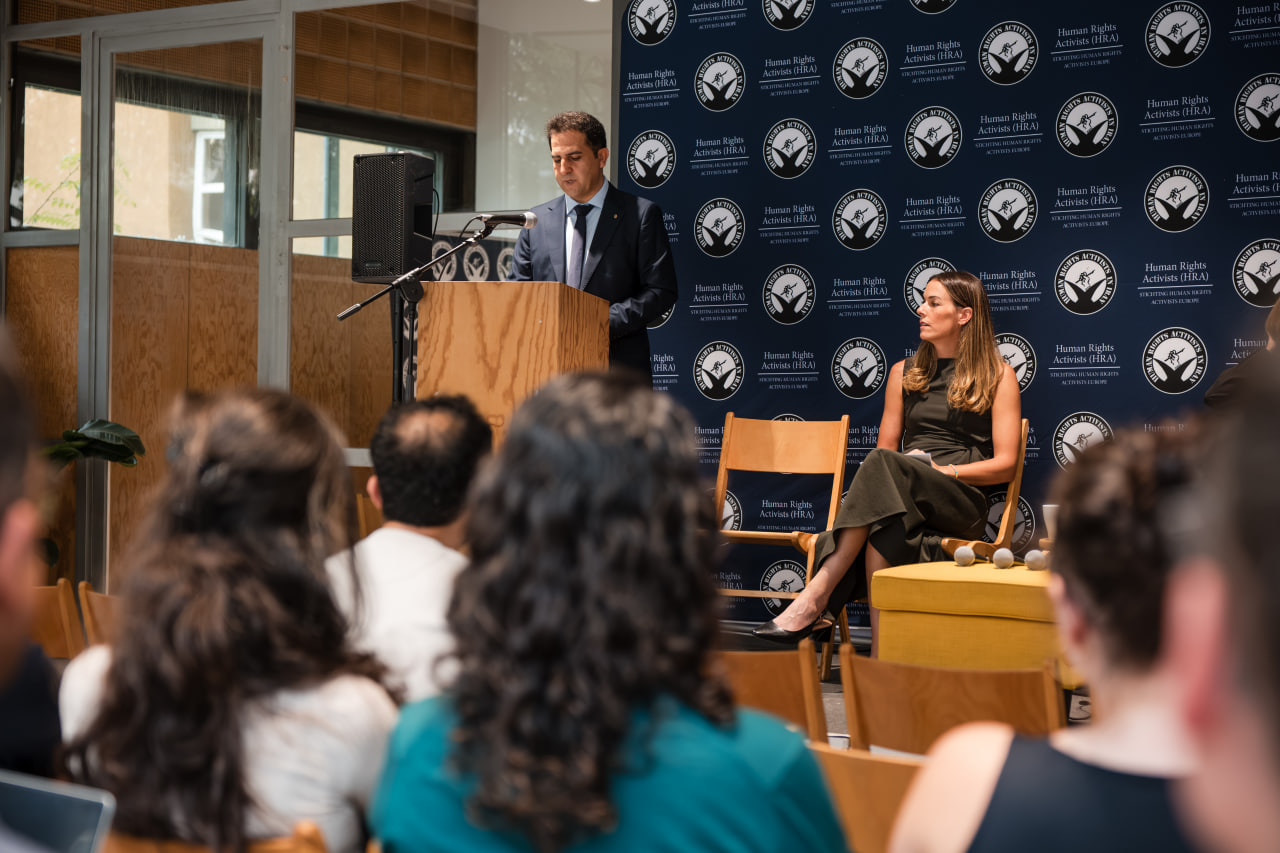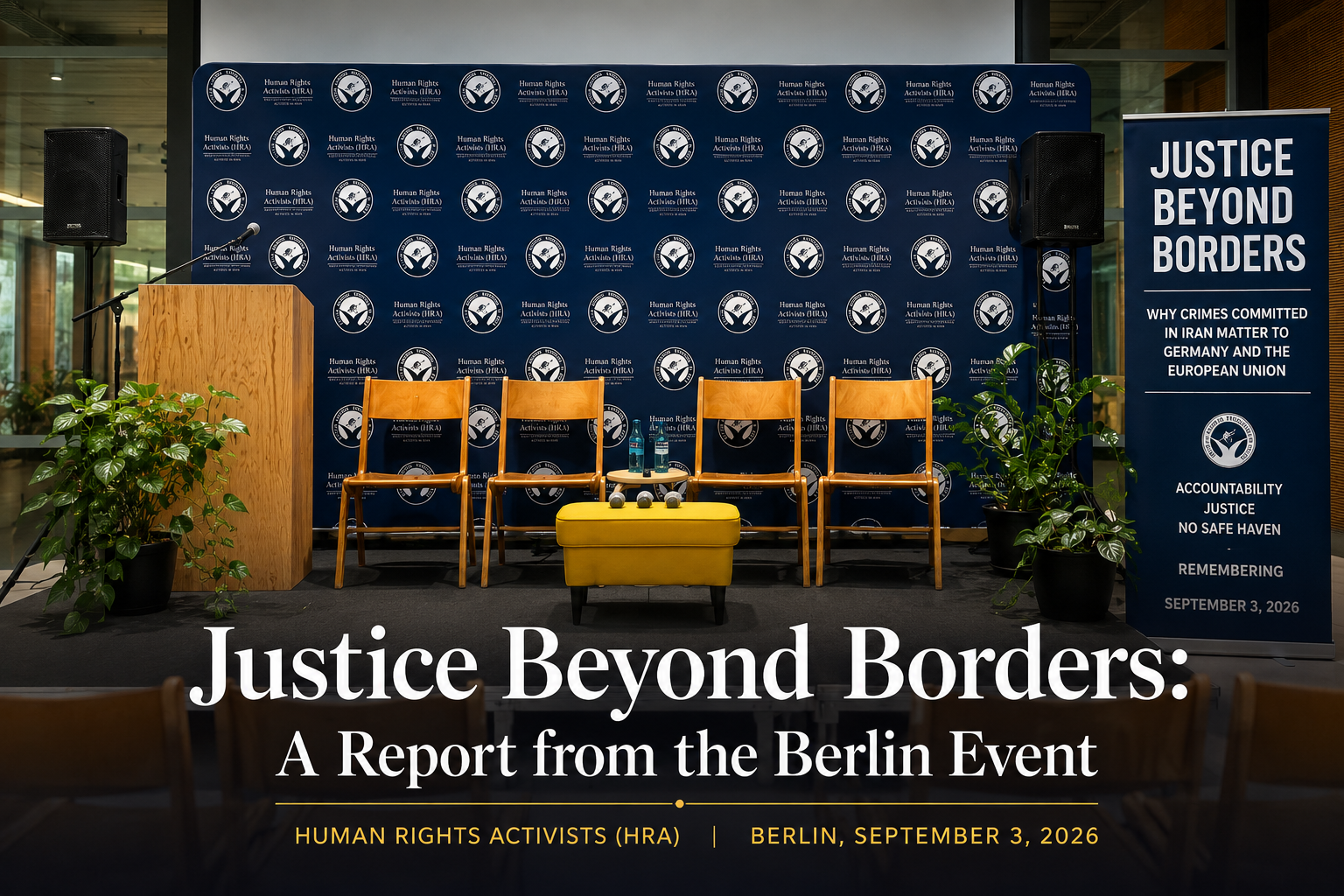
Berlin — On September 3, 2026, as Human Rights Activists in Iran (HRA) filed a criminal complaint with Germany’s Federal Public Prosecutor General concerning the crackdown on Iran’s nationwide protests, prominent lawyers, activists, and human rights experts gathered in Berlin to examine legal avenues for pursuing accountability for serious human rights violations committed during the protests.
The event, held at betahaus in Berlin’s Kreuzberg district, was hosted by Human Rights Activists in Iran (HRA) and UpRights.
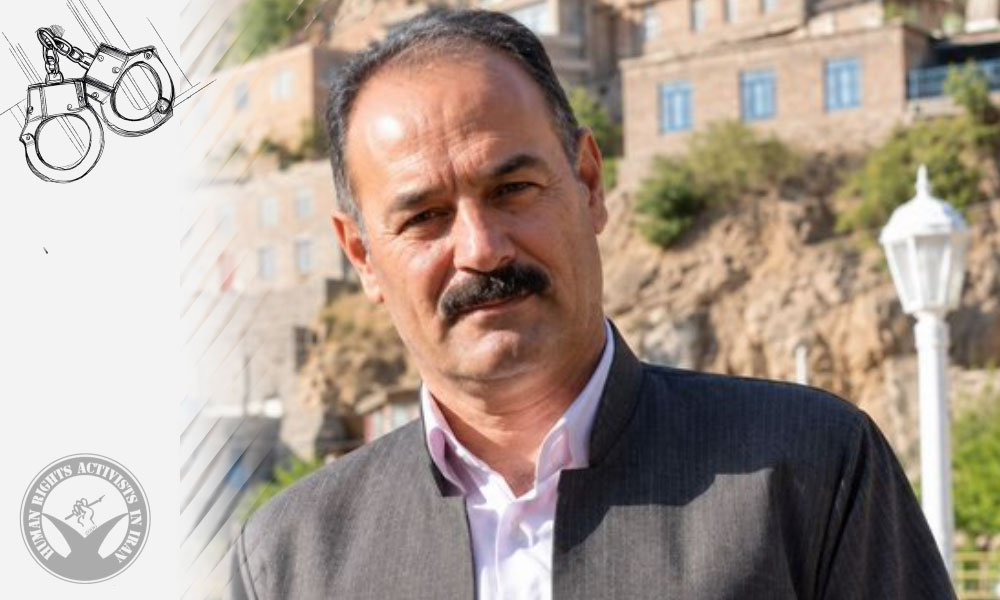
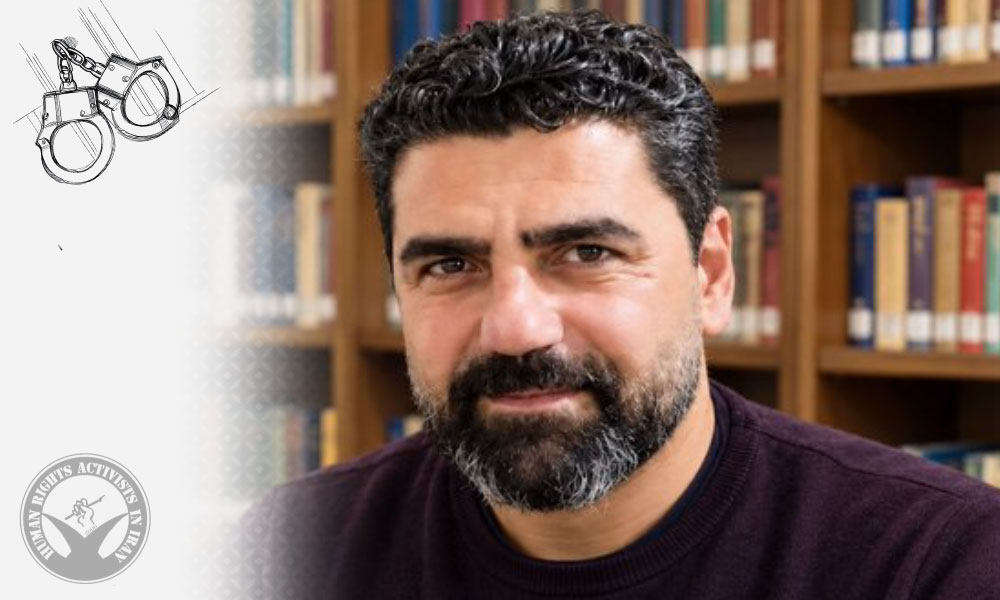
The panel was moderated by Skylar Thompson, Deputy Director at HRA, and featured Jennifer Connet, Legal Advisor at HRA; Valérie Gabard, Co-Director of UpRights; and Sina Yousefi, an Iranian human rights lawyer and former Deputy Chair of the Human Rights Commission of the East Azerbaijan Bar Association.
Panelists examined HRA’s investigation into the crackdown, including more than 60 interviews conducted with victims and witnesses, as well as extensive perpetrator mapping. They also discussed why Germany was chosen as a jurisdiction in which to pursue accountability and HRA’s plans to continue supporting judicial action against individuals allegedly responsible for abuses committed during the crackdown, including through accountability efforts across Europe.
Skylar Thompson outlined efforts by HRA and UpRights to pursue legal action in Germany in connection with the crackdown and discussed plans to continue this work through cooperation with investigative and prosecutorial efforts across Europe. As victims and witnesses continue to leave Iran while alleged perpetrators remain shielded by impunity, Thompson emphasized the importance of sustained documentation and international coordination.
Thompson stressed that documentation provides the foundation for both present and future accountability efforts and has been fundamental to HRA’s filing in Germany.
Sina Yousefi reflected on his experience practicing law in Iran in the aftermath of the 2022 nationwide protests and described patterns of repression targeting protesters. He emphasized that those experiences have not occurred in a vacuum and are in fact relevant to our understanding of recent events.
Jennifer Connet discussed HRA’s months of documentation and engagement with victims and witnesses. Connet emphasized that the courage and trust of victims and witnesses have been essential to documenting alleged violations and creating opportunities to pursue judicial avenues at the international level.
Valérie Gabard, Co-Director of UpRights, addressed the complaint filed by HRA and UpRights with German prosecutors, stating:
“Since the crimes committed in Iran are not linked to a single suspect or an isolated incident, but rather to a state-backed system that has been operating for several decades, requesting a structural investigation [within the German judicial system] makes sense, as such an investigation can establish a framework that supports future criminal accountability [of the Iranian government].”
The event concluded with questions from participants and a broader discussion of the legal strategies, challenges, and opportunities associated with pursuing accountability beyond Iran’s borders.
Criminal Complaint Filed in Germany
The Berlin event followed HRA’s filing of a criminal complaint with Germany’s Federal Public Prosecutor General on September 3, 2026, seeking the opening of a structural investigation into alleged crimes against humanity committed in Iran under Section 7 of Germany’s Code of Crimes against International Law (VStGB). The complaint draws on extensive documentation and evidence collected by HRA. Further details on the filing, its legal basis, and the underlying evidence are available in HRA’s report on the criminal complaint.