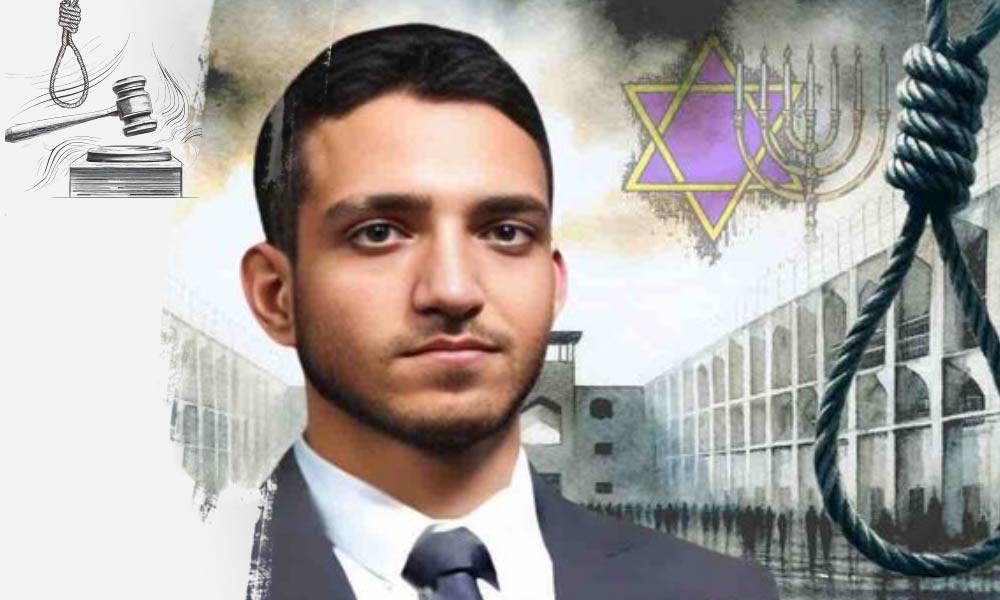
Four Prisoners Executed in Different Prisons Across Iran

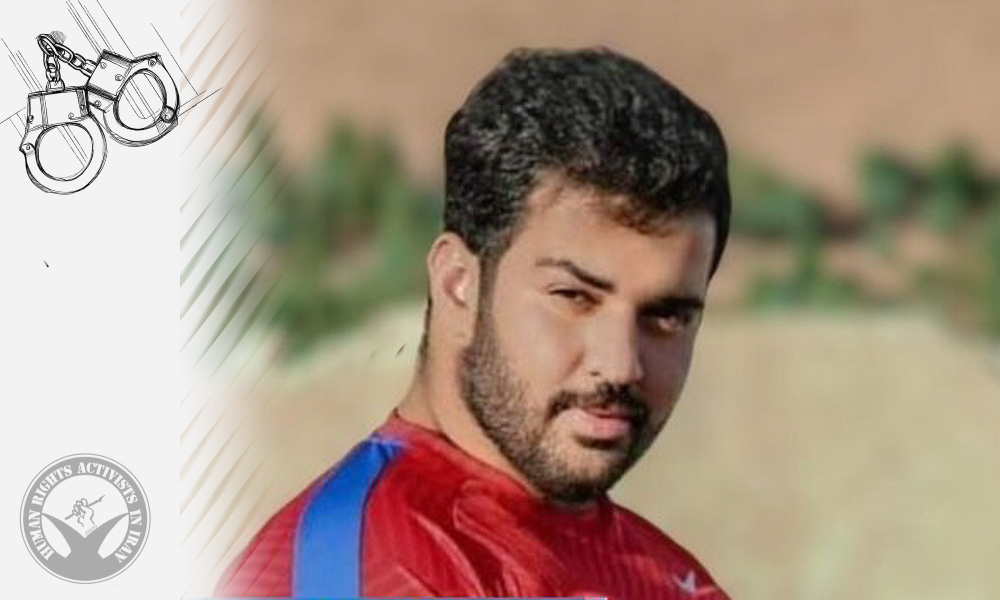
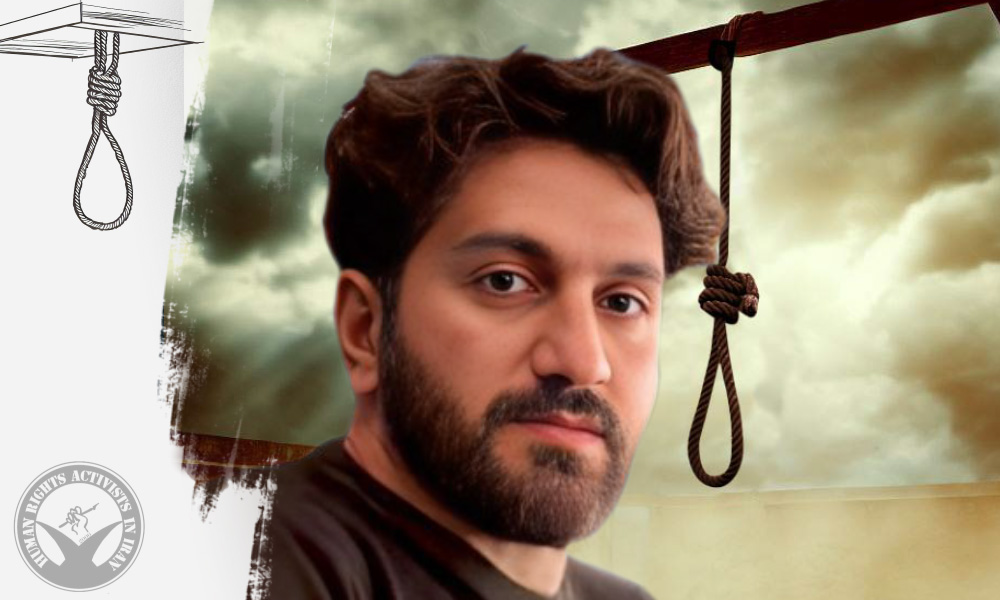
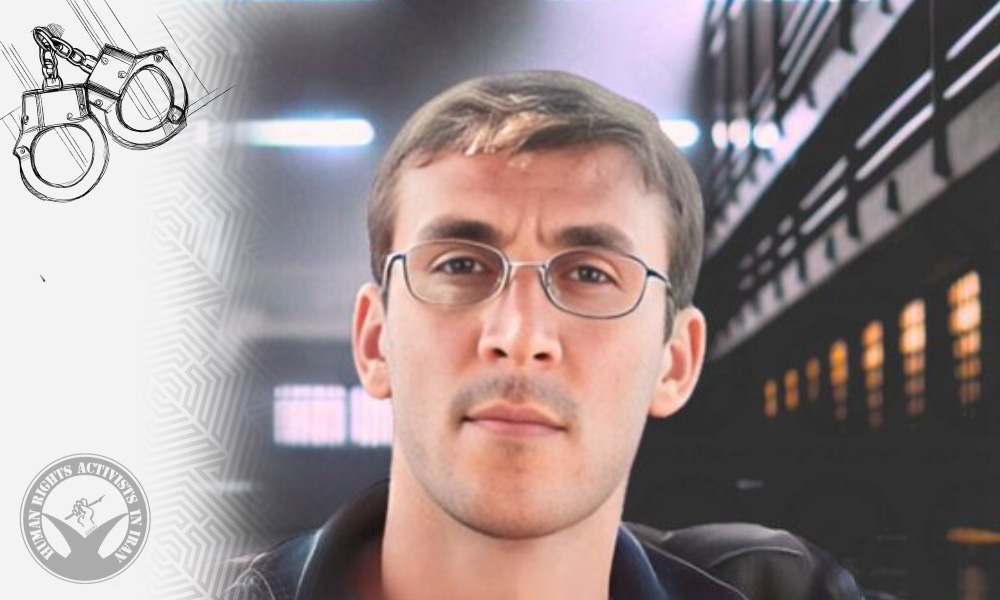
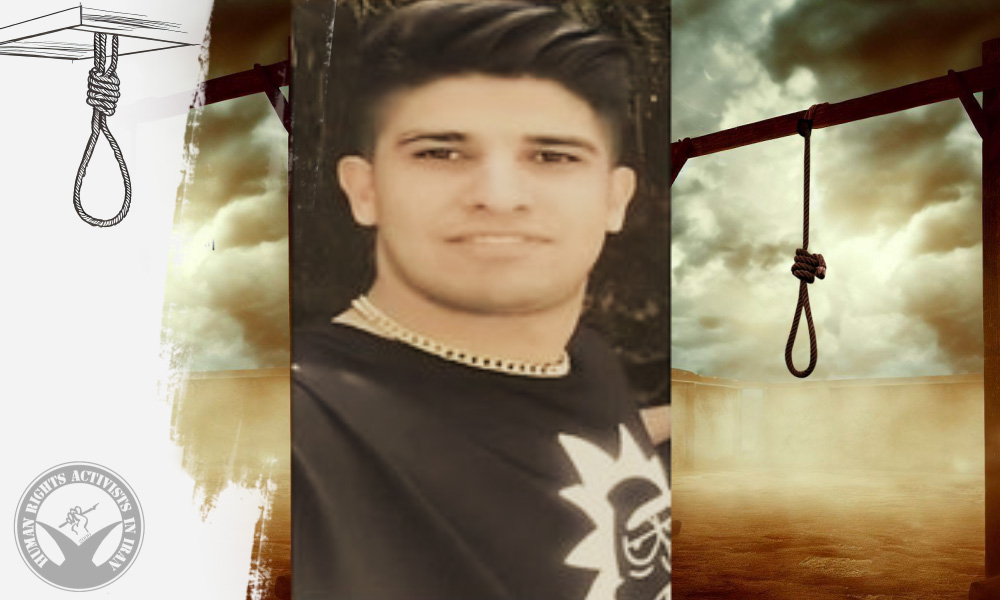
In recent days, four prisoners were executed in prisons in Kermanshah, Urmia, Shiraz, and Birjand on charges related to murder and drug offenses.

At dawn on Saturday, December 21, Hamid Moradian, a resident of Firuzabad, Lorestan, was hanged in Kermanshah Prison. According to information obtained by HRANA, Mr. Moradian had previously been arrested on murder charges and sentenced to death by judicial authorities.

On Monday, December 23, a prisoner convicted of drug-related offenses was executed in Urmia Prison following a Revolutionary Court ruling. HRANA has identified the individual as Loghman Shangeh, a resident of Naqadeh.

Today, December 24, HRANA reported that “Amin Farahmand” was executed in Adelabad Prison, Shiraz, on drug-related charges.

Finally, Haal Vsh reported today the execution of 28-year-old Davood Ghaljaie, a father of one, in Birjand Prison. He was arrested in 2019 on drug-related charges and later sentenced to death by the Revolutionary Court of Birjand. According to the report, his execution was carried out without a final family visit.

As of the time of this report, none of these executions have been officially announced by prison authorities or relevant officials.

According to latest HRANA’s annual report over between October 10, 2023, and October 8, 2024, at least 811 individuals were executed by hanging in Iran, rising to 23.06% compared to the same period last year. Of these executions, four were carried out in public. Many of the defendants were denied a fair trial.
Iranian Jewish Citizen Arvin Ghahremani Executed

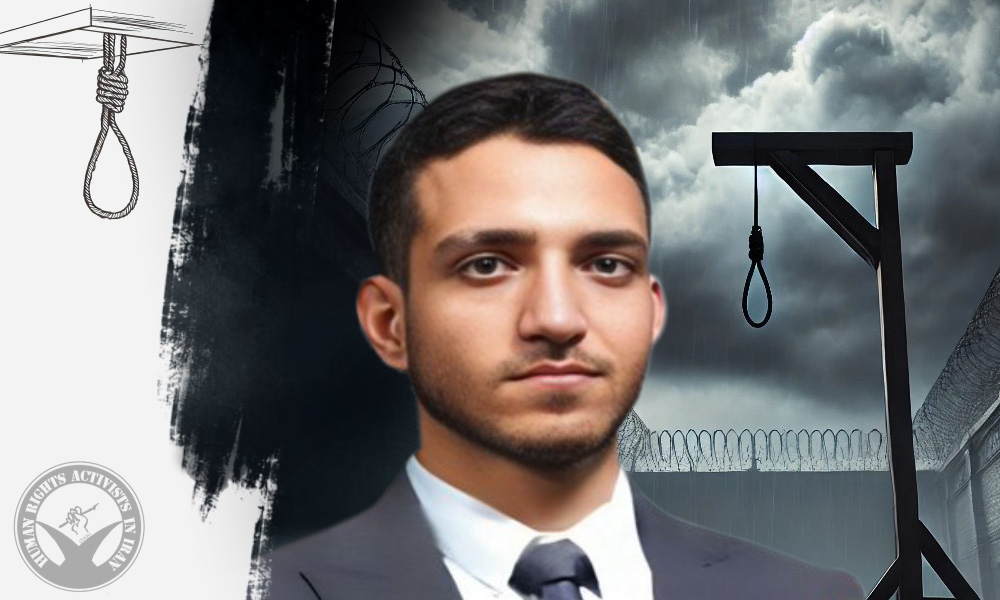
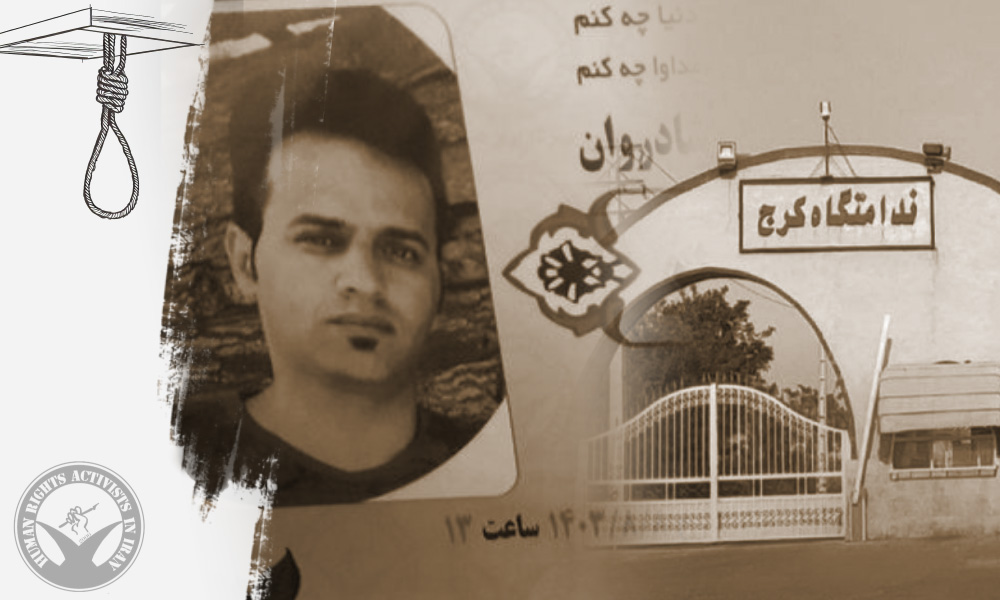
At dawn on Monday, November 4, Arvin Ghahremani (also known as Nathaniel), a young Iranian Jewish man, was executed in Dizelabad Prison in Kermanshah. His execution followed a conviction and death sentence stemming from a deadly altercation, as reported by Mizan, the judiciary’s media outlet.

Ghahremani had been arrested in November 2022 after a dispute over financial issues with Amir Shokri, a Muslim citizen, escalated into violence, resulting in Shokri’s death. Following a swift judicial process, Ghahremani was sentenced to death.

The Kermanshah Prosecutor’s Office stated that Ghahremani’s trial included his chosen legal representation, who filed three appeals for a retrial—all denied by the Supreme Court. Despite efforts by prominent figures to negotiate with Shokri’s family for a pardon or to accept blood money (diyah), the family ultimately refused, demanding the death sentence be carried out.

Previously, HRANA reported rising concerns among Iran’s Jewish community and human rights advocates about Ghahremani’s case, particularly the rejection of his retrial requests and the execution’s impending likelihood.

Human rights activists argue that qisas (retributive justice) laws in Iran exhibit systemic discrimination against religious minorities, as these laws are applied unequally. Under Iranian law, qisas mandates capital punishment if a non-Muslim kills a Muslim, but does not apply the same punishment if a Muslim kills a non-Muslim; in such cases, only blood money or lesser punishments are typically imposed. Activists assert that this disparity undermines fair trial standards and the equal rights of non-Muslim citizens.

This lack of legal protection has historically enabled extrajudicial killings of non-Muslim citizens, especially Iran’s Baha’i community, by extremist groups, intensifying concerns about religious discrimination in Iran’s justice system.

Four Prisoners Executed in the Central Prison of Karaj on Drug-Related Charges

At dawn yesterday, October 29, four prisoners convicted on drug-related charges were executed in the Central Prison of Karaj.

According to HRANA, the news agency of Human Rights Activists in Iran, three of the executed prisoners have been identified as Mohammad Nedaei, Ali Akbar (Mohsen) Akhayer, and Akbar Khorram Taj. These individuals were arrested approximately six years ago on drug-related charges and later sentenced to death.

Kurdpa identified the fourth prisoner as Morovat-Ali Karami, from Kermanshah, who was also executed on similar charges on Tuesday morning.

As of this report, prison authorities and relevant institutions have not publicly confirmed these executions.

The reports from the Department of Statistics and Publication of Human Rights Activists for the year 2023 reveal a concerning prevalence of executions for drug offenses in Iran, constituting 56.4% of the total executions. For a comprehensive examination of the details and statistics surrounding the executions in Iran, refer to HRANA’s report.

Amir Hossein Haghjooyan Arrested by Security Forces

On September 23, 2024, Amir Hossein Haghjooyan, a relative of Reza Rasaei, an executed protester, was arrested by security forces in Sahneh County, Kermanshah province, and transferred to an undisclosed location.

A source close to the family confirmed to HRANA: “Mr. Haghjooyan was detained by several members of IRGC Intelligence in Sahneh and moved to an unknown location.”

As of now, no details have emerged regarding the reasons for his arrest or the charges he may face.

Haghjooyan is the son of Kheirallah Haghjooyan, a member of the Yarsan Civil Activists Consultative Assembly, and a cousin and close companion of Reza Rasaei, who was executed in August 2023.

It’s important to note that Reza (Gholamreza) Rasaei, arrested during the 2022 nationwide protests, was secretly executed at dawn on August 6, 2023, in Dizelabad Prison, Kermanshah, without prior notice to his family or a final meeting with them.

Yarsanism, also known as Ahl-e Haqq, is a syncretic faith founded in western Iran during the 14th century by Sultan Sahak. As a religious minority, followers of Yarsan often face systemic persecution and harassment by Iranian authorities.

Javad Azizi, Retiree Rights Activist, Arrested in Kermanshah

On Sunday, September 8, Javad Azizi, a retired citizen and retiree rights activist in Kermanshah, was arrested by security forces and transferred to the Ministry of Intelligence’s detention facility, according to Iranian Retirees Council.

The report states that the arrest of the retiree rights activist took place at his private residence on Sunday, September 8, 2024, by security forces. During the arrest, the agents also confiscated Mr. Azizi’s mobile phone.

As of the time of this report, no information has been made available regarding the reasons for his arrest or the charges against him.

Subscribe to Our Newsletter

Now is definitely not the time to stop reading!

Reza Rasaei Executed in Dizelabad Prison, Kermanshah

On Tuesday, August 6, Reza Rasaei, arrested during the nationwide protests of 2022, was executed in Dizelabad Prison, Kermanshah.

Mr. Rasaei’s execution took place at dawn today, Tuesday, August 6, in Dizelabad Prison, Kermanshah, without prior notice to his family or the opportunity for a final meeting with them.

Reza (Gholamreza) Rasaei, 34 years old, a follower of the Yarsan faith and a resident of Sahneh County, was sentenced to death by Branch 2 of the Criminal Court of Kermanshah in mid-October last year for the charge of “involvement in the intentional murder of Nader Birami, the head of the IRGC’s intelligence in Sahneh County.”

Following the confirmation of Reza Rasaei’s death sentence by the Seventeenth Branch of the Supreme Court, presided over by Judge Mohammad Barani, his case was referred to the Judgment Enforcement office on December 31, 2023.
A while ago, Branch 1 of the Supreme Court rejected the request for a retrial for this prisoner, calling it “lacking legal requirements.”

In addition to the capital punishment, Rasaei faces other charges, including non-fatal injury, threatening with a knife, and disturbing public order by causing unrest. Initially, he received additional penalties such as Diya (wergild), a year sentence, and 74 lashes.

The judge’s reliance on “forced confessions obtained from Rasaei during interrogation” played a significant role in his conviction and the imposition of the death penalty.

Rasaei was apprehended on November 24, 2022, by the police and subsequently detained in Sahneh County. Following the completion of the interrogation process, he was transferred to Dizel-Abad prison in Kermanshah.

Several other detainees of protests in Sahneh County on the November 18, 2022, also faced charges of murdering the head of the IRGC’s intelligence in this county. Seyed Masoum Razavi and (first name unknown) Beigi were among the other defendants in this case, with Masoum Razavi reportedly acquitted of the charges. The fate of the other defendant in this case remains unknown.

Varuzh Moradi Arrested by Ministry of Intelligence

Varuzh (Edris) Moradi, a resident of Ravansar, was arrested and transferred to an unknown location on Sunday, August 4, following a summons to the Ministry of Intelligence Office of this county.

A source close to Moradi’s family confirmed the news to HRANA, stating: “Mr. Moradi was summoned to the Ministry of Intelligence Office of Ravansar County on Sunday, August 4. After appearing at this security institution, he was arrested.”

As of the time of this report, there is no information available on the reasons for the arrest, his whereabouts, or the charges against him.

Varuzh (Varouj) Moradi, a resident of Ravansar in Kermanshah province, has previously been arrested and faced judicial actions due to his activities.

Prisoner Executed in Dizelabad Prison, Kermanshah

On Sunday, July 21st, the execution of Danial Kazemi-Nejad, who had previously been sentenced to death for “killing a Basij militia force,” was carried out in Dizelabad Prison, Kermanshah, according to Kurdpa.

Based on this report, Danial Kazemi-Nejad, 30 years old, was arrested on July 9, 2023, for the alleged murder of a Basij officer named Sajad Amiri and was subsequently sentenced to death by the judiciary.
The execution was reportedly carried out without prior notice or a final meeting with his family.

No official sources or domestic media outlets within the country have provided coverage of these executions at the time of writing.
In 2023, the Department of Statistics and Publication of Human Rights Activists in Iran registered the execution of 767 individuals. Out of these, 7 were carried out in public. Among the executed individuals whose genders were identified, 21 were female. Additionally, 2 juvenile offenders, defined as individuals under the age of 18 at the time of their alleged crimes, were also executed.

Supreme Court of Iran Rejects Retrial Request of Jewish Death-Row Inmate Arvin Ghahremani

The Supreme Court of Iran has dismissed the retrial request of Arvin Ghahremani (Nathaniel), a 20-year-old Iranian Jew sentenced to death for his involvement in a fatal altercation that resulted in the death of one man named Amir Shokri. Ghahremani, who is currently held in Dizelabad Prison in Kermanshah, was rapidly tried and sentenced to death.

Last week, his legal team was informed of the Supreme Court’s decision to reject the retrial application. Amidst growing concerns, several public figures, including prominent artists, are trying to petition the victim’s family for forgiveness, which could potentially halt the execution.

Ghahremani’s case highlights the additional challenges faced by members of religious minorities under Iran’s legal system.

A video recently circulated on social media features Ghahremani’s mother appealing for public support to stop the execution. She pleads, “Pray for Arvin to come back home again.” Dr. Homayoun Sameyah Najafabadi, head of Iran’s Jewish Committee, confirmed that attempts to meet with the victim’s family and the newly appointed Imam of Friday Prayer in Kermanshah, Sheikh Mohammad-Hassan Rahimian, have been rejected. Efforts by the MP from Natanz to mediate were also fruitless, and proposals such as constructing a school in the victim’s name have been declined.

This case has heightened concerns within Iran’s Jewish community. Human rights activists argue that the retribution laws and their uneven application between Muslims and non-Muslims reflect systemic discrimination against religious minorities in Iran. These laws, rooted in religious ideology, often disadvantage non-Muslim citizens.

While Qisas mandates capital punishment if a non-Muslim kills a Muslim, the reverse scenario does not hold—a Muslim who kills a non-Muslim is only obliged to pay blood money. This legal disparity is a significant barrier to a fair trial and the achievement of civil rights in Iran.

The ongoing enforcement of unjust penalties for the murder of non-Muslims has led to numerous extrajudicial killings, especially of Iran’s Baha’i community, by extremist elements.

Imminent Execution of Iranian Jewish Youth, Arvin Ghahremani

20-year-old Arvin Ghahremani, an Iranian Jew, is facing imminent execution following his conviction for killing a Muslim during a quarrel. As a member of a religious minority, the discriminatory laws make it difficult to spare his life.

Reports obtained by HRANA from Ghahremani’s close associates reveal that two years ago, Ghahremani was arrested and quickly sentenced to death for a fight that led to the death of Amri Shokri. Efforts by Ghahremani and the Kermanshah Jewish Committee to secure the victim’s family’s forgiveness through payment of blood money (Qisas) have been unsuccessful.

20-year-old Arvin Ghahremani, an Iranian Jew, is facing imminent execution following his conviction for killing a Muslim during a quarrel. As a member of a religious minority, the discriminatory laws make it difficult to spare his life. Reports from HRANA reveal that two years ago, Ghahremani killed Amir Shokri during a fight. He was arrested and quickly sentenced to death. Efforts by Ghahremani and the Kermanshah Jewish Committee to secure the victim’s family’s forgiveness through payment of blood money (Qisas) have been unsuccessful.

A video recently circulated on social media features Ghahremani’s mother appealing for public support to stop the execution. She pleads, “Pray for Arvin to come back home again.” Dr. Homayoun Sameyah Najafabadi, head of Iran’s Jewish Committee, confirmed that attempts to meet with the victim’s family and the newly appointed Imam of Friday Prayer in Kermanshah, Sheikh Mohammad-Hassan Rahimian, have been rejected. Efforts by the MP from Natanz to mediate were also fruitless, and proposals such as constructing a school in the victim’s name have been declined.


This case has heightened concerns within Iran’s Jewish community. Human rights activists argue that the retribution laws and their uneven application between Muslims and non-Muslims reflect systemic discrimination against religious minorities in Iran. These laws, rooted in religious ideology, often disadvantage non-Muslim citizens.

While Qisas mandates capital punishment if a non-Muslim kills a Muslim, the reverse scenario does not hold—a Muslim who kills a non-Muslim is only obliged to pay blood money. This legal disparity is a significant barrier to a fair trial and the achievement of civil rights in Iran.

The ongoing enforcement of unjust penalties for the murder of non-Muslims has led to numerous extrajudicial killings, especially of Iran’s Baha’i community, by extremist elements.