Baha’i Citizen Arman Misaghian Sentenced to Two Years in Prison

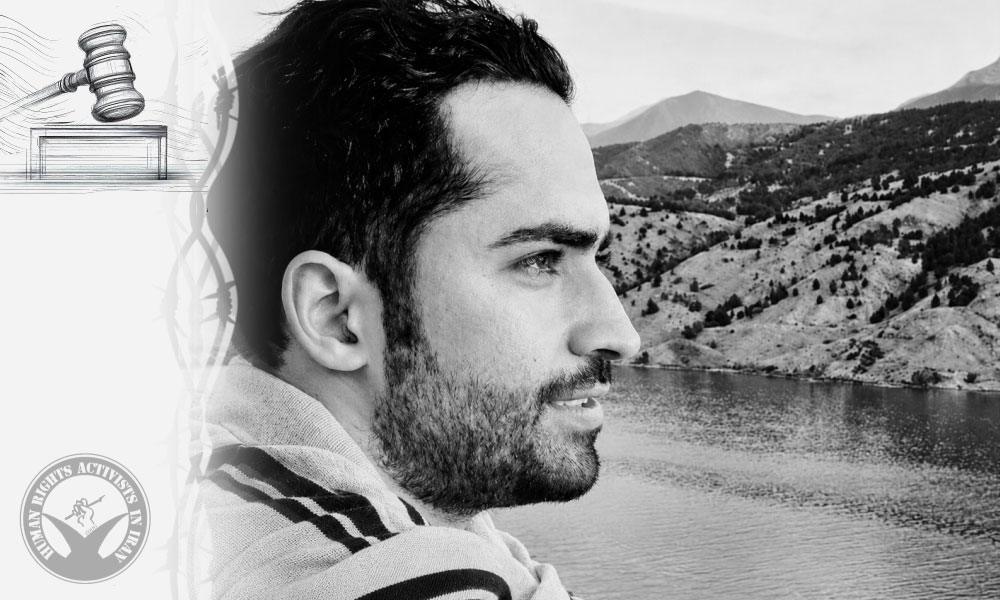
HRANA – Arman Misaghian, a Baha’i citizen, has been sentenced by the Tehran Revolutionary Court to two years of discretionary imprisonment, along with additional punitive measures.

According to HRANA, Arman Misaghian, a Baha’i citizen, has been sentenced to prison.

Based on information received by HRANA, Branch 29 of the Tehran Revolutionary Court sentenced Arman Misaghian to one year of discretionary imprisonment on the charge of “propaganda against the regime” and an additional one year on the charge of “insulting the Supreme Leader.” As supplementary punishment, the court also banned him for two years from driving, signing commercial documents, and membership in groups.

The case was presided over by Judge Seyed Ali Mazloum.

So far, no information has been made available regarding the specific conduct underlying the charges brought against this citizen.

Over the past decade, Iran’s Baha’i community has been subjected to more security-related and judicial persecution than any other religious minority in the country. According to HRA’s annual reports, an average of 62.41% of all reported violations of the rights of religious minorities during the past year involved violations of the rights of Baha’i citizens.

January 2026 Protests: Mohammad Aein Moayed Mohseni Sentenced to Prison

HRANA – The prison sentence of Mohammad Aein Moayed Mohseni, a 19-year-old detainee from the January 2026 protests, has been reduced to two years by the Tehran Province Court of Appeals. He had previously been sentenced to five years in prison by Branch 29 of the Tehran Revolutionary Court at the trial stage.

According to HRANA, Mohammad Aein Moayed Mohseni has been sentenced to prison.

According to a ruling issued by Branch 21 of the Tehran Province Court of Appeals, Mr. Moayed Mohseni was sentenced to two years in prison on the charge of assembly and collusion against national security.

Reza Salehiyeh, an attorney and human rights activist, stated that in this case, printing a number of small leaflets using a standard home printer was considered evidence supporting the charge of “assembly and collusion against national security” against Mohammad.

The indictment against him was issued two days after his arrest, on January 5, 2026, by Branch 2 of the Tehran Public and Revolutionary Prosecutor’s Office. He was subsequently tried by Branch 29 of the Tehran Revolutionary Court, presided over by Judge Seyed-Ali Mazloum, and in the initial ruling was sentenced to five years in prison.

Mr. Moayed Mohseni was arrested by security forces on January 3, 2026, in Tehran. He was released from Greater Tehran Penitentiary in late March 2026 after posting bail.

Political Prisoner Manoochehr Mehman-Navaz Re-Arrested and Returned to Prison

HRANA News Agency – Manouchehr Mehman-Navaz, a political prisoner who had been serving his sentence in an open prison arrangement, was arrested 16 days ago and transferred to Khurin Prison in Varamin.

Based on information received by HRANA, Mr. Mehman-Navaz, who had been serving his sentence outside of prison under an open prison system, was arrested at his private residence on Wednesday, April 16, and transferred to Khurin Prison in Varamin.

He had previously been released from Ghezel Hesar Prison in Karaj under the same open prison arrangement on November 19, 2023.

Mehman-Navaz was sentenced to five years in prison by Branch 29 of the Tehran Revolutionary Court, presided over by Judge Seyed Ali Mazloum, on charges of “assembly and collusion against internal national security” and “disrupting public order and security through causing commotion and unrest.”

In 2022, he had been sentenced to death by Branch 28 of the Tehran Revolutionary Court, presided over by Judge Mohammadreza Amouzad. However, that sentence was overturned following testimony from eyewitnesses. After submitting a request for a retrial, his case was re-examined in Branch 29 of the court.

This political prisoner was arrested during the 2022 nationwide protests and was tried in Branch 28 of the Tehran Revolutionary Court in November of that year.

The charges against him included arson of buildings with the intent to confront the Islamic government—an offense classified as moharebeh (waging war against God)—as well as “assembly and collusion against internal national security,” “disrupting public order and security through creating commotion and unrest,” and “participating in unlawful gatherings.”