Ebrahim Khishkar Sentenced to Prison on Political Charges

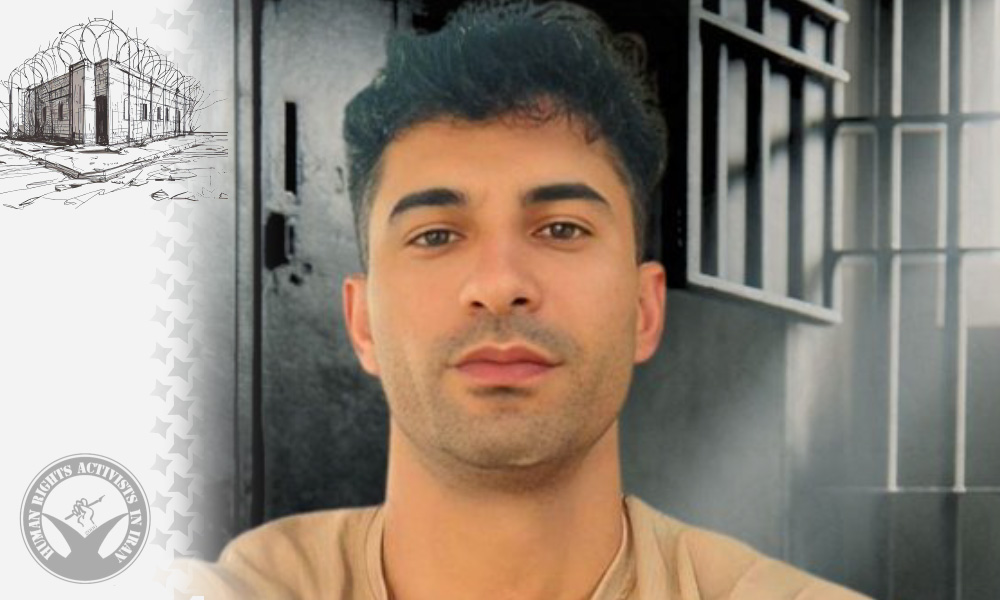
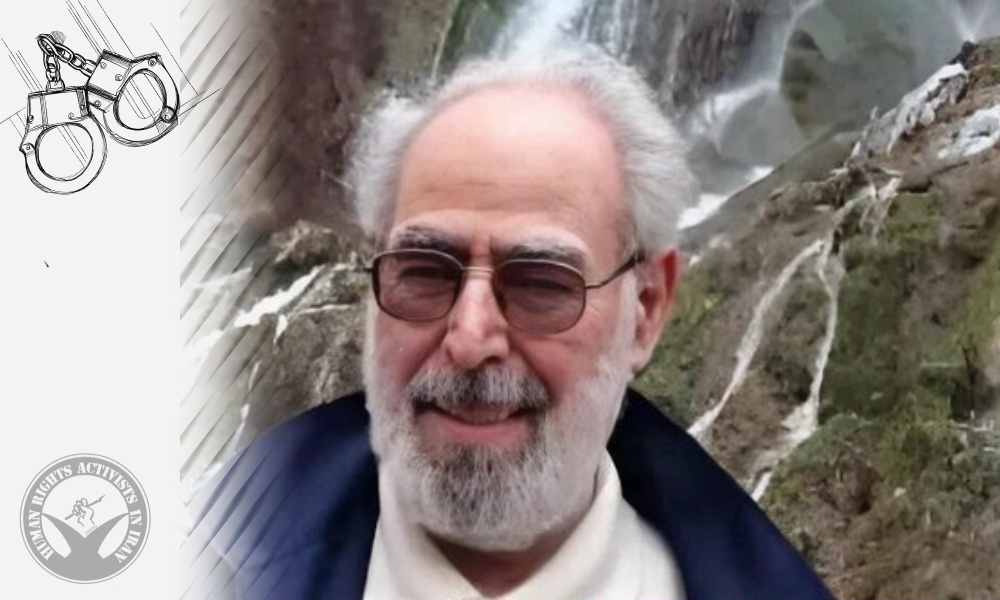
Ebrahim Khishkar, a resident of Marivan, has been sentenced to one year and six months in prison by the Revolutionary Court, as reported by Kurdpa. Of this sentence, one year has been suspended.

According to the verdict issued by the Revolutionary Court of Marivan, Khishkar was convicted on suspicion of collaborating with an opposition party.” His sentence includes one year of suspended imprisonment and six months of enforceable imprisonment.

Khishkar, a native of the village of Del in the Sarvabad district and a resident of Marivan, was arrested by security forces on Thursday, May 23, 2024. He was released on bail after a few days in detention.

HRA’s Pasdaran Documentation Project (PDP) Looks at Bloody Friday Two Years On

On Friday, 30 September 2022, Zahedan, a city in Sistan and Baluchistan province, witnessed the deadliest incident of the Woman, Life, Freedom protests, which came to be known as “Bloody Friday.”

Amid the wider Woman, Life, Freedom movement and growing anger over the sexual assault of a local girl by police, protesters and bystanders were met with lethal force from security personnel, who used tear gas, live ammunition, and metal pellets.

The majority of victims were shot in the head, heart, neck, and torso.

The government claimed that many civilians were killed in the crossfire between attackers and security forces. However, several official reports indicate that footage analysis reveals security forces and plainclothes agents firing indiscriminately from rooftops at a gathering of protesters.

At least 100 people lost their lives on Bloody Friday, including at least 15 children.

Kurdish and Baloch citizens witnessed the bloodiest crackdowns during the Woman, Life, Freedom protests: over half of the total number of people killed came from the Baloch and Kurdish provinces, with children from these minority groups comprising 63% of the recorded child victims.

Now, two years after these violent events, no accountability or justice has been delivered for the victims.

With the anniversary upon us, Bloody Friday remains a symbol of broader repression. It not only underscores the Iranian regime’s willingness to use excessive force with impunity but also highlights the systemic marginalization of the Baloch minority, further compounded by economic deprivation, political exclusion, religious discrimination, and cultural repression.

HRA’s Pasdaran Documentation Project (PDP), launching in October, is an unprecedented database that offers the most comprehensive overview to date of Iran’s Islamic Revolutionary Guard Corps (IRGC), documenting its structure, chain of command, and human rights and international law violations perpetrated by the IRGC.

In the case of Bloody Friday, through PDP, several breaches have been identified, some of which trigger individual criminal accountability, extending beyond the state’s responsibility under international human rights law.

Types of Violations

  • Right to Life
  • Freedom of Assembly and Association
  • Freedom from Torture and Cruel, Inhuman, or Degrading Treatment or Punishment
  • Right to be Free from Discrimination


Possible International Crimes

  • Murder as a crime against humanity
  • Persecution as a crime against humanity, based on political, racial, national, ethnic, cultural, religious, or gender grounds
  • Crime against humanity of an inhumane act of a similar character, intentionally causing great suffering


IRGC Involvement 

The PDP database also identifies the specific IRGC units and personnel involved in events that led to severe human rights abuses, such as Bloody Friday. By tracing the individuals responsible for these incidents, the PDP provides a more detailed analysis of atrocities like torture, unlawful killings, and helps attribute direct accountability. During the Zahedan crackdown, where security forces used live ammunition, tear gas, and metal pellets against protesters, several IRGC units were involved, including the Kush County IRGC and the Quds Base Southeast, among others. These forces played a significant role in the violent suppression, firing indiscriminately at civilians and furthering the cycle of repression.

Continued Documentation 

In addition to the analysis conducted by PDP, HRA’s Spreading Justice platform continuously tracks individuals responsible for human rights violations in Iran. This platform has identified key figures involved in the Bloody Friday crackdown:

  • Hossein Modarres-Khiabani: Governor of Sistan and Baluchestan during the 2022 protests and head of the Provincial Security Council. He labeled the Bloody Friday protesters as terrorists and separatists and was directly involved in ordering and directing serious human rights abuses. He had direct oversight of the Iranian security forces.
  • Ahmad Taheri: Head of Iran’s Law Enforcement Forces (LEF) in Sistan and Baluchestan. Like Khiabani, he had direct authority over the security forces that violently responded to the protests.
  • Mahmoud Saadati: Police Commander of Zahedan, who commanded security forces to use lethal weapons against protesters. On October 27, 2022, he admitted to the negligence of certain officers.
  • Mohammad Karami: Commander of the IRGC’s Quds Base in the southeastern According to reports from HRA, units under the IRGC Ground Forces, including those under Karami’s command, played a significant role in the suppression of unarmed protesters. Karami labeled the detained protesters as “armed criminals” and promised to air their confessions. One such confession was released just a few hours later.
  • Ahmad Shafahi: Commander of Salman Revolutionary Guard Corps in Sistan and Baluchestan Province. He had direct control of the IRGC and the Basij during Bloody Friday. He is responsible for violent actions against peaceful protestors, including against children.
  • Abuzar Mehdi Nakhai: The Governor of Zahedan and the Head of the Security Council. As the governor he was directly responsible for directing security forces in committing brutal acts against protestors

Zahedan’s Bloody Friday has become a symbol of the broader struggle of the Iranian people against government oppression. The massacre is a stark reminder of the regime’s willingness to use excessive force against its citizens, particularly in marginalized regions like Sistan and Baluchistan.

Accurate documentation is essential to securing justice and accountability. HRA hopes that our resources and analyses will aid civil society, states, and other stakeholders to pursue and initiate accountability efforts.

Two Prisoners Executed in Ghezel Hesar Prison, Karaj for Drug-related Crimes

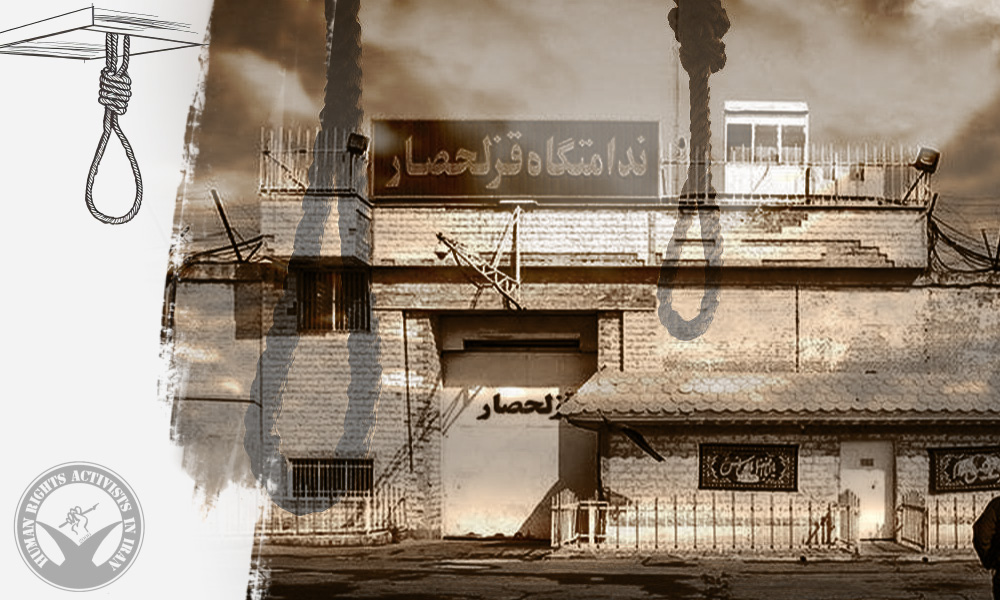
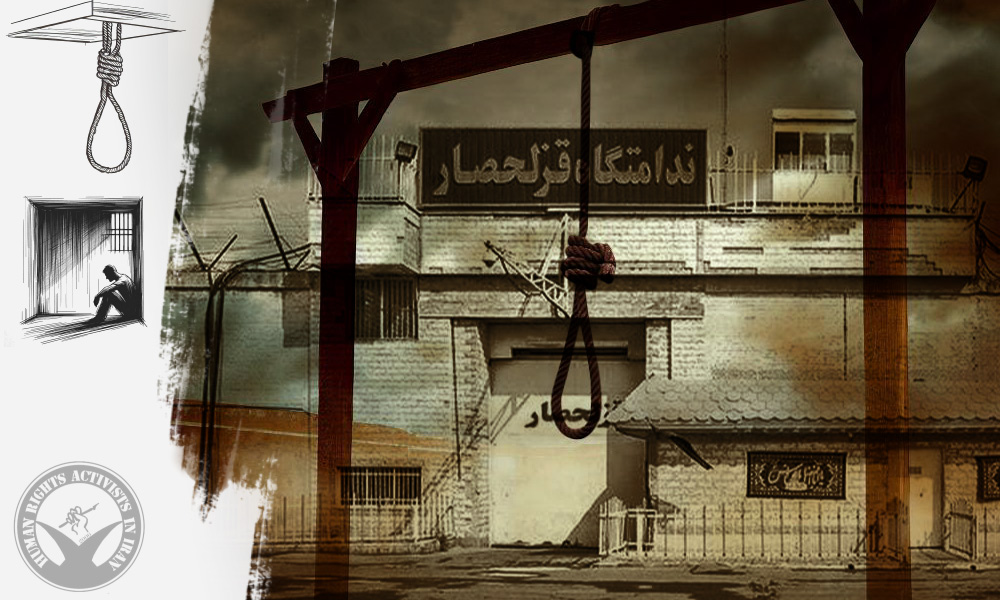
At dawn today, October 2, the execution of two prisoners who had previously been sentenced to death on charges related to drug-related crimes was carried out in Ghezel Hesar Prison, Karaj.

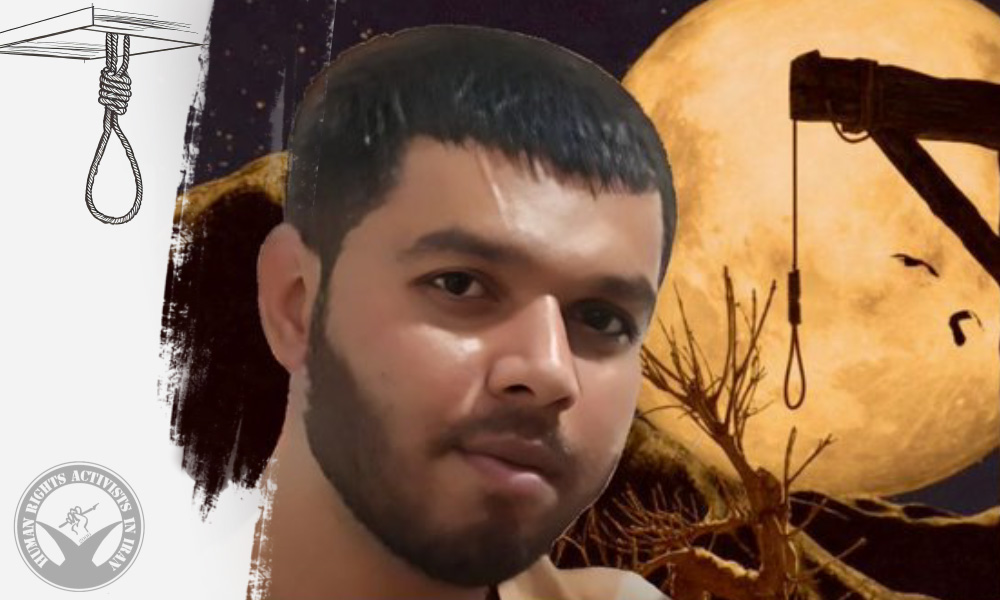
HRANA has identified these prisoners, who were sentenced to death on drug-related charges, as Hamzeh Shahbazi and Fazlollah Pournasiri. On Monday, September 30, Mr. Shahbazi and Mr. Pournasiri, along with two prisoners convicted of murder, were transferred to solitary confinement in preparation for their execution.

As of the time of this report, the execution of these prisoners has not been officially announced by prison officials or the relevant authorities.

The reports from the Department of Statistics and Publication of Human Rights Activists for the year 2023 reveal a concerning prevalence of executions for drug offenses in Iran, constituting 56.4% of the total executions. For a comprehensive examination of the details and statistics surrounding the executions in Iran, refer to HRANA’s report.

Prisoner Executed in Kahnuj Prison

Today, October 1, 2024, the execution of a prisoner previously sentenced to death for non-political crimes was carried out in Kahnuj Prison, Kerman province.

HRANA has identified the prisoner as “Abdol Habibi.” He had been sentenced to death by the judiciary for non-political crimes.

Further details are currently under investigation by HRANA.

As of the time of this report, the execution has not been officially announced by prison authorities or relevant institutions.

According to the Department of Statistics and Publication of Human Rights Activists in Iran, in 2023, at least 767 citizens, including 21 women and 2 juvenile offenders, were executed. Of these, the executions of 7 individuals were carried out in public. Additionally, during this period, 172 others were sentenced to death, with 5 of them sentenced to public execution. It is worth noting that during the same period, the initial death sentences of 49 other individuals were also upheld by the Supreme Court.

Mohammad Tahmasbi Held Without Charges for Over 50 Days in Ahvaz Ministry of Intelligence Detention Facility

Mohammad Tahmasbi, a 32-year-old resident of Izeh, has been detained in The Ministry of Intelligence’s detention facility in Ahvaz for more than 50 days without being formally charged, despite suffering from serious health issues.

A source close to his family confirmed to HRANA, “Mr. Tahmasbi has been held without charges for 50 days in Ahvaz. He suffers from intestinal adhesions and shortness of breath, requiring specialized medical treatment that is unavailable in the detention facility.”

Tahmasbi was arrested by security forces in Urmia on August 13, 2024, before being transferred to Ahvaz. After a month of no contact, he informed his family via a phone call that he was being held in The Ministry of Intelligence’s detention facility in Ahvaz.

To date, no details have been provided about the reasons for Tahmasbi’s arrest or any charges filed against him.

Subscribe to Our Newsletter

Now is definitely not the time to stop reading!

Execution of Four Prisoners in Saravan, Semnan, and Kerman

At dawn today, October 1, the death sentences of two prisoners, who had previously been convicted on separate charges related to drug offenses, were carried out in Saravan and Semnan prisons, according to Haal Vsh.

Their identities have been reported as Dastgir Sasuli, 46, father of three, from Zahak County,” and “Rashid Sepahi, 33, from Jalq and residing in Bakhshan, Saravan County.

According to this report, Mr. Sasuli was arrested in 2019 in Semnan, and Mr. Sepahi was arrested in 2020 in Saravan, both on drug-related charges, and were later sentenced to death by the judiciary. These two prisoners had been transferred to solitary confinement on Sunday and Monday, respectively, in preparation for their executions.

At the time of this report, the executions had not yet been officially announced by prison authorities or related officials.

Additionally, citing the Judiciary’s news agency Mizan, without mentioning the identities of those executed, two prisoners were executed in Kerman prison. These individuals had previously been sentenced to death on charges of rape.

According to the Department of Statistics and Publication of Human Rights Activists in Iran, in 2023, at least 767 citizens, including 21 women and 2 juvenile offenders, were executed. Of these, the executions of 7 individuals were carried out in public. Additionally, during this period, 172 others were sentenced to death, with 5 of them sentenced to public execution. It is worth noting that during the same period, the initial death sentences of 49 other individuals were also upheld by the Supreme Court.

Four Prisoners Transferred to Solitary Confinement for Execution in Ghezel Hesar Prison

Yesterday, September 30, four prisoners in Ghezel Hesar Prison, Karaj, who had previously been sentenced to death on charges related to drug offenses and murder, were transferred to solitary confinement in preparation for their execution.

The transfer of these prisoners, who had previously been sentenced to death for drug-related offenses and murder, was carried out in preparation for the implementation of their sentences. HRANA is currently investigating further details, including the identities of these prisoners.

According to data gathered by the Department of Statistics and Publication of Human Rights Activists, Ghezel Hesar Prison in Karaj witnessed the highest number of executions in 2023, with Zahedan Prison following closely behind. For a comprehensive examination of the details and statistics surrounding the executions in Iran, refer to HRANA’s report.

Abolfazl Ghadiani Arrested by Security Forces

Today, September 30, political activist Abolfazl Ghadiani was arrested by security forces in Tehran and transferred to an undisclosed location.

His son announced that the arrest took place around noon at Mr. Ghadiani’s residence by security forces. As of the time of this report, no information has been provided regarding the reasons for his arrest or his whereabouts.

In July 2023, Mr. Ghadiani was sentenced to 10 months in prison by Branch 28 of the Tehran Revolutionary Court on charges of “propaganda against the regime” and had been summoned to Branch 1 of the Tehran Public and Revolutionary Prosecutor’s Office to serve this sentence.

Additionally, he has faced charges of “spreading falsehoods on the Internet” in another case at Branch 1025 of the Criminal Court of the Tehran Government Employees Judicial Complex.

Ghadiani has a history of previous arrests and convictions due to his political activities.

Teenager Dies Nine Days After Being Shot by Military Forces in Hirmand

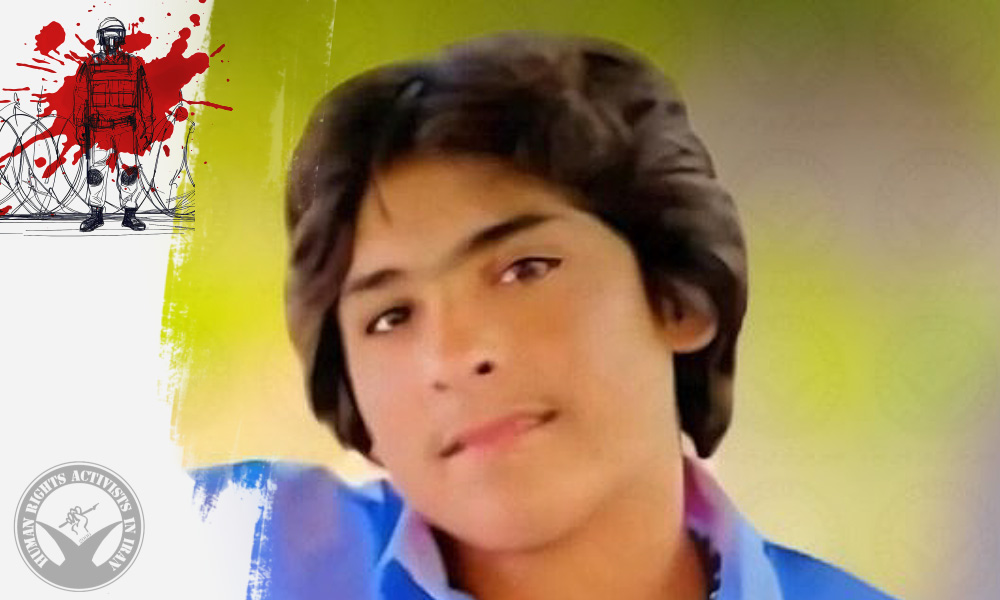
On September 29, 2024, 16-year-old Mohammad Sasuli succumbed to his injuries after being shot by military forces in the border areas of Hirmand County. He had endured nine days of critical condition before passing away.

According to Haal Vsh, Mohammad Sasuli was fatally wounded by indiscriminate gunfire from Border Guard officers. The shooting occurred on Saturday, September 21, when military forces opened fire without issuing a warning or command to stop. Mohammad sustained severe heart injuries and was placed in a coma in the ICU at Amir al-Momenin Hospital in Zabol, where he fought for his life for over a week.

Data collected by the Department of Statistics and Publication of the Human Rights Activists in Iran (HRA) shows that in 2023, 540 citizens were shot at by military forces, resulting in the deaths of 129 individuals. Among the deceased were 29 porters (kolbars), 29 fuel carriers (sukhtbars), and 71 other civilians. Additionally, 411 citizens were injured by indiscriminate shootings, including 353 kolbars, 33 ordinary citizens, and 25 sukhtbars.

Mahboob Habibi, a Baha’i Citizen from Shiraz, Arrested and Charged

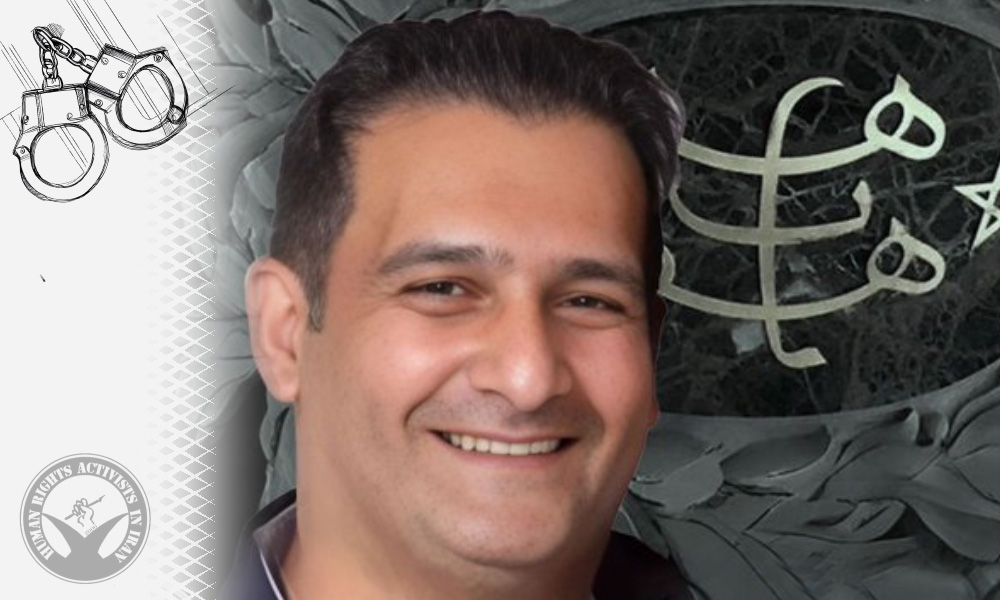
On Saturday, September 28, Mahboob Habibi, a Baha’i citizen residing in Shiraz, was arrested by security forces and transferred to the Ministry of Intelligence’s detention facility in the city, known as House No 100.

A source close to Habibi’s family confirmed to HRANA: “Mahboob Habibi was arrested in the presence of his two-year-old child by security forces and transferred to the Ministry of Intelligence’s detention facility in Shiraz.”

The following day, on Sunday, September 29, Habibi was formally charged during an interrogation at the Public and Revolutionary Prosecutor’s Office with accusations including “propaganda against the regime.”

Mahboob Habibi and his wife, Negar Misaghian, have previously been arrested and faced legal action due to their religious beliefs and activities.