Giliard: Historic Jewish Cemetery Surrounded by Waste and Widespread Grave Destruction

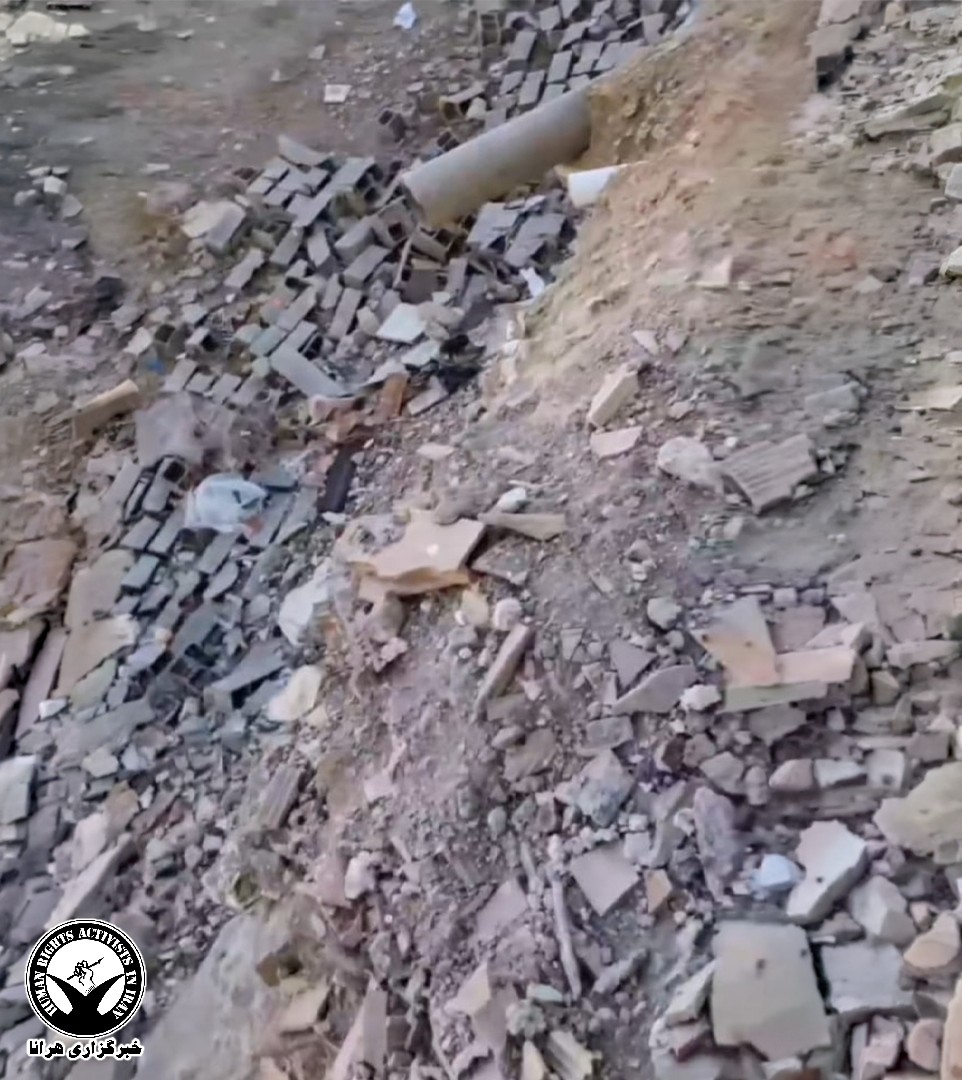
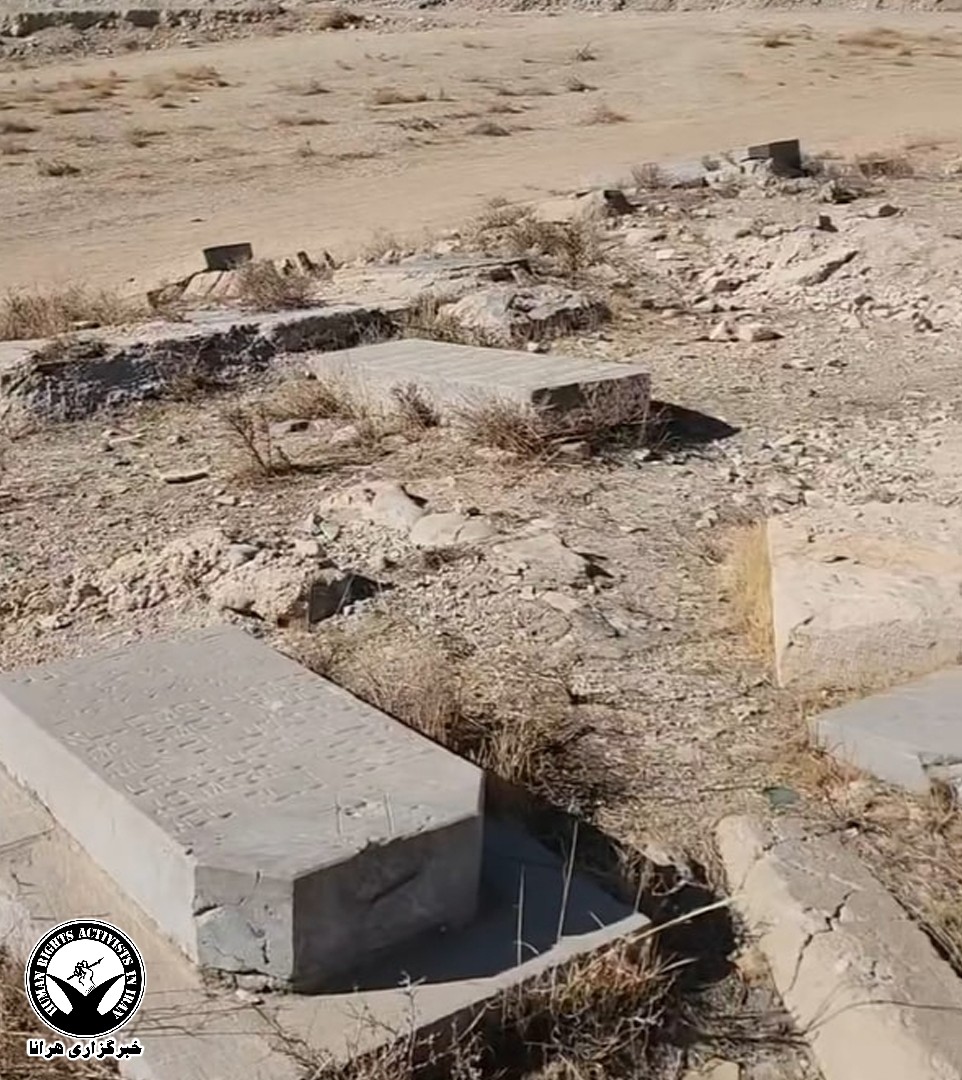
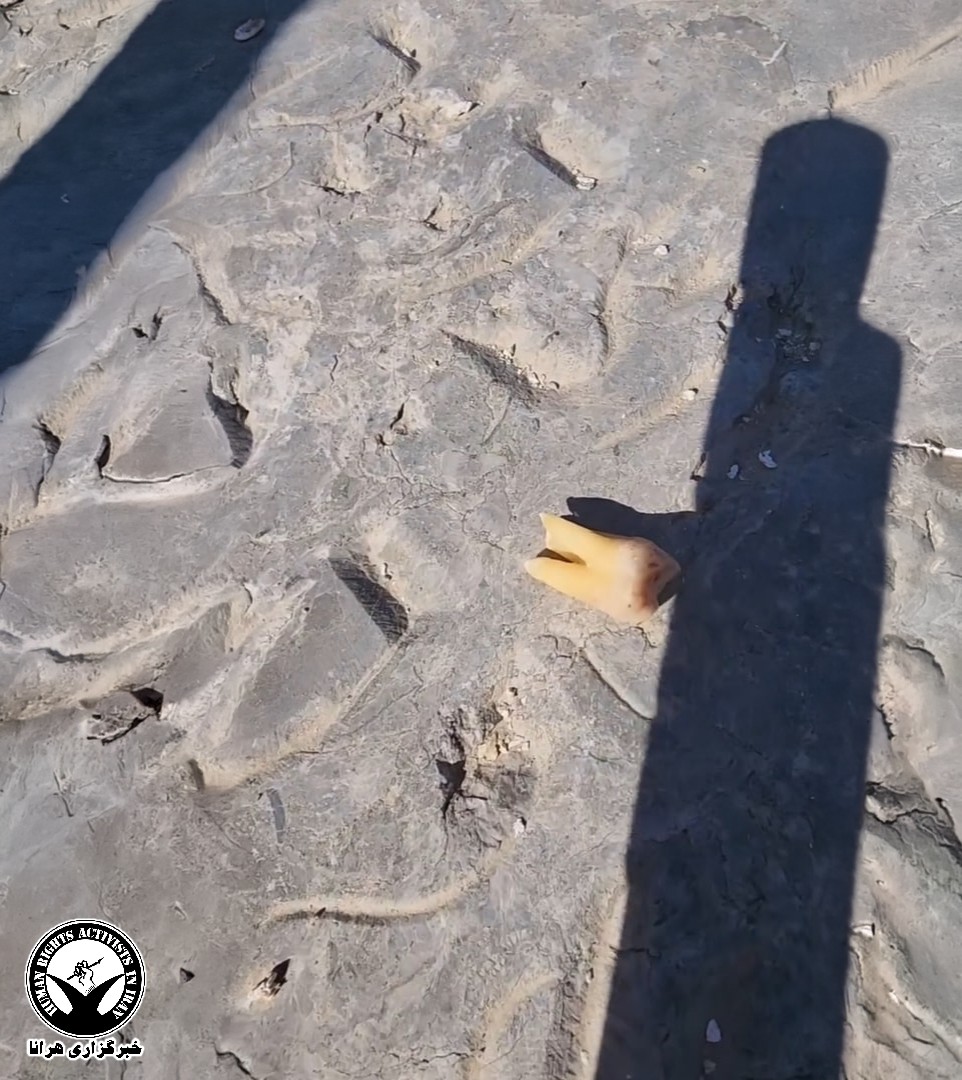
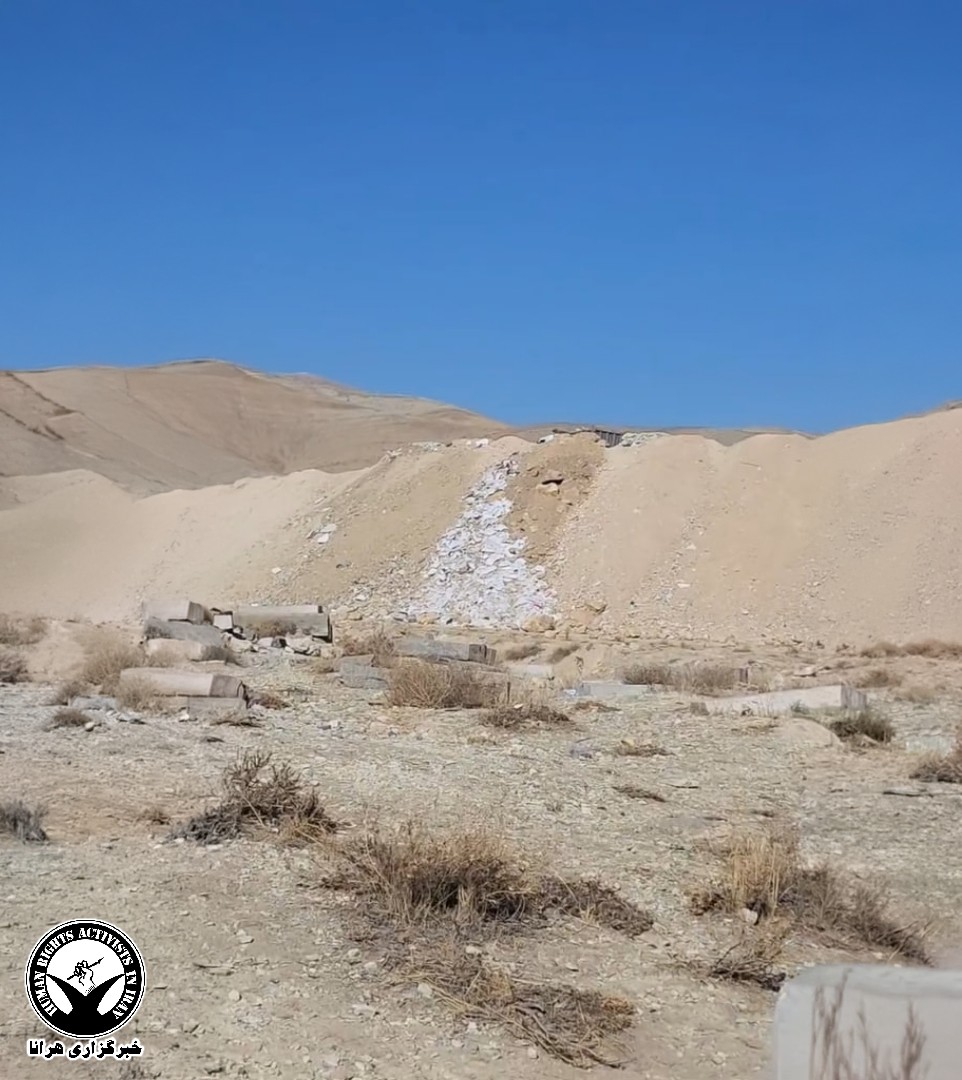
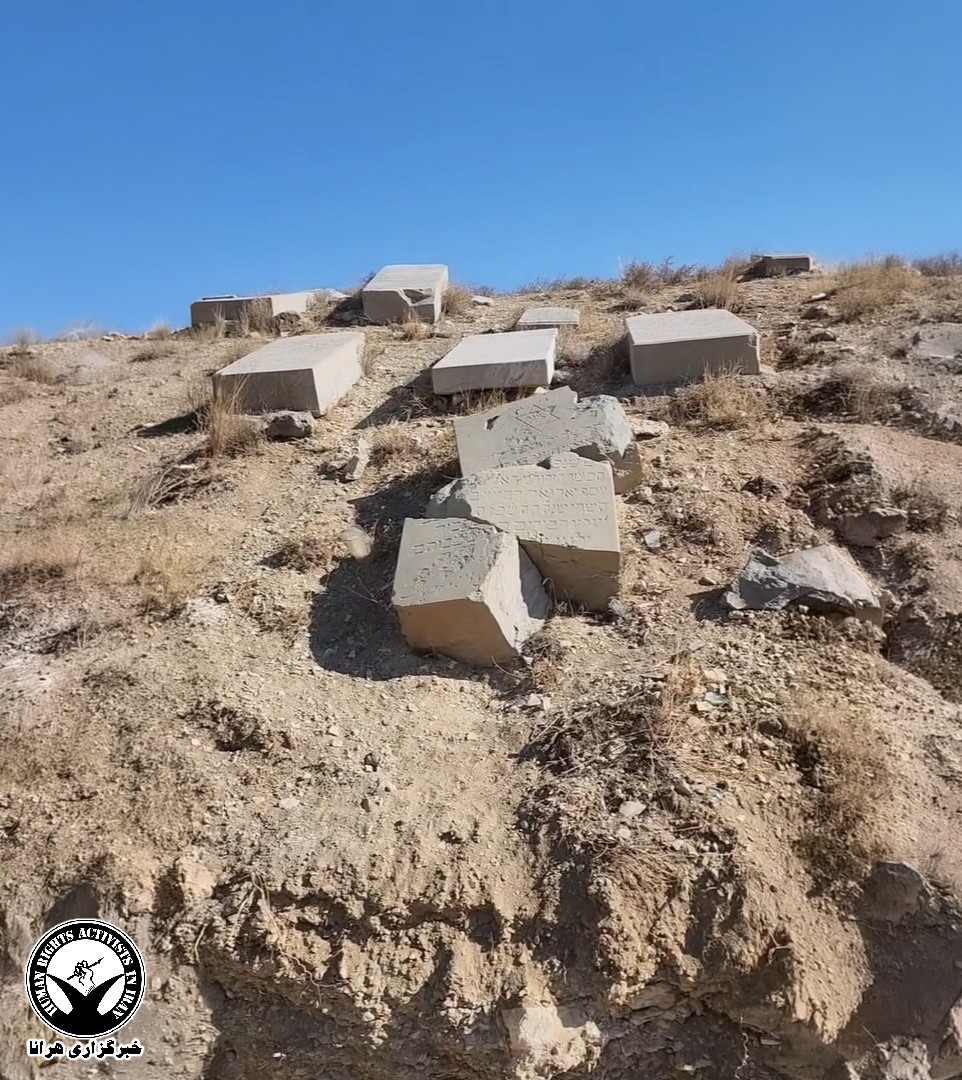
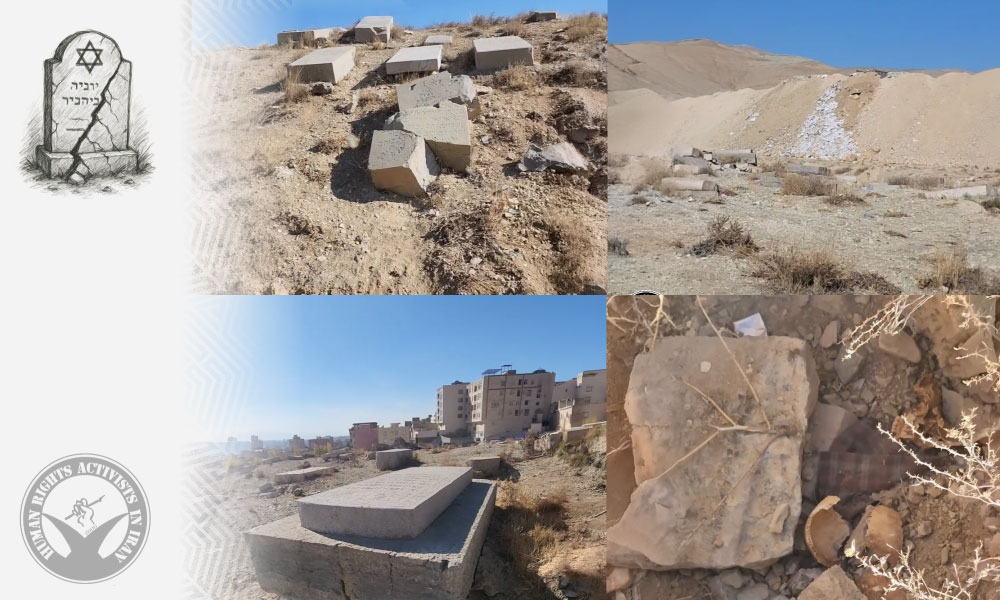
HRANA - The historic Giliard Cemetery, registered on Iran’s National Heritage List, has now seen parts of its grounds turned into dumping areas for garbage and debris, and a large number of headstones have been broken, displaced, or otherwise damaged.

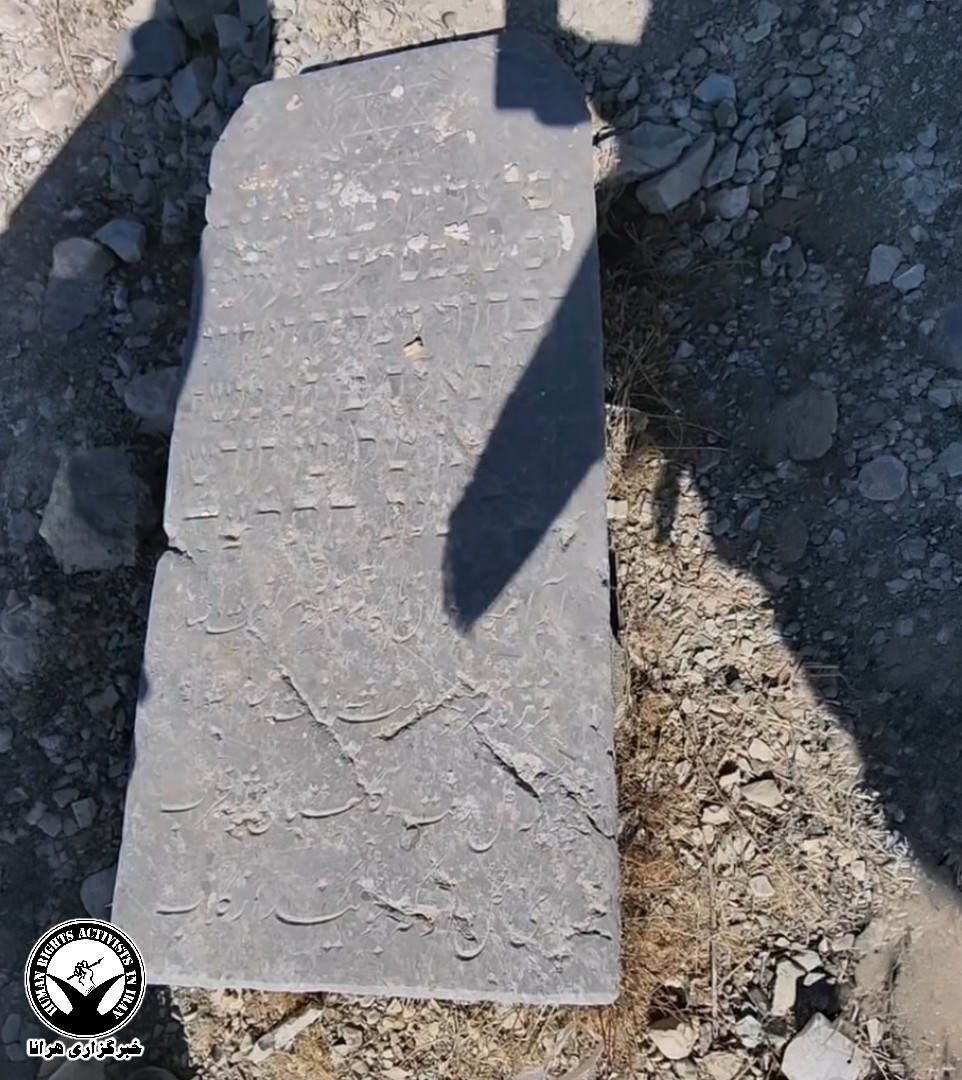
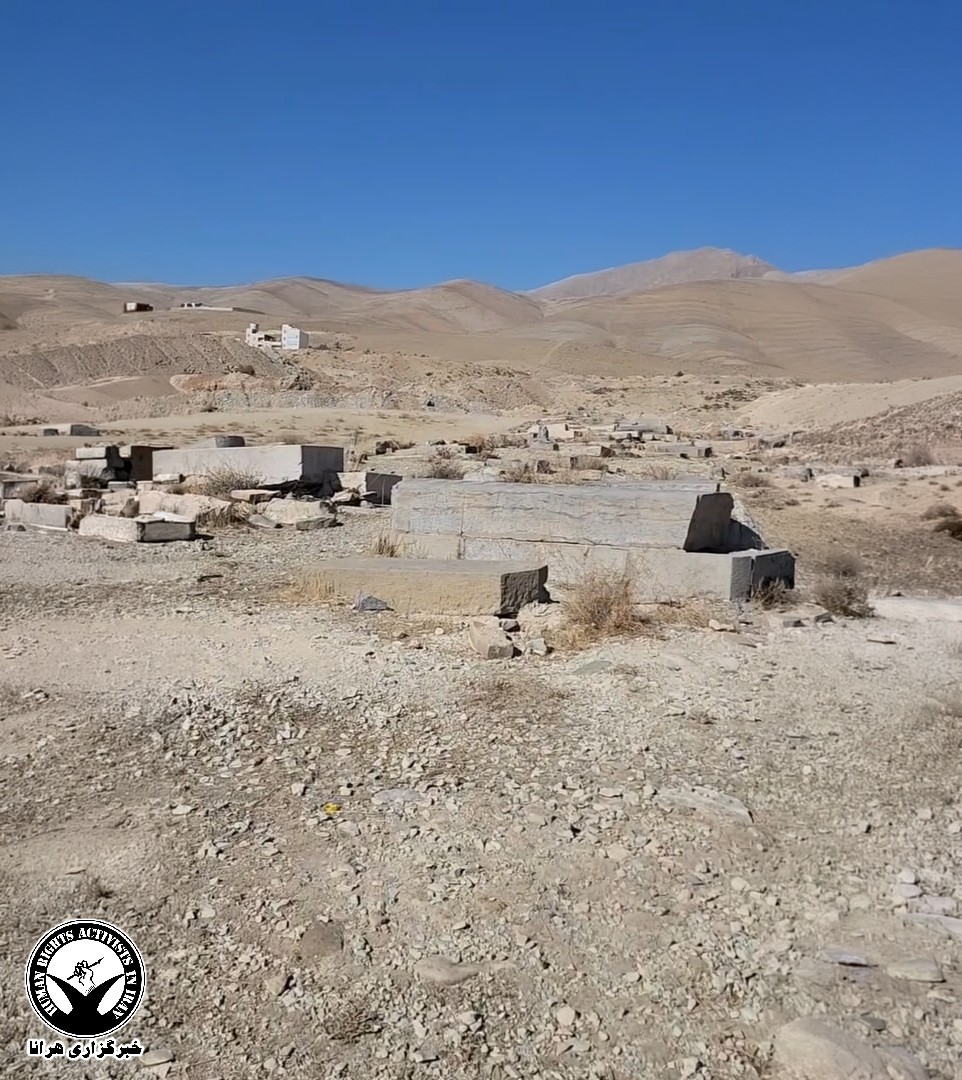
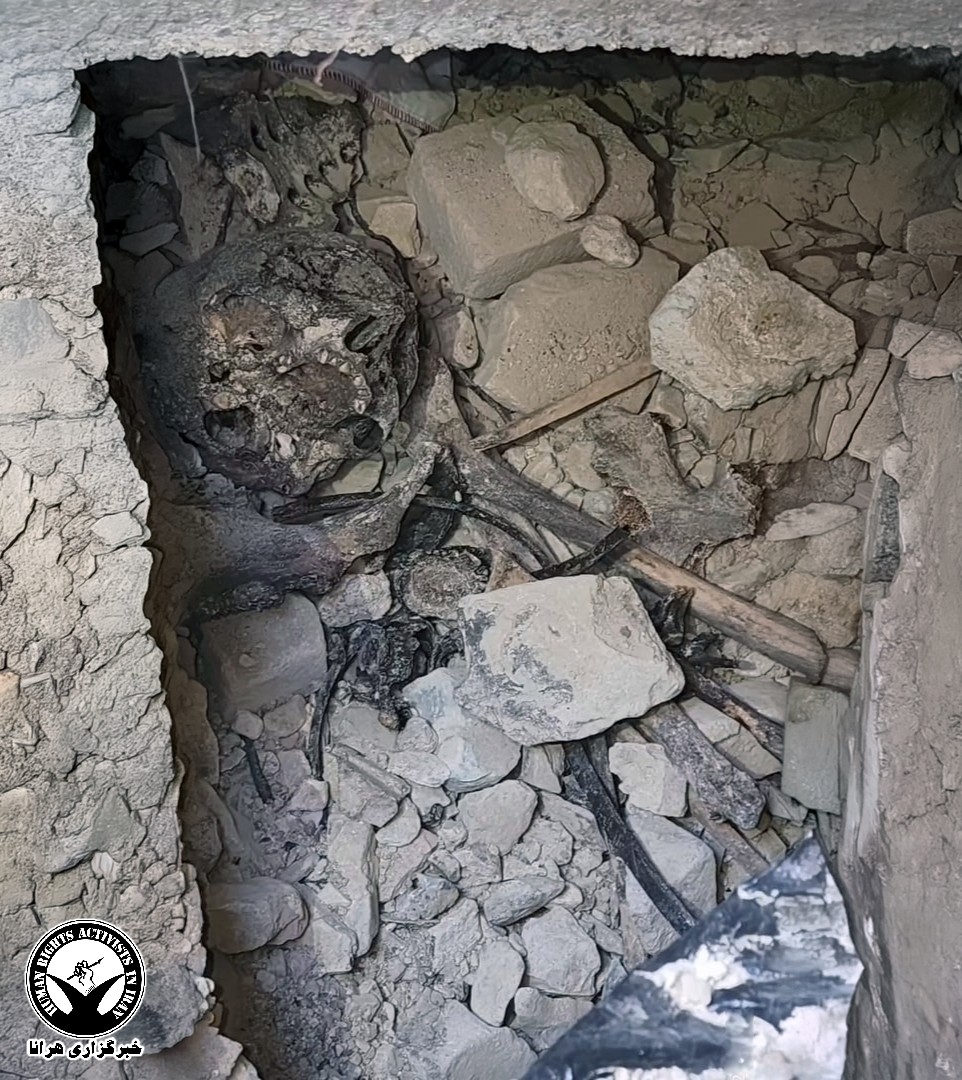
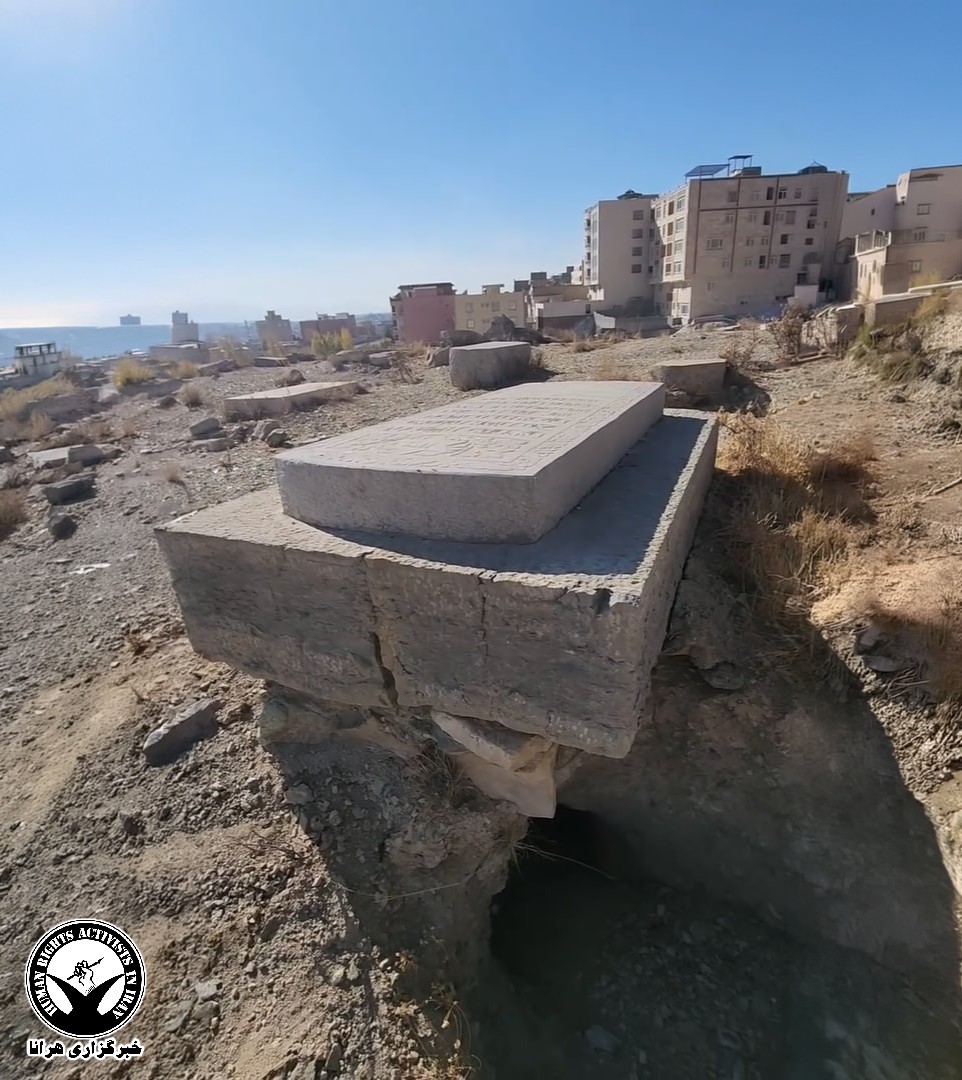
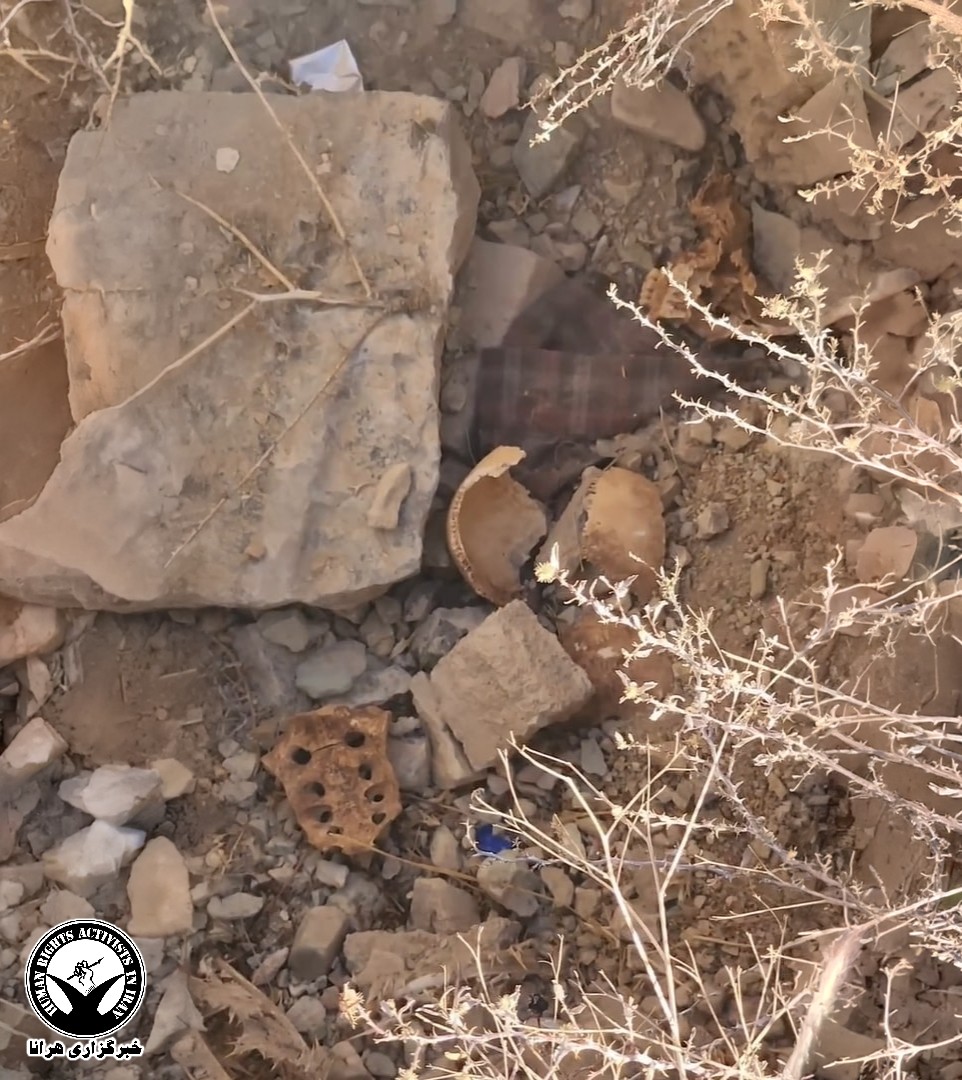
HRANA – The historic Giliard Cemetery, registered on Iran’s National Heritage List and considered one of the most important burial sites belonging to the Jewish community in the country, has in recent months faced escalating destruction, neglect, and pollution. This cemetery, located west of Damavand, has now seen parts of its grounds turned into dumping areas for garbage and debris, and a large number of headstones have been broken, displaced, or otherwise damaged.

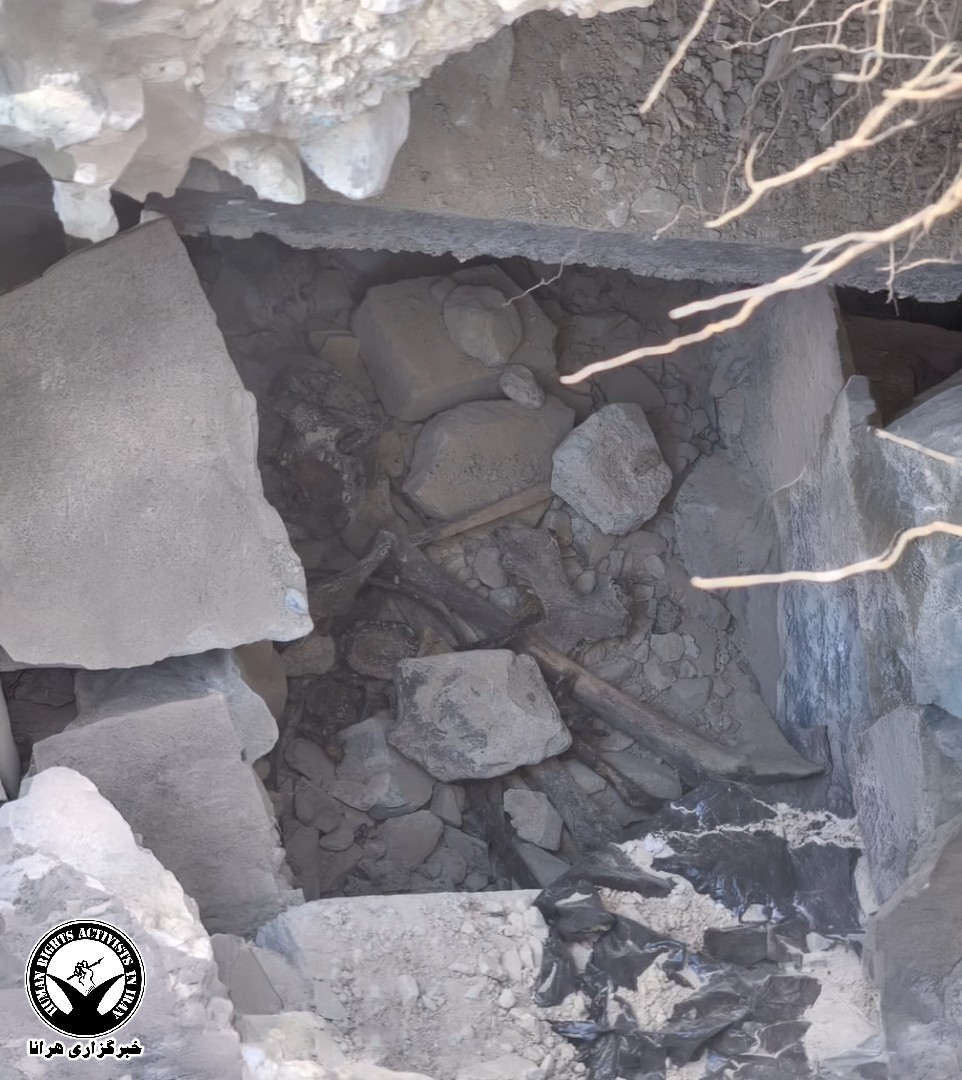
According to HRANA, the news agency of Human Rights Activists in Iran, reports from local sources indicate that in addition to waste accumulation, numerous signs of illegal excavations can be seen across the cemetery. In some areas, these excavations appear as deep pits between graves, likely carried out in search of historical artifacts or belongings buried with the deceased, acts that, aside from being criminal, have inflicted serious damage on the cemetery’s historical structure.

Local observations and reports suggest that the Giliard Cemetery, located in Mazandaran Province, lacks secure fencing, guards, and any routine cleaning or maintenance program. A local witness who spoke with HRANA said: “This place has been completely abandoned. There is no protection, no restoration, and no effort to stop nighttime digging. Local follow-ups have gone unanswered.”

Local channels and activists in the area have also released visual reports in recent days, urging authorities to address the deteriorating condition of this historic burial ground.

The Giliard Cemetery is considered one of the most significant sites belonging to Jewish citizens in northern Iran. Historical research shows that the cemetery includes both old and new sections, and many of the headstones feature Hebrew inscriptions, images of the menorah, and the Star of David. Some parts of the grounds date back several centuries, serving as evidence of the long-standing presence of the Jewish community in the Damavand region.

Earlier research sources had already noted waste accumulation, the destruction of headstones, and the gradual encroachment upon surrounding lands, indicating that today’s problems are part of a long-standing pattern of neglect toward this historical heritage.

The current neglect of the Giliard Cemetery not only results in the destruction of cultural heritage but also constitutes a violation of multiple legal obligations of the government regarding the rights of religious minorities and the protection of registered heritage sites. According to Article 13 of the Constitution, Judaism is recognized as one of the country’s official religious minorities, and the government is required to protect their religious and cultural sites; therefore, the abandonment and damage to this cemetery constitutes a direct breach of that obligation.

Furthermore, cultural heritage laws clearly stipulate that nationally registered sites,under the 1930 Law on the Preservation of National Monuments, must be fully protected, and any destruction, boundary violations, removal of stones, or excavations within such sites is considered a crime. This is reinforced by Articles 558 to 569 of the Islamic Penal Code, which provide criminal penalties for such offenses.

Additionally, under Article 114 of the Sixth National Development Plan and related regulations, the Ministry of Cultural Heritage is obligated to provide active protection, cleaning, restoration, and prevention of encroachment or illegal excavations in registered sites. Failure to do so may constitute administrative misconduct or even a criminal offense.

Internationally, by accepting the International Covenant on Civil and Political Rights, Iran has committed to ensuring the preservation of minority cultural sites and enabling free use of religious and historical identity. The destruction or neglect of sites belonging to religious minorities may simultaneously violate Article 18 of the Covenant, on freedom of religion, and Article 27, on the rights of minorities to preserve their culture, sites, and traditions.

This is not the first time that religious or cultural sites belonging to minorities in Iran have faced abandonment, encroachment, or destruction. In recent years, multiple similar cases have been reported involving cemeteries of Jews, Bahá’ís, Armenians, and other minorities. The repetition of this pattern has intensified concerns about structural discrimination and the absence of effective oversight mechanisms for minority sites.

The Giliard Cemetery is part of Iran’s shared cultural heritage, and its current condition not only reflects a failure of responsible institutions to fulfill their legal duties but also threatens an important part of the historical memory and identity of Iran’s Jewish community.
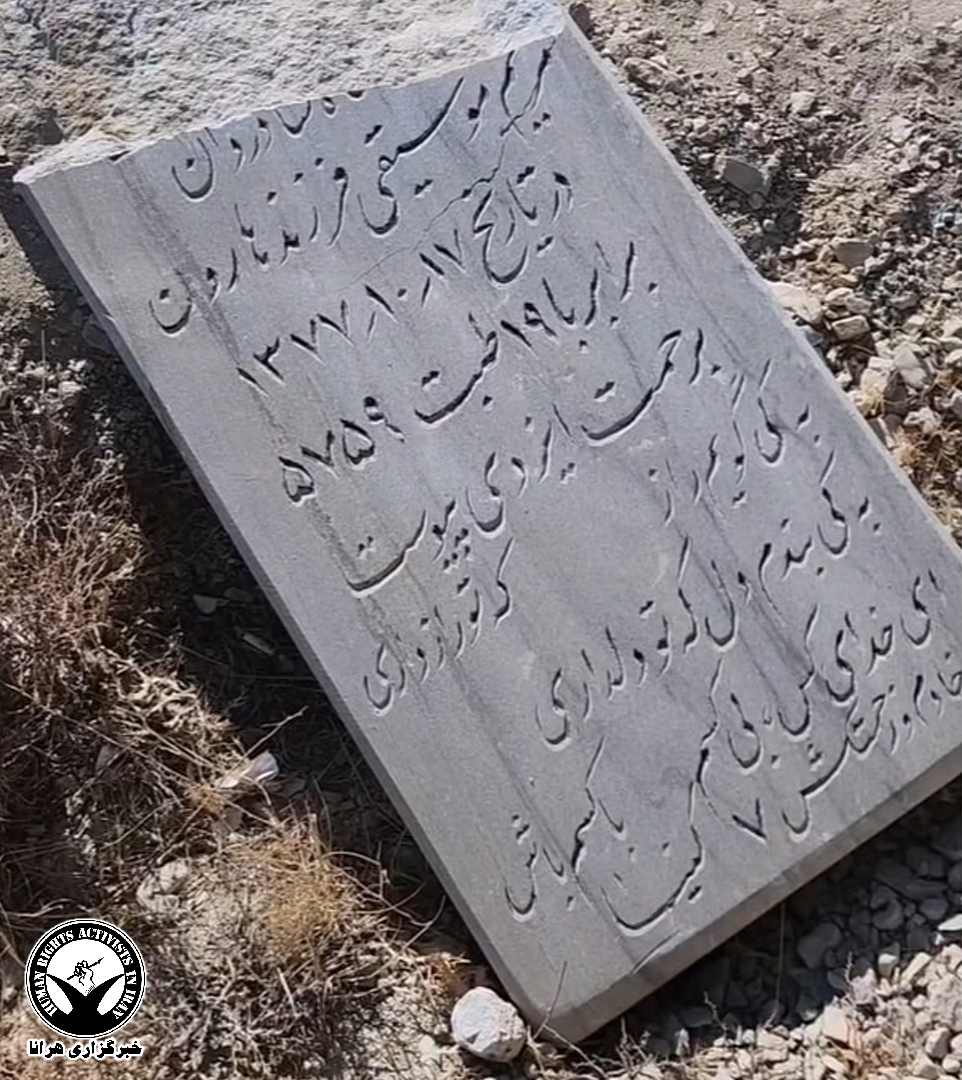
 

Two Kish Marathon Organizers Arrested Following Women’s Participation with Optional Hijab

HRANA – The Public and Revolutionary Prosecutor of Kish announced the arrest of two main organizers of the Kish Marathon.

According to Mehr News Agency, the Public and Revolutionary Prosecutor of Kish stated that two of the main organizers of the event were detained under legal orders in connection with the staging of the two Kish marathons. He added that one of the detainees is an official from the Kish Free Zone Authority, while the second is from the private company responsible for organizing the race. For both individuals, after the charges were formally communicated, bail orders were issued.

The Kish prosecutor continued: in addition to the bail orders, temporary judicial oversight orders were issued for the defendants under Article 247 of the Code of Criminal Procedure. Under these orders, the government official is prohibited from employment in government offices, while the private-sector organizer is barred from involvement in sports management and organizing sports events.

On Friday, the Public and Revolutionary Prosecutor of Kish had announced the opening of a judicial case against the officials and organizers of the Kish Marathon, alleging “violations of regulations and law.”

On Friday morning, the Kish Island marathon was held with broad participation from women wearing optional hijab. Following the publication of videos and images from the race, media outlets aligned with security agencies reacted negatively.

Fars News Agency, which is close to security institutions, described the participation of women in the event as “non-compliance with Islamic norms” and “improper dress,” framing the marathon as an example of “immorality.” In its coverage, the agency used threatening language toward participating women and emphasized the need for judicial and administrative action.

Additionally, according to published reports, the Athletics Federation had attempted to prevent the event, citing “failure to observe religious standards,” but ultimately was unsuccessful in canceling it.

The identities of the arrested individuals have not been disclosed in this report.

On the First Day of Iranian New Year, Several Citizens Arrested at Historical Sites

HRANA News Agency – The head of the Public Security Police of FARAJA announced that several citizens were arrested at various historical sites across the country on the first day of the Iranian New Year (1404). He claimed that these individuals were attempting to disrupt public order through “norm-breaking” behavior.

According to HRANA, quoting Mehr News Agency, a number of citizens were detained at cultural and historical locations across Iran on the first day of the new year.

The police official referred to the detainees as “leaders” and “main instigators,” accusing them of engaging in acts of “norm violation.” Seyed Majid Feyz Jafari, without providing any specific examples of the alleged misconduct, asserted that the detainees intended to disturb public security.

The report does not mention the identities or the number of those arrested. There is also no information available regarding their legal status or current conditions of detention.

In recent years, during the Nowruz holidays, as public presence in cultural and historical sites increases, numerous incidents have been reported involving authorities confronting citizens over issues such as dress code, dancing, or public celebration. In some cases, detainees were later released on bail but faced charges such as “propaganda against the regime” or “encouraging corruption and prostitution.”

Crew Members of My Favorite Cake Tried in Revolutionary Court

HRANA – On Saturday, March 1, 2025, a court session was held to review charges against six crew members of the film My Favorite Cake, including directors Behtash Sanaeeha and Maryam Moghaddam, producer Gholamreza Mousavi, actors Lili Farhadpour and Esmail Mehrabi, and a cinematographer. The trial took place in Branch 26 of the Tehran Revolutionary Court, presided over by Judge Iman Afshari.

According to HRANA, the news agency of Human Rights Activists in Iran, these individuals stood trial on various charges.

Charges Against the Filmmakers
In February 2025, an indictment was issued against the film’s creators, accusing them of:

. Propaganda against the regime
. Producing, distributing, and reproducing a film with “immoral” content
. Offending public decency and morality
. Screening the film without official approval

During the trial, the defendants, accompanied by their lawyers, defended themselves against these allegations.

Film’s International Recognition and Government Backlash

Despite winning international awards, including the Silver Hugo at the Chicago International Film Festival, directors Behtash Sanaeeha and Maryam Moghaddam were banned from leaving the country and could not attend the ceremonies.
My Favorite Cake was produced without government censorship and without enforcing mandatory hijab on female actors. The Iranian Ministry of Culture and Islamic Guidance strongly opposed its production.
The film, a 2024 drama, gained widespread attention after being released online, where it was well received by the public.

Singer Parastoo Ahmadi and Musicians Charged Over Virtual Concert

Parastoo Ahmadi, a singer, along with musicians previously arrested for holding an virtual concert, were summoned to Tehran’s District 38 Morality Court today to face charges. They were released on bail after the hearing.

Ahmadi’s bail was set at 3 billion tomans, while each musician’s bail was set at 2 billion tomans. The specific charges against them have not been disclosed.

Background on the Case

Ahmadi, pianist Ehsan Beyraghdar, and electric guitarist Soheil Faghih-Nasiri recently staged an audience-free concert streamed live on Ahmadi’s YouTube channel. The concert, which took place in an old caravanserai, sparked judicial action against them.

Shortly after the concert, Ahmadi and the two musicians were arrested. Tasnim News Agency reported that the head of the Information Center for Mazandaran’s Police Command accused Ahmadi of “producing and disseminating videos that violate societal norms and values,” leading to her summons by Public Security Police and subsequent referral to the judiciary.

On December 14, the two musicians were released on bail, followed by Ahmadi at 3 a.m. the following day.

About Parastoo Ahmadi

Parastoo Ahmadi, 27, is a singer and graduate of directing from Soore University. She gained recognition during the 2022 protests with her rendition of “Az Khoon-e Javanan-e Vatan” by Aref Qazvini. Ahmadi’s repertoire includes a variety of musical works, such as renditions of Mazandaran folk songs and pieces by Baba Taher and Akhavan Sales.

Subscribe to Our Newsletter

Now is definitely not the time to stop reading!

Symbolic Concert in Caravanserai Leads to Legal Action Against Parastoo Ahmadi and Crew

On December 11, Parastoo Ahmadi, a female singer, performed a symbolic concert with a group of musicians in an old caravanserai. The concert, held without an audience, was broadcast live on her YouTube channel. The event drew significant attention and praise on social media but also provoked a response from the Judiciary, which announced legal action against Ahmadi and the concert’s production team.

The Judiciary alleged that the performance violated “legal and religious standards” due to the participation of a female singer and cited the absence of proper authorization.

In a statement, the Judiciary Media Center said: “A video titled ‘Symbolic Concert’ was published online, showing a music performance led by a female singer without observing the country’s legal and religious standards. The clip, which lacked official authorization and failed to comply with cultural and legal regulations, has prompted judicial intervention. Legal cases have been filed against the singer and the production team for appropriate action.”

Parastoo Ahmadi, a dissenting singer based in Tehran, is known for her critical and protest-oriented works, including addressing issues such as the suppression of free speech and the killing of demonstrators. She has faced previous legal actions for her activities.

Brief Detention and Legal Case Filed Against Khosrow Azarbeyg for Street Music Performance

Khosrow Azarbeyg, a musician and world-traveling cyclist, was briefly detained by security forces while performing street music in Tehran’s Mellat Park. Although he was released after a few hours, he now faces legal charges.

On Friday, September 20, Azarbeyg was arrested by plainclothes security officers and municipal agents while performing in Mellat Park, with his equipment confiscated. He was released shortly after but now faces ongoing legal proceedings.

In a video statement, Azarbeyg recounted that on Wednesday, September 25, he visited the police station at Mellat Park, where he was subjected to insults and threats. The senior officer demanded he sign a repentance letter. After Azarbeyg refused, the officer threatened to fabricate a separate case with false details to create further problems for him.

Azarbeyg had previously been arrested on January 10, 2024, for playing the daf (a Middle Eastern frame drum) at a Tehran metro station.

A dedicated cyclist, musician, traveler, documentary filmmaker, and child rights activist, Azarbeyg has journeyed through more than 40 countries across Asia, Europe, and Africa. His activism includes extensive support for underprivileged families in Sistan and Baluchestan, autistic children, and the families of child laborers.

Seven Women Arrested in Bushehr Province for Social Media Modeling

Authorities in Bushehr Province have arrested seven women for sharing social media content related to modeling, according to Rokna. Their Instagram posts were removed, and electronic devices were confiscated.

The arrests occurred as part of a police initiative called “Nour,” according to the police commander of Bushehr province. The seven women were reportedly involved in operating businesses: one woman worked as a model, four others were involved in creating media content, and two others served as photographers.

The police official stated that, following orders from judicial authorities, the eight social media pages associated with these women were taken down. The report did not specify the identities of the detainees or their current location.

Since April 13, 2024, Iran’s police have increased enforcement of hijab regulations as part of the national action plan “Nour.” Reports suggest instances of arrests and use of force against women deemed to be improperly dressed.

Dozen Detained for Alleged Ramadan Violations in Garmsar

According to the Public and Revolutionary Prosecutor of Garmsar, Semnan Province, twelve individuals were apprehended on April 1 for purportedly violating Ramadan regulations, as per Basij News Agency. Additionally, several others were reportedly arrested for public alcohol consumption.

“In an effort to address breaches of Ramadan regulations, twelve individuals were apprehended during inspections of parks and recreational areas, and legal proceedings have been initiated against them,” stated prosecutor Vahid Mohammadi.

“Furthermore, several individuals were detained for consuming alcohol in public, and multiple motorcycles and vehicles were seized,” he added.

The identities of the detainees and the location of their detention were not disclosed in the report.

It’s worth noting that while eating and drinking during Ramadan isn’t explicitly criminalized in Iranian laws, Article 638 of the Islamic Penal Code allows penalties for actions deemed Haram (forbidden) in Islamic jurisprudence, ranging from ten days to two months imprisonment or up to 74 lashes.

Faraj Arsan Arrested by Security Forces

Faraj Arsan, a resident of Malekshahi in Ilam Province, was reportedly arrested by security forces in Ilam on April 3, 2024.

According to Kurdpa, Arsan was taken into custody without a warrant and transferred to an undisclosed location.

Sources cited in the report indicate that Arsan was apprehended at his residence, with his participation in a Nowruz celebration gathering noted. As of now, the location of his detention and the charges against him remain unknown.