HRANA – HRA’s Statistics Department has released its monthly report for September 2024, highlighting ongoing human rights violations across Iran. This month, 66 individuals were executed, including 28 for drug-related crimes, and 10 individuals were newly sentenced to death. A significant number of executions remain unreported by Iranian authorities. Among the notable cases is Mohammad Javad Vafaei, who was sentenced to death for the third time, despite previous Supreme Court rulings overturning his sentences. Political prisoners such as Behrouz Ehsani and Mehdi Hosni also faced capital punishment under charges like “treason” and “corruption on earth,” while six prisoners were executed in Zahedan prison for non-political crimes.
Freedom of expression continues to be severely restricted, with 51 individuals arrested this month. Among them was journalist Mehta Sadri, fined for “propaganda against the regime” after making statements about Ebrahim Raisi’s death. Additionally, security forces prevented Mahsa Amini’s family from holding a commemoration on the second anniversary of her death, leading to widespread strikes in Kurdish cities.
Prison conditions remain a serious concern. 25 cases of medical neglect were reported, with 13 prisoners left in limbo without updates following their arrests. Political prisoners like Maryam Mehrabi began hunger strikes in protest of mistreatment, while others, including Meisham Dehbanzadeh, suffered permanent injuries from abuse by prison guards.
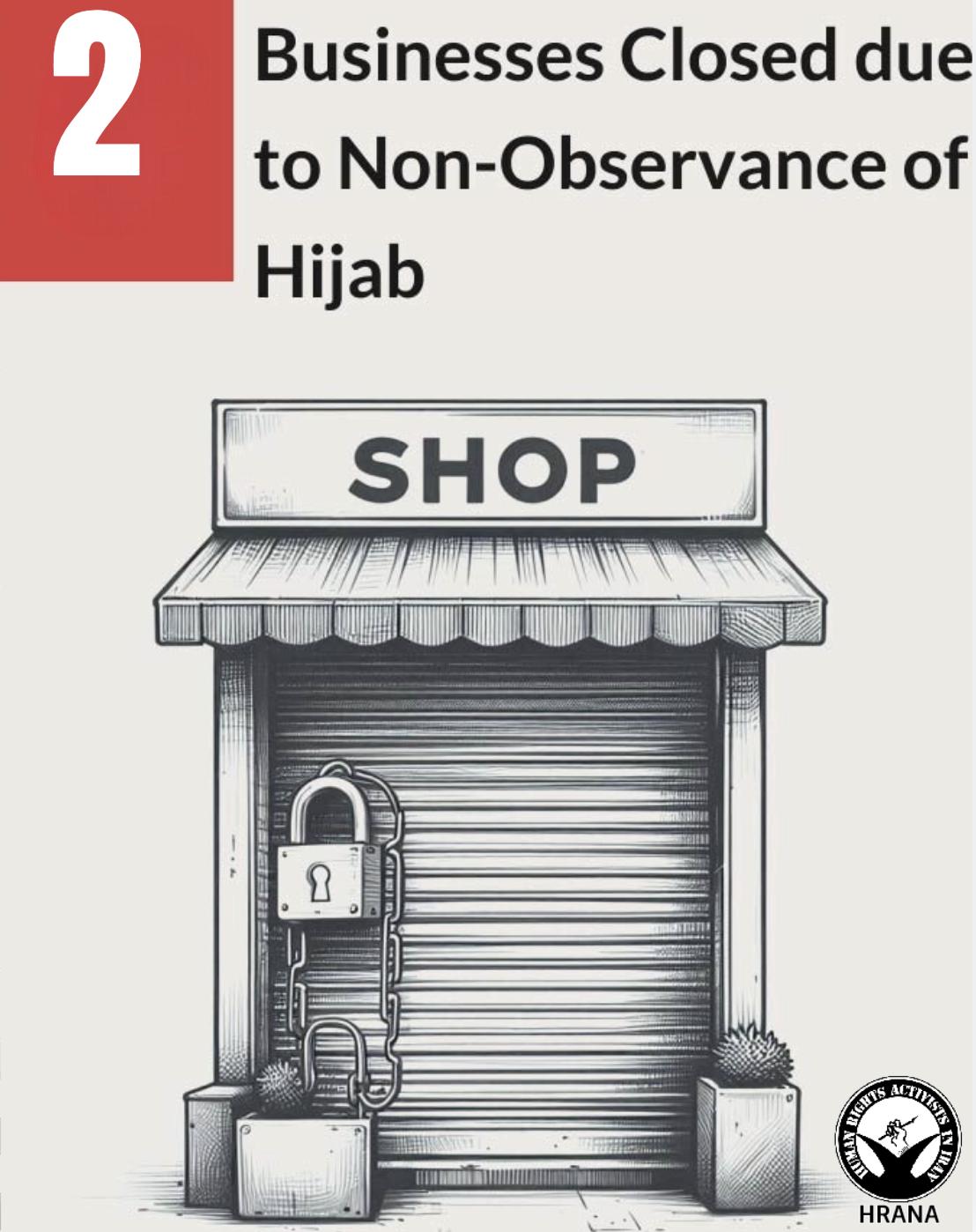
Women’s rights violations continued under Iran’s “Operation Noor,” with 6 women killed, one sentenced to death, and several detained for violating hijab laws. A 17-year-old girl tragically died after setting herself on fire in protest of a forced marriage. In addition, three medical centers in Mahabad were shut down for performing unauthorized abortions.
Labor conditions worsened, with 72 fatalities and 84 injuries reported from work-related accidents. An explosion at the Tabas coal mine led to 51 deaths, raising concerns about safety regulations in Iran’s mining industry. Border workers, including Kulbars and fuel carriers, faced violence, with 5 deaths and 8 injuries reported from military force confrontations.
On the international front, UN experts and the U.S., Australia, and Canada imposed sanctions on Iranian officials for human rights violations. The sanctions targeted individuals responsible for torture, suppression of dissent, and denial of medical care in prisons. These nations condemned Iran’s escalating executions and urged a halt to its misuse of the death penalty, particularly against ethnic minorities like Kurds and Baluchis.
Executions
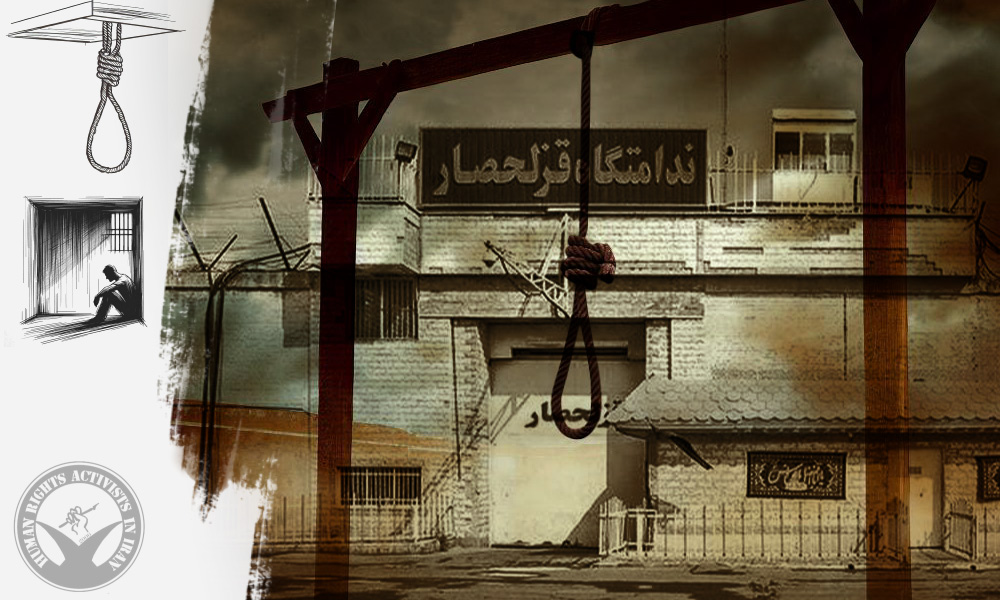
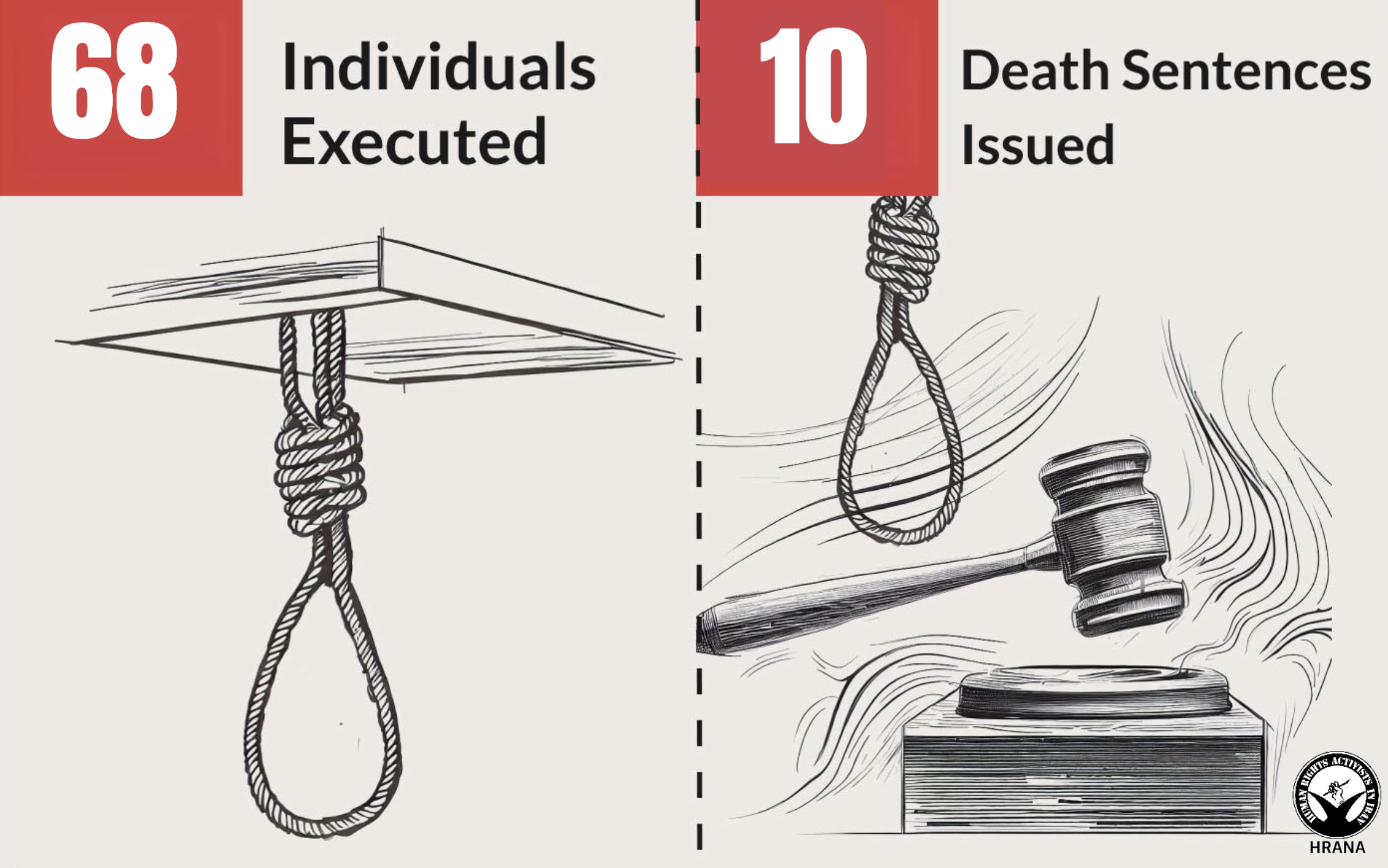
This month in Iran, the execution of 66 individuals took place, comprising 60 men and 6 where the gender of the individual is unknown. A total of 10 individuals were sentenced to death. Iran persists in executing individuals for offenses falling short of the standards outlined in the International Covenant on Civil and Political Rights. Notably, there remains a consistent trend of individuals being executed for drug-related crimes, a practice in clear contravention of the right to life as stipulated by the ICCPR. This month, 28 people were executed for drug-related offenses.
 In one week, at an alarming rate, 15 prisoners, including two Afghan nationals, were executed in Iran for charges related to murder and drug crimes. Fourteen executions took place in Adel Abad prison in Shiraz, and one in Gorgan prison. Among those executed were “Yasin Darvishi,” a 21-year-old sentenced to death for murder in Gorgan. The identities of other executed prisoners include “Amir Naderzadeh,” “Sajjad Fadaei,” and several others.. Iranian prison officials have not publicly confirmed these executions as of this report.
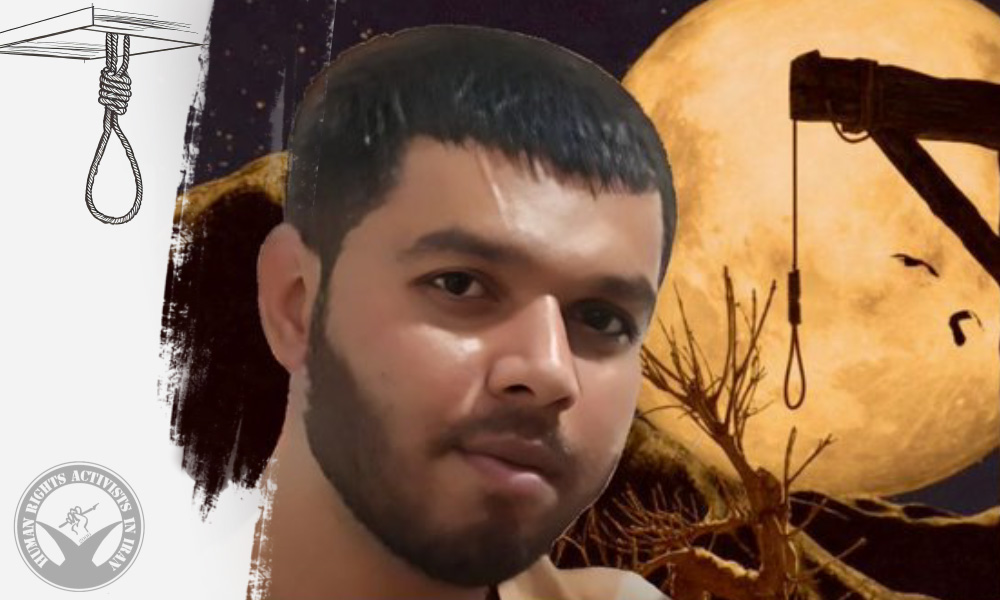
Mohammad Javad Vafaei, a political prisoner in Vakil Abad Prison, Mashhad, has been sentenced to death for the third time by the Revolutionary Court of Mashhad. Previously, he was twice sentenced to death, but both rulings were overturned by the Supreme Court, leading to retrials. Vafaei, a 28-year-old boxing coach, was initially arrested in 2018 and charged with “corruption on earth” for alleged destruction of property. Despite two successful appeals, he has again been sentenced to death after the third trial, with the court opposing the Supreme Court’s previous rulings. This sentence can be appealed. Although a heavy bail was set for temporary release, Vafaei was unable to provide it.
Political prisoners Behrouz Ehsani and Mehdi Hosni have been sentenced to death by Judge Iman Afshari, head of Branch 26 of the Tehran Revolutionary Court. The charges against Ehsani and Hosni include “treason, war, corruption on earth, membership in the Mujahideen, gathering classified information, and collusion against national security.” Both men were arrested in 2022—Ehsani at his home in Tehran and Hosni while attempting to leave the country in Zanjan. They were subsequently transferred to Evin Prison and held for months without clarity on their cases.
On September 19, six prisoners sentenced to death for non-political crimes, primarily related to drug offenses, were executed in Zahedan prison. HRANA confirmed the identity of these individuals: Saied Hassanzahi, a 30-year-old father of three from Zahedan; an individual with the surname Rudini, also from Zahedan; Noor Mohammad Nouri, an Afghan national; and Farzad Sancholi, a 29-year-old father of three from Zabul. These prisoners were transferred to the prison’s quarantine ward on Saturday evening and allowed a final meeting with their families before the executions.
Saied Hassanzahi was arrested in 2020 on drug-related charges and sentenced to death by the Zahedan Revolutionary Court. Noor Mohammad Nouri was arrested in August 2022 at a border terminal in Zabul and sentenced to death by the Revolutionary Court of Zabul. Farzad Sancholi was arrested in Zabul four years ago on similar charges and sentenced to death shortly thereafter. He had been transferred to Zahedan prison two years ago.
Freedom of Thought and Expression
Iran continues to crack down on anyone who protests or criticizes the regime, persistently violating the right to freedom of expression and thought. This month alone, 51 individuals have been arrested related to freedom of expression, 5 trials, and 3 cases of assault and battery by police. 24 people were arrested without any judicial order.
This month, journalist Mehta Sadri, manager of the Gilan Sadr analytical news site, was sentenced to pay a fine instead of serving a six-month prison term. She was charged with propaganda against the regime and publishing false information intended to disturb public opinion, following her comments on the death of Ebrahim Raisi. While she was acquitted of the falsehood charges, she was fined six million Tomans for the charge of propaganda against the regime.
Sadri stated that her arrest resulted from “media work and the atmosphere created by extremist organizations and groups” in Gilan province. She also faced certain restrictions during the legal proceedings, although further details were not provided.
 On the second anniversary of Mehsa (Zina) Amini’s death, security forces prevented her family from holding a commemoration and visiting her grave. Security forces blocked Amini’s family from attending her grave and instructed them not to leave their residence. Additionally, access roads to Aichi’s tomb in Saqqez, where Amini is buried, were closed to prevent any ceremonies. In response to these restrictions, strikes were observed in several Kurdish cities, including Sanandaj, Saqqez, Diwandara, Marivan, Mahabad, Bukan, Ashnoye, and Piranshahr. Amjad Amini, Mehsa Amini’s father, expressed gratitude for the support shown through the strikes.Meanwhile, Mehsa Amini’s mother, Mozhgan Eftekhari, commemorated the victims of the 2022 nationwide protests on her Instagram account, marking the anniversary of her daughter’s death.Reports also surfaced that local marketers were threatened by authorities to reopen their shops after participating in the strike.
On the eve of the second anniversary of Mahsa (Zina) Amini’s death, 14 teachers’ union activists were summoned to the Sanandaj Public Prosecutor’s Office. According to Harana News Agency, citing the Coordinating Council of Iran’s Educators’ Trade Union Organizations, the activists were called in on charges including gathering and collusion against national security, propaganda against the Islamic Republic of Iran, and disrupting public order. The activists summoned include Mohammad Reza Moradi, Aram Ebrahimi, Sadeq Kanani, Ghiyath Nemati, Nasrin Karimi, Majid Karimi, Salah Haji Mirzaei, Fateme Zand Karimi, Koresh Ezzati, Faisal Nouri, Reza Tahmasabi, Shahriar Naderi, Behzad Qavami, and Rozgar Heydari. These union members have a history of arrests and legal encounters due to their activities and advocacy efforts.
Eight political defendants, including Nasim Gholami Simiari, Hamidreza Sahlabadi, Ehsan Ravazzhian, Amin Sokhnour, Amir Shah Velayati, Ali Herati Mokhtari, Shahin Zhamt Kash, and Hossein Mohammad Hosseini, were sentenced by the Tehran Revolutionary Court to a combined total of 42 years and 3 months in prison, 25 years of exile, and 74 lashes. The court was presided over by Judge Iman Afshari.
The specific sentences are as follows:
– Nasim Gholami Simiari: 6 years in prison, 74 lashes, and 20 years of exile.
– Amin Sokhnour: 7 years and 7 months in prison.
– Hamidreza Sahlabadi: 3 years and 7 months in prison, plus 5 years of exile.
– Ehsan Ravazzhian: 6 years and 7 months in prison.
– Ali Herati Mokhtari: 3 years and 6 months in prison.
– Shahin Zhamt Kash: 11 years in prison.
– Amir Shah Velayati and Hossein Mohammad Hosseini: Both originally sentenced to 2 years in prison, which were later reduced to fines (80 million Tomans and 165 million Tomans, respectively).
All defendants were charged with crimes such as conspiracy, collusion, and actions against the regime. One of the accused, Hossein Ardestani, was acquitted, while two others, Siamak Tedin and Farid Golshani, remain fugitives, and their cases remain open.The court hearings for this case took place in July and August, and the arrests were carried out over a period between May and August 2022 by security forces, including the IRGC.
Prison Conditions
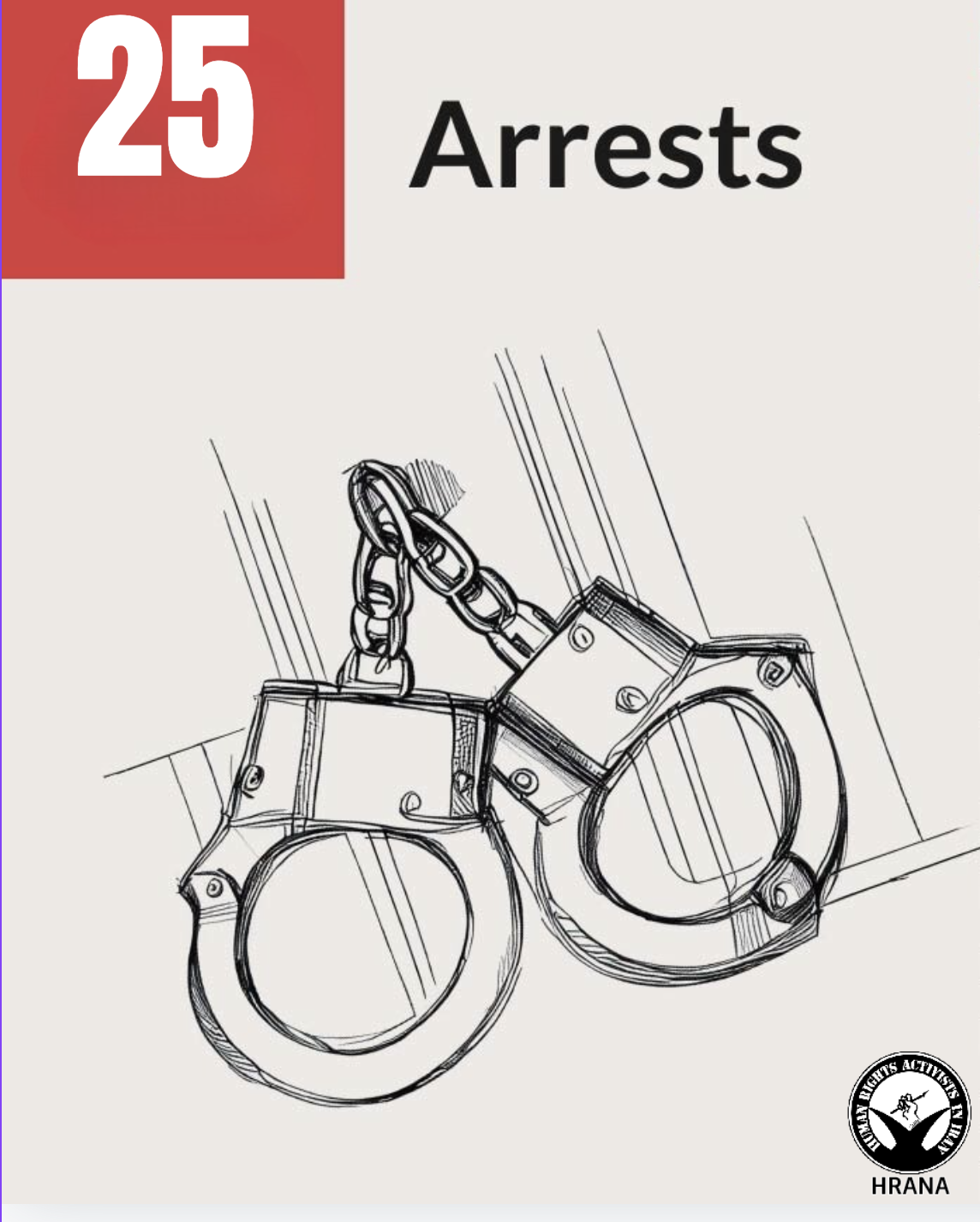
In August, there were 25 cases of prisoners lacking medical care and there were 10 cases where no information about the person has been available after their arrest, leaving families in the dark about the prisoners’ fates due to a lack of contact. Meanwhile, 3 prisoners have been deprived of any form of contact and 4 have had their visitation rights prevented. Furthermore, 38 prisoners have been transferred to solitary confinement, 10 prisoners have had no access to a lawyer, and 4 have gone on hunger strikes in protest of their conditions.
Maryam Mehrabi, a teacher imprisoned in Dolat Abad Prison in Isfahan, has begun a hunger strike while being held in solitary confinement. She is protesting against mental pressure, poor physical conditions, and being separated from her children. Mehrabi has been hospitalized several times, and her family’s concerns have grown due to the lack of communication with her. She was arrested on June 29, and this is her second detention, following a previous arrest in 2022 related to her brother’s case. She had been sentenced to 74 lashes and three months in prison, later converted to a fine.
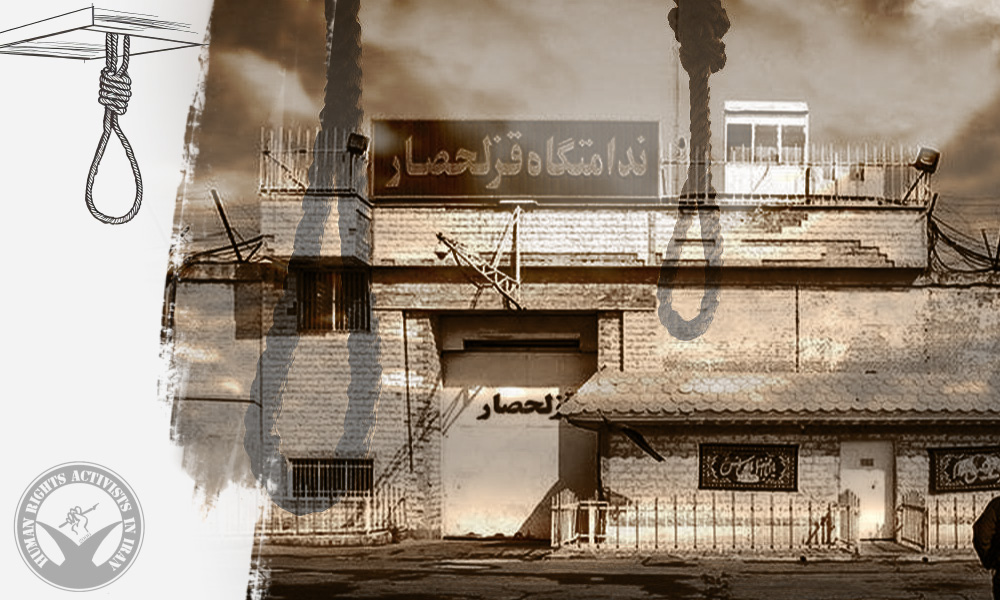
Meisham Dehbanzadeh, a political prisoner serving his sentence in Qazalhasar Prison in Karaj, has suffered permanent damage to the nerves in his left eye after being beaten by prison guards last year. Following the assault, in which he was beaten on the head with a baton and handcuffed to a bar for a day, doctors have now confirmed that his vision in the left eye cannot be restored. Dehbanzadeh was transferred to the hospital due to vision problems and frequent headaches, but his condition is deemed untreatable.
Dehbanzadeh, sentenced to six years in prison and 74 lashes for property destruction, is facing increased concern from his family about his physical condition. In addition to his original sentence, he was later sentenced to 16 months in prison and 74 lashes for disobeying prison officers. He was briefly released in June 2022 following an amnesty decree but is now back in prison facing ongoing health challenges.
Samman Yasin, a political prisoner in Qazalhasar prison, continues to suffer from untreated physical and mental health issues. Despite his poor condition and the need for specialized medical care, he has not been allowed to receive treatment outside the prison. Yasin was arrested during the 2022 nationwide protests and initially sentenced to death for charges including “waging war against God” and actions against national security. Although his death sentence was overturned, his case remains unresolved. He faces poor prison conditions and inadequate healthcare.
Mehnaz Tarrah, a political prisoner in Evin Prison, attempted suicide by ingesting pills. She was taken to Loghman Hospital but was returned to the prison shortly after. Tarrah’s suicide attempt was in protest against the death sentence issued to another political prisoner, Pakhshan Azizi. Tarrah was previously arrested in November 2023 and sentenced to nearly three years in prison for charges including collusion and propaganda against the regime.

Women
This month, 6 women were killed, and 1 was raped and 1 was sentenced to death. Women continue to face harassment and arrests for not wearing hijab properly.
After a video surfaced showing several teenage girls without hijabs during Ashura mourning processions in Karaj, the police chief of Alborz province, Hamid Hedavand, announced that the girls had been summoned by authorities. Hedavand referred to them as violators, claiming that their actions had “hurt the feelings of mourners.” The investigation was launched after the video went viral on social media.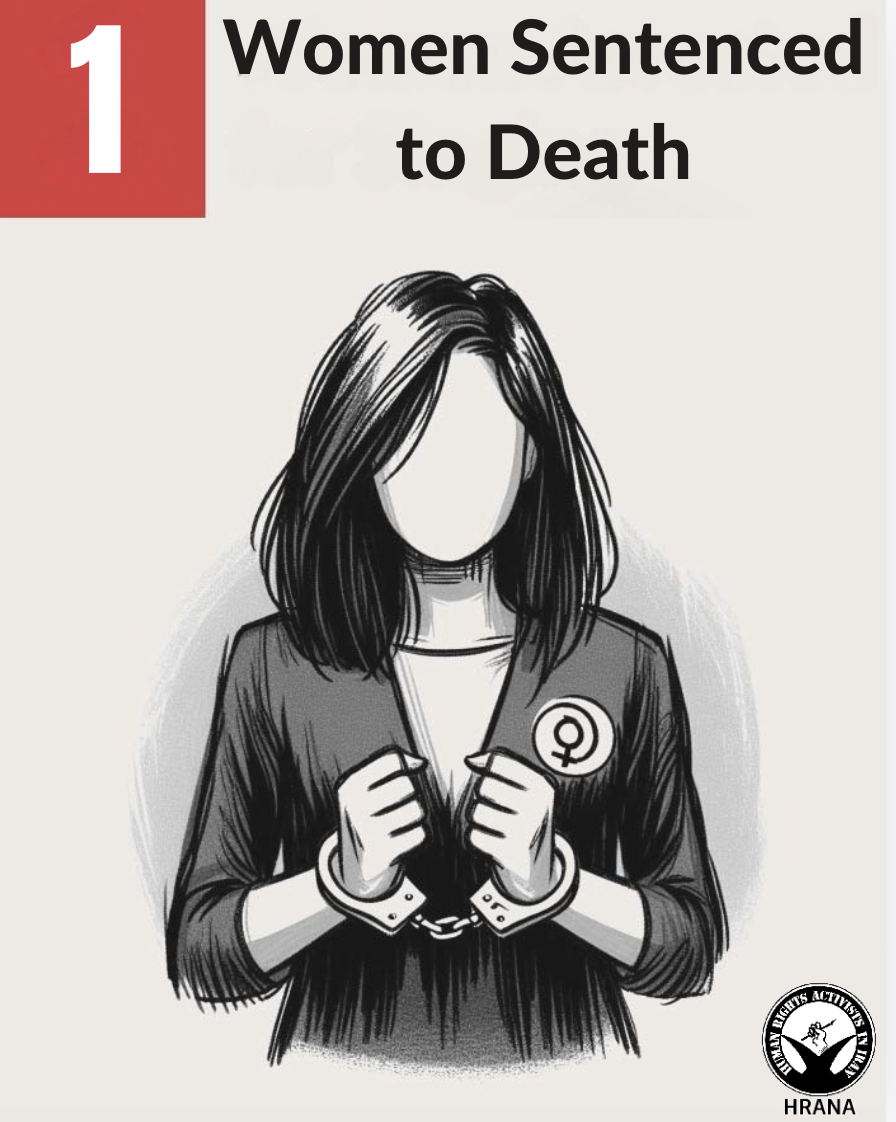
Two months after 14-year-old Nafas Haji Sharif was assaulted by security forces for not wearing a hijab, her family’s legal complaint remains unresolved. Despite the severity of the case, there has been no progress in holding the perpetrators accountable, while a case against an officer who claimed injury during the incident has been fast-tracked. Nafas continues to face psychological trauma and threats from authorities following the incident.
Three medical centers in Mahabad were shut down for allegedly performing abortions without authorization. This action was part of a broader government effort to combat population decline, according to the head of Mahabad’s health department, Kamran Alizadeh. The crackdown on these centers is linked to stricter policies on reproductive rights, which activists argue violate women’s autonomy and could increase unsafe, underground procedures, threatening women’s health.
 A 17-year-old girl in Iranshahr, who had been forced into marriage by her family, died from severe injuries after setting herself on fire in protest of the marriage. Despite warning her family that she would resort to such measures, they dismissed her concerns, assuming she would eventually accept the marriage. This tragic incident highlights the persistent issues surrounding child marriage in Iran and the devastating consequences it can have on young girls’ lives.
This month HRA published a report detailing the rise of women’s activism in Iran amidst increasing hostility from the government. Women are at the forefront of resistance, challenging gender-based discrimination and systemic oppression. Despite heightened repression, including arrests, imprisonment, and harsh crackdowns, these activists continue to fight for equality and justice. The government’s efforts to silence dissent have only intensified the resolve of these women. The article emphasizes their resilience, courage, and determination, with many declaring that while their bodies may be imprisoned, their quest for justice cannot be suppressed.
Workers
Workers in Iran face ongoing challenges and hazardous workplaces. In a tragic turn of events, this month saw 72 fatalities resulting from work-related accidents, with an additional 84 workers left injured. Moreover, 10995 workers reported unpaid wages. This month there were also 5 strikes and 151 worker gatherings.
An explosion in the Tabas coal mine, caused by a methane gas leak, has resulted in at least 51 fatalities and 20 injuries. Rescue teams, including over 130 personnel and multiple ambulances, responded to the disaster. The blast occurred in two sections of the mine, trapping and injuring many workers. The lack of safety standards and technical issues in the mine’s ventilation system are cited as the main causes of the accident. This incident has led to widespread criticism of safety regulations in Iran’s mining industry.
In September 2024, several tragic incidents involving arms law violations and border workers took place in Iran, particularly affecting Kulbars and fuel carriers. In Nosoud, a Kulbar named Kamran Abbasi was shot by military forces while attempting to transport goods across the border. As a result, he suffered serious injuries after falling from a height. This case underscores the ongoing violence faced by these laborers who are forced to risk their lives due to lack of economic opportunities.
Another incident occurred in Hirmand, where Nader Dahmarde, a farmer, was fatally shot by border patrol officers while working in his field. Despite posing no threat, Dahmarde was targeted by security forces and later succumbed to his injuries. His death highlights the frequent use of excessive force by Iranian authorities in border regions, where civilians are often caught in violent confrontations between security forces and border workers.
In addition to these fatalities, several fuel carriers in the Baneh and Saqqez regions were shot and injured by border guards. These workers, who transport fuel across borders for a living, often face similar risks as Kulbars, being regularly targeted by military forces. The month of September saw 5 fatalities, including 4 fuel carriers and 1 Kulbar, and 8 injuries, illustrating the persistent dangers these vulnerable groups face due to the harsh enforcement of border regulations.

International News Update:
UN experts have voiced alarm over a sharp rise in executions in Iran, particularly among ethnic minorities like Kurds and Baluchis. They highlighted that many executions follow trials lacking due process and include non-violent crimes, such as drug offenses. The experts are calling for an immediate moratorium on the death penalty and urging Iran to review death penalty cases in line with international human rights standards. They stressed that the death penalty is being misused as a tool of repression against marginalized groups.
The U.S., in collaboration with Australia and Canada, imposed sanctions on several Iranian officials for their roles in human rights violations, particularly related to the suppression of protests and violence against women. These sanctions were announced around the second anniversary of Mahsa (Gina) Amini’s death, following her arrest by the morality police. Australian Foreign Minister Penny Wong sanctioned five senior Iranian officials, while Canada issued a statement condemning Iran’s repressive actions. This coordinated effort underscores the three nations’ commitment to confronting Iran’s oppressive policies and supporting human rights.
These sanctions also specifically target officials in Iranian prison systems who are responsible for human right abuses in prison, including the use of torture and sexual assaults against prisoners, the denial of medical care to political prisoners, the violent suppression of protesters protesting their conditions, and the kidnapping of regime critics abroad.
- Ali Abdi: General Office of Prisons Organization in Khorasan Razavi Province
- Ahmad Reza Azadeh: Head of Sepidar Prison
- Mostafa Bazvand: Commander of the IRGC and Basij Resistance Force in Mazandaran province’s Babolsar county
- Alireza Babaei Farsani: Director-General of Isfahan Province Prisons
- Hamid Khorramdel: Commander of the IRGC’s Fatah Corps of Kohgiluyeh and Boyer-Ahmad province
- Gholamreza Roshan: Director General of Prisons in Khuzestan Province
- Ali Jume Malek Shahkouie: Commander of the IRGC’s Golestan Corps of Golestan province
Download Full Pdf: Monthly Report September