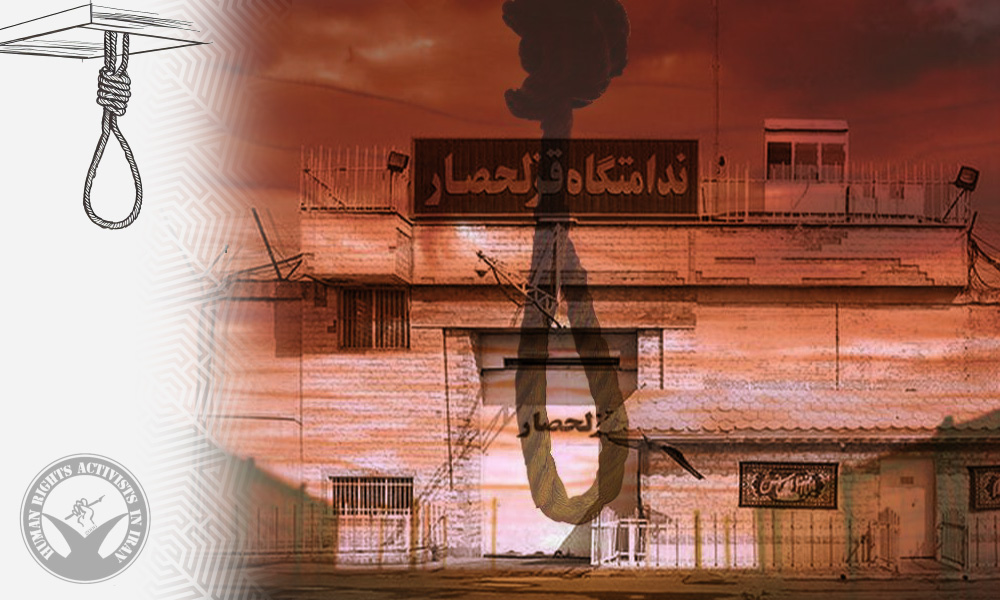
Drugs in Iranian Prisons: The Role of Corruption and Weak Oversight in the Entry of Drugs into Ghezel Hesar Prison

HRANA News Agency – Drug use is a pervasive issue within Iran’s prison system, driven by systemic corruption and inadequate oversight. These factors not only jeopardize the health and safety of inmates but also undermine their chances for rehabilitation. This report, based on interviews with prisoners’ families, former inmates of Ghezel Hesar Prison, and some of its staff members, delves into the mechanisms by which drugs enter the prison, the impact on inmates, and potential solutions to address this critical problem.

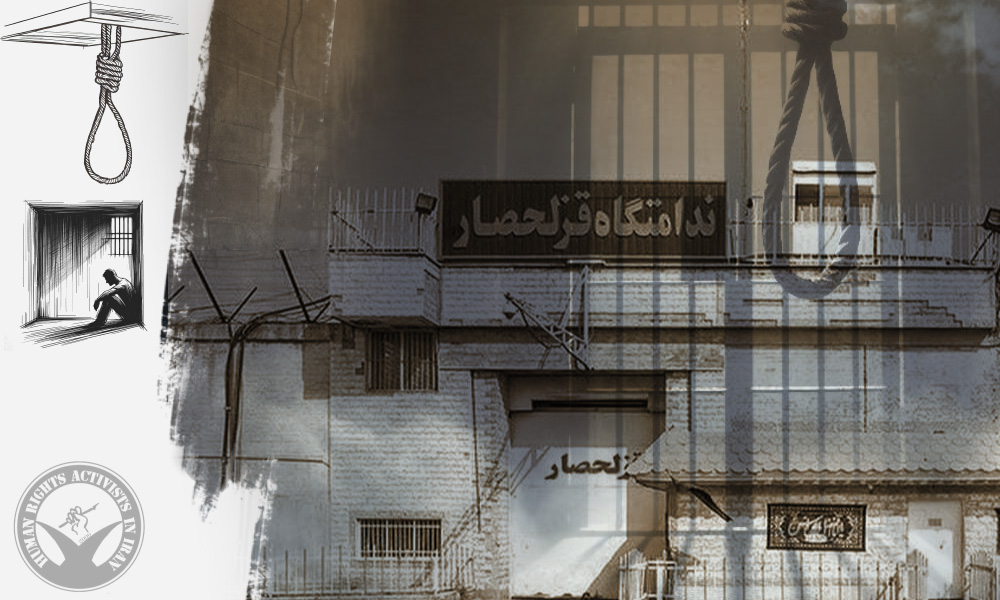
According to HRANA, the news agency of Human Rights Activists in Iran, drugs pose a major challenge in Iranian prisons, particularly in Ghezel Hesar Prison. The presence of drugs not only endangers the physical and mental health of inmates but also severely disrupts the security and overall functioning of the prison system.

Reports from the families of prisoners, individuals released from Ghezel Hesar Prison, prison staff, and HRANA’s independent analysis highlight the ease of access to various drugs, fueled by corruption among prison staff and a lack of effective oversight. Using this information, HRANA investigates the access to and distribution of drugs in Ghezel Hesar Prison in Karaj.

Access to Drugs in Prison

According to a former inmate of Ghezel Hesar Prison who reported to HRANA, access to drugs in this prison is surprisingly easy. Drugs are available at all hours of the day and in large quantities. Testimonies from families and relatives of those incarcerated in this prison indicate that the vast majority of inmates in Ghezel Hesar Prison are drug users, reflecting the widespread and severe nature of this problem. Drugs are easily found in all areas of the prison, from general wards to solitary confinement, and some inmates even openly use drugs in front of others.

Drug use in Ghezel Hesar Prison is not limited to habitual addicts; even inmates who were not addicted outside the prison turn to drugs due to psychological pressures and lack of supportive programs. These conditions have turned Ghezel Hesar into a place where addiction is rampant, rendering rehabilitation programs ineffective.

HRANA’s investigations from the families of prisoners indicate that the prison environment has become contaminated due to the abundance of drugs; the smell of drugs is constantly present, and even non-using inmates are affected by this environment. This situation not only harms the health of prisoners but also negatively impacts their morale and behavior, gradually pushing them towards drug use.

The Role of Corruption and Weak Oversight in the Entry of Drugs into Prisons

Drugs enter Ghezel Hesar Prison through various methods, with corruption among prison staff being the primary factor. A former staff member of Ghezel Hesar explained to HRANA that drug smuggling into the prison is carried out by certain groups that have close connections with some prison staff. These individuals include ward managers, jail trustees, and other influential groups who exploit weaknesses in oversight and corruption within the system.

This individual, whose identity HRANA has kept confidential, explained that corrupt prison staff, including guard officers, often turn a blind eye to drug-related activities in exchange for bribes. In some instances, these officers are directly involved in the smuggling and distribution of drugs. Rather than confronting those engaged in drug sales, they frequently accept payments from the sellers to allow the illicit activities to continue unchecked.

This issue clearly demonstrates the systemic failure of laws within the prison and proves that a serious and decisive response to this phenomenon is necessary.

Reports indicate that drugs also enter the prison through visitors and even the internal prison postal system. Inmates, often with the complicity of prison staff, use covert methods to smuggle drugs into the facility. The widespread and varied means of drug entry underscore the lack of effective oversight and control over the movement of inmates and their belongings.

Corruption in the Internal System and the Role of Prison Staff in Drug Distribution

HRANA’s findings reveal that prison staff play a significant role in the distribution of drugs within Ghezel Hesar Prison. Instead of preventing drug entry, staff members frequently participate—directly or indirectly—in the distribution process. Interviews with 30 former inmates indicate that some prison staff, particularly guard officers and security personnel, benefit financially from the drug trade, fully aware of the trafficking activities. According to these former inmates, guard officers often collaborate with drug dealers and protect them in exchange for bribes.

Jail trustees in each ward and other staff members also play crucial roles in the drug distribution network. Under the guise of their official duties, they deliver drugs to inmates and, in some cases, are involved in setting prices and managing the internal drug market. This entrenched corruption makes it nearly impossible to address the drug problem without a fundamental overhaul of the oversight system.

Inmates are also compelled to cooperate with these corrupt networks; otherwise, they may face violent actions and informal punishments from prison staff. These complex and intertwined relationships between inmates and staff pose a serious obstacle to any reform within the prison system.

Drug Pricing and Payment Methods in Prison

The prices of drugs inside Ghezel Hesar Prison are significantly higher than on the outside. A former inmate reported that drug prices inside the prison are, on average, ten times higher than outside, driven by the scarcity created by restrictions and the high profitability for sellers. Drug importers, often in collaboration with prison staff, manipulate prices, deliberately limiting supply when demand is high to drive prices even further.

HRANA’s research indicates that payments for drugs within the prison are not made in cash; instead, inmates use external bank accounts, often belonging to their family members, to transfer funds. This system allows sellers to profit from their illegal trade without the risks associated with handling cash inside the prison. Additionally, cigarettes are sometimes used as currency, illustrating the development of an internal economy within the prison walls.

This complex economic structure, fueled by a lack of financial control and oversight, enables the drug trade to thrive within the prison. Sellers and importers, protected by unofficial support and the absence of effective regulation, continue to reap substantial profits.

The Impact of Drug Use on the Health and Behavior of Inmates

Drug use within Ghezel Hesar Prison has severe consequences for the physical and mental health of inmates. Families of prisoners report that drug use has significantly deteriorated the mental and physical well-being of their loved ones, turning them into passive and unmotivated individuals. The presence of drugs in the prison environment has led to widespread physical ailments and psychological disorders, creating a toxic and dangerous atmosphere.

A recently released inmate told HRANA that the pervasive smell of drugs within the prison even affects non-users, who are often driven to start using due to the contaminated environment. The availability and use of drugs harm not only the users but also the entire inmate population, gradually leading to widespread addiction.

Drug Gangs and Control of the Drug Market in Prison

HRANA’s investigations, supported by inmate testimonies, indicate that the drug market within Ghezel Hesar Prison is dominated by internal drug gangs who exploit the system’s corruption. These gangs manipulate the supply of drugs, intentionally creating shortages to drive up prices and maximize profits. A former prison staff member, whose identity HRANA has kept confidential, revealed that these gangs distribute approximately five kilograms of drugs daily among inmates, with no oversight of their activities.

The individual further explained that these gangs, with the assistance of some prison staff and influential figures, control the drug market and effortlessly evade any legal repercussions.

Ineffectiveness of Current Treatment Programs

Although prisons offer programs intended to help inmates overcome addiction, these efforts are largely ineffective due to inadequate oversight and poor quality. According to informed sources, counseling and treatment sessions held in prisons are mostly symbolic and have not successfully reduced drug use. When the prison environment itself is the primary source of drug distribution and consumption, there is little motivation for inmates to quit.

Ghezel Hesar Prison, in particular, holds Narcotics Anonymous (NA) classes aimed at supporting addicts, but research shows that many participants in these sessions continue to use drugs. This underscores the fact that without structural reforms and the creation of a drug-free environment, treatment programs cannot succeed.

Conclusion

The Necessity of Adhering to International Commitments and Implementing Domestic Laws

The drug problem in Iranian prisons, particularly in Ghezel Hesar, is the result of systemic corruption, inadequate oversight, and the influence of mafia gangs within the prison system. This situation not only endangers the physical and mental health of inmates but also destabilizes the security and order of prisons. Addressing this crisis requires coordinated and decisive action by judicial, security, and prison management authorities.

As a member of the United Nations Office on Drugs and Crime (UNODC), Iran is committed to implementing drug control programs, preventing addiction, and providing treatment services to inmates. These commitments oblige Iran to take preventive measures and reduce demand, particularly in sensitive environments like prisons, to curb the spread of drugs. Furthermore, based on international prisoner rights conventions, the Iranian government is responsible for providing humane and healthy conditions for inmates, including preventing addiction and offering appropriate treatment services.

Failure to uphold these commitments and address the current situation constitutes a clear violation of the international rights of prisoners, to which the Iranian government is bound.

According to Iran’s domestic laws, particularly the regulations set the Iran’s Prisons Organization, prison officials are obligated to maintain a safe and drug-free environment. These laws also mandate that inmates must have access to therapeutic and counseling services and undergo thorough medical and psychological supervision.

However, numerous reports indicate that these laws and regulations are often ignored in many prisons, with some staff directly involved in drug smuggling and distribution. This situation reveals that the existing legal framework remains largely theoretical, with little practical enforcement.

Proposed Solutions for Reform

  • Stricter Oversight and Firm Implementation of Domestic Laws: There is a need for continuous and effective oversight of prison staff’s performance. Addressing corrupt staff members and establishing incentive systems for reporting violations could significantly reduce corruption and help control the drug problem.
  • Strengthening Treatment and Rehabilitation Programs: The Prisons Organization should prioritize the quality and effectiveness of treatment programs rather than implementing them symbolically. This includes continuous staff training, employing scientific methods for addiction treatment, and providing specialized counseling to inmates.
  • Increasing Transparency and Direct Communication Between Inmates and Judicial Authorities: Establishing direct communication channels between inmates and judicial and supervisory authorities, without the mediation of prison staff, could enhance transparency and reduce corruption.
  • Utilizing Advanced Technologies in Monitoring: Installing and upgrading surveillance systems, such as CCTV cameras, and using advanced equipment for body searches could help reduce the entry of drugs into prisons.
  • Pursuing International Commitments: The Iranian government should seriously pursue its commitments to the UN and other international bodies and provide accurate reports on its situation and progress. This not only helps improve prison conditions but also enhances Iran’s international credibility.

Ultimately, implementing fundamental changes and adhering to both domestic and international commitments can help reduce the drug problem in Iranian prisons, creating a safer and more humane environment for inmates. Without a strong commitment and effective collaboration among all responsible agencies, this crisis will persist, negatively impacting the health and security of society at large.

Political Prisoner Afshin Baymani Transferred from Ghezel Hesar Prison to Hospital

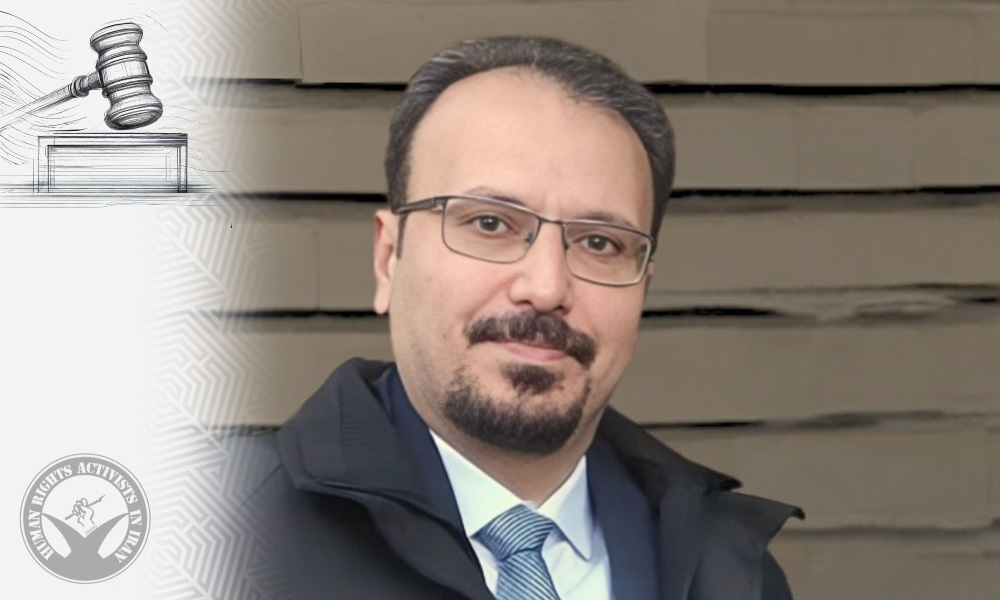
Afshin Baymani, a political prisoner held in Ghezel Hesar Prison in Karaj, was transferred to a hospital outside the prison yesterday, August 28, following a deterioration in his health and symptoms of a heart attack.

This political prisoner, serving a life sentence and suffering from coronary artery disease, has long been deprived of adequate medical services and access to specialized treatment centers due to obstruction by prison authorities. Ultimately, last evening, he was transferred to a hospital outside the prison after showing symptoms of a heart attack.

On July 28, 2024, Mr. Baymani fainted and fell in prison due to a severe drop in blood pressure. He suffered a head injury and bleeding after hitting a wall. After examining him, the prison nurse emphasized the necessity of transferring him to a hospital for an angiography procedure. Mr. Baymani requested medical leave to receive treatment under the care of his specialist doctor, but his request was denied by prison authorities as before.
Previously, on January 29, 2024, Baymani was transferred to Rajai Shahr Hospital in Karaj due to poor physical condition but was returned to prison the next day without receiving specialized medical care. At the hospital, only a few tests, including an echocardiogram and a stress test, were conducted, and heart and blood pressure medications were prescribed. He had previously been granted medical leave for open-heart surgery, but was arrested in Isfahan and returned to prison.

Also in November 2023, this political prisoner was granted medical leave from Ghezel Hesar Prison for treatment and medical care after posting bail. However, on December 21 of the same year, he was re-arrested for unknown reasons and transferred to Asadabad Prison in Isfahan. He was eventually transferred back to Ghezel Hesar Prison in January of 2024.

Baymani, father of two children, was arrested in September 2000 and was sentenced to death by the Tehran Revolutionary Court on charges of “enmity against God (moharebeh).” This sentence was later reduced to life imprisonment after six years. Since then, he has been serving his sentence in various prisons.

Afshin Baymani has been suffering from coronary artery disease since July 2017. In July 2021, he underwent heart angioplasty surgery at Amirabad Hospital in Tehran.

The denial of adequate medical treatment for political prisoners in Iran constitutes a form of torture and a grave violation of human rights. This systematic and deliberate deprivation is often employed as a tool for political repression, aiming to intimidate and silence dissent. In numerous instances, prison authorities not only withhold essential medical care but also obstruct the transfer of critically ill prisoners to specialized hospitals, further endangering their lives.

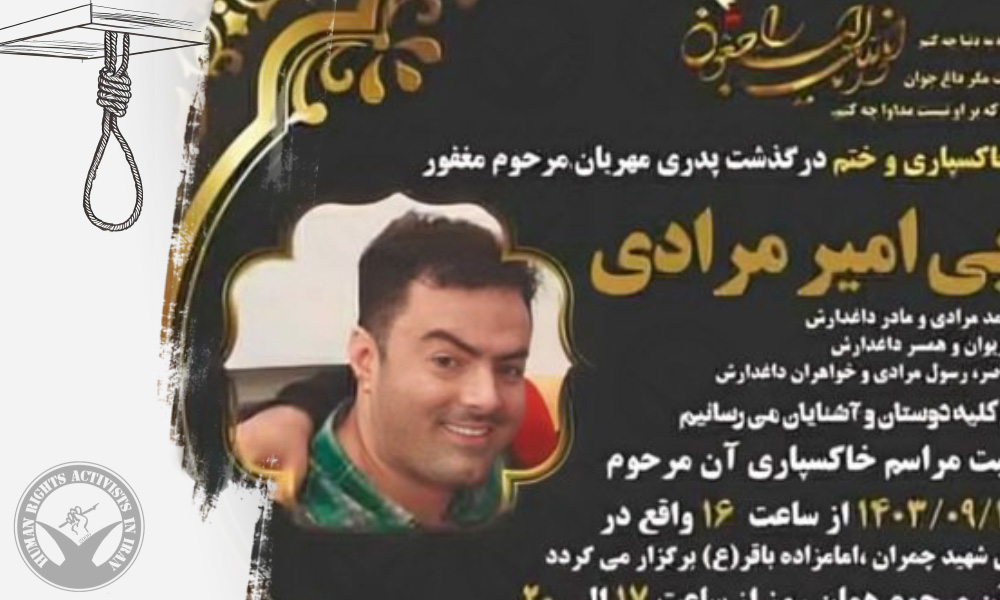
Two Prisoners Executed in Ghezel Hesar Prison, Karaj

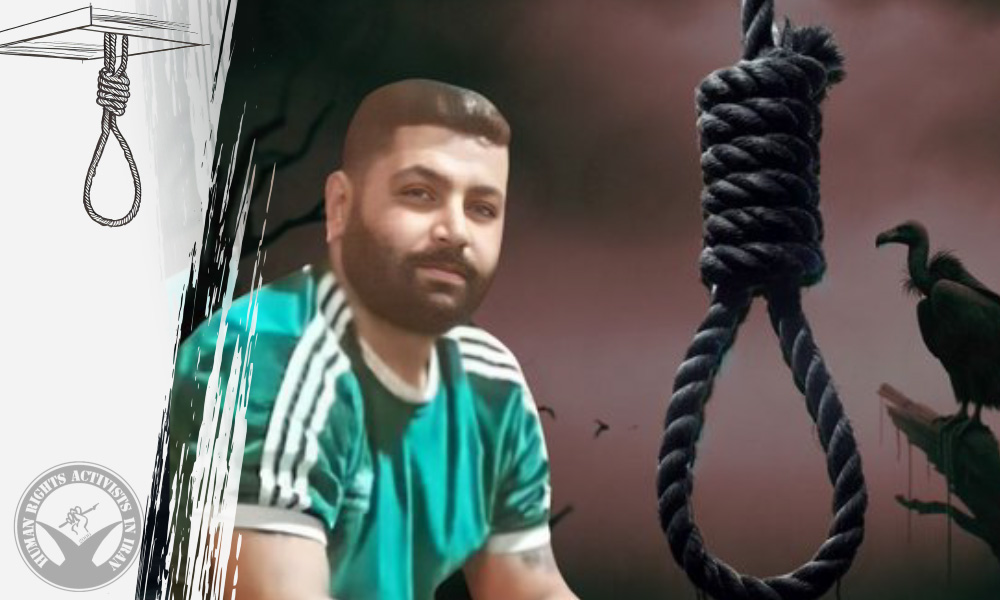
On August 19, the execution of two prisoners, convicted of separate murder charges, was carried out in Ghezel Hesar Prison in Karaj.

HRANA has identified the two prisoners as Mohammad Karami-Zadeh and Esmaiel Jawadi. According to HRANA’s information, Karami-Zadeh was initially sentenced to death on drug-related charges, but his death sentence was overturned under Article 45. Subsequently, during a “conjugal visit” in prison, he murdered his wife, for which he was ultimately sentenced to death again on murder charges.

Esmail Jawadi, the other executed prisoner, had been sentenced to death for the murder of his friend, allegedly motivated by issues of honor.

As of the time of this report, the execution of these prisoners has not been officially announced by prison authorities or relevant officials.

According to data gathered by the Department of Statistics and Publication of Human Rights Activists, Ghezel Hesar Prison in Karaj witnessed the highest number of executions in 2023, with Zahedan Prison following closely behind. For a comprehensive examination of the details and statistics surrounding the executions in Iran, refer to HRANA’s report.
Three Prisoners Executed in Ghezel Hesar Prison, Karaj

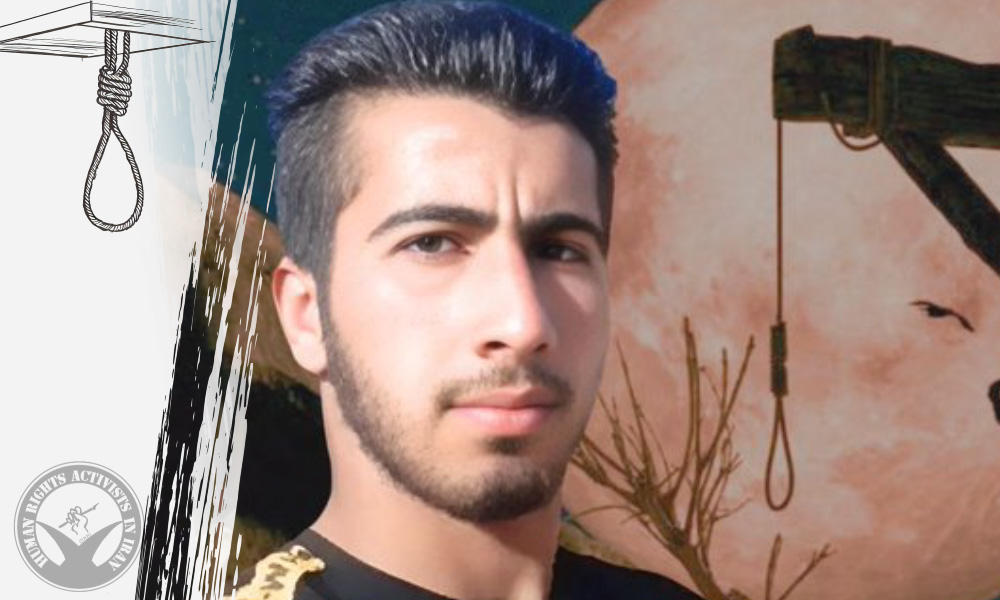
On August 14, 2024, the death sentences of three prisoners, convicted of drug-related charges, were carried out in Ghezel Hesar Prison, Karaj.

HRANA has identified two of the executed prisoners as Behrouz Vafaie and Ali Niazi. The third prisoner, whose identity has not yet been confirmed, was a Afghan national.

These prisoners had been arrested on drug-related charges and were later sentenced to death by the judiciary. They were transferred to solitary confinement on Monday in preparation for their executions.

As of the time this report was compiled, the executions have not been officially announced by prison authorities or relevant institutions.

According to data gathered by the Department of Statistics and Publication of Human Rights Activists, Ghezel Hesar Prison in Karaj witnessed the highest number of executions in 2023, with Zahedan Prison following closely behind. For a comprehensive examination of the details and statistics surrounding the executions in Iran, refer to HRANA’s report.

Three Prisoners Transferred to Solitary Confinement for Execution in Ghezel Hesar Prison, Karaj

On Monday, August 12, three prisoners in Ghezel Hesar Prison, Karaj, who had previously been sentenced to death on drug-related charges, were transferred to solitary confinement in preparation for their execution.

The transfer of these prisoners, who were sentenced to death on drug-related charges, was made in preparation for the execution of their sentences.

One of these prisoners is an Afghan national. HRANA is currently investigating further details, including the identities of these prisoners.

The reports from the Department of Statistics and Publication of Human Rights Activists for the year 2023 reveal a concerning prevalence of executions for drug offenses in Iran, constituting 56.4% of the total executions. For a comprehensive examination of the details and statistics surrounding the executions in Iran, refer to HRANA’s report.
Subscribe to Our Newsletter

Now is definitely not the time to stop reading!

Twenty-Two Prisoners Executed in Ghezel Hesar Prison, Karaj

Today, August 7, 2024, the execution of twenty-two prisoners, previously sentenced to death for non-political crimes including murder, drug-related offenses, and rape, was carried out in Ghezel Hesar Prison, Karaj.

The identities of six of these prisoners, who were sentenced to death for drug-related offenses, have been confirmed by HRANA as Esmaiel Sharafi, Mohammad Gholami, Abdollah Shahnawazi, Shahab Maleki, Rasoul (last name unknown), and (first name unknown) Ghanbari.

Seven of these prisoners were previously sentenced to death for drug-related offenses, four prisoners for murder, three Afghan nationals for rape, seven Sunni prisoners and one other individual with unspecified charges.

In the past few days, these prisoners had been transferred to solitary confinement in Ghezel Hesar Prison in preparation for their execution. HRANA had reported the imminent danger of these 22 executions yesterday.

Further details on this matter are being investigated by HRANA.

As of the time of this report, the executions have not been officially announced by prison authorities or responsible organizations.
According to the Department of Statistics and Publication of Human Rights Activists in Iran, in 2023, at least 767 citizens, including 21 women and 2 juvenile offenders, were executed. Of these, the executions of 7 individuals were carried out in public. Additionally, during this period, 172 others were sentenced to death, with 5 of them sentenced to public execution. It is worth noting that during the same period, the initial death sentences of 49 other individuals were also upheld by the Supreme Court.

Five More Prisoners Transferred to Solitary Confinement for Execution in Ghezel Hesar Prison

On Tuesday, August 6, five death-row prisoners in Ghezel Hesar Prison, Karaj, convicted of drug offenses, were transferred to solitary confinement in preparation for their execution. Including sixteen other prisoners who were moved to solitary confinement in this prison on Sunday, a total of twenty-one prisoners are awaiting execution.

The transfer of these prisoners, who had previously been sentenced to death for drug-related charges, was carried out to execute their sentences. Further details, including the identities of these prisoners, are being investigated by HRANA.

It is worth noting that on Sunday, August 4, sixteen prisoners in Ghezel Hesar Prison, Karaj, four of whom had been sentenced to death on murder charges, were transferred to solitary confinement in preparation for their execution.

In 2023, the Department of Statistics and Publication of Human Rights Activists in Iran registered the execution of 767 individuals. Out of these, 7 were carried out in public. Among the executed individuals whose genders were identified, 21 were female. Additionally, 2 juvenile offenders, defined as individuals under the age of 18 at the time of their alleged crimes, were also executed.

Political Prisoner Reza Salmanzadeh Denied Medical Care in Ghezel Hesar Prison

Reza Salmanzadeh, a political prisoner in Ghezel Hesar Prison, Karaj, despite his poor physical condition, has been deprived of proper medical care.

Payam Salmanzadeh, Reza Salmanzadeh’s son, released a video stating: “My father suffers from heart disease, hernia, and kidney stones, and these physical problems have worsened since the Evin Prison fire incident and him being beaten. Nonetheless, my father still has not received medical care.”
Reza Salmanzadeh was arrested by security forces at his residence in April-May 2022 and transferred to Evin Prison. He was later sentenced by the Revolutionary Court to three years and eight months in prison. This case was closed in February of 2023 following a “pardon and commutation” directive.

On the evening of October 15, 2022, a fire was seen rising over Evin Prison following a tense situation, and the sounds of gunfire and explosions were heard. Contrary to officials’ claims of controlling the fire and confrontation, the gunfire continued for hours. Following this incident, a case was filed by the Prisons Organization against several prisoners, including Reza Salmanzadeh.

On June 18, 2024, the trial session for forty defendants accused in the so-called Evin Prison fire case was held in Branch 1148 of Criminal Court Two in Tehran.

Salmanzadeh was subsequently sentenced to five years in prison and 74 lashes for the charge of “property destruction,” one year in prison for “disrupting prison order,” and one year in prison for “defying and disobeying officials’ orders.”

Health Concerns for Political Prisoner Meysam Dehbanzadeh in Ghezel Hesar Prison

Political prisoner Meysam Dehbanzadeh is serving his sentence in Ghezel Hesar Prison, Karaj. Last year, he was beaten by prison guards and tied to a pole with handcuffs for a day. According to doctors, his left eye nerves are now damaged and are no longer treatable.

A source close to the prisoner’s family confirmed the news to HRANA, stating, “In May of last year, following a quarrel among prisoners, Mr. Dehbanzadeh was beaten on the head with batons by six prison guards in Ward 5 of Greater Tehran Prison, where prisoners convicted of violent crimes are held. He was tied to a pole with handcuffs for a day. Last week, he was transferred to Farabi Hospital due to decreased vision and recurring headaches. Specialist doctors, after examination and an MRI of his left eye, announced that his vision problem is untreatable.”

According to HRANA’s information, this political prisoner has encountered difficulties in his daily tasks due to reduced vision in his left eye, increasing the concerns of his family about his physical condition.

On June 19th of this year, in relation to the Evin Prison fire case, Dehbanzadeh was sentenced by the Tehran Criminal Court II, presided over by Jabar Javadi, to six years in prison and 74 lashes for the charge of “property destruction,” 16 months in prison and 74 lashes for the charge of “disrupting prison order,” and 16 months in prison for the charge of “disobeying and resisting officers’ orders.”

Previously, in August 2023, Dehbanzadeh was sentenced by the Tehran Revolutionary Court to six years in prison, a travel ban, and social deprivations.

Meysam Dehbanzadeh was released from Greater Tehran Prison on May 27, 2023, following the issuance of an “amnesty” directive related to his previous case.

Four Prisoners Executed in Ghezel Hesar Prison in Karaj for Drug Offenses

On Sunday, July 21, four inmates who had previously been arrested and sentenced to death on drug-related charges were executed in Ghezel Hesar Prison in Karaj.

The identities of three of them, Davood Brahui (Barahooie), Saeed Mohammadpour, and Mehdi-Ali Akbari, have been veridfied by HRANA. The identity of the fourth executed prisoner, who was an Afghan national, is under investigation.
These prisoners had previously been arrested and sentenced to death on drug-related charges. They were transferred to solitary confinement on July 20th to await the execution of their sentences.

No official sources or domestic media outlets within the country have provided coverage of these executions at the time of writing.

According to data gathered by the Department of Statistics and Publication of Human Rights Activists, Ghezel Hesar Prison in Karaj witnessed the highest number of executions in 2023, with Zahedan Prison following closely behind. For a comprehensive examination of the details and statistics surrounding the executions in Iran, refer to HRANA’s report.