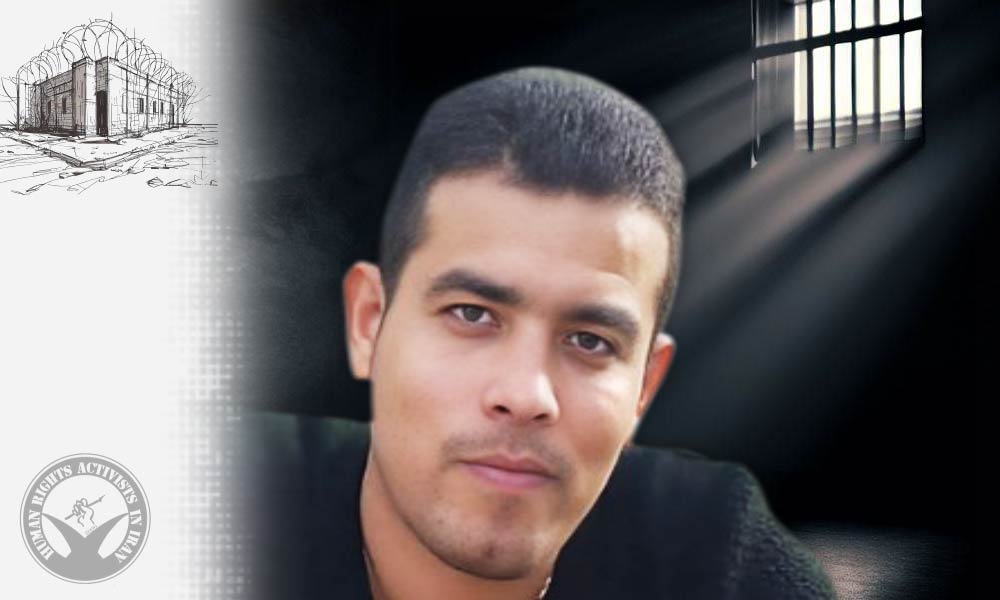
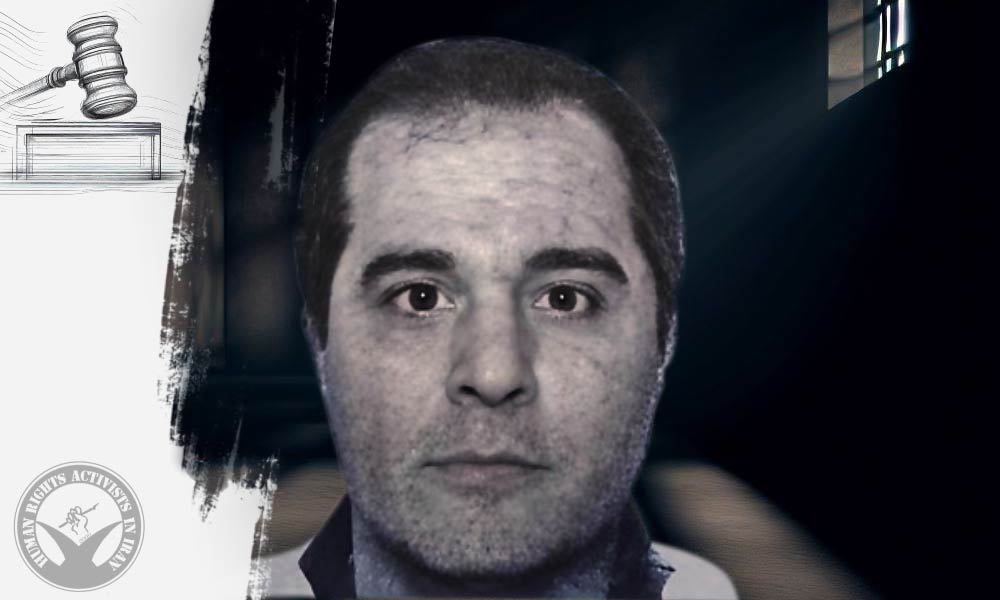
Ahmad Key-Shamas Endures Prolonged Detention on Political Charges

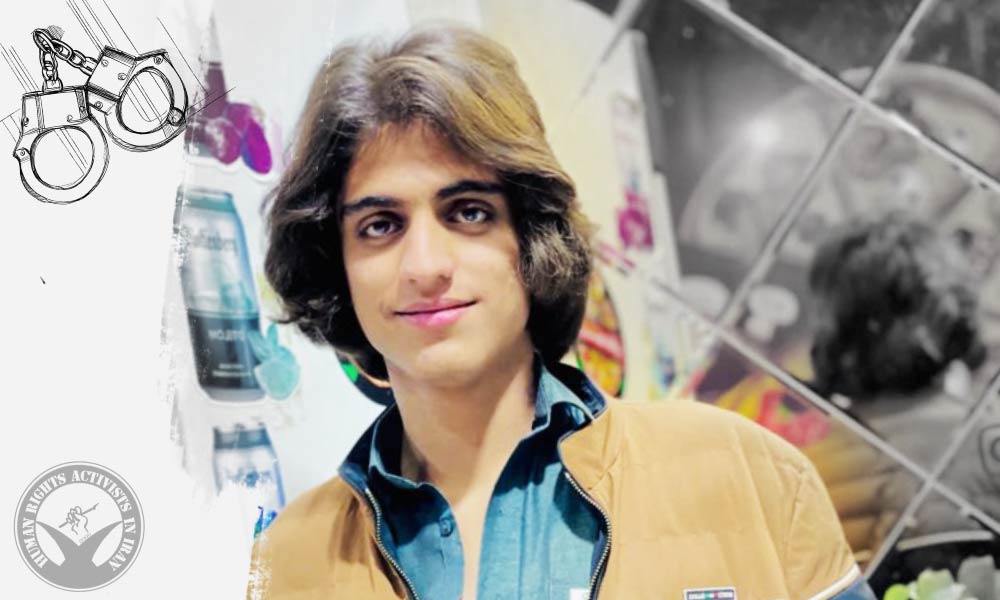
Ahmad Key-Shamas, a resident of Izeh, remains confined in Sheiban Prison in Ahvaz for over eight months, trapped in legal uncertainty.

A source close to Key-Shamas’s family confirmed to HRANA his detention for 247 days. Denied access to a private lawyer, he faces charges of “insulting the Supreme Leader of Iran,” “propaganda against the regime,” and “disturbing public order.”

Key-Shamas was apprehended by security forces on July 18, 2023.

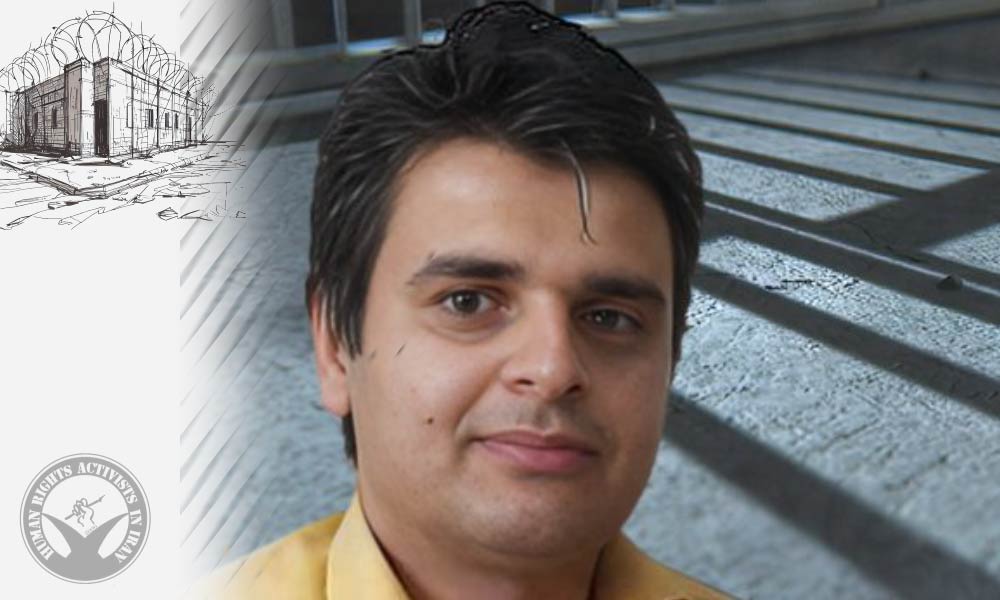
Concerns Mount Over Hamidreza Dorostkar’s Month-long Detention

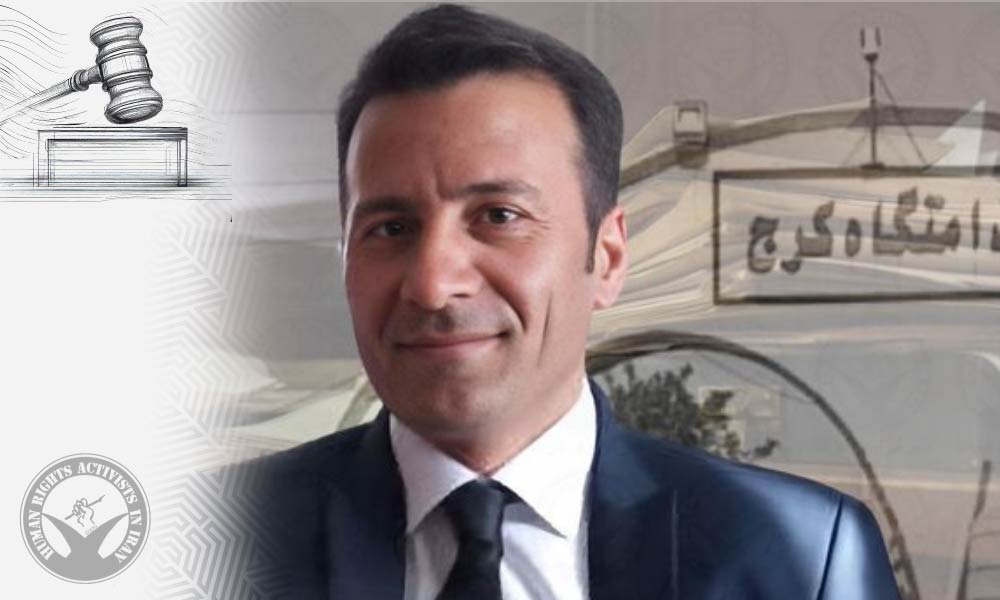
Hamidreza Dorostkar, 39, has been held in Bahbahan Prison for over a month, his legal status shrouded in uncertainty as he remains deprived of access to legal representation and family visits.

A source close to Dorostkar’s family confirmed his 34-day detention in Behbahan prison, amplifying worries for his family who have been barred from visiting him.

Dorostkar was apprehended by security forces on February 16, 2024, during which he sustained injuries to his feet and teeth due to the use of force by intelligence agents.

In December 2023, Dorostkar was convicted by the Criminal and Revolutionary Courts of Behbahan. He received a six-month sentence for “insulting the Supreme Court” and a one-year-and-three-month sentence for “spreading propaganda against the regime.” Notably, he was acquitted of charges related to “inciting people to wage war and cause unrest against national security.”

During the nationwide protests of 2022, Dorostkar had previously been detained for four months. Initially sentenced to four years and 74 lashes on multiple charges, including “disturbing public order by participating in and filming unrests to send them to anti-regime media,” “disseminating false information,” and “promoting violence,” he later received amnesty under “the general pardon and commutation,” resulting in the closure of his legal case.

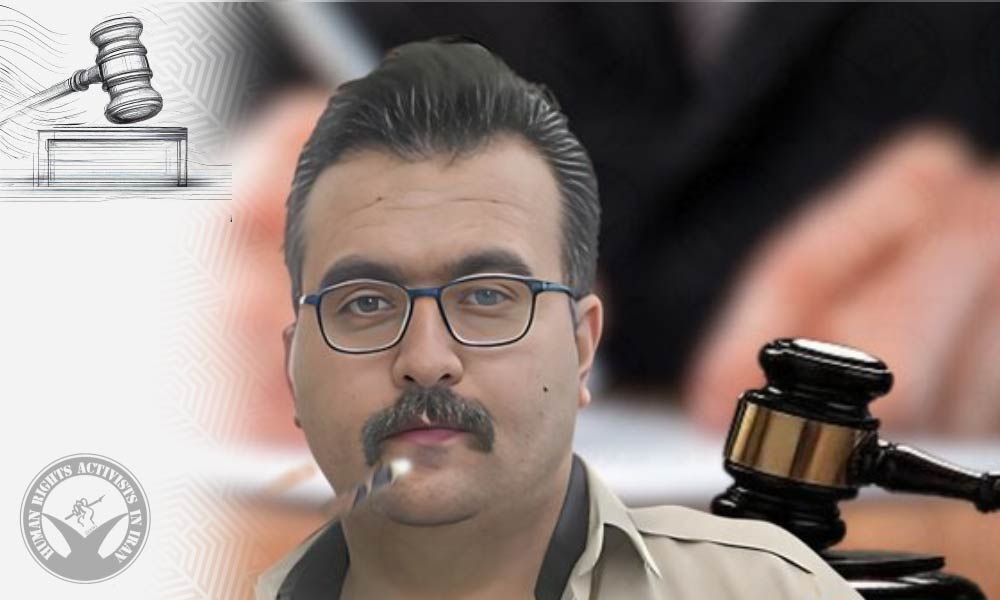
Mohammad-Taher Hosseinpour Sentenced to 13 Years in Prison on Political Charges

According to a report by Kurdpa, Mohammad-Taher Hosseinpour has been handed a 13-year prison term by the Revolutionary Court of Mahabad.

Judge Doosti, presiding over Branch 1 of the Mahabad Revolutionary Court, notified Hosseinpour of his conviction for “collaboration and membership in an anti-regime political party.”

Hosseinpour was apprehended by security forces in Naqadeh on August 23, 2023. Following 40 days of interrogation, he was transferred to Naqadeh Prison. This isn’t his first encounter with arrests and convictions stemming from his activism.

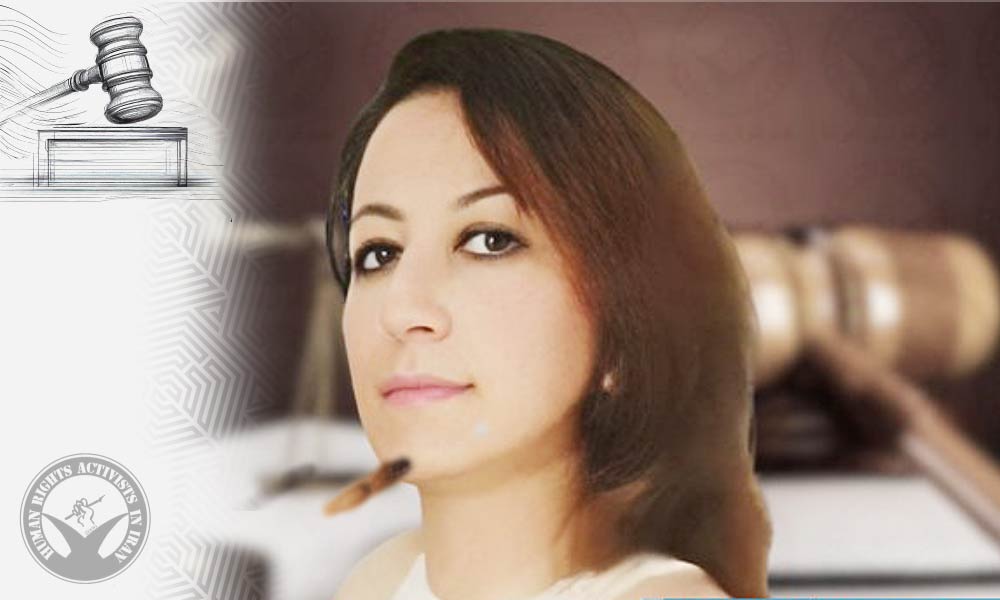
Baha’i Citizen Shabnam Tebyanian Receives Sentence and Additional Penalties

Shabnam Tebyanian (TebIanian), a Baha’i citizen, has been sentenced by the Revolutionary Court of Semnan to six months imprisonment along with supplementary punishments. However, the prison term has been commuted to a fine.

Tebyanian was found guilty of “engaging in educational activities and propagating against Sharia Islam,” resulting in a two-year prohibition from affiliating with civil or political organizations and groups. Additionally, she has been mandated to attend “Cult Therapy” courses organized by the Islamic Development Organization.

The incident stems from Tebyanian’s arrest by security forces on August 21, 2023, in Semnan. During the arrest, her residence was searched, and some of her possessions were confiscated. She was subsequently released on bail in September 2023 pending further legal proceedings.

Shabnam Tebyanian, a mother of two and a Semnan resident, now faces financial penalties instead of imprisonment following the court’s decision.

Baha’is are subjected to violations of their religious rights, comprising 82% of reports on infringements against religious minorities, according to HRA’s 2023 annual report.

The Baha’i faith is not recognized as a legitimate religion by Iranian authorities, leading to systematic and longstanding violations of the rights of Baha’is in the country. This includes the denial of their fundamental right to practice their religion, which constitutes a clear breach of both Article 18 of the Universal Declaration of Human Rights and Article 18 of the International Covenant on Civil and Political Rights. The United Nations covenant holds that every person has the right to freedom of religion, freedom of converting religion, as well as freedom of expression, individually or collectively; openly or secretly.

Milad Rigi Arrested by Security Forces in Khash

On March 19, 2024, Milad Rigi Tanha was apprehended by security forces in Khash and subsequently moved to an undisclosed location, as reported by Haal Vsh.

The 20-year-old resident of Khash was allegedly taken into custody by plainclothes officers without the presentation of any arrest warrant. Currently, the grounds for his arrest and the charges levied against him remain undisclosed.

According to data collected by the Department of Statistics and Publication of HRA in 2023, Sistan and Baluchestan Province accounted for 5.63% of reported human rights violations, including instances of arbitrary detentions.

Subscribe to Our Newsletter

Now is definitely not the time to stop reading!

Abolfazl Pour-Hosseini Sentenced to Four Years in Prison with Additional Penalties

The Revolutionary Court of Karaj has pronounced a four-year prison sentence on Abolfazl Pour-Hosseini, a member of the mystical group Erfan-e-Halgheh, alongside two years of exile, a fine, a prohibition from leaving the country, and other social restrictions.

This verdict, confirmed by a source close to Pour-Hosseini’s family, stems from charges of “propaganda against the regime” and “inciting people to act against national security.”

Pour-Hosseini was officially informed of this decision on March 17, 2024. Presently incarcerated in Karaj’s Central Prison, he faces further hardship as prison officials have imposed a three-month ban on family visits as a punitive measure.

The ordeal began on June 13, 2023, when Pour-Hosseini was apprehended by the IRGC’s intelligence in Karaj and confined to Ward 15 of the Central Prison of Karaj. Reports from HRANA suggest that his arrest was linked to the distribution of leaflets on behalf of Erfan-e-Halgheh.

In addition to his recent legal battles, Pour-Hosseini had previously been sentenced by the Revolutionary Court of Karaj to three years of imprisonment and two years of suspended imprisonment.

This is not Pour-Hosseini’s first brush with the authorities; he had been arrested in Qom for his participation in courses organized by the Erfan-e-Halgheh group.

Pour-Hosseini, aged 47 and a father of two daughters, resides in Karaj.

Data collected by the Department of Statistics and Publications of the Human Rights Activists in Iran (HRA) points to the involvement of IRGC Intelligence in 392 cases of human rights violations, including arbitrary arrests.

Sedigheh Vasmaghi Indicted for Alleged Propaganda against Iran’s Regime and Public Appearance without Hijab

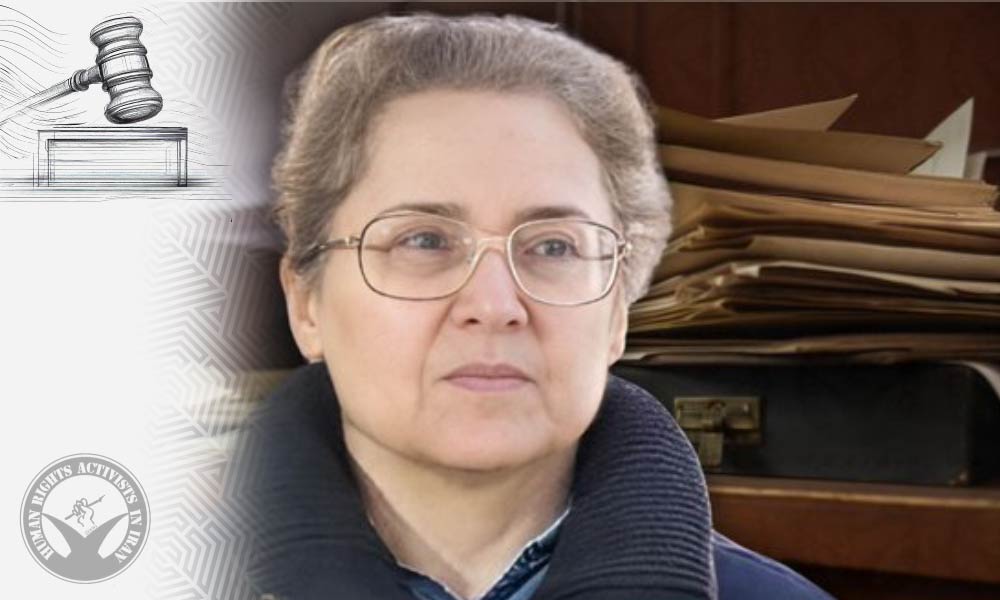
Sedigheh Vasmaghi, an analyst specializing in political and social issues, faces indictment from Branch 26 of the Tehran Revolutionary Court.

An Instagram page linked to Vasmaghi confirmed her indictment on March 18, citing charges of “propaganda against the regime” and “public appearance without hijab.” The indictment highlights Vasmaghi’s social media criticism as evidence.

Concerns over Vasmaghi’s health have been raised due to reported increases in heart rate and blood pressure during her detention. Despite her urgent need for medical attention, prison officials allegedly withhold treatment due to her refusal to comply with mandatory hijab rules.

Vasmaghi was apprehended by security forces on March 16, 2024, and subsequently transferred to Evin Prison.

This is not the first instance of legal action against Vasmaghi for her activism.

Workers’ Rights Activist Sharifeh Mohammadi Endures 105 Days of Detention Amidst Uncertain Legal Status

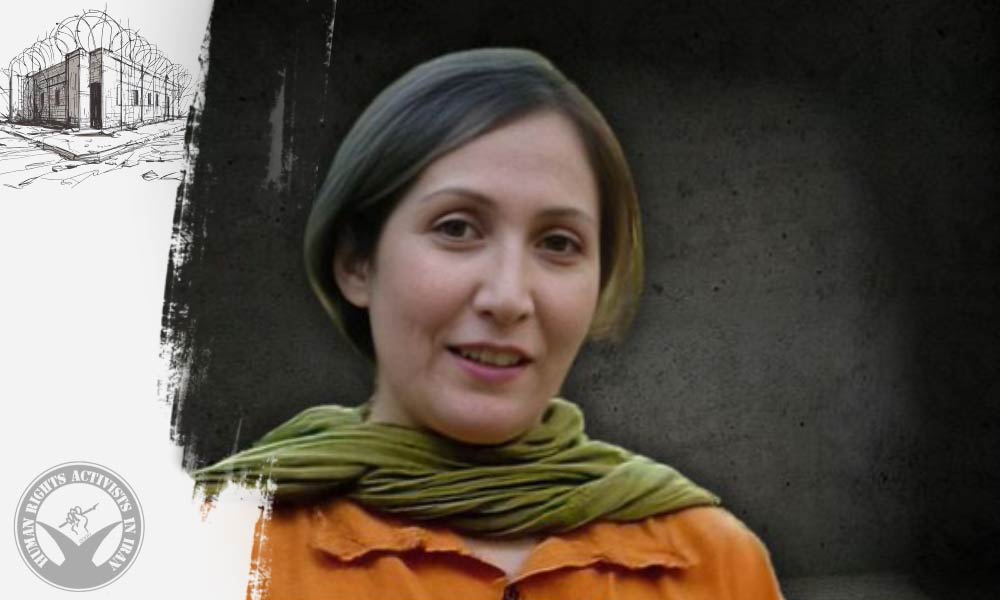
Sharifeh Mohammadi, a prominent advocate for workers’ rights, has been held in custody for over 105 days with an ambiguous legal standing at Lakan Prison in Rasht.

Her husband, Sirus Fathi, disclosed that Mohammadi underwent surgery for her toe, which unfortunately sustained irreparable damage due to infection resulting from delayed treatment.

Regarding her legal situation, Fathi emphasized that despite baseless accusations, judicial authorities have denied Mohammadi bail, despite there being no substantial evidence in her case to warrant such denial.

The Ministry of Intelligence apprehended Mohammadi at her Rasht residence on December 5, 2023. Subsequently, she was transferred from Lakan Prison to Sanandaj Prison on December 30, 2023, only to be returned to Lakan Prison later on.

The motives behind Mohammadi’s arrest and the specific charges against her remain undisclosed at present.

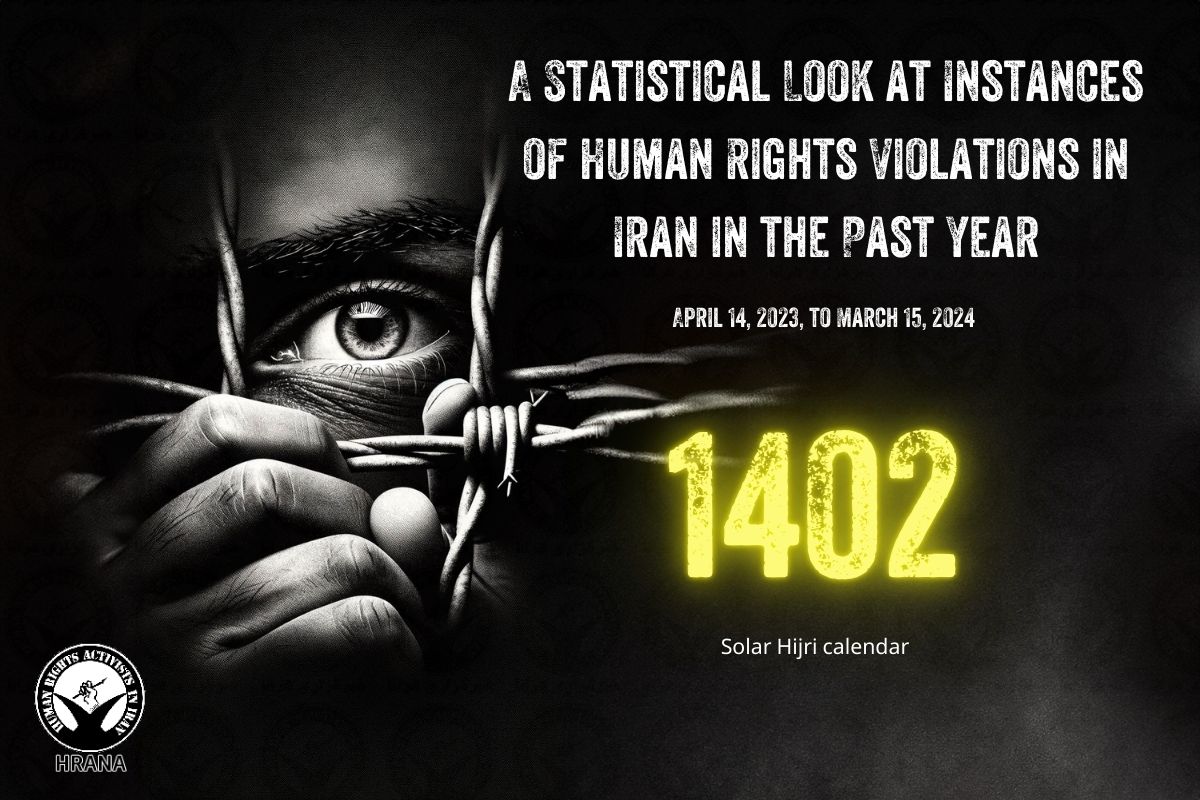
A Statistical Look at the Violations of Human Rights in Iran During the Past 12 Months – 1402 AH

HRANA – The year 1402 (April 14, 2023 – March 15, 2024) paints a vivid picture of the ongoing human rights violations in Iran. The persistent threats to freedom of thought and expression, the crackdown on peaceful protestors, increased pressures on ethnic and religious minorities, trials and harassment of human rights activists, executions of juveniles, the plight of child laborers, violations of the rights of women and sexual and gender minorities, and the unsatisfactory conditions of detention centers and prisons are just some examples of the daily infringements on human rights in Iran. The comprehensive report from the HRA Center for Statistics and Data (HRACSD) that follows presents a regrettable state of human rights violations in Iran over the past year.

According to data from 10,133 reports registered at the HRACSD during the past year (March 21, 2023, to March 15, 2024), 3,187 citizens were arrested in Iran based on ideological or political grounds or in direct conflict with human rights principles. In addition, 672 arrests were related to individuals’ lifestyles.

Key areas of arrest included 2,491 cases in the realm of the right to freedom of thought and expression, with 112 of those detained being under the age of 18. There were also 61 cases of worker and labor activist arrests, 30 cases involving professional activists, 132 arrests of religious minorities, 45 arrests of women protestors and women’s rights activists, 16 in the cultural sector, 5 arrests of sexual and gender minorities, 56 environmental activists, and 351 individuals arrested on an ethnic basis. It should be noted that the charges against 330 individuals in the latter category are unspecified, but based on patterns and the security institution’s history in the mentioned areas, these arrests are classified under ethnic-national rights.

Aside from the 3,187 arrests with a political or ideological basis, at least another 672 citizens were detained for choosing their lifestyle and attending private parties across various cities in Iran. These detentions highlight the intrusion into citizens’ private lives and inspection of their lifestyle choices, contrary to the law and accepted human rights principles.

Moreover, general and revolutionary courts across the country issued sentences in 843 cases, amounting to a total of 31,809 months of custodial sentences and 1,981 months of suspended sentences for ideological or security-related offences. Of these, 25,197 months of imprisonment were issued by first-instance courts, 8,113 months by appellate courts, and 480 months by the Supreme Court. In addition to imprisonment, monetary fines were also levied against the convicts, totalling approximately seven billion, six hundred twenty-three million, two hundred fifty-nine thousand Tomans.

Due to the silence of families and governmental institutions, precise statistics on the extent of child abuse are not available. However, based on collected reports, at least 17 cases of sexual assault or abuse of children, 47 child murders, 5 honor killings, 62 child suicides, and over 929,000 children dropping out of school have been documented this year.

In 1402 (April 14, 2023 – March 15, 2024), no new statistics on child marriage were published by the Statistical Center of Iran or official media. However, a look at the data from previous years reveals the dire situation. The Statistical Center of Iran had announced that in 1401, at least 27,000 girls who were married were under the age of 15. This center did not mention marriages among individuals aged 15 to 18, which would be considered, under international conventions, as child marriages. The year before, in 1400, the total number of registered marriages for individuals under 18 was 56,343.

Amidst the negligence of the responsible organizations and the existence of a mafia exploiting child labor in the country, no precise data on the number of working and street children are provided by the relevant authorities. However, according to an estimate by the Iranian Scientific Association of Social Work in 1402, at least 35,000 child laborers were active in Iran.

The annual report also addresses the continuation of “inhumane” sentences last year, punishments that starkly deviate from the spirit of human rights and human dignity. Among these were 1 amputation sentence and 2 cases of amputation sentence executions.

From a multitude of reports, it is observed that Iranian citizens received sentences totalling 5,071 lashes in various courts across the country, with a minimum of 442 lashes being administered. Among these, 160 lashes were carried out publicly.

In 1402, Iranian women, like other segments of society, experienced a challenging year. Alongside legal shortcoming and the absence of assurances for sexual and gender equality within social and legal frameworks,  the were a reported a minimum of 37 cases of sexual assault and abuse, 98 instances of women being murdered, 40 honor killings including 7 men, 2 self-immolations, 36 cases of suicide, 8 acid attacks, and 3,176 instances of confrontations stemming from improper or absent adherence to hijab norms.

Throughout 1402, a total of 540 citizens were shot at by military forces, resulting in 129 deaths, including 29 kolbars (cross-border labor), 29 fuel carriers, and 71 other citizens. 411 citizens were injured by indiscriminate shooting by military forces, including 353 kolbars, 33 ordinary citizens, and 25 fuel carriers.

Additionally, 11 other kolbars faced accidents due to climatic and geographical conditions such as frostbite and falls from heights, resulting in 6 injuries and 5 deaths.

On another note, this year saw two horrific explosions during the fourth anniversary of Qasem Soleimani’s death in Kerman, killing more than 100 people and injuring 170 others.

In addition to the fatalities directly caused by the actions of military personnel, at least 9 citizens lost their lives due to landmine explosions in various parts of the country; additionally, 25 others were injured. Most of these mines are remnants of war, for which the Iranian government bears specific responsibilities to neutralize or fence off contaminated areas to protect citizens’ lives and ensure their safety.

Consistent with the pattern observed in the decades following the 1979 revolution, the practice of executions in Iran persists as one of the most glaring human rights violations. In 1402 (April 14, 2023 – March 15, 2024), at least 767 citizens, among them 21 women and 2 juvenile offenders, were executed. Of these, 7 individuals were executed in public. Furthermore, during this period, 172 individuals were sentenced to death, with 5 of them sentenced to public execution. It’s noteworthy that the preliminary sentences of another 49 individuals were also upheld by the Supreme Court.

Regarding prisoners’ rights in 1402, there were 31 instances of political prisoner beatings, 276 instances of neglect or denial of medical services to prisoners, 307 instances of illegal solitary confinement transfers, 90 hunger strike attempts by prisoners, 397 instances of forced transfers or exiles of prisoners, 2773 instances of threats and pressures on political and ideological prisoners, 76 instances of preventing prisoner visits, 6 prisoner deaths due to illness, 20 instances of prisoner suicide, 8 instances of prisoner murder, 190 instances of denied access to legal representation, 134 instances of denied communication rights, 145 instances of failure to separate crimes, 2876 instances of prisoners kept in inappropriate conditions, 81 instances of coerced confessions, and 96 instances of denial of medical furlough were documented. Additionally, 459 instances of lack of information and 1258 instances of indefinite detention of detainees were documented.

The preceding year proved to be unfavorable for workers as well. Within this timeframe, at least 7066 workers were laid off or became unemployed, 1527 individuals were killed in work-related accidents, and 4215 instances of physical injuries to workers on the job were reported. Moreover, 3996 cases of worker uncertainty, 2,266,000 instances of lack of insurance, and 47 factory closures were recorded. Additionally, at least 82,206 workers reported wage arrears, cumulatively amounting to at least 1020 months of unpaid wages.

In 1402, at least 2257 protest gatherings took place in Iran, including 408 labor gatherings, 1465 professional gatherings, 200 in the realm of thought and expression, 32 student gatherings, 2 religious minority gatherings, 4 women’s gatherings, 1 cultural gathering, and 20 environmental gatherings. Additionally, 125 protest gatherings were held by citizens, mostly by those who had been defrauded or other individuals whose civic rights had been violated, across all 31 provinces. Alongside the protest gatherings, at least 38 professional strikes, 134 labor strikes, and 2 student strikes took place.

In conclusion, it is imperative to acknowledge that the statistics presented in this report cannot be deemed a comprehensive portrayal of the human rights landscape in Iran. The Iranian government’s restrictions on independent human rights organizations hinder their ability to operate freely and access vital resources. Consequently, these reports should be regarded as a minimal representation of Iran’s human rights situation, solely documented by civil institutions such as HRANA and compiled and registered through the HRACSD.

For more information, please refer to the organization’s 2023 report, which has been recently published. You can download the PDF file of the images of this report here.

Iranian-Swedish Saeed Azizi’s Five-Year Prison Term Upheld on Political Charges

The Appellate Court of Tehran has affirmed a five-year prison sentence for Iranian-Swedish citizen Saeed Azizi.

Currently incarcerated in Evin Prison, Azizi was initially handed the five-year term for charges of “assembly and collusion against national security” by Branch 26 of the Tehran Revolutionary Court, under the jurisdiction of Judge Iman Afshari.

Azizi’s legal representative has revealed that he is battling cancer, adding an extra layer of difficulty to his detention. His health has further deteriorated following a recent fall down a flight of stairs.

Previously, Sweden’s Ministry for Foreign Affairs had expressed concern over the arrest of a Swedish national man in Iran, citing a lack of clarity regarding the reasons behind it.