Iran Court Issues New Verdicts in Ekbatan Case After Supreme Court Overturns Death Sentences

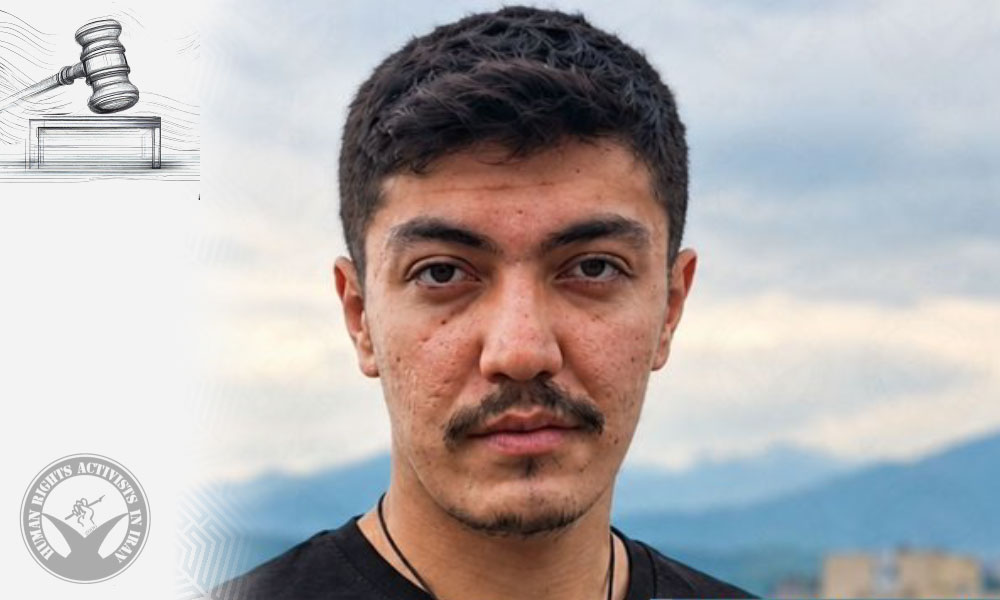
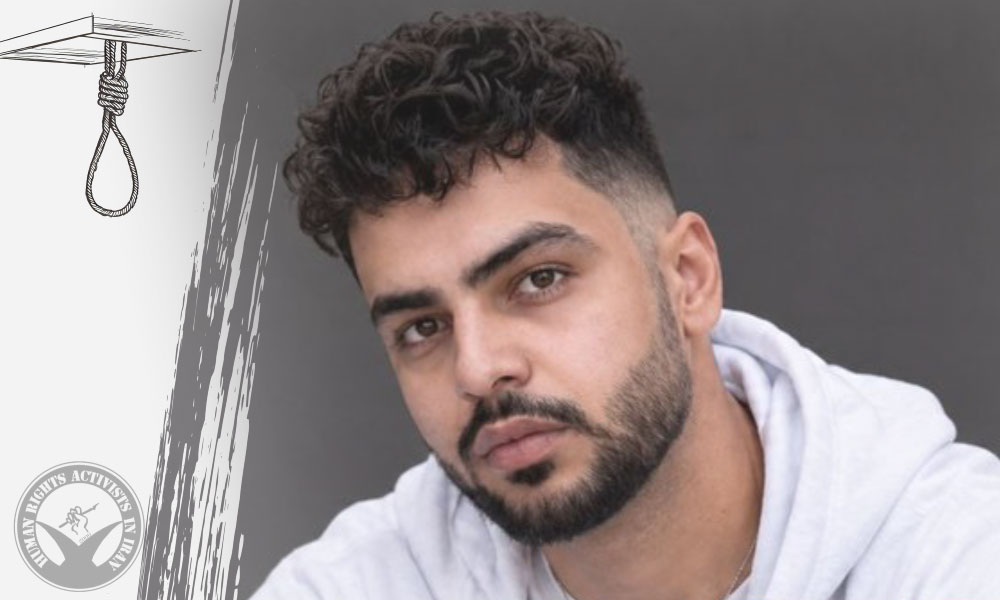
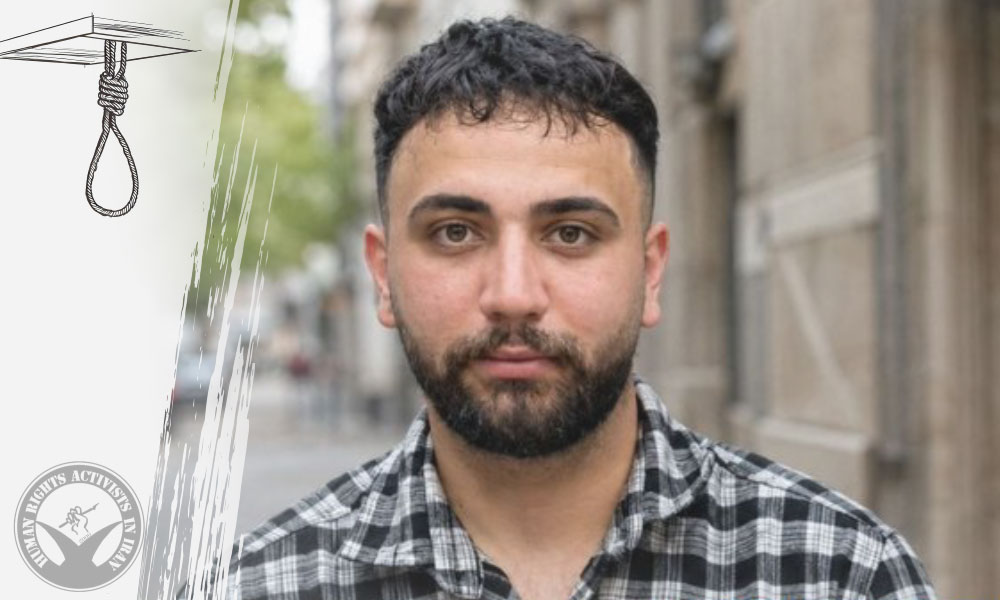
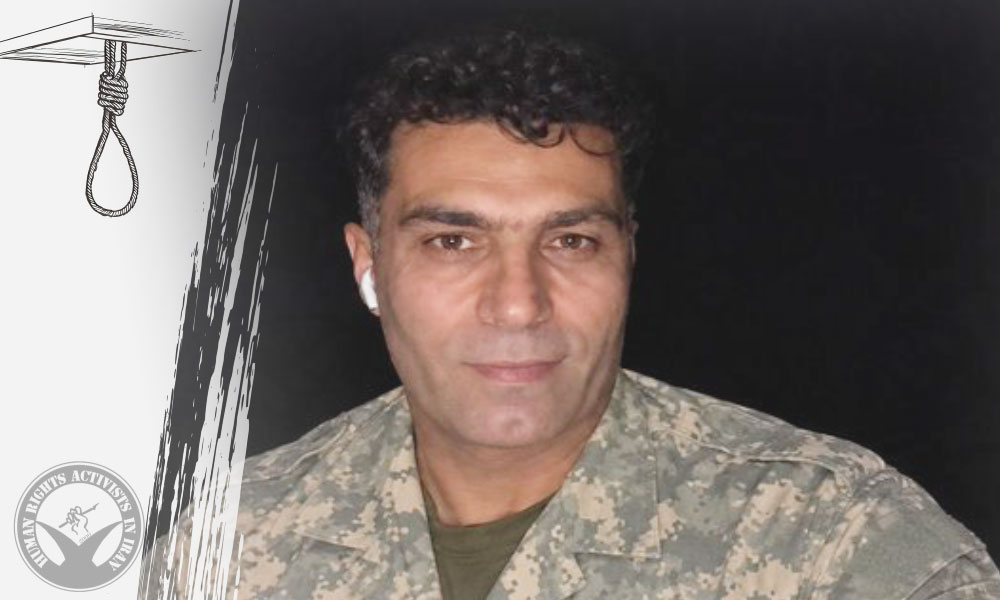
HRANA – Branch 13 of Tehran Province Criminal Court One has issued new verdicts for six defendants in the case known as “Ekbatan Town.” According to the ruling, Milad Armoun, Alireza Kafaei, and Amir Mohammad Khosh-Eghbal were each sentenced to imprisonment and payment of diyah (blood money) on charges of participation in murder. Navid Najaran, Hossein Nemati, and Alireza Barmarz Pournak were acquitted of the same charge. Their death sentences had previously been overturned by the Supreme Court.

According to HRANA, new verdicts have been issued for the defendants in the so-called “Ekbatan Town” case by Branch 13 of Tehran Province Criminal Court One.

Under the issued ruling, Milad Armoun, Alireza Kafaei, and Amir Mohammad Khosh-Eghbal were each sentenced to five years in prison and payment of an equal share of the full diyah for one person after being convicted of participation in intentional murder. Meanwhile, the three other defendants in the case, Alireza Barmarz Pournak, Hossein Nemati, and Navid Najaran, were acquitted of participation in intentional murder due to lack of evidence proving they inflicted blows on a specific part of Arman Aliverdi’s body.

The verdict was issued on February 4, 2025, and was formally communicated to the defendants’ lawyers yesterday.

In November 2024, these individuals had each been sentenced to death by Branch 13 of Tehran Criminal Court. In September 2025, the Supreme Court overturned the death sentences and referred the case back to Branch 13 for retrial. Ultimately, on December 3 of that year, a new hearing was held in the same branch.

The case involving Milad Armoun, Seyed Mohammad Mehdi Hosseini, Mehdi Imani, and Navid Najjaran, designated as confidential, had been returned in late April 2024 from Branch 13 of Tehran Province Criminal Court One to Branch Four of the Prosecutor’s Office for Criminal Affairs in Tehran’s District 27 to address deficiencies and objections in the case. In early September that year, after the deficiencies were addressed, the case was referred back to Branch 13 of Tehran Criminal Court One and Branch 15 of Tehran Revolutionary Court, presided over by Judge Abolqasem Salavati.

Four of the defendants , Nemati, Barmarz Pournak, Kafaei, and Khosh-Eghbal, were released from Ghezel Hesar Prison on bail in February 2024.

In late October 2023, after four court sessions were held, the court did not return the case to the prosecutor’s office for further investigation. Instead, Branch 13 of Tehran Criminal Court One intervened to conduct supplementary investigations, expedite proceedings, and determine the defendants’ status. Another part of the case was referred to Branch 15 of Tehran Revolutionary Court.

In May 2023, the spokesperson for Iran’s Judiciary announced that three defendants in the “murder of Arman Aliverdi” case had been charged with “enmity against God (moharebeh) through the use of cold weapons and acting against national security.” According to the indictment, these individuals were charged with “moharebeh,” “participation in intentional murder,” and “disrupting public order and peace.”

Previously, an informed source had told HRANA regarding the “Ekbatan Town” case: “The case has been divided into two sections. One section was referred to Branch 15 of Tehran Revolutionary Court, presided over by Judge Abolqasem Salavati, and the other to Branch 13 of Tehran Criminal Court One. So far, no verdict has been issued for those defendants whose cases in the Revolutionary Court involve security-related charges and moharebeh.”

In early November 2022, during nationwide protests and following the killing of a Basij member named Arman Aliverdi in Ekbatan Town, at least 50 young residents of the area were arrested by security and law enforcement forces. Indictments were ultimately issued against 14 of them.

Prisoner Executed in Torbat-e Heydarieh Prison on Drug-Related Crimes

HRANA – At dawn on Saturday, May 16, the death sentence of a prisoner previously convicted on charges related to drug-related crimes was carried out in Torbat-e Heydarieh Prison.

HRANA has identified the prisoner as 48-year-old Ebrahim Farhadi Toupkanlou, a father of three from Sabzevar, who was hanged at dawn on Saturday, May 16, 2026.

According to information obtained by HRANA, Mr. Farhadi Toupkanlou had previously been arrested on charges related to drug-related crimes and was sentenced to death by Branch One of the Sabzevar Revolutionary Court, presided over by Judge Mohammad Gholami.

As of the time of this report, prison authorities and relevant institutions have not officially announced the execution of this prisoner.

According to HRA’s Annual Report, in 2025 at least 2,063 citizens, including 61 women and 2 juvenile offenders, were executed. Of these, the sentences of 11 individuals were carried out in public. During the same period, 172 other individuals were sentenced to death.

Amir Sobhani Arrested by Security Forces in Javanrud

HRANA – On Monday, May 18, 2026, Amir Sobhani, a resident of Javanrud, was arrested by security forces in the city. He was subsequently transferred to Dizelabad Prison following the issuance of a detention order.

According to Kurdpa, a citizen was arrested by security forces in Javanrud. The identity of the individual has been reported as Amir Sobhani, a resident of Javanrud County.

Based on the report, Mr. Sobhani was arrested on Monday, May 18, 2026, by security forces at his family home without the presentation of a judicial warrant. Following the issuance of a 10-day detention order, this citizen was transferred to Dizelabad Prison in Kermanshah.

As of the time of this report, no information has been obtained regarding the reasons for his arrest or the charges brought against him.

Shahab Dalili Released and Returned to the United States

HRANA – Shahab Dalili, an Iranian citizen and U.S. permanent resident who had been imprisoned in Evin Prison, was released after serving 10 years in prison. Following his release, he returned to the United States.

According to HRANA, Shahab Dalili has been released. Radio Farda, confirming the report, wrote that after more than a decade in detention in Iran, he traveled from Evin Prison to Yerevan and then returned to Washington, where he is now safe and reunited with his family.

The report did not specify the exact date of the political prisoner’s release.

In 2016, Shahab Dalili returned to Iran to attend his father’s funeral ceremony. While attempting to leave the country, he was arrested on the charge of “cooperating with a hostile government.”

Shahab Dalili, an Iranian citizen holding U.S. permanent residency, was ultimately sentenced to 10 years in prison on the aforementioned charge.

Assets of 52 Citizens Seized in Zanjan; Seven Arrested

HRANA – The Judiciary’s Media Center announced the seizure of assets belonging to 52 citizens in Zanjan Province. Seven of the individuals, who reside in Iran, have been arrested.

According to Mizan News Agency, the Chief Justice of Zanjan Province announced the confiscation of assets belonging to a number of citizens in the province.

According to the report, the assets of 52 individuals described as “linked to networks cooperating with the enemy” were seized by judicial order. The confiscated assets include bank holdings, cash and foreign currency, movable and immovable property, and gold. Seven of these individuals have been arrested, while the remaining owners are reportedly residing outside the country.

The report states that of the total confiscations, 33 cases were in the city of Zanjan, 15 in Abhar, and three in Khorramdarreh. In addition, the assets of another individual with property in Tehran and Khodabandeh County were also seized.

The Chief Justice of Zanjan Province claimed that the measure was carried out within the framework of “protecting public rights” and based on laws related to “espionage and cooperation with the Zionist regime.” He added that the cases against these individuals are under investigation.

The report did not disclose the identities of the individuals, the exact timing of the arrests, the locations where the detainees are being held, or details of the charges brought against them.

Following the start of military attacks on Iran, Gholamhossein Mohseni Ejei, head of the judiciary, announced that judicial orders had been issued to confiscate and seize assets linked to what he described as “elements cooperating with the enemy inside and outside the country.” He also threatened these individuals with execution, stating: “One of the punishments prescribed in this regard is execution, and following investigations, one of the legal punishments will be applied to the individuals concerned.”

Following the issuance of this directive by the judiciary, the “Saham” smart financial inquiry system was launched. Through this system, prosecutor’s offices and courts across the country are now able to quickly and online identify citizens’ assets and property and take the necessary steps to confiscate them.

Subscribe to Our Newsletter

Now is definitely not the time to stop reading!

Two Citizens Arrested in Tehran, Starlink Equipment Confiscated

HRANA – Tehran’s Police Commander announced the arrest of two citizens in the western and northern parts of the city on charges described as “sending information and collaborating with anti-state networks.” During the operation, their Starlink satellite internet equipment was also confiscated.

According to Fars News Agency, two citizens were arrested in Tehran. Regarding the arrests, Tehran’s Police Commander claimed: “These individuals, under the cover of media activity, were collecting and transmitting classified information related to the country’s vital, sensitive military and intelligence centers to networks opposed to the regime.”

According to the police commander, the citizens’ communication channel with contacts outside the country was established through satellite internet and Starlink equipment, which was seized at the time of their arrest.

The report did not provide further details, including the date of arrest, the identities of the detainees, or their place of detention.

In recent months, amid the continuation of widespread internet restrictions in Iran, security agencies have increasingly linked the use of Starlink satellite internet to security-related accusations. In this context, reports have emerged from various parts of the country regarding arrests and judicial actions against users of such equipment.

Student Amirhossein Sheikh-Mohammadi Arrested in Karaj

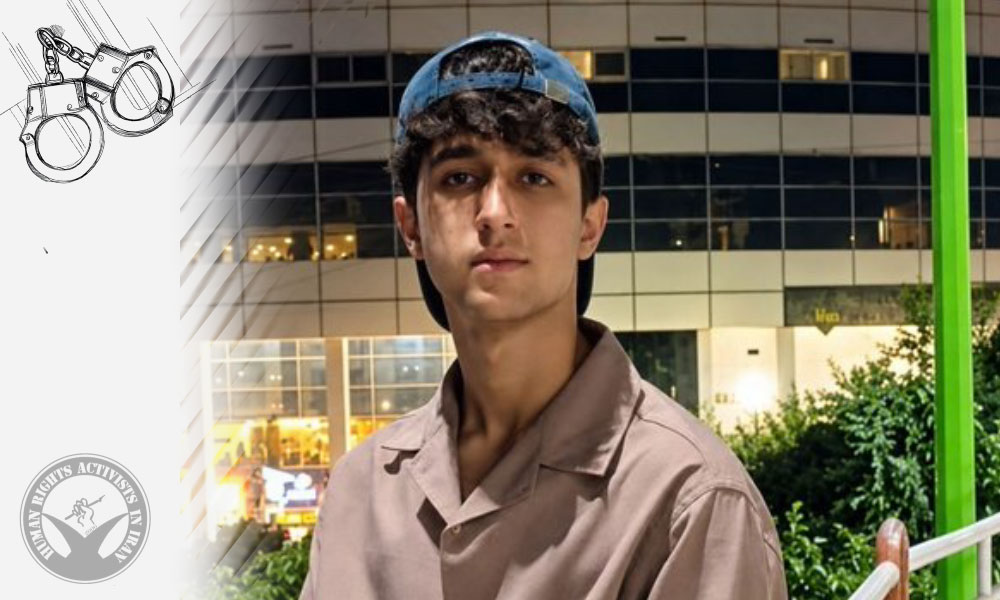
HRANA – Amirhossein Sheikh-Mohammadi, a student at Karaj Islamic Azad University, was arrested by security forces in the city this morning.

According to HRANA, citing United Students, a student was arrested in Karaj. His identity has been reported as Amirhossein Sheikh-Mohammadi, a veterinary medicine student at Karaj Islamic Azad University.

So far, no information has been obtained regarding the reasons for his arrest or his place of detention.

A Report on the Poor Quality of Virtual Education and Deprivation of Access to Learning

HRANA – While virtual education was initially intended as a temporary solution to allow students to continue their studies during the wartime crisis, many families and teachers now say that rather than serving as a sustainable substitute for in-person schooling, it has led to a severe decline in the quality of education.

The following report, prepared by HRANA based on interviews with students’ families, teachers, school administrators, and education experts, examines the deepening crisis of remote education in Iran. The report explores how widespread internet disruptions, inadequate educational infrastructure, limited access to digital equipment, mounting economic pressure on families, and the absence of coherent planning for an uncertain future have severely undermined access to effective education across the country.

Many of the individuals interviewed by HRANA say that education in recent months has effectively been left adrift amid internet outages, unstable educational platforms, and contradictory decisions by officials. According to them, this situation has not only reduced the quality of learning but has also raised serious concerns about students’ educational future.

After schools were closed due to wartime conditions, education initially continued through an application called Shad. However, widespread disruptions in the platform forced many schools to move classes to another application called Rubika, a platform which, according to families and teachers, also suffers from numerous problems. Many students say that online classes either fail to open altogether or experience constant interruptions in audio and video during sessions. Some educational files fail to upload, and in certain cases, even sending a simple video or audio file can take hours.

It is around 10 a.m., and a science class at a middle school has just begun, but the teacher’s voice keeps cutting in and out. Several students repeatedly write in the class group chat: “We can’t hear anything,” “The image isn’t loading,” “The file won’t open.” A few minutes later, the class becomes inaccessible, and attempts to reconnect begin again. One parent says this happens almost every day.

She says:

“Some days, the children spend more time clicking the refresh button than actually studying, just hoping the class will reconnect. In the end, the class is left unfinished because either the teacher gets exhausted or the internet cuts out.”

The mother of an elementary school student says her child has effectively lost concentration and connection with schoolwork:

“Most of the class time, the children are saying things like ‘Ma’am, the sound cut out’ or ‘The image isn’t loading.’ Sometimes the class doesn’t open at all. In the end, half the lesson remains unfinished.”

She says many families have been forced to increase spending on internet access and mobile phones so their children can attend classes, yet despite this, the quality of education remains poor.

In some areas, the problem is not limited to software disruptions; restricted or weak internet access has also caused some students to effectively fall behind in the educational process. A high school teacher says some of her students can only join classes using their parents’ mobile phones, and if the parents are at work, those students are effectively deprived of attending class that day.

She says:

“We send files, but many students either don’t have suitable internet access or can’t open the files at all. Some only mark their attendance and then leave the class completely because the phone doesn’t belong to them.”

According to her, virtual education in recent weeks has become more like attendance registration than real learning:

“Sometimes at the end of class I ask the students if they understood anything. They stay silent. Some of them don’t even know what the teacher taught because half the class was disconnected.”

In some households, several students are forced to share a single mobile phone in order to attend classes. Some parents also say that due to economic hardship, they cannot afford suitable phones or reliable internet access, placing additional pressure on students.

The father of one student in southern Tehran says:

“We have three school-age children, but only one relatively functional phone at home. When their classes are held at the same time, one or two of them are effectively deprived of attending lessons.”

In some areas, power outages have further compounded the problems of online education. Families say there have been many instances where students were disconnected from online classes or exams due to electricity cuts and internet shutdowns.

An eleventh-grade student says:

“Sometimes it takes half an hour just to enter the class. And when we finally connect, the teacher says there’s no time and rushes through the lesson. In the end, we don’t understand anything.”

At the same time, amid the ongoing disruptions, some schools attempted to hold limited in-person classes to compensate for students’ academic decline. However, according to families, these decisions were also accompanied by confusion and contradictory restrictions.

Several families say that during meetings, schools asked parents to provide written consent for remedial classes to be held outside the formal school environment, since the Ministry of Education had not authorized in-person classes inside schools.

One parent of an elementary school student says that during one of these meetings, it was suggested that classes be held at the local mosque or that families collectively rent a location for lessons.

She says:

“They asked us to let the children attend classes twice a week for two hours each time so they wouldn’t fall too far behind in their studies, but many families opposed the idea.”

According to her, families’ concerns are not limited to education alone; wartime conditions and insecurity have also made many unwilling to send their children to locations outside school premises.

“Some families said they would not allow their children to attend classes in mosques or unspecified places. Everyone is afraid of the situation. Private homes are also completely unsuitable for holding classes for such a large number of students.”

Following these disagreements, some schools, with the agreement of a number of parents, decided to hold limited classes at centers run by the Institute for the Intellectual Development of Children and Young Adults. However, these classes were also suspended after only a few sessions.

One teacher at a girls’ school in Tehran says that schools were later informed that no in-person classes should be held anywhere:

“We were told that under no circumstances were we allowed to hold in-person classes, neither inside the school nor anywhere else. They emphasized that education must remain entirely virtual.”

Some teachers say that even school principals often do not know exactly which directives are supposed to be implemented. Circulars change constantly, and decisions are sometimes completely reversed within just a few days.

One administrator at a private school says:

“One day they tell us to hold limited in-person classes, and two days later they call and tell us to cancel them immediately. Neither the families nor the schools know what they’re supposed to do.”

At the same time, some teachers report educational pressure and unofficial directives aimed at ensuring all students pass to the next grade, a development that has further deepened concerns about declining educational standards.

One high school teacher, who asked not to be named, says schools have recently been instructed that students at all grade levels must be promoted, even if their academic performance is weak.

She says:

“Some teachers were told that if a student fails, the teacher themselves would have to hold remedial summer classes until the student passes. In practice, it means no one is supposed to fail.”

According to her, under such conditions, assessing students’ actual learning has become nearly impossible:

“When a student hasn’t had proper classes, real exams, or full access to education, how can anyone know what level they’re really at? But in the end, we’re still expected to pass everyone.”

Some families say their children have lost motivation to study in recent months. The mother of a ninth-grade student says her son spends hours in front of a mobile phone but ultimately learns very little from class:

“At the end of the night, when I ask him what he learned today, he says, ‘Nothing, the internet kept disconnecting and the teacher couldn’t teach.’”

Another parent says:

“Children used to have school, recess, friends, and teachers. Now their entire school has turned into a mobile phone screen that constantly freezes.”

Educational experts have warned for years about the consequences of unstable education, but families say their concern today is not merely declining grades, but the deterioration of real learning quality. According to them, many students are advancing to higher grades without properly learning foundational concepts.

One elementary school teacher says some of her students are now struggling even with reading and writing, yet will likely still be promoted to the next grade:

“A child who still hasn’t fully learned this year’s lessons is going to move up to the next grade. This problem isn’t just about this year, its effects may only become visible years later.”

Some psychologists and education activists have also warned about the psychological consequences of the current situation. They say the combination of insecurity, prolonged isolation, unstable education, and economic pressure could have long-term effects on students’ concentration, motivation, and mental health.

One educational counselor in Tehran says:

“We’re not only facing academic decline. Some students have developed feelings of exhaustion, hopelessness, and constant anxiety. For some children, school no longer has the meaning it once did.”

While officials describe the continuation of virtual education as a solution for overcoming the crisis, many families and teachers say what is actually taking place is more a form of minimum crisis management than real education. Students whose classes are disrupted by internet outages, interrupted audio and video, unopened files, and contradictory educational decisions are now expected to advance to higher grades without proper evaluation.

For many families, the concern is not simply falling behind in a few subjects. They say the real issue is a generation of students who, during one of the most important periods of their education, have lost access to regular and effective learning, a generation that now experiences school mainly through a mobile phone screen; a screen on which classes sometimes fail to load, the teacher’s voice cuts out, and in the end, the only thing left from a school day is a recorded attendance mark.

At night, in many homes, students still try to download files sent by teachers or watch videos that fail to load. Some parents sit beside their children in hopes that an online class might finally proceed without interruption, while others simply hope the school year ends as soon as possible.

Overall, at a time when the country’s formal education system remains caught between closures, virtual learning, and bans on in-person classes, many students are experiencing not education itself, but a state of educational uncertainty, an uncertainty whose real consequences may only become clear years from now.

13 Azerbaijani-Turk Activists Sentenced to Over 81 Years in Prison by Appeals Court

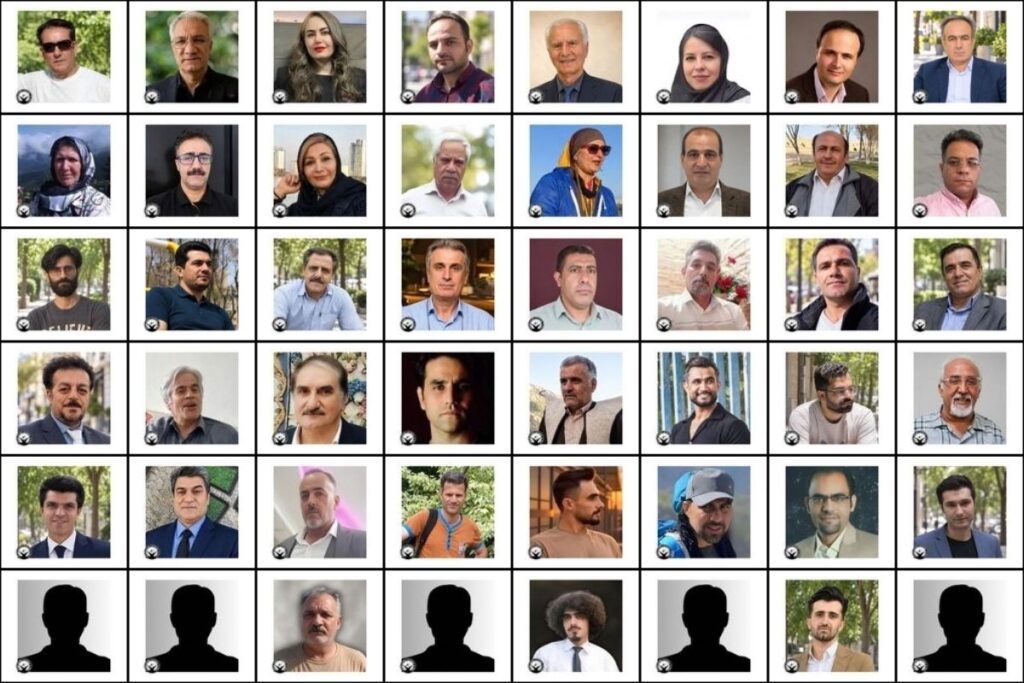
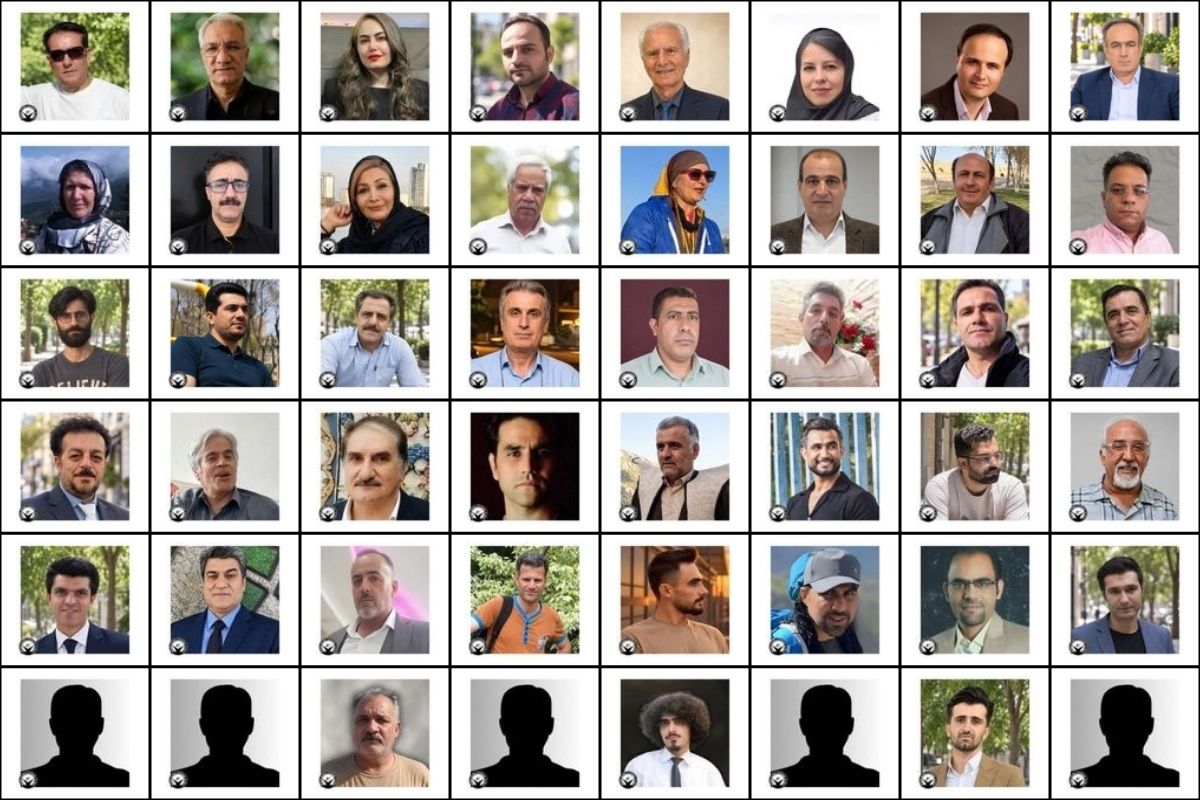
HRANA – By order of the East Azerbaijan Province Court of Appeals, 13 Azerbaijani-Turk activists were collectively sentenced to 81 years and five months in prison.

According to HRANA, the ruling issued by the East Azerbaijan Province Court of Appeals has been formally communicated to the defendants’ attorney.

The verdict was delivered to the lawyer of these individuals on Saturday, May 16. According to the ruling, the defendants were collectively sentenced to 81 years and five months of imprisonment.

The details of the charges and final sentences issued against each defendant are as follows:

1. Yoroush Mehrali Beiglou was sentenced to 6 years and 2 months in prison on the charge of “forming an illegal group,” and to 3 years and 7 months on the charge of “assembly and collusion against national security.”

2. Hamed Yeganehpour was sentenced to 2 years and 9 months in prison on the charge of “membership in an illegal group,” and to 3 years and 7 months on the charge of “assembly and collusion against national security.”

3. Ebrahim Avaz-Zadeh was sentenced to 2 years and 9 months in prison on the charge of “membership in an illegal group,” and to 3 years and 7 months on the charge of “assembly and collusion against national security.”

4. Araz Ebrahim-Nejad was sentenced to 2 years and 9 months in prison on the charge of “membership in an illegal group,” and to 3 years and 7 months on the charge of “assembly and collusion against national security.”

5. Hossein Azadi was sentenced to 2 years and 9 months in prison on the charge of “membership in an illegal group,” and to 3 years and 7 months on the charge of “assembly and collusion against national security.”

6. Amirhossein Aghaei was sentenced to 2 years and 9 months in prison on the charge of “membership in an illegal group,” and to 3 years and 7 months on the charge of “assembly and collusion against national security.”

7. Naser Razmjou was sentenced to 2 years and 9 months in prison on the charge of “membership in an illegal group,” and to 3 years and 7 months on the charge of “assembly and collusion against national security.”

8. Davoud Shiri was sentenced to 2 years and 9 months in prison on the charge of “membership in an illegal group,” and to 3 years and 7 months on the charge of “assembly and collusion against national security.”

9. Javad Soudbar was sentenced to 2 years and 9 months in prison on the charge of “membership in an illegal group,” and to 3 years and 7 months on the charge of “assembly and collusion against national security.”

10. Mehrdad Ghaderi was sentenced to 2 years and 9 months in prison on the charge of “membership in an illegal group,” and to 3 years and 7 months on the charge of “assembly and collusion against national security.”

11. Ali Babaei was sentenced to 2 years and 9 months in prison on the charge of “membership in an illegal group,” and to 3 years and 7 months on the charge of “assembly and collusion against national security.”

12. Mohammadreza Movahed was sentenced to 2 years and 9 months in prison on the charge of “membership in an illegal group,” and to 3 years and 7 months on the charge of “assembly and collusion against national security.”

13. Morteza Nourmohammadi was sentenced to 2 years in prison on the charge of “assembly and collusion against national security.”

These individuals had previously been sentenced in late-December 2025 by Branch Two of the Tabriz Revolutionary Court to a total of 85 years and 9 months in prison at the preliminary trial stage.

According to HRA’s annual report, a total of 302 individuals were arrested in 2025 on the basis of their ethnic status or national minority identity. In addition, arrests of citizens belonging to ethnic minorities increased by 15.2% compared to the previous one-year period. At least 186 of these arrests were carried out without judicial warrants. Although in many cases the specific charges and reasons for arrest were not disclosed, given the previous conduct of security institutions, it is likely that these individuals were detained due to their activities related to ethnic rights.

At Least 32 People Arrested on Security-Related Charges in Several Provinces

HRANA  – The IRGC Intelligence Organization has announced the arrest of at least 32 individuals in the provinces of Qazvin, Kerman, and Chaharmahal and Bakhtiari. The agency stated that the charges against these individuals include “espionage, links to anti-regime groups, terrorist activities, and sabotage.”

According to a report by Mehr News Agency, the IRGC Intelligence Organization announced the identification and arrest of several citizens in multiple provinces across the country.

According to the report, in Qazvin Province, two citizens were arrested on accusations described as “spying for the Zionist regime.” Authorities in the province also announced the dismantling of a network distributing military-grade weapons and the seizure of quantities of arms and ammunition. Another section of the report claimed that 1,400 tons of petrochemical raw materials allegedly stockpiled with the aim of “disrupting the market” had been discovered.

The report further stated that in Kerman Province, eight individuals were arrested as “main agents of terrorist activities.” Allegations against them include “shooting at a vehicle carrying security forces, attacking law enforcement officers, setting fire to the Sirjan Governor’s Office, spying for Israel, and maintaining ties with anti-regime groups.”

In addition, the IRGC Intelligence Organization in Chaharmahal and Bakhtiari Province announced the identification and arrest of 22 individuals as part of several networks allegedly linked to anti-regime groups. The report claimed that these individuals, through contact with “foreign-based coordinators,” were seeking to “procure weapons, create insecurity, and carry out sabotage operations.”

The report did not provide any information regarding the identities of those arrested, the timing and manner of their arrests, or the locations where they are being held.

In recent weeks, authorities have reported numerous arrests across several Iranian provinces on similar security-related charges. In many cases, security agencies have accused detainees of “espionage” or ties to foreign-based media outlets and opposition groups without providing supporting evidence or detailed information. The absence of transparency surrounding these arrests and subsequent legal proceedings has fueled concerns over the status and treatment of those detained.