January 2026 Protests: Abolfazl and Saman Eskandarian Sentenced to Prison, Flogging, and Fine

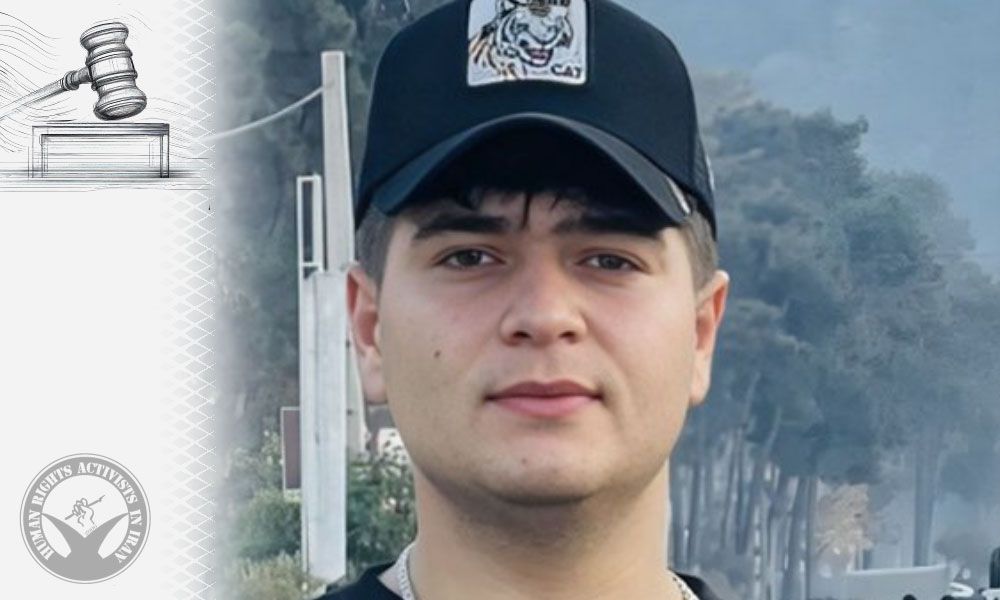
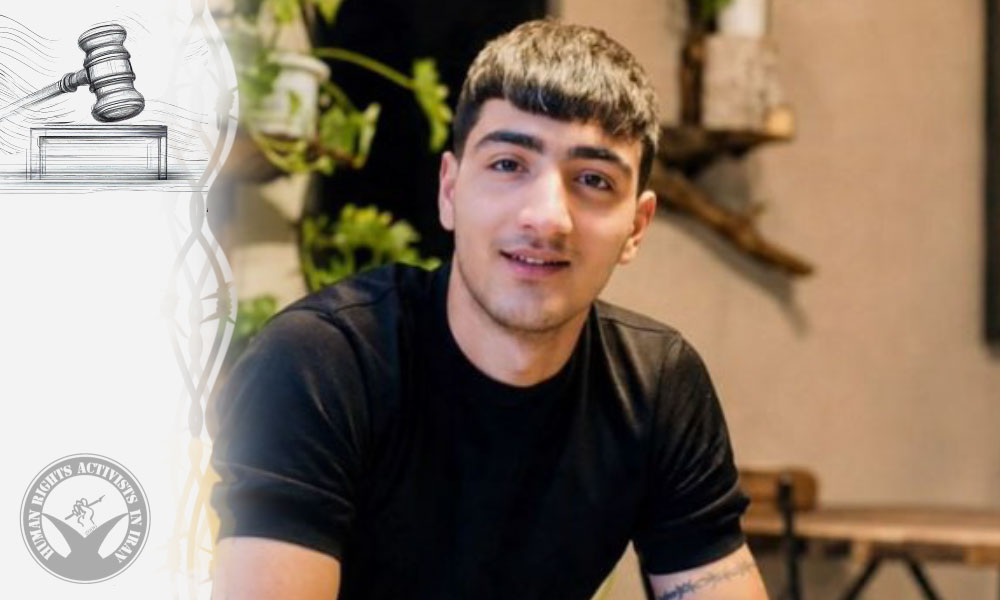
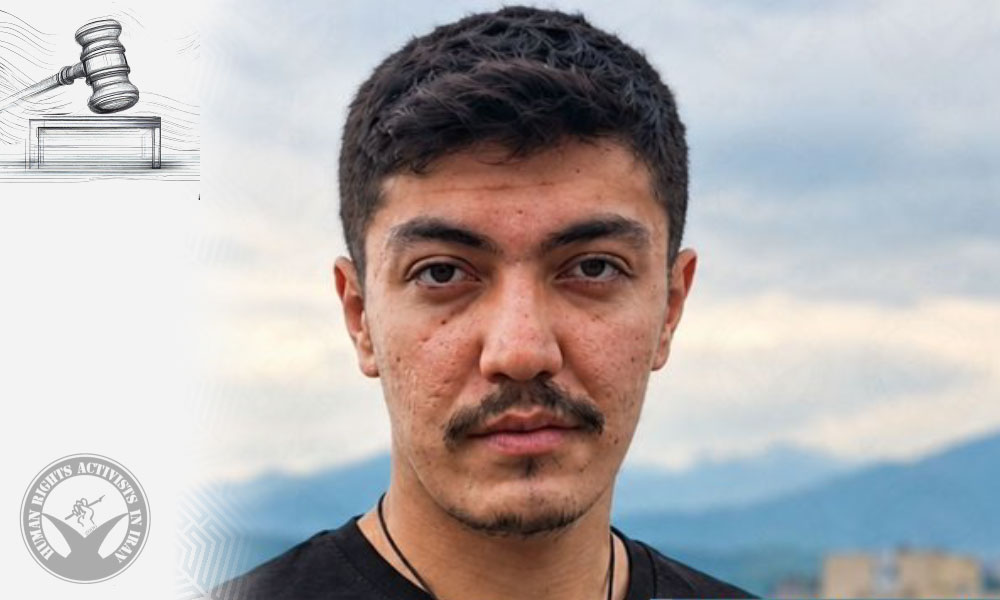
HRANA – Abolfazl Eskandarian and Saman Eskandarian, who were arrested during the January 2026 protests, have each been sentenced by the Revolutionary and Criminal Courts of Bojnurd to two years and one day of imprisonment, 74 lashes, and a fine of 22 million tomans.

According to HRANA, citing Kurdpa, Abolfazl Eskandarian and Saman Eskandarian have been sentenced to imprisonment, flogging, and a monetary fine.

According to the report, in a joint case before the Bojnurd Revolutionary Court, presided over by Judge Izanlou, Abolfazl and Saman Eskandarian were each sentenced to two years and one day of imprisonment on charges of “propaganda against the regime” and “assembly and collusion against national security.” In a separate part of their case, the Bojnurd Criminal Court sentenced the two cousins to 74 lashes and a fine of 22 million tomans each on charges of “disrupting public order and peace” and “disobeying law enforcement officers while they were carrying out their duties.”

The rulings issued by the two courts were communicated to them verbally in late-July 2026.

Abolfazl Eskandarian, 23, and Saman Eskandarian, 19, both residents of Bojnurd, were arrested at their homes by security forces on January 4, 2026, during the nationwide protests, without the presentation of a judicial warrant.

The two were later transferred to Bojnurd Prison and, after approximately one month in detention, were released on bail on February 3, 2026. During their detention, they were denied access to legal counsel and family visits.

January 2026 Protests: 17-Year-Old Benjamin Vahidi Arrested to Serve Prison Sentence

HRANA – Benjamin Vahidi, a 17-year-old resident of Bojnurd, was arrested to begin serving his prison sentence. He had previously been sentenced in absentia to two years in prison and a paying a fine in connection with the January 2026 protests.

According to HRANA, Benjamin Vahidi has been arrested to serve his sentence.

A source familiar with the teenager’s family confirmed the arrest to HRANA, stating that in late July, several officers entered the family’s home at around 9:00 p.m. and arrested him after physically assaulting him. Following his arrest, he was initially transferred to Police Station No. 11 in Bojnurd. His current place of detention remains unknown.

The source added that the family was informed Benjamin would be denied phone calls and visitation rights until the monetary fine is paid.

Benjamin Vahidi had previously been convicted by a judicial authority in Bojnurd in connection with the protests on charges including “disrupting public order and peace,” “damaging public property,” and “clashing with law enforcement officers.” He was sentenced to two years of discretionary imprisonment and ordered to pay a 100 million toman fine. The sentence was issued in absentia, without Mr. Vahidi’s presence in court and without access to legal counsel. His family has also been informed that the verdict is final.

Benjamin Vahidi, 17, is an athlete specializing in boxing and mixed martial arts (MMA).

Background on the January 2026 Protests

It should be noted that protests and strikes by shopkeepers and bazaar merchants began in Tehran on Sunday, December 28, 2025, and within two days spread beyond markets and commercial centers. With the participation of students, citizens, and various social groups, these protests became one of the largest protest movements of recent years. Following the crackdown by security and law enforcement forces, thousands were killed or injured, and tens of thousands were arrested or summoned by security agencies. For more information, readers may refer to HRANA’s comprehensive report titled “Crimson Winter,” documenting the first fifty days following the outbreak of Iran’s nationwide protests.
January 2026 Protests: Amir Mohammad Hajari Sentenced to Prison

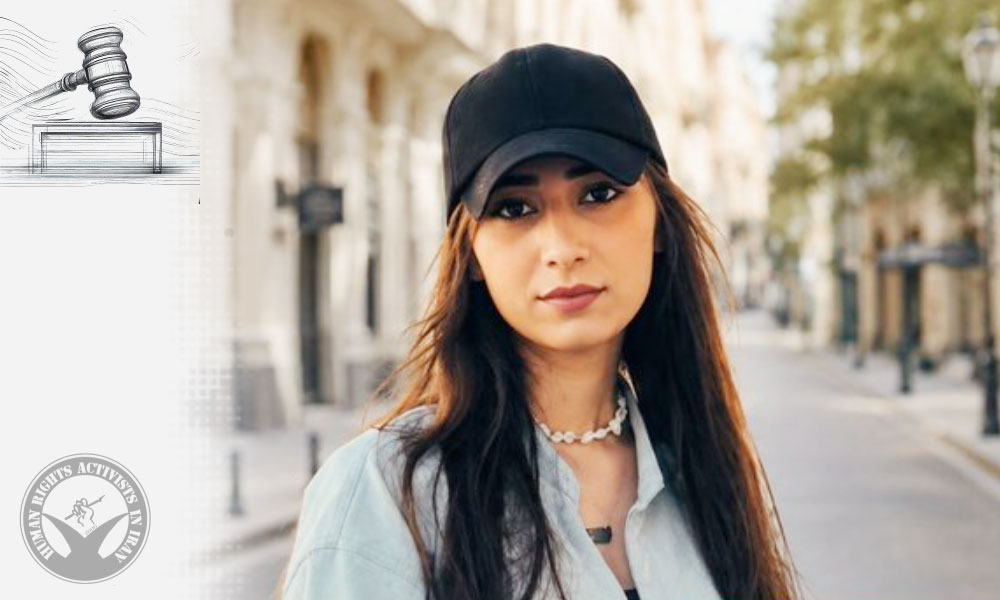
HRANA – Amir Mohammad Hajari, a resident of Ashkhaneh who was arrested during the January 2026 protests, has been sentenced by Branch 2 of the Bojnurd Revolutionary Court to four years and two days in prison.

According to HRANA, citing Kurdpa, Amir Mohammad Hajari has been sentenced to imprisonment.

Under a ruling issued on July 19, 2026, by Branch 2 of the Bojnurd Revolutionary Court, presided over by Judge Sadegh Rafiei, Mr. Hajari was sentenced to three years, six months, and one day in prison on the charge of “assembly and collusion against national security,” and six months and one day in prison on the charge of “propaganda against the regime.” Under Article 134 of the Islamic Penal Code, only the harshest sentence, three years, six months, and one day in prison, will be enforceable.

According to the report, Mr. Hajari was denied access to a lawyer throughout all stages of the judicial proceedings.

The verdict was communicated to him orally, and he is expected to report to prison within the next week to begin serving his sentence.

Amir Mohammad Hajari, a 24-year-old resident of Ashkhaneh in North Khorasan Province, was arrested on January 19, 2026, during the nationwide protests after security forces raided his home without presenting a judicial warrant. He was released from Bojnurd Prison on January 31, 2026, after posting bail.

Background on the January 2026 Protests

It should be noted that protests and strikes by shopkeepers and bazaar merchants began in Tehran on Sunday, December 28, 2025, and within two days spread beyond markets and commercial centers. With the participation of students, citizens, and various social groups, these protests became one of the largest protest movements of recent years. Following the crackdown by security and law enforcement forces, thousands were killed or injured, and tens of thousands were arrested or summoned by security agencies. For more information, readers may refer to HRANA’s comprehensive report titled “Crimson Winter,” documenting the first fifty days following the outbreak of Iran’s nationwide protests.
January 2026 Protests: Mostafa Alipour Sentenced to Imprisonment and Flogging

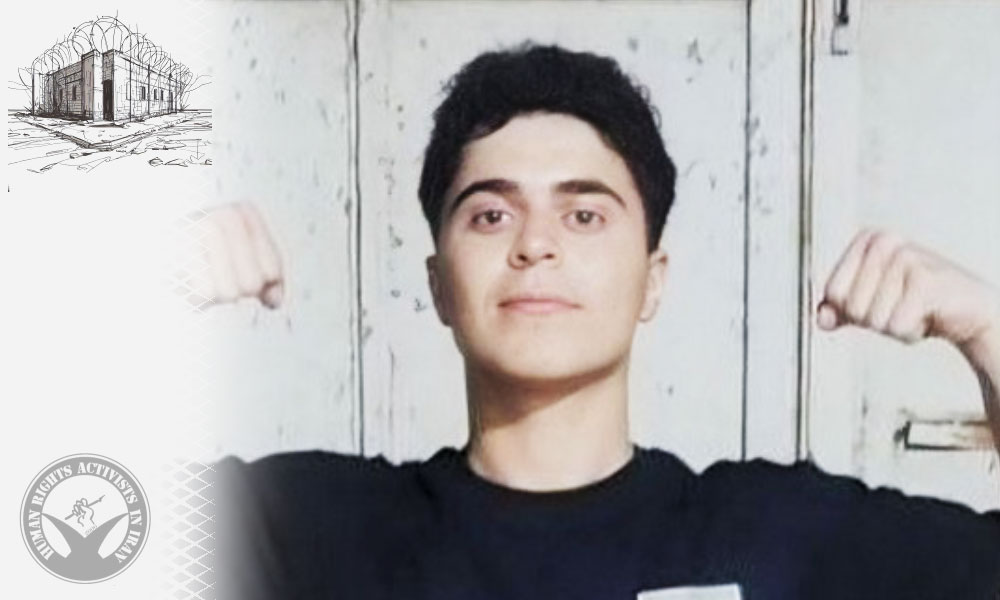
HRANA – Mostafa Alipour, arrested during the 2026 protests, has been sentenced by the Revolutionary and Criminal Courts of Bojnurd, in a two-part case, to a total of four years and two months of imprisonment, along with 74 lashes. His trial was held in a single online session.

According to HRANA, Mostafa Alipour has been sentenced to imprisonment and flogging.

Branch 1 of the Bojnurd Revolutionary Court, presided over by Judge Izanlou, sentenced him to three years, six months, and one day of discretionary imprisonment. In a separate part of the case, Branch 104 of the Bojnurd Criminal Court sentenced him to eight months in prison and 74 lashes.

The hearing on the charges against Mr. Alipour was conducted in a single online session. The court’s rulings were communicated to him orally. As of the time of this report, the specific charges brought against Mr. Alipour remain unknown.

Mostafa Alipour was arrested on February 8, 2026, and after approximately 40 days in detention, he was released on bail pending the conclusion of judicial proceedings. A source familiar with the case, who requested anonymity for security reasons, told HRANA: “He was subjected to torture during his detention.”

Mostafa Alipour, a 32-year-old resident of Bojnurd, was injured during the nationwide protests in December 2026 after being struck by shotgun pellets fired by military forces. According to information received by HRANA, a large number of pellets were removed from his body following the incident. Additional pellets were later expelled from his body during his detention after infections developed.

Background on the January 2026 Protests

It should be noted that protests and strikes by shopkeepers and bazaar merchants began in Tehran on Sunday, December 28, 2025, and within two days spread beyond markets and commercial centers. With the participation of students, citizens, and various social groups, these protests became one of the largest protest movements of recent years. Following the crackdown by security and law enforcement forces, thousands were killed or injured, and tens of thousands were arrested or summoned by security agencies. For more information, readers may refer to HRANA’s comprehensive report titled “Crimson Winter,” documenting the first fifty days following the outbreak of Iran’s nationwide protests.

Behrouz Izanlou and 16-Year-Old Zeynab Izanlou Sentenced to Imprisonment, Flogging, and Fine

HRANA – Behrouz Izanlou, arrested during the nationwide protests in January 2026, has been sentenced by Branch 103 of the Criminal Court Two of Bojnurd to four years and nine months in prison, 80 lashes, and paying a fine. His 16-year-old daughter, Zeynab Izanlou, has also been sentenced to six months and 15 days in prison in connection with the same case.

According to HRANA, Behrouz Izanlou and his 16-year-old daughter, Zeynab Izanlou, have been sentenced to imprisonment, flogging, and a monetary fine.

A source close to the family, who confirmed the information to HRANA, said that Branch 103 of the Criminal Court Two of Bojnurd convicted Behrouz Izanlou on charges including disobeying law enforcement officers while they were performing their duties and disrupting public order and peace through participation in protests. He was sentenced to four years and nine months in prison, 80 lashes, and a fine of 800 million rials (80 million tomans). The source added that his 16-year-old daughter, Zeynab Izanlou, was also sentenced to six months and 15 days in prison in connection with the same case.

Behrouz Izanlou and Zeynab Izanlou were arrested at their home on January 4, 2026, by security forces without the presentation of a judicial warrant. Following his arrest, Mr. Izanlou was transferred to Bojnurd Prison and was later released on bail set at 40 billion rials (4 billion tomans). Zeynab Izanlou was also released on bail some time after her arrest.

During his detention, Mr. Izanlou was denied family visits and access to legal counsel.

Behrouz Izanlou is a 43-year-old construction worker, a father of two, and a resident of Bojnurd.

Background on the January 2026 Protests

It should be noted that protests and strikes by shopkeepers and bazaar merchants began in Tehran on Sunday, December 28, 2025, and within two days spread beyond markets and commercial centers. With the participation of students, citizens, and various social groups, these protests became one of the largest protest movements of recent years. Following the crackdown by security and law enforcement forces, thousands were killed or injured, and tens of thousands were arrested or summoned by security agencies. For more information, readers may refer to HRANA’s comprehensive report titled “Crimson Winter,” documenting the first fifty days following the outbreak of Iran’s nationwide protests.

Subscribe to Our Newsletter

Now is definitely not the time to stop reading!

January 2026 Protests: Seyed Alireza Seyedi Sentenced to Prison and Flogging

HRANA – Seyed Alireza Seyedi, arrested during the January 2026 protests, has been sentenced by the Revolutionary Court of Bojnurd to three years in prison and flogging.

According to a report by HRANA, citing Kurdpa, Seyed Alireza Seyedi has been sentenced to imprisonment and flogging.

Based on the report, Branch 1 of the Revolutionary Court of Bojnurd convicted him on the charge of “assembly and collusion to commit crimes against national security,” sentencing him to three years of discretionary imprisonment and flogging.

Mr. Seyedi was tried before the same branch on July 13, 2026.

On January 10, 2026, he was arrested by security forces in connection with the nationwide protests. After spending 10 days in custody, he was released on bail.

Seyed Alireza Seyedi, 26, is a resident of Ashkhaneh in North Khorasan Province.

Ali Barati Sentenced to Prison by the Revolutionary Court of Bojnurd

HRANA – Ali Barati, one of the individuals arrested during the January protests, has been sentenced to three years and eight months of discretionary imprisonment by the Revolutionary Court of Bojnurd.

According to a report by HRANA, citing Kurdpa, Ali Barati has been sentenced to prison.

Based on the report, in late June, a branch of the Revolutionary Court of Bojnurd, presided over by Judge Lajevardi, sentenced Mr. Barati to three years and eight months of discretionary imprisonment on the charge of “assembly and collusion against national security.” The verdict was issued despite the fact that he was denied access to legal counsel throughout the proceedings.

Ali Barati was arrested by security forces on January 9, 2026, in connection with the nationwide protests. He was temporarily released on bail on January 15, 2026, after posting bail set at 30 billion tomans.

During his detention, Mr. Barati was denied access to a lawyer, as well as the right to family visits and telephone contact with his family.

It should be noted that protests and strikes by shopkeepers and bazaar merchants began in Tehran on Sunday, December 28, 2025, and within two days spread beyond markets and commercial centers. With the participation of students, citizens, and various social groups, these protests became one of the largest protest movements of recent years. Following the crackdown by security and law enforcement forces, thousands were killed or injured, and tens of thousands were arrested or summoned by security agencies. For more information, readers may refer to HRANA’s comprehensive report titled “Crimson Winter,” documenting the first fifty days following the outbreak of Iran’s nationwide protests.

Arash Mirzaei Sentenced to Three Years in Prison

HRANA – Arash Mirzaei, a resident of Bojnurd who was arrested during the January 2026 protests, has been sentenced to three years in prison by the Revolutionary Court of Bojnurd.

According to HRANA, Arash Mirzaei has been sentenced to imprisonment.

Based on information received by HRANA, the Revolutionary Court of Bojnurd sentenced Mr. Mirzaei to three years in prison on the charge of “assembly and collusion against national security.” The verdict was issued in absentia in June 2026.

A source close to Mr. Mirzaei’s family confirmed the news, stating: “Mr. Mirzaei had gone to the Bojnurd courthouse to follow up on another legal case when he learned that the Revolutionary Court had convicted him.”

Mr. Mirzaei was arrested by security forces on January 4, 2026, in connection with the nationwide protests. After spending six days in detention, he was released on bail.

Arash Mirzaei, 19, is a resident of Bojnurd County, North Khorasan province.

It should be noted that protests and strikes by shopkeepers and bazaar merchants began in Tehran on Sunday, December 28, 2025, and within two days spread beyond markets and commercial centers. With the participation of students, citizens, and various social groups, these protests became one of the largest protest movements of recent years. Following the crackdown by security and law enforcement forces, thousands were killed or injured, and tens of thousands were arrested or summoned by security agencies. For more information, readers may refer to HRANA’s comprehensive report titled “Crimson Winter,” documenting the first fifty days following the outbreak of Iran’s nationwide protests.

January 2026 Protests: Singer Mehdi Pakmehr Sentenced to 6 Years in Prison and 80 Lashes

HRANA – Mehdi Pakmehr, one of those arrested during the January 2026 protests, has been sentenced in two separate cases by the Revolutionary Court and the Criminal Court of Bojnord to a total of six years of discretionary imprisonment and 80 lashes.

According to HRANA News Agency, citing Kolbar News, Mehdi Pakmehr has received prison and flogging sentences in two separate judicial cases.

According to the report, part of his sentence was issued by the Criminal Court of Bojnord and includes a discretionary prison term and 80 lashes. Another part of the rulings was issued by the Revolutionary Court of the city, bringing his total sentence to six years of discretionary imprisonment.

The report states that judicial authorities have so far refused to provide Mr. Pakmehr with written copies of the verdicts. Details regarding the charges against him and the evidence presented in the cases have also not been disclosed.

During the January 2026 protests, Mehdi Pakmehr was wounded in the leg after being struck by pellet gun fire. On January 9, 2026, amid a wave of arrests targeting protesters, he was detained by security forces along with several employees of his café and transferred to Bojnurd Central Prison. He spent approximately two months in detention while continuing to suffer from the effects of his gunshot injuries.

Mehdi Pakmehr, a 41-year-old singer from Bojnurd, has previously been arrested and convicted in connection with his civil and cultural activities.

It should be noted that protests and strikes by shopkeepers and bazaar merchants began in Tehran on Sunday, December 28, 2025, and within two days spread beyond markets and commercial centers. With the participation of students, citizens, and various social groups, these protests became one of the largest protest movements of recent years. Following the crackdown by security and law enforcement forces, thousands were killed or injured, and tens of thousands were arrested or summoned by security agencies. For more information, readers may refer to HRANA’s comprehensive report titled “Crimson Winter,” documenting the first fifty days following the outbreak of Iran’s nationwide protests.

Day 42 of Protests: Wave of Arrests and Intensified Security Crackdowns

HRANA – According to the latest aggregated data compiled by HRANA up to the end of the forty-second day since the beginning of the protests, a total of 675 protest-related incidents have been recorded across 210 cities in 31 provinces. Based on these figures, the total number of confirmed fatalities has been reported as 6,961, of whom 6,507 are registered as “protesters,” and 178 are among the fatalities categorized as children under the age of 18. Additionally, 214 members of government-affiliated forces and 62 individuals listed under the category of  non-protester civilians have been reported. The number of cases listed as “under investigation” has been announced as 11,630. During the same period, the number of injured civilians reached 11,021, total arrests amounted to 51,465, student arrests numbered 112, forced confessions totaled 311, and summonses reached 11,048.

On the forty-second day, repression continued in various forms: the continuation and expansion of security and judicial crackdowns against protesters and their supporters, ranging from political activists and journalists to medical staff, students, adolescents, and citizens in various cities. At the same time, reports emerged of raids on homes, seizure of communication devices, blocking of bank accounts, fabrication of cases and the filing of serious charges, as well as the killing of a wanted protester during an attempted arrest.

Chain arrests and charges against political activists and other citizens

As part of the ongoing arrests linked to the protests, Ghorban Behzadian-Nejad, a senior advisor to Mir-Hossein Mousavi and one of the signatories of the 17-person statement, was arrested in Tehran. Reports also recalled that Abdollah Momeni, Mehdi Mahmoudian, and Vida Rabbani, other signatories of the same statement, had previously been arrested.

At the same time, the East Azerbaijan General Directorate of Intelligence announced the arrest of 48 citizens in connection with the nationwide protests, stating that these arrests took place in cities including Tabriz, Sahand, Miyaneh, Basmenj, and Jolfa. Separately, official media also reported the arrest of more than 17 citizens linked to the protests in the provinces of Alborz, Kermanshah, and Kurdistan.

Reports also documented mass arrests in various other locations. One report on the arrest of three citizens stated that Mohammad Hadi Mahimeni was arrested in Gorgan, Omar Mohajer in Chabahar, and Raheleh Moini in Tehran. The same report noted that Raheleh Moini is being held in Qarchak Prison in Varamin, while Mohammad Hadi Mahimeni is detained in Gorgan Prison.

Another report announced the arrest of at least six citizens, including a minor: Mani Vafadar (a 17-year-old adolescent) in Bojnurd; Fardin Javanbakht and Hamed Karimkhah in Bushehr; and Jaber Taqvaei, Saeed Javanbakht, and Ali Taqvaei in Yasuj. According to the published information, Mani Vafadar, following his arrest in Bojnurd, is currently being held at the Juvenile Correction and Rehabilitation Center in that city. Further details regarding the timing of some arrests indicate that Fardin Javanbakht and Hamed Karimkhah were arrested on 16 Bahman in Bushehr, while Jaber Taqvaei, Saeed Javanbakht, and Ali Taqvaei were arrested on January 9 in Yasuj.

Meanwhile, reports also emerged of scattered arrests in several other cities. Among the names mentioned were Ali Shaeri, Mohammad Shakeri, and Ali Babari (in Esfarayen); Yaser Ghaffarnezhad (in Yasuj); Aref Khanzadeh (in Bojnord); Shahab Naderi (in Kermanshah); and Arshia Amin Javaheri (a student in Isfahan). The report also mentioned the arrests of Dana Rasoulpour and Hejar Bariki. Additional explanations stated that the identities and places of residence of some of these individuals, among them Ali Shaeri, Mohammad Shakeri, and Ali Babari (residents of Esfarayen), and Yaser Ghaffarnezhad (a resident of Yasuj), have been confirmed.

Additionally, official media reported on the holding of a court session for Mohammadreza Tabari, one of those arrested during the recent protests. One of the charges brought against him was cited as “enmity against God through armed action,” indicating that the process of case-building against some detainees is being steered toward more severe charges.

“Pressure on media and journalists”: home searches, phone confiscation, and bank account freezes

As the wave of security crackdowns on the media continues, reports indicate that security forces searched the home of Azadeh Mokhtari (a journalist), confiscated her mobile phone and identification documents, and barred her from using social media platforms.

In another report, Kianoush Darvishi (a journalist) stated that following a summons to the Cyber Police (FATA), his bank accounts were frozen. According to his account, the accounts were blocked without the case being referred to a court and solely based on a letter from the Cyber Police. The reason for his summons was reportedly attributed to publishing an “Instagram story of corpses.”

Reports also emerged of continued pressure on other media activists. Among them, it was noted that during a search of the home of Yalda Moaiery (a photographer), some of his electronic equipment was confiscated. The continued detention of several others in different cities was also reported, including Pedram Alamdari and Somayeh Heydari in Tabriz, Hassan Abbasi in Bandar Abbas, and Artin Ghazanfari in Mashhad.

Within the same context, the Iranian Writers’ Association expressed concern over the situation of two of its imprisoned members, Yousef Ansari and Ali Asadollahi, warning about their continued detention and the handling of their cases.

“Pressure on medical staff”: arrests of Medical Council members and crackdowns on protesting healthcare workers

Pressure and threats by security forces against medical staff continue. Mohammad Raiszadeh, head of the Iranian Medical Council Organization, announced that 33 members of the organization have been arrested in connection with the protests. He stated that so far 11 detained members in cities including Shiraz, Ardabil, Qazvin, Golestan Province, and Tehran have been released, but according to the latest figures, 23 individuals remain in detention.

Reports have also emerged regarding the arrest of healthcare workers. Among them is the arrest of Saber Dehghan (a neurosurgeon in Sirjan), who, according to reports, was arrested on January 2 while treating protest-injured patients at a hospital, following an altercation with security agents. At the time of this report, no clear information has been published regarding his condition or the charges against him.

Alongside these cases, numerous reports continue to highlight concerns among medical staff and accounts related to security pressures affecting the treatment of the injured, a trend that could further restrict safe access to medical services for those wounded during the protests.

“Seizure of assets and blocking of communications”: targeting well-known figures and symbolic repression

As part of the continued measures against prominent figures, reports indicate that the assets, bank accounts, and mobile phone line of Voria Ghafouri (former football player and coach of Esteghlal) have been seized and blocked. The same report also refers to the sealing of two cafés owned by him in Tehran, known as Cafe Voria, cafés that had been closed during the peak days of the protests (January 8 and 9). These actions were reported despite the fact that Ghafouri had previously expressed support for protesters on social media in response to the crackdowns.

“Death during arrest”: killing of Sadegh Ashtari and arrest of co-defendants

In another report, IRIB announced the killing of Sadegh Ashtari, one of the citizens wanted in connection with the Tehranpars protests, during his arrest following gunfire by security forces. It was also stated that 15 individuals described as his “co-defendants” were arrested. The release of a related video, without clear details regarding the circumstances of its recording, has been raised amid increasing reports of forced confessions and coerced videos in protest-related cases.

Market stagnation and the persistence of social anxiety

In the economic sphere as well, reports indicate that markets in many areas have not returned to normal conditions. A report on the Alaeddin and Chaharsoo shopping centers (among the main hubs for mobile phones and accessories) notes that despite shops being open, the market remains stagnant. Foot traffic is largely limited to shopkeepers, and the sound of customers is rarely heard in the corridors. The report also points to a heavy security presence, with agents visible around and inside the malls, and describes an intensified sense of anxiety within the business environment.

Updated (aggregated) statistics up to the end of Day 42 since the start of the protests

• Total recorded protest-related incidents: 675

• Number of cities (no repetition): 210

• Number of provinces (no repetition): 31

• Injured civilians: 11,021

• Total arrests: 51,465

• Student arrests: 112

• Forced confessions: 311

• Summonses: 11,048

• Total protesters killed: 6,507

▪️ Including children: 178
▪️ Military/government forces: 214
▪️ Non-civilian, non-protester: 62

• Total confirmed fatalities: 6,961

• Cases under investigation: 11,630

Summary

Day forty-two unfolded with systematic repression remaining the dominant trend, reflected in widespread and scattered arrests, intensified pressure on key social groups, including journalists, writers, medical staff, and students, and the expanded use of control measures such as home searches, confiscation of phones and identity documents, restrictions on online activity, bank account freezes, and case-building involving severe charges. Alongside these developments, the reported killing of a wanted protester during arrest and the persistence of a heavy security presence in public and economic spaces underscore a deepening crisis and the escalating human and social costs of the protests.