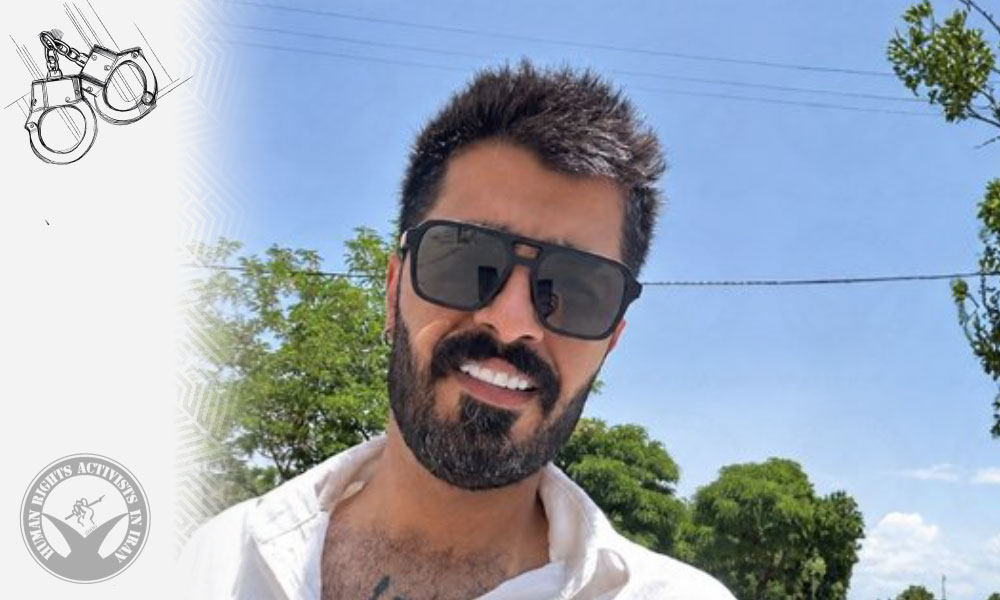
Supreme Court Upholds Death Sentence Against Mohammad Naderi

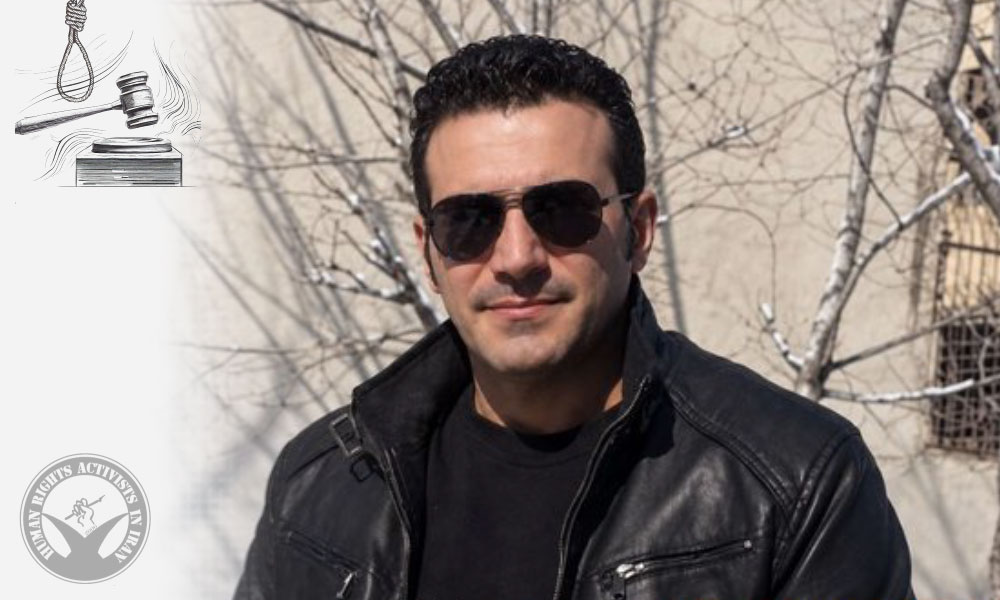
HRANA – The death sentence of Mohammad Naderi, a prisoner held in Ghezel Hesar Prison in Karaj who was arrested amid war-related security developments, has been upheld by the Supreme Court. He had previously been sentenced to death by Branch 23 of the Tehran Revolutionary Court on charges of espionage.

According to HRANA, the death sentence against Mohammad Naderi has been upheld. Based on information received by HRANA, the Supreme Court has upheld the death sentence of Mohammad Naderi, who is currently held in Ward 3, Hall 37 of Ghezel Hesar Prison in Karaj. He had previously been sentenced to death by Branch 23 of the Tehran Revolutionary Court on charges of “espionage.”

An informed source close to Naderi’s family told HRANA: “Using Starlink satellite internet, photographing certain locations, and sending images to media outlets abroad were among the allegations brought against him and served as the basis for his death sentence.”

Naderi was arrested by security forces in Tehran on March 17, 2026, amid war-related security developments, and transferred to the Greater Tehran Prison. He was subsequently transferred to Ghezel Hesar Prison in October of this year.

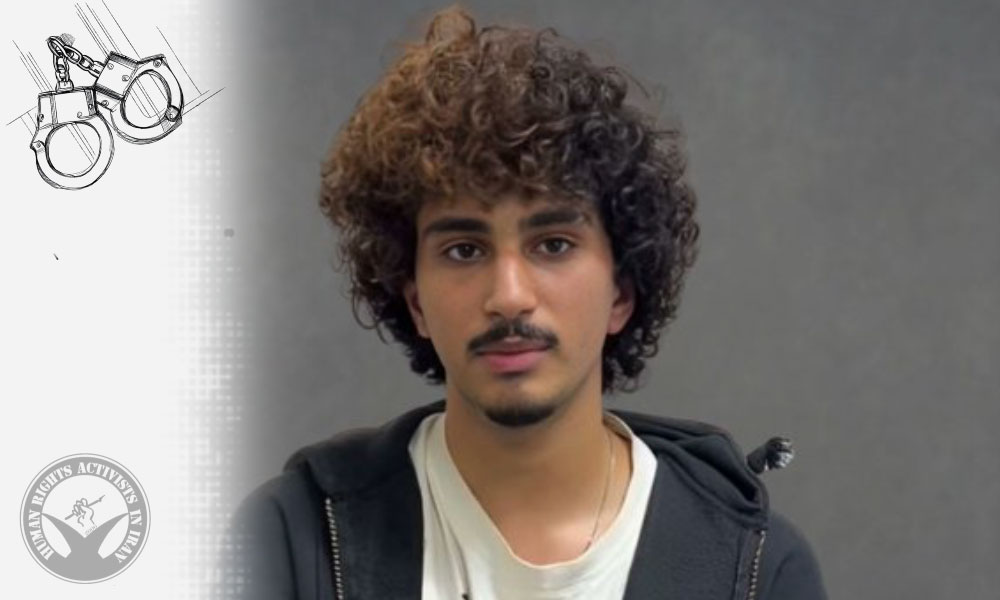
January 2026 Protests: Omran Amani Sentenced to Death

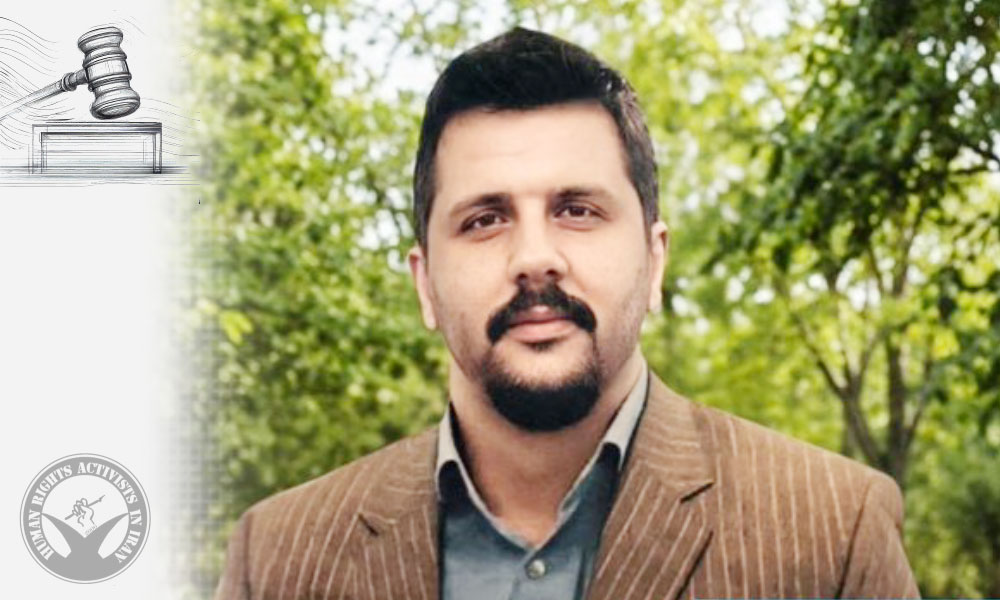
HRANA – Omran Amani, a 21-year-old prisoner held in the Greater Tehran Prison and one of those arrested during the January 2026 protests, has been sentenced to death by Branch 26 of the Tehran Revolutionary Court on charges of “moharebeh” (enmity against God).

According to HRANA, Omran Amani has been sentenced to death. The sentence was issued by Branch 26 of the Tehran Revolutionary Court, presided over by Judge Iman Afshari, and communicated to Amani in prison on Saturday, October 24, 2026. Under the ruling, the 21-year-old was sentenced to death on charges of “moharebeh” (waging war against God).

Omran Amani, a native of Kurdistan Province, had previously moved to Tehran in search of employment. He was arrested by security forces during the nationwide protests of January 2026 and is currently held in the Greater Tehran Prison.

HRANA is investigating further details regarding the specific allegations underlying the charge against him and the legal proceedings in his case.

Background on January 2026 Protests:

Protests and strikes by shopkeepers and bazaar merchants began in Tehran on Sunday, December 28, 2025, and within two days spread beyond markets and commercial centers. With the participation of students, citizens, and various social groups, these protests became one of the largest protest movements of recent years. Following the crackdown by security and law enforcement forces, thousands were killed or injured, and tens of thousands were arrested or summoned by security agencies. For more information, readers may refer to HRANA’s comprehensive report titled “Crimson Winter,” documenting the first fifty days following the outbreak of Iran’s nationwide protests.

Tehran Revolutionary Court Sentences Three More Detainees from January Protests to Death

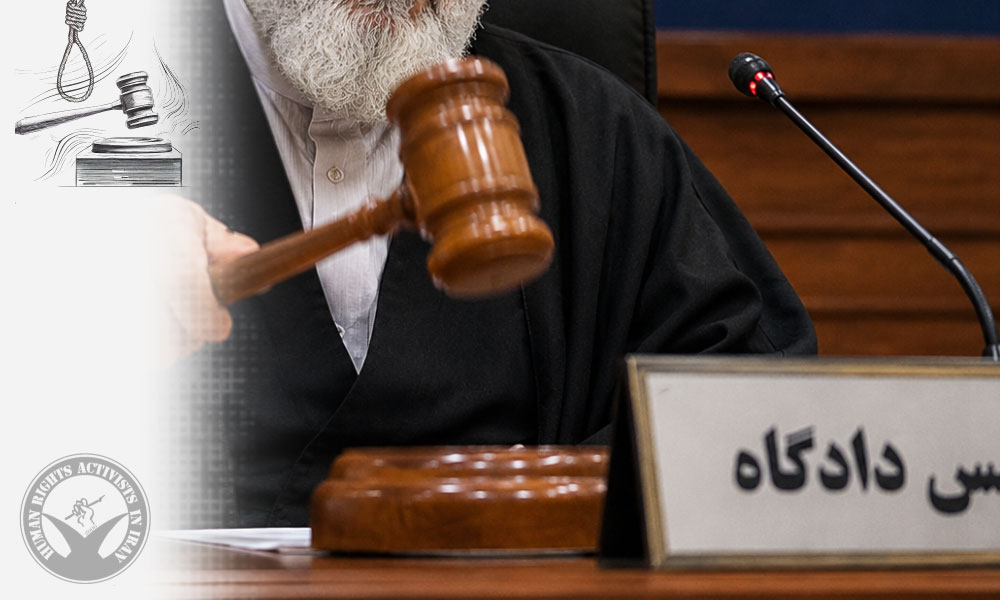
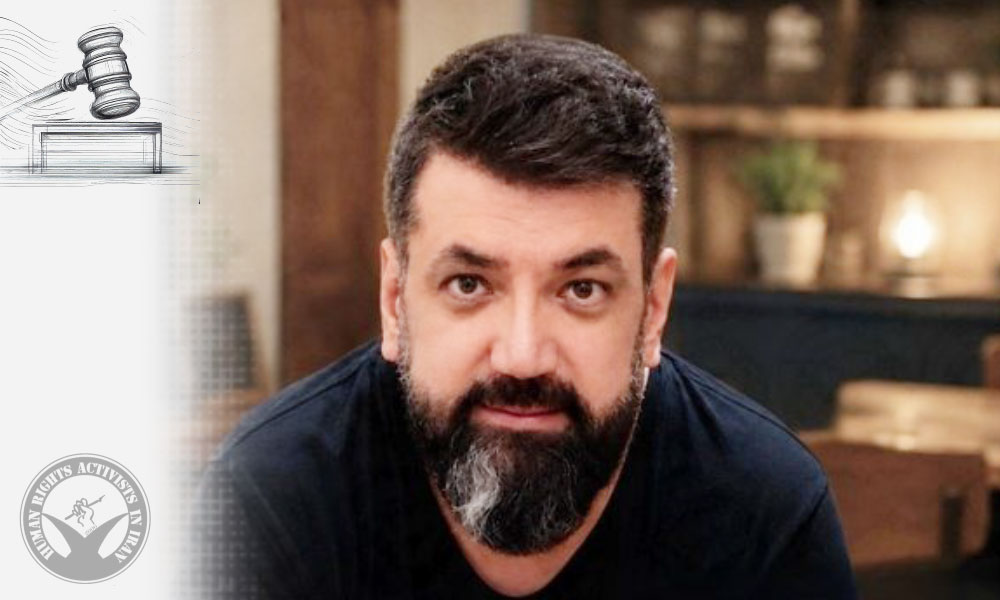
HRANA – Branch 23 of the Tehran Revolutionary Court has sentenced Amirreza Rezaei, Vahid Ghahremani, and a cleric named Mehdi (surname unknown) to death. All three were arrested during the January 2026 protests.

Based on information received by HRANA, Amirreza Rezaei, Vahid Ghahremani, and a cleric named Mehdi (surname unknown) were sentenced to death by Branch 23 of the Tehran Revolutionary Court. Among the charges brought against the three individuals in this case is allegedly carrying out operations on behalf of Israel. The death sentences were communicated to them in prison on Monday, October 26, 2026.

Mehdi, another defendant in the case, is a cleric and a former member of the Islamic Revolutionary Guard Corps (IRGC). He has also been sentenced to death by the Special Clerical Court in a separate case on charges of “apostasy.” Consequently, two death sentences have been issued against him in two separate cases.

The three individuals were arrested separately by security forces during the nationwide protests of January 2026.

On Wednesday, October 28, 2026, they were transferred from the Greater Tehran Prison to Ghezel Hesar Prison in Karaj.

Background on January 2026 Protests:

Protests and strikes by shopkeepers and bazaar merchants began in Tehran on Sunday, December 28, 2025, and within two days spread beyond markets and commercial centers. With the participation of students, citizens, and various social groups, these protests became one of the largest protest movements of recent years. Following the crackdown by security and law enforcement forces, thousands were killed or injured, and tens of thousands were arrested or summoned by security agencies. For more information, readers may refer to HRANA’s comprehensive report titled “Crimson Winter,” documenting the first fifty days following the outbreak of Iran’s nationwide protests.

Nabi Omidi Sentenced to Nine Years in Prison Following Appeals Court Ruling

HRANA – The Ilam Province Court of Appeals has upheld the conviction of Nabi Omidi, a dismissed associate professor of Economics and Financial Management at Payame Noor University. He had previously been sentenced to nine years in prison and additional penalties by the Ilam Revolutionary Court.

According to HRANA, the sentence issued against Nabi Omidi has been upheld in full on appeal.

According to information obtained by HRANA, Branch One of the Ilam Province Court of Appeals upheld Mr. Omidi’s nine-year prison sentence on charges including “acting against national security,” “propaganda against the regime,” and “participation in protests.” Under Article 134 of the Islamic Penal Code, five years of this sentence will be enforceable.

Mr. Omidi had previously been sentenced by judicial authorities to imprisonment, a travel ban prohibiting him from leaving the country, and a ban on entering Malekshahi County. He was also dismissed from Payame Noor University in Ilam in January 2026, amid nationwide protests.

Among the allegations cited against Mr. Omidi was “standing alongside the people of Malekshahi during the January protests.”

In January 2026, amid nationwide protests, Nabi Omidi was arrested by security forces in Ilam and subsequently transferred to the city’s prison.

The report provides no further details about the case, including the judicial authorities responsible for issuing the imprisonment and dismissal orders or the full range of charges brought against him.

It should be noted that protests and strikes by shopkeepers and bazaar merchants began in Tehran on Sunday, December 28, 2025, and within two days spread beyond markets and commercial centers. With the participation of students, citizens, and various social groups, these protests became one of the largest protest movements of recent years. Following the crackdown by security and law enforcement forces, thousands were killed or injured, and tens of thousands were arrested or summoned by security agencies. For more information, readers may refer to HRANA’s comprehensive report titled “Crimson Winter,” documenting the first fifty days following the outbreak of Iran’s nationwide protests.

Amin Ghanbari Sentenced to 20 Years in Prison

HRANA – Amin Ghanbari, a resident of Semnan, has been sentenced to 20 years in prison by Branch One of the Revolutionary Court of Semnan.

According to HRANA, citing Modara, Amin Ghanbari has been sentenced to imprisonment.

According to the report, Branch One of the Semnan Revolutionary Court sentenced Mr. Ghanbari to 20 years in prison on charges of “engaging in media activities against the Islamic Republic,” “assembly and collusion against national security,” “propaganda against the regime,” “supporting the Pahlavi and those killed during the January 2026 protests,” and “insulting the founder of the Islamic Republic.”

Ghanbari was arrested by security forces outside his home in April–May 2026.

The report provides no further information regarding the details of his case, the evidence supporting the charges brought against him, or his current place of detention.

Amin Ghanbari, a resident of Semnan, previously managed the Telegram channel “Payam-Goo-ye Semnan” (Semnan Messenger).

Subscribe to Our Newsletter

Now is definitely not the time to stop reading!

Nemat Afshar Arrested in Qazvin

HRANA – On Monday, October 26, 2026, Nemat Afshar, a resident of Qazvin, was arrested by IRGC Intelligence agents in the city and transferred to an undisclosed location.

Based on information received by HRANA, Nemat Afshar was arrested on Monday, October 26, 2026, at his residence in Qazvin by local IRGC Intelligence agents.

A source close to his family confirmed the news to HRANA, stating: “About a month ago, the relevant authorities contacted Mr. Afshar’s bail guarantor regarding his previous conviction and informed them that he was required to report to prison to serve his sentence. However, no precise information has yet been obtained regarding the reason for Nemat Afshar’s arrest or his whereabouts. This uncertainty has raised concerns among his family and relatives.”

In April 2025, the Court of Appeals upheld Mr. Afshar’s sentence of three years and six months in prison, along with a two-year travel ban and a two-year prohibition on online activities.

In November 2024, Nemat Afshar, along with three other individuals, Azam Ahooghalandar, Hossein Jafari, and Mehdi Touhidi, was sentenced by Branch 3 of the Karaj Revolutionary Court in a joint case. The four defendants received a combined total of 14 years and 10 months in prison, along with additional penalties.

Nemat Afshar is unmarried and resides in Qazvin.

Artin Ghazanfari, Baha’i Citizen, Sentenced to 26 Years in Prison

HRANA – Artin Ghazanfari, a Baha’i citizen and photojournalist currently held in Greater Tehran Prison, has been sentenced to a total of 26 years in prison by Judge Abolghasem Salavati. Ghazanfari’s physical condition has also been reported as poor.

Under a verdict issued by Branch 15 of the Tehran Revolutionary Court, presided over by Judge Abolghasem Salavati, and communicated to him on Monday, Artin Ghazanfari was sentenced to a total of 26 years in prison.

An informed source close to Ghazanfari’s family told HRANA: “Mr. Ghazanfari was sentenced to 20 years in prison on the charge of ‘media-related activities,’ five years for ‘assembly and collusion against national security,’ and one year for ‘propaganda against the regime.’ Although the punishment for the first charge was stated to be 10 years in prison, the judge imposed a 20-year sentence by invoking the Law on Intensifying Punishment for Espionage.”

According to information obtained by HRANA, Ghazanfari’s physical condition has been reported as poor due to several medical conditions, including heart failure, asthma, and high blood pressure. Despite prison medical staff emphasizing the necessity of transferring him to medical facilities outside the prison, he continues to be denied access to specialized medical treatment outside the prison due to opposition from the judge overseeing his case.

The latest court hearing concerning the charges against Artin Ghazanfari was held on Tuesday, September 29, 2026, at Branch 15 of the Tehran Revolutionary Court. The first hearing in his case had previously been held on July 29, 2026, at Branch 14 of the Tehran Revolutionary Court.

Ghazanfari was arrested on January 19, 2026, at his private residence in Tehran. At the same time, security agents searched his home and workplace and confiscated several electronic devices, books, and items of professional and personal equipment.

Artin Ghazanfari, a Baha’i citizen and photojournalist, has previously served a prison sentence in connection with his activities

Film Director Jafar Panahi Sentenced to Prison, Asset Confiscation, and Additional Penalties

HRANA – Jafar Panahi, an Iranian film director and screenwriter, has been sentenced by Branch 26 of the Tehran Revolutionary Court to five years and one month in prison, confiscation of all movable and immovable property, a two-year ban on social media activity, and a two-year travel ban. 

According to HRANA, citing Emtedad, Mostafa Nili, Jafar Panahi’s lawyer, has announced that his client has been sentenced to imprisonment and additional penalties in a new case.

Nili stated that Branch 26 of the sentenced his client to five years and one month of discretionary imprisonment and ordered the confiscation of all his movable and immovable assets. Under the ruling, Panahi was also sentenced to a two-year ban on social media activity and a two-year prohibition on leaving the country.

Explaining how he learned of the new case, the lawyer said that last week, after his client’s bank accounts were frozen, he visited the Sentence Enforcement Office of the Culture and Media Prosecutor’s Office, where he discovered that the verdict had been issued in absentia. According to Nili, the case file stated that Panahi was outside Iran, although he had returned to the country on March 30, 2026, during the 40-day war.

Nili also stated that Branch 16 of the Culture and Media Prosecutor’s Office issued an arrest warrant for his client on May 20, 2026, even though Panahi had appeared at Branch 26 of the Tehran Revolutionary Court that same day for proceedings in another case.

He added that his client had also appeared before Branch 16 of the Culture and Media Prosecutor’s Office in September in connection with another case and currently has three open legal cases. According to the lawyer, Panahi was never notified of the hearing date in the new case, and the verdict was issued in absentia.

Previously, in a separate case, Jafar Panahi was by Branch 26 of the Tehran Revolutionary Court to one year in prison, a two-year travel ban, and a prohibition on membership in political and social groups or organizations on charges of “propaganda against the regime.” His request for a retrial in absentia was rejected by the Revolutionary Court in June 2026, and the original verdict was .

has previously faced and in connection with his activities.
Jafar Panahi, born on July 11, 1960, in Mianeh, is an Iranian film director and screenwriter.

Hojjat Moghaddam Arrested by Security Forces in Birjand

HRANA – On Sunday, October 25, 2026, Hojjat (Yaser) Moghaddam, a resident of Birjand, was arrested by agents of the Ministry of Intelligence and transferred to an undisclosed location.

Based on information received by HRANA, Hojjat (Yaser) Moghaddam was arrested by Ministry of Intelligence agents on Sunday, October 25, while traveling along a street. He faces charges of “propaganda against the regime” and “spreading false information to disturb public opinion.”

An informed source close to his family confirmed the arrest to HRANA, stating: “On the morning of Monday, October 26, security authorities contacted Moghaddam’s family and informed them of the charges against him and the agency responsible for his arrest. He had previously been sentenced to imprisonment but has not yet received a summons to begin serving his sentence.”

Hojjat (Yaser) Moghaddam faces two separate sets of legal proceedings. In the first part of his case, he faces charges including “resisting officers in the performance of their duties” and “disrupting public order and peace.” His case remains under review at Branch 102 of the Criminal Court Two of Birjand. A hearing on these charges was held on August 15, 2025.

In the second part of his case, Moghaddam was sentenced to two years and one month in prison by Branch 1 of the Birjand Revolutionary Court on charges of “assembly and collusion” and “acting against national security.” The hearing in this part of his case was held on September 5, 2026.

Moghaddam was previously arrested on January 21, 2026, in connection with the protests that took place that month. He was subsequently released on bail on April 25, 2026, from one of the Ministry of Intelligence’s detention facilities.

Hojjat (Yaser) Moghaddam, 30, is married, has one child, and resides in Birjand.

Report on the Arrest and Broadcast of Forced Confessions of Blogger Ehsan Arbab

HRANA – Ehsan Arbab, a blogger, has been arrested following the publication of content on social media. Meanwhile, a video showing his forced confessions has been released, although the circumstances under which it was recorded remain unclear.

According to HRANA, blogger Ehsan Arbab has been arrested. Following his arrest, a video purportedly showing his forced confessions was released. In the video, the circumstances of whose recording remain unknown, Arbab expresses remorse over publishing social media content that he describes as “propaganda against the regime,” “insulting the Supreme Leader,” and “supporting protests.”

It is worth noting that his Instagram account has also been blocked by judicial order, and all its content has been deleted except for the video of his forced confession.

HRANA is investigating further details regarding the case, including the agency responsible for Arbab’s arrest, the location of his arrest, and his current place of detention.

The recording and broadcast of forced confessions constitute a violation of human dignity. Moreover, under the law, every individual is presumed innocent until a final conviction is issued by a court. Any punitive measures imposed prior to such a conviction constitute a violation of the individual’s fundamental civil and human rights.