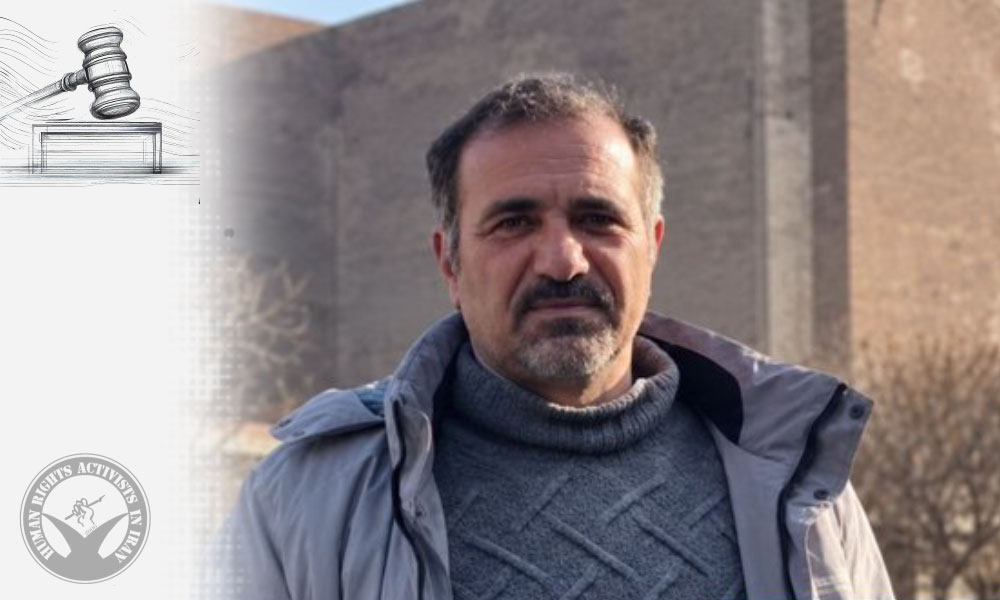
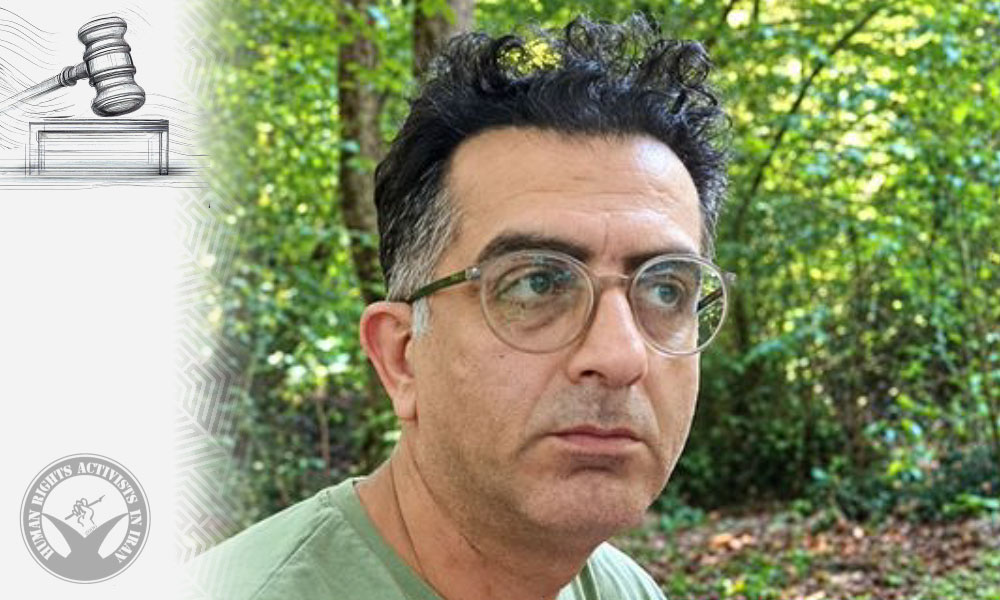
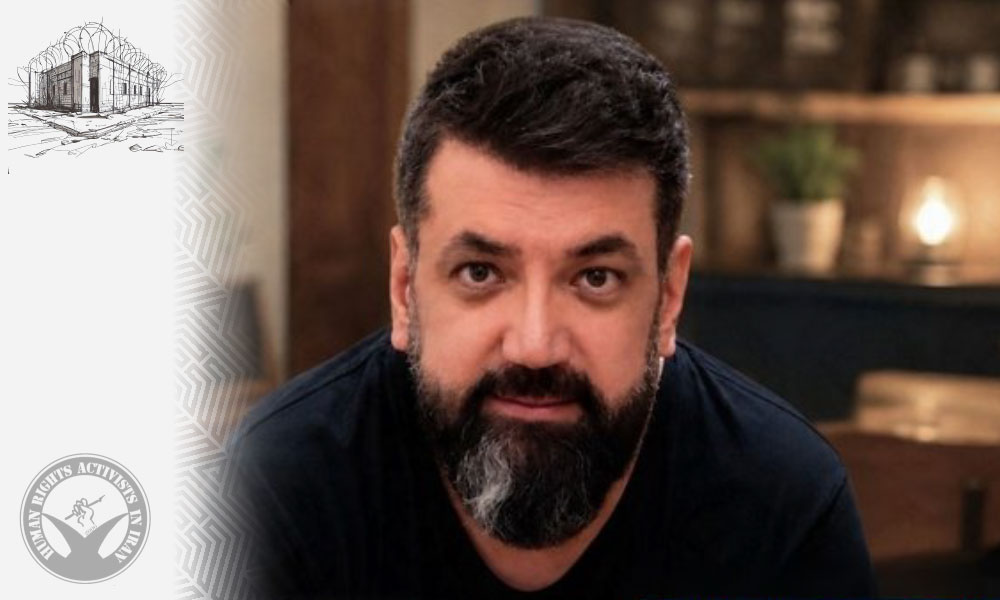
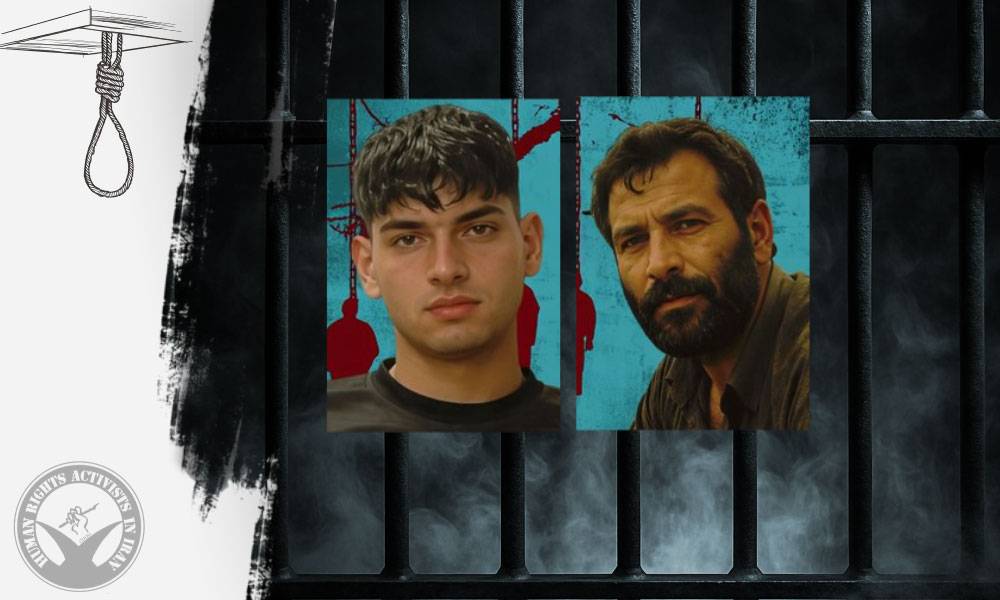
101 Individuals Arrested in Kerman on Security-Related Charges

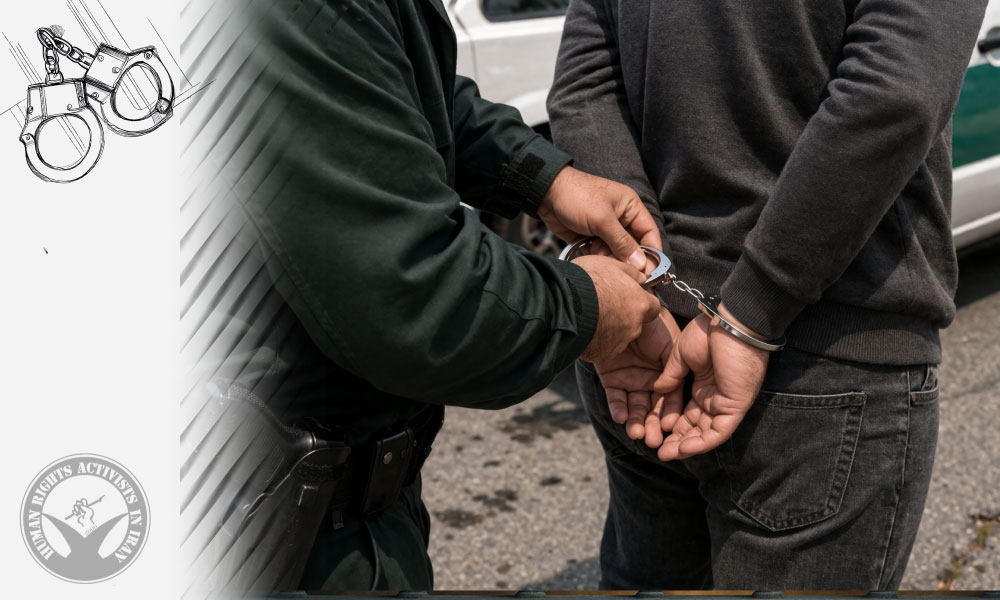
HRANA – The Public and Revolutionary Prosecutor of Kerman has announced the arrest of at least 101 individuals during the ongoing conflict in the county. He cited the reasons for their detention as “espionage, links with the Israeli regime, possession and carrying of weapons, and membership in takfiri groups.”

According to IRNA, at least 101 citizens were arrested by the IRGC Intelligence Organization in Kerman Province during military attacks by the United States and Israel on Iran.

The Public and Revolutionary Prosecutor of Kerman stated that among those detained, 15 individuals were arrested on charges of “espionage,” 19 for membership in “takfiri” groups, and 53 others in connection with “weapons and ammunition.”

Mehdi Bakhshi added that two individuals were also arrested under charges related to Article 2, and 12 others under Article 8 of the relevant law. Additionally, four individuals have been prosecuted on charges of cooperation with “Israel and hostile countries,” in accordance with Article 6 of the Law on Intensifying Punishment for Espionage.

The statement did not disclose the identities of the detainees or their place of detention.

Death Sentence of Mohammad Abbasi, 25-Year Term for Daughter Upheld by Supreme Court

HRANA – The death sentence of Mohammad Abbasi, who was arrested during the January 2026 protests and is currently held in Ghezel Hesar Prison, has been upheld by Branch 39 of the Supreme Court. In addition, the Supreme Court has fully upheld the 25-year prison sentence of his daughter, Fatemeh Abbasi, who is detained in the women’s ward of Evin Prison.

Based on information received by HRANA, Branch 39 of the Supreme Court rejected the appeal and upheld Mohammad Abbasi’s death sentence.
Likewise, the 25-year prison sentence of Fatemeh Abbasi was fully confirmed by the same branch.
Currently, Mr. Abbasi is being held in Ghezel Hesar Prison, while his daughter Fatemeh Abbasi remains in the women’s ward of Evin Prison.

These individuals were arrested during the nationwide protests of January 2026 in connection with the case involving the killing of Second Lieutenant Shahin Dehghani Kakavandi in Malard. Following initial trial proceedings, Mr. Abbasi was sentenced to death on charges of moharebeh (enmity against God) by Branch 15 of the Tehran Revolutionary Court, presided over by Judge Abolghasem Salavati. His daughter, Fatemeh Abbasi, was also sentenced by the same branch to 25 years in prison.

After the initial verdict was issued, Ali Sharifzadeh Ardakani, an attorney, stated in an interview with Emtedad that the case had been referred to Branch 39 of the Supreme Court following an appeal by court-appointed counsel. He further noted that “Branch 39 of the Supreme Court, citing Note to Article 48 of the Criminal Procedure Code, prevented him and another colleague from representing the case.” The report by Emtedad added that there are numerous ambiguities surrounding the case of these two defendants, but independent lawyers have been unable to review the case due to lack of access.

Seyed Anvar Alavi Arrested in Oshnavieh

HRANA – Seyed Anvar Alavi, a resident of Oshnavieh, has been arrested by security forces and transferred to an undisclosed location.

According to Kurdpa, his arrest was carried out without the presentation of a judicial warrant. Following his detention, he was taken to an unknown location and has been denied access to a lawyer and family visits.

So far, no information has been obtained regarding the reasons for his arrest or the charges brought against him.

Arbitrary arrests, transferring detainees to undisclosed locations, and leaving families in the dark about the fate of their loved ones are routine practices of the Iranian regime’s security agencies, such as the Ministry of Intelligence and the IRGC Intelligence Unit. This pattern of behavior stands in clear violation of the United Nations Standard Minimum Rules for the Treatment of Prisoners, known as the Nelson Mandela Rules.


January Protests: Four Defendants, Including One Woman, Sentenced to Death

HRANA – Ehsan Hosseinipour Hesarlou, Matin Mohammadi, Erfan Amiri, and Maryam Hodavand, four individuals arrested during the protests of January 2026, have been sentenced to death by the Revolutionary Court of Tehran. These sentences were issued in connection with the case of the fire at the “Seyyed al-Shohada” mosque in Pakdasht.

These individuals were sentenced to death under a ruling issued by Iman Afshari, judge of Branch 26 of the Tehran Revolutionary Court. The charges include “participation in the killing of two Basij members” named Ali-Akbar and Taha, “intentional arson of a religious site,” “destruction of public property,” and “assembly and collusion against national security.”

According to information received by HRANA, the cited evidence includes alleged participation in protest gatherings on January 8, 2026 in Pakdasht and the throwing of Molotov cocktails into the mosque. A significant portion of the case file is reportedly based on confessions attributed to the defendants, obtained under unclear circumstances, along with reports by case officers and footage said to be from local surveillance cameras.

A source close to the families of the defendants told HRANA that the death sentences of Hosseinipour Hesarlou, Mohammadi, and Amiri have recently been upheld by the Supreme Court and referred to the sentence enforcement branch.

Maryam Hodavand, 45 years old and a mother of two, was transferred to the women’s ward of Evin Prison after her arrest and remains detained there. During the legal proceedings, she was denied access to an independent lawyer, and her case was handled without adherence to fair trial standards.

The status of the other three defendants, including their place of detention, is still under review.

It should be noted that protests and strikes by shopkeepers and bazaar merchants began in Tehran on Sunday, December 28, 2025, and within two days spread beyond markets and commercial centers. With the participation of students, citizens, and various social groups, these protests became one of the largest protest movements of recent years. Following the crackdown by security and law enforcement forces, thousands were killed or injured, and tens of thousands were arrested or summoned by security agencies. For more information, readers may refer to HRANA’s comprehensive report titled “Crimson Winter,” documenting the first fifty days following the outbreak of Iran’s nationwide protests.

Death Sentence of Naser Bakrzadeh Upheld by the Supreme Court

HRANA – The Supreme Court has upheld the death sentence of Naser Bakrzadeh, a political prisoner held in Urmia Prison, for the third time. He had previously been sentenced to death by the Revolutionary Court of Urmia on charges of espionage for Israel.

According to Kurdpa, following confirmation by Iran’s highest judicial authority, the ruling was officially communicated to Mr. Bakrzadeh on April 25 at the sentence enforcement office of Urmia Prison.

Naser Bakrzadeh was arrested in January 2024. He was initially held for some time in the IRGC Intelligence Detention Facility in Urmia before being transferred to Urmia Prison.

He was first sentenced to death in November 2024 by Branch 3 of the Revolutionary Court of Urmia on charges of “espionage for Israel and cooperation with the Mossad intelligence service.” This ruling was overturned by the Supreme Court in April 2025, and his case was referred to a parallel branch for reconsideration.

For the second time, he was sentenced to death in September 2025 by Branch 2 of the Revolutionary Court of Urmia on the charge of “espionage for Israel.” This sentence was also overturned by the Supreme Court in November 2025. He was again sentenced to death for the third time on February 3, 2026 by Branch 2 of the Revolutionary Court of Urmia, presided over by Judge Shahini.

According to an informed source close to his family, Naser Bakrzadeh, approximately 27 years old, was denied basic rights during his detention, including the ability to contact and meet with his family.

Subscribe to Our Newsletter

Now is definitely not the time to stop reading!

Iran Executes Amer Ramesh on Security Charges

HRANA – The Judiciary’s Media Center reported that the death sentence of Amer Ramesh, a prisoner charged with security-related offenses including “armed rebellion (baghi)” and membership in an armed anti-state group, has been carried out. The sentence was implemented at dawn today after being upheld by the Supreme Court.

According to IRNA, the death sentence of Amer Ramesh, was carried out at dawn on Sunday, April 26, following confirmation by the Supreme Court. The Judiciary’s Media Center stated that Mr. Ramesh had been sentenced to death during legal proceedings on charges including “armed rebellion through bombings and ambushes against military forces,” “membership in Jaish al-Adl,” and “cooperation with anti-government groups.”

According to the claims of this body, he had previously been arrested during a security operation in the Pirsohrab area of Chabahar County and, after a case was formed, was tried in the Revolutionary Court.

The judiciary has cited examples of the charges against him, including “participation in shootings toward law enforcement forces, presence in ambush operations, and attempts to carry out roadside bombings.” It has also been claimed that he received military and security training abroad before returning to Iran.

The Judiciary stated that the case evidence included “reports from law enforcement officers, data extracted from communication devices, and the defendant’s statements.” However, no independent details have been published regarding the manner of his arrest, conditions of detention, his effective access to a lawyer during different stages of the proceedings, or the quality of the judicial process.

Meanwhile, local sources have identified the prisoner as Amer Ramesh, approximately 19 years old from the village of Balingi in Chabahar County. According to these reports, he was transferred to a solitary confinement cell in Zahedan Prison on April 24 for the execution of his sentence, which was carried out in that prison. However, official reports have not specified the location where the execution took place.

It is worth noting that following the outbreak of military conflict between the United States–Israel and Iran, which began on February 28, 2026, the implementation of death sentences in Iran has entered a new and concerning phase, one marked by a strong focus on prisoners with political and security-related charges and a noticeable acceleration in executions.

According to HRA’s Annual Report, in 2025 at least 2,063 citizens, including 61 women and 2 juvenile offenders, were executed. Of these, the sentences of 11 individuals were carried out in public. During the same period, 172 other individuals were sentenced to death.

January Protests: Erfan Kiani Executed

HRANA – The death sentence of Erfan Kiani, one of those arrested during the January 2026 protests in Isfahan, was carried out early this morning. During the judicial process, he had been charged with offenses including moharebeh (enmity against God).

According to Mizan News Agency, the charges against this protester included “moharebeh through drawing a cold weapon (machete) with the intent to intimidate the public,” “creating insecurity,” “inciting individuals to violent actions,” and “participation in the destruction of public property.”

The published report lists examples of these accusations, including participation in protest gatherings, destruction of public and private property, arson, throwing stones and Molotov cocktails at security forces, blocking streets, and carrying a cold weapon. It is also claimed that he had a leadership role among a group of protesters.

According to the Judiciary, following his arrest during the January 2026 protests, he was sentenced to death by the Isfahan Revolutionary Court. After an appeal, the ruling was upheld by the Supreme Court and was carried out at dawn on Saturday, April 25, 2026.

No further details have been released regarding the circumstances of his arrest, whether he had effective access to legal counsel during different stages of the proceedings, the conditions of his detention prior to execution, or the exact location where the sentence was carried out.

It should be noted that following the outbreak of military conflict between the United States–Israel and Iran, which began on February 27, 2026, the implementation of death sentences in Iran has entered a new and concerning phase, one marked by a strong focus on prisoners with political and security-related charges and a noticeable acceleration in executions.

According to HRA’s Annual Report, in 2025 at least 2,063 citizens, including 61 women and 2 juvenile offenders, were executed. Of these, the sentences of 11 individuals were carried out in public. During the same period, 172 other individuals were sentenced to death.

Arrest of Several Individuals by IRGC Intelligence Agents

HRANA – The IRGC Intelligence Organization announced the identification and arrest of several individuals across the country without providing detailed information. The organization claims these individuals were members of “espionage teams” who sent images of sensitive locations in the country to media outlets based abroad. A video of forced confessions from several of the detainees has also been released, though the conditions under which it was recorded remain unclear.

According to IRIB (state broadcasting), the IRGC Intelligence Organization reported the arrest of several individuals in the country. The organization stated that it had identified and detained “members of an espionage network affiliated with Mossad.”

According to the claims made, these individuals are accused of sending sensitive images and information to foreign-based channels and networks, including the media outlet “Iran International.”

It has also been claimed that weapons and communication equipment were discovered in their possession. A video of forced confessions from several detainees has also been released, though the circumstances under which it was recorded remain unclear.

The report does not provide independent information regarding the number, identities, or places of detention of those arrested.

A Prisoner Executed in Alborz Province

HRANA – The legal deputy of Iran’s Law Enforcement Command (FARAJA) announced the execution of a defendant convicted in the murder case of an anti-narcotics officer named Mohammadmehdi Vakili in Alborz Province. According to him, the police officer was killed during a confrontation related to drug trafficking.

According to ISNA, the legal deputy of FARAJA stated in this regard: “The defendant in the murder case of Mohammadmehdi Vakili, an anti-narcotics officer of the Law Enforcement Force in Charbagh County, located in Alborz Province, was hanged.”

He added that the police officer had been killed while on duty on February 20, 2023, during a clash with a drug trafficker.

In November 2023, the defendant in this case had been sentenced to death on the mentioned charge by Branch 2 of the Criminal Court One of Alborz Province.

The report does not provide further details, including the identity of the prisoner or the exact location and date of the execution.

According to HRA’s Annual Report, in 2025 at least 2,063 citizens, including 61 women and 2 juvenile offenders, were executed. Of these, the sentences of 11 individuals were carried out in public. During the same period, 172 other individuals were sentenced to death.

Sunni Prisoner Ali Soveidi Transferred to Hospital Following Deteriorating Health

HRANA- Ali Soveidi, a Sunni prisoner held in Ward 8 of Sheiban Prison in Ahvaz, was transferred from prison to a hospital due to his deteriorating physical condition.

A source close to Mr. Soveidi’s family, confirming the news, told HRANA:
“This Sunni prisoner suffers from several illnesses, including kidney problems, diabetes, and high blood lipids. On Sunday, April 19, he lost consciousness in prison due to a drop in blood pressure and was subsequently transferred to a hospital. However, prison authorities have not allowed his family to visit him and have not even disclosed the name of the hospital to which he was transferred. Since then, his family has remained unaware of his condition. The lack of information about his health has increased the concern of his family and relatives.”

Mr. Soveidi was arrested on October 3, 2018, in the village of Hajiyeh, a district of Dasht-e Azadegan County. He is currently being held in Ward 8 of Sheiban Prison in Ahvaz.

Ali Soveidi had previously been arrested by the Intelligence Office last year and was released from prison in May 2018 on bail.