Continuation of Mock Executions Against Baha’is; Global Baha’i Community Raises Concern Over Borna Naimi’s Fate

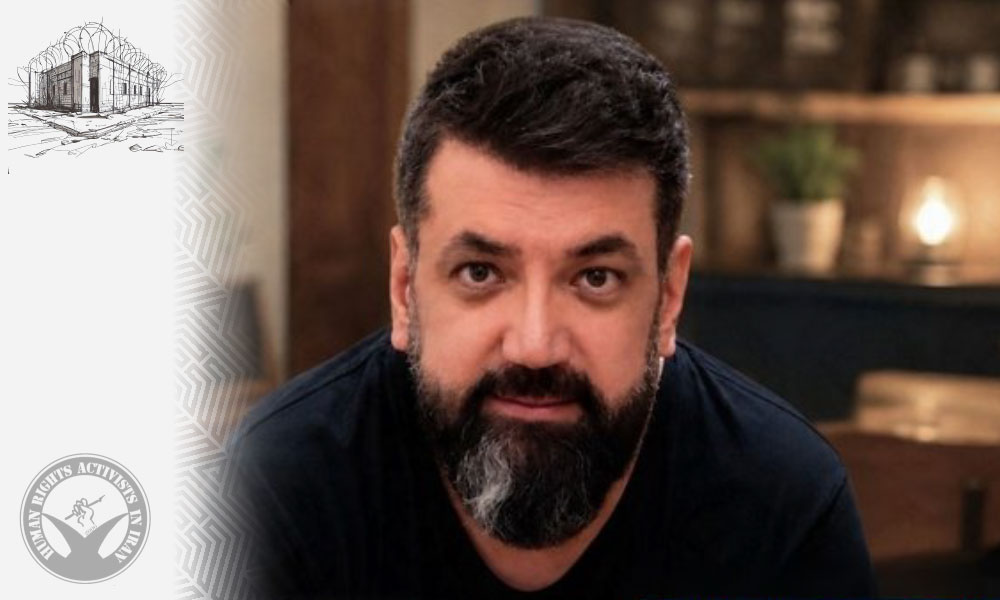
HRANA – Borna Naimi, a Baha’i citizen residing in Kerman, remains in a state of uncertainty after 39 days in detention and is still being held in solitary confinement in Kerman Prison.

In a statement, the global Baha’i community expressed concern over his situation, announcing that he has been subjected to mock executions twice in order to extract forced confessions. Previously, the organization had also reported mock execution practices against Peyvand Naimi, another detained Baha’i citizen in the same case. The statement notes that the treatment of these two young Baha’is has heightened concerns over the intensification of persecution against Baha’is in Iran.

The global Baha’i community, expressing concern over Borna Naimi’s fate, stated in a declaration, shared with HRANA, that: he has “endured at least two mock executions, electric shocks causing severe burns to his feet, and other forms of torture, since his arrest in Kerman on 1 March.”

The statement emphasizes that following Peyvand Naimi, Borna Naimi is the second Baha’i detainee in Kerman to be subjected to mock execution, “raising concerns regarding the intensification of the persecution against the Baha’is in Iran, the country’s largest non-Muslim religious minority.”

According to the statement, this is the second case involving detained Baha’i citizens in Kerman accused of involvement in the killing of Basij agents during the protests of January 7, 2026. However, “Borna’s torture was so extensive that he was forced to sign a false confession in which he implicated himself and his cousin, Peyvand Naimi, in killing Basij guards during 8 January protests. No evidence exists for this charge, and neither Borna nor Peyvand could have committed these crimes, as they occurred after Peyvand had been detained and while Borna was surrounded by family at home. The text of his forced confession had been prepared beforehand and handed to him to read. No trial has been held for either prisoner.”

The statement continues: “During the first days of detention, Borna was repeatedly beaten, receiving multiple blows to his sides, ribs, beneath the chest, and his back. He was transferred several times to places near his residence, where he was pressured with threats concerning his wife and young daughter, including threats that his child would be sent to a state orphanage if he did not cooperate. ”

In this context, a representative of the global Baha’i community at the United Nations in Geneva stated: “During the initial days of detention, Borna was held in a special section of the prison known as the ‘death suite,’ where prisoners sentenced to execution are kept 48 hours before their sentence is carried out. Reports indicate that during this period, he was held in a small solitary cell of approximately two by two meters and was unable to distinguish day from night.”

Simin Fahandej added: “During his first days in prison, Borna was held in a special section of the prison called the “suite”—the “the death suite”—in which death row prisoners are held 48 hours before execution. Reports indicate that, during this time, he was held under solitary confinement in a small room about two-by-two metres in size, in such a way that he could not distinguish between night and day.”

She further stated: “The treatment of Borna and Peyvand is a stark indication of the Islamic Republic’s relentless efforts to fabricate accusations against the Baha’is and falsely present them as responsible for crimes they did not commit. It raises grave concerns about the plans and intentions of the Iranian government for the Baha’is in Iran, who have, time and again, been scapegoated at moments of national crisis as a means of deflecting attention from its own deepening repression. Such actions not only endanger innocent lives but further entrench a pattern of systematic persecution that seeks to isolate, dehumanize, and ultimately silence an entire minority community.”

Previously, HRANA had reported on the use of mock execution and abuse against Peyvand Naimi in an effort to extract forced confessions.

Borna Naimi, a 29-year-old Baha’i citizen, father of a three-year-old child and resident of Kerman, was arrested on March 1, 2026, by security forces.

Over the past decade, the Baha’i community in Iran has faced more security and judicial pressure than any other religious minority. A review of HRA’s annual reports shows that in the past year, an average of 62.41% of reports concerning religious minorities involved violations of the rights of Baha’is.

Baha’i Citizen Angha Siavashi Arrested in Shiraz

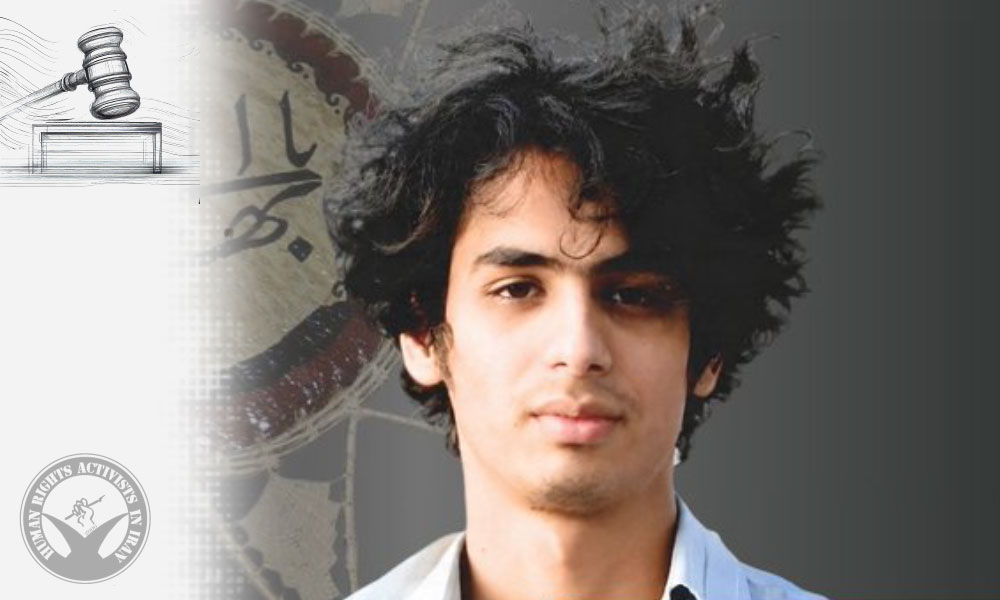
HRANA – Last night, Angha Siavashi, a Baha’i resident of Shiraz, was arrested by security forces and taken to an undisclosed location. At the same time, his residence was searched, and a number of his personal belongings were confiscated by agents.

A knowledgeable source close to the family of this Baha’i citizen, while confirming the matter, told HRANA: “Mr. Siavashi was arrested on the evening of Tuesday, April 7, 2026, by agents of the Ministry of Intelligence. At the same time, his residence was searched by the agents. During the search, electronic and personal items, including a modem, computer, laptop, mobile phones, photo albums, books, religious images, gold, and other property in the home, were confiscated.”

According to this informed source, “At the time of the arrest, the family was hosting guests. Security forces also searched all of the guests and confiscated their personal belongings as well, including phones and jewelry.”

As of the time of this report, no information has been obtained regarding the reasons for his arrest or the charges brought against this Baha’i citizen.

Angha Siavashi, a 19-year-old Baha’i resident of Shiraz, has a prior conviction due to his religious beliefs.

Over the past decade, the Baha’i community in Iran has been targeted by security and judicial authorities more than any other religious minority. A review of HRA’s annual reports shows that during the past year, an average of 62.41% of reports related to religious minorities concerned violations of the civil rights of Baha’is.

Mandana Sotoudeh and Behzad Basiri, a Baha’i Couple Living in Shiraz, Arrested

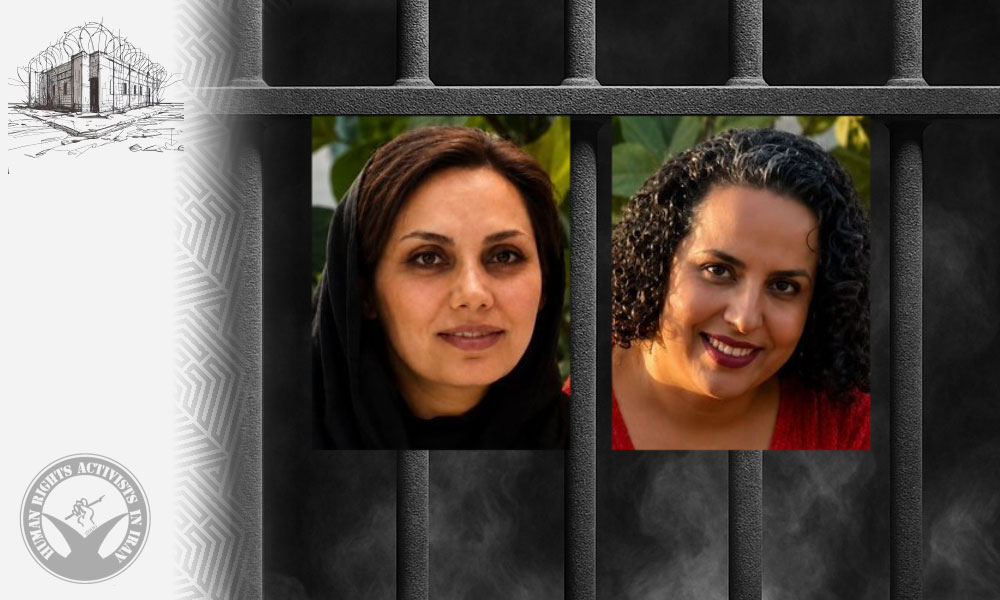
HRANA – Behzad Basiri and Mandana Sotoudeh, a Baha’i couple residing in Shiraz, were arrested by security forces on Wednesday, April 1. At the same time, their home was searched by agents, and a number of their electronic devices were confiscated.

Based on information received by HRANA, on Wednesday, April 1, security forces raided the home of Behzad Basiri and Mandana Sotoudeh. During the search, the agents confiscated these citizens’ electronic devices. The officers first arrested Mr. Basiri, who was at home, and then proceeded to arrest Ms. Sotoudeh at her mother’s house. During the search of the home and the arrest of these citizens, the agents did not present a judicial warrant.

So far, no information has been obtained regarding the reasons for their arrest or the location where these Baha’i citizens are being held.

It is worth noting that Mahsa Sotoudeh, Mandana Sotoudeh’s sister, was also arrested by security forces in the city on Sunday, March 29. Her arrest was likewise accompanied by a house search and the confiscation of electronic devices, and no information has yet emerged about her fate.

Notably, over the past decade, the Baha’i community in Iran has been targeted by security and judicial actions more than any other religious minority. A review of the annual reports by the Statistics, Publications, and Works Center of the Human Rights Activists in Iran indicates that over the past year, an average of 62.41% of reports concerning religious minorities were related to violations of the civil rights of Baha’is.

Baha’i Citizen Minou Andakhs Arrested in Sari

HRANA – Minou Andakhs, a Baha’i resident of Sari, was arrested by security forces last night and transferred to an undisclosed location.

Based on information received by HRANA, the arrest of this Baha’i citizen took place on the evening of Tuesday, March 31, 2026, when security forces entered her home in Sari without presenting a judicial warrant. At the same time, Ms. Andakhs’ mobile phone was confiscated by the agents.

As of the time of this report, no information has been obtained regarding her place of detention or the charges brought against her.

Previously, on December 28, 2025, the home of this citizen was also searched by security forces while she was not present. During that search, religious books and some of her personal belongings were confiscated.

Over the past decade, the Baha’i community in Iran has been subjected to security and judicial repression more than any other religious minority. A review of HRA’s annual reports, 62.41% of reports concerning religious minorities in the past year were related to violations of the rights of Baha’i citizens.

Mahsa Sotoudeh, a Baha’i Citizen Living in Shiraz, Arrested

HRANA – Mahsa Sotoudeh, a Baha’i citizen residing in Shiraz, was arrested yesterday by IRGC intelligence agents and transferred to an undisclosed location. The family home of this citizen was also searched by agents, and the electronic devices belonging to family members were confiscated.

Based on information received by HRANA, on Sunday, March 29, IRGC intelligence agents went to Mahsa Sotoudeh’s home. After searching the house and confiscating the electronic devices of family members, they arrested this Baha’i citizen.
As of the time of this report, no information has been obtained regarding her place of detention or the charges brought against her.

According to an informed source, Ms. Sotoudeh’s family home is located next to the residence of Behzad Yazdani and Romina Khazali, the Baha’i citizens who were also arrested by security agents on Saturday and Sunday.

Over the past decade, the Baha’i community in Iran has been targeted by security and judicial pressure more than any other religious minority. A review of HRA’s annual reports shows that over the past year, an average of 62.41% of reports concerning religious minorities were related to violations of the rights of Baha’i citizens.

Subscribe to Our Newsletter

Now is definitely not the time to stop reading!

Baha’i Couple Behzad Yazdani and Romina Khazali Arrested in Shiraz

HRANA – Behzad Yazdani and Romina Khazali, a Baha’i couple living in Shiraz and parents of two teenage children, have been arrested by agents of the IRGC Intelligence Organization.

A knowledgeable source close to the family confirmed the matter to HRANA and said that Mr. Yazdani was arrested on the evening of Saturday, March 28, by IRGC intelligence agents and then transferred to Adelabad Prison, Shiraz. Hours after his arrest, agents returned to the family’s residence and confiscated electronic devices such as laptops and the mobile phones of family members.

According to the same source, on Sunday, March 29, agents again went to their home and violently arrested Romina Khazali, Mr. Yazdani’s wife. Agents also interrogated the couple’s 14-year-old daughter and, after once again searching both their home and the home of Ms. Khazali’s parents in the same building, confiscated several religious books, religious images, and computer storage devices belonging to them. Meanwhile, several relatives and acquaintances who had come to the family’s home were also interrogated, and their mobile phones were confiscated as well.

Another informed source told HRANA that the family’s teenage son, who has a history of respiratory illness, suffered an anxiety attack following these events. Regarding the agents’ initial visit, it was reported that they first rang the bell of the elderly parents of Mr. Yazdani’s wife and falsely claimed that “they were from the police station and that a thief was on the rooftop,” thereby gaining entry. They then forced them to contact Mr. Yazdani and ask him to return home.

As of the time of this report, no information has been obtained regarding the charges against these citizens or the location where Ms. Khazali is being held.

Behzad Yazdani and Romina Khazali are a Baha’i couple living in Shiraz and the parents of a teenage daughter and son.

Over the past decade, the Baha’i community in Iran has been targeted by security and judicial pressure more than any other religious minority. A review of HRA’s annual reports shows that over the past year, an average of 62.41% of reports concerning religious minorities were related to violations of the rights of Baha’i citizens.

Report on the Arrest of Christian Convert Mohammad Nikbakht

HRANA – Mohammad Nikbakht, a Christian convert, has been detained by security forces for over 10 days and is currently being held in Dastgerd Prison in Isfahan.

Based on the report by Article 18, Mr. Nikbakht was arrested by security forces on March 15, 2026. He is currently being held in Ward 2-A of Dastgerd Prison in Isfahan.

The report states that the arrest of this Christian citizen was accompanied by the use of violence.

As of the time of this report, no information has been obtained regarding the reasons for his arrest or the charges brought against him.

The treatment of Christian converts in Iran takes place despite Article 18 of the Universal Declaration of Human Rights and Article 18 of the International Covenant on Civil and Political Rights, which affirm that every person has the right to freedom of religion, including the freedom to change their religion and to manifest it individually or collectively, in public or in private.

Mock Execution: Baha’i International Community Expresses Concern Over Peyvand Naimi’s Fate in Kerman Prison

HRANA – Peyvand Naimi (Naeimi), a Baha’i citizen, remains in a state of legal limbo more than two months after his arrest, held in solitary confinement in Kerman Prison. During this time, he has reportedly been subjected to mock executions and torture aimed at extracting forced confessions. In this regard, the Baha’i International Community has issued a statement expressing concern over his fate and calling for urgent international attention to his situation.

The Baha’i International Community, expressing concern over Naimi’s condition in a statement shared with HRANA, reported that he has endured two mock executions, torture, and prolonged interrogations, placing him at serious risk. Iranian authorities are reportedly attempting to coerce him into confessing to crimes he has not committed. Staged executions are among the most severe forms of psychological torture and are prohibited under international law. Naimi is currently held in solitary confinement in Kerman Prison and has developed involuntary eye twitching and digestive problems. Despite this, prison officials have denied him medical care.

The statement further notes that from March, Naimi was subjected to ten days of intense torture and interrogation. On some days, his hands and feet were bound and attached to a wall for up to 48 hours. In addition to physical abuse, he has faced insults targeting his religious beliefs and has repeatedly been subjected to staged executions.

A family member living outside Iran stated that his physical and psychological condition has severely deteriorated due to the mistreatment, and that during visits, he appeared emotionally broken under the pressure.

According to the statement, on February 28, Naimi was transferred to an IRGC detention facility and later returned to Kerman Prison. Authorities have claimed that he “expressed joy” on the day of Ali Khamenei’s death and that he was involved in attacks against Basij forces and the killing of a Basij member during protests on January 8. However, he had been arrested prior to the killing and, as a detainee without access to communication devices, could not have played any role in those events.

Additionally, on February 1, a video of Naimi’s forced confessions was broadcast on state television, though the conditions under which it was recorded remain unclear. To date, no trial has been held, no verdict has been issued, and no evidence has been presented to substantiate the allegations against him.

Pivand Naimi was arrested on January 8, 2026, by security forces at his workplace and transferred to Kerman Prison.

Over the past decade, the Baha’i community in Iran has faced more security and judicial pressure than any other religious minority. A review of HRA’s annual reports indicates that, over the past year, an average of 62.41% of reports concerning religious minorities involved violations of the rights of Baha’i citizens.

Baha’i Citizen Shayan Abadi Arrested by Intelligence Agents in Kerman

HRANA – Shayan Abadi, a Baha’i resident of Kerman, was arrested yesterday by agents of the Ministry of Intelligence in the city and transferred to an undisclosed location.

Based on information received by HRANA, Shayan Abadi, 31 years old, was arrested on Monday, March 23, 2026 by agents of the Ministry of Intelligence in Kerman. As of the time of this report, no information is available regarding his place of detention or the charges against him.

Over the past decade, the Baha’i community in Iran has faced more security and judicial pressure than any other religious minority. A review of HRA’s annual reports indicates that over the past year, on average, 62.41% of reports concerning religious minorities were related to violations of the rights of Baha’i citizens.

Report on the Arrest of Three Members of a Baha’i Family in Isfahan

HRANA – Arshad Afshar, Bahareh Afshar, and Arshia Afshar, three members of a Baha’i family living in Shahin Shahr, Isfahan, were arrested by security forces more than two months ago. They are currently being held in Dastgerd and Dowlatabad prisons in Isfahan.

Based on information received by HRANA, more than 65 days have passed since the arrest of Arshad Afshar, his wife Bahareh Afshar, and their son Arshia Afshar. Arshad and Arshia Afshar are currently being held in Dastgerd Prison in Isfahan, while Bahareh Afshar is being held in Dowlatabad Prison in the same county. So far, no information has been obtained regarding the reasons for their arrest or the charges brought against them.

A knowledgeable source close to the family confirmed the news to HRANA, stating:
“For follow-up on their situation, we have repeatedly referred to judicial authorities, but so far we have not received any clear response about their status. Previously, families were told that there was a possibility of their release on bail before February 11, but they were not released, and for some time now their families have had no information about their condition.”

Arshad Afshar, Bahareh Afshar, and Arshia Afshar were arrested by security forces in Shahin Shahr, Isfahan, on January 9.

It should be noted that on July 31 of this year, the home of this Baha’i family had also been searched by security forces.

Over the past decade, the Baha’i community in Iran has been targeted by security and judicial actions more than any other religious minority. A review of annual reports by the Statistics, Publication, and Works Center of the Human Rights Activists in Iran shows that over the past year, on average, 62.41% of reports concerning religious minorities were related to violations of the rights of Baha’i citizens.