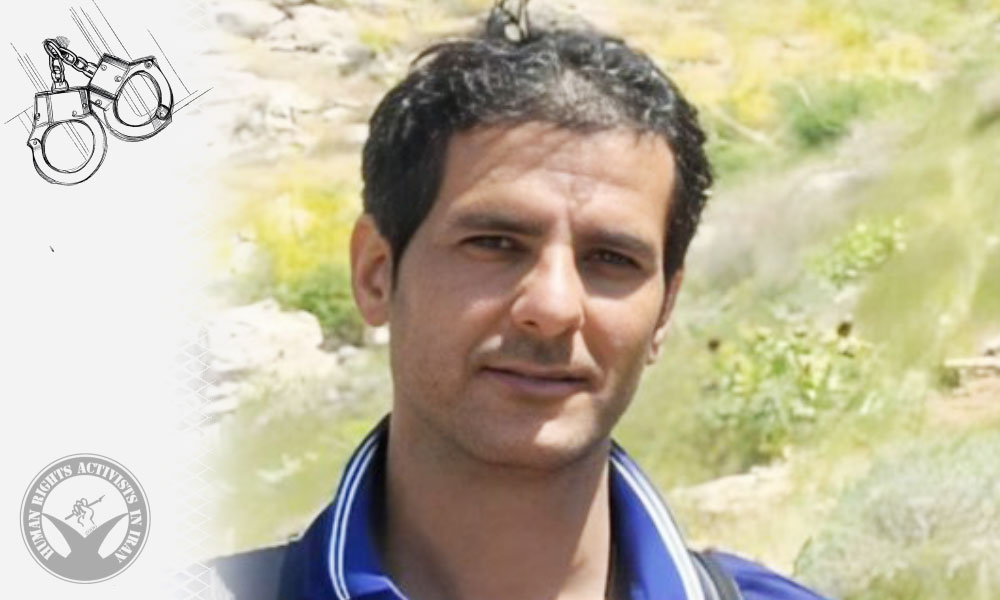
Venus Hosseinnezhad, a Baha’i Citizen, Arrested in Kerman

HRANA – Venus Hosseinnezhad, a Baha’i citizen residing in Kerman, was arrested by security forces 10 days ago, and there has been no information so far regarding her place of detention.

Based on information received by HRANA, Venus Hosseinnezhad was arrested at her workplace by security forces on January 15. Ten days after her arrest, there is still no information about her whereabouts, which has caused concern among her family and relatives.
As of the time of writing this report, no information has been obtained regarding the charges brought against this citizen.

Venus Hosseinnezhad is 28 years old and a Baha’i citizen living in Kerman.

It should be noted that gatherings and strikes by shopkeepers and bazaar merchants began in Tehran on Sunday, December 28, and after two days spread beyond bazaars and commercial centers. With the participation of students, citizens, and various social groups, these protests have become one of the most widespread demonstrations in recent years. For more information, readers can refer to HRANA’s detailed report on the twenty-eighth day of the protests, published last night.

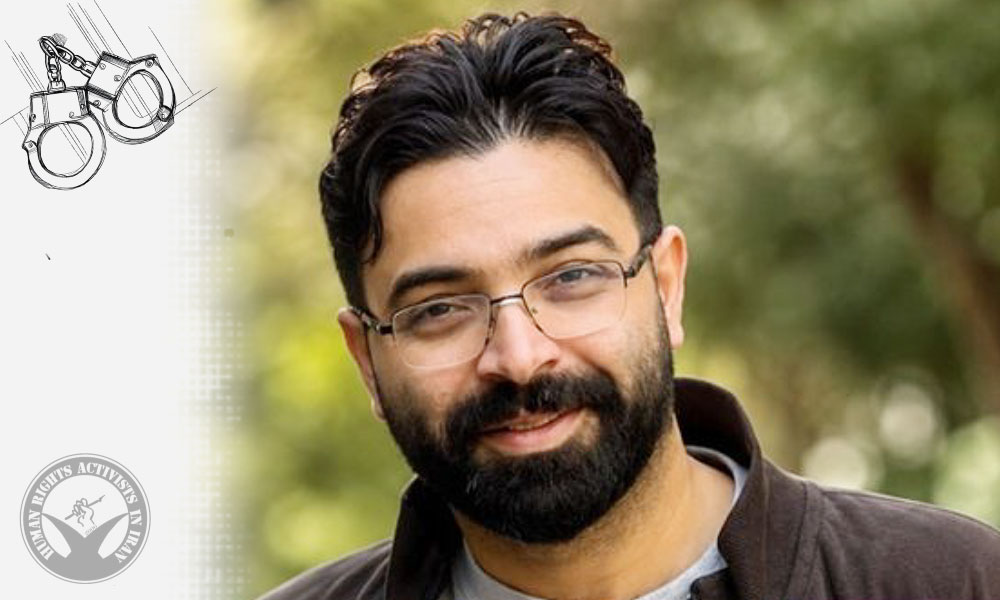
Artin Ghazanfari, a Baha’i Citizen, Arrested by Security Forces

HRANA – Artin Ghazanfari, a Baha’i citizen and photojournalist, was arrested in Tehran on January 19 and transferred to an unknown location.

Based on information received by HRANA, Mr. Ghazanfari was arrested on January 19 at his personal residence in Tehran. At the same time, his home and workplace were searched, and security agents confiscated a number of electronic devices, books, as well as his professional and personal equipment.

As of the time of this report, there is no information available regarding the charges against him or his place of detention.

Artin Ghazanfari, a Baha’i citizen and photojournalist, has previously served a prison sentence due to his activities.

It is worth noting that protests and strikes by shopkeepers and bazaar merchants began in Tehran on Sunday, December 28, and after two days spread beyond bazaars and commercial centers. With the participation of students, citizens, and various social groups, these protests became one of the most widespread demonstrations in recent years. For more information, readers can refer to HRANA’s detailed report on the twenty-fifth day of the protests, published last night.

Kerman: Several Baha’i Citizens Arrested by Security Forces

HRANA – The Public Relations Office of the Tharallah IRGC of Kerman Province announced, in a statement, that several Baha’i citizens residing in the province have been arrested in connection with the nationwide protests.

According to Tasnim News Agency, the statement claims that these individuals had links with “operatives based in the United States and the Israeli regime” and that, as soon as what were described as “the riots” began in the country over the past week, they “formed a virtual group to coordinate and organize members and, in the form of operational teams, entered the scene of unrest and anti-security actions using various types of equipment and both cold and hot weapons.”

The statement further adds that several individuals have been arrested in Kerman, while other active and connected members have been identified and are being pursued.

The report does not provide any information regarding the identities, number, or place of detention of those arrested.

It is also worth noting that on Monday, the Ministry of Intelligence announced in a separate statement the arrest of 12 Baha’i citizens.

It should be noted that gatherings and strikes by shopkeepers and bazaar merchants began in Tehran on Sunday, December 28. After two days, the scope of these actions expanded beyond bazaars and commercial centers. With the participation of students, citizens, and various social groups, these protests turned into one of the most widespread demonstrations in recent years. For more information, readers can refer to HRANA’s detailed report on the twenty-third day of protests, published last night.

Baha’i Citizen Moein Mohammadi Arrested in Yazd

HRANA News Agency – On Monday, January 5, 2026, Moein Mohammadi, a Baha’i citizen residing in Yazd, was arrested by security forces and transferred to an undisclosed location. The agents searched the residence of this Baha’i citizen and confiscated a number of his personal belongings.

Based on information received by HRANA, Mr. Mohammadi’s arrest took place on Monday, January 5, at his home by security forces. During the search of the residence, agents seized several of his personal items, including electronic devices, books, and documents.

A source informed and close to the family of this Baha’i citizen, while confirming the news to HRANA, stated: “Mr. Mohammadi’s arrest occurred in front of his 10-year-old child, an incident that has caused significant psychological distress to the child.”

So far, no information has been obtained regarding his place of detention or the charges brought against this Baha’i citizen.

Moein Mohammadi has previously faced convictions due to his religious beliefs.

Over the past decade, the Baha’i community in Iran has been subjected to more security and judicial actions than any other religious minority. HRA’s annual report indicates that during 2025, an average of 62.4% of reports related to religious minorities concerned violations of the civil rights of Baha’is.

Prison and Exile Sentences Issued for Several Supporters of the “Yamani” Movement

HRANA – The prosecutor of Torbat-e Heydarieh announced the issuance of sentences totaling 60 years of imprisonment, 20 years of exile, and additional punitive measures for several supporters of the “Yamani” movement. Without specifying the number of those convicted, he described them as “leaders and online activists affiliated with the emerging Baha’i movement.”

According to ISNA, Mohammad Hossein Hassan-Nejad stated in this regard: “Based on the issued verdict, the leaders and online activists of this religious group were collectively sentenced to 60 years in prison, 160 years of deprivation from social services, and 20 years of exile to hot border regions. In addition, each of these individuals was ordered to pay a fine of 800 million rials.”

He referred to these citizens as “the main defendants in the case of elements affiliated with the deviant movement of Ahmad Ismail Basri, known as the emerging Baha’i movement.”

According to him, these rulings were issued based on Articles 499 and 500 (amended) of the Islamic Penal Code.

The report does not mention the number or identities of those convicted.

Each year in Iran, individuals are arrested solely on allegations of claiming a connection with the Shiite Hidden Imam. It is worth noting that the “Yamani” ideological movement, led by an individual named Ahmad al-Hassan al-Yamani, is also active by making claims related to Mahdism.

Iran’s security apparatus, particularly the Ministry of Intelligence, has departments tasked with confronting religions, spiritual movements, and intellectual-religious groups that do not fall within the ideological framework accepted by the Iranian government.

Subscribe to Our Newsletter

Now is definitely not the time to stop reading!

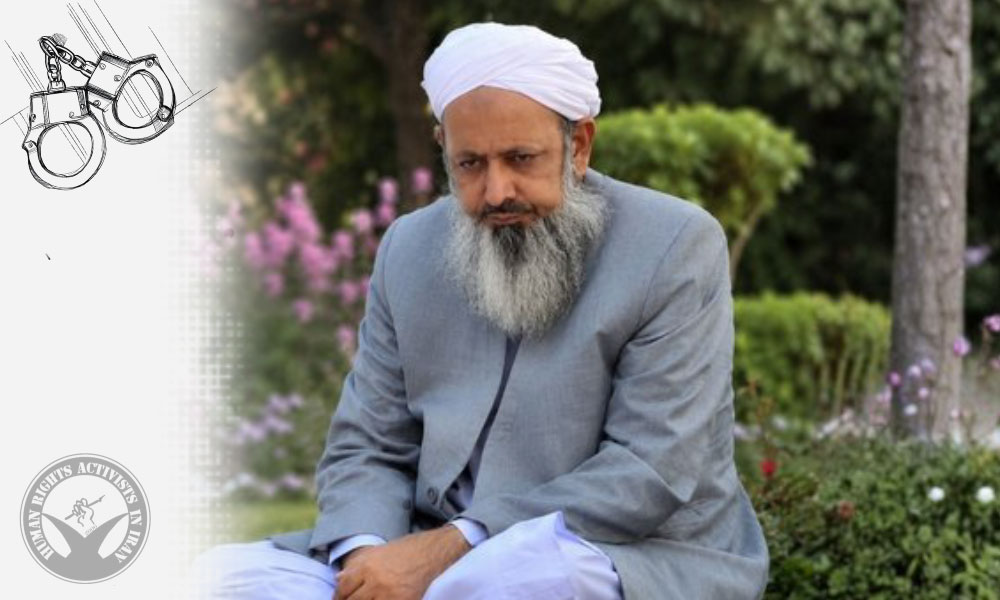
Sunni Cleric Mohammad Salehi Sentenced to Five Years in Prison

HRANA – Mohammad Salehi, a Sunni cleric imprisoned in Urmia Prison, has been sentenced to five years of discretionary imprisonment by Branch Two of the Revolutionary Court of Urmia.

The ruling was recently issued by Branch Two of the Urmia Revolutionary Court and communicated to this Sunni cleric inside Urmia Prison. Based on the judge’s verdict, Mr. Salehi was sentenced to five years of discretionary imprisonment on the charge of membership in groups, associations, or organizations with the intent to disrupt national security.

Mohammad Salehi was arrested by security forces in Bukan in March 2025. After two months, he was transferred from The Ministry of Intelligence’s detention facility in Urmia to Urmia Prison. During his detention, this citizen was denied access to a lawyer and the right to family visits.

Mohammad Salehi is a Sunni cleric and the prayer leader of the mosque in the village of Kaldageh, Bukan.

Two Citizens Arrested by Security Forces in Ahvaz

HRANA – On Tuesday, December 15, Aref Shamousi and Mohammad Badr, Sunni residents of Ahvaz, were arrested by agents of the Ministry of Intelligence in the city and transferred to an undisclosed location.

Aref Shamousi and Mohammad Badr were arrested on Tuesday, December 16, by agents of the Ministry of Intelligence at their private homes in Ahvaz. The agents also searched their residences and confiscated a number of their personal belongings.

As of the time of this report, no information is available regarding their place of detention, the reasons for their arrest, or the charges brought against them.

Aref Shamousi and Mohammad Badr are Sunni citizens and residents of Ahvaz.

Arbitrary arrests, transferring detainees to undisclosed locations, and leaving families in the dark about the fate of their loved ones are routine practices of the Iranian regime’s security agencies, such as the Ministry of Intelligence and the IRGC Intelligence Unit. This pattern of behavior stands in clear violation of the United Nations Standard Minimum Rules for the Treatment of Prisoners, known as the Nelson Mandela Rules.

Navid Tashakor, a Baha’i Citizen, Arrested and Transferred to Dastgerd Prison in Isfahan

HRANA -Navid Tashakor, a Baha’i citizen residing in Baharestan, Isfahan Province, was arrested on Saturday, December 13, after appearing at the Public and Revolutionary Prosecutor’s Office of Isfahan, and was transferred to Dastgerd Prison in the city.

Based on information received by HRANA, Mr. Tashakor was detained on December 13, following his appearance at the Isfahan Public and Revolutionary Prosecutor’s Office and subsequently transferred to Dastgerd Prison in Isfahan. The charge brought against this Baha’i citizen has been cited as “propaganda against the state through educational and/or promotional activities deemed deviant and contrary to or disruptive of Islamic law.”

Mr. Tashakor had previously been arrested on June 22, 2025, at his private residence in the city of Baharestan and was released on bail 16 days later. At the time of that arrest, security agents searched his home and confiscated a number of his electronic devices.

Additionally, on June 15, 2025, Mr. Tashakor and several of his colleagues were arrested at their workplace and released after one day. According to an informed source, “The agents cited suspicious movements and alleged connections with Israeli-owned drones as the reason for these arrests.”

Giliard: Historic Jewish Cemetery Surrounded by Waste and Widespread Grave Destruction

HRANA - The historic Giliard Cemetery, registered on Iran’s National Heritage List, has now seen parts of its grounds turned into dumping areas for garbage and debris, and a large number of headstones have been broken, displaced, or otherwise damaged.

HRANA – The historic Giliard Cemetery, registered on Iran’s National Heritage List and considered one of the most important burial sites belonging to the Jewish community in the country, has in recent months faced escalating destruction, neglect, and pollution. This cemetery, located west of Damavand, has now seen parts of its grounds turned into dumping areas for garbage and debris, and a large number of headstones have been broken, displaced, or otherwise damaged.

According to HRANA, the news agency of Human Rights Activists in Iran, reports from local sources indicate that in addition to waste accumulation, numerous signs of illegal excavations can be seen across the cemetery. In some areas, these excavations appear as deep pits between graves, likely carried out in search of historical artifacts or belongings buried with the deceased, acts that, aside from being criminal, have inflicted serious damage on the cemetery’s historical structure.

Local observations and reports suggest that the Giliard Cemetery, located in Mazandaran Province, lacks secure fencing, guards, and any routine cleaning or maintenance program. A local witness who spoke with HRANA said: “This place has been completely abandoned. There is no protection, no restoration, and no effort to stop nighttime digging. Local follow-ups have gone unanswered.”

Local channels and activists in the area have also released visual reports in recent days, urging authorities to address the deteriorating condition of this historic burial ground.

The Giliard Cemetery is considered one of the most significant sites belonging to Jewish citizens in northern Iran. Historical research shows that the cemetery includes both old and new sections, and many of the headstones feature Hebrew inscriptions, images of the menorah, and the Star of David. Some parts of the grounds date back several centuries, serving as evidence of the long-standing presence of the Jewish community in the Damavand region.

Earlier research sources had already noted waste accumulation, the destruction of headstones, and the gradual encroachment upon surrounding lands, indicating that today’s problems are part of a long-standing pattern of neglect toward this historical heritage.

The current neglect of the Giliard Cemetery not only results in the destruction of cultural heritage but also constitutes a violation of multiple legal obligations of the government regarding the rights of religious minorities and the protection of registered heritage sites. According to Article 13 of the Constitution, Judaism is recognized as one of the country’s official religious minorities, and the government is required to protect their religious and cultural sites; therefore, the abandonment and damage to this cemetery constitutes a direct breach of that obligation.

Furthermore, cultural heritage laws clearly stipulate that nationally registered sites,under the 1930 Law on the Preservation of National Monuments, must be fully protected, and any destruction, boundary violations, removal of stones, or excavations within such sites is considered a crime. This is reinforced by Articles 558 to 569 of the Islamic Penal Code, which provide criminal penalties for such offenses.

Additionally, under Article 114 of the Sixth National Development Plan and related regulations, the Ministry of Cultural Heritage is obligated to provide active protection, cleaning, restoration, and prevention of encroachment or illegal excavations in registered sites. Failure to do so may constitute administrative misconduct or even a criminal offense.

Internationally, by accepting the International Covenant on Civil and Political Rights, Iran has committed to ensuring the preservation of minority cultural sites and enabling free use of religious and historical identity. The destruction or neglect of sites belonging to religious minorities may simultaneously violate Article 18 of the Covenant, on freedom of religion, and Article 27, on the rights of minorities to preserve their culture, sites, and traditions.

This is not the first time that religious or cultural sites belonging to minorities in Iran have faced abandonment, encroachment, or destruction. In recent years, multiple similar cases have been reported involving cemeteries of Jews, Bahá’ís, Armenians, and other minorities. The repetition of this pattern has intensified concerns about structural discrimination and the absence of effective oversight mechanisms for minority sites.

The Giliard Cemetery is part of Iran’s shared cultural heritage, and its current condition not only reflects a failure of responsible institutions to fulfill their legal duties but also threatens an important part of the historical memory and identity of Iran’s Jewish community.


Five Christian Converts Sentenced to Prison

HRANA – Five Christian converts, four of whom have been identified as Aida Najaflou, Nasser Navard Gol-Tapeh, Joseph Shahbazian, and Lida Alek-Sani, have been sentenced by the Tehran Revolutionary Court to a total of 55 years in prison.

According to Article 18, Nasser Navard Gol-Tapeh and Joseph Shahbazian were each sentenced to 10 years in prison, while Lida Alek-Sani received eight years. Aida Najaflou was sentenced to a total of 17 years by the same court.

Article 18 did not provide further details regarding the identity of the fifth Christian convert but stated that this individual has also been sentenced to 10 years in prison in this case.

The first hearing for the charges against Aida Najaflou, Nasser Navard Gol-Tapeh, and Joseph Shahbazian was held on September 6 at Branch 15 of the Tehran Revolutionary Court, presided over by Abolghasem Salavati. These Christian converts defended themselves against the charges of “propaganda against the regime” and “acting against national security.” The second hearing took place on October 21 at the same branch.

The indictment for this case was issued on June 10, 2025 by the Evin Prosecutor’s Office. In the prosecutor’s final decision, activities such as establishing, operating, and leading a house church, holding evangelical Christian gatherings, and performing religious rites such as water baptism and communion were cited as examples of the alleged offenses.

On May 13 of this year, Lida Alek-Sani was released from Evin Prison on bail. She had been arrested in April at her home by Ministry of Intelligence agents.

On April 13 of this year, Aida Najaflou was transferred from The Ministry of Intelligence’s detention facility, known as Ward 209 of Evin Prison, to the women’s ward of the same prison, where she remains in custody. Her arrest took place on February 6, 2025, by security forces.

Nasser Navard Gol-Tapeh and Joseph Shahbazian, who were arrested on the same date and transferred to Evin Prison, also remain detained there.

Both Nasser Navard Gol-Tapeh and Joseph Shahbazian, Christian converts residing in Tehran, have previously been arrested and imprisoned for their religious activities.

Based on about 180 reports compiled by HRANA over the past decade, 11% of all victims of religious minority rights violations by Iran’s security-judicial apparatus were Christians, particularly Christian converts. In 2024 alone, Christians made up over 9% of those targeted.