Three Baha’i Citizens Arrested in Shiraz

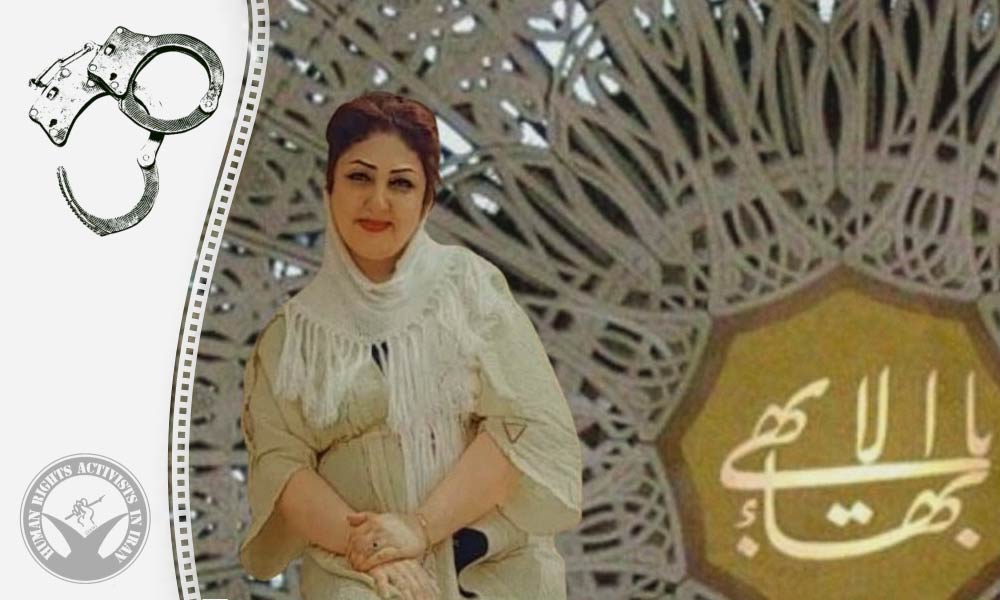
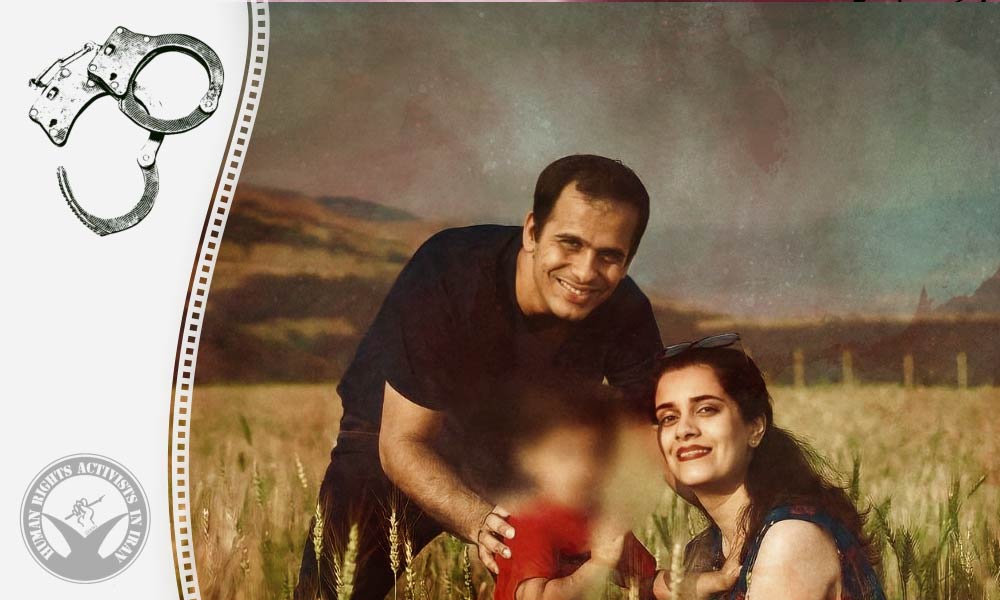
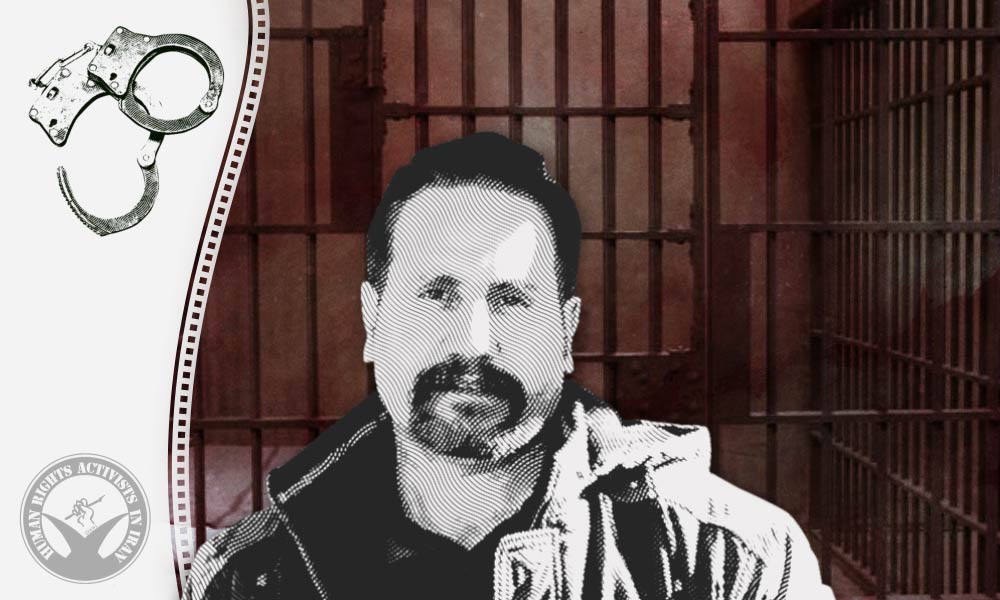
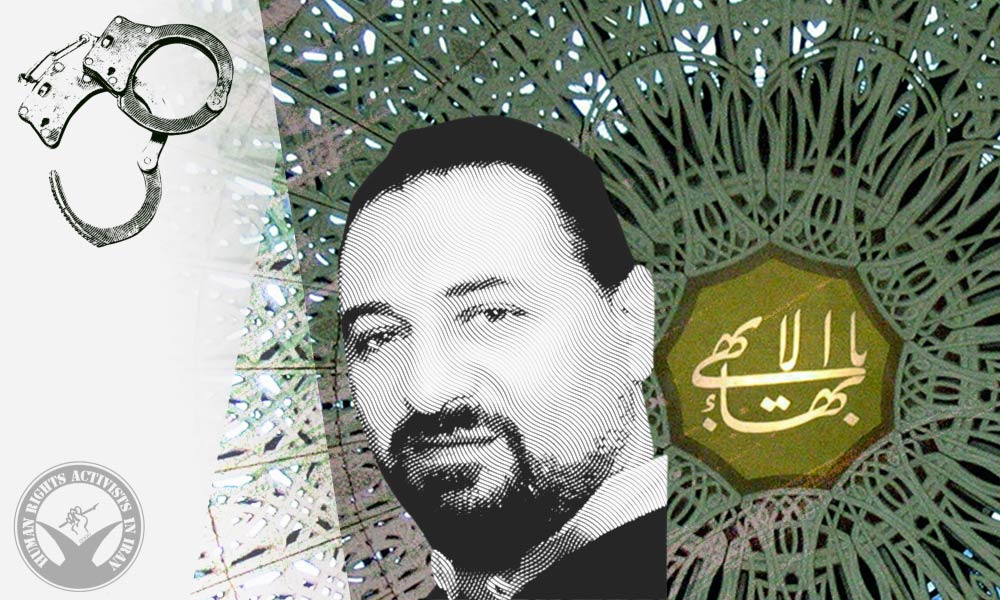
On Sunday, June 26, 2022, three Baha’i citizens, Shaghayegh Khaneh-Zarin, Negar Ighani and Zhila Sharafi Nasrabadi were arrested by security forces in Shiraz and taken to an unidentified location.

According to HRANA, the news agency of Human Rights Activists, on Sunday, June 26, 2022, security forces arrested three Baha’i individuals in Shiraz.

An informed source told HRANA that  Khane-Zarin’s father had a heart attack due to stress during  his daughter’s arrest and was hospitalized in Shiraz.”

The reason for these arrests and the charges are unknown so far.

Also, Negar Iqani was denied entry to the University Entrance Exam of 2019, even though she is an employee of the institution. 

Even though Iran’s law recognized the right to education indiscriminately for all citizens, the Supreme Council of the Cultural Revolution of Iran bars Baha’is from working at official institutions and participating in higher education.

The deprivation of the freedom to practice their religion is a breach of Article 18 of the Universal Declaration of Human Rights and Article 18 of the International Covenant on Civil and Political Rights. The United Nations covenant holds that every person has the right to freedom of religion, freedom of converting religion, as well as freedom of expression, individually or collectively; openly or secretly.

Baha’i Children’s Rights Activist Samin Ehsani Imprisoned

On Wednesday, June 15, 2022, Baha’i children’s rights activist Samin Ehsani was arrested and taken to Evin Prison to serve a five-year sentence.

According to HRANA, the news agency of Human Rights Activists, on Wednesday, June 15, 2022, Baha’i children’s rights activist Samin Ehsani was taken to Evin Prison for sentencing.

Earlier, the Revolutionary Court of Tehran sentenced Ehsani to five years in prison on the charges of “propaganda against the regime”, and “membership in the heretical Baha’i sect”. The verdict was issued on July 1, 2012. The verdict was upheld on appeal.

Samin Ehsani has been active in running educational courses for Afghan children who do not have access to education in Iran. During the trial, her activities were presented as an example of the charges.

The deprivation of the freedom to practice their religion is a breach of Article 18 of the Universal Declaration of Human Rights and Article 18 of the International Covenant on Civil and Political Rights. The United Nations covenant holds that every person has the right to freedom of religion, freedom of converting religion, as well as freedom of expression, individually or collectively; openly or secretly.

26 Baha’i Citizens Sentenced to a Total of 85 Years in Prison

Last Wednesday, June 8, 2022, Branch 1 of the Revolutionary Court of Shiraz sentenced 26 Baha’i citizens to a total of 85 years in prison as well as additional punishments such as a ban from leaving the country and residing in exile.  

According to HRANA, the news agency of Human Rights Activists, 26 Baha’i individuals were sentenced to a total of 85 years in prison.

During the third court session held last Wednesday, these individuals were sentenced to a total of 85 years in prison and a ban from leaving the country for 2 years. Of the 26 defendants, 11 were sentenced to five years and 15 to two years in prison.

These individuals have been charged with “assembly and collusion to act against national security”. During the trial, holding gatherings in poor neighborhoods or tourist districts under the guise of addressing issues such as water crisis and other social issues have been presented for this charge.

According to unofficial sources, it is estimated that more than 300,000 Baha’is live in Iran, but the Iranian Constitution recognizes only Islam as the official religion, in addition to Christianity, Judaism, and Zoroastrianism. Bahai faith is not considered legitimate by the authorities, and the rights of Baha’is in Iran have been systematically violated for years.

The deprivation of the freedom to practice their religion is a breach of Article 18 of the Universal Declaration of Human Rights and Article 18 of the International Covenant on Civil and Political Rights. The United Nations covenant holds that every person has the right to freedom of religion, freedom of converting religion, as well as freedom of expression, individually or collectively; openly or secretly.

Seven Christians Sentenced to a Total of 28 Years in Prison

Branch 26 of the Tehran Revolutionary Court sentenced seven Christians Joseph Shahbazian, Salar Eshraghi Moghaddam, Farhad Khazai, Somayeh Sadegh, Maasoumeh Ghasemi, Mina Khajawi and Maliheh Nazari to a total of 28 years in prison, a fine, ban from leaving the country, and other social deprivations.

According to HRANA, the news agency of Human Rights Activists, on Tuesday, June 7, 2022, seven Christians were sentenced to a total of 27 years in prison.

According to the verdict issued by Branch 26 of the Tehran Revolutionary Court on Tuesday, June 7, Joseph Shahbazian was sentenced to 10 years in prison, a ban from leaving the country and membership in civil and political groups and other social limitations. This court has sentenced Mina Khajawi and Maliheh Nazari each to 6 years, Salar Eshraghi Moghaddam to four years and Maasoumeh Ghasemi and Fardhan Khazai to one year in prison. Somayeh Sadegh has also been fined 40 million tomans.

All these defendants have been charged with “disrupting national security through preaching Evangelical Christianity and creating home churches.”

In July of 2020, security forces arrested Iranian-Armenian Joseph Shahbazian, age 57, with several Christian converts in a religious ceremony in Tehran. He was later temporarily released on 2 billion tomans.

Convictions against Three Christians Upheld on Appeal

The Court of Appeals upheld a ten-year prison sentence and other convictions against Christian Citizen Anoushavan Avodian. Additionally, in this legal case, two other Christian converts, Abbas Soori and Maryam Mohammadi had been fined 50 million tomans, which all were upheld on appeal.

According to HRANA, the news agency of Human Rights Activists, quoting Article 18, the convictions against three Iranian Christians were upheld by the Court of Appeals.

In May of 2022, Branch 26 of the Revolutionary Court of Tehran, headed by Judge Afshari, sentenced Anoushavan Avodian to 10 years in prison, paying a fine and restrictions of rights for 10 years. Two other defendants of this case, Abbas Soori and Maryam Mohammadi were fined 50 million tomans, prohibited from membership in political groups, banned from leaving the country, and residing in Tehran Province and neighboring provinces. Also, they were ordered to appear once every three weeks at the Supervision and Follow Up office of the Judiciary for two years.

The above individuals have been convicted on the charge of “organizing and running evangelical “Zionist” home church with the intention to act against national security,” and, ” owning satellite dish and receivers.”

Their Attorney Iman Soleimani told HRANA: “All arguments provided by the defense lawyer in the court have been ignored and the verdict was issued based on the judicial officers’ workflow.”

The prosecution of Christian converts stands in blatant violation of Article 18 of the Universal Declaration of Human Rights and Article 18 of the International Covenant on Civil and Political Rights, which state that every individual has the right to freedom of religion and belief and freedom to express it openly or secretly.

Subscribe to Our Newsletter

Now is definitely not the time to stop reading!

Baha’i Citizen Amin Zolfaghari Imprisoned in Yazd Prison 

On Tuesday, May 24, 2022, Baha’i citizen Amin Zolfaghari was transferred to Yazd Prison to serve his eight-months sentence. Earlier, Branch 2 of the Revolutionary Court of Yazd had sentenced Zolfaghari to three years and four months term. On Appeal, this sentence was reduced to 8 months.

According to HRANA, the news agency of Human Rights Activists, on Tuesday, May 24, 2022, Baha’i citizen Amin Zolfaghari was sent to Yazd Prison to serve his sentence.

On May 21, 2020, the Ministry of Intelligence agents arrested Zolfaghari at his house in Yazd and transferred him to prison. On June 23, 2020, he was released on bail.  

Subsequently, Branch 2 of the Revolutionary Court of Yazd sentenced Zolfaghari and three other defendants, Mitra Amir-Abadi, Hiwa Mehdi-Abadi and Mahbooneh Misaghian, to 2 years and eight months in prison on the charge of “membership in anti-regime groups” and eight months on the charge of “propaganda against the regime.”

The sentences against all four defendants were reduced to eight months during the appeal process.

The deprivation of the freedom to practice their religion is a breach of Article 18 of the Universal Declaration of Human Rights and Article 18 of the International Covenant on Civil and Political Rights. The United Nations covenant holds that every person has the right to freedom of religion, freedom of converting religion, as well as freedom of expression, individually or collectively; openly or secretly.

Baha’i Citizen Saeedeh Khozui Released on Bail after 43 Days of Detention 

On Tuesday, Baha’i citizen Saeedeh Khozui was released on bail temporarily until the end of legal proceedings. She was held in Evin Prison for 43 days.

According to HRANA, the news agency of Human Rights Activists, on Tuesday morning, Baha’i citizen Saeedeh Khozui was released on a 2 billion tomans bail. She had been arrested on April 11, 2022.

Saeedeh Khozui is the mother of Arsalan Yazdani who was also arrested in Tehran on September 1, 2021, and transferred to a detention center in Evin Prison. On September 30, 2021, security forces searched his house and confiscated some of Mr. Yazdani’s belongings including his laptop, other electronic devices and documents. Subsequently, Arsalan Yazdani was released on bail on October 17, 2021.

According to unofficial sources, it is estimated that more than 300,000 Baha’is live in Iran, but the Iranian constitution recognizes only Islam, Christianity, Judaism, and Zoroastrianism. Because their faith is not considered legitimate by authorities, the rights of Baha’is in Iran have been systematically violated for years.

The deprivation of the freedom to practice their religion is a breach of Article 18 of the Universal Declaration of Human Rights and Article 18 of the International Covenant on Civil and Political Rights. The United Nations covenant holds that every person has the right to freedom of religion, freedom of converting religion, as well as freedom of expression, individually or collectively; openly or secretly.

Baha’i Citizen Saeedeh Khozui in Detention 40 Days after Arrest

Baha’i citizen Saeedeh Khozui is still jailed in the detention facility A1, which is at the disposal of the IRGC Intelligence. On April 11, 2022, she was arrested after an appearance at Branch 2 of Evin Courthouse.

According to HRANA, the news agency of Human Rights Activists, Baha’i citizen Saeedeh Khozui has been in detention for 40 days under uncertain conditions.

On Thursday, May 19, in a phone call to her family, Khozui informed them that currently she is detained at an IRCGS detention facility A1. Khozui’s family had frequently inquired about her charges and whereabouts before, which was not responded to by the authorities.

Mrs Khozai suffers from migraine and the prison does not serve regular meals during the month of Ramadan, which makes her health conditions worse.

Saeedeh Khozui is the mother of Arsalan Yazdani who was arrested by security forces in Tehran on September 1, 2021, and transferred to a detention center in Evin Prison. On September 30, 2021, security forces searched his house and confiscated some of Mr. Yazdani’s belongings including his laptop, other electronic devices and documents. Subsequently, Arsalan Yazdani was released on bail on October 17, 2021. 

According to unofficial sources, it is estimated that more than 300,000 Baha’is live in Iran, but the Iranian constitution recognizes only Islam, Christianity, Judaism, and Zoroastrianism. Because their faith is not considered legitimate by authorities, the rights of Baha’is in Iran have been systematically violated for years.

The deprivation of the freedom to practice their religion is a breach of Article 18 of the Universal Declaration of Human Rights and Article 18 of the International Covenant on Civil and Political Rights. The United Nations covenant holds that every person has the right to freedom of religion, freedom of converting religion, as well as freedom of expression, individually or collectively; openly or secretly.

Baha’i Citizen Sahba Farnoush to Serve Two Years Sentence

On Wednesday, May 11, 2022, Sahba Farnoush, a Baha’i citizen and resident of Tehran, started to serve his two-year prison sentence at Evin Prison.

According to HRANA, the news agency of Human Rights Activists, Baha’i citizen Sahba Farnoush started his sentencing at Tehran’s Evin Prison.

On November 15, 2015, on the day of the 200th anniversary of the birth of Baha’u’llah, the prophet and founder of the Baha’i faith, security forces raided Farnoush’s house in Tehran and transferred him to Evin prison. During the arrest, the agents confiscated some of his personal belongings such as his laptop and cell phone. On December 23, 2015,  he was released on a 200 million tomans bail.

In January of 2020, Branch 26 of the Revolutionary Court of Tehran sentenced Mr. Farnoush to 10 years in prison on the charge of “running a Baha’i organization”,  5 years on the charge of “membership in an anti-regime group” and 1 year on the charge of “propaganda against the regime through promoting the Baha’i faith”, to total 16 years of imprisonment. Subsequently, following the acceptance of his request for a retrial, Farnoush was acquitted of the last two charges and received six years imprisonment for “running a Baha’i organization”. This verdict was upheld on appeal.

Ultimately, Iran’s Supreme Court accepted his request for retrial and the sentence was reduced to two years.

Freedom of religion is a breach of Article 18 of the Universal Declaration of Human Rights and Article 18 of the International Covenant on Civil and Political Rights. The United Nations Covenant holds that every person has the right to practice religion freely, freedom of converting to a religion, as well as freedom of expression, individually or collectively; openly or secretly.

Christian Convert Morteza Hajeb Mashhoud-Kari Arrested in Rasht

On Tuesday, May 10, 2022, Christian convert Morteza Hajeb Mashhoud-Kari was arrested after an appearance at the Courthouse of Rasht City and transferred to Lakan Prison.

According to HRANA, the news agency of Human Rights Activists, following a failed attempt to arrest Morteza Hajeb Mashhoud-Kari last Sunday, the security forces summoned him to appear at the Courthouse of Rasht City. Subsequently, Morteza Hajeb Mashhoud-Kari was arrested and transferred to Lakan Prison.

Attorney Iman Soleimani told HRANA, “the authorities informed Mr. Mashhoud-Kari that he would be arrested if he failed to come to the IRGC Intelligence Office. When he appeared there, he found out that a new legal case  had been opened against him and several other Christian converts.”

Last Sunday, the security forces arrested four other Christian converts, Behnam Akhlaghi, Babak Hossein-Zadeh, Ayoub Pourreza-Zadeh, and Ahmad Sarparast in Rasht City.

Earlier, in April of 2022, the Revolutionary Court of Rasht sentenced Mashhoud-Kari to five years imprisonment and 180 million tomans fine on the charges of “forming church home, propaganda against the regime and association with Zionism and Branhamist sect.”  On May 23 of this year, Branch 18 of the Court of Appeal of Gilan Province will hold the first session to re-examine his case.

Despite the fact that Christians are recognized as a religious minority under Iranian law, security forces harass and prosecute Muslims who convert to Christianity.

The prosecution of Christian converts stands in blatant violation of Article 18 of the Universal Declaration of Human Rights and Article 18 of the International Covenant on Civil and Political Rights, which state that every individual has the right to freedom of religion and belief and freedom to express it openly or secretly.