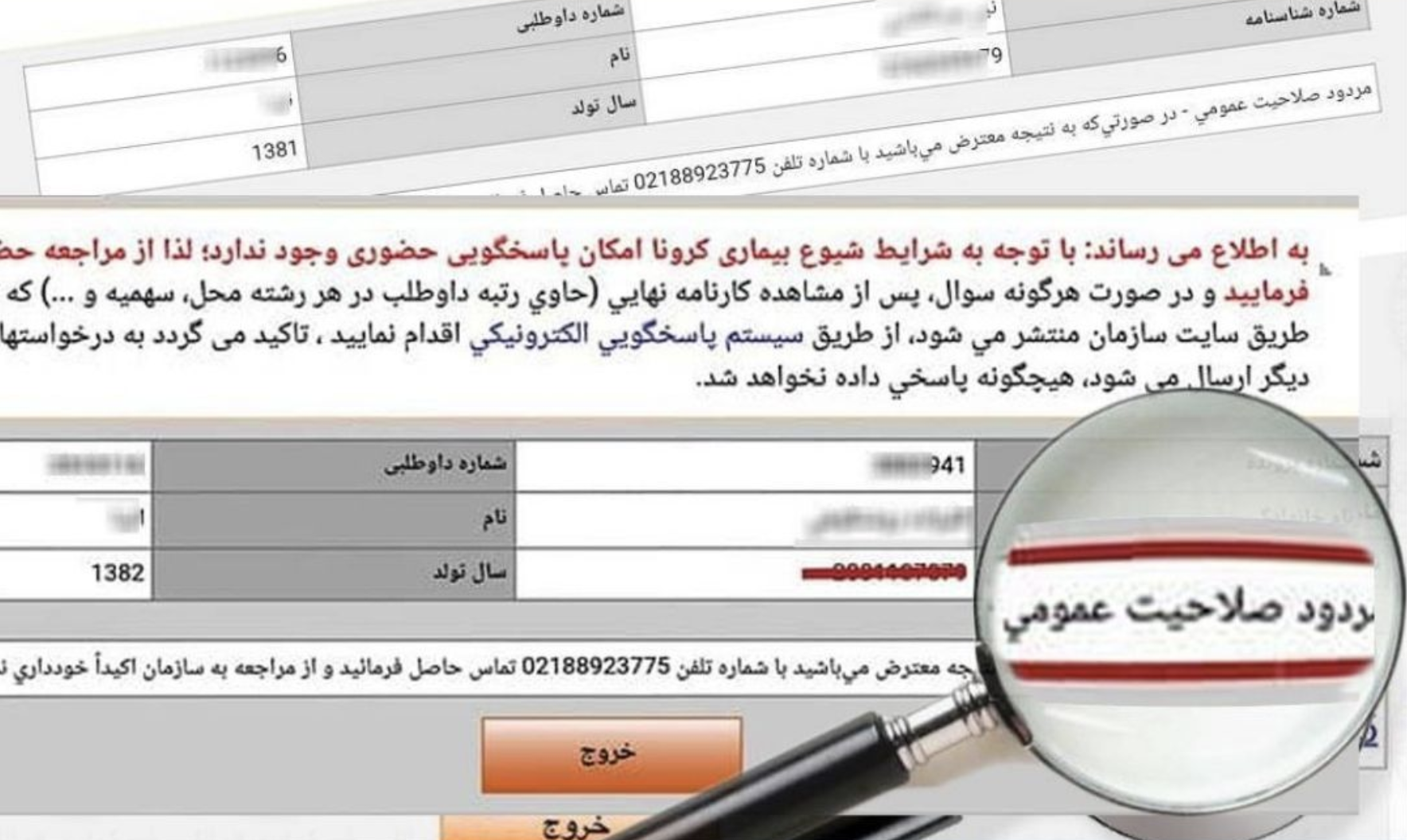
Three Baha’is were Sentenced to a Total of 10 Years and 9 Months in Prison

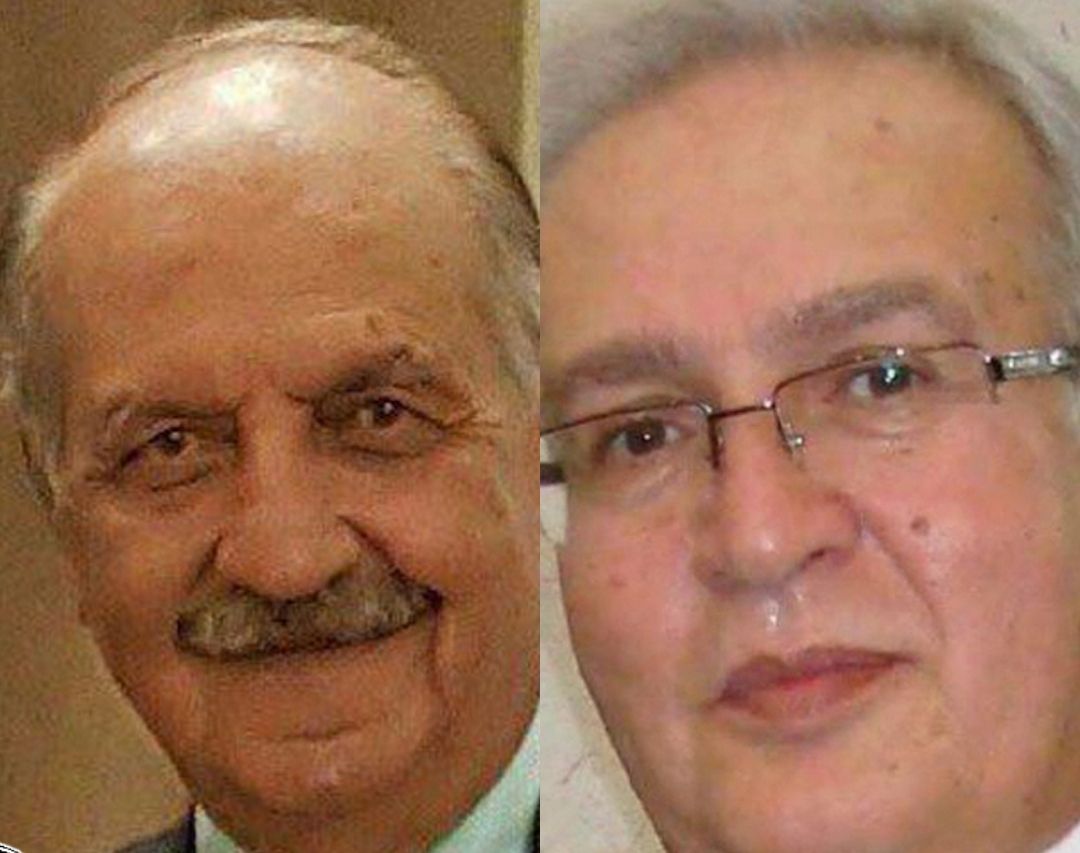
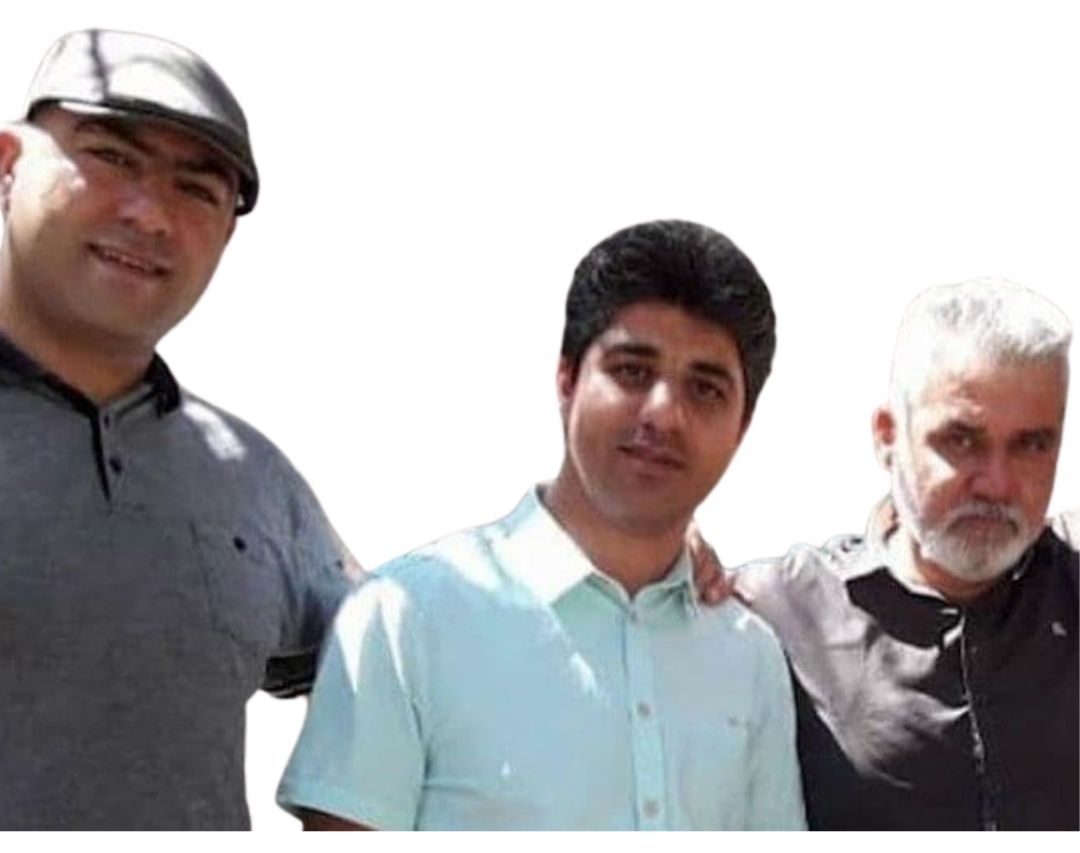
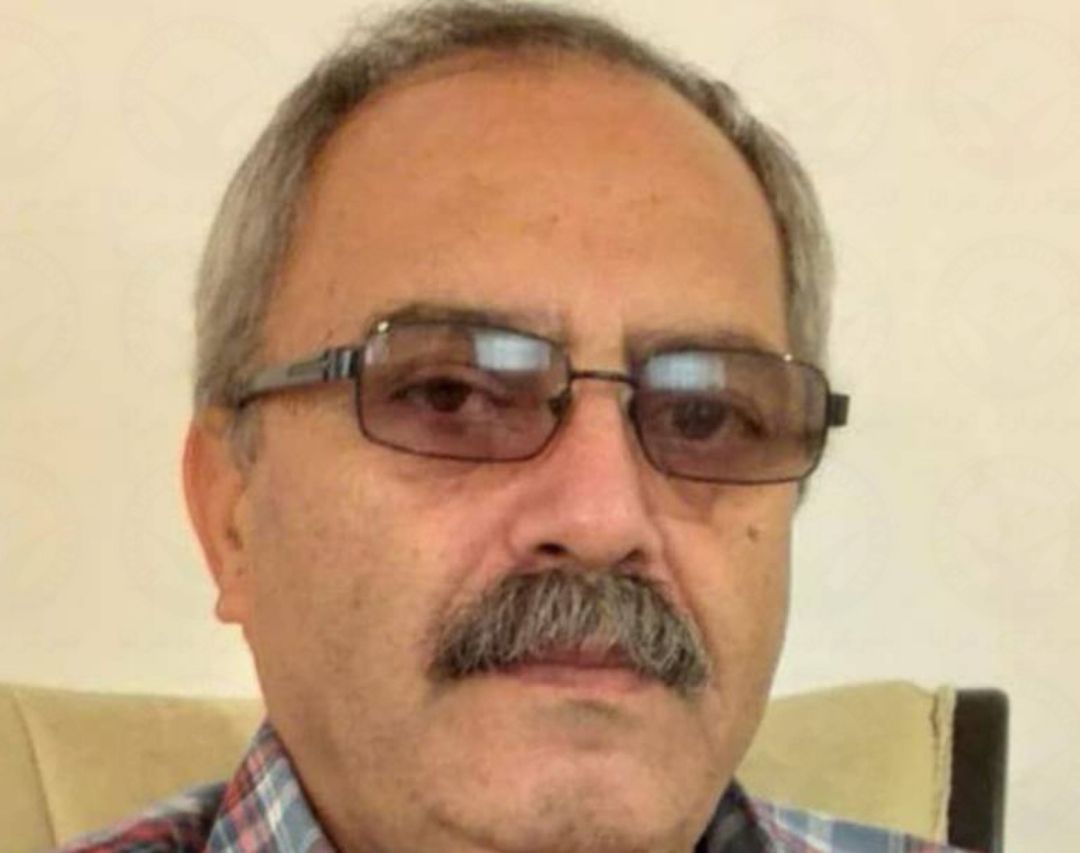
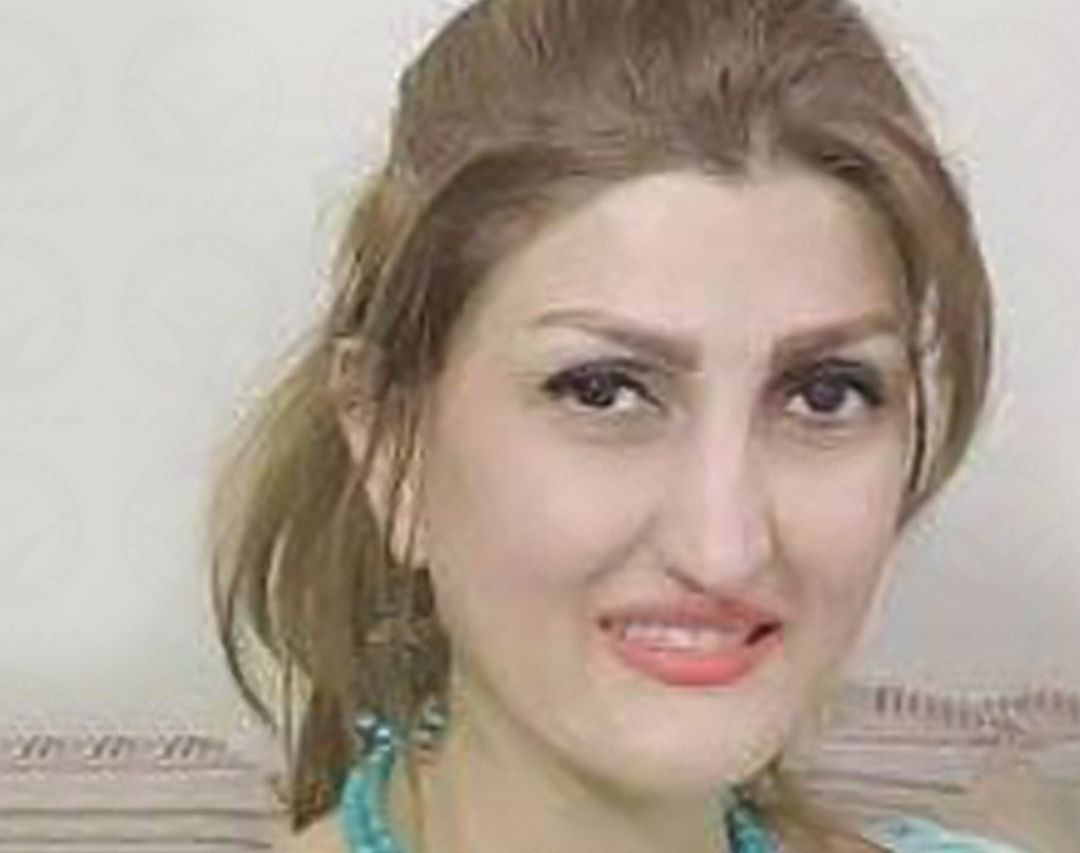
Baha’i citizens Mahvash Adalati Aliabadi, Sepideh Keshavarz, and Farid Ismaili, residents of Tehran, were sentenced by Branch 36 of the Tehran Court of Appeals to a total of 10 years and 9 months in prison.

According to HRANA, the news agency of Human Rights Activists, Ms. Aliabadi, Ms. Keshavarz, and Mr. Ismaili were each sentenced to three years and seven months in prison on a charge of “Acting against national security through administering the Baha’i organization”.

In their first hearing in Branch 28 of the Revolutionary Court in Tehran, presided by Judge Mohammad Reza Amouzad, Aliabadi, Keshavarz, and Ismaili, had been sentenced to 3 years and 7 months in prison on the same charge, in addition to eight months on charges of “Propaganda activities against the regime through the promotion of  Baha’ism”.

According to unofficial sources, more than 300,000 Baha’is live in Iran, but the Iranian constitution recognizes only Islam, Christianity, Judaism, and Zoroastrianism. Because their faith is not considered legitimate by authorities, the rights of Baha’is in Iran have been systematically violated for years.

This deprivation of the freedom to practice their religion is a violation of Article 18 of the Universal Declaration of Human Rights, and Article 18 of the International Covenant on Civil and Political Rights. The United Nations covenant holds that every person has the right to freedom of religion, freedom of converting religion, as well as freedom of expression, individually or collectively; openly or secretly.

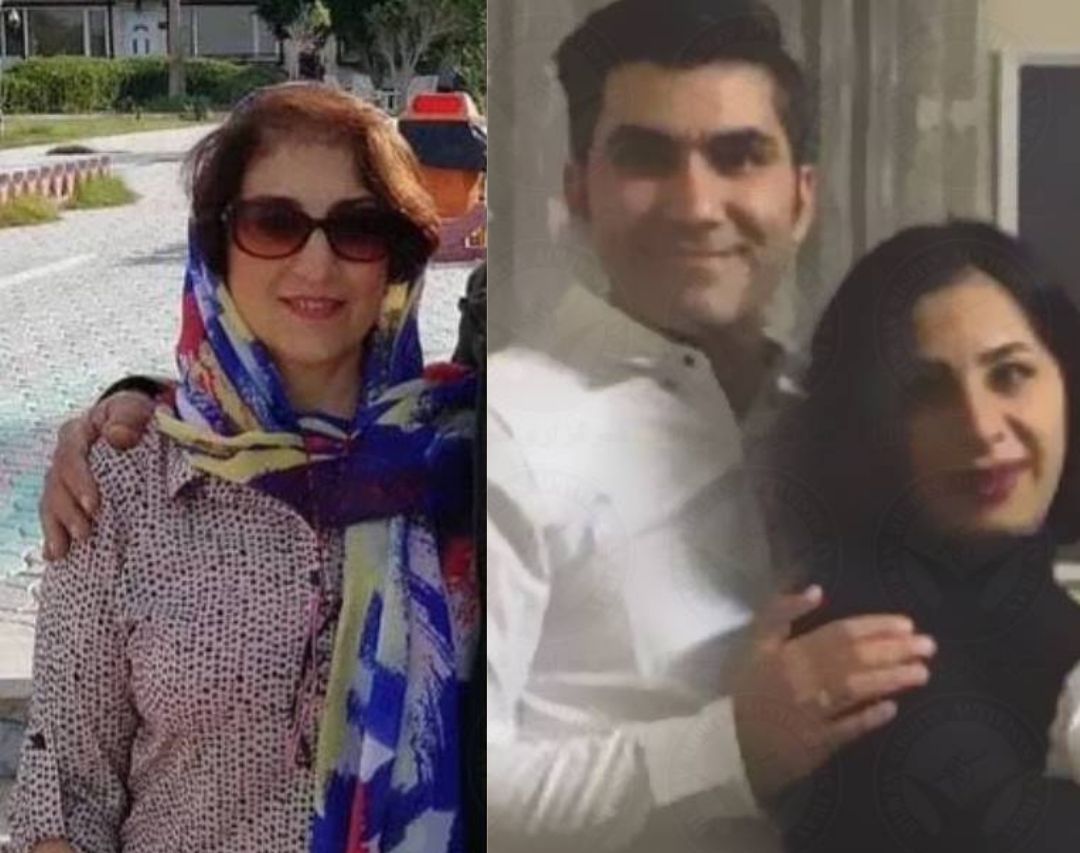
Baha’i Citizens Vahid Dana and Saeed Abedi Still Detained in Shiraz after 27 Days

After 27 days, Baha’i citizens Saeed Abedi and Vahid Dana are still detained in Shiraz in the Intelligence Ministry’s detention center known as No. 100. Following mass arrests and home searches of Baha’i citizens in Shiraz, Abedi and Dana were arrested by the IRGC on April 28th.

According to HRANA, the news agency of Human Rights Activists, Vahid Dana has an acute type of chronic hypertension, and was under supervision of a specialist doctor prior to the arrest due to symptoms of angina pectoris. According to a source close to his family, Dana’s heart problems started in 2014, during a previous detention.

The continued detention of the two citizens during the COVID-19 outbreak, coupled with the failure of officials to provide any update on their condition, has raised concern among their families. Abedi and Dana have also been prohibited from contacting their families since the arrest.

Baha’i Women of Baharestan: 6 Remaining Baha’i Women Released on Bail from Dolatabad Prison in Isfahan

On Monday and Tuesday of this week, the remaining six of the 11 Baha’i women arrested in Baharestan, Isfahan, were released on bail from Dolatabad Prison.

According to HRANA, the news agency of Human Rights Activists, on May 22,  Nooshin Hemmat, Shurangiz Bahamin, Sara Shakib, Azita Rezvani, and Sholeh Ashouri were released from Dolatabad Prison. The following day, Mojgan Pourshafie, the last of the 11 women, was released as well.

More than 300,000 Baha’is live in Iran, unofficial sources say, but the Iranian constitution recognizes only Islam, Christianity, Judaism, and Zoroastrianism. Because their faith is not considered legitimate by authorities, the rights of Baha’is in Iran have been systematically violated for years.

This deprivation of the freedom to practice their religion is a violation of Article 18 of the Universal Declaration of Human Rights, and Article 18 of the International Covenant on Civil and Political Rights.

The United Nations covenant holds that every person has the right to freedom of religion, freedom of converting religion, as well as freedom of expression, individually or collectively; openly or secretly.
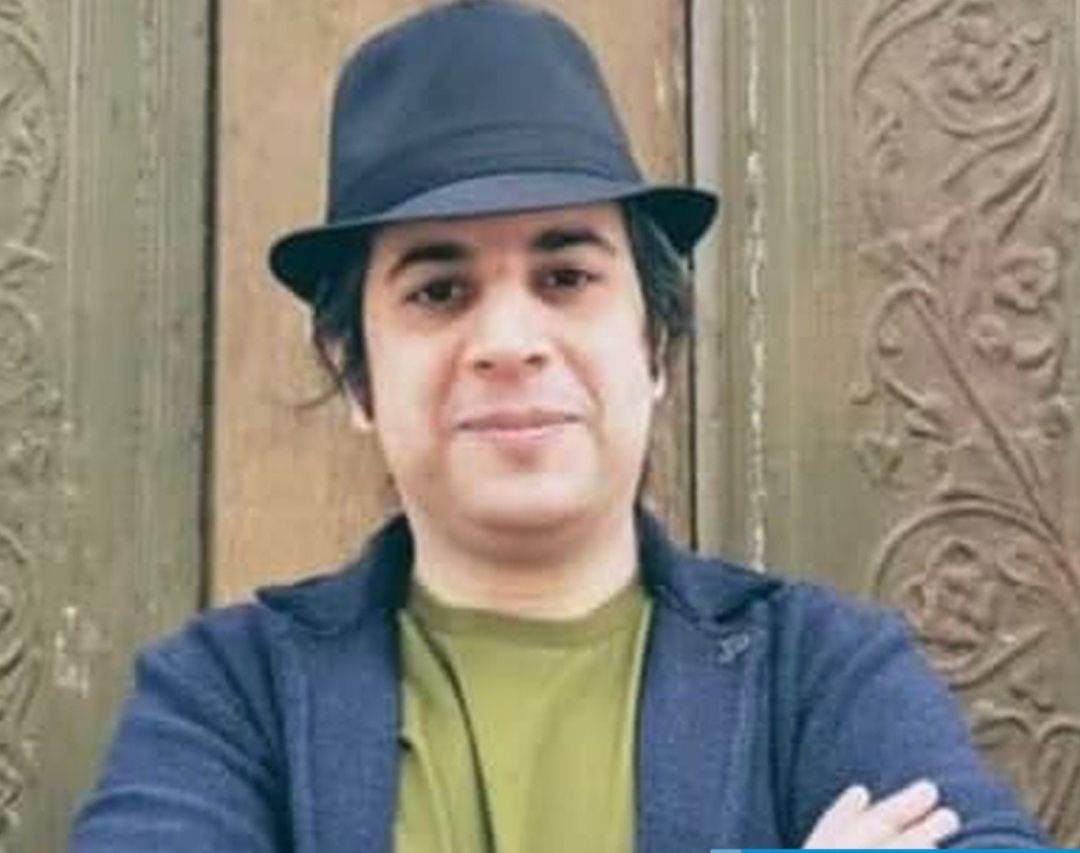
Baha’i Women of Baharestan: Sanaz Rasteh and Firoozeh Rastinejad are Temporarily Released, 6 Others Still in Detention

On May 20, Baha’i citizens Sanaz Rasteh and Firoozeh Rastinejad were released on bail from Dolatabad Prison in Isfahan after their arrest in Baharestan.

According to HRANA, the news agency of Human Rights Activists, 11 Baha’i women, including Rasteh and Rastinejad, were detained by security forces on April 25, April 30, and May 5.

Three of the detained women (Roya Azad Khosh, Nasrin Khademi, and Maryam Khorsandi) were released on bail earlier this week, while six others (Shurangiz Bahamin, Sara Shakib, Azita Rezvani, Mojgan Pourshafi, Noushin Hemmat, and Shola Ashouri) are still in the detention center.

In recent months, the homes of at least 29 Baha’i families have been searched by security forces. During the searches, belongings have been confiscated and, reportedly, in a few cases residents have been beaten.

According to unofficial sources, more than 300,000 Baha’is live in Iran, but the Iranian constitution recognizes only Islam, Christianity, Judaism, and Zoroastrianism. Because their faith is not considered legitimate by authorities, the rights of Baha’is in Iran have been systematically violated for years.

This deprivation of the freedom to practice their religion is a violation of Article 18 of the Universal Declaration of Human Rights, and Article 18 of the International Covenant on Civil and Political Rights. The United Nations covenant holds that every person has the right to freedom of religion, freedom of converting religion, as well as freedom of expression, individually or collectively; openly or secretly.
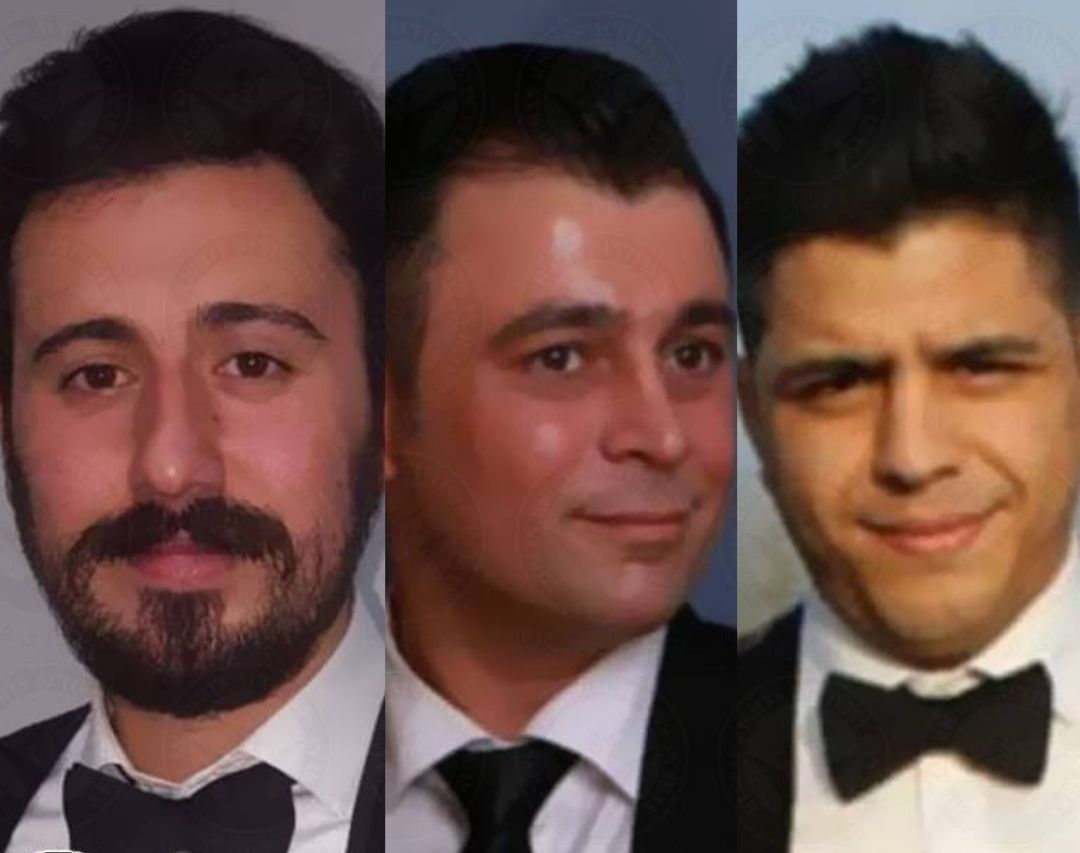
Court Trial Held for Baha’i Citizen Kiana Shoaei

The trial of Kiana Shoaei, a Baha’i resident of Shiraz, was held at the Revolutionary Court in Shiraz on May 15.

According to HRANA, the news agency of Human Rights Activists, the trial referred the case to the prosecutor’s office to rectify incomplete documents. Another hearing will be held after the deficiencies are fixed.

Kiana Shoaei was previously summoned to Branch 1 of the Revolutionary Court of Shiraz on May 5. In this citation, she was asked to appear at the branch on the 15th regarding a lawsuit that had been lodged against her for “forming dissident groups with the intention to disrupt the security of the country, membership in dissident groups with the intention of disrupting security, and propaganda against the regime”.

Shoaei had been awaiting trial since 2019,  after being arrested by the Ministry of Intelligence in October and released on bail in November of that year.

According to unofficial sources, it is estimated that more than 300,000 Baha’is live in Iran, but the Iranian constitution recognizes only Islam, Christianity, Judaism, and Zoroastrianism. Because their faith is not considered legitimate by authorities, the rights of Baha’is in Iran have been systematically violated for years.

This deprivation of the freedom to practice their religion is a breach of Article 18 of the Universal Declaration of Human Rights, and Article 18 of the International Covenant on Civil and Political Rights. The United Nations covenant holds that every person has the right to freedom of religion, freedom of converting religion, as well as freedom of expression, individually or collectively; openly or secretly.

Subscribe to Our Newsletter

Now is definitely not the time to stop reading!

Security Forces Arrested at Least 26 Citizens in the Cities of Ahvaz and Mahshahr

At least 26 citizens were arrested in the cities of Ahvaz and Mahshahr and transferred to an unknown location between May 14 and May 16. Additionally, several citizens with histories of  arrest have been summoned for detainment by security services over the phone.

According to HRANA, the news agency of Human Rights Activists, the arrests were made after Eid al-Fitr ceremonies, at which attendants danced and chanted slogans in front of the homes of citizens who were either killed in the November 2019 national protests or executed in recent years.

So far, HRANA has verified the names of “Rasoul Zuhairi son of Karim; Shaker Silawi, Mohammad Silawi, Qais Sawari, Walid Sawari, Hamzeh Chaldawi 34 years old, married, and father of 4 children; Hossein Mazra’eh, Hassan Hezbawi son of Ramazan; Hadi Hezbawi son of Ramazan; Mohsen Hezbawi son of Ramazan; Jamil Hezbawi son of Lefteh; Badrieh Hamidawi, Amin Amir Hatami, 23 years-old; Faisal Hezbawi, son of Ramazan; Keramat Hezbawi, son of Ramazan; and Mojtaba Salihawi from Mahshahr”.

“In the Zoyeh alley in Ahvaz, several citizens gathered in front of the house of Ms. Badrieh Hamidawi, the mother of Ali Tamimi, one of the victims of the November 2019 national protest, and chanted slogans,” an informed source told HRANA. “Ms. Hamidawi was arrested because she greeted them.”

The whereabouts of these citizens and the charges against them are unknown as of this writing. It is worth noting, however, that every year during the months of Ramadan and Eid al-Fitr, many Sunni Arab citizens in the Khuzestan province get detained under various pretexts.


The Continued Detention of Baha’i Citizens Vahid Dana and Saeed Abedi in Shiraz 

After three weeks, Bahai citizens Saeed Abedi and Vahid Dana are still detained in Shiraz in the Intelligence Ministry’s detention center known as No. 100. Following mass arrests and home searches of Bahai citizens in Shiraz, Abedi and Dana were arrested by intelligence agents on April 28th.

According to HRANA, the news agency of Human Rights Activists, Vahid Dana has an acute type of chronic hypertension, and was under supervision of a specialist doctor prior to the arrest due to symptoms of angina pectoris. According to a source close to his family, Dana’s heart problems started in 2014, during a previous detention. The continued detention of the two citizens during the COVID-19 outbreak, coupled with the failure of officials to provide any update on their condition, has raised concern among their families.

Abedi and Dana were arrested in their homes by intelligence agents and then transferred to the detention center. Officers searched their homes and confiscated some of their personal belongings, including cell phones, personal computers, books, and images related to the Baha’i faith.

With the beginning of the wave of pressure on Baha’i citizens, 7 additional Baha’i citizens from Shiraz, (Saeed Ittihad, Qasem Masoumi, Siamak Honarvar, Soroush Abadi, Sedigheh Aghdasi, Alieh Foroutan, and Behrooz Farzandi Ardakani) were also arrested by agents in March. Their houses were searched, and some personal belongings seized by security forces. They were gradually released on bail after about a month.

Vahid Dana and Saeed Abedi had been previously arrested and charged in August of 2018. Each were sentenced to one year in prison and one year in exile, in absentia and without their or their lawyers’ information, by Branch 1 of the Revolutionary Court of Shiraz. These sentences were then reduced to 6 months imprisonment each by Branch 17 of the FarsProvince Court of Appeals. Later that year, they were both pardoned on the anniversary of the Iranian Revolution.

According to unofficial sources, more than 300,000 Baha’is live in Iran, but the Iranian constitution recognizes only Islam, Christianity, Judaism, and Zoroastrianism. Because their faith is not considered legitimate by authorities, the rights of Baha’is in Iran have been systematically violated during recent  years. This deprivation of the freedom to practice their religion is a violation of Article 18 of the Universal Declaration of Human Rights, and Article 18 of the International Covenant on Civil and Political Rights. The United Nations covenant holds that every person has the right to freedom of religion, freedom of converting religion, as well as freedom of expression, individually or collectively; openly or secretly.

It is unclear when Dana and Abedi will be released.


Christian Convert Reza Zaeemi’s Prison Sentence Reduced to Nine Months by Appeal Court

The sentence of Reza Zaeemi, a Christian convert, was reduced by the Alborz Court of Appeals to 9 months in prison and a two-year ban from leaving the country. 40-year-old Zaeemi was sentenced by the Karaj Revolutionary Court to one year and six months in prison and a two-year ban from leaving the country in early February.

According to the HRANA, the news agency of Human Rights Activists, quoting Article 18, Reza Zaeemi was sentenced by the Alborz province court of appeals to nine months in prison and a two-year ban from leaving the country, a significant reduction from his previous sentence.

In January 2021, Mr. Zaeemi was sentenced to one year and six months in prison and a two-year prohibition of leaving the country by Branch 4 of the Revolutionary Court of Karaj, presided by Judge Shabani. Mr. Zaeemi was charged with propaganda against the regime through propagation of evangelical Christianity.

Zaeemi was arrested in November 2020 by undercover forces near his residence  in Karaj. He was transferred to an IRGC intelligence detention center from an unknown location, four hours later, and denied access to a phone for the eight day duration of his detention, during which time his home was searched by security forces.

After ten days, Zaeemi was transferred from the IRGC Intelligence Detention Center to Ghezel Hesar Penitentiary by the order of the Judge of the Revolutionary Public Prosecutor’s Office in Karaj and was released on bail of 60 million Tomans after one week.

Reza Zaeemi is a Christian convert from Karaj.


Eight Citizens Summoned and Arrested in Hamedan Province for Supporting Erfan-e-Halgheh (Circle of Mysticism)

According to HRANA, the news agency of Human Rights Activists, quoting Tasnim, the public relations officer of the IRGC in Hamadan announced the summoning and arrest of eight supporters of Erfan-e-Halgheh (Circle of Mysticism).

Declaring these citizens to be members of the Erfan-e-Halgheh, Ali Akbar Karimpour said “Eight members of this sect were arrested and summoned, and their cases have been sent to the province judicial for legal proceedings.”

The report does not mention the identity or whereabouts of these citizens.

A Baha’i citizen, Elaheh Samizadeh, sentenced to an extra year in prison

Elaheh Samizadeh, a Baha’i citizen, has been sentenced to one extra year of imprisonment and two years suspension from holding all governmental and public jobs by Branch 105 of Shiraz Criminal Court.

Ms. Samizadeh had previously been sentenced to six years in prison by Branch One of Shiraz Revolutionary Court, presided over by Judge Seyed Mahmoud Sadati, on charges of “propaganda against the regime and membership in opposition groups”. Based on Article 134 of Iran’s Islamic Penal Code, the charge with the highest penalty will be considered; this means that Ms. Samizadeh should serve five years in prison. Ms. Samizadeh is the mother of a toddler boy, and charges brought up against her of “propaganda against the regime” and “collaborating” with “dissident “groups” are because she worked as an instructor at “mother-child innovation courses” using her valid college degree obtained from official institutions. Charge of “forging a university degree” was brought up against her in July 2019 and caused her bail to be increased by 60 million Toman. According to the verdict that was communicated to Ms. Samizadeh on May 22, 2020, by Branch 105 of Shiraz Criminal Court presided over by Judge Fakharzadeh, “usage of scientific titles” which refers to her studies at BIHI (Baha’i University) is the underlying reason for her sentence of 1-year imprisonment and 2 years suspension from holding all governmental and public jobs.  An informed source told HRANA: “She is accused of forging her diploma, while Ms. Samizadeh studied at the Baha’i Online University (BIHE) due to the Baha’is’ exclusion from studying at country’s accredited universities. She has also received her degree from this university, and after making bail has been repeatedly summoned and interrogated over this fact.”

Earlier, Shahriar Atrian, Navid Bazmandegan, Bahareh Ghaderi, Nora Purmoradian, Soheila Haghighat, Shahnaz Sabet, and Soodabeh Haghighat, were also charged by Branch 1 of the Shiraz Revolutionary Court, presided over by Judge Seyed Mahmoud Sadati in the same case. The charges against this group include “propaganda against the regime and membership in an opposition group” which caused a 6-year sentence for every member of this group, an 8-year sentence for Niloufar Hakimi, and a 1-year sentence for Ehsanullah Mahboub Rah Vafa. From this group, Ms. Haghighat is also awaiting another trial in the criminal court, and Niloufar Hakimi has previously been sentenced to five years in prison by a criminal court. Taking Ms. Samizadeh’s new convictions into account, she and nine others implicated in this case have been sentenced to a total of 63 years in prison. These citizens were arrested by security forces in September 2018 and were all released on bail impending trial. HARANA reports the second part of Ms. Samizadeh’s case which went into the sentencing phase on May 22, 2020, has added a 1-year conviction to her previously 6-year sentence, and this addition brings up the collective sentencing of this group to a total of 63 years.

Bahai’s of Iran are deprived of all liberties and religious related activities, a systematic deprivation of liberty which goes against Article 18 of the Universal Declaration of Human Rights and Article 18 of the International Covenant on Civil and Political Rights, that entitle any person to freedom of religion and belief, freedom expression individually or collectively and in a public or private setting. According to unofficial reports, there are more than 300,000 Baha’is in Iran. However, Iran’s constitution only recognizes Islam, Christianity, Judaism, and Zoroastrianism, and does not recognize the Baha’i faith. And this reason has given the Iranian authorities an excuse to systematically violate the rights of Baha’i citizens over the years.