
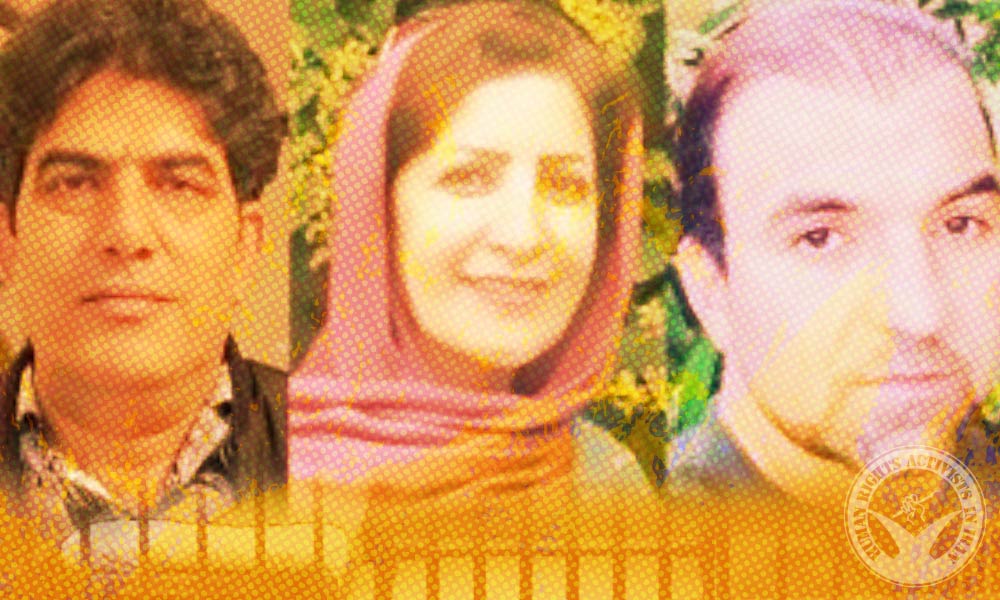
Three Baha’i Citizens Arrested to Serve Sentences Without Prior Notice

On March 7, three Baha’i citizens, Sedigheh Aghdasi, Behrooz Farzandi and Ghasem Masoomi, were arrested and transferred to Adel-Abad Prison to serve their sentences. The arrest occurred without any notice and followed summons by the Revolutionary Court under the pretext of answering questions. Initially, these citizens had been each sentenced to 39 months in prison. On appeal, the sentence against Farzandi and Masoomi was upheld, while 25 months of Aghdasi’s sentence term was suspended.

According to HRANA, the news agency of Human Rights Activists, an informed source stated that during a court appearance, they were arrested and transferred to prison from the back door of the court without informing their families, who were waiting for them in front of the court building.

On April 6, 2021, they were arrested along with three other citizens by security forces. They were detained in solitary confinement cells of a police detention centre in Shiraz City. In May of 2021, they were released on bail until the end of legal proceedings.

In November of last year, the Revolutionary Court of Shiraz sentenced each to seven months and 16 days in prison on the charge of “propaganda against the regime” and 31 months and 16 days on the charge of “membership in anti-regime groups.” On appeal, 25 months of Aghdasi’s sentence was suspended and the sentences against two others were upheld.

Regarding the prosecution and the harassment of Baha’i people by Iran’s regime, HRA Senior Advocacy Coordinator Skylar Thompson stated that HRA strongly condemned these discriminatory acts against religious minorities in Iran. She asked that the regime take action to ensure Iranian people, and particularly Baha’i citizens, are entitled to the freedom of religion and can perform religious acts freely.

According to unofficial sources, it is estimated that more than 300,000 Baha’is live in Iran, but the Iranian constitution recognizes only Islam, Christianity, Judaism, and Zoroastrianism. Because their faith is not considered legitimate by authorities, the rights of Baha’is in Iran have been systematically violated for years.

The deprivation of the freedom to practice religion is a breach of Article 18 of the Universal Declaration of Human Rights and Article 18 of the International Covenant on Civil and Political Rights. The United Nations Covenant holds that every person has the right to freedom of religion, freedom of converting religion, as well as freedom of expression, individually or collectively; openly or secretly.

Baha’i Citizen Shiva Khalili Arrested and Released on Bail in Babol

On Tuesday, November 16, Baha’i citizen Shiva Khalili was arrested after being summoned and appearing at Branch 1 of the Public and Revolutionary Court of Babol.

According to HRANA, the news agency of Human Rights Activists, Khalili was released the following day on a bail of 700 million tomans until the end of legal proceedings. Shiva Khalili, a resident of Babol in Mazandaran Province, was summoned to the Revolutionary Court of Babol by phone.

According to unofficial sources, it is estimated that more than 300,000 Baha’is live in Iran, but the Iranian constitution recognizes only Islam, Christianity, Judaism, and Zoroastrianism. Because their faith is not considered legitimate by authorities, the rights of Baha’is in Iran have been systematically violated for years.

This deprivation of the freedom to practice their religion is a breach of Article 18 of the Universal Declaration of Human Rights, and Article 18 of the International Covenant on Civil and Political Rights. The United Nations covenant holds that every person has the right to freedom of religion, freedom of converting religion, as well as freedom of expression, individually or collectively; openly or secretly.

The reason for Khalili’s arrest and the charges against her are unknown as of this writing.

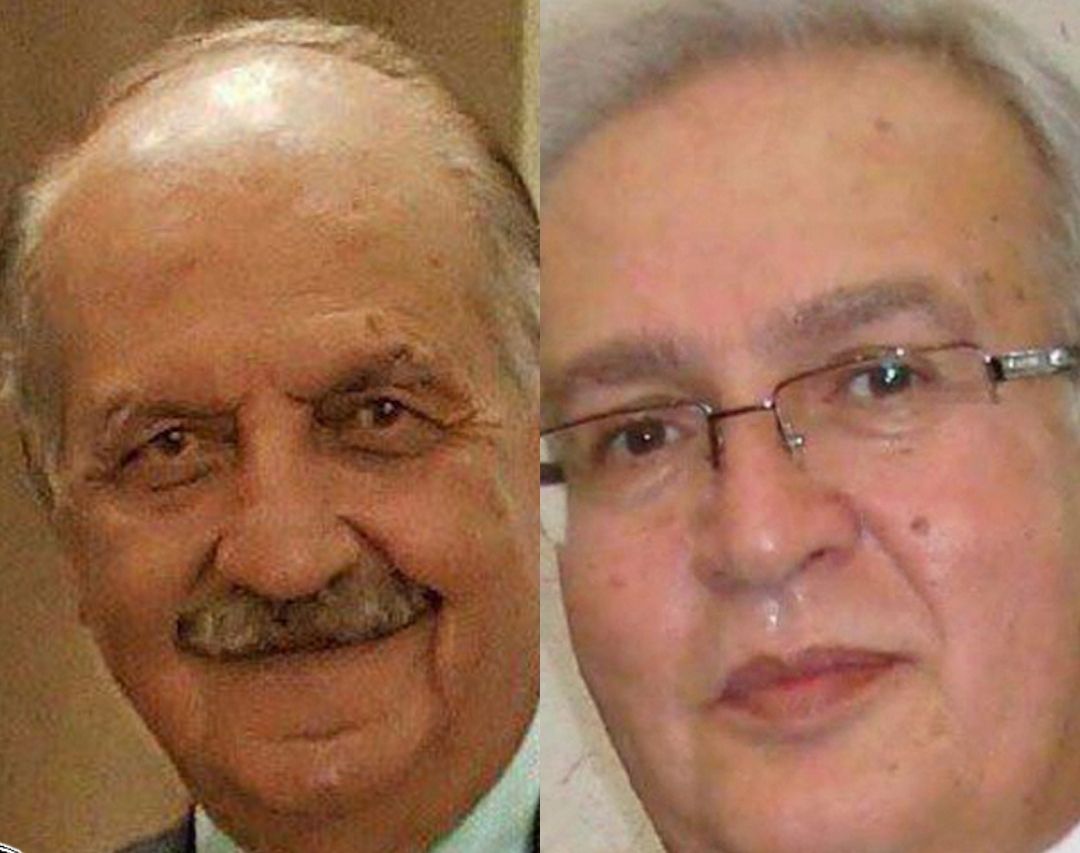
Appellate Court Upholds Prison Sentence for Baha’i Citizens Abbas Taef and Ataollah Zafar

Branch 26 of the Tehran Court of Appeals recently upheld the primary court’s sentence for Baha’i citizens Abbas Taef and Ataollah Zafar.

According to HRANA, the news agency of Human Rights Activists, on July 6, Branch 26 of the Tehran Court of Appeals, presided by Judge Seyed Ahmad Zargar, had sentenced each of these citizens to one year in prison on charges of “acting against national security through the administration and activity in the Baha’i sect”.

According to unofficial sources, more than 300,000 Baha’is live in Iran, but the Iranian constitution recognizes only Islam, Christianity, Judaism, and Zoroastrianism. Because their faith is not considered legitimate by authorities, the rights of Baha’is in Iran have beeen systematically violated for years.

This deprivation of the freedom to practice their religion is a violation of Article 18 of the Universal Declaration of Human Rights, and Article 18 of the International Covenant on Civil and Political Rights. The United Nations covenant holds that every person has the right to freedom of religion, freedom of converting religion, as well as freedom of expression, individually or collectively; openly or secretly.
Below is the picture of the AppealsCourt verdict.

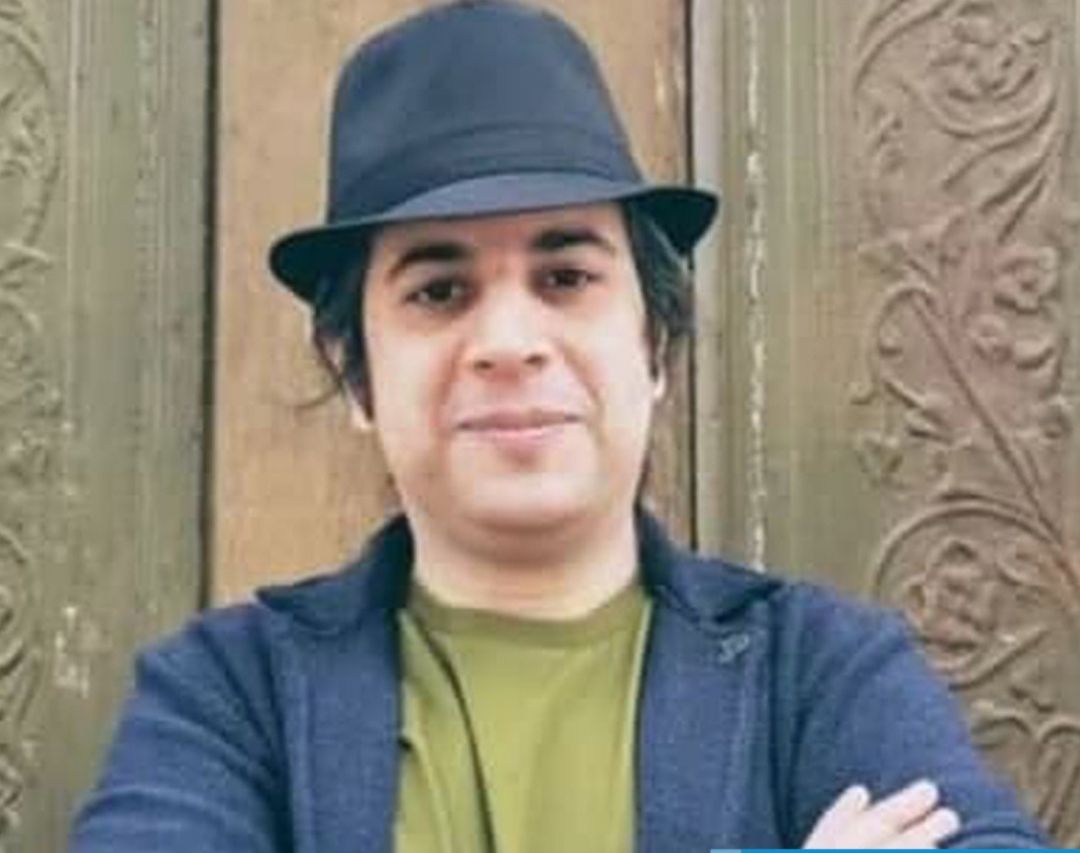
Baha’i Citizen Arsalan Yazdani Arrested in Tehran

On Wednesday, September 1, Bah’ai citizen Arsalan Yazdani was arrested and transferred to an unknown location by security forces in Tehran.

According to HRANA, the news agency of Human Rights Activists, security forces searched Mr. Yazdani’s home and confiscated some of his personal belongings at the time of the arrest.

According to unofficial sources, more than 300,000 Baha’is live in Iran, but the Iranian constitution recognizes only Islam, Christianity, Judaism, and Zoroastrianism. Because their faith is not considered legitimate by authorities, the rights of Baha’is in Iran have beeen systematically violated for years.

This deprivation of the freedom to practice their religion is a violation of Article 18 of the Universal Declaration of Human Rights, and Article 18 of the International Covenant on Civil and Political Rights. The United Nations covenant holds that every person has the right to freedom of religion, freedom of converting religion, as well as freedom of expression, individually or collectively; openly or secretly.

No information is available on the detainee or his whereabouts as of this writing.