Death Sentences of Four Sunni Prisoners Finalized, Case Referred for Execution

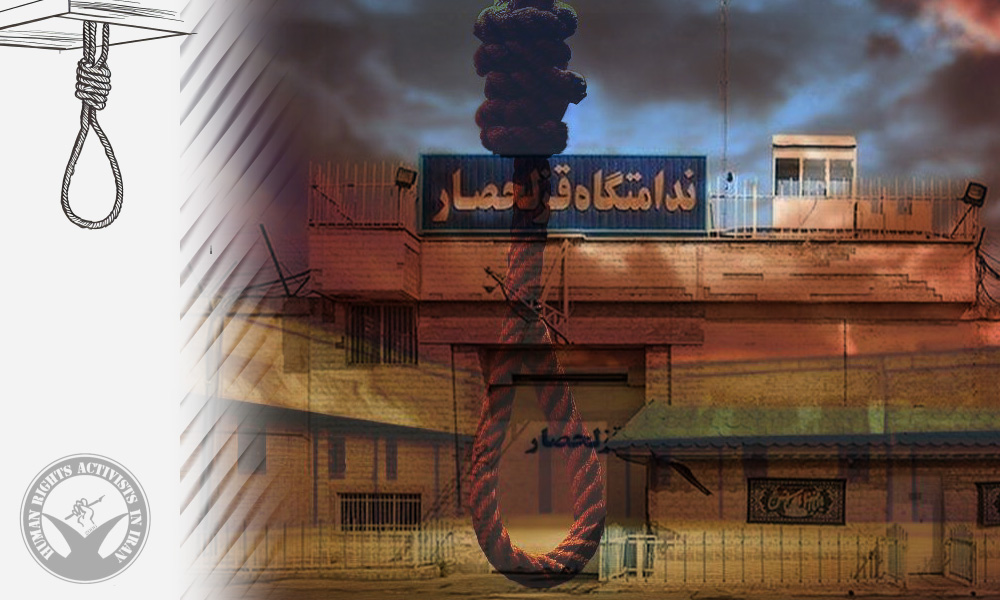
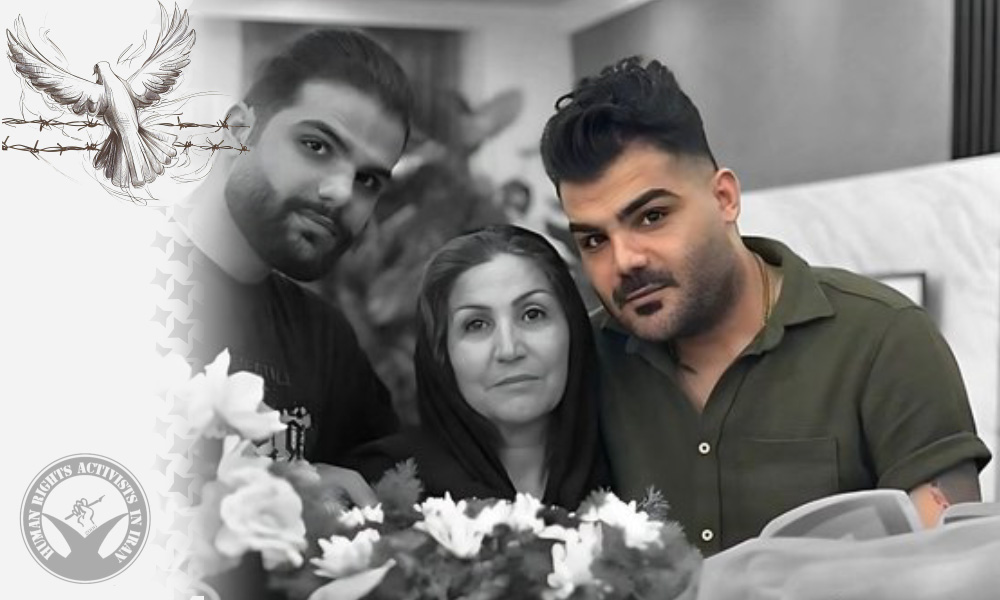
The death sentences of four Sunni prisoners—Eido Shahbakhsh, Abdolghani Shahbakhsh, Abdolrahim Ghanbarzehi Gorgij (Rahim Mirbaloch), and Soleiman Shahbakhsh—have been confirmed by Branch 32 of the Supreme Court and referred to Branch 1 of the Tehran Security Prosecutor’s Office for execution. They are currently held in Ghezel Hesar Prison in Karaj.

On February 4, 2024, Judge Mohammadreza Amuzad Khalili of Branch 28 of the Tehran Revolutionary Court sentenced these men to death, accusing them of armed rebellion through membership in opposition groups and armed uprising against the regime. Their death sentences were later upheld by the Supreme Court following their appeal.

HRANA’s investigation into their case reveals significant rights violations during their imprisonment. The prisoners faced extreme pressure from security agencies, including denial of legal representation, prolonged solitary confinement, physical and psychological torture, and deprivation of basic rights such as family visits and phone calls.

Since 2012, following the initial arrests of Eido and Abdolghani Shahbakhsh, court hearings have been irregular. Despite initial acquittals by the Zahedan Revolutionary Court, objections by security agencies led to the re-arrest of the defendants in 2016 and continued prosecution.

A source close to Abdolrahim Ghanbarzehi’s family told HRANA that he was subjected to severe physical and psychological pressure during solitary confinement and was coerced into making confessions while in the IRGC’s Salman Detention Center in Zahedan, in violation of Article 38 of Iran’s Constitution and international anti-torture conventions.

A key issue in this case has been the frequent transfer of case files between courts in Zahedan and Tehran, causing delays and uncertainty for the defendants. Despite multiple requests for regular hearings and proper defense, initial acquittals were overturned due to pressure from security agencies, leading to their eventual death sentences.

With the Supreme Court now confirming their death sentences, the case has entered a critical phase, with the execution possibly imminent. The families of the prisoners maintain their innocence and argue that the judicial process has been fraught with serious human rights violations.
Prisoner Executed in Malayer Prison for Drug-Related Charges

The death sentence of a prisoner previously convicted on drug-related charges was carried out in Malayer Prison on October 22, 2024.

HRANA has identified the prisoner as “Shahin Dehghani.”
Based on reports received by HRANA, Mr. Dehghani was previously arrested on drug-related charges and was later sentenced to death by the Revolutionary Court.

At the time of this report, the execution of this prisoner has not been officially announced by prison authorities or relevant institutions.

The reports from the Department of Statistics and Publication of Human Rights Activists for the year 2023 reveal a concerning prevalence of executions for drug offenses in Iran, constituting 56.4% of the total executions. For a comprehensive examination of the details and statistics surrounding the executions in Iran, refer to HRANA’s report.

Saman Yasin Granted Medical Leave After 26 Months in Prison

Saman Seydi (Yasin), a detainee from the 2022 nationwide protests, was granted medical leave from Ghezel Hesar Prison in Karaj today after posting bail.

His lawyer, Ramin Safarnia, announced: “Today, my client, Saman Yasin (Seydi), after enduring around 26 months in prison, was released on medical leave following the recommendation of a medical commission and with the judiciary’s approval, after posting a bail of 4 billion tomans.”

Saman Yasin (Seydi), a rap singer, was arrested by security forces in Tehran during the 2022 nationwide protests on October 2, 2022. He was later tried in the Tehran Public and Revolutionary Court on charges of “enmity against God (Moharebeh), assembly and collusion to commit crimes, and acting against national security,” and was sentenced to death. However, in December 2022, the Supreme Court overturned the death sentence, and the case was referred for retrial.

In May 2023, another of Yasin’s lawyers, Hossein Sartipi, reported that his client had been sentenced to five years of exile in one of the cities in Kerman Province.

In August, HRANA highlighted Mr. Seydi’s denial of adequate medical treatment while in prison. On August 2, 2023, Yasin, along with six other political prisoners, was transferred from Rajai Shahr Prison in Karaj to Ward 8 of Evin Prison. On September 3, 2023, he and 12 other prisoners were abruptly moved to Ghezel Hesar Prison in Karaj without prior notice.

Two Baha’i Women in Babol Sentenced to 10 Years in Prison and Social Restrictions

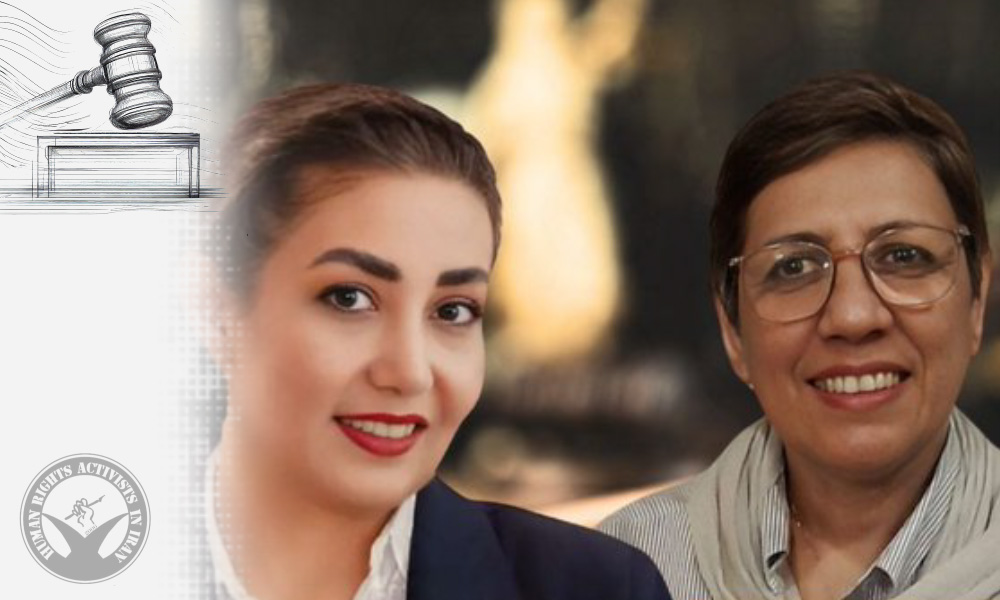
Suzan Eid Mohammadzadegan and Niusha Badiei Sabet, two Baha’i citizens, have been sentenced to a total of 10 years in prison, along with additional social restrictions, by Branch 1 of the Babol Revolutionary Court.

In the court’s ruling, delivered to the defendants today, each was sentenced to five years in prison, with time served during pre-trial detention considered. Additionally, both women have been banned from all educational and training activities for 18 months. They were convicted of “engaging in educational or promotional activities contrary to the sacred Sharia of Islam.”

Eid Mohammadzadegan and Badiei Sabet were arrested on August 15, 2023, at Mohammadzadegan’s residence in Babol by security forces, who did not present a judicial warrant. The two were eventually released on bail on September 11, 2023, from Babol Prison.

Mohammad Sadegh Akbari, head of the judiciary in Mazandaran Province, had previously justified the closure of two schools and ten educational and sports centers in Babol by claiming these institutions were promoting the Baha’i faith. He also mentioned the arrest of two individuals, describing them as “prominent Baha’i instructors in Iran.”

However, a reliable source refuted these claims, telling HRANA, “Only four kindergartens were involved, at most. No religious promotion occurred in these centers; the focus was solely on children’s education, with parents present at all times.”

Niusha Badiei Sabet, 39, a psychologist, translator, and resident of Tehran, has faced previous arrests and judicial encounters due to her faith.

7 Political Defendants Begin Hunger Strike in Protest of Prolonged Detention

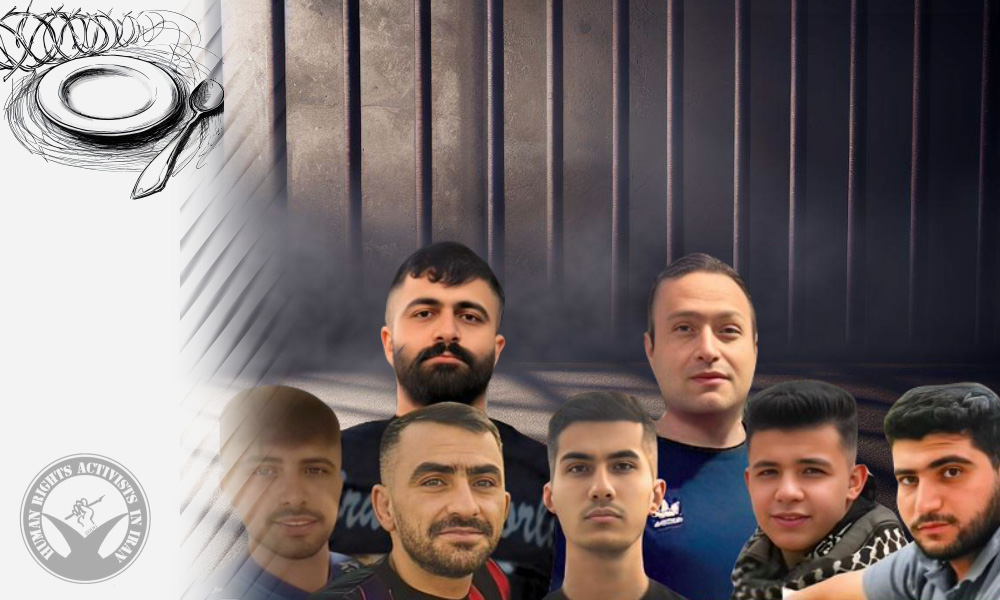
Seven political defendants held in Sheiban Prison, Ahvaz—Ramin Mohammadi, Farshid Kazemi, Maziar Nekooie, Ruhollah Khosravi, Reza Karimnejad, Ashkan Mohammadi, and Hooman Almasi—have gone on hunger strike as of Saturday, October 19. The strike is in protest of their indefinite detention, which has lasted for over a year without trial. Following their action, all seven were transferred to solitary confinement.

A source close to one of the families confirmed to HRANA that the defendants initiated the hunger strike due to “their continued detention and the lack of progress in their judicial cases.” After launching the strike, they were moved to solitary confinement.

These detainees have been held in Sheiban Prison for more than 14 months without any court hearings to address their cases.

Hooman Almasi was arrested in April 2023, while Ashkan Mohammadi, Ramin Mohammadi, and Farshid Kazemi, all residents of Ahvaz, along with Reza Karimnejad and Maziar Nekooie, residents of Isfahan, were arrested in August 2023 by security forces in Izeh. Ruhollah Khosravi, born in 1989, is married and the father of two children. He was detained by security forces in Izeh on August 23, 2023.

After completing interrogations at The Ministry of Intelligence’s detention facility in Ahvaz, the detainees were transferred to Sheiban Prison.

Their cases are under review by a branch of the Izeh Prosecutor’s Office on charges related to national security. However, as of the time of this report, no specific details regarding the charges against them have been disclosed.

Subscribe to Our Newsletter

Now is definitely not the time to stop reading!

Morteza Parvin and Taher Naghavi Sentenced to a Total of 12 Years in Prison

Morteza Parvin, an Azerbaijani-Turk activist, and Taher Naghavi (Naqavi), a defense attorney, have been sentenced to a combined total of 12 years in prison by Branch 15 of the Tehran Revolutionary Court.

According to the ruling issued by Judge Abolqasem Salavati, both individuals received one year in prison for “propaganda against the regime” and five years for “assembly and collusion against national security.” In addition, Mr. Naghavi has been banned from leaving the country for two years and stripped of social rights and political party membership for two years.

A source close to Naghavi’s family informed HRANA that he was recently scheduled to be transferred to a hospital for medical examinations. However, the transfer was blocked when he refused to wear a prison uniform and use handcuffs and leg cuffs.

Both Mr. Parvin and Mr. Naghavi were arrested by security forces on February 6, 2024, and subsequently transferred to Evin Prison.

On July 13, a hearing was held to address the charges against Mr. Naghavi at Branch 15 of the Tehran Revolutionary Court. His final court session took place in late September. Recently, Naghavi faced new charges initiated by prison authorities, including “disruption of public order” and “insulting prison officers.” A few weeks ago, an officer at Evin Prison, identified as Reza Asadi Naderabadi, physically assaulted Mr. Naghavi following a verbal altercation, after which Naghavi was transferred to Evin’s quarantine section.

In late May, a court session was also held to examine the charges against Parvin related to the joint case with Naghavi at Branch 15 of the Tehran Revolutionary Court.

Report on the Latest Status of Political Prisoner Saeideh Ghorbanali in Evin Prison

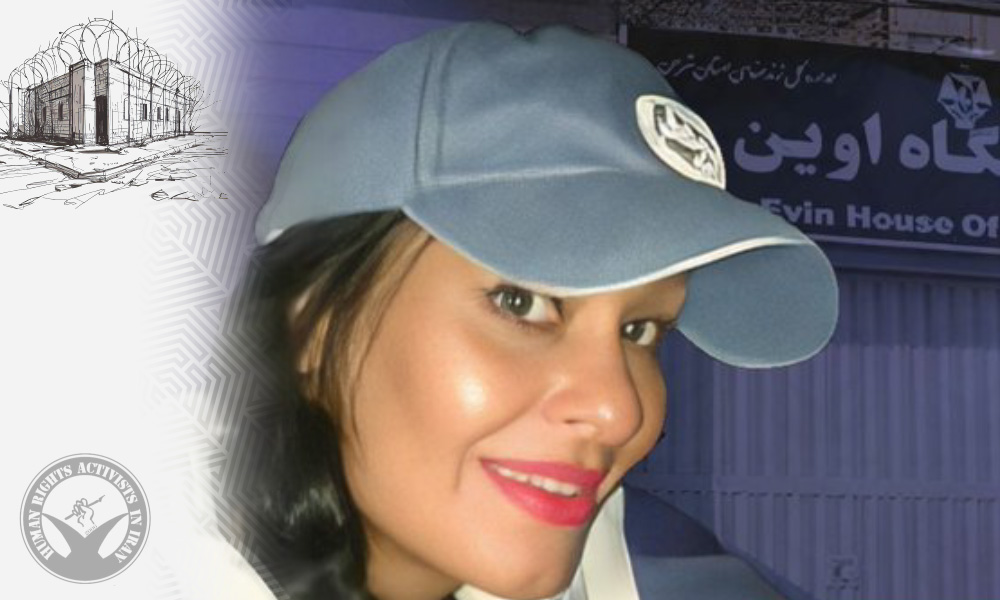
Saeideh (Bahareh) Ghorbanali, a political prisoner, is currently serving a two-year prison sentence in Evin Prison, as upheld by the Tehran Court of Appeals. Her transfer to the women’s ward occurred on September 7, 2024, following her arrest to serve this sentence.

According to a source close to Ghorbanali’s family, who confirmed the details to HRANA, Ghorbanali has recently been denied in-person visits with her family by direct order of the prison warden.

Ghorbanali’s legal troubles began in early 2019 when she was first arrested by security forces in Shahriar. Shortly after her initial detention, she was released on bail.

She later faced trial alongside nine others in a joint case at Branch 15 of the Tehran Revolutionary Court. In late 2019, Ghorbanali was sentenced to three years in prison on charges including “assembly and collusion against national security,” “propaganda against the regime,” and “insulting the founder of the Islamic Republic and the Supreme Leader.”

In May 2020, Branch 36 of the Tehran Court of Appeals, presided over by Judge Zargar, upheld her sentence. However, under Article 134 of the Islamic Penal Code, only the severest charge is applied, making Ghorbanali subject to two years of imprisonment.

Four Prisoners Executed in Ghezel Hesar Prison for Drug-Related Crimes

At dawn today, October 16, the execution of four prisoners who had previously been sentenced to death on drug-related charges was carried out in Ghezel Hesar Prison, Karaj.

HRANA has confirmed the identities of three of the prisoners who were hanged this morning as “Abdolbari Tajik and Pasha Pashto, two Afghan nationals, and Javid Ahmadkhani.” The identity of the fourth executed prisoner is still under investigation by HRANA.

These prisoners, who had been previously sentenced to death for drug-related charges, were transferred to solitary confinement in Ghezel Hesar Prison yesterday along with two other prisoners in preparation for their execution.

According to data gathered by the Department of Statistics and Publication of Human Rights Activists, Ghezel Hesar Prison in Karaj witnessed the highest number of executions in 2023, with Zahedan Prison following closely behind. For a comprehensive examination of the details and statistics surrounding the executions in Iran, refer to HRANA’s report.

Six Prisoners Transferred to Solitary Confinement in Ghezel Hesar Prison for Execution

On October 15, six prisoners who had previously been sentenced to death on drug-related charges were transferred to solitary confinement in Ghezel Hesar Prison in Karaj in preparation for their execution.

These prisoners had been sentenced to death on drug-related charges, and the transfer was made to carry out their execution. HRANA is currently investigating further details, including the identities of the prisoners.

According to the Department of Statistics and Publication of Human Rights Activists in Iran, in 2023, at least 767 citizens, including 21 women and 2 juvenile offenders, were executed. Of these, the executions of 7 individuals were carried out in public. Additionally, during this period, 172 others were sentenced to death, with 5 of them sentenced to public execution. It is worth noting that during the same period, the initial death sentences of 49 other individuals were also upheld by the Supreme Court.

Mahsa Jalal Badiei Transferred to Lakan Prison in Rasht to Serve Her Sentence

Mahsa Jalal Badiei, a resident of Rasht, was arrested and transferred to Lakan Prison in Rasht on Sunday, October 13, to serve her prison sentence.

A source close to the family confirmed to HRANA that “Ms. Badiei was arrested on Sunday, October 13, after reporting to branch 5 of the Enforcement Office of the Revolutionary Court in Rasht and was transferred to prison.” She had previously been summoned to this branch via a court notification.

On May 13 of this year, Ms. Badiei was arrested by security forces and released six days later after posting bail.

She was later sentenced by the Branch 3 of the Revolutionary Court of Rasht, presided over by Judge Mehdi Rasekhi, to seven months and 16 days in prison for “propaganda against the regime” and to three years and six months in prison for “conducting educational and promotional activities against Islamic Shaira.” Additionally, she was deprived of her social rights for 10 years.

Under Article 134 of the Islamic Penal Code, the most severe punishment—three years and six months in prison—will be enforced.

According to information obtained by HRANA, her conviction stemmed from online activities including converting banned books into audio files and distributing them, supporting political figures, and participating in nationwide protests in 2022.

Badiei, born in 1985, is a mother of one child.