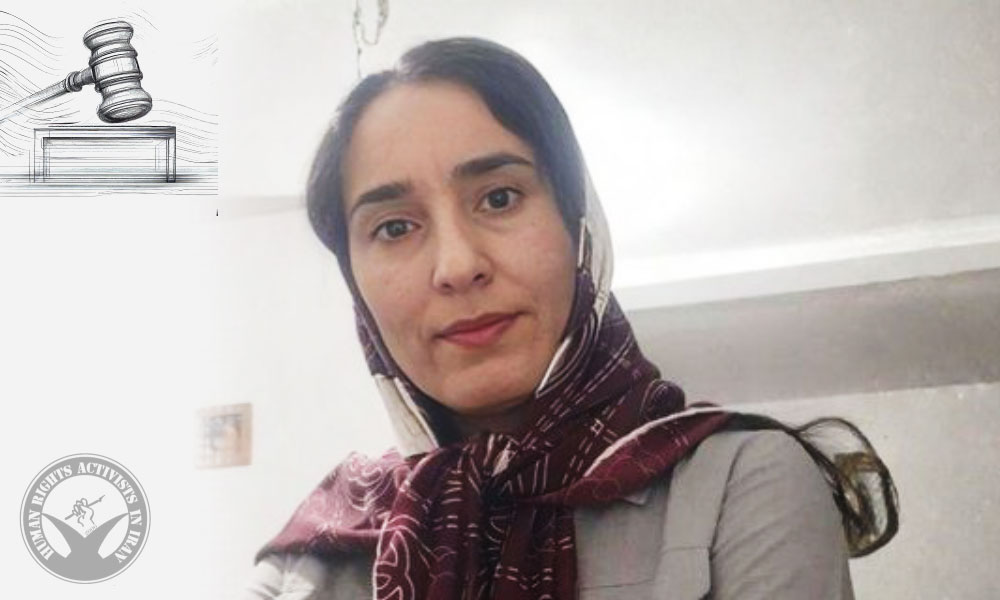
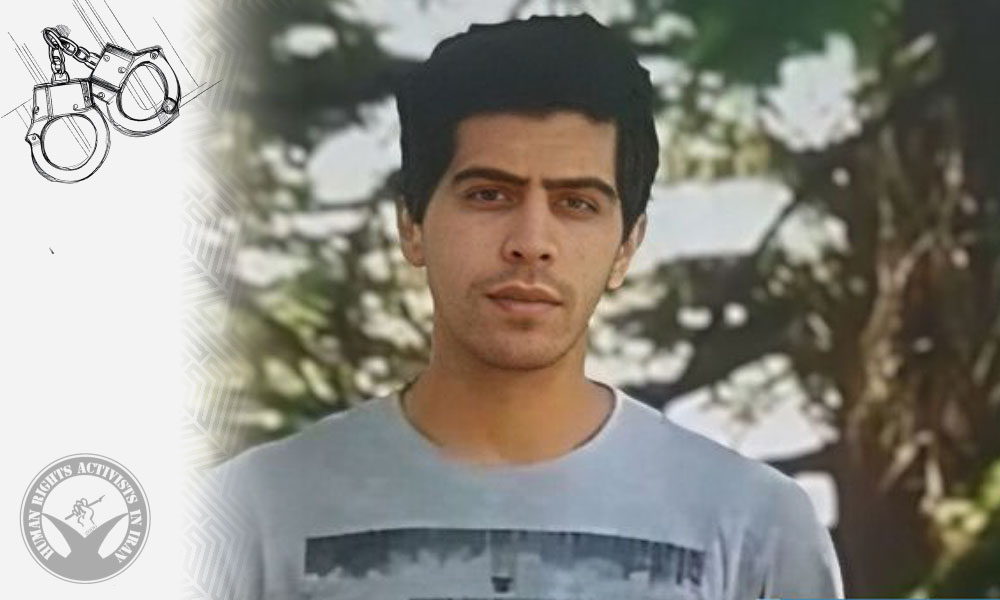
Kourosh Jalil Sentenced to Over Two Years in Prison

HRANA News Agency – Branch 1 of the Revolutionary Court of Yasuj has sentenced Kourosh Jalil, a resident of Yasuj, to two years, one month, and one day in prison.

According to the verdict, the court imposed ten months for “propaganda against the regime” and one year, three months, and one day for “insulting the Supreme Leader and the founder of the Islamic Republic.”

Jalil announced the verdict in a public post, stating that the IRGC Intelligence Organization had filed the complaint that led to his prosecution.

Earlier, Branch 1 of the Public and Revolutionary Prosecutor’s Office of Boyer-Ahmad indicted him on charges of “propaganda against the regime” and “spreading falsehoods.” His preliminary hearing, alongside two other citizens, took place on April 29, 2025.

The Ministry of Intelligence arrested Jalil in May 2024 and released him on bail two months later in July.

In a separate case, another court sentenced Jalil to three years in prison for “insulting the founder of the Islamic Republic,” “unauthorized assembly,” “insulting Islamic sanctities,” “insulting the Supreme Leader,” and “propaganda against the regime.”

Twelve Days of War: Israel-Iran Ceasefire Comes into Force

HRANA News Agency – Yesterday, June 24, a ceasefire agreement between Iran and Israel took effect. In the lead-up to the truce, the Israeli military carried out strikes for twelve consecutive days, targeting multiple military and civilian sites and expanding the conflict’s reach to 26 provinces across Iran.

Since the onset of the attacks, Iranian security forces have arrested at least 286 citizens for expressing opinions related to recent events, while an additional 537 individuals have been detained on security-related charges, including espionage.

The total number of casualties from Israel’s attacks has reached 5,530, including 1,054 dead and 4,476 injured.

Geographic Scope and Course of Events

Over the past 12 days, until the announcement of the ceasefire, Israeli attacks targeted Iran’s infrastructure, military and civilian facilities, residential areas, and industrial zones across 26 provinces.

Yesterday, prior to the announcement of the ceasefire on the twelfth day of the conflict, the provinces of Fars, Tehran, West Azerbaijan, Gilan, and Alborz were targeted.

The Governor of Tehran stated that, in the early hours of yesterday, 12 locations in Tehran city and province were targeted by Israeli attacks.

The provinces that have been directly attacked since June 13 are as follows:

Tehran, East Azerbaijan, West Azerbaijan, Ardabil, Isfahan, Ilam, Kermanshah, Markazi, Hamedan, Fars, Khuzestan, Kurdistan, Alborz, Zanjan, Bushehr, Qazvin, Gilan, Hormozgan, Qom, Razavi Khorasan, Chaharmahal and Bakhtiari, Kerman, Semnan, Mazandaran, Yazd, and Golestan.

The Latest Casualty and Damage Figures

Since the beginning of Israel’s military attacks on Iranian soil, thousands of citizens have been killed or injured. The military or civilian status of some of the victims is still under investigation. According to aggregated figures announced by official bodies such as the Ministry of Health, the Red Crescent, and provincial authorities, as of 12 PM Tehran time on June 24, the total number of casualties has reached 5,356.

According to Hossein Kermanpour, head of the Public Relations and Information Center of the Ministry of Health, among these, 610 people have died and 4,746 have been injured. Additionally, 971 people remain hospitalized, 3,436 have been discharged after treatment, and 255 received on-site medical care. So far, 687 surgeries have been performed on the wounded.

Among the dead, 49 are women, including two pregnant women in Tehran and Isfahan, and 13 are children, the youngest being only two months old. Among the injured, there are 185 women and 65 children under the age of 20; the youngest known injured person is a three-year-old child.

Kermanpour also reported that 25 medical personnel have been affected, including 20 injured and 5 killed. The attacks have also inflicted considerable damage on healthcare infrastructure, including 9 ambulances, 7 hospitals, 4 health centers, and 6 emergency stations.

Earlier, Mohammadreza Zafarghandi, the Minister of Health, had stated that 95% of the deceased died under the rubble, while only 5% passed away after being transferred to hospitals. He did not comment on whether the victims were military personnel or civilians.

In terms of relief efforts, the spokesperson for the Red Crescent Society announced that its relief workers have so far transported 288 injured individuals, treated 109 on site, and provided emergency shelter for 1,087 people. The Deputy Minister of Nursing also reported that at least 10 ambulances were directly attacked during relief operations, leading to the deaths of 4 medical personnel.

In Ahvaz, the president of Ahvaz Jundishapur University of Medical Sciences reported the highest death toll over two consecutive days, with approximately 200 people injured.

The Governor of Tehran also reported the complete destruction of more than 120 residential units and serious damage to over 500 others in the province. According to him, public infrastructure, including water, electricity, gas, and even medical centers, were targeted in Tehran.

In Gilan Province, according to the Deputy Governor, last night’s attacks on Astaneh Ashrafieh resulted in 16 deaths, 33 injuries, and the complete destruction of 4 residential units.

Finally, the Iranian Medical Council announced that five doctors have lost their lives in these attacks.

It should be noted that, in line with its commitment to maximum transparency and independent reporting, HRANA does not rely solely on government figures for its statistics.

According to the latest updates from HRANA News Agency, based on information gathered through its network of volunteers and independent, non-governmental sources, and incorporating newly received documents and yesterday’s reports, the casualty figures are as follows:

▫️Civilians:
Killed: 417
Injured: 2,072

▫️Military personnel:
Killed: 318
Injured: 256

▫️Unspecified:
Killed: 319
Injured: 2,148

Total fatalities: 1,054
Total injuries: 4,476
Total casualties: 5,530 people

Israeli Attacks on Civilian Infrastructure

As on previous days, multiple civilian areas across the country came under attack yesterday, with several residential buildings in Gilan and two hospitals in Tehran sustaining damage.

The Deputy Minister of Nursing at the Ministry of Health reported that Motahari Burn Hospital and Labbafi Nejad Hospital in Tehran were struck during the overnight attacks. Shahid Motahari Hospital was fully evacuated, and patients were transferred to other medical facilities. Portions of Labbafi Nejad Hospital were also damaged, prompting the relocation of patients.

Strikes were also reported yesterday in the cities of Tehran, Karaj, Rasht, Urmia, Astaneh Ashrafieh, and Lahijan.

One of the most significant attacks on civilian infrastructure occurred at Evin Prison. The Judiciary’s spokesperson announced that the prison was hit during family visiting hours. Asghar Jahangir stated that part of the administrative building was destroyed, leading to the deaths of “some of our colleagues and members of the public.”

Following the attack, the Prisons Organization announced that Evin prisoners have been transferred to other facilities within Tehran province.

A source close to one Evin prisoner’s family told HRANA that most inmates were moved to Greater Tehran Prison. The source described severe overcrowding: “Each prisoner has been given only one blanket. Conditions are so cramped that prisoners don’t even have space to sit.”
Furthermore, yesterday, air defense activity was reported in cities including Shiraz, Tehran, Urmia, Rasht, Babol, Tabriz, and Babolsar.

Methodological Note: The classification of targeted locations in this report as “military” or “civilian” is based on publicly available information, visible indicators, and testimonies from local residents. A definitive determination of the nature of these sites requires further verification through official documents, satellite imagery, and comprehensive analysis, which are currently not accessible. Therefore, this categorization is provisional and intended to provide an initial overview rather than a conclusive judgment about the nature of the targets.

Israeli Attacks on Iran’s Military Infrastructure

In addition to civilian areas, yesterday Israel targeted the Parchin missile site.

The Joint Headquarters of the IRGC in Kolahdouz Square, Tehran, was also among the military targets struck by the Israeli army prior to the ceasefire announcement.

Arrests and Crackdown on Citizens

Baha’i citizens in Iran continue to report to HRANA an escalation of security crackdowns against this religious minority following Israel’s attacks on Iran. So far, HRANA has received reports of one arrest and home searches of 20 Baha’i citizens in the cities of Baharestan, Qaemshahr, and Bushehr.

Meanwhile, yesterday the Chief Prosecutor of Qazvin Province announced that 19 legal cases have been opened for individuals arrested in recent events. HRANA had previously reported the arrest of 16 of these individuals.

It has also been documented that Morteza Asadi, a political science researcher, was arrested without a court warrant at his home by security agents on June 20. His and his wife’s personal belongings were confiscated. After three days, his family remains unaware of his whereabouts or health condition. He suffers from a digestive illness and does not have access to his necessary medication.

Including the most recent arrests, in the past 12 days, 286 Iranian citizens have been detained for their online activity and for posting content related to Israel’s attack on Iran.

Security-Related Arrests

In addition to those detained for expressing opinions or political activities, there is another category of arrestees about whom little information is available. These individuals are typically accused by security agencies of more serious charges such as espionage, armed activities, terrorism, and similar offenses. The mere filing of such charges, given the Iranian government’s history of labeling opponents in order to suppress dissent, cannot by itself serve as a basis for judgment. Fair trial and due process remain the only standards for human rights organizations to assess and validate such accusations.

Yesterday, the Deputy for Public Relations of the IRGC in Hamedan Province reported the arrest of 6 individuals in the cities of Razan, Nahavand, and Hamedan, accusing them of espionage for Israel. The head of the Hamedan Judiciary also stated that 24 cases have been opened for individuals allegedly involved in espionage, sending information, photos, and videos to Israel.

The deputy police chief of Kermanshah Province reported the arrest of two individuals in this city, accusing them of “disturbing public opinion” through online posts. At the same time, the Chief Prosecutor of Kermanshah stated that since the beginning of the conflict, 115 people have been arrested, 54 of whom have since been released on bail. According to him, only a small number face espionage charges, while the majority are accused of propaganda against the regime.

Yesterday, there was also a report of the arrest of a European national in Hormozgan. The semi-official Fars news agency reported that this individual was detained “while spying on sensitive and military sites.”

Additionally, the Chief Prosecutor of Sistan and Baluchestan Province announced the arrest of several individuals in this province, claiming that a “large shipment of American weapons and ammunition” was seized from them.

On the other hand, state media released a video yesterday showing the arrest of 6 individuals in Tehran, in which the detainees, under unclear circumstances, confess to cooperating with Israeli intelligence.

With these new cases, the total number of individuals arrested on security charges by law enforcement and intelligence agencies since the start of the military conflict has reached 537.

New Legislative Proposals to Increase Penalties

In this context, yesterday, members of parliament approved an emergency bill to increase the punishments for citizens arrested on espionage charges. yesterday, Judiciary spokesperson Ali Asghar Jahangir stated: “If we wanted to prosecute many of those we arrested during the war with Israel under the existing espionage law, we would have faced restrictions and limitations. However, the parliament has now given us greater legal latitude.”

Communication Disruptions

Yesterday marks the sixth day of internet disruptions in Iran. Although there has been slight improvement in connectivity, the country remains largely offline. Citizens continue to rely on VPNs to access global social networks.

The news outlet Ham-Mihan, citing its sources, reported that Telegram may soon be unblocked, while WhatsApp will remain banned due to its alleged involvement in espionage for Israel.

International Reactions: Global Consensus on Restraint and Concern over Escalation

Yesterday, the UN Human Rights Office condemned Israel’s attack on Evin Prison as a “gross violation” of international law. The spokesperson stated: “Evin Prison is not a military target, and striking it constitutes a serious breach of international humanitarian law.”

The UN fact-finding mission also reported yesterday that Israel’s strike on a residential complex in Tehran had resulted in dozens of fatalities. According to the mission, these attacks violate international humanitarian law and have so far led to the deaths of three Red Cross staff members in Tehran. The mission expressed concern that Israel may be failing to uphold the principle of distinction between military and civilian targets.

Astaneh-ye Ashrafiyeh
Gilan Province
Astaneh-ye Ashrafiyeh
Gilan Province
Astaneh-ye Ashrafiyeh
Gilan Province
A residential building in
Astaneh Ashrafieh
Bokharest Street in District 6 of TehranFire in Tehran following
the crash of a Hermes drone
Fire in Tehran following
the crash of a Hermes drone
Khajeh Nasir neighborhood – TehranHakimiyeh neighborhood – Tehran
District 7 of TehranTehranEast Tehran
Tehransar neighborhood – TehranPich Smeiran neighborhood -TehranPasdaran neighborhood -Tehran
Babolsar

Day Eight: Developments in Ongoing Israeli Attacks

HRANA News Agency – Yesterday, Friday, June 20th, marked the eighth consecutive day of military clashes between Iran and Israel. Since the onset of the conflict, attacks have spread across 25 provinces in Iran. The total number of casualties has reached 3,268, including 722 fatalities and 2,546 injuries.

Geographical Scope and Timeline of Events

According to documented data on the Israeli attacks against Iran, during the first seven days of clashes (June 13th to June 19th), the strikes covered a wide geographical area, hitting multiple regions across the country. Targets included infrastructure, military and civilian facilities, residential neighborhoods, and industrial sites. Over the past week, the following provinces have been directly affected:

Tehran, East Azerbaijan, West Azerbaijan, Ardabil, Isfahan, Ilam, Kermanshah, Markazi, Hamedan, Fars, Khuzestan, Kurdistan, Alborz, Zanjan, Bushehr, Qazvin, Gilan, Hormozgan, Qom, Razavi Khorasan, Chaharmahal and Bakhtiari, Kerman, Semnan, and Mazandaran.

The number and variety of these provinces indicate that the conflict has not been limited to border regions or specific areas but has extended deep into the country’s interior.

On the eighth day (June 20th), the military attacks continued, this time targeting the provinces of Gilan, Ardabil, Tehran, Alborz, Kermanshah, East Azerbaijan, Khuzestan, Ilam, Razavi Khorasan, and Golestan. The continued attacks on this day demonstrate that the security situation remains critical, with no clear prospects for a rapid de-escalation.

Latest Casualty Figures and Human Losses to Date

Since the start of Israeli attacks on Iran, hundreds of military and civilian individuals have been killed or injured. The military or civilian status of a significant number of the casualties mentioned in this report is still under investigation.

Yesterday, the Ministry of Health announced that over 3,000 people have been injured since the beginning of the military conflict between Iran and Israel.

The Ministry claimed that more than 200 people received on-site treatment, and approximately 450 surgeries have been performed in hospitals so far. According to the Ministry’s statement, around 14 healthcare workers have also been injured, and 2 of them have died.

The Ministry did not comment on the total number of fatalities or whether they were military personnel or civilians.

Additionally, yesterday the Ministry of Sports announced that 24 Iranian athletes have been killed in Israeli attacks; HRANA had previously verified the identities of eight of them.

HRANA’s data, based on its network of volunteers and other non-governmental sources, differs slightly from official figures. After recent updates from newly received documents related to previous days’ casualties and including yesterday’s casualties, the figures are as follows:

▫️Civilians:
Killed: 285
Injured: 344

▫️Military Personnel:
Killed: 198
Injured: 126

▫️Unspecified:
Killed: 239
Injured: 2,076

▫️Total Killed: 722
▫️Total Injured: 2,546
▫️Total Human Casualties: 3,268

Israeli Attacks on Civilian Infrastructure – Day 8

Yesterday, several parts of the country’s infrastructure were attacked. The Technical and Vocational Training Center in Bostanabad County, Sepidrud Industrial Town, and the Miyanrudan Comprehensive Health Center in Kamyaran were among the locations targeted and damaged. The area near Tehran Oil Refinery was also attacked yesterday.

Officials from the Red Crescent and the Ministry of Health announced that so far, five hospitals and several medical centers across the country have been damaged in Israeli airstrikes on Iranian soil. According to these reports, Hakim Children’s Hospital in southwest Tehran, another hospital in Tehran, Farabi Neuropsychiatric Hospital in Kermanshah, the Miyanrudan Comprehensive Health Center in Dinavar District of Kermanshah Province, and another comprehensive health service center have all been hit. Additionally, six emergency ambulances have been put out of service.

Yesterday, civilian areas in Tehran, Shiraz, Karaj, Kermanshah, Tabriz, Andimeshk, and Mahshahr were struck. Several residential buildings in the Yousefabad and Gisha neighborhoods of Tehran were among the civilian targets.

Also, during the day, air defense clashes with hostile projectiles were reported in the cities of Tabriz, Shahr-e Rey, Kahkirezak, Sabzevar, Damavand, Babol, Babolsar, Bandar Abbas, Isfahan, Kermanshah, Nowshahr, Gorgan, Azadshahr, Shiraz, Mashhad, and Malekshahi.

Methodological Note:
The classification of targeted sites as “military” or “civilian” in this report is based on publicly available information, visible evidence, and testimonies from local residents. Definitive classification of these sites requires access to official documents, satellite imagery, and further analysis, which are currently unavailable. Therefore, these categorizations are temporary and intended to provide a preliminary picture of the situation, not a final judgment on the nature of the targets.

Israeli Attacks on Iran’s Military Infrastructure – Day 8

In addition to civilian areas, military targets were also attacked yesterday.

Missile storage and launch sites in Ardabil, a Revolutionary Guard Corps (IRGC) base in Ahvaz, Bushehr Airbase, a military base on the Shiraz-Marvdasht highway, and the Basij base “Zabihollah Solgi” in Garmdareh were all hit by Israeli attacks.

Arrests and Security Crackdowns

Yesterday, at least 30 individuals were arrested for activities in cyberspace. This includes 9 people in Bushehr Province, 5 in Masjed Soleyman, 2 in Urmia and Mahabad, 3 in Izeh, 1 in Rasht, 4 in Parsabad Moghan, and 6 in Bardaskan.

With these new arrests, a total of 236 Iranian citizens have been detained over the past eight days for online activities and posting content related to Israel’s attacks on Iran.

Security Arrests

Yesterday, according to reports, five people were arrested in Urmia and one person in Tehran on charges of espionage for Israel. The head of the Public Security Police in Hamedan Province announced that 30 individuals have been arrested over the past week in Hamedan for suspected ties with or support for Israel.

Separately, the police commander of Boukan reported the arrest of an individual accused of “disturbing public opinion” by impersonating authorities and knocking on residents’ doors. The prosecutor of Jiroft also confirmed the arrest of seven people, labeling them as “disturbers of public peace.” Additionally, the head of the Judiciary in Bushehr Province reported the arrest of individuals connected to a drone case, without specifying the number.

The police spokesperson also reported the arrest of two foreign nationals in Tehran, claiming they were “agents of the Israeli intelligence service” who had sent the locations of the state broadcaster (IRIB) and a government official’s residence to a contact in Germany prior to an explosion. The IRGC Intelligence Organization in Kohgiluyeh and Boyer-Ahmad Province announced the arrest of a European national who had entered Iran as a tourist during the Israeli attacks and was detained before conducting any intelligence activities. Sensitive site photos were reportedly seized from him.

The IRGC in Qazvin announced that 80 foreign nationals had been arrested at Basij checkpoints for unauthorized movement. Authorities also seized 468 knives, stun guns, sprays, and 30 Kalashnikov bullets. Meanwhile, the Khuzestan Province Prosecutor’s Office stated that since the beginning of the attacks, 41 individuals have been identified and arrested on charges of collaborating with Israel, supporting it, spreading propaganda against the regime, gathering intelligence, and spreading rumors to destabilize public order.

Yesterday, the Secretariat of the Supreme National Security Council issued a statement warning individuals collaborating with Israel that they have until Sunday, June 22nd, to turn in drones, equipment, and weapons to military or police stations to be granted amnesty. The statement warned that anyone arrested after this deadline with such equipment will be treated as spies and collaborators with a hostile state and face the maximum punishment.

Call for Civilian Protection; Human Rights Groups’ Concern

In a joint statement, twenty human rights organizations condemned Israel’s airstrikes on Iran as blatant violations of international humanitarian law, expressing deep concern over the unlawful targeting of civilians and civilian infrastructure. Citing field reports of thousands killed and injured, they called for an immediate ceasefire, global condemnation of the attacks, and independent international investigations. The statement emphasized that targeting residential areas, healthcare centers, and media outlets may constitute war crimes.

The signatories called on countries around the world to act with moral clarity, uphold humanitarian principles, and protect civilians. They warned that failure to address these violations would amount to silent complicity and undermine global norms. Among the signatories were Human Rights Activists in Iran (HRA), Access Now, CIVICUS, and regional networks advocating for women’s and digital rights.

Communications Disruptions and Secondary Consequences

From the first day of the attacks, the Minister of Communications claimed that due to “special national circumstances,” internet access was temporarily restricted. However, these restrictions intensified, and since Wednesday, Iranians have faced severe disruptions to global internet access. yesterday, “NetBlocks,” a global internet monitoring organization, reported that widespread internet outages in Iran have entered their third day. According to their data, Iran has been mostly offline for more than 48 hours, causing serious disruptions in communication.

The WhatsApp messaging platform was re-blocked from the onset of the military conflict, and with ongoing internet outages, other global social media platforms have also become inaccessible to Iranian users.

The Ministry of Communications and Information Technology issued a statement yesterday, announcing that Iranians abroad can now communicate with family members inside Iran through domestic messaging platforms such as “Bale,” “Rubika,” “Eitaa,” “Soroush,” and others.

It is worth noting that last week, Iran’s state broadcaster (IRIB), which holds a monopoly on radio and television programming, urged Iranian citizens to delete WhatsApp and Instagram from their phones, claiming these apps steal user data and cooperate with Israel.


Outskirts of Tabriz

Outskirts of Tabriz

Sepidrud Industrial Town, Rasht

Technical and Vocational Training Center,
Bostanabad County

A medical facility

A building on Yazdanpanah Street, Tehran
AhvazA building in Garmdareh,
Alborz Province
Mountains surrounding Shiraz

Shahrara neighborhood, Tehran

A building on Marzdaran Street, TehranBushehr
Lavaizan area, Tehran

Near Bagheri Town in western Tehran

Nobonyad neighborhood, Tehran
Gisha neighborhood, Tehran

Mianrudan Health Center in Kermanshah Province

Over 1,000 Dead and Injured: Report on the Third Day of Israeli Attacks on Iran

HRANA News Agency –On Sunday, June 15, military clashes between Iran and Israel continued for the third consecutive day. These confrontations began early Friday with Israeli airstrikes on Iranian soil, which triggered a military response from Iran and escalated the conflict. As of the time of this report, the hostilities are ongoing. Military, civilian, and residential areas in 19 Iranian provinces have been targeted.

According to official and local sources, at least 22 people were killed or injured today. An additional 121 casualties related to previous days’ attacks have also been confirmed. Based on these figures, as of June 15, 22:00 UTC, non-governmental sources estimate at least 1,005 people have been killed or injured over the past three days. The head of the Public Relations and Information Center at the Ministry of Health has reported this number to be 1,481.

Geographic Scope of the Strikes

Israeli military strikes on Iranian territory yesterday targeted energy infrastructure, military facilities, and residential areas in Tehran, Alborz, Isfahan, Kermanshah, Fars, and Razavi Khorasan provinces. Notable sites hit include oil depots in Shahran and southern Tehran, the Tehran oil refinery, and facilities linked to the Ministry of Defense in Nobonyad and Pasdaran.

Missile strikes also targeted missile storage and launch sites, IRGC bases, radar centers, and locations along the Karaj–Tehran highway.

In urban areas, impacts were reported in neighborhoods such as Narmak, Dardasht, Ekhtiyariyeh, Mirdamad, Tehranpars, Niavaran, Azimieh, Jannat Abad, Pasteur, around Valiasr Square, Taleghani Street, and Keshavarz Boulevard. Additional targets included a carpet sales center in Isfahan, an electronics factory in Shiraz, a student dormitory in Tehran, and an aircraft repair facility near Ekbatan. Explosions in some of these areas have caused significant damage and possibly casualties. Investigations are ongoing and updates are expected.

Israeli forces reportedly used fighter jets, drones, cruise missiles, short-range projectiles, and kamikaze microdrones in yesterday’s attacks.

Updated Casualty and Damage Report

Since the beginning of the Israeli strikes on Iran, over a thousand military or civilian individuals have been killed or wounded. The exact status—military or civilian—of many victims remains under review.

HRANA previously reported 863 casualties during the first two days of attacks. With new data, this figure has now increased to 983. The updated table below includes newly confirmed figures from the initial two days, supplementing earlier reports.

Notice: This information does not necessarily indicate an increase in numbers but in some cases reflects reclassification of affected individuals.

Updated Casualty Figures from Previous Days
ProvinceCityDateCategoryKilledInjuredNotesLocation/Facility
LorestanOshtorinanJune 14Civilian132Workers reported among the casualtiesFarda Motors Automotive Complex
KermanshahQasr-e ShirinUnknown (June 13–14)Civilian01Aid workerUnspecified
East AzerbaijanUnspecifiedUnknown (June 13–14)Civilian10Aid workerUnspecified
TehranTehranJune 14Civilian60Residential areas
TehranTehranUnknown (June 13–14)Civilian30Includes one 11-year-old childResidential areas
LorestanKhorramabadUnknown (June 13–14)Civilian10Unspecified
TehranTehranJune 13Civilian300Includes 27 childrenUnspecified
BushehrJamJune 14Civilian30Pardis Township
TehranTehranUnknown (June 13–15)Civilian830Various Locations
TehranTehranJune 13Military80Unspecified
KermanshahUnspecifiedUnknown (June 13–15)Military40Unspecified
AlborzHashtgerdUnknown (June 13–14)Military10Unspecified
West AzerbaijanUrmiaJune 14Military100Al-Mahdi Military Base
East AzerbaijanUnspecifiedUnknown (June 13–14)Military30Unspecified
UnspecifiedUnspecifiedUnknown (June 13–14)Military50Unspecified
TehranUnspecifiedUnknown (June 13–14)Military050Unspecified
TehranUnspecifiedUnknown (June 13–14)Unclassified200Unspecified
KermanshahUnspecifiedUnknown (June 13–14)Unclassified100Unspecified
AlborzHashtgerdUnknown (June 13–14)Unclassified10Unspecified


Latest Casualty Figures and Human Impact So Far

In addition to previous reports, yesterday’s attacks alone have left at least 22 more people dead or injured, bringing the total number of casualties from Israeli attacks, according to non-governmental sources, to at least 1,005.

Civilian Casualties and Injuries
ProvinceCityDateKilledInjuredNotesNeighborhoods/Facilities
KermanshahKermanshahJune 1501Attack on a horse stable, one worker injuredUnspecified
TehranTehranJune 15100Victims were childrenNarmak Neighborhood/ Residential Area
TehranTehranJune 1501Keshavarz Blvd. / Residential Area
TehranTehranJune 155UnspecifiedSaboonchi Neighborhood / Residential Area
TehranTehranJune 15UnspecifiedUnspecifiedCivilians and Foreign Ministry staffImam Khomeini Square – Foreign Ministry Building
Military Casualties and Injuries
ProvinceCityDateKilledInjuredNotesKey Targets Hit
MarkaziJune 1520Unspecified
TehranTehranJune 153IRGC intelligence chief and two senior officialsUnspecified

The identities of some victims, as well as whether they were directly participating in hostilities (DPH), remain under investigation.

According to non-governmental sources, as of the time of this report, a total of 1,005 military and civilian individuals have been killed or injured:

Civilians:
   Killed: 199
   Injured: 181

Military personnel:
   Killed: 92
   Injured: 81

Unclassified:
   Killed: 117
   Injured: 335

Total killed: 408
Total injured: 597
Total casualties: 1,005 individuals

It is also worth noting that access to casualty data for non-governmental groups has significantly decreased compared to the first day of the attacks, likely due to government-imposed security measures and communication disruptions.

While various non-governmental sources place the human toll in Iran at slightly over one thousand, Hossein Kermanpour, head of the Public Relations and Information Center at the Ministry of Health, claimed in a social media post that 1,481 people were killed or injured during the first 65 hours of Israeli attacks on Iran. He stated that “over 90 percent of them were civilians.”

Kermanpour added that 522 individuals had been discharged from medical facilities, reporting 224 deaths and 1,257 injuries. However, as of this report, no further details or official statements have been released by relevant authorities.

High-Profile Casualties on Day Three

Since the start of the conflict, state media have reported the deaths of several senior military commanders and nuclear scientists. Yesterday, the IRGC announced the deaths of Mohammad Kazemi, head of the IRGC Intelligence Organization; Hassan Mohaghegh, the organization’s deputy; and Mohsen Bagheri, another senior IRGC intelligence commander. Dozens of nuclear scientists and military leaders were reportedly killed in previous days.

Continued Israeli Strikes on Civilian Infrastructure

The Israeli military stated that it has carried out 720 airstrikes on Iran since the beginning of the conflict, with more strikes occurring yesterday. These attacks have damaged various civilian infrastructures. Areas affected by air defense confrontations and projectile strikes include Tehran, Kordan, Garmdareh, Baharestan, Isfahan, Shiraz, Mashhad, Kermanshah, Baqershahr, and Kahrizak.

Key targets hit include oil depots in Shahran, western and southern Tehran; the MAPNA industrial plant; the Tehran oil refinery; the Shiraz Electronics Industry factory (SAIRAN); and Kaico in Kermanshah. Other sites include a Foreign Ministry building, a carpet sales center in Isfahan, Mashhad airport, a student dormitory near Keshavarz Blvd., a horse stable, and buildings related to Iran’s energy research in Nobonyad, Farmanieh, and Saadat Abad.

In Tehran, the hardest-hit neighborhoods were Shahran, Nobonyad, Pasdaran, Narmak, Ekhtiyariyeh, Dardasht, Tehranpars, Mirdamad, Pasteur, Niavaran, Valiasr Square, Taleghani Street, Niroo Havaei area, Keshavarz Blvd., Chitgar, Azimieh, Jannat Abad, Velayat Park, Saei Park, Ekbatan, Hemmat, Ashtiani neighborhood, Hashemi, Pirouzi neighborhood, Sohravardi, Seyyed Khandan, Apadana Street, Ghods Square, Shariati, Tajrish, Ghasr Crossroads, Moallem Street, Saboonchi Street, Mofatteh Street, Jahan Nama Complex, Dezashib, Narenjestan 7 Street, Lavasani Street, Aghayi Street, Farmanieh, Saadat Abad, Baqershahr, and Kahrizak.

In addition to civilian locations, military targets included the Ministry of Defense, the Organization of Defense Innovation and Research, IRGC bases, missile storage and launch sites in western Iran, Garmdareh radar site, a Defense Ministry facility, Tehran police HQ, and the Bidganeh missile site.

Communication Disruptions and Secondary Impacts

Since day one of the attacks, Iran’s Ministry of Communications has temporarily restricted internet access due to the “country’s special conditions.” WhatsApp, unblocked earlier this year, was again banned, and users reported disruptions to Cloudflare-based services. These restrictions have severely hindered independent media operations, emergency data sharing, and timely access to information for three consecutive days.

Security Crackdown: At Least 100 Arrested in Three Days

Yesterday, at least 42 individuals were arrested in Iran for sharing content about the Iran-Israel conflict, bringing the three-day total to 100. Detainees include sociologist Mostafa Mehrayin in Tehran; two people in Kerman Province; 15 in Mazandaran; 13 in Golestan; one in Shahr-e Kord; four in Lali; one in Rafsanjan; and five in Takestan. Daneshjoo News Agency reported several espionage arrests in Tehran, and Iran’s law enforcement announced two arrests in Savojbolagh on charges of “collaboration with Mossad.” Two others in Tehran were accused of multiple sabotage acts.

On Friday and Saturday, at least 58 individuals had already been detained for similar reasons.

International Humanitarian Law (IHL) Analysis

On the third day of this international armed conflict between Iran and Israel, concerns over violations of core principles of international humanitarian law have intensified. Article 51 of the First Additional Protocol to the Geneva Conventions mandates distinction between military and civilian targets. However, reports of at least ten children killed in a residential building and a laborer killed at a horse facility raise concerns of indiscriminate and disproportionate attacks.

Repeated strikes on locations with no apparent military value challenge the principles of proportionality and precaution, and directly conflict with the prohibition against targeting civilians under Article 48 of the same protocol. Furthermore, Article 57 requires effective precautions—including advance warnings—when attacking military targets near civilian areas, which appear to have been widely neglected.

Human rights organizations have reiterated calls to halt indiscriminate attacks, protect civilians, and ensure humanitarian access. The Human Rights Activists in Iran organization stressed: “Civilian protection must remain a central concern.”

They reaffirmed their commitment to documenting, legally analyzing, and pursuing accountability under international humanitarian law, warning that ongoing indiscriminate strikes may constitute war crimes.

International Responses: Calls for Restraint and Diplomacy

In response to Israel’s continued attacks on Iran, international reactions persist. Yesterday, Qatar’s Ministry of Foreign Affairs and the Economic Cooperation Organization (ECO) issued statements urging restraint and de-escalation.

These calls echo earlier appeals from governments and international bodies across political divides, emphasizing the need to end hostilities, pursue diplomatic solutions, and protect civilians.

Emphasis on Compliance with Humanitarian Norms

With hostilities now in their third consecutive day and civilian areas increasingly affected—including emergency and healthcare infrastructure—the need for all parties to adhere to core principles of humanitarian law has become more urgent. These include distinguishing between military and civilian targets, exercising proportionality and precaution in military operations, and ensuring safe, effective humanitarian access.

HRANA has previously issued detailed reports on the first days of Israeli attacks on Iranian territory and continues to monitor developments and publish up-to-date field data and legal assessments.

Keshavarz Blvd, TehranResidential areas of TehranImages of bombings in Tehran
MashhadShiraz Electronics IndustryDestroyed residential homes
in Narmak, Tehran
Baharestan – TehranTehranpars – TehranOil depots in Shahran
– Tehran
Pasdaran district in TehranTehranpars -TehranResidential building near
Apadana Street
Ensaf News office buildingQods Square, Tajrish-TehranAround Vali-Asr Sq, Tehran
Shariat St-TehranQods Square, Tajrish-
Tehran
Sorevardi St – Tehran
Justice Department building- TehranSaboonchi St. TehranImages of the injured
in Tehran
Images of the injured in Tehran

Continued Israeli Attacks on Iran; Civilian Casualties Reported in at Least 12 Provinces

HRANA News Agency – In the early hours of Friday, June 13, 2025 (Khordad 23, 1404), starting around 3:30 AM, a wave of airstrikes by the Israeli military began targeting Iranian territory and was ongoing at the time of this report (Friday, June 13, 2025 at 11pm Tehran time). These attacks, which have affected at least 12 provinces, have struck not only military targets but also residential areas and civilian sites. According to official and local sources, at least 678 people have been killed or injured so far, including four children, dozens of women, and a Red Crescent aid worker.

Geographic Scope of the Strikes

Strikes have been reported in the provinces of Tehran, East Azerbaijan, West Azerbaijan, Ardabil, Isfahan, Ilam, Kermanshah, Markazi, Hamedan, Fars, Khuzestan, and Kurdistan. The main weapons reportedly used include ballistic missiles, air-launched cruise missiles, and suicide drones. However, Israeli officials have not yet released details on the specific weapons deployed.

Prominent Casualties

State media have confirmed the deaths of several high-ranking military commanders and nuclear scientists, including Amir Ali Hajizadeh (the IRGC Aerospace Forces), Mohammad Bagheri (the Chief of Staff of the Iranian Armed Forces), Hossein Salami (the IRGC’s commander-in-chief ), Gholamali Rashid (the commander of Khatam-al Anbiya Central Headquarters.), Mehdi Rabani (Deputy Chief of General Staff of the Armed Forces), and Davood Sheikhian (Commander of the IRGC Aerospace Air Defense). Scientists mentioned include Abdolhamid Minouchehr, Ahmadreza Zolfaghari, Seyed Amirhossein Faghi, Mohammad Mehdi Tehranchi, and Fereydoon Abbasi. Reports also indicate that some of their family members were killed.

Widespread Military Activity

Multiple reports have noted military activities, including defensive operations, not only in the provinces listed but also in cities such as Kermanshah, Eslamshahr, Tabriz, Bushehr, Qom, Sardasht, Pakdasht, Khorramabad, Karaj (Mohammadshahr), Nahavand, Andimeshk, and across many areas of Tehran, including Parchin, Chitgar, Sattarkhan, Amirabad, Khaniabad-e-No, Lavizan, District 18, Chamran South at Hemmat Intersection, District 10, Ayatollah Kashani, 13 Aban neighborhood, Majidieh, and Khalij-e Fars (District 18 of Tehran). Additional activities were observed at military bases and facilities such as Tabriz airbase, Mehrabad and Bushehr airports, the Khatam al-Anbia Air Defense Base, Kermanshah missile base, a military depot near Tabriz, Hazrat Masoumeh air defense group (Qom), Imam Ali Barracks (Khorramabad), the radar center in Nahavand, and the 8th Fighter Base in Isfahan.


Human Casualties and Losses

Casualties Without Verified Classification
ProvinceKilledInjuredKey Targeted Locations
Tehran78329Gheytarieh, Mehrabad, Andarzgoo, Marzdaran, Saadat Abad, Chamran Town, Nobonyad, Narmak, Mahallati Town
East Azerbaijan1835Areas around Tabriz, Bostanabad, Maragheh
Kermanshah012Qasr-e Shirin and a border county
Other provinces (total of 10)095Various locations

Civilian Casualties
ProvinceKilledInjuredKey Targeted Locations
Tehran3555Various neighborhoods
Kermanshah10Welfare Organization building, Qasr-e Shirin
Unknown1Teenager Amirali Amini
Ardabil02Khoroslu Telecommunications Site, Bileh Savar

Military Casualties
ProvinceKilledInjuredKey Targeted Locations
Tehran70Various centers – High-ranking military personnel
East Azerbaijan20Khatam al-Anbia Air Defense Base, 2nd Tactical Air Base
Qom20“Hazrat Masoumeh” Air Defense Site
West Azerbaijan10Sardasht border regiment base
Lorestan1424th Ba’ath Garrison in Borujerd

Among the victims, at least 35 women and children have been identified. The identities of some victims and whether they were civilians or military personnel are still under investigation.

Communications Disruption and Secondary Impacts

Following the attacks, Iran’s Ministry of Communications temporarily restricted internet access “due to the country’s special conditions.” WhatsApp, which had been unblocked last January, was reblocked, and access to Cloudflare-based services was disrupted. This has significantly hindered independent media operations, emergency data transmission, and immediate access to information.

International Humanitarian Law (IHL) Analysis

The ongoing attacks clearly constitute an international armed conflict (IAC), requiring all parties to abide by the Geneva Conventions and customary international law. The core principles of distinction, proportionality, and precaution apply:

  • Distinction: Differentiating between military targets and civilians. Direct attacks on residential areas, schools, social service centers, and aid personnel, if not used for military purposes, violate this principle.

  • Proportionality: Even when military targets exist, attacks must not cause civilian harm that outweighs the expected military advantage.

  • Precaution: Attackers must issue effective warnings and choose less harmful methods or weapons. No prior warnings or alternative measures have been reported thus far.

Responses and Calls for Accountability

Hours after the attacks began, the Human Rights Activists in Iran (HRA) published a detailed statement urging all parties to uphold their binding obligations under international humanitarian law and to take immediate actions including:

. Precise identification of military targets and avoidance of civilian areas;

. Issuing effective warnings to allow time for evacuation or shelter;

. Avoiding strikes on densely populated areas and critical infrastructure;

. Assessing the proportionality of military gains versus potential civilian harm.

The statement questioned the necessity of the military targets, adequacy of warnings, and extent of civilian infrastructure damage, emphasizing that “compliance with international humanitarian law is not optional—it is a legal and ethical obligation.” It warned that any deviation from these principles constitutes a serious violation.

HRA not only called for an immediate end to indiscriminate and disproportionate attacks but also committed to “daily documentation, harm analysis, and pursuit of accountability.”

Conclusion

As attacks continue, the lack of transparency about military targets, significant civilian casualties, the deaths of aid workers, and destruction of infrastructure have intensified concerns about widespread violations of humanitarian law. If left unchecked, the human toll—from population displacement to collapse of essential services—could further destabilize regional security in the long term.

HRANA will continue to monitor developments and publish up-to-date field reports and analysis.

Saadat Abad – TehranInjured people in TehranInjured people in Tehran
A Complex in Saadat Abad – TehranKuhak- TehranTehran
Mahallati District-TehranWelfare Organization Building in Qasr-e ShirinTehran
Patrice Lumumba Street – TehranShahr Ara- TehranNarmak -Tehran
TehranKetab Sq-TehranA girl-only high school in District 3-Tehran
A tower in TehranChamran Complex in TehranTehran
TehranTabrizTehran
Andarzgu-Tehran

Subscribe to Our Newsletter

Now is definitely not the time to stop reading!

Death Sentences of 9 Prisoners Convicted of Moharebeh Carried Out

HRANA News Agency – The death sentences of 9 prisoners who had previously been convicted of moharebeh (enmity against God) through baghi (armed rebellion) and armed uprising were carried out.

According to Mizan, Judiciary’s media outlet, after court sessions were held in the presence of the defendants and their lawyers, the court sentenced these 9 individuals to death. Ultimately, after the Supreme Court upheld the verdict, the executions were carried out.

The case against these defendants, based on charges of moharebeh through baghi and armed uprising and possession of military-grade weapons, had been referred to the Tehran Public and Revolutionary Prosecutor’s Office via judicial delegation. After investigations were completed and an indictment was issued, the case was sent to court.

Regarding the details of the case, the report claims: “In February 2018, the commander of the IRGC Ground Forces announced the dismantling of a team affiliated with ISIS in western Iran. According to General Pakpour, ISIS had planned to carry out several terrorist operations in Iran’s border and central cities by sending its members into the country. In a military operation, several ISIS-linked individuals were killed and others were arrested. Three military personnel were also killed in the operation. A variety of military weapons, ammunition, machine guns, 50 grenades, several thermal cameras, pistols, and a large quantity of bullets and magazines were reportedly seized from the suspects.”

In 2024, according to 812 reports compiled by HRANA, the Iranian regime executed 930 individuals in its prisons—marking the highest number of executions in the past 12 years. Despite the scale of these executions, prison officials and other relevant authorities publicly acknowledged only 6% of them, highlighting the regime’s lack of transparency and accountability.

Student Activist Hamid Bidar Begins Prison Sentence in Evin

HRANA News Agency – Hamid Bidar, a former student activist and graduate of Iran University of Science and Technology, has been transferred to Evin Prison to begin serving his prison sentence.

According to information obtained by HRANA, Bidar was recently arrested and taken to Evin Prison to serve an 11-year sentence. The Tehran Revolutionary Court also imposed supplementary punishments, including 74 lashes, a ban on online activity, confiscation of his mobile phone, and a monetary fine.

The sentence was issued on charges including blasphemy, insulting the Supreme Leader, and propaganda against the regime. The initial verdict was handed down by Branch 28 of the Tehran Revolutionary Court and was recently upheld in full by Branch 36 of the Tehran Court of Appeals, presided over by Judge Houzan. According to judicial procedures, five years of the total prison sentence are enforceable.

A source close to Bidar’s family told HRANA that the complainant and arresting authority in the case was the IRGC Intelligence Organization in Tehran.

Hamid Bidar, a computer engineering graduate, was arrested by security forces in Tehran on September 1, 2024. According to the Amirkabir Newsletter, his arrest was linked to his public support for Mahmoud Momtazpour, a dismissed assistant professor at Amirkabir University of Technology.

Bidar has previously faced disciplinary action. In 2013, he was suspended from university for two semesters by the university’s disciplinary committee, with the suspension counting toward his academic record.

Family Concern Grows Over Incommunicado Detention of Farhad Kadkhoda-Ghaderi

HRANA News Agency – Farhad Kadkhoda-Ghaderi, a resident of Mahabad, was arrested on Saturday, May 31, by intelligence agents of the Islamic Revolutionary Guard Corps (IRGC) and taken to an undisclosed location. His continued incommunicado detention has raised serious concerns among his family and loved ones.

The arrest was carried out violently and without a judicial warrant. Despite five days passing since his detention, his family’s efforts to obtain information about his condition and whereabouts have been unsuccessful, heightening their concerns.

As of the time of this report, the reasons for Kadkhoda-Ghaderi’s arrest and any charges against him remain unknown.

Farhad Kadkhoda-Ghadri is a resident of Sarchenar village, located in the Mahabad region.

Arbitrary arrests, transferring detainees to undisclosed locations, and leaving families in the dark about the fate of their loved ones are routine practices of the Iranian regime’s security agencies, such as the Ministry of Intelligence and the IRGC Intelligence Unit. This pattern of behavior stands in clear violation of the United Nations Standard Minimum Rules for the Treatment of Prisoners, known as the Nelson Mandela Rules.

Dozens Arrested as Truckers’ Strikes Spread Across Iran

HRANA News Agency –At least 20 truckers and supporters have been arrested in connection with a wave of truckers’ strikes that began on May 22 in cities across Iran, including Sanandaj, Eslamabad-e Gharb, Kermanshah, Rasht, Bandar Imam Khomeini, Bandar Lengeh, and Shiraz.

The strikes, launched in protest of longstanding grievances over working conditions and economic pressures, have drawn a strong security response. Among those detained are Sediq Mohammadi and Shahab Darabi, arrested in Sanandaj and Eslamabad-e Gharb respectively. The whereabouts of Mohammadi remain unknown.

The National Union of Truckers and Drivers has released several statements confirming the arrest of at least 11 drivers in Kermanshah and several others in Sanandaj. The union also reported violent police tactics, including the use of pepper spray against striking drivers at the Sanandaj terminal.

In Rasht, the IRGC’s Gilan provincial office announced the arrest of a citizen for allegedly supporting the strike. The individual was accused of “disrupting the order and security of road transport” and “aiding opposition groups” through negative portrayals of the situation.

The IRGC in Khuzestan Province reported the arrest of two individuals in Bandar Imam Khomeini on similar charges. State media later aired what appeared to be their forced confessions.

Authorities in Bandar Lengeh also arrested a citizen for allegedly producing and distributing videos encouraging strike participation. Police claimed the videos were shared with foreign media outlets.

In Shiraz, the local prosecutor confirmed the detention of several drivers, accusing them of “deliberate and organized disruption” of the transportation system. No specific number of detainees was disclosed.

HRANA previously published a detailed report on the first week of the truckers’ strike, outlining its causes, scale, and the government’s response, including arrests and repression.

Judicial Case Filed Against Women’s Wrestling Medalist Masoumeh Soleimani

HRANA News Agency – A judicial case has been opened against Masoumeh Soleimani, a world medalist in women’s wrestling. She has been summoned to the Public and Revolutionary Prosecutor’s Office in Khorramabad in connection with the case.

According to HRANA, the news agency of Human Rights Activists in Iran, Soleimani announced in a video that she was recently summoned on charges of “encouraging women to defy mandatory hijab laws.”

In August 2023, she had been sentenced by the Khorramabad Criminal Court to one year of imprisonment on the charge of “inciting violent acts on social media.”

In a separate case, she was sentenced to six months of discretionary imprisonment and six months of suspended imprisonment. Following an appeal, the sentence was reduced to a fine of 50 million tomans and six months of suspended imprisonment.

Soleimani was previously arrested on May 10, 2023, by security forces in Khorramabad and released on bail for days later. She had been held in the IRGC Intelligence Detention Facility.

Masoumeh Soleimani, a mother and world medalist in women’s wrestling, has a history of arrest due to her activism.