Human Rights Day: Introducing Imprisoned Civil Activists in Iran and Honoring Their Stand Against Human Rights Violations

Human Rights Day is also an opportunity to reexamine the values that form the foundation of human dignity, values such as justice, freedom, and equality, rooted in international documents and human experience

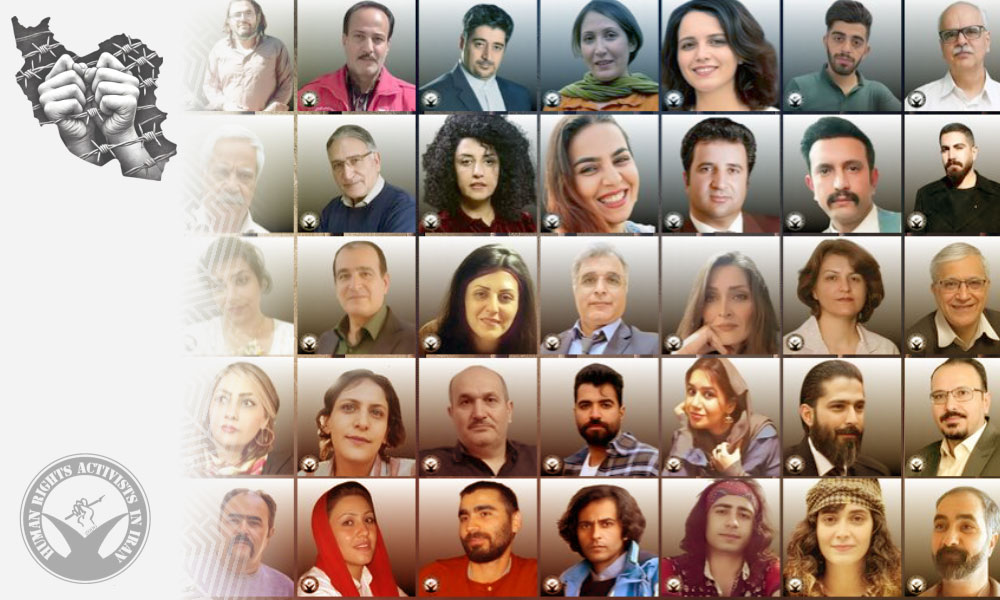
HRANA News Agency –Human Rights Day is an opportunity to reflect on the condition of imprisoned civil activists in Iran, individuals who are behind bars solely for defending fundamental human rights. HRANA, by publishing a list of these brave activists, calls on the international community to amplify their voices and demand the immediate release of advocates for freedom and justice.

This day serves as a moment to reconsider the role of human rights defenders and civil activists in societies where fundamental rights are still subject to structural violations. Marked annually on the global calendar, it commemorates the principles laid out in the Universal Declaration of Human Rights, adopted on December 10, 1948, principles that recognize freedom of expression, the prohibition of torture, the right to a fair trial, and human dignity as inalienable rights of all individuals. Nevertheless, the current reality in Iran highlights a stark gap between these international standards and the domestic situation.

In Iran, many human rights defenders, civil society activists, trade unionists, environmentalists, and advocates for fundamental freedoms face the threat of arrest, harsh sentences, and long-term deprivation, even for entirely peaceful activities conducted within the framework of domestic laws. These individuals, who constitute a significant part of the country’s civil society fabric, consistently encounter security pressures, broad restrictions, and systematic rights violations in their pursuit of transparency, justice, and equality. Most have been sentenced following closed-door trials, with limited access to legal counsel and based on vague or unsubstantiated charges, a process that not only contradicts Iran’s international obligations but also deeply impacts the civic space in the country.

In this report, HRANA publishes a list of over 61 imprisoned human rights defenders and civil activists in Iran, including 8 of whom currently being held in pretrial detention. This list is the result of ongoing collection, verification, and documentation efforts, aiming to provide a clear representation of the various dimensions of human rights violations against these defenders. The publication of this list is not merely the release of names; it tells a part of the story of Iranian civil society, in which the struggle to defend human rights can come at the cost of one’s freedom, health, and personal security.

Beyond commemorating foundational principles, Human Rights Day is also an occasion to consider the role of society and international institutions in supporting these defenders. Raising public awareness, demanding accountability from authorities, and supporting activists’ efforts are essential tools for advancing human rights in Iran. Through this report.

This report, in addition to documenting and reporting on these individuals’ conditions, is a step toward transparent and continuous documentation, aimed at preserving the truth, preventing collective amnesia, and laying the groundwork for accountability. Despite pressures and restrictions, human rights defenders in Iran remain a vital part of the collective effort to achieve a freer and more just society. Human Rights Day is a moment to once again bring their names and efforts to the forefront.

List of names:
Mohammad Najafi1. Mohammad Najafi, Civil Rights Activist

Charges:
Sending a voice message from Arak Prison and expressing support for the 2022 nationwide protests; spreading falsehoods; propaganda against the regime; insulting the Supreme Leader.
Conviction: At least six separate cases totaling more than 24 years in prison.
Place of imprisonment: Evin Prison.
sharifeh mohammadi2. Sharifeh Mohammadi, labor activist

Charges: Propaganda against the regime; acting against national security; baghi (armed rebellion) through membership in one of the opposition groups.
Conviction: Following an order by the head of the judiciary, her sentence was reduced by one degree and changed to 30 years in prison.
Place of imprisonment: Lakan Prison in Rasht.

3. Fatemeh Sepehri, civil activist

Charges: Cooperation with hostile governments; assembly and collusion; insulting the Supreme Leader; propaganda against the regime; spreading falsehoods and disturbing public opinion.
Conviction: In five separate cases, a total of 41 years and 9 months in prison plus a monetary fine.
Place of imprisonment: Vakilabad Prison in Mashhad.

4. Golrokh Iraee, civil activist

Charges: Assembly and collusion against national security; propaganda against the regime; disrupting public order.
Conviction: Five years in prison and social deprivations.
Place of imprisonment: Evin Prison.

5. Maryam Akbari Monfared, civil activist

Charges: Propaganda against the regime and assembly and collusion against national security.
Conviction: Two years in prison.
Place of imprisonment: Qarchak Prison in Varamin.

6. Zartosht Ahmadi Ragheb, civil activist

Charges: Propaganda against the regime; assembly and collusion to commit crimes against internal and external security.
Conviction: In two separate cases, a total of six years and eight months in prison, social deprivations, and exile.
Place of imprisonment: Ghezel Hesar Prison in Karaj.

7- Payam Vali, Baha’i civil activist

Charges: Cooperation with hostile governments; inciting or persuading people to war and killing each other; propaganda against the regime.
Conviction: In three separate cases, 11 years and 5 months in prison, social deprivations, and exile.
Place of imprisonment: Karaj Central Penitentiary.

8. Mohammad Davari, labor activist

Charges: Insulting the Supreme Leader and propaganda against the regime in favor of anti-regime groups on the Internet.
Conviction: Four years and six months in prison, social deprivations, and exile.
Place of imprisonment: Adelabad Prison in Shiraz.

9. Hashem Khastar, civil activist

Charges: Insulting the founder of the Islamic Republic; insulting sacred values; insulting the Supreme Leader; disturbing public opinion; cooperation with foreign media; participating in unlawful gatherings; and propaganda against the regime.
Conviction: In two separate cases, a total of 18 years and six months in prison, social deprivations, and exile.
Place of imprisonment: Vakilabad Prison in Mashhad.

10. Anisha Asadollahi, labor activist

Charges: Assembly and collusion against national security and propaganda against the regime.
Conviction: Five years and eight months in prison.
Place of imprisonment: Evin Prison.

11- Mehran Raoof, labor activist

Charges: Participation in running an unlawful group and propaganda against the regime.
Conviction: Seven years and six months in prison.
Place of imprisonment: Evin Prison.

12- Mohammad Nourizad, civil activist

Charges: Sending an audio file out of Evin Prison; disrupting public order; spreading falsehoods; insulting the founder of the Islamic Republic; insulting sacred values; insulting the Supreme Leader; disturbing public opinion; cooperation with foreign media; participating in unlawful gatherings; propaganda against the regime; and damaging the door and window of the ward chief’s office.
Conviction: In six separate cases, a total of 28 years and 9 months in prison, 148 lashes, and exile.
Place of imprisonment: Evin Prison.

13- Saeed Madani, civil activist

Charges: Forming and administering anti-regime groups.
Conviction: Four years in prison.
Place of imprisonment: Damavand Prison.

14. Ahmadreza Haeri, civil activist

Charges: Assembly and collusion with the intent to commit a crime against national security; propaganda activities against the regime; and spreading falsehoods.
Conviction: In two separate cases, a total of six years and three months in prison.
Place of imprisonment: Ghezel Hesar Prison in Karaj.

15. Reza (Gholamreza) Aghdasi, labor activist

Charges: Propaganda against the regime and assembly and collusion with the intent to commit a crime against national security.
Conviction: Four years and three months in prison.
Place of imprisonment: Evin Prison

16. Arman Shadivand, environmental activist

Charges: Propaganda against the regime and insulting the Supreme Leader.
Conviction: Two years in prison.
Place of imprisonment: Darreh Shahr Prison.

17. Narges Mansouri, civil activist

Charges: Assembly and collusion against national security, and propaganda against the regime.
Conviction: Nine years in prison.
Place of imprisonment: Evin Prison.

18. Abbas Vahedian Shahroudi, civil activist

Charges: Forming a group with the intent to act against national security, and cooperating with groups opposing the regime.
Conviction: A total of 24 years in prison and two years of exile in three separate cases.
Place of imprisonment: Vakilabad Prison in Mashhad.

19. Mohammad Abolhasani, civil activist

Charges: Disrupting public order; assembly and collusion against national security; and propaganda activities against the regime.
Conviction: In three separate cases, a total of five years and three months in prison, social deprivations, and 12 lashes. The flogging sentence has been carried out.
Place of imprisonment: Choubindar Prison in Qazvin.

20- Taher Naghavi, attorney and civil activist

Charges: Propaganda against the regime and assembly and collusion with the intent to disrupt national security.
Conviction: Six years in prison and social deprivations.
Place of imprisonment: Evin Prison.

21- Maryam Jalal Hosseini, civil activist

Charges: Inciting and persuading people to war and violence against one another with the intent to disrupt national security; propaganda against the regime; insulting the Supreme Leader; and forming a group aimed at undermining national security.
Conviction: Six years in prison and exile.
Place of imprisonment: Kachouei Prison in Karaj.

22- Shakila Monfared, civil activist

Charges: Membership in anti-regime groups; destruction of public property; disrupting public order and public peace; propaganda activities against the regime; and insulting Islamic sacred values.
Conviction: In four separate cases, a total of 15 years and five months in prison, ten lashes, social deprivations, and exile.
Place of imprisonment: Evin Prison.

23- Morteza Seydi, labor activist

Charges: Forming a group under the name of a labor union with the intent to disrupt national security.
Conviction: Two years in prison.
Place of imprisonment: Evin Prison.

24. Nasrollah Amirloo, labor activist

Charges: Forming a group under the name of a labor union with the intent to disrupt national security.
Conviction: Two years in prison.
Place of imprisonment: Evin Prison.

25. Morteza Parvin, Azerbaijani-Turk activist

Charges: Propaganda against the regime and assembly and collusion with the intent to disrupt national security.
Conviction: Six years in prison.
Place of imprisonment: Evin Prison.

 26. Foad Fathi, labor activist

Charges: Membership in anti-regime groups; acting against national security; and propaganda against the regime.
Conviction: Four years in prison.
Place of imprisonment: Evin Prison.

27. Abdolrasoul Mortazavi, civil activist

Charges: Insulting the founder of the Islamic Republic; insulting sacred values; insulting the Supreme Leader; disturbing public opinion; cooperating with foreign media; participating in unlawful gatherings; propaganda against the regime; and disrupting public order.
Conviction: In three separate cases, 30 years in prison, with the maximum cumulative sentence stated as 15 years in prison.
Place of imprisonment: Dastgerd Prison in Isfahan.

28. Fariba Kamalabadi, Baha’i civil activist

Charges: Administering an organization described by authorities as a “deviant and misguided sect” with the aim of disrupting national security.
Conviction: Ten years in prison.
Place of imprisonment: Evin Prison.

29. Javad La’al-Mohammadi, civil activist

Charges: Giving interviews to foreign media and membership in anti-regime groups.
Conviction: In three separate cases, a total of 23 years in prison.
Place of imprisonment: Vakilabad Prison in Mashhad.

30- Golareh Abbasi, civil activist

Charges: Assembly and collusion against national security, and propaganda against the regime.
Conviction: 33 months in prison.
Place of imprisonment: Evin Prison.

31. Arsham Rezaei, civil activist

Charges: Assembly and collusion with the intent to commit a crime against national security; propaganda activities against the regime; inciting people to clashes and bloodshed; acquiring illicit gains; and spreading falsehoods.
Conviction: In two separate cases, a total of 15 years in prison, a monetary fine, 50 lashes, and social deprivations.
Place of imprisonment: Ghezel Hesar Prison in Karaj.

32- Vadood Asadi, Azerbaijani-Turk activist

Charges: Propaganda against the regime; membership in opposition groups; insulting the Supreme Leader; and assembly and collusion against national security.
Conviction: In two separate cases, a total of six years and three months in prison.
Place of imprisonment: Evin Prison.

33- Salar Taher Afshar, Azerbaijani-Turk activist

Charges: Assembly and collusion against national security.
Conviction: Five years in prison.
Place of imprisonment: Evin Prison.

34. Abdolaziz Azimi-Ghadim, Azerbaijani-Turk activist

Charges: Propaganda against the regime and assembly, and collusion against national security.
Conviction: Six years in prison.
Place of imprisonment: Evin Prison.

35. Elham Salehi, civil activist

Charges: Propaganda activities against the regime; spreading falsehoods; and appearing in public without a hijab.
Conviction: One year in prison and complementary punishments.
Place of imprisonment: Qarchak Prison in Varamin.

36. Abolfazl Khoran, teachers’ union activist

Charges: Insulting sacred values and disrupting public order and public peace.
Conviction: A total of six years in prison, 74 lashes, and a 40 million toman fine in two separate cases.
Place of imprisonment: Arak Prison.

37- Masoud Farhikhteh, teachers’ union activist

Charges: Assembly and collusion with the intent to commit crimes against the country’s internal security, and propaganda activities against the regime.
Conviction: Four years, one month, and 17 days in prison.
Place of imprisonment: Karaj Central Penitentiary.

38- Reza Mohammad-Hosseini, civil activist

Charges: Membership in anti-regime groups with the aim of disrupting national security; assembly and collusion to commit a crime against national security; and propaganda activities against the regime.
Conviction: Initially 41 years and six months, later reduced to five years in prison at the appeals stage.
Place of imprisonment: Ghezel Hesar Prison in Karaj.

39- Mahboobeh Rezaei, civil activist

Charges: Membership in anti-regime groups with the aim of disrupting national security; assembly and collusion with the intent to commit a crime against national security; propaganda activities against the regime; insulting Islamic sacred values; unveiling (appearing without hijab); and displaying immoral behavior in cyberspace.
Conviction: Initially 19 years and 9 months, later reduced to five years in prison at the appeals stage.
Place of imprisonment: Evin Prison.

40. Abbas Lessani, Azerbaijani-Turk activist

Charges: Forming an unlawful group; assembly and collusion against national security; and disrupting public order.
Conviction: He is being held in pretrial detention and has not yet been tried.
Place of imprisonment: Evin Prison.

41. Farhad Fahandej, Baha’i civil activist

Charges: No information has yet been made available regarding the charges brought against Mr. Fahandej.
Conviction: He is being held in pretrial detention and has not been tried.
Place of imprisonment: A Ministry of Intelligence’s detention facilities in Gorgan.

42. Jahangir Rostami, teachers’ union activist

Charges: No information has yet been made available regarding the charges brought against Mr. Rostami.
Conviction: He is being held in pretrial detention and has not been tried.
Place of imprisonment: The Ministry of Intelligence’s detention facility, known as Ward 209 of Evin Prison.

43. Ehsan Rostami, cultural activist

Charges: No information has yet been made available regarding the charges brought against Mr. Rostami.
Conviction: He is being held in pretrial detention and has not been tried.
Place of imprisonment: The Ministry of Intelligence’s detention facility, known as Ward 209 of Evin Prison.

44. Hassan Tozandehjani, cultural activist

Charges: No information has yet been made available regarding the charges brought against Mr. Tozandehjani.
Conviction: He is being held in pretrial detention and has not been tried.
Place of imprisonment: The Ministry of Intelligence’s detention facility, known as Ward 209 of Evin Prison.

45. Ramin Rostami, cultural activist

Charges: No information has yet been made available regarding the charges brought against Mr. Rostami.
Conviction: He is being held in pretrial detention and has not been tried.
Place of imprisonment: The Ministry of Intelligence’s detention facility, known as Ward 209 of Evin Prison.

46. Nima Mahdizadegan, cultural activist

Charges: No information has yet been made available regarding the charges brought against Mr. Mahdizadegan.
Conviction: He is being held in pretrial detention and has not been tried.
Place of imprisonment: The Ministry of Intelligence’s detention facility, known as Ward 209 of Evin Prison.

47. Mehdi Farrahi Shandiz, teachers’ union activist

Charges: No information has yet been made available regarding the charges brought against Mr. Farrahi Shandiz.
Conviction: He is being held in pretrial detention and has not been tried.
Place of imprisonment: Evin Prison.

The following list includes activists who are currently outside prison due to a suspension of their sentences, furlough, or other similar circumstances:


1. Narges Mohammadi, Nobel Peace Prize laureate and human rights activist

Charges: Propaganda activities against the Islamic Republic of Iran through publishing a statement (the statement against executions); staging a sit-in inside the prison office; disobeying the prison warden and officials (for refusing to end the protest sit-in); breaking windows; defamation and causing bodily harm; confrontation with an officer and disobedience; and additional propaganda activities against the regime.
Conviction: In seven separate cases, a total of 15 years and six months in prison, 74 lashes, exile, and social deprivations.
Place of imprisonment: Evin Prison (currently on medical furlough with the execution of her sentence temporarily suspended).

2- Amirsalar Davoudi, attorney and human rights activist

Charges: Insulting the Supreme Leader; disturbing public opinion; and forming an anti-security group.
Conviction: 14 years in prison.
Case status: Following the Supreme Court’s Branch 39 decision to accept his request for retrial and refer the case to a parallel branch, the enforcement of his sentence has been halted.

3- Fatemeh (Mojgan) Tadrisi, civil activist

Charges: Inciting and persuading people to war and violence against one another with the intent to disrupt national security; propaganda against the regime; insulting the Supreme Leader; and forming a group aimed at undermining national security.
Conviction: Six years in prison and exile.
Place of imprisonment: Kachouei Prison in Karaj (currently on medical furlough).

4. Peyman Farhangian, labor activist

Charges: Propaganda against the regime and forming a group with the intent to disrupt public order.
Conviction: In two separate cases, a total of 11 years in prison and social deprivations.
Place of imprisonment: Azbaram Prison in Lahijan (currently on furlough).

5. Jelveh Javaheri, women’s rights activist

Charges: Propaganda against the regime.
Conviction: One year in prison.
Case status: Following the request for retrial at the Supreme Court, the execution of her sentence has been temporarily halted, and she has been released on bail pending review.

6. Yasamin Heshdari, women’s rights activist

Charges: Membership in a group and assembly and collusion with the intent to disrupt national security.
Conviction: Six years, one month, and 17 days in prison.
Case status: Following the request for retrial at the Supreme Court, the execution of her sentence has been temporarily halted, and she has been released on bail.

7- Sara Jahani, women’s rights activist

Charges: Membership in a group and assembly and collusion with the intent to disrupt national security.
Conviction: Six years, one month, and 17 days in prison.
Case status: Following the request for retrial at the Supreme Court, the execution of her sentence has been temporarily halted, and she has been released on bail.

8- Matin Yazdani, women’s rights activist

Charges: Membership in a group and assembly and collusion with the intent to disrupt national security.
Conviction: Six years, one month, and 17 days in prison.
Case status: Following the request for retrial at the Supreme Court, the execution of her sentence has been temporarily halted, and she has been released on bail.

9- Negin Rezaei, women’s rights activist

Charges: Membership in a group and assembly and collusion with the intent to disrupt national security.
Conviction: Six years, one month, and 17 days in prison.
Case status: Following the request for retrial at the Supreme Court, the execution of her sentence has been temporarily halted, and she has been released on bail.

10- Forough Sami-Nia, women’s rights activist

Charges: Membership in a group and assembly and collusion with the intent to disrupt national security.
Conviction: Six years, one month, and 17 days in prison.
Case status: Following the request for retrial at the Supreme Court, the execution of her sentence has been temporarily halted, and she has been released on bail.

11- Shiva Shah-Siah, women’s rights activist

Charges: Membership in a group and assembly and collusion with the intent to disrupt national security.
Conviction: Six years, one month, and 17 days in prison.
Case status: Following the request for retrial at the Supreme Court, the execution of her sentence has been temporarily halted, and she has been released on bail.

12- Azadeh Chavoshian, women’s rights activist

Charges: Membership in a group and assembly and collusion with the intent to disrupt national security.
Conviction: Six years, one month, and 17 days in prison.
Case status: Following the request for retrial at the Supreme Court, the execution of her sentence has been temporarily halted, and she has been released on bail.

13- Zohreh (Fatemeh) Dadras, women’s rights activist

Charges: Forming a group with the aim of disrupting national security, and assembly and collusion with the intent to disrupt national security.
Conviction: Nine years, six months, and two days in prison.
Case status: Following the request for retrial at the Supreme Court, the execution of her sentence has been temporarily halted, and she has been released on bail.

14. Zahra Dadras, women’s rights activist

Charges: Membership in a group and assembly, and collusion with the intent to disrupt national security.
Conviction: Six years, one month, and 17 days in prison.
Case status: Following the request for retrial at the Supreme Court, the execution of her sentence has been temporarily halted, and she has been released on bail.

Human Rights Day is also an opportunity to re-examine the values that form the foundation of human dignity, values such as justice, freedom, and equality, rooted in international documents and human experience. The names recorded in this report reflect only a portion of a broader reality, one in which human rights defenders and civil activists in Iran, solely for their commitment to human principles and peaceful activities, face deprivation of liberty, security pressures, and fundamental rights violations.

These individuals, despite the limitations and high costs, embody values recognized by the international community. Silence or indifference toward their condition is not only a disregard for human suffering but also a dismissal of the principles on which the international system is built. In this context, on Human Rights Day, the following are demanded from Iranian authorities and the international community:

• Immediately and unconditionally release all individuals detained for the peaceful exercise of their rights, and review all related convictions to vacate unjust charges and ensure reparations for victims.

• End unlawful restrictions on the freedom of expression, association, assembly, and civic engagement, and halt the use of vague national security charges that criminalize peaceful dissent.

• Guarantee due process and fair trial rights, including access to independent legal counsel from the moment of arrest, transparent legal proceedings, and full access to families, medical care, and communication.

• Prohibit torture and all forms of ill-treatment, end the use of coerced forced confessions, and allow independent monitoring and inspections of all detention facilities.

• Allow independent monitoring and international engagement, including granting access to the UN Fact-Finding Mission, Special Rapporteurs (Thematic and Geographic Mandates), and credible civil society organizations to assess conditions and investigate violations.

• Establish effective accountability and oversight mechanisms to prevent recurrence of abuses, ensure judicial independence, reform vague criminal provisions enabling arbitrary detention, and hold perpetrators who enable the cycle of abuse against activists, responsible.

Finally, civil society as well as citizens across the globe are called upon to continue their support, advocacy, and awareness-raising efforts, ensuring that the situation of these prisoners is not sidelined. Amplifying their voices and demanding adherence to human rights obligations are essential steps toward achieving lasting change and alleviating the suffering of those who have sacrificed their freedom in defense of human rights.
Mohammad Abolhasani Sentenced to Four Years in Prison

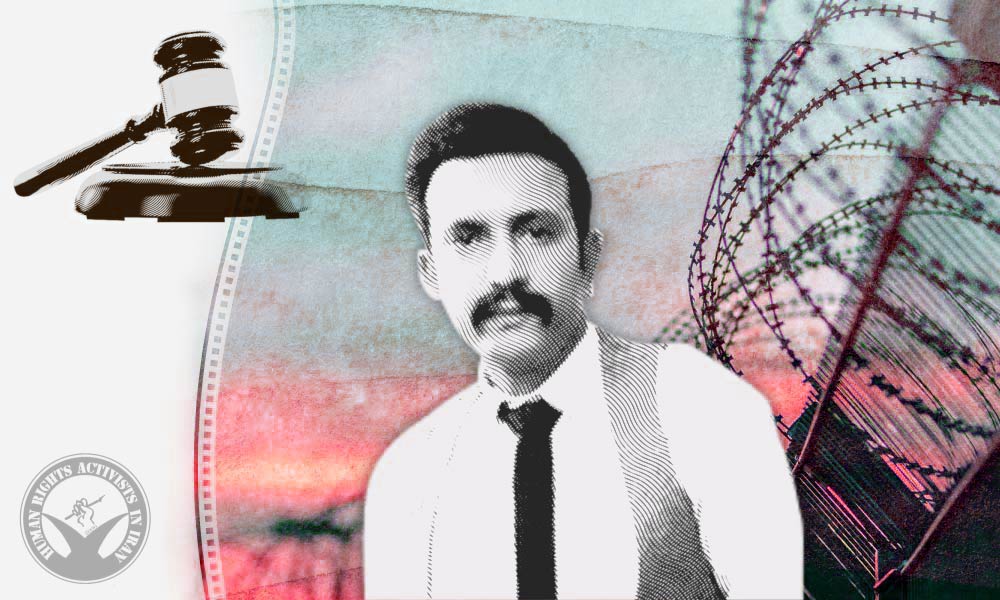
The Tehran Revolutionary Court sentenced imprisoned civil rights activist Mohammad Abolhasani to four years in prison in a new legal case.

According to HRANA, the news agency of Human Rights Activists, civil rights activist Mohammad Abolhasani was sentenced to four years on the charge of “assembly and collusion.”

On August 24, 2022, Abolhasani was indicted on the charges of “propaganda against the regime” and “association with anti-regime media.”
 
It is the second time that Abolhasani has faced a new legal case during incarceration.

On June 13, 2019, security forces arrested Abolhasani. Tehran Revolutionary Court sentenced him to two years on the charge of “assembly and collusion against national security”. This verdict was later reduced to 18 months. For the charge of “spreading falsehood”, he was banned from leaving the country for two years and additional punishments.

While Abolhasani was serving his sentence, judicial authorities opened a new case against him and two other civil rights activists Arsham Rezai and Shakila Monfared. He was then sentenced to 15 months in prison on the charge of “propaganda against the regime”. In April 2021, he served his sentence and was released from Evin Prison. However, he had to provide bail for the new charge.

Imprisoned Mohammad Abolhasani Faces New Charges

Judicial authorities have indicted civil rights activist Mohammad Abolhasani on the charges of “propaganda against the regime,” and “association with anti-regime media”. Abolhasani is currently serving his sentence in Evin Prison.

According to HRANA, the news agency of Human Rights Activists, on August 24, 2022, the Evin prosecutor’s office indicted imprisoned civil rights activist Mohammad Abolhasani. This is the second time that he faces a new legal case during incarceration.

An informed source close to Abolhasani’s family told HRANA that there is concern that this new case has been opened to deter his release.  

On June 13, 2019, security forces arrested Abolhasani. Tehran Revolutionary Court sentenced him to two years on the charge of “assembly and collusion against national security”. This verdict was later reduced to 18 months. For the charge of “spreading falsehood”, he was banned from leaving the country for two years and additional punishments. 

While Abolhasani was serving his sentence, judicial authorities opened a new case against him and two other civil rights activists Arsham Rezai and Shakila Monfared. He was then sentenced to 15 months in prison on the charge of “propaganda against the regime”. In April 2021, he served his sentence and was released from Evin Prison. However, he had to provide bail for the new charge. Presently, as he is approaching the end of his prison sentence, he is facing new charges again.

Coronavirus outbreak in Iranian prisons

On February 29, 2020, Ebrahim Raisi, the Chief Justice of Iran, issued a circular laying out policies to prevent the spread of Coronavirus in prisons.  This order mandates giving 15 -30 days furlough to prisoners with sentences less than five years. Another part of this order is about reducing entries into prisons, temporary releases, and public activities in prisons. In addition, this order mandates to increase alternative sentences and suspended prison terms instead of imprisonments.

Although the Chief Justice of Iran announced that the prisoners with less than five years prison term will be granted furlough, the prison authorities are not cooperative with political prisoners and prisoners of conscience to implement this regulation. As an example, Esmaeil Abdi and Negin Ghadamian were sentenced to five years imprisonment and after spending four and three years in prison respectively, they were not granted any furlough. Nazanin Zaghari’s husband reported that she is suspected to have Coronavirus. She is serving the 4th year of her five-year imprisonment sentence. Reportedly, three women were diagnosed with Coronavirus in Evin Prison.

The number of prisoners suspected of having coronavirus is increasing. Several prisoners suspected of having coronavirus were identified in Urmia, Khorramabad, Gorgan, Sanandaj, Qom, and other prisons.


A letter from political prisoner’s families

With the current spread of Coronavirus in prisons in Iran, some of the families of the political and security prisoners have written a letter to the judicial authorities on February 26, 2020, requesting furlough for prisoners until this crisis (Coronavirus) is over in the prisons. Considering the closed environment of the prison, malnutrition of the prisoners, shortage of medical care and facilities, high density of prisoners, and the occurrence of some cases suspected to be related to coronavirus has raised concerns of the families of prisoners.

The families of the following prisoners have signed this letter:

Mahmoud Beheshti Langeroudi, Esmaeil Abdi, Mohammad Habibi, Narges Mohammadi, Amir Salar Davoudi, Farhad Meisami, Roeen Otoufat, Jafar Azimzadeh, Shahnaz Akmali, Majid Azarpey, Atena Daemi, Sam Rajabi, Morad Tahbaz, Niloufar Bayani, Abdolreza Kouhpaieh, Amirhossein Khaleghi, Houman Jokar, Taher Ghadirian, Neda Naji, Mehrdad Mohammadnejad, Mohammad Abolhasani, Peyman Koushkbaghi, Aras Amiri, Jafar Fazel, and Alireza Golipour.

In some of the prisons, such as Khorramabad or Sanandaj Prisons, the prisoners asked the authorities to provide them with medical and hygiene necessities and to quarantine the prisoners who are suspected to be infected and have threatened that if this negligence is continuous, they will go on hunger strike. Other prisons such as Karaj, Tabriz, Evin and many other prisons across the country are also demanding similar precautions.


A death in Greater Tehran Central Penitentiary

It should be noted that on the same day, a prisoner of Greater Tehran Central Penitentiary who had symptoms similar to that of Coronavirus passed away after the prison authorities delayed in transferring him to the hospital to receive proper medical care. His name was Hamid Reza and he was 44 years old. He was convicted of a financial felony who was serving his sentence in Greater Tehran Central Penitentiary. He was initially diagnosed with symptoms of flu but after a few days, he started to cough and eventually passed away in the prion.

In addition, 60 prisoners of Greater Tehran Central Penitentiary who were working in the kitchen or service sector, were transferred to Rajai Shahr Prison. Moreover, 7 other prisoners in section 5 ward 2 have Coronavirus symptoms; they were kept in the medical ward without receiving medical care and were not transferred to the hospital.


Evin Prison and the violation of the Prisoners Classification Regulation

Amir Hossein Moradi, Saeed Tamjidi, Mohammad Rajabi, Milad Arsanjani, Jamil Ghahremani, and 15 other arrestees of the last November’s protests who were kept in Greater Tehran Central Penitentiary, were moved from their cell after an inmate was diagnosed with Coronavirus in their cell. Amir Hossein Moradi returned to prison on February 29, 2020, after spending a week in the hospital for another disease. He returned to his cell but after an hour he was transferred to the medical ward for his positive test results of Coronavirus. Although they were told that they will be transferred to Yaft Abad Hospital, they were transferred to ward 1 of this prison, which belongs to the prisoners who committed violent crimes. In June 2019, Alireza Shir Mohammadi, a political prisoner, was fatally stabbed in this ward by two other inmates of this ward who were charged with a drug felony. After this incident, the prison authorities moved other political prisoners from this ward to avoid future incidents. This is against prisoners’ segregation rule. According to a close source “section, 1 of the Greater Tehran Central Penitentiary has 10 wards and one suite which had been used as an exile to punish the prisoners who get in the fight or carry drugs. Since 2018, the political prisoners have been transferred to this suite. This suite has limited facilities and does not even have access to prison commissaries. Their door should be locked all the time however, in the case of Mr. Shir Mohammadi, the warden intentionally did not lock the door which was illegal.

Alireza Shir Mohammadi, a 21-year-old political prisoner at the Greater Tehran Central Penitentiary was murdered in prison on June 10, 2019. He was attacked by two other prisoners, who were later convicted of murder and sentenced to death. The prisoner in question was stabbed in the neck and stomach and died before arriving at the hospital. Shir Mohammad Ali was arrested on July 14, 2018, and was sentenced to eight years in prison on charges of “blasphemy”, “insulting the former and current Supreme Leaders”, and “propaganda against the state”.  He was detained in a solitary confinement cell for 36 days after being arrested. His bail was set at 80 million Tomans but the Revolutionary Court illegally rejected his release on bail. Throughout his prosecution process, he did not have access to an attorney because of his financial conditions. He was waiting for the decision of the appeal’s court when he was murdered. He protested his detention along with non-political prisoners and went on a hunger strike on March 14, 2019, which ended on April 16 after prison authorities accepted his demands. He also wrote open letters criticizing the “unsafe” and “inhumane” conditions of Greater Tehran’s Penitentiary Prison. He wrote an open letter five days into his hunger strike on March 18, 2019. In this letter, he explained the awful condition he was experiencing in prison. In addition, he claimed that he was denied regular social rights that any prisoner is entitled to have. However, his main request, reflected in this letter, was to be transferred to another prison (Evin prison). No judicial authorities or prison officials reacted to his open letter. 

A prisoner of ward 4 of Evin Prison was transferred to an unknown place for his positive test results of Coronavirus. He kept with several other prisoners and political prisoners of this ward who are on hunger strike and are more vulnerable to this disease.


Khorramabad and Ghezel Hesar Prisons

On March 1, 2020, the prisoners of Khorramabad Prison have started a sit-in to protest not being sent to furlough although Coronavirus has spread in this prison. There is a shortage of access to medical care and hygiene products for the diagnosis and treatment of Coronavirus. Several prisoners who have symptoms of this disease did not receive any treatment and were kept with other prisoners. Several prisoners who went on furlough were returned to prison. A close source to a family of a prisoner in this prison told HRANA that a sick inmate with severe coughs received neither medical care nor disinfecting substances and hygiene products such as alcohol, mask, and gloves.

Two prisoners of Qezelhesar Prison, Basat Ali Khazaei, and Gholamhossein Abolfavaei were moved to the quarantine section in the health ward due to having positive test results of Coronavirus. They were charged with drug felony and kept in a ward with 500 other inmates.


Rajai Shahr and Urmia Prisons

The prisoners are deprived of medical care, disinfecting substances, and hygiene products such as alcohol, mask, and gloves.  Payam Shakiba, Mohammad Banazadeh Amirkhizi, and Majid Asadi are serving their third year in prison. Arash Sadeghi, who is diagnosed with Chondrosarcoma (bone cancer), has had an infection in his right hand, digestion issues, and because of his weak immune system should be prioritized to be granted a furlough. Saeed Shirzad is spending the last months of his prison sentence.

On March 2, 2020, Mohammad Ghanbardoost, a political prisoner, was transferred to the hospital due to having symptoms of coronavirus disease. He kept with other political prisoners and may infected others. He was arrested on August 16, 2017, and was sentenced to five years in prison on the charge of “cooperating with Takfiri groups”.

Several Coronavirus suspected patients in Urmia Prison were transferred to hospitals outside the prison. One Urmia prisoner died in hospital, but prison authorities claimed that he was infected outside the prison.


Update on political prisoners temporary releases

On March 3, 2020, Mohammad Karimi granted a furlough and temporarily released until April 3, 2020. Mr. Karimi was sentenced to one-year imprisonment on the charge of “propaganda against the state” which was upheld by the appeals court. on July 3, 2020, he was arrested and transferred to Evin Prison to serve his sentence.

On March 2, 2020, Shahnaz Akmali, political prisoner, was granted a furlough and temporarily released until April 3, 2020. She was arrested on January 15, 2020. She was sentenced to one-year imprisonment and was banned from having any social media account, membership in any group, and leaving the country on the charge of “propaganda against the state”. An appeals court upheld her sentence without hearing either Ms. Akmali or her attorney. She is the mother of Mostafa Karim Beygi one of the people who was killed by security forces during green movement uprising in 2009.

On February 29, 2020, Reza Gholamhosseini, a political prisoner of Bandar Abbas Prison, was granted a furlough and temporarily released until April 3, 2020. He was arrested on September 25, 2019, and was sentenced to three years imprisonment on the charges of “propaganda against the state” and “insulting supreme leader”. His sentence was reduced to 18 months later because he did not request an appeal.

Seven Civil Rights Activists Were Sentenced to 29 Years Imprisonment

On December 4, 2019, Moin Hajizadeh, Raha Ahmadi, Leila (Khadijeh) Mirghafari, Armin Sourani, Mohammad Abolhasani, Saman Zandian, and Vahid Ghadirzadeh were sentenced to 29 years imprisonment, combined. On November 10, 2019, they were tried at the Branch 15 of Tehran’s Revolutionary Court headed by judge Abolghasem Salavati.

Saman Zandian and Moin Hajizadeh were sentenced to eight years in prison on the charge of “propaganda against the state”, “insulting the Supreme Leader”, and “assembly and collusion”. Raha Ahmadi, Armin Sourani, Mohammad Abolhasani, and Vahid Ghadirzadeh were sentenced to two years imprisonment for the charge of “assembly and collusion”. Leila (Khadijeh) Mirghafari was sentenced to five years imprisonment on the charge of “assembly and collusion”.

Based on the Article 134 of Iran’s Islamic Penal Code, the charge with the highest penalty will be considered; this means that Saman Zandian and Moin Hajizadeh should serve five years and six months in prison, Armin Sourani, Mohammad Abolhasani, and Vahid Ghadirzadeh should serve two years in prison, and Leila (Khadijeh) Mirghafari should serve five years in prison.

Moin Hajizadeh was arrested on August 8, 2019 by security forces and was transferred to an unknown location. He is now in the Ward 4 of Evin Prison. Raha Ahmadi was arrested on August 4, 2019 by security forces and was transferred to Qarchak Prison in Varamin in late August. She was initially charged with “propaganda against the state”, “assembly and collusion”, “cooperation with enemy states”, and “promoting corruption and prostitution” in her incitement at the prosecution office of Evin Prison. Although her bail was set after two months, her 600 million Toman [approximately 55 thousand dollars] bail has never been accepted.

Leila Mirghafari was arrested in September 2018 by security forces and was transferred to Qarchak Prison. Mohammad Abolhasani was arrested on August 14, 2019 based on a verdict by the Branch 28 of the Revolutionary Court.

Saman Zandian was arrested amid the demonstrations against the economic hardship in August 2018. He completed his sentence in prison but was notified about his new charges in August 2019. Vahid Ghadirzadeh was arrested in August 1, 2019 by security forces in Ardabil and is still in a limbo state.

A video was published earlier that shows some of these activists handing out flowers and talking to people in the subway.

Subscribe to Our Newsletter

Now is definitely not the time to stop reading!

The trial of seven civil rights activists was held in the Revolutionary Court of Tehran

On November 10, 2019, Moin Hajizadeh, Raha Ahmadi, Leila Mirghafari, Armin Sourani, Mohammad Abolhasani, Saman Zandian, and Vahid Ghadirzadeh were tried at the Branch 15 of Tehran’s Revolutionary Court headed by judge Abolghasem Salavati. They were charged with “propaganda against the state” and “assembly and collusion”.

Moin Hajizadeh was arrested on August 8, 2019 by security forces and was transferred to an unknown location. He is now in the Ward 4 of Evin Prison. Raha Ahmadi was arrested on August 4, 2019 by the security forces and was transferred to Qarchak Prison in Varamin in Late August. She was initially charged with “propaganda against the state” , “assembly and collusion”, “cooperation with enemy states”, and “promoting corruption and prostitution” in her incitement at the prosecution office of the Evin Prison. Although her bail was set after two months, her 600 million Toman [approximately 55 thousand dollars] bail has never been accepted.

Leila Mirghafari was arrested in September 2019 by security forces and was transferred to Qarchak Prison. Mohammad Abolhasani was arrested on August 14, 2019 based on a verdict of the Branch 28 of the Revolutionary Court.

Saman Zandian was arrested amid the demonstrations against the economic hardship in August 2018. He completed his sentence in prison but was notified about his new charges in August 2019. Vahid Ghadirzadeh was arrested in August 1, 2019 by security forces in Ardabil and is still in a limbo state.