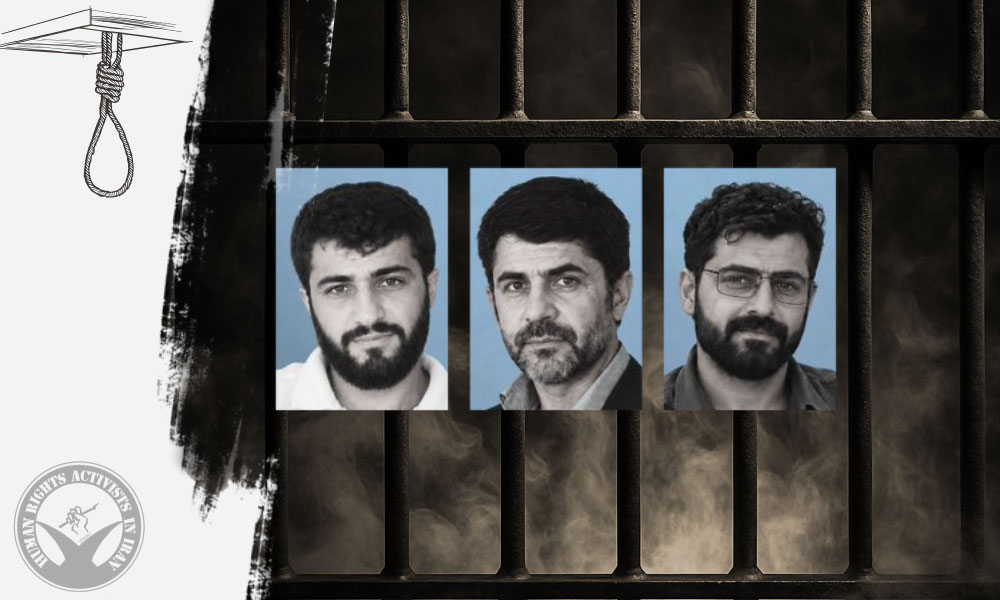
Three Prisoners Executed in Tabriz Prison

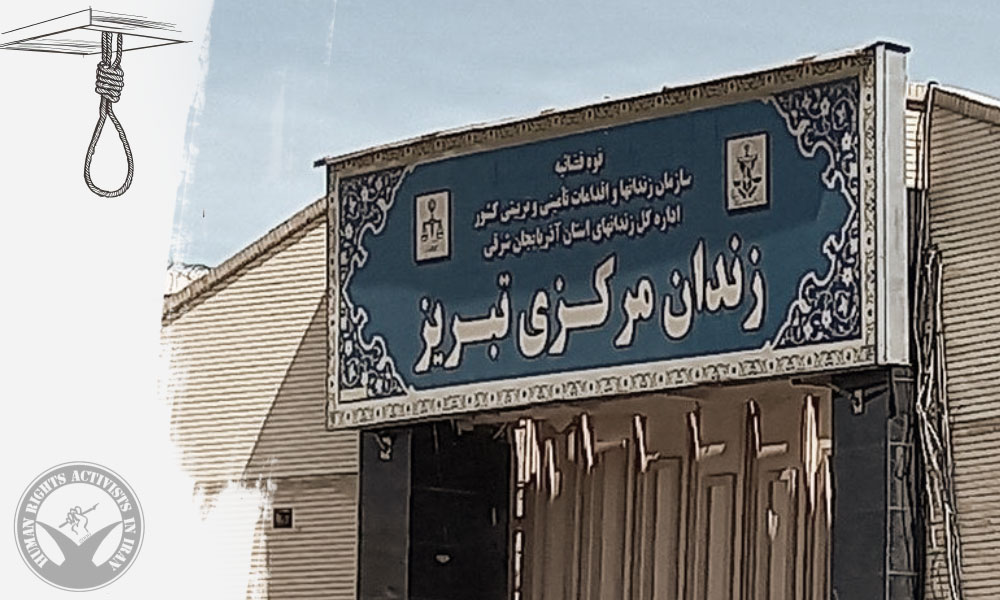
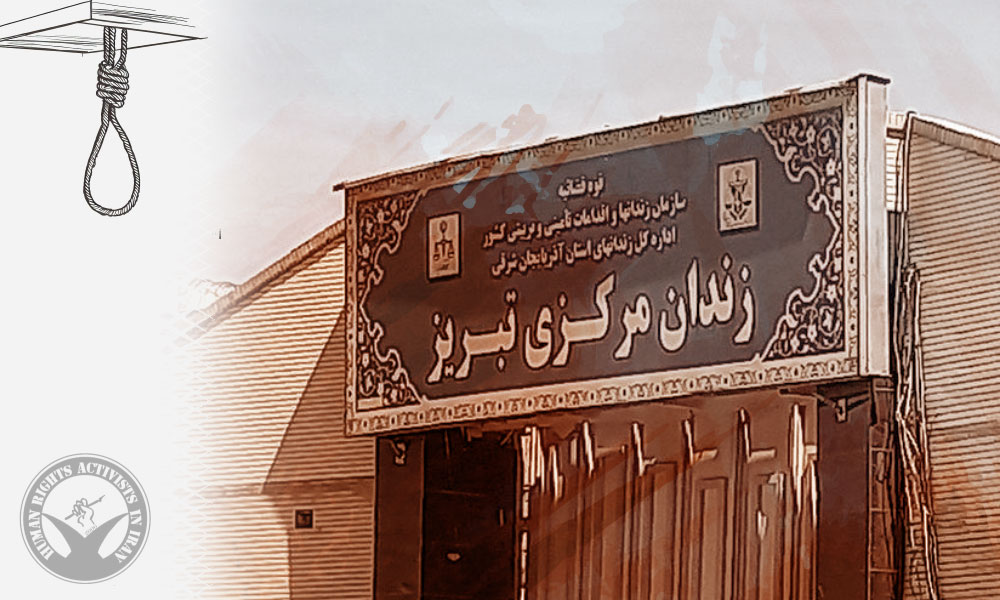
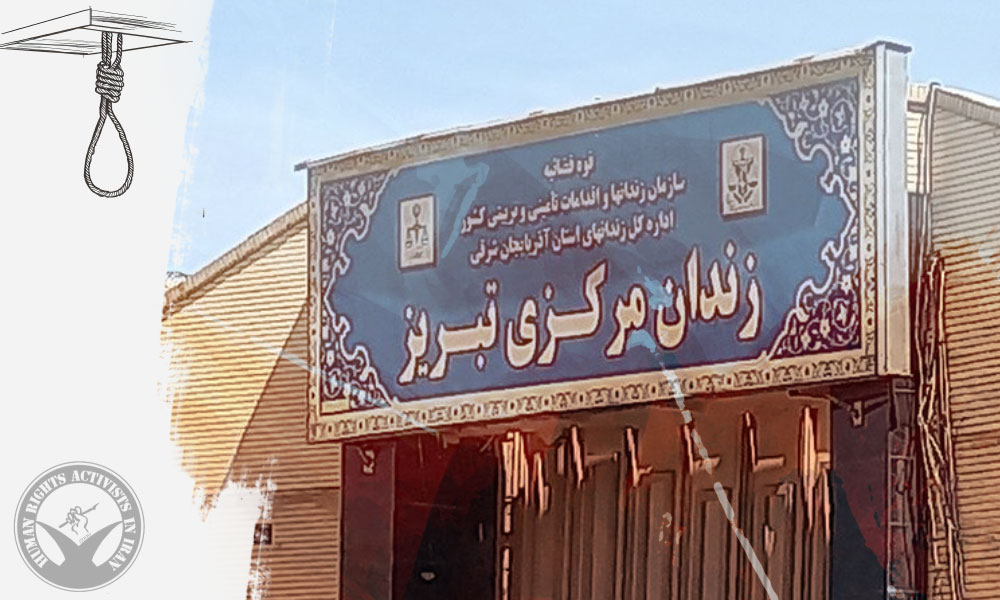
HRANA – The death sentences of three prisoners in Tabriz Prison, who had previously been convicted on charges related to drug offenses and murder, have been carried out.

According to a report by the Iran Human Rights Organization, on the morning of Sunday, April 19, 2026 , a woman named Hanifeh Avandi was executed in Tabriz Prison. She had previously been sentenced to death on a murder charge. Additionally, on the morning of Wednesday, April 22, 2026, two other prisoners, Akbar Molaei, 38, and Javad Abedi, 41, were executed in the same prison. They had been tried in a joint case on charges related to drug offenses.

The report further states that Hanifeh Avandi was forced into marriage at a young age under family pressure and, about five years ago, after a period of married life, killed her husband. A prison doctor, referring to her mental condition, stated that she had suffered from psychological issues during her imprisonment and had been under medical supervision. The doctor also emphasized that she had been in unfair circumstances and should not have been sentenced to death.

According to the report, Akbar Molaei and Javad Abedi were arrested about three years ago on charges of transporting and possessing four kilograms of narcotics (methamphetamine and heroin) and were sentenced to death by the Revolutionary Court of Tabriz. It has been reported that Akbar Molaei had a 7-year-old child.

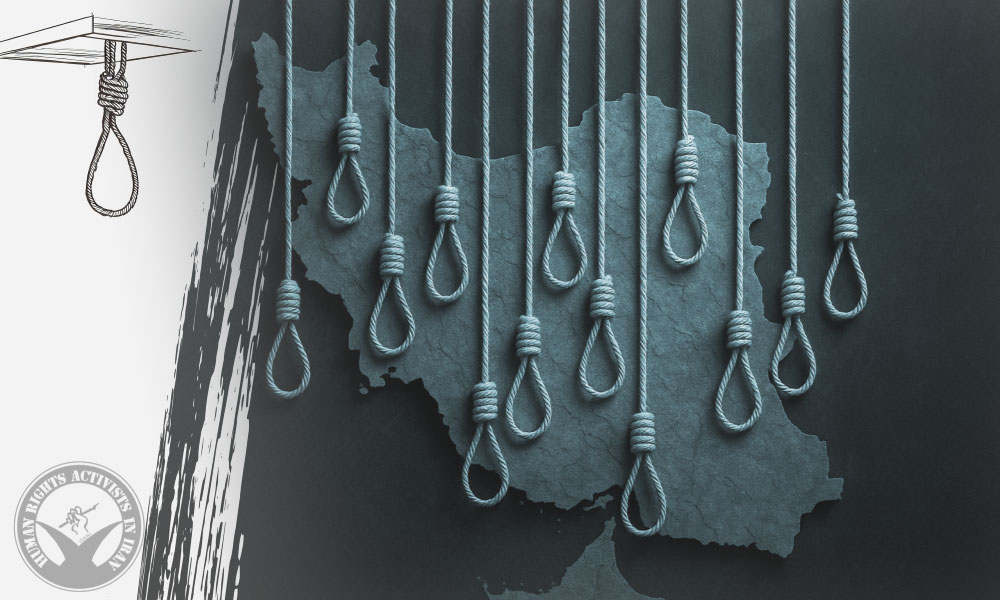
According to HRA’s Annual Report, in 2025 at least 2,063 citizens, including 61 women and 2 juvenile offenders, were executed. Of these, the sentences of 11 individuals were carried out in public. During the same period, 172 other individuals were sentenced to death.

19 Prisoners Executed in Multiple Prisons

HRANA – On Sunday, January 4, the death sentences of 16 prisoners, previously convicted on charges related to drug offenses and murder, were carried out in various prisons across Iran. Additionally, on January 3, the death sentences of three prisoners convicted of murder and moharebeh (enmity against God) through armed robbery were carried out in Adelabad Prison in Shiraz.

The identities of the 16 prisoners executed at dawn on Sunday, January 4, have been confirmed by HRANA as follows:

  • • Aydin Salavati, executed on drug-related charges in Tabriz Prison

  • • Ebrahim Bazvand, executed on murder charges in Tabriz Prison

  • • Nima (last name unknown), executed in Bandar Abbas Prison

  • • Saeed Rostami, executed in Qazvin Prison

  • • Amin Elahi, executed on murder charges in Qom Prison

  • • Arman Nazari, executed on drug-related charges in Semnan Prison

  • • Vali Karambeigi, executed on murder charges in Borujerd Prison

  • • Sajad Golmohammadi, executed on murder charges in Ardabil Prison

  • • Kazem Sourian, executed on murder charges in Khorramabad Prison

  • • Soroush Khani, executed on murder charges in Karaj Penitentiary

  • • Mohsen Qaedrahmat, executed on murder charges in Aligudarz Prison

  • • Shakaram Masti, executed on murder charges in Kermanshah Prison

  • • Hamid Reza Moradi, executed on murder charges in Dezful Prison

  • • Asghar Babaei, executed on drug-related charges in Hamedan Prison

  • • Noureddin Eidizadeh, executed on murder charges in Nahavand Prison

  • • Ahmad Saki, executed on drug-related charges in Nahavand Prison

Additionally, three prisoners were executed on January 3 in Adelabad Prison in Shiraz. The identities of two of them have been confirmed by HRANA as Asghar Shahi and Khalil Rahmani. Mr. Rahmani had been arrested and sentenced to death on charges of murder, while Mr. Shahi and the third prisoner had been sentenced to death on charges of moharebeh through armed robbery.

As of the time of this report, the executions have not been officially announced by prison authorities or relevant state institutions.

According to the annual report on the state of human rights in Iran, published by the Statistics, Publications, and Documentation Unit of the Human Rights Activists in Iran, at least 2,063 people were executed in Iran during the one-year period from January 1, 2025, to January 1, 2026. Based on this report, the number of executions more than doubled compared to 2024. In many cases, due to secrecy surrounding executions, prisoners were denied the right to a final visit with their families.

Drug-Related Charges: Three Prisoners Executed in Tabriz Prison

HRANA – Yesterday, 18 November 2025, the death sentences of three prisoners previously convicted on drug-related charges were carried out in Tabriz Prison.

HRANA has confirmed the identities of the prisoners who were hanged at dawn yesterday: Mehrdad Alivand, Yadollah Kazemi, and Jalil Moghanlou. These individuals had been arrested on drug-related charges and later sentenced to death by Revolutionary Courts.

As of the time of this report, prison authorities and relevant institutions have not announced the executions.

According to HRANA’s report, in 2024, over 52 percent of executed prisoners had been convicted on drug-related charges. Over the past ten years, individuals convicted of drug trafficking have accounted for 40 percent of all executions. Unfortunately, HRANA’s statistics show no progress in reducing executions for drug-related offenses.

From the beginning of this year until the end of October, the Iranian regime has executed 1,286 people, marking an unprecedented increase compared to previous years.

Two Prisoners Executed in Tabriz Prison

HRANA – At dawn on Sunday, November 2, 2025, the death sentences of two prisoners who had previously been convicted of murder were carried out in Tabriz Prison.

HRANA has been able to confirm the identity of one of the executed prisoners as Saeed Moghanlou.

According to information obtained by HRANA, the two prisoners had been arrested earlier on charges of murder and later sentenced to death by criminal courts.

As of the time of this report, the execution of these prisoners has not been officially announced by prison authorities or judicial officials.

In 2024, according to 812 reports compiled by HRANA, the Iranian regime executed 930 individuals in its prisons, marking the highest number of executions in the past 12 years. Despite the scale of these executions, prison officials and other relevant authorities publicly acknowledged only 6% of them, highlighting the regime’s lack of transparency and accountability.

Two Prisoners Executed in Tabriz Prison

HRANA – At dawn on Wednesday, September 17, the death sentences of two prisoners previously convicted of murder in separate cases by the Criminal Court were carried out in Tabriz Prison.

Iran Human Rights has identified the identities of the two prisoners as Zahra Fotouhi, 52, from Tabriz, and Morteza Shirkhani, 40, from Tabriz.

According to the report, Ms. Fotouhi was arrested in 2020 on a charge of murder and later sentenced to death by the Criminal Court, while Mr. Shirkhani was arrested in 2021 on a similar charge and likewise sentenced to death.

Ms. Fotouhi was accused of murdering her first husband due to alleged harassment, nine years after remarrying following her divorce. Mr. Shirkhani, meanwhile, was arrested for allegedly killing a friend over financial disputes.

As of the time of this report, the executions have not been officially announced by prison authorities or other relevant institutions.

In 2024, according to 812 reports compiled by HRANA, the Iranian regime executed 930 individuals in its prisons—marking the highest number of executions in the past 12 years. Despite the scale of these executions, prison officials and other relevant authorities publicly acknowledged only 6% of them, highlighting the regime’s lack of transparency and accountability.

Subscribe to Our Newsletter

Now is definitely not the time to stop reading!

Lawyer Abolfazl Ranjbari Held Without Charge for Over Four Months in Tabriz Prison

Abolfazl Ranjbari, a lawyer, has been in detention for more than four months and remains held in an uncertain state in Tabriz Prison.

According to HRANA, Abolfazl Ranjbari has now been detained for 138 days. A source close to the prisoner’s family told HRANA: “After two months of interrogation and being held in The Ministry of Intelligence’s detention facility in Tabriz, Mr. Ranjbari was transferred to the quarantine ward of Tabriz Prison. He is now held in Ward 5, known as the secure ward (‘Health Ward’), without a clear status. So far, no opportunity has been given for him to post bail. Mr. Ranjbari has also been denied contact and visits with his family and relatives.”

His case, after being reviewed by the Tabriz Public and Revolutionary Prosecutor’s Office, has been sent to the city’s court for trial.

Abolfazl Ranjbari, lawyer and writer, was arrested by security forces in Tabriz on May 4 of this year.

Seven Prisoners Executed in Tabriz Prison

HRANA – On Sunday, September 7, the death sentences of seven prisoners convicted in separate cases on drug-related charges were carried out in Tabriz Prison.

HRANA has confirmed the identities of five of the executed prisoners as Tofigh Nemati, Hooshang Henareh, Babak Omarzadeh, Keyvan Mamedi, and Najib Azarm. The Iran Human Rights has reported the identities of the other two as Sadegh Bahmani and Mojtaba Salemi.

Details available include: Tofigh Nemati, from Bardizi village near Urmia; Hooshang Henareh, from Khalian village near Urmia; Babak Omarzadeh, 45, from Gonbad village near Urmia; and Keyvan Mamedi, 43, from Derik village in Salmas. Najib Azarm was identified as the son of Haj Ali Kalankani. According to Iran Human Rights, both Bahmani and Salemi were residents of Tabriz.

The prisoners had been arrested in separate cases on charges related to drug offenses and were subsequently sentenced to death by Revolutionary Courts.

As of the time of this report, prison authorities and other relevant institutions have not publicly announced these executions.

According to HRANA’s report, in 2024, over 52 percent of executed prisoners had been convicted on drug-related charges. Over the past ten years, individuals convicted of drug trafficking have accounted for 40 percent of all executions. Unfortunately, HRANA’s statistics show no progress in reducing executions for drug-related offenses.

Two Prisoners Executed in Tabriz Prison

HRANA– At dawn on Wednesday, August 20, two prisoners who had previously been sentenced to death on murder charges were executed in Tabriz Prison.

HRANA has identified the individuals hanged at dawn on Wednesday, August 21, 2025, as Naghi Shahi and Yashar Lejehi. Based on information received by HRANA, Messrs. Shahi and Lejehi had been arrested on murder charges and later sentenced to death by criminal courts.

As of the time of this report, the executions of these two prisoners have not been announced by prison officials or other relevant authorities.

In 2024, according to 812 reports compiled by HRANA, the Iranian regime executed 930 individuals in its prisons—marking the highest number of executions in the past 12 years. Despite the scale of these executions, prison officials and other relevant authorities publicly acknowledged only 6% of them, highlighting the regime’s lack of transparency and accountability.

Two Prisoners Executed in Tabriz Prison

HRANA News Agency – At dawn yesterday, two prisoners who had previously been sentenced to death in a joint case involving drug-related charges and the killing of an officer during their arrest were executed in Tabriz Prison.

The identities of the two prisoners executed on Monday, July 7, have been confirmed by HRANA as Amin Khosravi and Saeed Asadzadeh.

According to information received by HRANA, the two were arrested in 2021 in a joint case on charges related to drug offenses and the killing of an officer. They were initially arrested for drug-related crimes and allegedly killed a law enforcement officer during the arrest.

As of the time of this report, the execution of these individuals has not been officially announced by prison authorities or relevant institutions.

In 2024, according to 812 reports compiled by HRANA, the Iranian regime executed 930 individuals in its prisons—marking the highest number of executions in the past 12 years. Despite the scale of these executions, prison officials and other relevant authorities publicly acknowledged only 6% of them, highlighting the regime’s lack of transparency and accountability.

Drug-Related Offenses: Prisoner Executed in Tabriz Prison

HRANA News Agency – At dawn on Tuesday, June 3, 2025, the death sentence of a prisoner previously convicted on drug-related charges was carried out in Tabriz Prison.

According to HRANA, citing Iran Human Rights, the execution took place at dawn on Tuesday, June 3, 2025.

ran Human Rights has identified the prisoner as Gholi Faramarzi, approximately 50 years old and a resident of Urmia.

According to the report, Mr. Faramarzi was arrested five years ago on charges related to drug offenses and later sentenced to death by a judicial authority.

As of the time of this report, prison officials and responsible institutions have not publicly announced the execution.

In 2024, according to 812 reports compiled by HRANA, the Iranian regime executed 930 individuals in its prisons—marking the highest number of executions in the past 12 years. Despite the scale of these executions, prison officials and other relevant authorities publicly acknowledged only 6% of them, highlighting the regime’s lack of transparency and accountability.