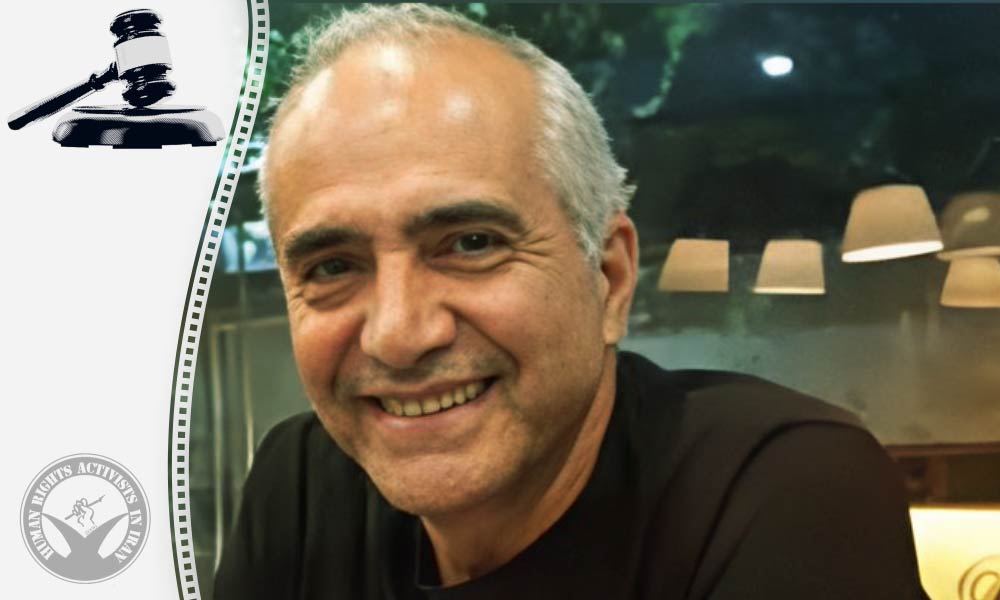
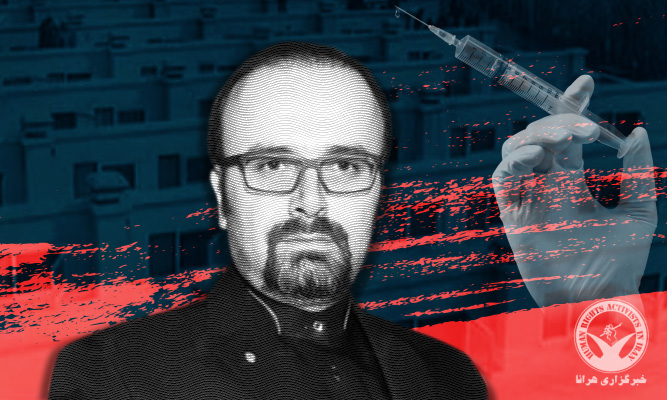
Saeed Dehghan has revealed more details about the arrest of his colleague, lawyer and human rights activist Payam Derafshan.
According to HRANA, the news agency of Human Rights Activists, Dehghan claims in a note on his personal social media page that on June 7, 2020, 17 security agents raided Derafshan’s office and arrested him.
The post says, the agents took him to a so-called safe house and then, from there, to a solitary confinement cell in detention center No 2A. There they injected him with an unknown drug causing seizure and subsequent hospitalization.
“Not just a human rights activist, (Derafshan) was the secretary of the commission for the Protection of Lawyers, which is devoted to protects the lawyers who face security and judicial issues,” Derafshan’s note reads. “On June 7, 2020, 17 security forces raided his office, inspected the office and confiscated his personal computer and other documents…From the very time of arrest through the interrogation process, the interrogators of IRGC’s intelligence unit wanted to find out why he accepted Kavous Seyed-Emami’s case…They transferred him with a blindfold to a safe house rather than a detention centre. In addition to denying access to a phone call and informing his family and lawyer, his confinement in a dark cell without any windows in summertime put the maximum mental and corporeal pressure on him. Thereafter, they transferred him to detention centre No 2A, which is at the disposal of IRGC. Being held in a cell with always-on-bright lamps, noisy ventilation and stinky toilet and long interrogation were making sleeping hard for him.”
When Mr. Derafshan complained about this situation, he was reportedly threatened with an electric shocker and then taken to prison healthcare where he was injected with an unknown drug. This injection caused a seizure, tongue biting and subsequent fainting and internal bleeding.
According to the note, they transferred him to the hospital the following day for surgery on his tongue. Thereafter, they extended the detention period and sent him back to the public ward of Evin Prison without providing any medical treatment for recovery time after surgery. When he got seizures again, they hospitalized him in a psychiatric hospital where he received electric shocks, which not only exacerbated his seizure problem, but also caused brain damage and consciousness disorders.
On July 6, 2020, the Branch 26 of Tehran Revolutionary Court, headed by Judge Iman Afshari sentenced Payam Derafshan to two years and six months imprisonment on the charge of “the propaganda against the regime, spreading lies and disturbing public opinions and carrying illegal shocker and sprays”. He was exonerated on the charge of “assembly and collusion against national security”. The verdict was upheld on appeal but reduced to two years grounded on the applicability of “Punishment Reduction Law”. After issuing the sentence, he was sent on furlough and after serving one-third of his term, he was released on probation to complete the treatment process.
In a previous case, Branch 1 of Karaj Revolutionary Court had sentenced him to two years imprisonment and two years occupational deprivation as a lawyer on the charge of “offensive statements against the supreme leader of Iran”. The imprisonment was reduced to one year on appeal. The conviction was held in suspension. It is unknown whether, after the last final conviction, this previous conviction will come out of suspension.
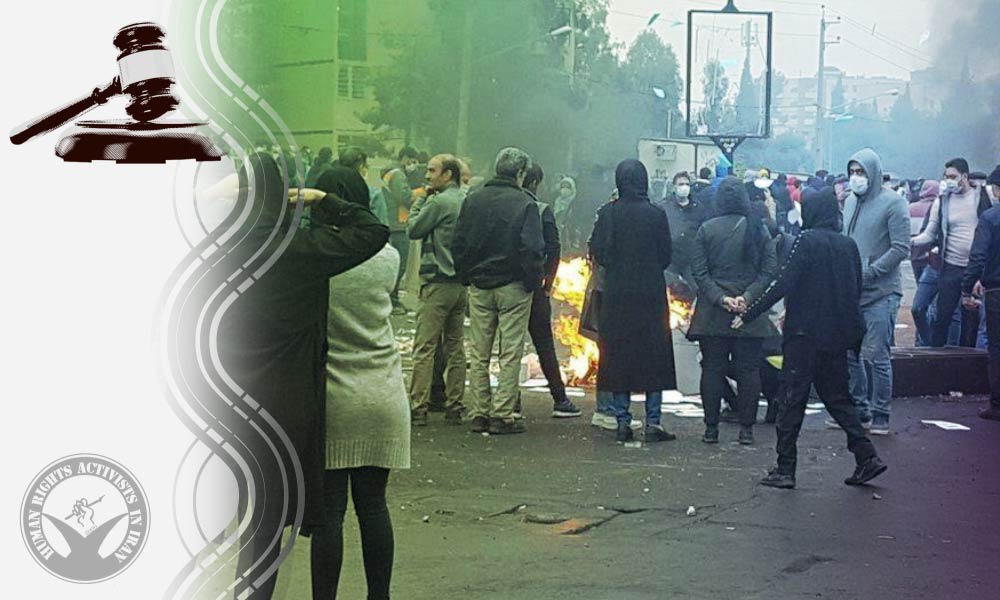
Payam Derafshan has been the lawyer of many political prisoners and prisoners of conscience such as Muhammad Najafi, Vida Movahed, Nasrin Sotoudeh, Kavous Seyed-Emami’s family, Fatemeh Khishavand, Sekineh Parvaneh and a number of arrestees in the nationwide protests of November 2019.