January Protests: Samira Rezvanifar Remains Detained in Vakilabad Prison, Mashhad

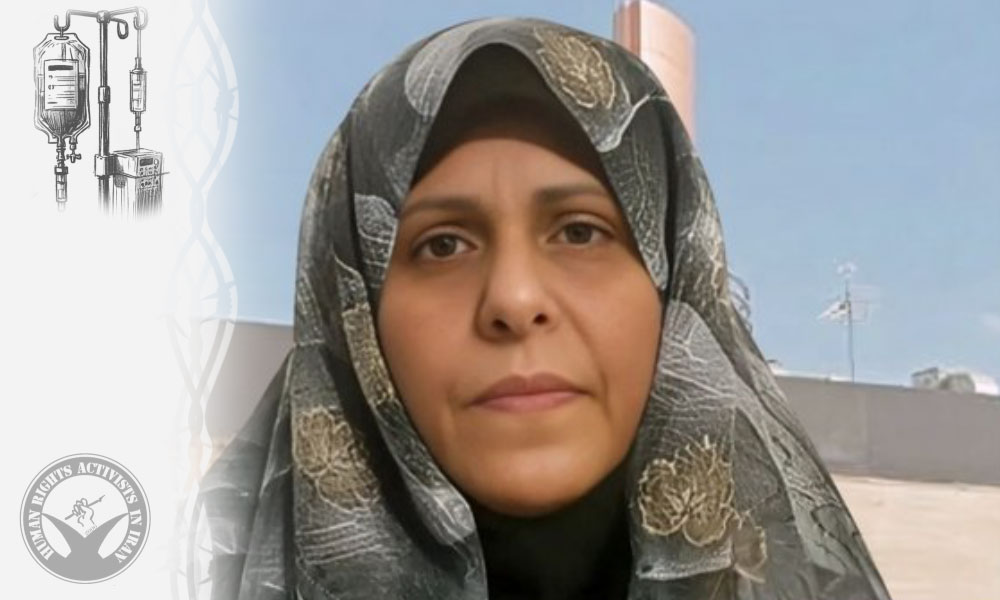
HRANA – Samira (Fatemeh) Rezvanifar, one of those arrested during the 2026 nationwide protests in Mashhad, has been held in legal limbo in Vakilabad Prison for nearly four months.

Based on information received by HRANA, Ms. Rezvanifar was arrested by security forces on January 17, 2026, during the nationwide protests in Mashhad. Following her arrest, she was transferred to the quarantine ward of Vakilabad Prison in Mashhad and, after 111 days, remains in judicial limbo.

A source close to her family told HRANA’s journalist that no court hearing has yet been held to address her case, and no information has been obtained regarding the charges against Samira. According to the source, her family’s efforts to secure her temporary release have so far been unsuccessful.

According to reports received by HRANA, detained and imprisoned women held in the quarantine section of Vakilabad Prison in Mashhad are facing harsh conditions. These prisoners are deprived of basic facilities, including proper ventilation, standard sanitary services and showers, beds, and adequate access to medical care.

It should be noted that protests and strikes by shopkeepers and bazaar merchants began in Tehran on Sunday, December 28, 2025, and within two days spread beyond markets and commercial centers. With the participation of students, citizens, and various social groups, these protests became one of the largest protest movements of recent years. Following the crackdown by security and law enforcement forces, thousands were killed or injured, and tens of thousands were arrested or summoned by security agencies. For more information, readers may refer to HRANA’s comprehensive report titled “Crimson Winter,” documenting the first fifty days following the outbreak of Iran’s nationwide protests.
 

Azadeh Yaghoubi Remains in Limbo at Vakilabad Prison in Mashhad

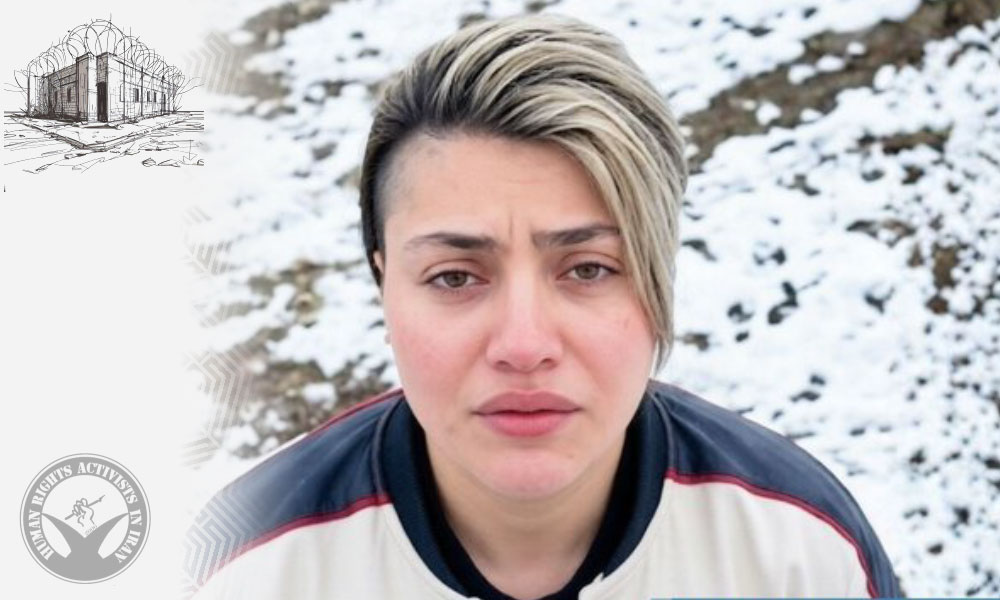
HRANA – Azadeh (Masoumeh) Yaghoubi, a resident of Mashhad, has been detained for more than three months following her arrest by security forces during the nationwide protests and remains held without clarification of her legal status in Vakilabad Prison in Mashhad.

Based on information received by HRANA, Ms. Yaghoubi was arrested by security forces in Mashhad on February 3, 2026. She is currently being held in the quarantine ward of Vakilabad Prison in Mashhad.

A source familiar with her situation confirmed the news and told HRANA: “It has been 93 days since Azadeh’s arrest, and we still have no information regarding the charges brought against her. Additionally, her temporary release has not been possible so far.”

According to reports received by HRANA, detained and imprisoned women held in the quarantine section of Vakilabad Prison in Mashhad are facing harsh conditions. These prisoners are deprived of basic facilities, including proper ventilation, standard sanitary services and showers, beds, and adequate access to medical care.

It should be noted that protests and strikes by shopkeepers and bazaar merchants began in Tehran on Sunday, December 28, 2025, and within two days spread beyond markets and commercial centers. With the participation of students, citizens, and various social groups, these protests became one of the largest protest movements of recent years. Following the crackdown by security and law enforcement forces, thousands were killed or injured, and tens of thousands were arrested or summoned by security agencies. For more information, readers may refer to HRANA’s comprehensive report titled “Crimson Winter,” documenting the first fifty days following the outbreak of Iran’s nationwide protests.

Mounting Pressure on Prisoners: Shortages of Water, Food, and Medical Care

HRANA – Following developments arising from wartime conditions in Iran, prisoners in a number of the country’s prisons have faced disruptions in the provision of some of their basic needs. Reports indicate shortages of suitable drinking water, reductions in the quantity and quality of food, limitations on the operation of prison stores, shortages of medication, and a decline in medical services. The present report reviews details of conditions in prisons including Greater Tehran, Evin, Vakilabad in Mashhad, Urmia, Khorin, Ghezel Hesar, Khorramabad, and Kermanshah.

Based on information received by HRANA, in recent weeks prisoners in several prisons across the country have encountered similar problems in obtaining essential items. Among these problems are shortages of drinking water, a decline in the quality and quantity of food, restrictions on the operation of prison stores, and shortages of medication. In many of these prisons, water is supplied from wells and, according to former and current prisoners, it is not suitable for drinking. As a result, prisoners are forced to purchase bottled water from prison stores.

However, under the recent conditions, the supply of bottled water to some prisons has decreased, and the price of each bottle has reached around 25,000 tomans, an amount that, according to reports, many prisoners cannot afford.

In addition, reports indicate that prisoners in most of these prisons receive two meals per day, but the quantity and quality of the food have significantly declined compared to the period before the wartime conditions in Iran. At the same time, many prison stores are facing shortages of goods; in some cases, the stores have been closed for several days or have operated with nearly empty shelves. The high level of overcrowding in prisons has further increased pressure on prisoners and raised concerns regarding their hygienic and living conditions. There have also been reports of restrictions on prisoners’ phone calls and family visits.

A former staff member of Khorramabad Prison told HRANA regarding the prison’s population: “Approximately 4,750 prisoners are held in Khorramabad Prison, with the majority of convictions related to assault, theft, financial crimes, and murder. The prison has nine wards, one of which is allocated to service operations. The wards are assessed as having moderate access to natural light. On average, around 500 prisoners are held in each ward, while the bed capacity per ward is about 360. As a result, some prisoners are forced to sleep on the floor or stay in the prayer hall spaces of the wards.”

He added: “Even under normal conditions, the prison infirmary did not have sufficient medication, and a doctor was present in the prison only one day per week. Additionally, no counseling or psychological services were provided in the prison. With the start of the war, these conditions have worsened and resources have become even more limited.”

Another informed source told HRANA about the quality of food in the prison: “Currently, prisoners receive two meals per day, but the amount of food has been reduced to nearly half compared to before the wartime conditions in Iran began, and its quality has also dropped to roughly half.”

According to information obtained by HRANA, Greater Tehran Prison, despite being considered one of the largest prisons in the country, has faced a shortage of space following the transfer of a large number of prisoners from Evin Prison, including detainees from the nationwide protests of December. As a result, sleeping on the floor in rooms, corridors, and even prayer halls has become a common situation.

A lawyer representing one of the prisoners held in Greater Tehran Prison told HRANA that the conditions of prisoners in this facility are no different from those in other prisons. This attorney, who requested anonymity for security reasons, added that many detainees from the December protests are being held in this prison, and that the principle of separation of prisoners based on their alleged offenses is not being observed. According to him, the quality of food has declined compared to the period before the attacks on Iran, and the portion size of each meal has been reduced to about half. He also described the hygienic conditions of the prison as poor due to overcrowding, adding that these circumstances have raised serious concerns among the families of many detainees and prisoners about the physical well-being of their loved ones. The prison store has been closed, and prisoners are also facing a shortage of drinking water.

A prisoner who was recently released from Kermanshah Prison told an HRANA reporter: “Around 4,000 prisoners are held in this prison, but the accommodation conditions are not the same for everyone.”

He added:“Prisoners receive two meals per day, but the amount of food has decreased compared to the past, and its quality is about 40 percent of what it used to be. In some meals, for a stew prepared for around 20 people, only five small pieces of meat, each weighing about 10 grams, are included.”

At the same time, a relative of a prisoner held in Khorin Prison told HRANA that even before the war the prison had faced problems such as overcrowding and poor food quality, but that these issues have intensified since the outbreak of the war. As in other prisons, food portions have been reduced by half due to wartime conditions. Many prisoners are forced to purchase their food from the prison store, where prices are around 40 percent higher than outside, placing additional financial pressure on families. The prison’s drinking water, which is supplied from a well, is also of poor quality and has reportedly caused health problems such as kidney stones among prisoners. Under the current wartime conditions, the prison store is often closed or its shelves are largely empty. The prison infirmary’s doctor is present only during the early morning hours, and prisoners in need of urgent medical care are often left without treatment. In addition, the infirmary is facing shortages of medication.

In Urmia Prison, prisoners are facing similar conditions. The mother of one of the prisoners held there told HRANA: “Given the widespread attacks in Iran, I am worried about my child’s life. Earlier, in a letter, he had requested the prison authorities to grant him temporary leave during this period, but he has not yet received a response. In Urmia Prison, the quality of food has significantly declined compared to before the war, and meal portions have also been cut in half. Due to the current conditions, the prison store sells many goods to prisoners at prices higher than usual. Our family does not have the financial means to support my child so that he can buy water, food, and hygiene items from the store.”

This elderly mother added: “Visits in this prison have become very limited and are no longer like before. In a phone call my son had with me a few days ago, he said that the prison population is very high. Many people are being held in the quarantine ward. These are the same individuals who were arrested in December. The toilets and bathing facilities are not sufficient for all of us. I am worried about the health of my child and the other prisoners held in this prison.”

The child of a prisoner held in Vakilabad Prison in Mashhad also told HRANA about conditions in the prison and the physical state of ill prisoners, including his father: “Even before the war, the quality of food in this prison was poor, but now under the current conditions both the quantity and quality of food have dropped significantly. My father has heart disease and is currently in the prison infirmary, but due to the absence of a doctor and a shortage of medication, the care he receives has been very limited. In addition, many of the recent detainees are being held in this prison. The overcrowding is severe, and many people sleep in the prison corridors. As far as I know, many individuals are still being held in the prison’s quarantine section.”

He added: “The water in this prison is not drinkable. During this period, the prison store has also run out of goods, and water is being sold there at extremely high prices. Many prisoners cannot afford to buy it. In addition, we have been denied the ability to visit my father. All the families of prisoners are worried about their loved ones under these conditions.”

Prisoners in Evin Prison are also facing shortages of food and water. A prisoner who was recently granted temporary leave from the prison told HRANA: “Water has been cut off in some sections of the prison, the prison stores are closed, and telephone calls have been reduced to a minimum or blocked entirely.”

According to him, prisoners’ food rations have been reduced to one meal per day, and in some cases they are given only “dry bread and something resembling soup.” There are also reports that in some wards prisoners have faced severe shortages of water and food for several days at a time. The prison infirmary is also experiencing shortages of medication.

According to information obtained by HRANA, Ghezel Hesar Prison in Karaj is also facing significant overcrowding in terms of capacity and detention conditions.

An informed source told HRANA: “Overcrowding in this prison is severe, and as a result some prisoners are forced to sleep on the floor. At present, large groups are sleeping on the floors of the prayer halls, and in some of the larger rooms of the prison around five prisoners are also sleeping on the floor.”

The family of one of the prisoners held in this facility told HRANA: “The food given to prisoners is poor in quality, and under the current conditions its quantity has also decreased. Prisoners are forced to purchase the items they need from the prison store. The price of bottled water has increased by about 65 percent, and the price of beef has risen by about 113 percent.”

The spouse of another prisoner held in this prison also told HRANA about the state of medical services: “At present, a doctor is not effectively present, and only a nurse’s aide is available on a limited basis. Medical attention is very minimal, and there are no counseling or psychological support services.”

She added: “Under wartime conditions, prisoners’ concerns about the safety of their families have increased, which has affected their mental well-being. In addition, movement restrictions inside the prison have intensified, and prisoners’ movements are being conducted with greater caution.”

According to information received by HRANA, problems such as food shortages, declining quality of health and medical services, limited access to drinking water, and severe overcrowding are not limited to these prisons. Similar conditions have been reported in many prisons across Iran, particularly following the recent wartime conditions.

It should be noted that military attacks by the United States and Israel on Iran began on February 27, 2026. Since the start of these attacks, HRANA has been documenting and recording related developments across various parts of the country on a daily basis. For more information, readers may refer to HRANA’s detailed report on the eleventh day of the conflict, which was published last night.

Report on the Arrest of Ghazaleh Ra’yat, a Baha’i Citizen in Mashhad

HRANA – Ghazaleh Ra’yat, a Baha’i citizen residing in Mashhad, was arrested by security agents in mid-January and is being held in an uncertain legal status at Vakilabad Prison in this city.

Based on information received by HRANA, Ms. Ra’yat was arrested at her workplace in Mashhad in mid-January, following a search of her home, was transferred to the local Intelligence Office. She is currently being held without formal charges at Vakilabad Prison in Mashhad. As of the time of this report, no information has been obtained regarding the reasons for her arrest or the charges brought against her.

It is worth noting that gatherings and strikes by shopkeepers and market traders began in Tehran on Sunday, December 28 and after two days expanded beyond markets and commercial centers. With the participation of students, citizens, and various social groups, these protests became one of the most widespread in recent years. For more information, readers may refer to HRANA’s detailed report on the 31st day of the protests, published last night.

Arrest of Two Bahá’í citizens by Security Forces in Mashhad

HRANA- Sepehr Koushkbagi and Payam Faridian, both Bahá’í citizens, have been arrested by security forces in Mashhad.

According to information received by HRANA, Koushkbagi was arrested on January 11, 2026, at the home of one of his friends by agents of the Mashhad Intelligence Department. He was later transferred to Vakilabad Prison in Mashhad following interrogation. Mr. Faridian was also arrested on January 22, 2026, at his pottery workshop in Mashhad by security forces. Five days after his arrest, no information has been obtained regarding his place of detention.

As of the time of this report, no information is available regarding the charges brought against these Bahá’í citizens.

Sepehr Koushkbagi is a 31-year-old Bahá’í citizen residing in Mashhad. Payam Faridian is a photographer and potter living in Mashhad.

Subscribe to Our Newsletter

Now is definitely not the time to stop reading!

Continued Denial of Medical Care for Abbas Vahedian Shahroudi in Vakilabad Prison, Mashhad

HRANA – Abbas Vahedian Shahroudi, a writer and civil activist imprisoned in Vakilabad Prison in Mashhad, continues to be denied specialized medical care despite his poor physical condition, including the presence of a mass in his chest area.

A source close to the prisoner’s family, while confirming this information, told HRANA that Mr. Vahedian Shahroudi had previously been transferred to a hospital due to deteriorating physical condition and respiratory problems. Medical examinations revealed the presence of a mass in his chest. Despite the physician’s emphasis on the dangerous nature of this mass, no action has yet been taken to continue his treatment. Moreover, although nearly two weeks have passed, the final test results have still not been provided to the prisoner or his family, further intensifying their concerns about his health.

Previously as well, Vahedian Shahroudi had been denied access to specialized medical care despite suffering from serious health conditions, including heart and lung diseases, psoriasis, and high blood pressure.

In September of 2025, following the writing of a letter from Vakilabad Prison, Mr. Vahedian Shahroudi faced the opening of a new case. This political prisoner was sentenced to one year in prison on charges of propaganda against the regime, one year of discretionary imprisonment on the charge of “explicit confession to overthrow,” and two years of exile to the city of Zabol. Additionally, following a complaint by the presiding judge, he was sentenced to another year in prison on the charge of insulting an officer while on duty.

Vahedian Shahroudi, who suffers from multiple medical conditions, has consistently been denied access to specialized medical care. In November 2024, despite confirmation by the Legal Medicine Organization, his request based on inability to endure imprisonment was rejected by judicial authorities.

Mr. Vahedian Shahroudi has previously been arrested and convicted multiple times due to his activities. In Bahman 1400, he was sentenced to 10 years in prison on charges of “forming a group with the intent to act against national security and cooperating with groups opposed to the regime.” He had also been arrested in 2019 and 2020 and was later released on bail. Among his published works is the book “The Return of Genghis Khan the Mongol.”

Execution Sentence of Seyed Mohammad Javad Vafaie Suspended

HRANA – Iran’s Supreme Court has agreed to halt the execution of Seyed Mohammad Javad Vafaie Sani, a political prisoner held at Vakilabad Prison in Mashhad.

Babak Paknia, the defense attorney for this political prisoner, stated earlier today that an order to stop the execution of Mohammad Javad Vafaie Sani had been issued by the Supreme Court. The death sentence had recently been reaffirmed by the Supreme Court following the rejection of a request for retrial.

The death sentence of Javad Vafaie Sani had previously been overturned twice by the Supreme Court. However, in recent months it was upheld by Branch Nine of the Supreme Court. Following this decision, his lawyer submitted another request for retrial, which was ultimately rejected. Mr. Vafaie Sani was most recently sentenced to death in September 2024 by Branch Three of the Mashhad Revolutionary Court on the charge of “corruption on earth.”

This 28-year-old political prisoner and boxing coach was arrested in Mashhad in March 2020 and transferred to Vakilabad Prison. In the initial stage of proceedings, he was also sentenced to death by the Mashhad Revolutionary Court on charges of “corruption on earth through deliberate destruction.” That verdict was overturned by the Supreme Court, and the case was referred to a parallel branch for reconsideration. In the second trial, a death sentence was again issued, which was likewise overturned by the Supreme Court in June 2024.

Two Prisoners, Including a Woman, Executed in Mashhad

HRANA – At dawn today, Wednesday, November 26, the death sentences of two prisoners, including one woman, were carried out in Vakilabad Prison in Mashhad. These prisoners had previously been sentenced to death on murder charges.

HRANA has confirmed the identities of the prisoners as Mahin Rahimi and Seyed Javad Tabatabaei. They were executed at dawn today. Based on information received by HRANA, both individuals had earlier been arrested on charges of murder and later sentenced to death by criminal courts.

As of the time of drafting this report, the executions have not been announced by prison authorities or relevant institutions.

From the beginning of this year until the end of October, the Iranian regime has executed 1,286 people, marking an unprecedented increase compared to previous years.

Two Prisoners Executed in Mashhad

HRANA – Yesterday, November 19, the death sentences of two prisoners who had previously been sentenced to execution on charges of murder were carried out in Vakilabad Prison in Mashhad.

The identities of these prisoners, Mohsen Fakhraie and Ne’mat Shamloo, have been verified by HRANA.
According to information obtained by HRANA, they had earlier been arrested on charges of murder and subsequently sentenced to death by the Criminal Court.

As of the time of this reporting, the executions have not been announced by prison authorities or other responsible institutions.

From the beginning of this year until the end of October, the Iranian regime has executed 1,286 people, marking an unprecedented increase compared to previous years.

Three Prisoners Executed in Vakilabad Prison in Mashhad

HRANA – On Tuesday, November 4, three prisoners were executed in Vakilabad Prison in Mashhad.

According to Khorasan daily, one of the executed prisoners was identified as Majid Sh., 29 years old. The report states that in June 2021, he was arrested on charges of murdering “Reza A.”, the husband of one of his acquaintances. The crime was allegedly committed in collaboration with the victim’s wife, motivated by an extramarital relationship between the two.

Both defendants confessed to the crime after their arrest. The Criminal Court Branch One of Razavi Khorasan Province sentenced Majid to death for murder and his accomplice to a long-term prison sentence. The death sentence was later upheld by the Supreme Court and subsequently carried out.

HRANA has identified another executed prisoner as Rasoul Kahzadi, a native of Kuhdasht. According to information received by HRANA, Mr. Kahzadi was arrested in 2022 after traveling to Mashhad, where he was involved in a fatal altercation that resulted in the death of a young man. He was later sentenced to death by the Criminal Court.

The third executed prisoner had also been sentenced to death for murder.

Further details, including the identity of the third prisoner, are still under investigation by HRANA.

In 2024, according to 812 reports compiled by HRANA, the Iranian regime executed 930 individuals in its prisons, marking the highest number of executions in the past 12 years. Despite the scale of these executions, prison officials and other relevant authorities publicly acknowledged only 6% of them, highlighting the regime’s lack of transparency and accountability.