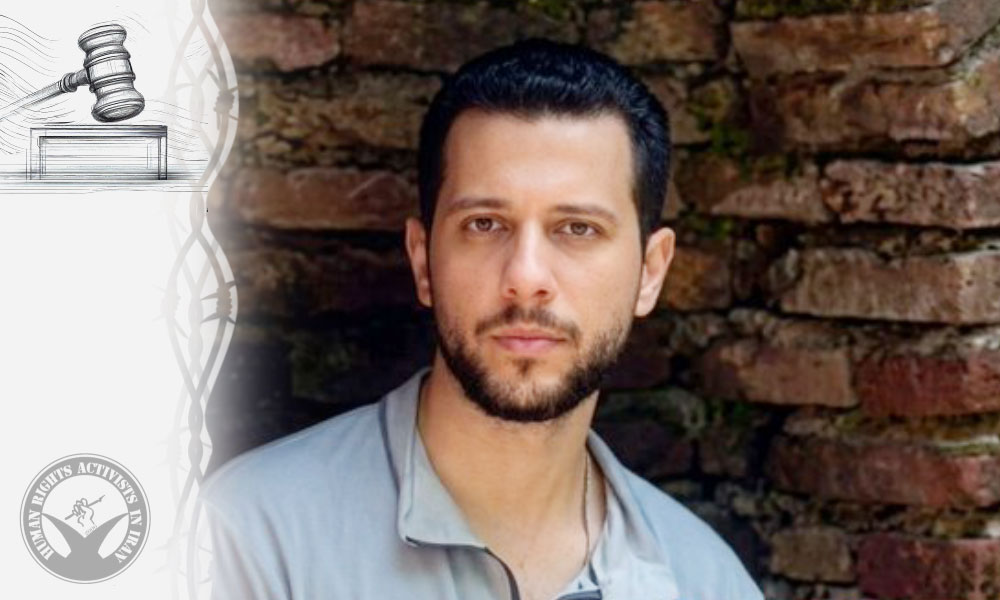
Amirhossein Bagheri Alavijeh Arrested in Isfahan

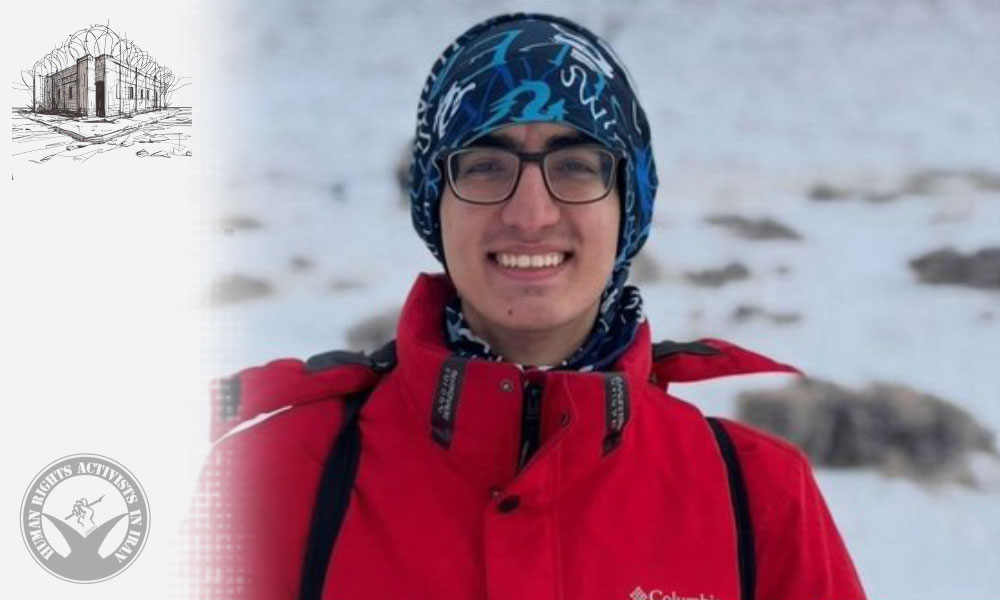
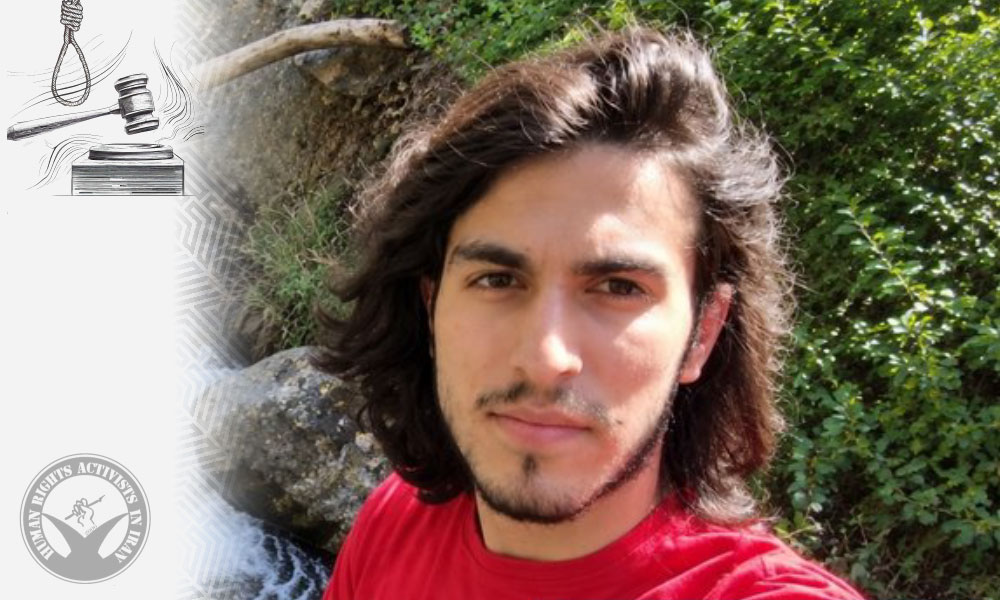
HRANA – Amirhossein Bagheri Alavijeh, a student at Arak University and a resident of Alavijeh, Isfahan Province, was arrested by security forces in the city on Monday, June 1, 2026, and taken to an undisclosed location.

Based on information received by HRANA, plainclothes security agents raided Mr. Bagheri’s home in Alavijeh and arrested him using violence. During the operation, agents searched the residence and confiscated electronic devices belonging to him and his family members.

A source close to the family confirmed the news to HRANA and stated: “Amirhossein Bagheri Alavijeh suffers from underlying medical conditions and requires continuous access to medication. His lack of access to necessary medication while in detention has heightened the concerns of his family and relatives.”

At the time of writing, no information is available regarding the reasons for his arrest, his whereabouts, or any charges brought against him.

Last year, Mr. Bagheri Alavijeh was sentenced by the Revolutionary Court of Najafabad to one year of suspended imprisonment. Under part of the sentence, he is required to report to the city’s sentence enforcement branch on the first Saturday of each month.

He was previously arrested by security forces at his home in Alavijeh on April 2, 2025, and was released on bail after 15 days.

Amirhossein Bagheri Alavijeh is a master’s student at Arak University and a resident of Alavijeh, Isfahan Province.

Amirhossein Saadat Arrested in Tabriz

HRANA – On Monday, June 1, 2026, Amirhossein Saadat, former secretary of the Student Council of Allameh Tabataba’i University, was arrested by the Ministry of Intelligence in Tabriz and transferred to an undisclosed location. Simultaneously, his home was searched, and several of his personal belongings were confiscated by the agents.

Based on information received by HRANA, Mr. Saadat was arrested this morning at his workplace by the Ministry of Intelligence agents without the presentation of a judicial warrant and was taken to an unknown location. His arrest was reportedly accompanied by violence and physical assault.

A source close to his family confirmed the news to HRANA, stating: “During a brief phone call, he informed his family of his arrest but did not disclose his place of detention. At the same time, Amirhossein’s home was searched by agents. During the search, several of his personal belongings, including his mobile phone, laptop, and passport, were confiscated.”

As of the time of this report, no information has been obtained regarding the reasons for his arrest, his place of detention, or the charges brought against him.

Amirhossein Saadat, aged approximately 32, is originally from Abadeh, resides in Tabriz, and previously served as the secretary of the Student Council of Allameh Tabataba’i University.

Filmmaker Samira Norouz Naseri Arrested in Tehran

HRANA – Yesterday, Samira Norouz Naseri, a filmmaker residing in Tehran, was arrested and transferred to an undisclosed location after security forces searched her home.

Based on information received by HRANA, Ms. Norouz Naseri was arrested on the morning of Monday, June 1, 2026, by security forces without the presentation of a judicial warrant. The agents also searched the filmmaker’s residence.

At the time of writing, no information is available regarding her place of detention, the reasons for her arrest, or any charges brought against her.

Samira Norouz Naseri is a filmmaker based in Tehran.

Former Political Prisoner Yashar Darolshafa Arrested

HRANA – Yashar Darolshafa, a former political prisoner residing in Tehran, was arrested yesterday by security forces at his home and transferred to an undisclosed location.

Based on information received by HRANA, on the morning of Monday, June 1, 2026, security forces raided the family home of this citizen and arrested him without presenting a judicial warrant. The agents also searched his residence.

As of now, no information is available regarding the agency responsible for the arrest, the reasons for Mr. Darolshafa’s detention, or his whereabouts.

Yashar Darolshafa has previously been arrested and imprisoned due to his activities.

2026 Protests: Supreme Court Upholds 10-Year Prison Sentence for Masoud Payahu

HRANA – The prison sentence of Masoud Payahu, one of those arrested during the nationwide protests of January 2026, has been fully upheld by Branch 9 of the Supreme Court. He had previously been sentenced to 10 years in prison by Branch 23 of the Tehran Revolutionary Court.

According to HRANA, citing Emtedad, Masoud Payahu, a detainee from the January protests, has been sentenced to 10 years in prison.

According to the report, Branch 9 of the Supreme Court upheld Mr. Peyahu’s conviction in its entirety. He had previously been sentenced to 10 years’ imprisonment by Branch 23 of the Tehran Revolutionary Court under the Law on Intensifying Punishments for Espionage and Cooperation with Israel.

Hassan Aghakhani, Masoud Payahu’s attorney, stated that his client was arrested during protests in Tehran’s Grand Bazaar, prior to the events of January 8 and 9.

He added: “My client was working in a marketplace overlooking Jomhouri Street. At one point, an individual sat down in front of law enforcement officers, and Masoud unconsciously recorded a short video of the scene. He had absolutely no intention of publicly sharing the footage and, in fact, only posted it to a private Instagram story. Another person subsequently obtained and published the video. The Ministry of Intelligence then summoned my client. He voluntarily presented himself to the judicial authorities, but was unfortunately arrested.”

According to the attorney, Branch 23 of the Revolutionary Court disregarded Mr. Payahu’s defense that he had no intention of widely disseminating the video and nevertheless imposed a lengthy prison sentence.

The report further states that a request for judicial review has been filed on behalf of Masoud Payahu. Hassan Aghakhani noted that the case has been forwarded to the sentence enforcement branch and that his client is required to report to prison.

Masoud Payahu was among those arrested during the nationwide protests in Tehran in January 2026.

Subscribe to Our Newsletter

Now is definitely not the time to stop reading!

Mehdi Ansari, Attorney-at-Law, Sentenced to Five Years in Prison

HRANA – Mehdi Ansari, a member of the Fars Bar Association and one of those arrested during the January 2026 protests, has been sentenced by the Revolutionary Court of Shiraz to five years in prison and a two-year travel ban.

Based on information received by HRANA, a branch of the Revolutionary Court of Shiraz sentenced Mr. Ansari to five years in prison and a two-year ban on leaving the country on the charge of “assembly and collusion with the intent to disrupt national security.”

Mehdi Ansari, an attorney and member of the Fars Bar Association, had previously been arrested in Shiraz in connection with the January protests. He was eventually released from prison after posting bail set at 5 billion tomans.

It should be noted that protests and strikes by shopkeepers and bazaar merchants began in Tehran on Sunday, December 28, 2025, and within two days spread beyond markets and commercial centers. With the participation of students, citizens, and various social groups, these protests became one of the largest protest movements of recent years. Following the crackdown by security and law enforcement forces, thousands were killed or injured, and tens of thousands were arrested or summoned by security agencies. For more information, readers may refer to HRANA’s comprehensive report titled “Crimson Winter,” documenting the first fifty days following the outbreak of Iran’s nationwide protests.

Monthly Report – May 2026: Human Rights Situation in Iran

This report provides a statistical overview of human rights violations documented by HRANA during the month of May. Among the most notable human rights concerns in Iran this month were the alarming increase in executions of prisoners on political and security-related charges, including espionage; the killing of two protesters by the IRGC Intelligence Organization; and the growing number of convictions handed down against ethnic rights activists.

Executions

During the past month, the Iranian regime carried out 55 executions. Among those executed was one woman, while the gender of four others remains unknown.

Twenty-two of the individuals had been sentenced to death on murder charges, while sixteen had been convicted of drug-related offenses. Two others were executed on charges of spreading corruption on earth (efsad-e fel-arz). The charges related to two of the executions remain unknown.

A particularly notable development was the execution of 13 individuals on political and security-related charges, including five people convicted of espionage. The execution of political and security prisoners has intensified following the recent war.

During the same month, Iranian judicial authorities issued 18 death sentences. Among the most significant cases were the death sentences handed down to four protesters involved in the 2022 protests in the case known as “Ekbatan Township”, as well as the death sentences of 20-year-old twin brothers on espionage charges.

Eight of these death sentences have been upheld by the Supreme Court, increasing the risk that they may be carried out.

Freedom of Thought and Expression

In May, the regime’s security forces arrested 162 individuals for reasons that constitute violations of citizens’ freedom of expression. During the same period, the summons of one person to security agencies and six individuals to court were also reported.

The homes of seven individuals were searched by security forces, and five people stood trial.

Iranian courts also sentenced 35 individuals to a combined total of 3,575 months of imprisonment for expressing their views and opinions. Among these cases was the five-year prison sentence imposed on Yasamin Dashtani, one of the defendants in the case known as the Ekbatan Township case. In another development, an appeals court sentenced four citizens to a combined total of 30 years in prison.

In addition to prison sentences, courts imposed seven cases of deprivation of social rights, 24 months of internal exile, and 20 lashes. Authorities also confiscated the assets of 821 individuals, a practice that, according to decisions by Iran’s senior judicial officials, has intensified following the recent war and has been particularly directed against opponents of the regime, especially those residing outside the country.

Additionally, one case of physical assault related to the exercise of freedom of expression and opinion was reported.

Prisoners’ Rights

In May, HRANA documented eight cases of denial of medical care for political and ideological prisoners, including the denial of medical treatment to Mahshar Parandin, a Christian convert imprisoned in Evin Prison, despite serious health complications.

The month also saw seven cases of denial of phone contact, 17 cases of denial of access to legal counsel, five cases of denial of visitation rights, 31 cases of detention under harsh conditions, and three cases of forced prisoner transfers.

Additionally, 15 cases of forced confessions obtained from prisoners or detainees were reported, along with 61 cases of detainees being held in legal limbo without clarification of their status. In 39 arrest cases, prison authorities and security agencies withheld information regarding the detainees’ whereabouts or condition from their families.

During the same month, reports also emerged of a hunger strike by Craig and Lindsay Foreman, the British couple imprisoned in Evin Prison.

Kolbars and Fuel Carriers

In May, military and security forces killed seven individuals through shootings. The most notable case was the killing of Meysam Veisi and Mojtaba Veisi by gunfire from the IRGC Intelligence Organization. The two followers of the Yarsan faith were being pursued by security forces in connection with the January protests. In another incident, four occupants of a vehicle were killed after officers from the Iranshahr Intelligence Department opened indiscriminate fire on their car.

Workers’ Rights

In May, at least 13 labor protests and one workers’ strike were held. HRANA also reported the dismissal of 551 workers, reflecting the widespread layoffs and workforce reductions that occurred during and after the war.

Workplace accidents claimed the lives of 25 workers and left 86 others injured during the month. One notable incident was the death of a mine worker in Tabas due to gas inhalation.

Trade unions and guilds also held 22 protest gatherings. In addition, three business establishments were sealed by authorities for reasons including non-compliance with the mandatory hijab regulations.

Women’s Rights
During this month, HRANA recorded the murders of twelve women. In most of these cases, the victims were killed by family members, highlighting the high prevalence of domestic violence in Iran.

Children’s Rights

In May, three cases of child murder were reported, including the stabbing death of an infant by his father and the murder of an 11-year-old boy by a man allegedly motivated by sexual assault.

Additionally, one case involving the detention of a child by security forces was reported.

Religious Minorities

During the past month, HRANA documented six cases of members of religious minorities being arrested by security forces. Four home searches were also reported.

Additionally, a Baha’i citizen, Amin Imanian, was sentenced by the Revolutionary Court of Babol to one year in prison.

Ethnic Rights

In the past month, security forces arrested eleven individuals from ethnic minority communities or ethnic rights activists, including three people in Mahabad. In seven cases, security forces reportedly failed to present arrest warrants. Additionally, the trial of four Azerbaijani-Turk activists on political charges was held before the Revolutionary Court.

Thirteen individuals were also collectively sentenced to a total of 977 months of imprisonment.

Inhuman Punishment

During this month, Iranian courts sentenced at least 16 individuals to a total of 309 lashes.

January Protests: Mehrdad Mohammadinia and Ashkan Maleki Executed

HRANA – The Judiciary Media Center has announced that Mehrdad Mohammadinia and Ashkan Maleki, two individuals arrested during the January 2026 protests in Tehran, were executed at dawn today. The judiciary had sentenced them to death on charges including “participation in operational actions against national security” and “cooperation with hostile governments.”

According to HRANA, citing Mizan, two more detainees of the January 2026 protests have been executed.  According to the report, Mehrdad Mohammadinia and Ashkan Maleki had been sentenced to death on charges including “cooperation with the Zionist regime and hostile governments,” “creating insecurity and public fear,” “destruction and arson of public property,” and “participation in operational actions against national security.”

The Judiciary Media Center claimed that the two men were involved in the burning of Jafari Mosque in Tehran’s Koye Nasr neighborhood, destruction of public property, blocking roads, and clashes with law enforcement forces. The report also cited the defendants’ “confessions,” crime-scene reconstructions, and CCTV footage as evidence in the case. However, no details were provided regarding the circumstances under which the confessions were obtained or the methods used during interrogations.

According to the judiciary, after the men were identified and arrested, their case was reviewed by a Revolutionary Court. Based on reports from security agencies, the indictment, and statements attributed to the defendants, death sentences were issued against them. The verdicts were later upheld by the Supreme Court following the appeals process.

The report does not provide details regarding the defendants’ access to independent legal counsel, the quality of the court proceedings, or whether they were afforded a fair trial.

According to data collected by HRANA, since the outbreak of military hostilities, the issuance and implementation of death sentences in political and security-related cases have intensified. Including Mehrdad Mohammadinia and Ashkan Maleki, a total of 39 prisoners connected to such cases have been executed during this period.

January Protests: Three Detainees Sentenced to a Total of 9 Years and 3 Months in Prison

HRANA News Agency – Mohammad-Amin Shamsi, Amir Amraei, and Kamyar Amraei, three individuals arrested during the nationwide protests of 2026, have been sentenced by judicial authorities to a total of 9 years and 3 months of discretionary imprisonment.

According to HRANA, citing Kurdpa, three more detainees of the 2026 protests have been sentenced to prison terms.

According to the report, Mohammad-Amin Shamsi, Amir Amraei, and Kamyar Amraei, three residents of Karaj, have each been sentenced to three years and one month of discretionary imprisonment. They are currently being held in Ghezel Hesar Prison in Karaj.

In this regard, Mohammad-Amin Shamsi has appealed the verdict, and his case has been referred to the Court of Appeals for review.

The report states that precise details regarding the court branch that issued the sentences have not been disclosed. However, it is believed that the rulings were issued by one of the Revolutionary Courts in Karaj on charges such as “assembly and collusion against national security.”

The three prisoners were reportedly subjected to repeated beatings during their detention and were held for ten days in solitary confinement at an undisclosed location. During this period, they were denied access to legal counsel and family visits. Their physical and psychological condition was reported to be poor.

These individuals originally from Dareh Shahr in Ilam Province and residing in Karaj, were arrested by security forces on January 8 and 9, 2026, in connection with the nationwide protests.

It should be noted that protests and strikes by shopkeepers and bazaar merchants began in Tehran on Sunday, December 28, 2025, and within two days spread beyond markets and commercial centers. With the participation of students, citizens, and various social groups, these protests became one of the largest protest movements of recent years. Following the crackdown by security and law enforcement forces, thousands were killed or injured, and tens of thousands were arrested or summoned by security agencies. For more information, readers may refer to HRANA’s comprehensive report titled “Crimson Winter,” documenting the first fifty days following the outbreak of Iran’s nationwide protests.

Trans Woman Murdered in Sanandaj

HRANA – Mahshid, a 26-year-old trans woman, was killed several days ago in Sanandaj after being stabbed by unidentified individuals.

According to HRANA, Mahshid, a trans woman and resident of the Golshan neighborhood of Sanandaj, lost her life following an attack by unknown assailants.

An informed source told HRANA: “She was likely killed on Friday by unidentified individuals who stabbed her multiple times. After the killing, the attackers also mutilated Mahshid’s body.”

The motive for the killing and the identities of those responsible remain unknown. However, the source added: “Given the nature of the crime and the circumstances surrounding it, it appears that this may have been a hate-motivated murder. In addition, Mahshid’s family has come under pressure and threats for pursuing the case and speaking publicly about the killing, to the extent that they have not even published a funeral announcement for her.”

Mahshid was 26 years old and lived in the Golshan neighborhood of Sanandaj.

The killing occurred amid ongoing discrimination, violence, and lack of effective legal protection faced by trans individuals and other members of the LGBTQ+ community in Iran. Human rights advocates believe that discriminatory laws, the medicalization of gender identities, and certain cultural and social narratives that contribute to gender-based violence and so-called “honor killings” can play a role in creating the conditions for such acts of violence.

As of the time of this report, no further information has been released regarding the identities of the perpetrators, the judicial proceedings, or any actions taken by the relevant authorities in connection with the case. The situation of Mahshid’s family following the reported threats also remains unknown.