At Least 103 Citizens Arrested in Various Cities

HRANA  – Official media outlets have reported the arrest of one individual in Bandar Anzali, 100 citizens in Ardabil, and two individuals in Masjed Soleyman in connection with protests.

Based on this report, the arrests were carried out in connection with the protests by the IRGC Intelligence of Ardabil Province.

In another report, this media outlet, quoting the police commander of Bandar Anzali County, announced that one protester was arrested in the city. The individual was accused of involvement in the destruction of one of the chain stores and the courthouse building during recent protests in the county.

Additionally, Young Journalists Club reported the arrest of two individuals in Masjed Soleyman. According to this report, the detainees were accused of carrying out sabotage activities. It was also claimed that explosive materials and a firearm were discovered and confiscated from them.

These reports did not provide any information regarding the identities of the individuals or their place of detention.

It should be noted that gatherings and strikes by shopkeepers and bazaar merchants began in Tehran on December 28, 2022, and after two days spread beyond bazaars and commercial centers. With the participation of students, citizens, and various social groups, these protests became among the most widespread in recent years. Following the crackdown by law-enforcement and security forces, thousands were killed or injured, and tens of thousands were arrested or summoned by security bodies. For more information, readers can refer to HRANA’s detailed report published last night on the forty-fourth day since the start of the protests.

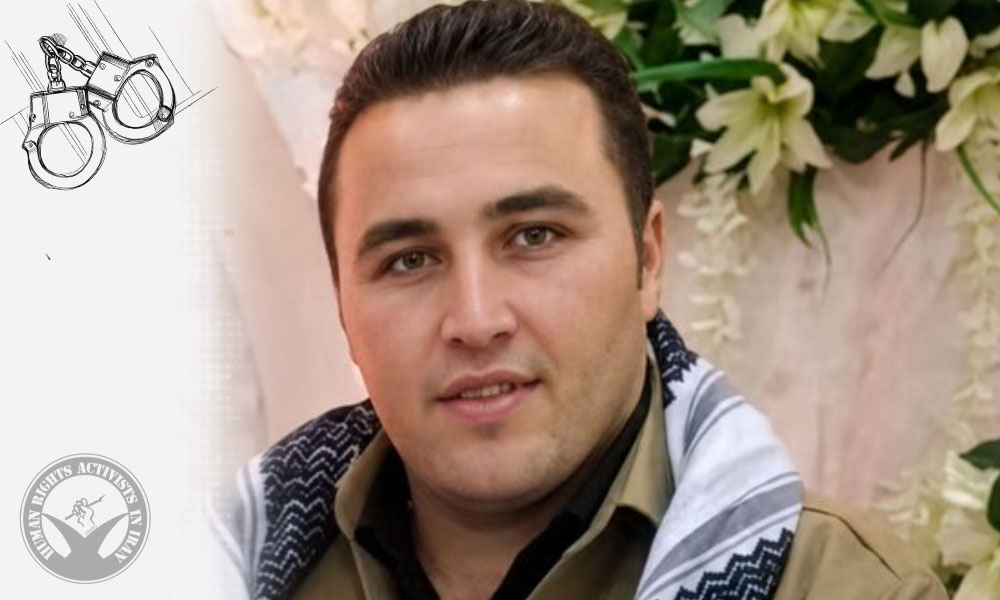
Afshin Hosseinpanahi and Khabat Dehdar Arrested by Security Forces

HRANA – Today, Afshin Hosseinpanahi and Khabat Dehdar, residents of Sanandaj, were arrested by security forces and transferred to an unknown location.

According to Kurdpa, the arrests were carried out today by security forces without the presentation of a judicial warrant. As of the time of this report, no information has been obtained regarding the reasons for their arrest, the charges brought against them, or their place of detention.

Afshin Hosseinpanahi and Khabat Dehdar, both residents of Sanandaj, have previously faced security-related confrontations due to their activities.

Nationwide Protests: Report on the Arrest of Five Citizens in Various Cities

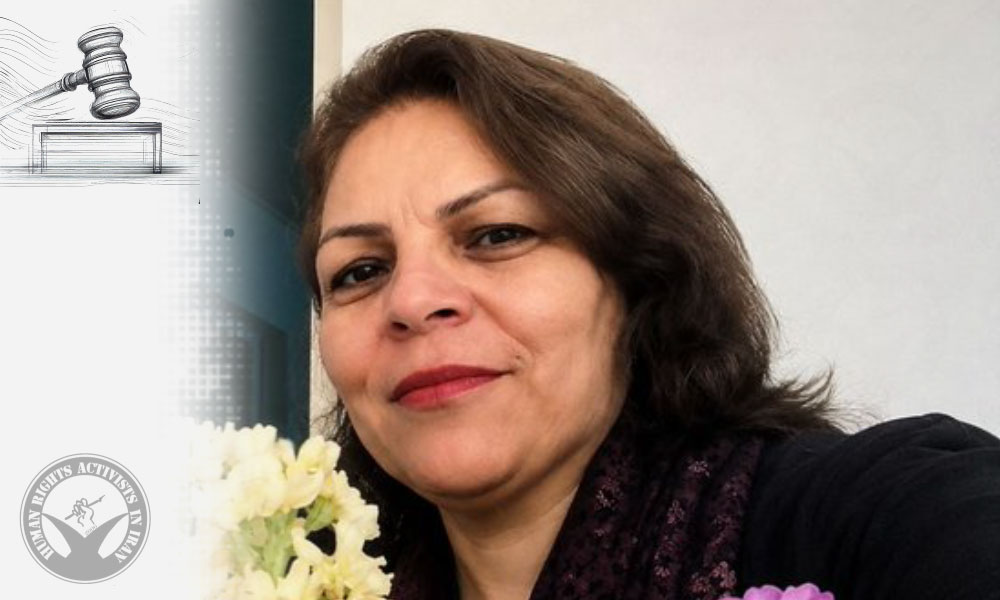
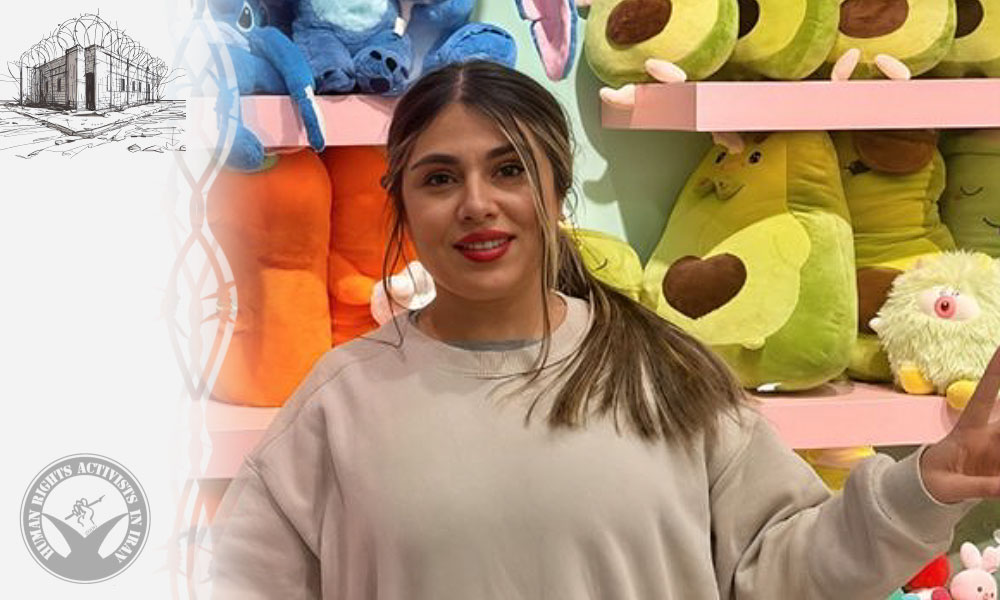
HRANA – Zahra Irandoust, Masoumeh Heydari, and Mohammadreza Irandoust, three members of the same family in Tehran and Qazvin; Reza Ghorbani Moghaddam in Mashhad; and Elaheh Shah Mirzaei in Isfahan were arrested by security forces.

Based on information received by HRANA, Reza Ghorbani Moghaddam, a 23-year-old citizen in Mashhad, was arrested by security forces. Additionally, Zahra Irandoust was arrested at her home in Tehran on January 25, 2026, and was later transferred to Chubindar Prison in Qazvin on February 5. Masoumeh Heydari, Ms. Irandoust’s mother, was also arrested on February 9, 2023, when she went to the aforementioned prison to follow up on her daughter’s case. She was detained by Intelligence Organization of the IRGC agents on the order of an investigating judge at the Qazvin Prosecutor’s Office. At the same time, Mohammadreza Irandoust, another child of Ms. Heydari, was arrested in Qazvin and transferred to prison.

Meanwhile, Elaheh Shah Mirzaei, born in 1985 and a mother of two, was arrested by security agents in Isfahan on January 2, and subsequently transferred to Dolatabad Prison in that city.

As of the time of this report, no information has been obtained regarding the charges brought against these citizens.

Mohammad Heydari, the brother of Masoumeh Heydari, stated in a post that Zahra Irandoust went on a hunger strike after her arrest while being held in solitary confinement at The Ministry of Intelligence’s detention facility. He also reported that she was subjected to an attempted attack after her transfer to Chubindar Prison in Qazvin.

Masoumeh Heydari is the sister of Javad Heydari, one of those killed during the nationwide protests of 2022.

It should be noted that gatherings and strikes by shopkeepers and bazaar merchants began in Tehran on December 28, 2022, and after two days spread beyond bazaars and commercial centers. With the participation of students, citizens, and various social groups, these protests became among the most widespread in recent years. Following the crackdown by law-enforcement and security forces, thousands were killed or injured, and tens of thousands were arrested or summoned by security bodies. For more information, readers can refer to HRANA’s detailed report published last night on the forty-fourth day since the start of the protests.

Day 44 Since the Start of the Protests: Student Gatherings, Warning from the Head of the Judiciary, and the Continuation of Arrests

HRANA – According to HRANA’s latest aggregated data from the beginning of the protests through the end of day forty-four, 676 protest-related incidents have been reported across various locations. These incidents were recorded in 210 cities across 31 provinces. Based on these figures, the total number of confirmed deaths stands at 6,964, of whom 6,473 are categorized as “protesters,” while 212 of those killed were “children under the age of 18.” In addition, 214 individuals affiliated with the government and 65 people classified as “non-protesters civilians” have been reported among the deceased. The number of cases “under review” has been announced as 11,730.

During the same period, the number of injured civilians reached 11,022; total arrests amounted to 51,790 cases; student arrests numbered 122; forced confessions totaled 331 cases; and 11,051 summonses were recorded.

On the forty-fourth day since the start of the protests, the following developments were observed: student gatherings in Mashhad and the raising of demands regarding the situation of detainees; simultaneous judicial and media pressures alongside criticism by the head of the judiciary over delays in handling cases; the denial of a highly controversial death sentence; the publication of trade union and labor statements concerning the killing and arrest of workers; and at the field level, the continuation of scattered arrests as well as mass arrests in several provinces.

Student Gathering at Ferdowsi University of Mashhad; Demands Regarding Arrests and Commemoration of Those Killed

At Ferdowsi University of Mashhad, a group of students gathered on campus despite the prevailing security atmosphere and announced restrictions. The gathering was reported to have taken place in front of the Faculty of Pharmacy, where students chanted slogans and demanded clarification regarding the status of their detained classmate, Amin Pourfarhang. At the same time, accounts published about the gathering referred to a commemoration and the naming of two deceased students, Parsa Safar and Mohammad Mehdi Salari.

Reports released from inside the university also state that Mohammad Hossein Nejabat (the head of the university’s Student Basij) claimed that Amin Pourfarhang’s situation would be clarified “within a maximum of three days” in coordination with the prosecutor’s office. However, as of the time this report was prepared, no official details regarding this student’s place of detention, legal status, or charges have been transparently announced.

Order by the Head of the Judiciary to Expedite Protesters’ Cases

Gholamhossein Mohseni Ejei, the head of the judiciary, criticized what he described as a “lack of promptness” in handling cases related to the protests. He emphasized that in cases involving detained individuals or defendants connected to the protests, the pace of proceedings is “not as expected,” and he called for the review process to be accelerated.

This order comes amid numerous reports of detainees remaining in prolonged legal limbo, repeated extensions of detention orders, lack of continuous access to legal counsel, and frequent transfers across several cities. Families have also continued to report the absence of clear and accurate information regarding the status of these cases.

Denial of Issuing a “Death Sentence” for Mohammad Hossein Hosseini; Case at Preliminary Investigation Stage

In relation to one of these cases, the judiciary denied issuing a death sentence for Mohammad Hossein Hosseini, a 26-year-old football player from Mashhad. According to a media outlet affiliated with the judiciary, claims regarding the issuance of a death sentence are “unfounded,” and his case is currently at the preliminary investigation stage.

This denial was published after claims circulated on social media and in some channels alleging that a severe sentence had been issued against the athlete. Despite the rejection of the death sentence claim, official details regarding the specific charges and the course of judicial proceedings remain limited.

Pressure on Media and Restrictions on Communications During the Protests

In the realm of digital rights and freedom of expression, Article 19 has emphasized several key points in its reports on the protests: increased pressure on media outlets and journalists, restrictions on access to the internet and platforms, and the use of control mechanisms to curb the free flow of information. Within this framework, internet shutdowns or disruptions and communication restrictions have functioned not merely as technical measures, but as part of a broader apparatus of repression, affecting the flow of information and the ability to document events.

At the same time, some reports and media analyses have pointed to the role of imported technologies and surveillance infrastructures in managing the internet and monitoring citizens, a trend that in practice can expand the authorities’ capacity to control and identify protesters.

Raising the Issue of “Equipping Security Forces with Crowd-Control Tools”

In another statement, the head of the judiciary stated during a public meeting with senior judicial officials that a review was needed regarding “how security forces confront gatherings,” and spoke of examining broader use of crowd-control tools. Within this context, some domestic media outlets reported discussions about equipping security forces with tools such as tasers and riot-control equipment as alternatives to what were described as “costly and violent methods.”

The proposal prompted critical reactions. Human rights activists and observers have stressed that such tools, if used without clear regulations and independent oversight, could themselves lead to an increase in human rights violations, particularly in light of numerous reports documenting the direct use of pellet guns and military weapons against protesters.

In this context, reports have emerged regarding the high number of eye and facial injuries during the protests, including accounts citing more than one thousand eye injuries recorded at a specialized medical center, including Farabi Hospital. In addition, numerous images and reports have circulated showing protesters being shot in the head, face, and eyes, alongside allegations of the securitization of some medical facilities, pressure on healthcare staff, and even the abduction of injured individuals from hospitals.

Statement by the Syndicate of Workers of Tehran and Suburbs Bus Company; “Killing and Arrest of Workers” and Demand for Immediate Release

The Syndicate of Workers of Tehran and Suburbs Bus Company issued a statement criticizing what it described as the “killing” and widespread arrest of protesting workers during the protests. Referring to communication restrictions and internet shutdowns, the statement says that reports have gradually emerged indicating the deaths of a number of protesting workers.

The labor union also pointed to reports concerning the mass arrest of workers in Asaluyeh, stating that workers who intended to go on strike were detained collectively and held in warehouses belonging to the same companies. Emphasizing the responsibility of security institutions for the lives of detainees, the syndicate called for the publication of the names of those killed and arrested, transparency regarding their status, families’ access to information, and the immediate and unconditional release of all detained workers and protesters across the country.

Publication of an Alleged “Apology” Letter Attributed to Mohammad Ali Saedinia; Conflicting Accounts of Pressure and Sealing of Premises

As part of the continued security confrontation with well-known figures and trade/social activists, a copy of an alleged “apology” letter attributed to Mohammad Ali Saedinia was published. The letter is addressed to the Supreme Leader of the Islamic Republic and to “the people,” and in it, the author uses language emphasizing “love for Iran” and the “rejection of accusations of treason” in an attempt to explain his position.

Accounts accompanying this news report state that Saedinia had previously been arrested over actions such as closing cafés in response to political calls. At the same time, reports have emerged regarding the sealing of his place of business and even discussions about the confiscation of assets or compensation through the sale of property. However, the precise legal status of his case, his place of detention, and the authenticity of the letter’s attribution remain disputed and unclear.

Arrests and Summonses of Reformist Figures

Reports concerning the arrest and summons of political figures close to the reformist camp also continued.

According to reports, Javad Emam, Secretary General of the Majma-e Isargaran, was arrested by security forces and transferred to an undisclosed location.

Hossein Karroubi, a political activist and son of Mehdi Karroubi, was also arrested; his lawyer stated that the arrest took place after he was summoned to the Media and Culture Prosecutor’s Office.

In another development, it was reported that Azar Mansouri (head of the Reformist Front), Ebrahim Asgharzadeh, and Mohsen Aminzadeh were arrested. At the same time, reports indicated that figures such as Mohammad Sadegh Javadi-Hessar and Mohammad Ali Abtahi had been summoned.

Reports also noted the arrest of Ali Shakourirad, a member of the central council of the Etemad-e Melli Party, following the release of an audio file and claims raised about “fabricating killings.”

This wave of arrests and summonses has continued amid an intensification of warning messages from judicial authorities about “speeding up case processing,” while the security atmosphere targeting political and civil activists has become increasingly pronounced.

Task Force for “Reviewing the January Incidents”; Announcement of a Government Working Group

The president, Masoud Pezeshkian, has ordered the formation of a task force to review the January incidents. According to reports, this body is set to operate under the leadership of Mohammad Reza Aref, the First Vice President, with the participation of members from the government as well as some officials from outside the administration.

The announcement of such a task force comes amid the release of differing figures regarding the death toll and the scale of the crackdown. While some official media outlets have referred to a figure of “more than several thousand killed,” HRANA’s aggregated data up to the end of day forty-four reports 6,964 confirmed deaths and 11,730 cases still under review.

Continuation of Arrests and Security Crackdowns; From Mass Arrests to the Detention of Students, Teachers, and Minors

On day forty-four, numerous reports were published of arrests, transfers to undisclosed locations, and the prolonged legal uncertainty of detainees. Reports included both individual arrests, naming those detained and their locations, and mass arrests reported in numerical terms.

1) Mass Arrests and Numerical Waves Across Several Provinces

At least 117 citizens were reportedly arrested in connection with the protests, including 31 citizens in Saman County and 86 protesters in Kohgiluyeh and Boyer-Ahmad Province.

Official media also reported the arrest of at least 67 citizens in two locations: 11 citizens in Bandar Gaz and 56 protesters in Esfarayen.

These figures, alongside HRANA’s aggregated total of 51,790 arrests through the end of day forty-four, indicate that the security crackdown has not been limited to cases involving well-known figures, but has encompassed a broad segment of protesting society, from ordinary citizens to students and workers.

2) Recorded Arrests by Name, From Tehran to Miandoab

Daily reports referred to the arrest or continued legal uncertainty of a number of other citizens, including: Ahmad Taj (Tehran), Ali Shakouri-Rad (Tehran), Erfan Arabi, a student (Birjand), Amir Mohammad Sarafraz (Bojnord), Behzad Abdi (Miandoab), Saeed Alizadeh (Tehran), Ahad Mihan-Khah (Oshnavieh), Sajjad Hekmat (Abdanan), Abbas Gharagozloo, a student (Alborz Province), Diako Rajabi, a student (Zanjan), Homa Teymouri (Tehran), Mohammad Mehdi Baralak (Ilam), Ali Cheraghi (Tehran), and Ali Namizad (Ilam).

Additional details indicate that Ahmad Taj was arrested in Tehran on January 10 and is currently being held in Greater Tehran Prison, where he has been charged with “assembly and collusion.” Erfan Arabi, a 20-year-old computer engineering student at Islamic Azad University of Birjand, was arrested after being summoned to the Birjand Intelligence Office.

In a further account regarding Diako Rajabi, it was reported that he is a nutrition student at Zanjan University and was working at a café; he was arrested near Saadi Street in Zanjan after leaving his workplace. Regarding Abbas Gharagozloo, reports state that after about a month, there is still no clear official information about his place of detention or legal status.

Continuing the pressure on civil activists, it was reported that Ali Cheraghi, a teacher and children’s rights activist, was arrested on January 28 following a raid by security agents on his home in Tehran’s Punak neighborhood. According to reports, his phone and some electronic devices were confiscated, and immediately after his arrest, his Instagram page became inaccessible. His family has reportedly received no information about his whereabouts or condition.

3) Arrests of Teachers and Minors; Sonqor, Sanandaj/Saqqez, and Bandar Anzali

Several notable cases were reported today in relation to professional and age-based arrests:

Ali Shamayeli, a teacher from Sonqor, was arrested by security forces and transferred to an undisclosed location.

Keyomars Va’ezi, a teacher and labor activist living in Saqqez, was arrested by the IRGC Intelligence Organization on January 5 and transferred at dawn the following day to Dizel-Abad Prison in Kermanshah. His arrest reportedly took place at 4:00 p.m. in front of his private residence, and he remains in detention.

Saeed Hajibabaei, a 16-year-old minor, was arrested more than a month ago in Bandar Anzali and is being held in a state of uncertainty at Lakan Prison in Rasht.

Updated (Aggregated) Statistics Through the End of Day Forty-Four

• Protest-related incidents recorded on the day: 76

• Number of cities (no duplicates): 210

• Number of provinces (no duplicates): 31

• Injured civilians: 11,022

• Total arrests: 51,790

• Student arrests: 122

• Forced confessions: 331

• Summonses: 11,051

• Total protesters killed: 6,473

▪️ Including children: 212
▪️ Military/government-affiliated: 214
▪️ Non-civilian, non-protester: 65

• Total confirmed deaths: 6,964

• Cases under review: 11,730

Summary

Day forty-four concluded amid the continued, large-scale, and multi-layered pattern of arrests, ranging from mass arrests across several provinces to individual detentions identified by name, affecting political activists, students, teachers, minors, and civil society activists. At the university level, the student gathering at Ferdowsi University of Mashhad became one of the day’s focal points, highlighting demands regarding the status of Amin Pourfarhang and commemorating slain student protesters.

At the same time, on the official level, the head of the judiciary’s criticism of the “slow handling” of cases effectively signaled an intensification of the judicial approach. Within this atmosphere, the denial of a death sentence for Mohammad Hossein Hosseini illustrated how protest-related cases remain highly susceptible to the emergence of volatile and contentious narratives.

Alongside these developments, the statement issued by the Syndicate of Workers of the Tehran and Suburbs Bus Company and the discussion surrounding equipping security forces with crowd-control tools underscored that the confrontation between street-level protests and mechanisms of repression continues along two parallel tracks: escalating security and field pressure on the one hand, and growing labor, social, and civic protest and demands on the other.

At Least Five Citizens Arrested in Various Cities

HRANA – Ahmad Taj and Ali Shakouri Rad in Tehran; Erfan Arabi, a student in Birjand; Amirmohammad Sarafraz in Bojnurd; and Behzad Abdi in Miandoab were arrested in connection with the recent protests.

Hossein Taj, an attorney, stated regarding the arrest of his brother that he was detained in Tehran on January 11 and is currently being held at Greater Tehran Prison. He has been charged with ‘assembly and collusion against national security’. Meanwhile, Erfan Arabi, a 20-year-old computer engineering student at Islamic Azad University of Birjand, was arrested after being summoned to the Ministry of Intelligence office in Birjand.

A source close to Mr. Arabi’s family confirmed the arrest to HRANA, stating that he is facing charges of propaganda against the state and assembly and collusion to act against national security, and that he was transferred to prison after appearing at the Ministry of Intelligence office in Birjand.

Additionally, Hamshahri Online reported that Ali Shakouri Rad, a member of the Central Council of the Ettehad-e Mellat Party, was arrested by judicial order. According to the report, Shakouri Rad had recently made comments about the protests in an audio file. His remarks drew strong reactions from political figures, including Amir-Hossein Sabeti, a member of parliament, who called for judicial action against him.

The outlet Kurdpa also reported the arrest of two citizens identified as Amir-Mohammad Sarafraz, a resident of Bojnurd, and Behzad Abdi, 25, married and the father of one child, from Miandoab. Mr. Sarafraz was arrested on January 13, and Behzad Abdi was detained in the early hours of today. Their place of detention remains unknown.

It should be noted that demonstrations and strikes by shopkeepers and bazaar merchants began in Tehran on Sunday, December 28, and within two days expanded beyond markets and commercial centers. With the participation of students, citizens, and various social groups, these protests became among the largest in recent years. Following their suppression by law enforcement and security forces, thousands have been killed or injured, and tens of thousands have been arrested or summoned by security agencies.
For further details, readers may refer to HRANA’s detailed report on the forty-third day of the protests, published last night.

Subscribe to Our Newsletter

Now is definitely not the time to stop reading!

Hossein Karroubi Arrested

HRANA – Hossein Karroubi, a political activist and the son of Mehdi Karroubi, was arrested by security forces.

According to to Fars News Agency, which is close to security institutions, Mr. Karroubi has been accused of acting as the instigator, drafter, and publisher of Mehdi Karroubi’s statement and having links to so-called anti-revolutionary networks, including Saham News, Tahkim-e Mellat, and certain overseas elements described as seeking the overthrow of the state.

The report does not mention the arresting authority, the place of detention, or the charges attributed to this citizen.

According to Mohammad Jalilian, Hossein Karroubi’s defense lawyer, he was arrested after being summoned to the Culture and Media Prosecutor’s Office.

Hossein Karroubi has previously faced arrests as well. He is the son of Mehdi Karroubi, former Member of Islamic Consultative Assembly of Iran and a reformist politician leading the National Trust Party.

It is worth noting that gatherings and strikes by shopkeepers and bazaar merchants began in Tehran on Sunday, December 28, and after two days expanded beyond bazaars and commercial centers. With students, citizens, and various social groups joining, these protests became one of the most widespread in recent years. Following the suppression of the protests by law-enforcement and security forces, thousands were killed or injured, and tens of thousands were arrested or summoned by security bodies. For more information, readers can refer to HRANA’s detailed report published last night on the forty-third day since the protests began.

Twenty Prisoners Executed on Murder and Drug-Related Charges

HRANA- Over the course of today and yesterday, at least twenty prisoners were executed in various prisons across Iran on charges related to murder and drug-related offenses.

The names of those executed yesterday are as follows:

On murder charges:

  • • Khaled Hosseini – Nowshahr Prison

  • • Mehdi Jafarian – Ardabil Prison

  • • Abbas Khordbin – Semnan Prison

  • • Shah Mirza Ghaedrahmati – Borujerd Prison

On drug-related charges:

  • • Rahman Najafi – Arak Prison

  • • Nezam Tajik, an Afghan national – Bandar Abbas Prison

  • • Younes Bagheri – Tabriz Prison

  • • Parsa Taghizadeh – Qazvin Prison

  • • Danial Abdi – Qom Prison

  • • Hamid Kariyabi – Naein Prison

Today, February 9, the death sentences of ten additional prisoners were carried out in various prisons:

On murder charges:

  • • Shayan Tojihi – Qaemshahr Prison

  • • Rouzbeh Amanatdoust – Quchan Prison

  • • Mohammad Zalitabar – Gorgan Prison

  • • Abedin Ahmadi – Neyshabur Prison

  • • Mohsen Rezaei – Dorud Prison

  • • Karim Javadi – Zanjan Prison

  • • Shahla Dowlatabadi – Kerman Prison

  • • Hooshang Shokouhi – Saveh Prison

On drug-related charges:

  • • Keyvan Akbari – Isfahan Prison

  • • Seyed Ali Kalami – Kashan Prison

As of the time of this report, the executions of these prisoners have not been officially announced by prison authorities or relevant institutions.

According to HRANA’s annual report, in 2025, at least 2,063 people were executed in Iran. Based on this data, the implementation of death sentences has increased by 119% compared to 2024. In many of these executions, due to secrecy, prisoners were denied even a final visit with their families.

Report on the Arrest of 43 Protesters During Behbahan Demonstrations

HRANA – During nationwide public protests in Behbahan, 43 citizens were arrested by security forces. Of these individuals, 26 have since been released.

Based on information obtained by HRANA, the following individuals remain in detention:
Sepahr Sana’ti, Amir-Hossein Javadanzadeh, Esmail Shabro, Zabihollah Nourian, Mohammad Marzban, Rastin Fakhri, Hossein Yari, Reza Shahrouyi, Ali Sayari-Nasab, Ali Mobasherian, Nia Salehifar, Shirzad Habibipour, Mohammad-Reza Ghanavati, Esmail Mousavi, Ali Dastan, Omid Askari, Ali Ashnoud, and others.

A knowledgeable source at one of Behbahan’s police stations confirmed to HRANA that among the 43 detainees, the following individuals have been released:
Saman Barouninejad, Hamid-Reza Rouzeh, Ashkan Eghdami, Ali Zohraabi, Mojtaba Moghaddam, Elias Jalalimanesh, Amir Khanjarzadeh, Hossein Tarakmeh, Mohammad Razmi, Nima Shahrouyi, Iman Beigdeli, Ali Siadat-Nasab, Ali Ardaneh, Hossein Hedayatollahi, Ali Tahvildar, Mehdi Zanganeh, Maryam Johari, Mohammad Changizi, Amir-Reza Mohammadi, Amir-Mohammad Mansourian, Setareh Hadi, Fatemeh Derakhshanzadeh, Arya Baj, Nasrin Hadi, Ali Peyma, and Yasin Faqih.

According to the same source, security forces confiscated personal belongings such as mobile phones and computers from detainees and have refused to return them. Additionally, some of those arrested have reportedly been accused of offenses including possession of weapons. Several individuals were injured by pellet gun and Kalashnikov fire, including Esmail Mousavi, who was shot in the side of his body.

It should be noted that demonstrations and strikes by shopkeepers and bazaar merchants began in Tehran on Sunday, December 28, and within two days expanded beyond markets and commercial centers. With the participation of students, citizens, and various social groups, these protests became among the largest in recent years. Following their suppression by law enforcement and security forces, thousands have been killed or injured, and tens of thousands have been arrested or summoned by security agencies.
For further details, readers may refer to HRANA’s detailed report on the forty-third day of the protests, published last night.

Narges Mohammadi Sentenced to Prison and Additional Punishments

HRANA – Narges Mohammadi, Nobel Peace Prize laureate and human rights activist, has been sentenced by the Mashhad Revolutionary Court to seven years and six months in prison, two years of internal exile to Khaf County, and a two-year travel ban.

Her lawyer, Mostafa Nili, announced in a public statement that Branch One of the Mashhad Revolutionary Court sentenced his client to six years in prison on the charge of assembly and collusion, one and a half years in prison for propaganda activities, and, as supplementary punishment, two years of travel ban and two years of exile to Khaf County.
Mr. Nili added that the court session was held on Saturday and that the verdict was issued and formally communicated to him afterward. According to him, following the issuance of the ruling, Ms. Mohammadi’s continued detention in a security detention facility is unlawful, and she should be transferred to prison. Given her medical conditions, it is expected that she be temporarily released on bail to allow access to medical treatment.

Ms. Mohammadi was arrested on December 12 of this year during a memorial ceremony marking the seventh day after the death of Khosrow Alikordi at Ghadir Mosque in Mashhad, along with several other activists and citizens.

She was previously released from Evin Prison in late last year in connection with an earlier conviction.

In June 2021, after being released from Zanjan Prison under the law reducing prison sentences, Ms. Mohammadi was sentenced in a case opened against her during that period by Branch 1177 of Criminal Court II at the Qods Judicial Complex in Tehran to 30 months of discretionary imprisonment, 80 lashes, and the payment of two fines.

In November 2021, she was arrested by security forces in Karaj during a memorial ceremony marking the second anniversary of the death of Ebrahim Ketabdar, one of those killed during the November 2019 protests. She was later sentenced by Branch 26 of the Tehran Revolutionary Court to eight years of discretionary imprisonment, 74 lashes, two years of exile, and additional social deprivations.

In October 2022, in another case opened against her during imprisonment, Branch 26 of the Tehran Revolutionary Court sentenced her to one year and three months of discretionary imprisonment, along with other supplementary punishments. In August 2023, she was again sentenced by the Tehran Revolutionary Court to one year of discretionary imprisonment.

In January 2024, in another part of her case, Branch 26 of the Tehran Revolutionary Court, presided over by Judge Iman Afshari, sentenced her on the charge of propaganda against the state to 15 months in prison, two years of exile outside Tehran and neighboring provinces, a two-year travel ban, two years’ prohibition from membership in social and political groups, and a two-year ban on the use of smartphones.

In late June 2024, in yet another case formed while she was in prison, Branch 29 of the Tehran Revolutionary Court sentenced her to one year in prison on the charge of propaganda against the state.

In late October 2024, following protests by women prisoners in Evin Prison after learning of the execution of Reza Rasaei and clashes with prison guards, a new case was opened against Ms. Mohammadi and several other inmates. She was sentenced by Criminal Court II of the Qods Judicial Complex in Tehran, presided over by Judge Abolfazl Ameri Shahrabi, to six months in prison on charges of assaulting an officer and disobedience.

Narges Mohammadi, a Nobel Peace Prize laureate facing multiple convictions, has so far been sentenced to a total of 15 years and six months of discretionary imprisonment. These sentences include 30 months in June 2021, eight years in November 2021, one year and three months in October 2022, one year in August 2023, 15 months in January 2024, one year in June 2024, and six months in October 2024.
In addition to prison terms, she has been sentenced to 154 lashes, two years of exile, a two-year travel ban, and multiple forms of social deprivation.

In 2023, the Nobel Peace Prize was awarded to Narges Mohammadi by the Norwegian Nobel Committee “for her courageous fight for freedom and human rights over three decades.”

Day 43 of the Protests: Pressure and Threats on Universities and Political Activists

HRANA – Based on HRANA’s latest aggregated data through the end of the forty-third day since the start of the protests, a total of 675 protest locations have been recorded across 210 cities and 31 provinces. According to these figures, the total number of confirmed fatalities stands at 6,961, of whom 6,476 have been registered as “protesters.” Among the deceased, 207 are reported to be children under the age of 18. Additionally, 214 individuals affiliated with the government and 64 categorized as “non-protester civilians” have been reported killed. The number of cases listed as “under review” has been announced as 11,730.

During the same period, the number of civilian injuries reached 11,022, the total number of arrests was recorded at 51,591, 120 students were arrested, 331 cases of forced confessions were documented, and 11,050 summonses were issued.

Reports from the forty-first day indicate a continued and expanding wave of security and judicial crackdowns targeting protesters and their supporters, spanning universities, political figures, and ordinary citizens across multiple cities. At the same time, official rhetoric remained overtly threatening, from statements by the Golestan prosecutor on identifying property and pursuing compensation for damages, to sharp attacks by the head of the judiciary and several members of parliament against the authors of recent statements.

Other reports increasingly underscored the human and medical toll of the protests. These included accounts of injured individuals delaying treatment out of fear, the Medical Council Organization’s announcement of 25,000 visits to medical facilities, and renewed emphasis on the killing of a significant number of students during the unrest. Meanwhile, the situation of children and school students once again drew attention, following the publication of victims’ names and official acknowledgment that individuals under the age of 18 continue to be held in detention.

Student Arrests and the Ongoing Restriction of the Academic Environment

As part of continued arrests linked to the protests, three students were arrested in Tehran: Sohrab Assareh, Kasra Amini, and Ali Khanpour. The inclusion of these names, alongside the cumulative figure of 120 student arrests, underscores that the campaign of pressure against universities has not abated and has, in certain locations, escalated.

Reports have also emerged of the continued detention and prolonged uncertainty facing some students. Among these is the case of Yousef Yousefi (a student at K. N. Toosi University of Technology), who is reported to remain in detention after weeks and has been deprived of access to classes and examinations. This pattern, arrest, prolonged uncertainty, and denial of education, when viewed alongside the high number of summonses and forced confessions, reflects the growing securitization of universities. In this environment, student participation in protests, or even symbolic expressions of support, can result in arrest and the opening of legal cases.

Crackdowns Extend into the Political Sphere

Reports also point to the arrest of political figures. Among those named are Azar Mansouri, Ebrahim Asgharzadeh, and Mohsen Aminzadeh. These arrests come amid recent reports of the summoning and detention of signatories and supporters of critical statements. The inclusion of well-known political figures now signals a clearer expansion of the crackdown into the political arena.

In the same vein, Judiciary Chief Gholamhossein Mohseni Ejei and several members of parliament have also directed attacks against the authors of recent statements. The language used in these positions has largely centered on accusations, political threats, and efforts to delegitimize critics, raising concerns about the potential escalation of judicial pressure, further summonses, and the opening of new cases against signatories and those associated with them. These attacks alongside the reported arrests suggests that state measures have moved beyond controlling street protests and toward tightening control over the broader public and political space.

Remarks by the Golestan Prosecutor on Identifying Property

One important development on the forty-third day was the Golestan prosecutor’s remarks regarding the identification of defendants’ property and the pursuit of “compensation for damages.” Raising such issues signals that the authorities’ approach is not limited to arrest and conviction alone, but may extend toward financial pressure, asset-focused measures, and the imposition of economic costs on protesters and their families.

Such statements, particularly when viewed alongside numerous reports of widespread summonses and forced confessions, present a picture of a “combined deterrence” policy, in which judicial threats are coupled with economic and social tools. Under this approach, the impact of repression extends beyond the detained individual to encompass their family and broader social environment.

Remarks by the Vice President for Executive Affairs

At the government level, the Vice President for Executive Affairs referred to survey results indicating widespread public dissatisfaction, noting especially low levels of satisfaction in certain provinces. These remarks come at a time when arrests and security crackdowns continue on the ground.

The acknowledgment of widespread dissatisfaction alongside the continued repression indicates that the government is seeking to manage public opinion. In this official narrative, public discontent is merely noted, without any reference to its underlying causes or to the violent suppression of protests.

“Students Among the Victims”: Health Ministry Official on the Killing of Students

Continuing official statements, the Deputy for Cultural and Student Affairs at the Ministry of Health reported that nearly 100 students have been killed during the protests and also referred to the ongoing detention of a number of students. The significance of these remarks lies in the fact that, when viewed alongside HRANA’s data, including the rise in student arrests to 120 cases, they once again underscore that the student community has been among the primary groups bearing the human and security costs of the protests.

This situation underscores two key dynamics: the active participation of students in the protests, and the transformation of universities into major focal points of security crackdowns, marked by scattered arrests, denial of access to education, and various forms of informal pressure.

“Children Under 18 in Detention”: Justice Minister’s Admission and Rising Concerns

On the forty-third day, the issue of children and adolescents once again came to the forefront. The Minister of Justice acknowledged the detention of children under the age of 18, stating that some remain in custody for the purpose of “investigations.” These remarks come amid HRANA data documenting 207 child fatalities, alongside continued reports of teenagers being arrested and held in designated detention facilities.

The official acknowledgment of this issue, combined with a lack of transparency regarding the location of detention, health conditions, access to family members and legal counsel, and the duration of detention, has intensified concerns over the fate of detained minors. This is particularly alarming given that the continuation of detention under the pretext of “completing investigations” can, in practice, lead to prolonged and exhausting periods of detention.

“List of Deceased Schoolchildren”: Teachers’ Statement and the Documentation of Names

Today, the Coordinating Council of Teachers’ Trade Associations announced in a statement that at least 200 school students have been killed, publishing a list of their names. The release of this list, going beyond a mere statistic, amounts to the formal documentation of identities, transforming victims from numbers into named individuals. Such an act can increase social pressure for accountability regarding the scope of the crackdown and the resolution of these cases.

Alongside this statement, HRANA’s data also indicate that children make up a significant proportion of confirmed fatalities. The convergence of these figures with official acknowledgment of the detention of individuals under the age of 18 presents a picture of the crisis extending into the realm of childhood and schools, an arena that under normal circumstances should remain insulated from security measures, but has now become one of the protest movement’s most sensitive fault lines.

“Fear of Seeking Treatment”: Reports of Delayed Medical Care and Severe Consequences

Reports indicate that some injured individuals delay or altogether avoid seeking medical care due to fear of arrest, summonses, or other security repercussions. According to these accounts, such delays have, in some cases, resulted in serious consequences, including blindness, permanent disability, risk of amputation, and even death.

These reports demonstrate that the prevailing security climate has extended its impact to the realm of medical treatment itself, effectively increasing the human cost of the protests. When the injured fear presenting at hospitals, the documentation and treatment of injuries become more difficult, and the likelihood of timely and effective medical intervention is significantly reduced.

“25,000 Medical Visits”: Medical Council’s Remarks and the Scale of Injuries

Continuing reports from the healthcare sector, the Medical Council Organization has stated that 25,000 injured individuals sought medical treatment during the course of the protests. This figure, when viewed alongside HRANA’s data on attacks and injuries, including the registration of 11,022 civilian injuries by the end of the forty-third day, highlights the extensive scale of physical harm and the mounting strain on the healthcare system.

The presentation of these figures alongside accounts of the “fear of seeking treatment” suggests that the crisis extends beyond the sheer number of injured individuals. Issues of access to care and the safety of seeking medical treatment have themselves evolved into a secondary crisis, one with direct consequences for both families and medical personnel.

“University Notices and Suspension of Activities”: Iranian Studies Associations at the University of Tehran

Today, the Iranian studies associations at the University of Tehran also issued a notice announcing the suspension of their official and public activities. While such notices are typically framed in administrative and internal language, within the context of the prevailing security climate they can be interpreted as a sign of intensified restrictions on collective activities and tighter control over academic and cultural institutions. This is particularly notable given that, in recent weeks, reports have already emerged of pressure on university activities, the suspension of programs, and the imposition of similar limitations.

“Reactions from Sports Figures”: Symbolic Support Amid Security Costs

Alongside reports of arrests and pressure, reactions from sports figures also drew attention. According to reports, several footballers, including Alireza Jahanbakhsh, Mehdi Taremi, and Ali Gholizadeh, shared messages or expressed reactions in support of the protests. In another report, Rasoul Khadem issued a statement calling for the release of Alireza Nejati (a former Greco-Roman national team wrestler), who has reportedly been arrested due to his support for the protests.

The visibility of these reactions comes amid a broader context in which athletes have previously faced pressure, summonses, or detention for expressing solidarity with the protests. As a result, each new public stance simultaneously serves as an act of symbolic support and a reminder of the significant security costs such expressions may carry.

“Other Arrests and Crackdowns”: From Detained Couples to Mass Arrests

As sporadic arrests continued across various cities, reports emerged of additional citizens being detained, including the following cases:

• Leila Nasirinia was arrested in Ramhormoz.

• Ali Siahpour, a 17-year-old teenager, was arrested in Gachsaran.

• Shehzad/Heydar Azami, a Baha’i citizen, was arrested in Semnan.

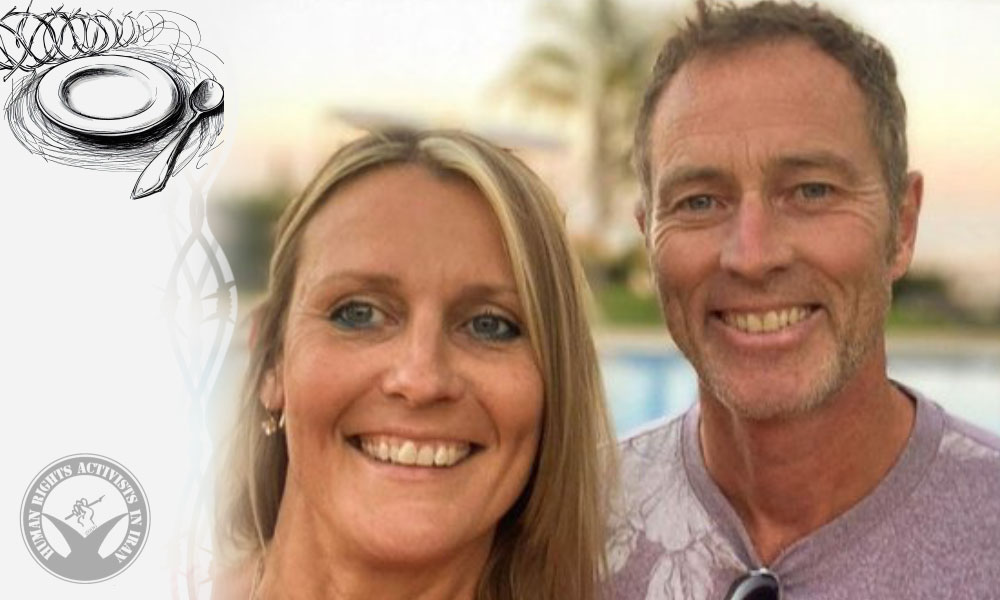
• Saeedeh Foroughifar and Mohsen Darji, a couple residing in Yasuj, were arrested and transferred to an undisclosed location.

It has also been reported that at least 43 citizens were arrested in Behbahan, of whom 26 have since been released. Such mass arrests, often accompanied by transfers to undisclosed locations and gradual, limited releases, indicate that policies of psychological attrition and social destabilization remain in effect.

At a broader level, the rise in the total number of arrests to 51,591 cases and summonses to 11,050 cases demonstrates that crackdowns continue on a wide scale. In many instances, these measures extend beyond detention and are accompanied by summonses, threats, and various forms of extrajudicial pressure.

Updated (Aggregated) Statistics as of the End of Day 43 Since the Start of the Protests

• Total recorded protest locations: 675

• Number of cities (without repetition): 210

• Number of provinces (without repetition): 31

• Civilian injuries: 11,022

• Total arrests: 51,591

• Student arrests: 120

• Forced confessions: 331

• Summonses: 11,050

• Total protesters killed: 6,476

▪️ Including children: 207
▪️ Military / government-affiliated: 214
▪️ Non-civilian / non-protester: 64

• Total confirmed fatalities: 6,961

• Cases under review: 11,730

Summary

On the forty-third day, the dominant trend was the continuation of organized repression, marked by student and political arrests alongside persistent official threats. These included the arrest of three students in Tehran, the detention of political figures such as Azar Mansouri, Ebrahim Asgharzadeh, and Mohsen Aminzadeh, as well as attacks by Gholamhossein Mohseni Ejei and several members of parliament against the authors of recent statements.

At the same time, remarks by the Golestan prosecutor regarding the identification of property and the pursuit of compensation for damages pointed to the continuation of judicial pressure through economic instruments. In the humanitarian and medical sphere, reports of injured individuals fearing access to medical care, combined with the announcement of 25,000 medical visits and the documentation of 11,022 civilian injuries, highlighted the severe human consequences of the protests.

Simultaneously, the issue of children and school students became more prominent, with official acknowledgment of the detention of individuals under the age of 18 and the publication of a list naming at least 200 deceased school students. Taken together, these data and developments indicate that the protest crisis continues to expand, carrying escalating human, social, and security costs.