International Workers’ Day: A Year in Review of Iranian Workers’ Conditions

HRANA – May 1st marks International Workers’ Day, offering another opportunity to reflect on the condition of the country’s labor community and their numerous challenges, particularly regarding wages and salaries, unpaid wages, workplace safety, and the right to form labor unions.

According to a report by HRA’s Statistics and Documents Center, based on a review of labor-related reports published over the past 12 months (from May 1, 2025 to April 28, 2026), at least 5,019 workers were reported injured or killed in workplace incidents during this period by media outlets or organizations active in this field.

At least 586 workers lost their lives in workplace incidents during this period. Authorities and relevant institutions reported 284 deaths in 10 official reports, while independent organizations collected and updated 302 additional cases of worker fatalities that had not been mentioned in official statements.

At least 4,433 workers were also injured in workplace accidents. In 9 official reports or statements at national and provincial levels, authorities announced that 3,846 individuals had been injured. In addition, 587 other cases were documented and reported by civil or labor organizations.

Despite the significance of these figures, it should be noted that, due to the lack of transparency in reporting by responsible institutions and officials, the majority of workplace incidents go unreported in the media.

Most workers in Iran operate under conditions lacking job security and adequate insurance coverage. A shortage of inspectors and weak safety infrastructure have created serious challenges in the registration and prevention of occupational accidents.

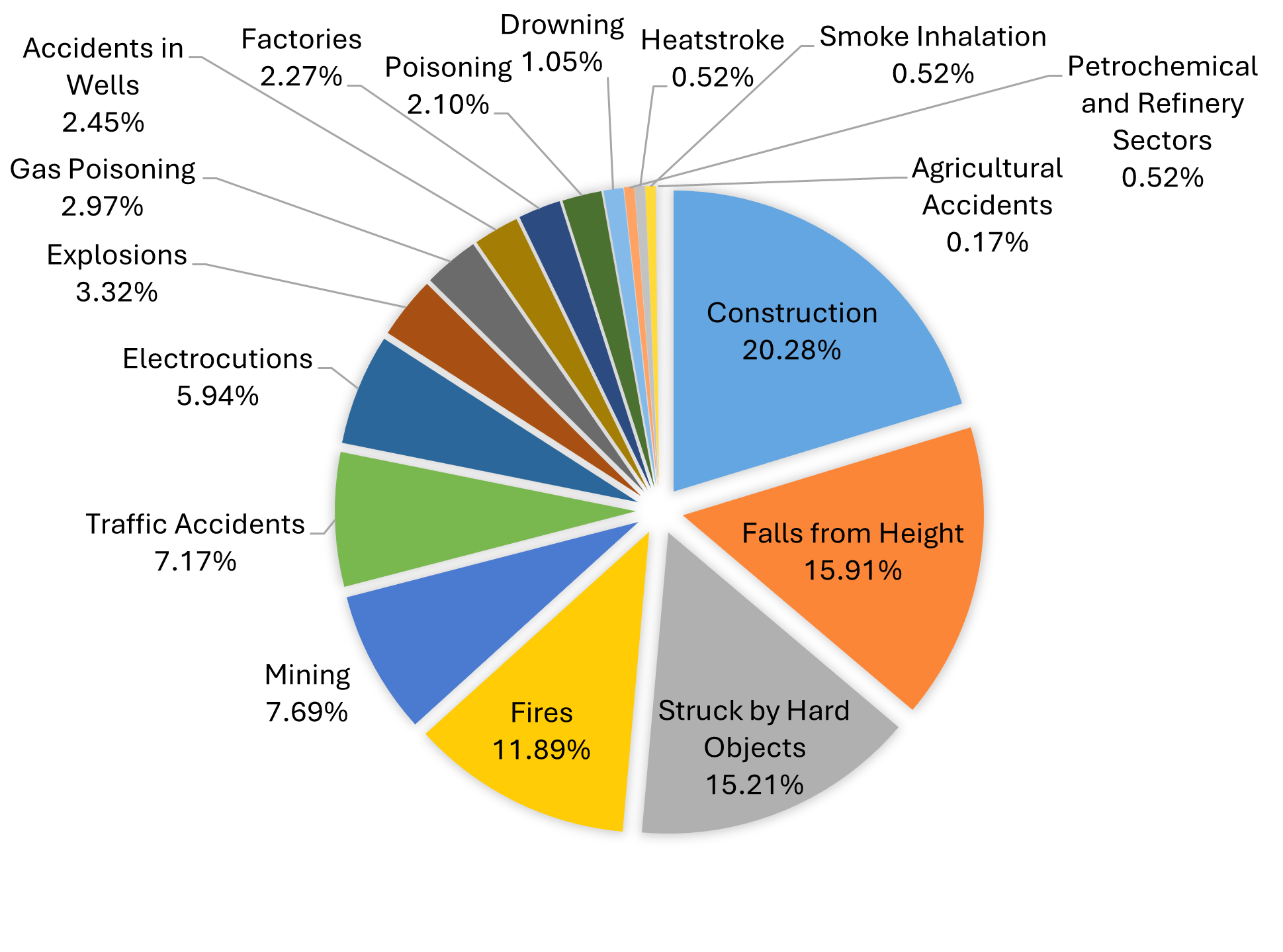
As shown in the chart below, based on the data collected by HRA’s Statistics And Documents Center, the causes of these incidents are distributed as follows: 20.28% construction-related accidents, 15.91% falls from height, 15.21% struck by hard objects, 11.89% fires, 7.69% mining incidents, 7.17% traffic accidents, 5.94% electrocutions, 3.32% explosions, 2.97% gas poisoning, 2.45% accidents in wells, 2.27% in factories, 2.10% poisoning, 1.05% drowning, 0.52% heatstroke, 0.52% smoke inhalation, 0.52% in petrochemical and refinery sectors, and 0.17% agricultural accidents.

Workplace Accident Categorization Chart

According to data compiled by HRA’s Statistics and Documents Center, at least 613 months of unpaid wages have been recorded across 119 industrial and service units.

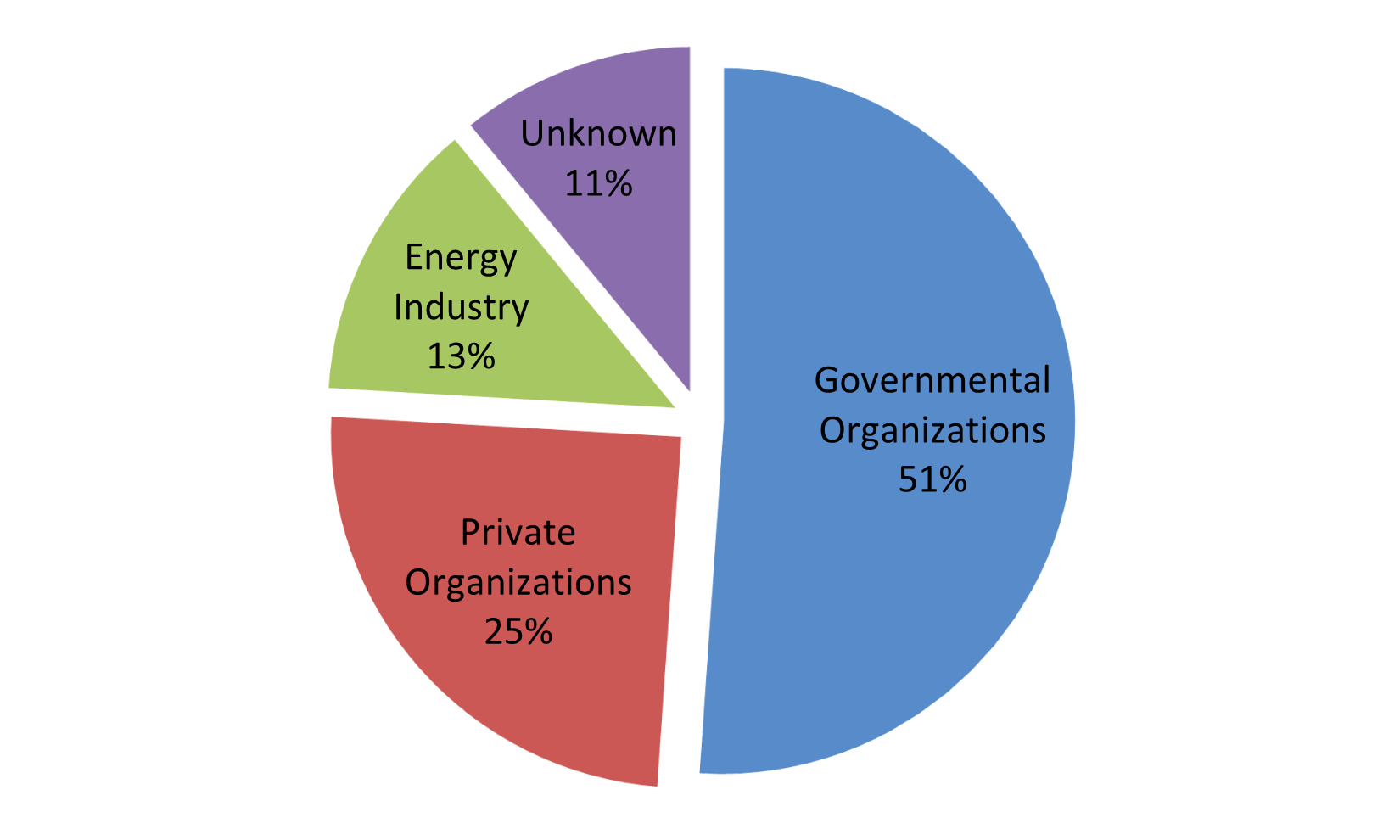
Breakdown of Wage Arrears by Sectors

Based on reports collected by this organization’s statistics department, 51% of wage arrears are related to government entities, 25% to private sector organizations, 13% to the energy sector, and 11% remain unspecified.

Estimates indicate a high level of protest activity within the labor community; however, over the past year, only a portion of these protests, specifically 682 labor gatherings and 691 guild-related gatherings, have been reported by media outlets or civil society organizations. Compared to the previous year, guild-related gatherings decreased by 39.6%, while labor gatherings declined by 7.5%.

Among the most significant events in Iran over the past year were protests by workers of the Middle East Sugarcane Agro-Industry Company, the Karkheh Mianab Sugarcane Agro-Industry Company, railway technical and infrastructure workers, the National Iranian Steel Industrial Group, the Qalat Ghareh Oil Company, as well as guild-related protests by teachers, retirees, and Social Security pensioners.

Over the past 12 months, various cities across Iran have witnessed diverse forms of protest actions by workers. A wide range of workers have taken to the streets due to non-payment of their monthly wages and the neglect of their insurance-related demands. Some of these workers have gone on strike and protested after going as long as 30 months without receiving their pay. In total, 383 labor strikes and 39 guild-related strikes took place. Labor strikes decreased by 72.1%, while guild-related strikes declined by 43.4%.

Workers’ ability to organize in Iran to pursue their demands faces legal challenges and state repression. Repression, obstruction, and the refusal to recognize the rights of trade unions and independent labor organizations, along with the imprisonment and issuance of prison sentences for several labor activists, as well as restrictions on the right to protest, have contributed to the fragmentation and disorganization of some labor gatherings and protests.

In Iran, labor organizations do not exist in the conventional global sense, and independent groups such as the Syndicate of Workers of the Tehran and Suburbs Bus Company, the Haft Tappeh Sugarcane Workers’ Syndicate, the Coordinating Council of Teachers’ Union Organizations, and the Free Union of Iranian Workers face security and political charges.

Many workers have been arrested or sentenced on charges such as organizing peaceful gatherings and protesting low wages. Over the past 12 months, at least 10 workers and labor activists have been arrested. Among the most notable cases are the arrests of several workers from the Isfahan Steel Company and five workers from the Middle East Sugar Factory in Shush.

It is also worth noting that Sharifeh Mohammadi and Mehran Raouf are among the prominent labor activists currently imprisoned, alongside union activists such as Asghar Amirzadegan, Ahmad Alizadeh, and Mohammad Hassan Davoudi.

In addition, one can point to the sentencing of two labor activists to a total of 75 months of discretionary imprisonment and fines amounting to 30 million tomans, two cases of self-immolation, the trial of two individuals, the summoning of nine individuals to judicial and security authorities, the closure of 10 factories, 2,922 cases of dismissal and workforce reduction, 114,954 cases of unemployment, 839,953 instances of workers lacking insurance coverage, and 3,806 cases of employment uncertainty.

Furthermore, in the area of unions and union/guild activities, a total of 40 arrests of union activists, 317 months of discretionary imprisonment and 3 months of suspended sentences, 24 cases of deprivation of social rights, 148 lashes, fines totaling 359.1 million tomans, and 120 months of internal exile for 67 union activists were reported. Additionally, there was 1 case of travel ban, 16 trials in judicial authorities, 43 summonses to judicial-security bodies, 195 cases of business closures (sealings), 18 cases of dismissal and workforce reduction, at least 105 months of unpaid wages, 407 cases of forced retirement, 8 house searches, 4 sentence enforcements, 2 cases of physical assault, and 1 case of self-immolation.

Over the past year, teachers and education sector workers, both active and retired, across various cities and provinces in the country staged protest gatherings and strikes in response to the failure to address their demands. In total, 40 gatherings were recorded. Over the past year, 32 cases of arrest, 37 summonses, 16 trials in judicial authorities, 4 instances of sentence enforcement, 18 cases of dismissal, workforce reduction, and bans from teaching, as well as 7 cases of forced retirement among teachers, were documented.

Additionally, 64 teachers and activists in this field were sentenced to a total of 269 months of discretionary imprisonment and 3 months of suspended sentences, 74 lashes, 23 cases of deprivation of social rights, and fines amounting to 359.1 million tomans.

The head of the National Association of Union Organizations of Construction Workers reported a worsening state of uncertainty and deteriorating living conditions for this group due to wartime circumstances. Akbar Shokat stated: “The most important issue for construction workers is employment. Many of them work on a daily wage basis and rely on just a few days of work per week to cover their living expenses. However, under current conditions, even these limited opportunities have declined, and their livelihoods are facing serious challenges. Wartime conditions have led to the closure of many workshops, and rising prices—especially in the steel sector—have further reduced employment in this field.”

A workers’ representative in the Supreme Labor Council announced that the cost of a basic livelihood basket for a worker’s household this year has reached approximately 40 to 45 million tomans per month, while the minimum income of workers is around 15 million tomans. This highlights a significant gap between income and living expenses. According to Mohammadreza Tajik, to bridge this gap, the minimum wage would need to increase by 17 million tomans to reach around 31 million tomans. Even with a 100% wage increase, workers’ livelihood problems would not be fully resolved, and wage-setting should be based on preserving purchasing power rather than merely percentage increases.

The executive secretary of the Workers’ House in Rey, referring to the sharp rise in healthcare costs and deficiencies in the supplementary insurance of the Social Security Organization, stated that in recent months, increasing imposed and unlawful medical expenses have become a problem worse than the illness itself for many retirees and workers. Mohammadali Torkashvand added that the ability to pay for medical expenses has become impossible for many. He further noted that the “Obligation Plan” of the Social Security Organization, one of its core responsibilities, has not been properly implemented for years. If properly enforced, there would be no need for supplementary insurance, and many healthcare-related problems of retirees would be resolved.

The executive secretary of the Workers’ House in Qazvin stated that today, workers remain hungry despite working double shifts. Wages are not aligned with current inflation, and with daily price changes, 70 to 80 percent of workers’ income is spent on food. Eydali Karimi added that housing allowance is only 900,000 tomans, while in many cases, an entire worker’s salary is spent on rent. Workers and retirees are also under severe pressure from medical costs, with even a simple surgery now costing over 100 million tomans.

Ali Moghaddasi-Zadeh, head of the Coordinating Council of Islamic Labor Councils of South Khorasan, stated that in mining cities such as Tabas and Eastern Alborz, there are still no Social Security hospitals. According to him, this has forced mine workers, who earn very low wages, to bear heavy medical costs in public and private hospitals in the event of accidents. Moghaddasi-Zadeh identified the main cause of this situation as the “existing Social Security law,” explaining: “According to current regulations, a dedicated hospital will not be built until the number of insurance booklets reaches 100,000, whereas in Tabas alone, at least 11,000 workers and their families require insurance services.” He emphasized that this law must be revised so that workers can access Social Security healthcare services in their place of residence.

The prohibition of child labor and the provision of free education for children, the establishment of the highest safety standards in work environments, and the removal of discriminatory laws against women and migrant workers are among the key demands of the labor community.

Despite being described as the cheapest labor force in the country, Iranian women workers face worse employment conditions than men and receive fewer legal protections, rights, and benefits.

At the same time, women workers have less bargaining power compared to their male counterparts. Moreover, production and industrial units show less willingness to hire married women, and in some cases employ single women under commitments not to marry or become pregnant.

The situation of women workers in small workshops is significantly worse. Women make up half of the workforce in brick kilns, where they work under extremely harsh conditions.

In Iran, International Workers’ Day arrives at a time when the privatization of factories and state-owned companies continues without regard for the long-term interests of workers, a trend that has led to widespread labor protests.

International Workers’ Day: A Year in Review of Iranian Workers’ Conditions

HRANA News Agency – Published on the occasion of International Workers’ Day, this report aims to highlight the challenges Iranian workers face, including lack of legal protection, labor rights violations, low wages, unpaid salaries, and unsafe working conditions.

According to HRA’s Department of Statistics and Publications, an analysis of labor-related reports from May 1, 2024, to April 27, 2025, reveals that at least 18,354 workers were reported killed or injured in workplace incidents, as documented by media outlets and organizations active in labor rights.

At least 16,273 workers were injured in workplace accidents over the past year. In one official nationwide and provincial report, authorities reported 16,000 injured, in addition to 273 other reports collected and disseminated by civil or labor organizations.

At least 2,081 workers also lost their lives in workplace accidents during this period. Authorities and relevant organizations reported in an official report the death of 2,000 workers, while independent bodies documented an additional 81 worker deaths not mentioned by officials.

Workers experienced a tragic year during the reporting period. Notably, on the evening of September 21, 2024, a massive explosion occurred at the Madanjo coal mine in Tabas, South Khorasan Province—one of the deadliest mining accidents in Iran’s history. The incident was caused by a sudden release of methane gas in Block C of the mine, which triggered an explosion and the spread of toxic gases into Block B. At the time, 69 workers were present in the two blocks. The blast claimed the lives of 52 workers and injured more than 20 others. Official reports cited inadequate ventilation, the absence of accurate gas sensors, and poor safety oversight as the main causes of the disaster.

The latest in a series of tragic incidents was the explosion at Shahid Rajaee Port in Bandar Abbas. Labor activists reported the death of 46 workers, including three female workers at the time of this writing. Moreover, more than 1,242 injuries were reported by official media, though it remains unclear how many of them were workers. Nevertheless, the head of the Bandar Abbas Workers’ Retirees Association emphasized that most of the victims were workers. This human tragedy, occurring on the eve of the International Day for Safety and Health at Work, highlights that neglecting workplace safety not only endangers thousands of workers’ lives but also inflicts irreparable human and economic damages on society. This reality underscores the importance of more serious enforcement of laws and continuous oversight of compliance with safety principles in work environments.

Despite the significant figures cited above, it is important to note that the majority of workplace incidents go unreported in the media due to the lack of transparency from responsible institutions and officials. Most Iranian workers face unsafe working conditions, with little job security and insufficient insurance coverage. A shortage of labor inspectors and weak safety infrastructure continue to hinder both the documentation and prevention of workplace accidents.

According to the reports compiled by the statistics department of this organization, the distribution of workplace incidents is as follows: 22.63% due to falls from height, 14.23% due to traffic accidents, 10.57% due to fires, 10.37% due to being struck by a hard object, 8.85% due to poisoning, 7.62% due to mining accidents, 6.42% due to gas inhalation, 6.39% due to factory incidents, 6.19% due to electrocution, 2.46% due to construction accidents, 2.30% due to well accidents, 0.81% due to explosions, 0.49% related to petrochemical and refinery incidents, 0.23% unknown causes, 0.19% due to smoke inhalation, 0.13% due to agricultural incidents, and 0.13% due to drowning.
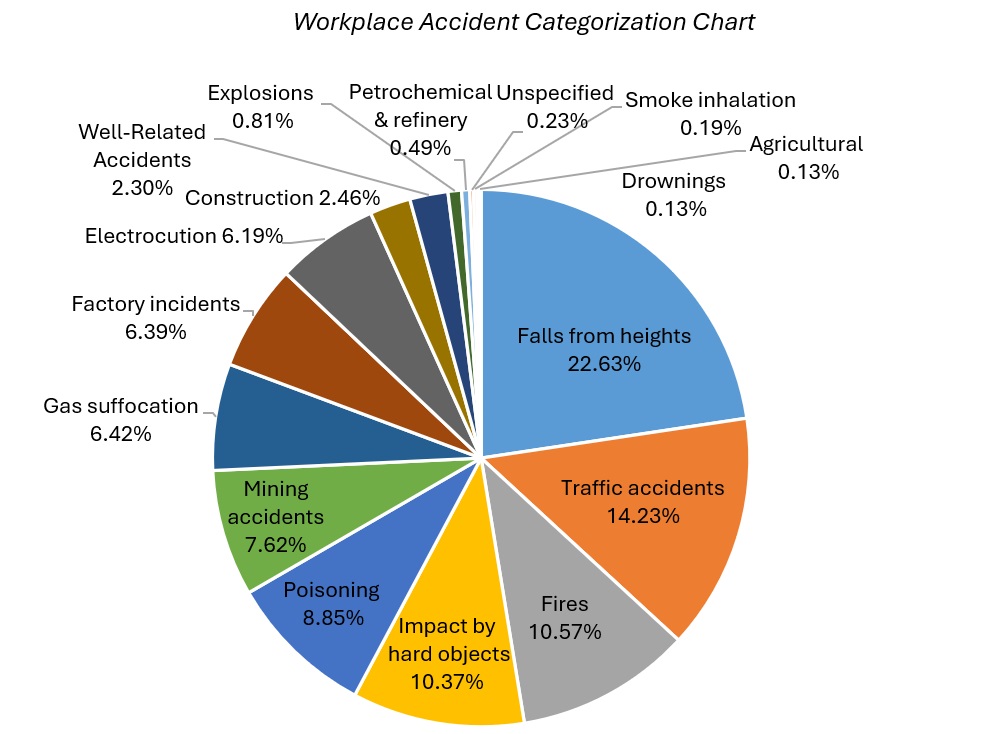
Workplace Accident Categorization Chart

Additionally, based on the statistics gathered by the Statistics Center of Human Rights Activists, at least 1,233 months of wage arrears have been recorded across 92 industrial and service units.

According to the reports compiled by this organization’s statistics department, 72.19% of wage arrears are related to governmental organizations, 14.64% to private organizations, 8.80% are unknown, and 4.36% pertain to the energy industry.

It should be noted that a large portion of the published reports on wage arrears did not specify the number of workers involved, which is a major factor preventing accurate statistics on the number of workers claiming unpaid wages.

While estimates suggest a high level of protests within the labor community, over the past year, a total of only 738 labor protests and 1,145 union protests were reported by media or civil organizations. union protests decreased by 20%, while labor protests increased by 72%.

Among the most significant events in Iran over the past year are the protests by workers at Haft Tappeh Sugarcane Company, farmers, miners at the Western Yurt Winter Mine, workers at South Pars Gas Complex, as well as union protests by teachers, retirees, and Social Security pensioners.

Over the past 12 months, various cities across Iran witnessed different forms of protest movements by workers. A wide range of workers took to the streets due to non-payment of monthly wages and neglect of their insurance demands. Some workers protested after not receiving up to 30 months of wages. Consequently, 1,373 labor strikes and 69 union strikes took place. Labor strikes increased by 1,315% and union strikes by 86%.

Over the past year, the scale of organized demands by various sectors of the working class has been unprecedented. However, repression, deliberate disruption, non-recognition of independent labor unions and associations, the imprisonment and sentencing of several labor activists, and systematic obstruction of the right to protest have contributed to the fragmentation and disorganization of some labor protests and gatherings.

Labor unions, in their conventional international sense, do not exist in Iran. Independent organizations such as the Syndicate of Workers of Tehran and Suburbs Bus Company, the Haft Tappeh Sugarcane Workers’ Syndicate, the Coordinating Council of Teachers’ Unions, and the Free Workers’ Union face accusations of security and political offenses.

Many workers have been arrested or convicted on charges such as organizing peaceful gatherings and protesting low wages.

Over the past 12 months, at least 13 workers and labor activists have been arrested. Notable among these arrests are at least three workers from Barez Tire Factory in Kerman and four workers from Asfalt Toos Company.

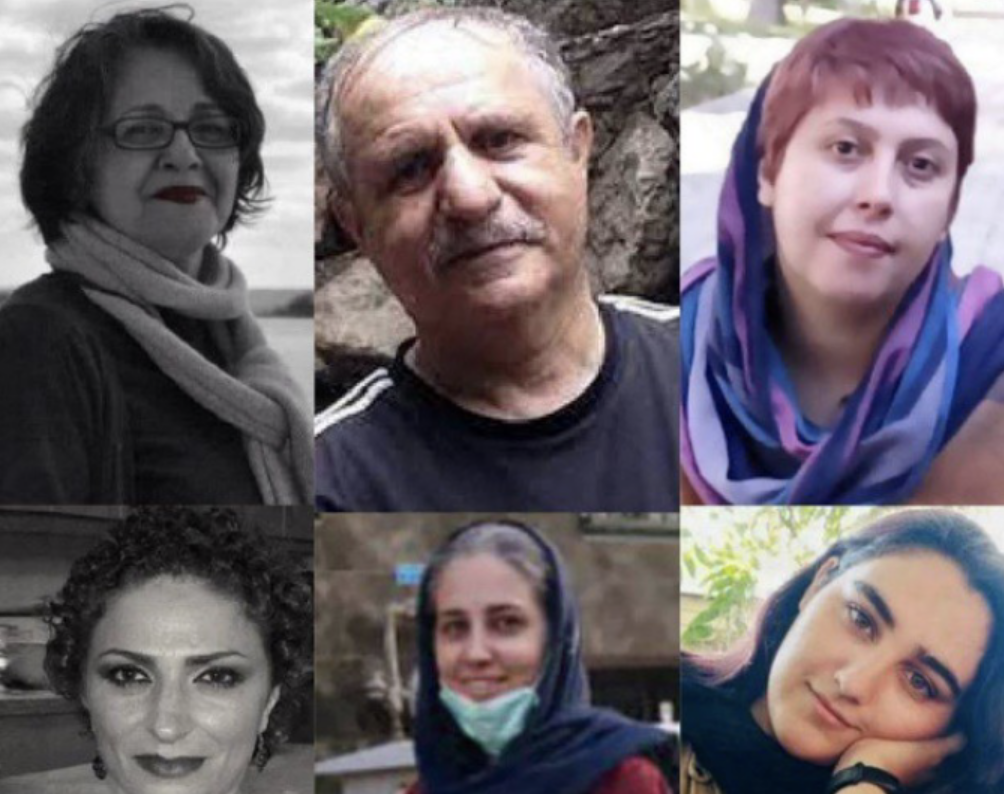
It is also worth mentioning that Ebrahim Madadi, Nahid Khodajoo, Anisha Asadollahi, Nasrin Javadi, Yadi Bahari, and Mehran Raouf are among the prominent labor activists currently imprisoned along with union activists such as Asghar Amirzadegan.

Esmaeil Gerami

Ebrahim Madadi

Nahid Khodajoo

Anisha Asadollahi

Nasrin Javadi

Yadi Bahari

Mehran Raoof

Asghar Amirzadegan

Furthermore, there have been sentences against 10 labor activists and workers totaling 340 months of discretionary imprisonment, 5 cases of self-immolation, 5 cases of suicide, interrogation of 7 individuals by security bodies, 5 cases of sentence execution, 1 home search, summoning of 14 individuals to judicial and security authorities, 11 factory closures, 4,424 cases of dismissal and layoffs, 585 cases of unemployment, 1,024,872 cases of workers lacking work insurance, and 5,105 cases of workers left in limbo regarding their employment status.

In the unions and guilds sector, there have been a total of 27 arrests of union activists, 804 months of discretionary imprisonment, 92 months of suspended imprisonment, 29 lashes, 577.4 million tomans in fines, 168 months of exile for 72 union activists, 3 travel bans, 18 court trials, 118 summonses to judicial-security authorities, 315 place closures, 11 cases of dismissals and layoffs, at least 165 months of wage arrears, 3 cases of forced retirement, 3 home searches, 5 sentence executions, and 5 cases of assault reported.

Over the past year, active and retired teachers and educators across various cities and provinces of the country staged protests and strikes to demand their unmet claims. Accordingly, 98 protests and 2 strikes have been recorded. It is noteworthy that in the past year, there have been 14 arrests, 56 summons, 16 court trials, at least 11 months of delayed salaries, 8 cases of dismissal and prohibition from teaching, and 3 cases of forced retirement among teachers. Additionally, 69 teachers and activists in this sector have been sentenced to a total of 780 months of discretionary imprisonment, 92 months of suspended imprisonment, 29 lashes, 3 cases of deprivation of social rights, and 537.4 million tomans in fines.

The Executive Secretary of the Khorasan Razavi Workers’ House identified the wide gap between wages and living costs as the most significant problem for workers and retirees, stating that despite wage adjustments based on inflation rates, the rapid rise in prices has further reduced the purchasing power of these groups. Seyed Hossein Rasouli added that, given the steep inflation in basic goods in recent months, the wages received by workers and retirees only cover about two weeks of their monthly expenses. He criticized the government, as the country’s largest employer, for not considering workers’ satisfaction and welfare in its calculations.

Meanwhile, Mohammad Chakoshian, Deputy Minister of Cooperatives, Labor, and Social Welfare, in response to the Chamber of Commerce’s announcement regarding a “10% wage reduction for workers with Friday closures,” claimed: “This cannot be implemented because it is illegal, and no one can reduce a worker’s salary against labor laws; if such a violation occurs, it must be stopped.”

According to a report by the National Research Center, occupational accidents are the second leading cause of death in the country, with miners suffering the most due to the lack of safety systems and weak oversight. The rising death toll due to officials’ neglect of workplace safety is a clear example of the violation of workers’ human rights.

Furthermore, the Executive Secretary of the Saveh Workers’ House pointed out the harsh living conditions for workers and retirees, attributing the main cause to behind-the-scenes collusion among parliament members, government officials, and their economic team, whose promises were imposed on workers’ representatives in the Supreme Labor Council.

Additionally, a member of the Parliament’s Commission for Internal Affairs and Councils highlighted the problems faced by workers at Esfandeh Copper Mines in Arzooieh County, stating: “These miners work hundreds of meters underground for a monthly income of 10 to 12 million tomans, which is unjust.” Yasser Soleimani further noted: “Workers at one of the copper mines in this region must travel three hours daily on dirt roads to reach their workplace and return.”

Moreover, the President of the Association of Trade Unions of East Azerbaijan Province stated that some employers, to evade the 4% insurance premium for hazardous jobs, dismiss workers before they reach 20 years of service to prevent them from qualifying for early retirement benefits. Others avoid past debts by changing the factory name and registering a new workshop code. Saeed Fattahi added that the issuance of Directive 1777 by the Social Security Organization has exacerbated problems for workers in hazardous jobs.

Additionally, the Vice President of the Supreme Council of Islamic Labor Councils announced that 70% of workers covered by labor law, despite the minimum wage increase this year, still face a livelihood deficit of around eight million tomans compared to the actual cost of living. Ali Khodaei attributed this situation to unrealistic wage-setting policies, government neglect of the industrial sector, migration of skilled labor, and workers turning to precarious jobs.

According to the recent resolution of the Supreme Labor Council, workers’ housing allowance has remained unchanged at 900,000 tomans for the second consecutive year. This is despite the latest data from Iran’s Statistical Center, which shows that annual housing sector inflation has reached 40.8%. The lack of an increase in this allowance comes at a time when the value of the dollar has risen by 60% since the beginning of the year and the general inflation rate has reached 32% by the end of February. This glaring gap between the meager wage increases and rampant inflation has turned housing costs into a serious crisis for workers.

It is worth mentioning that Ali-Asghar Nakhai Rad, a member of Parliament, stated that workers’ purchasing power has decreased by 40% compared to the past. In recent years, workers’ wages have lagged behind inflation, and now we are facing an accumulation of this gap. He emphasized that, considering the possibility of higher inflation next year, the wage increase for workers in 2025 must exceed the inflation rate announced by the Central Bank.

The ILNA news agency reported that the heavy debt of the Social Security Organization to medical centers and pharmacies has deprived insured individuals of healthcare services. Esmaeili, Acting Director of Social Security’s Healthcare Management in Markazi Province, stated that employers’ debts to Social Security amount to 1.14 quadrillion tomans, which is six times the amount Social Security owes to medical centers. Khosrow Ranjbar, a retirees’ rights activist, also criticized this situation, stressing that workers and retirees have been deprived of medical care due to managers’ irresponsibility and employers’ profiteering, even though insurance premiums have been deducted from their wages but not paid to Social Security.

Other demands of the labor community include the prohibition of child labor and the provision of free education for children, the establishment of the highest safety standards in work environments, and the elimination of discriminatory laws against women and migrant workers.

Despite Iranian women workers being described as the cheapest labor force in the country, their employment situation is worse than that of men, and they enjoy fewer legal protections, rights, and benefits. Moreover, women workers have less bargaining power compared to their male colleagues. Production and industrial units are less inclined to hire married women, and in some cases, single women are employed under the condition that they do not marry or become pregnant.

The situation of female workers in small workshops is even worse. Women make up half of the workers in brick kilns, where they work under extremely harsh conditions.

In Iran, Workers’ Day arrives amid continued privatization of factories and state-owned companies without considering the long-term interests of workers, a situation that has led to widespread labor protests.

Seven Political Activists Sentenced to Total of 53 Years in Prison

According to HRANA, the news agency of Human Rights Activists, political activists Nahid Taghavi, Mehran Raouf, Somayeh Kargar, Bahareh Soleimani, and Nazanin Mohammadnejad were sentenced to a total of 38 years in prison.

The other two defendants of the case, Nafiseh Malekijoo, and Mohammad Hajinia, were also sentenced in absentia. Ms. Malekijoo was sentenced to 6 years and nine months, and Mr. Hajiniya was sentenced to 8 years and eight months imprisonment.

Branch 26 of the Revolutionary Court of Tehran, presided by Judge Iman Afshari, has sentenced the seven defendants to a total of 53 years and five months in prison on charges of “participating and administrating the Communist Party of Iran with the intention to disrupt security”, and “propaganda activities against the regime”.

Nafiseh Malekijoo and Mohammad Hajinia are currently living abroad. As of this writing, the status of the case of Elham Samimi, the eighth defendant of the case, is unknown.

The first session of the court hearing for these activists was held on April 28, and the second session was held on June 13.

Five Political Defendants Sentenced to a Total of 38 Years in Prison

Political defendants Nahid Taghavi, Somayeh Kargar, Bahareh Soleimani, Nazanin Mohammad Nejad, and Mehran Raouf were sentenced by Branch 26 of the Revolutionary Court of Tehran to a total of 38 years in prison.

According to HRANA, the news agency of Human Rights Activists,  the court hearings of these citizens, along with Ms. Elham Samimi, another defendant of this case, were held on April 28 and June 13.

Branch 26 of the Revolutionary Court of Tehran, presided by Judge Iman Afshari, sentenced Nahid Taghavi and Mehran Raouf to 10 years and eight months in prison on charges of “participation in the management of an illegal group and propaganda activities against the regime”.

Somayeh Kargar and Bahareh Soleimani were sentenced to 6 years and eight months on charges of “participation in the management of an illegal group and propaganda activities against the regime”, and Nazanin Mohammad Nejad to 3 years and 4 months each on a charge of “participation in the management of an illegal group and propaganda activities against the system”. As of this writing, the status of Elham Samimi’s case is not known.

In October 2020, HRANA reported the arrest of Ms. Taghavi, Ms. Somayeh Kargar, Mr. Mehran Raouf, and Ms. Bahareh Soleimani by IRGC intelligence forces, as well as the arrests of Ms. Mohammadnejad in December and Elham Samimi in November last year. Nahid Taghavi and Mehran Raouf are still in custody.