The Bodies of Six Executed Political Prisoners Have Still Not Been Returned to Their Families

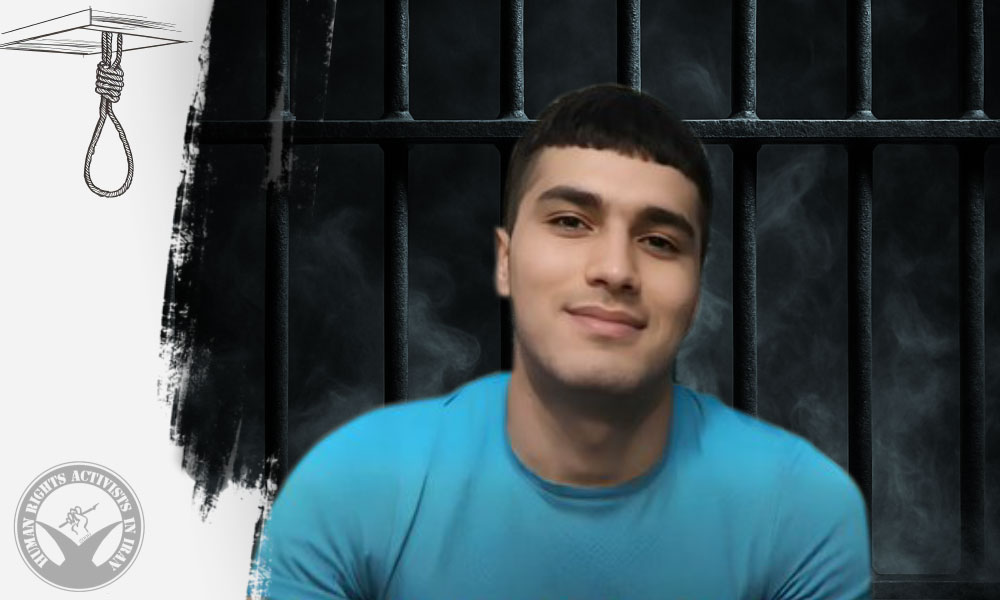
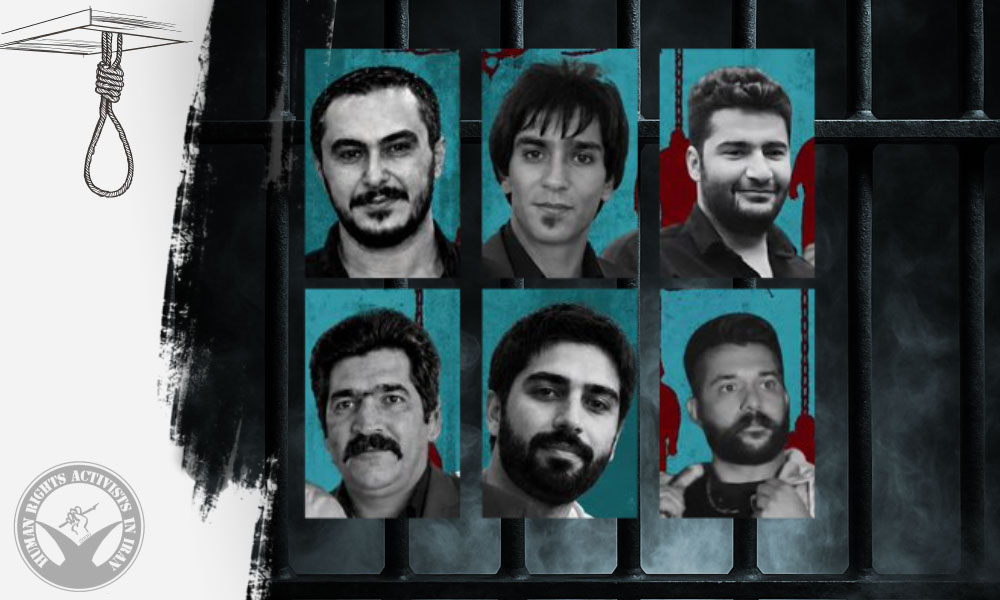
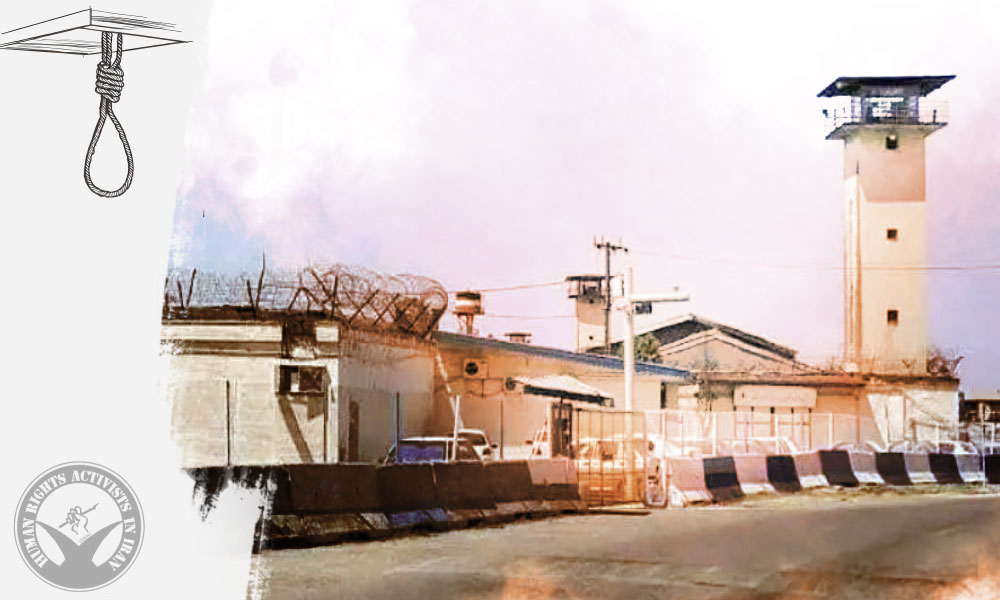
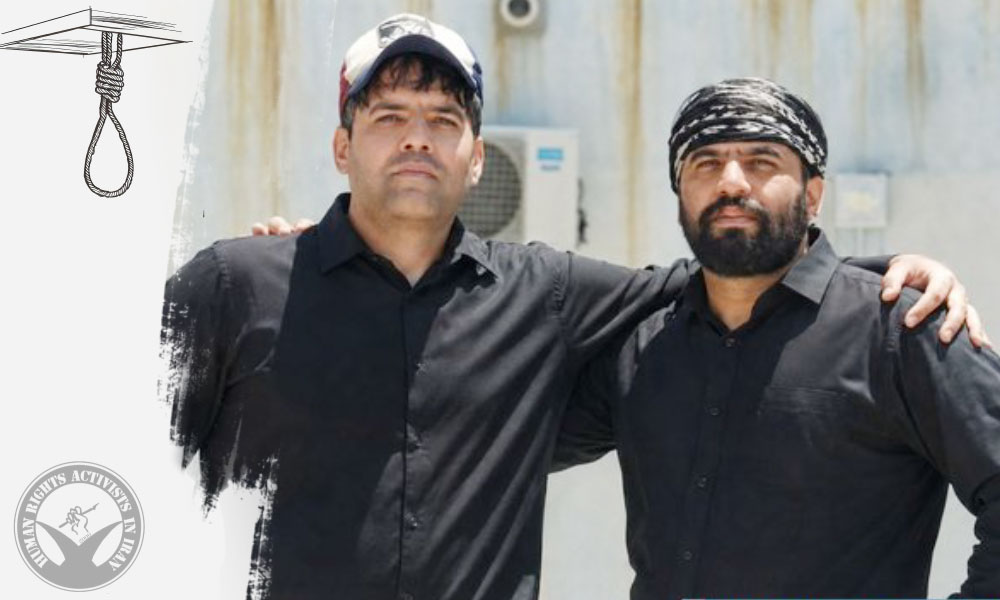
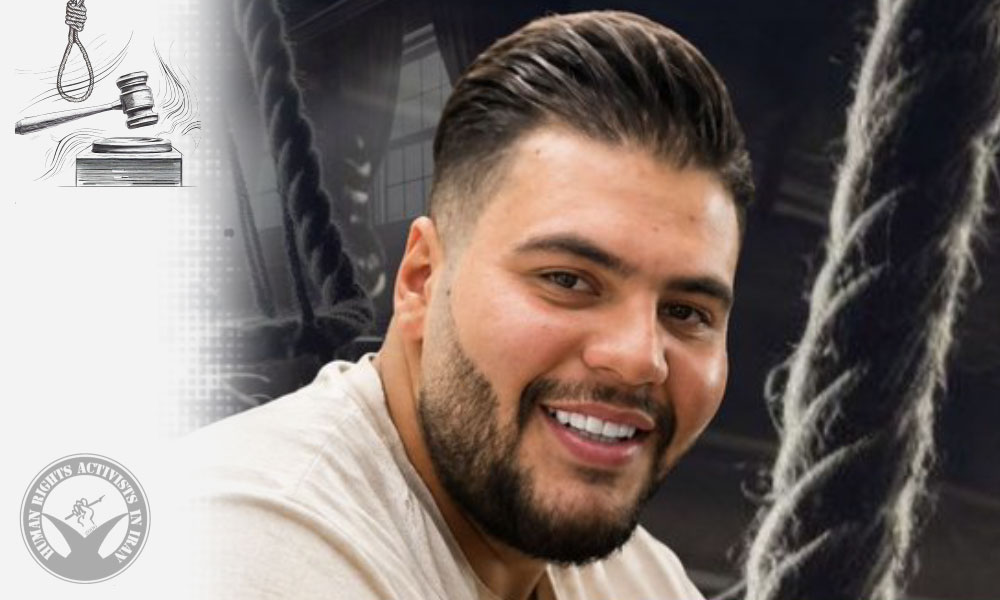
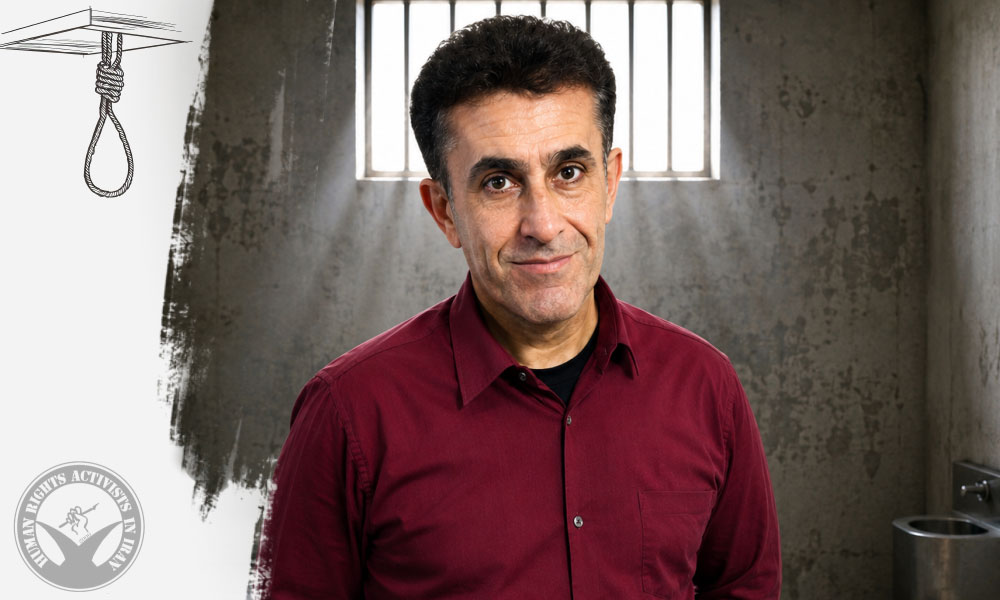
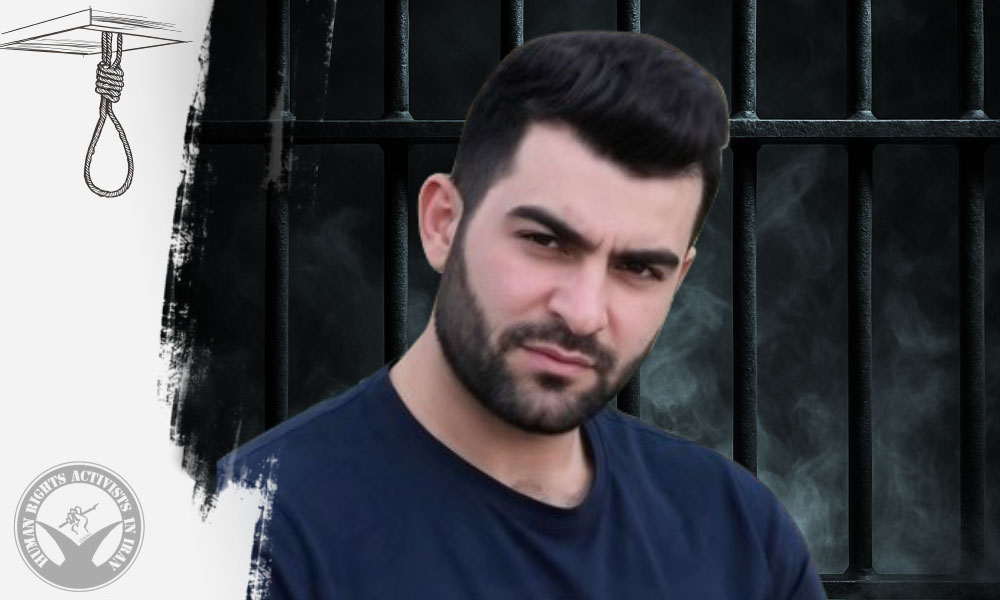
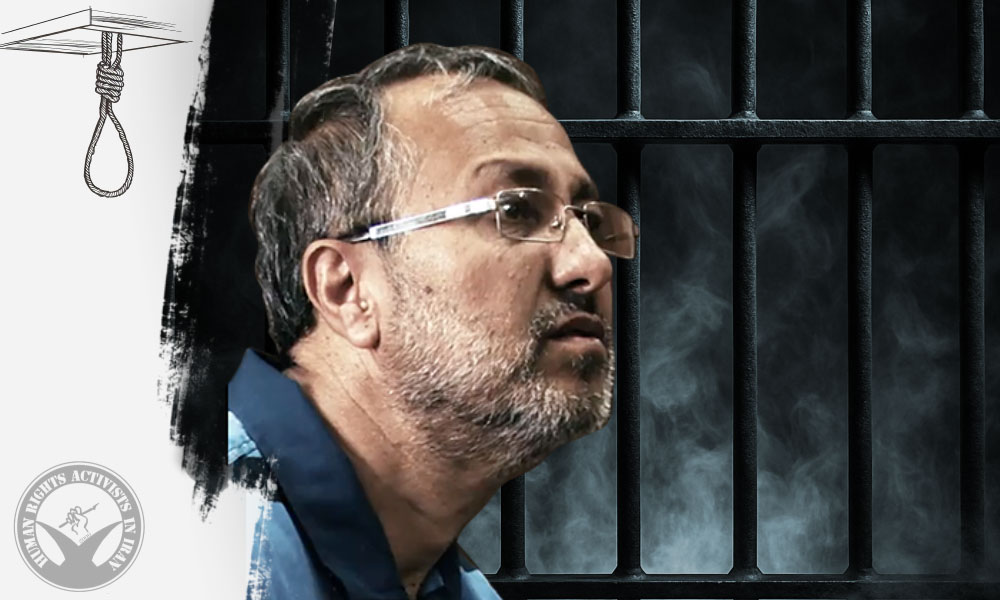
HRANA – The bodies of six political prisoners executed in Ghezel Hesar Prison, Akbar Daneshvar Kar, Seyed Mohammad Taghavi Sang-Dehi, Babak Alipour, Pouya Ghobadi Bistouni, Seyed Abolhassan Montazer, and Vahid Bani-Amerian, have still not been returned to their families more than a week after their executions. Their families, expressing deep concern, have called for transparent information regarding the fate of their loved ones.

Seyed Abolhassan Montazer and Vahid Bani-Amerian were executed on April 4, Babak Alipour and Pouya Ghobadi Bistouni on March 31, and Akbar Daneshvar-Kar and Seyed Mohammad Taghavi Sang-Dehi on March 30, all in Ghezel Hesar Prison. Despite more than a week having passed, their bodies have still not been handed over to their families. The families are demanding clarification about the status of the bodies and disclosure of their burial locations.

The death sentences for these political prisoners were issued in December 2024 on charges of baghi (“armed rebellion against the regime”) through alleged membership in anti-government groups. The ruling had previously been overturned by the Supreme Court in July 2024, and the case was referred to a parallel branch for retrial. Later, in mid-November 2025, they were retried in Branch 26 of the Tehran Revolutionary Court, presided over by Judge Iman Afshari. Finally, on December 7, 2025, the same branch reissued the death sentences, which were formally communicated to their lawyers.

On February 23, 2024, Seyed Mohammad Taghavi Sang-Dehi and Pouya Ghobadi Bistouni were arrested in Chaldoran County and transferred to Maku Prison. Taghavi Sang-Dehi was later transferred to Evin Prison on March 1, 2024. Vahid Bani-Amerian and Seyed Abolhassan Montazer were arrested by security forces in Tehran in January 2024 and were held for some time in Evin Prison. Akbar Daneshvar Kar had also previously been arrested by security forces and transferred to Evin Prison.

These prisoners were formally charged in late May 2024 at Branch 5 of the Tehran Public and Revolutionary Prosecutor’s Office, and were later transferred in the summer of that year to Ghezel Hesar Prison.

Seyed Abolhassan Montazer and Seyed Mohammad Taghavi Sang-Dehi were political prisoners from the 1980s generation of detainees, while Vahid Bani-Amerian, Pouya Ghobadi Bistouni, and Babak Alipour had also previously faced imprisonment and convictions due to their activism.

January 2026 Protests: Ali Fahim Executed

HRANA – The Judiciary’s Media Center announced that the death sentence of Ali Fahim, one of those arrested during the January 2026 protests, has been carried out. He had been sentenced to death and confiscation of property by Branch 15 of the Tehran Revolutionary Court in connection with the arson case involving a Basij base, and the ruling had been upheld by the Supreme Court.

Mizan, the Judiciary’s Media Center, stated that the sentence of this political prisoner was carried out at dawn today, April 6, following review of the case, rejection of his appeal, and final confirmation of the ruling by the Supreme Court. According to the Judiciary’s claims, this imprisoned protester had been prosecuted on charges of “participation in operational actions against the country’s security for Israel, the United States, and anti-government groups; entering classified military premises with the intent to remove weapons and ammunition; and destroying and setting fire to government property with the aim of confronting the Islamic Republic.”

The report further claims that “Ali Fahim had intended to enter a military center and gain access to the weapons stored there. He also removed motorcycles from that military center, which were later set on fire by protesters.”

His case, along with that of four others, was heard in Branch 15 of the Tehran Revolutionary Court, presided over by Judge Abolghasem Salavati, and on February 7, 2026, they were sentenced to death.

The case stems from the events of the evening of January 7, 2026, and the fire at the “185 Martyr Mahmoud Kaveh” Basij base in eastern Tehran. According to reports and videos of forced confessions broadcast by the Islamic Republic’s state television, these individuals had no role in the arson or destruction of property at the site, but had merely entered a building that had already been set on fire by others.

With the execution of Ali Fahim, a total of four people convicted in this case have now been executed. Mohammadamin Biglari, Shahin Vahedparast Kaloor, and Amirhossein Hatami are the three prisoners who were hanged in recent days. With these executions, concerns have intensified regarding the fate of Abolfazl Salehi Siavashani, another defendant in the case. These political prisoners had been transferred to solitary confinement cells in Ghezel Hesar Prison in Karaj last Sunday.

According to HRA’s annual report, in 2025, at least 2,488 citizens, including 63 women and 2 juvenile offenders, were executed. Of these, 13 executions were carried out in public. During the same period, 130 others, including 10 women and 1 juvenile offender, were also sentenced to death.

January 2026 Protests: Mohammadamin Biglari and Shahin Vahedparast Executed

HRANA – The Judiciary’s Media Center announced that the death sentences of Mohammadamin Biglari and Shahin Vahedparast have been carried out after being upheld by the Supreme Court. These political prisoners had been arrested in connection with the January 2026 protests in Tehran and were later sentenced to death by the Tehran Revolutionary Court.

The Judiciary’s Media Center stated that the sentences were carried out at dawn today, April 5, following review of the case and confirmation of the final verdict by the Supreme Court. The judiciary claimed that the two had “entered a military-classified location and, while participating in the destruction and burning of this sensitive site, attempted to gain access to the armory.”

The case was heard in Branch 15 of the Tehran Revolutionary Court, presided over by Judge Abolghasem Salavati, and death sentences had been issued for them on February 7, 2026.

Hassan Aghakhani, one of the privately retained lawyers for Mohammadamin Biglari, had previously pointed to existing ambiguities regarding the alleged “confession” attributed to his client. He said that the court-appointed lawyer at the preliminary stage had informed the family that the defendant had confessed, but the content of this confession, the conditions under which it was obtained, and the related documentation had never been clarified for the privately retained lawyers. He emphasized that attributing this confession to his client is subject to serious doubt.

The case was opened on the evening of January 8, 2026, following a fire at the “185 Martyr Mahmoud Kaveh” Basij base in eastern Tehran. According to reports and videos of forced confessions broadcast by the Islamic Republic’s state television, these individuals had not played a role in the arson or destruction of property at the site; rather, they had merely entered a building that had already been set on fire by others.

Mohammadamin Biglari and Shahin Vahedparast Kaloor, along with Abolfazl Salehi Siavashani, Amirhossein Hatami, and Ali Fahim, who had all been sentenced to death in a joint case, were transferred to solitary confinement cells in Ghezel Hesar Prison in Karaj last Sunday. Following the execution of these two individuals and the execution of Amirhossein Hatami on Thursday, April 2, 2026, concerns have intensified regarding the fate of Abolfazl Salehi Siavashani and Ali Fahim.

According to HRA’s annual report, in 2025, at least 2,488 citizens, including 63 women and 2 juvenile offenders, were executed. Of these, the sentences of 13 individuals were carried out in public. During the same period, 130 others, including 10 women and 1 juvenile offender, were sentenced to death.

Political Prisoners Abolhassan Montazer and Vahid Bani-Amerian Executed

HRANA – The judiciary’s media center announced that at dawn today, Saturday, April 4, the death sentences of Abolhassan Montazer and Vahid Bani-Amerian, political prisoners held in Ghezel Hesar Prison in Karaj, were carried out.

According to Mizan, the judiciary’s media center, the sentences were carried out this morning, Saturday, April 4, after being upheld by the Supreme Court. On Sunday evening last week, Vahid Bani-Amerian and Abolhassan Montazer had been transferred to solitary confinement in Unit One of Ghezel Hesar Prison.

The death sentences of Bani-Amerian and Montazer, along with four others, had previously been issued on the charge of armed rebellion (baghi) through membership in anti-government groups. In July of last year, the Supreme Court overturned this ruling and referred their case to a parallel branch.

In November, 2025, they were retried in Branch 26 of the Tehran Revolutionary Court, presided over by Judge Iman Afshari. Ultimately, on Sunday, December 7, 2025, the same branch reissued the death sentence for these political prisoners and formally notified their lawyers.

The two political prisoners were arrested by security forces in Tehran in December, 2023. They were held for a period in Evin Prison before later being transferred to Ghezel Hesar Prison in Karaj.

The judiciary further claimed regarding the actions of these political prisoners that: “Abolhassan Montazer, son of Seyed Jafar, was one of the main members of a team affiliated with the Mojahedin-e Khalq Organization (MEK). Using financial resources, he arranged safe houses for the activities of members of this group and accommodated certain related individuals in these locations. According to the case file, these houses were used as sites for building launchers and improvised bombs, and the rent was paid through funds received in cryptocurrency.”

Continuing these allegations, Vahid Bani Amerian, son of Mohammad, was also identified as one of the members of this team. It was stated that: “He was arrested alongside Abolhassan Montazer while they were allegedly preparing to carry out an operation using a launcher, and four launcher devices were reportedly discovered in their possession.”

It was also claimed that: “After reestablishing contact with this group, he first engaged in propaganda activities and later took part in several operations against various locations.”

Montazer was reportedly among the political prisoners of the 1980s, and Vahid Bani-Amerian had also previously faced conviction and imprisonment because of his activities.

According to HRA’s annual report, in 2025, at least 2,488 citizens, including 63 women and 2 juvenile offenders, were executed. Of these, 13 executions were carried out in public. During the same period, 130 other individuals, including 10 women and 1 juvenile offender, were sentenced to death.

Executions of Political Prisoners Escalate Amid Ongoing War

HRANA – As the military conflict between the United States–Israel and Iran, which began on February 28, 2026, continues, the implementation of death sentences in Iran has entered a new and deeply alarming phase, one marked by an exclusive focus on prisoners facing political and security-related charges and a noticeable acceleration in executions. During this period, at least nine political prisoners have been executed, while the confirmation of new death sentences and the transfer of several condemned prisoners to solitary confinement have sharply intensified concerns over an imminent rise in further executions.

According to HRANA, a review of available data shows that at least nine political prisoners have been executed since the start of the war. The trend began with the execution of a dual national citizen, Kourosh Keyvani, on charges of “espionage.” Just one day later, it continued with the execution of three other prisoners, Mehdi Ghasemi, Saleh Mohammadi, and Saeed Davoudi, on political-security charges.

Subsequently, two defendants linked to the Mojahedin-e Khalq Organization, Akbar Daneshvar-Kar and Seyed Mohammad Taghavi-Sangdehi, were executed, followed by two other prisoners, Babak Alipour and Pouya Ghobadi, in a related case. At dawn today, another political prisoner, Amirhossein Hatami, was also hanged. At the same time, the death sentence of political defendant Mansour Jamali was upheld by the Supreme Court.

This sequence indicates that not only has the number of executions increased, but the time intervals between executions have also shortened, reflecting a rapidly accelerating pattern.

Based on the information collected, all executions carried out during this period have been tied to cases of a political and security nature, and no reports have been published of executions for non-political crimes during the same timeframe. This points to a significant shift in the pattern of death penalty implementation in the country.

Simultaneously, reports indicate a growing number of prisoners at imminent risk of execution. At least six prisoners, Vahid Bani Amerian, Abolhassan Montazer, Mohammad-Amin Biglari, Shahin Vahedparast Kaloor, Abolfazl Salehi Siavashani, and Ali Fahim, have been transferred to solitary confinement cells in Ghezel Hesar Prison, a step that in Iran’s judicial practice is generally viewed as a sign that execution is imminent. In addition, several other prisoners in different parts of the country are reportedly awaiting execution.

Taken together, these developments indicate that during wartime, the use of the death penalty has become distinctly concentrated on political and security-related cases, and this trend is continuing at an increasing pace. Such a pattern has raised serious concerns about the fate of prisoners sentenced to death and suggests that a greater number of them now face immediate danger.

While Donald Trump, the President of the United States, had previously claimed that under U.S. pressure Iran had halted the implementation of “more than 800 death sentences”, and had even expressed appreciation for that move, recent developments show that not only was such a trend not sustained, but with the outbreak of war, executions, particularly in political and security cases, have once again resumed with significant speed. This comes despite earlier warnings from U.S. officials that the continued execution of protesters could provoke a severe response. Current data, however, indicates an intensification of this trend in the recent period.

According to HRA’s annual report, at least 2,488 people, including 63 women and 2 juvenile offenders, were executed in the Iranian year 1404. Of these, 13 executions were carried out in public. During the same period, another 130 individuals, including 10 women and 1 juvenile offender, were sentenced to death. Although a significant portion of these executions were described as relating to ordinary crimes, human rights organizations have consistently warned about the use of the death penalty in political and security cases and the lack of fair trial standards in such proceedings.

Subscribe to Our Newsletter

Now is definitely not the time to stop reading!

Judiciary Announces the Execution of Amirhossein Hatami

HRANA – The judiciary’s media center announced that in the early hours of today, Thursday, April 2, the execution sentence of Amirhossein Hatami was carried out. Mr. Hatami had been arrested in connection with the January 2026 protests in Tehran and was later sentenced to death and confiscation of property by the Tehran Revolutionary Court. Earlier this week, he had been transferred to solitary confinement in Karaj’s Ghezel Hesar Prison.

According to Mizan, the report states that after being arrested by the IRGC Intelligence during the January 8, 2026 protests, Mr. Hatami was prosecuted on charges of “participation in operational actions against the country’s security for Israel, the United States, and anti-government groups; entering classified military sites with the intent to remove weapons and ammunition; and destroying and setting fire to government property with the aim of confronting the system of the Islamic Republic.”

Ultimately, following court sessions, Mr. Hatami was sentenced to death and confiscation of property. The death sentence of this citizen, who had been imprisoned in Ghezel Hesar Prison, was reviewed by the Supreme Court, and after his appeal was rejected, the lower court’s ruling ordering his execution was upheld.

The report adds that during the January protests, Mr. Hatami had allegedly intended to enter a military center and gain access to the weapons stored there, but ultimately did not succeed in carrying out this action.

HRANA had previously reported that in recent days at least five prisoners, Amirhossein Hatami, Mohammadamin Biglari, Shahin Vahedparast Kalur, Abolfazl Salehi Siavashani, and Ali Fahim, were transferred to solitary cells in Unit Three of Ward 35 of Qezel Hesar Prison. Following the executions of Akbar Daneshvarkar, Seyed Mohammad Taghavi-Sangdehi, as well as Babak Alipour and Pouya Qobadi in recent days, the transfer of the remaining prisoners had heightened concerns about their fate and the risk that their sentences would also be carried out.

Amirhossein Hatami, approximately 19, was arrested on the evening of Thursday, January 8, near Namjoo Street in eastern Tehran by security forces. His case was heard by Branch 15 of the Tehran Revolutionary Court, presided over by Judge Abolqasem Salavati, and on February 6, 2026, he was sentenced to death.

According to the annual report on the state of human rights in Iran, published by the Statistics, Publications, and Works Unit of the Human Rights Activists in Iran, in 2026 at least 2,488 citizens, including 63 women and 2 juvenile offenders, were executed. Of these, 13 executions were carried out in public. During the same period, another 130 individuals, including 10 women and 1 juvenile offender, were sentenced to death.

Death Sentence of Mansour Jamali Upheld by the Supreme Court

HRANA – The death sentence of Mansour Jamali, a political prisoner held in Choobindar Prison in Qazvin, has been upheld by Iran’s Supreme Court. He had previously been sentenced to death by the Revolutionary Court of Qazvin on the charge of “enmity against God” (moharebeh). Recent days have shown a sharp increase in developments related to the sentencing and execution of political prisoners compared to the previous month.

A source familiar with the case, while confirming the news, told HRANA: “Recently, Mansour Jamali’s death sentence was upheld by the Supreme Court and was formally communicated to him in prison two days ago. This political prisoner had previously been sentenced to death by Branch One of the Revolutionary Court of Qazvin, presided over by Esmail Asadi, on the charge of ‘moharebeh through membership in the MEK organization.’”

According to information received by HRANA, the indictment in his case was referred to court after 15 months. During both his detention and the judicial proceedings, he was denied access to a lawyer of his own choosing.

Mansour Jamali, born in 1970 in Urmia, holds a high school diploma. He is the father of two children and has worked as a sports coach in various disciplines. Mr. Jamali was arrested in October 2023 in Buin Zahra County. He is currently being held in Choobindar Prison, Qazvin.

In recent days, the execution of political prisoners has risen at an alarming rate. In the past three days alone, four political prisoners, Akbar Daneshvar-Kar, Seyed Mohammad Taghavi-Sangdehi, Babak Alipour, and Pouya Ghobadi, were executed.

After Four Executions, Five Political Prisoners Face Imminent Risk

HRANA – Mohammad-Amin Biglari, Shahin Vahedparast Kaloor, Abolfazl Salehi Siavashani, Amirhossein Hatami, and Ali Fahim, five political prisoners sentenced to death by the Tehran Revolutionary Court in connection with the burning of a Basij base during the January protests of 2026, have been transferred to solitary confinement in Ghezel Hesar Prison. Following the execution of four other political prisoners over the past two days, their transfer has intensified concerns over their fate and the imminent risk that their sentences may be carried out.

On the evening of Sunday this week, a large number of political prisoners in Ghezel Hesar were moved to an undisclosed location, including several political prisoners already sentenced to death.

Only hours after this transfer, the death sentences of Akbar Daneshvar-Kar and Seyed Mohammad Taghavi-Sangdehi, two political prisoners, were carried out. Today, from among the same group of transferred political prisoners, Babak Alipour and Pouya Ghobadi were also executed.

After a period of uncertainty regarding the fate of the remaining transferred prisoners, HRANA has learned that at least five of them have been transferred to solitary cells in Unit 3, Ward 35 of Ghezel Hesar Prison in Karaj.

These individuals had been sentenced to death in a case related to the January 2026 protests. Given the executions of four other political prisoners over the past two days, this transfer has raised serious concerns regarding their fate and the danger of their executions being carried out.

Their case was heard in Branch 15 of the Tehran Revolutionary Court, presided over by Judge Abolqasem Salavati, and on February 7, 2026, death sentences were issued against them.

Hassan Aghakhani, one of the privately retained lawyers for Mohammad-Amin Biglari, had previously pointed to serious ambiguities regarding the alleged “confession” attributed to his client. He stated that the court-appointed lawyer at the preliminary stage had informed the family that the defendant had confessed, but the content of this confession, the conditions under which it was obtained, and the supporting documentation had never been made clear to the defense lawyers. He stressed that attributing this confession to his client is subject to serious doubt.

This case was opened following the events of the evening of January 8, 2026, and the fire at a Basij base in eastern Tehran. According to reports and videos of forced confessions aired by state television, these individuals had not played any role in setting the fire or destroying property at the site, but had merely entered a building that had already been set ablaze by others.

It is worth noting that protests and strikes by shopkeepers and bazaar merchants began on Sunday, December 28, 2025, in Tehran. Within two days, they spread beyond markets and commercial centers. With the participation of students, citizens, and various social groups, these demonstrations became among the most widespread protests in recent years. Following the crackdown by security forces, thousands were killed or injured, and tens of thousands were arrested or summoned by security institutions. For further information, you can refer to HRANA’s comprehensive report titled “Crimson Winter” which documents the first fifty days following the onset of nationwide protests in Iran.

Political Prisoners Babak Alipour and Pouya Ghobadi Executed

HRANA – The Judiciary Media Center has announced the execution of death sentences against Babak Alipour and Pouya Ghobadi, two political prisoners held in Ghezel Hesar Prison in Karaj, carried out at dawn today, Tuesday, March 31.

According to Mizan, the Judiciary Media Center, the executions were carried out this morning after the sentences had been upheld by the Supreme Court and the defendants’ appeals had been rejected.

The death sentences against Babak Alipour and Pouya Ghobadi, along with four others, had previously been issued on the charge of “baghi” (armed rebellion) through alleged membership in groups opposed to the state. In July of last year, the Supreme Court overturned this ruling and referred the case to a parallel branch for reconsideration.

In November 2025, they were retried in Branch 26 of the Tehran Revolutionary Court, presided over by Judge Iman Afshari. Ultimately, on December 7, 2025, the same branch reissued the death sentences for these political prisoners and formally notified their lawyers.

Regarding Babak Alipour, the Judiciary Media Center has claimed that he had been in contact via cyberspace with one of the “liaisons” of the MEK (People’s Mojahedin Organization of Iran). It alleged that, “at this person’s request to carry out an armed operation, he traveled from Gilan to Tehran and fired a projectile weapon (launcher) at the building of one of the country’s institutions. Of the four launchers used, only two functioned.”

As for Pouya Ghobadi, the same institution claimed that he had also “participated in several terrorist actions under the direction of the MEK.” According to the report, Ghobadi “was in a safe house assembling parts of explosive packages.” It further alleged that he had been in contact with one of the group’s liaisons through Telegram and had intended to illegally cross the border in order to receive the training necessary for conducting operations in Tehran.

Babak Alipour was arrested by security forces in Tehran in autumn 2023. On February 23, 2024, Pouya Ghobadi was also arrested in Chaldoran County and transferred to Maku Prison.

These individuals were formally charged in May 2024 in Branch 5 of the Tehran Public and Revolutionary Prosecutor’s Office, and were later transferred in the summer of that year to Ghezel Hesar Prison in Karaj.

Yesterday, the death sentences of Akbar Daneshvar-Kar and Seyed Mohammad Taghavi-Sangdehi, other defendants in the same case, were also carried out.

According to HRA’s Annual Report, in 2025, at least 2,063 people were executed in Iran. Based on this report, executions increased by 119% compared to 2024.

Political Prisoners Akbar Daneshvar-Kar and Mohammad Taghavi Sang-Dehi Executed

HRANA – The Judiciary Media Center announced that the death sentences of Akbar Daneshvar-Kar and Seyed Mohammad Taghavi Sang-Dehi, political prisoners, were carried out at dawn today, Monday, 30 March 2026.

According to Mizan, the Judiciary’s Media Center, the sentences were implemented this morning after being upheld by the Supreme Court. The death sentences against Daneshvar-Kar, Taghavi Sang-Dehi, and four others had previously been issued on the charge of baghi (armed rebellion against the state) through membership in opposition groups. In July 2025, the Supreme Court overturned the ruling and referred their case to a parallel branch for retrial.

In November 2025, they were retried in Branch 26 of the Tehran Revolutionary Court, presided over by Judge Iman Afshari. Ultimately, on December 7, 2025, the same branch reissued the death sentence for these political prisoners and formally notified their lawyers.

The Judiciary claimed that “Akbar Daneshvar-Kar and Mohammad Taghavi Sang-Dehi, through membership in the Mojahedin-e Khalq Organization (MEK) and direct contact with its coordinators, formed operational cells and participated in planning and carrying out disruptive and sabotage actions against various national institutions. With the aim of undermining internal security and overthrowing the Islamic Republic, they allegedly procured explosive equipment and delivered it to the group’s operational units.”

The statement further alleged that their activities included “collecting intelligence, building and transferring launchers and mortars, participating in protests and disruptive operations, and using safe houses, all under the direction and coordination of the MEK.” It added that, based on case documents, CCTV footage, and the defendants’ statements, the Judiciary confirmed the death sentence for both men.

On February 23, 2024, Seyed Mohammad Taghavi was arrested in Chaldoran County and transferred to Maku Prison. He was later moved to Evin Prison on March 1, 2024. Akbar Daneshvar-Kar had also previously been arrested by security forces and transferred to Evin Prison. In May, 2024, the prisoners were formally charged in Branch 5 of the Tehran Public and Revolutionary Prosecutor’s Office, and later that summer were transferred to Ghezel Hesar Prison in Karaj.

Taghavi, a former political prisoner from the 1980s, had previously served prison sentences for his activism.

According to HRA’s annual report, at least 2,063 people were executed in Iran during 2025. This marks a 119% increase in executions compared to 2024.