Six Death Sentences and Over 54 Years of Imprisonment Issued for Eight Political Prisoners in Tehran

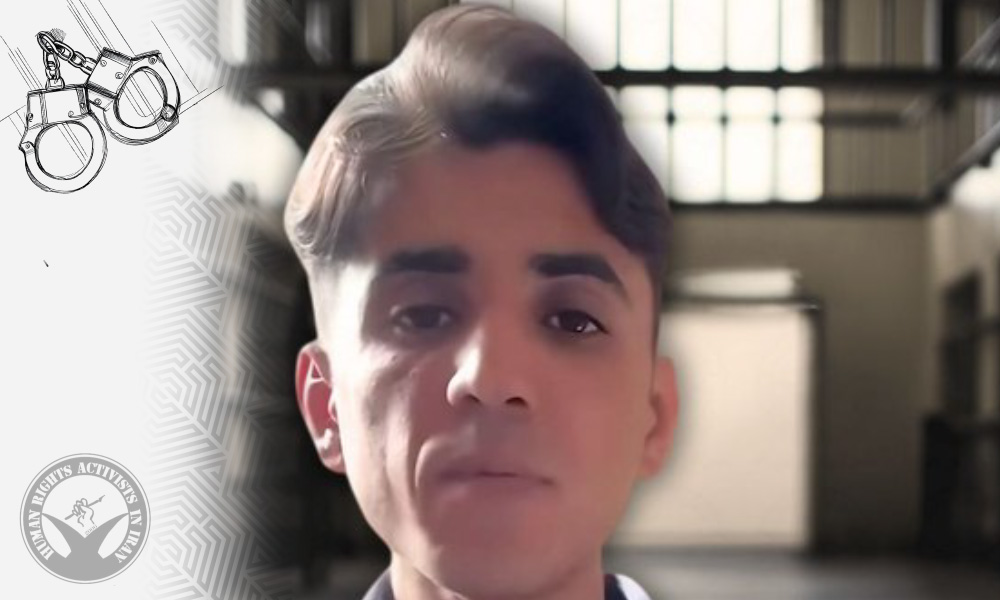
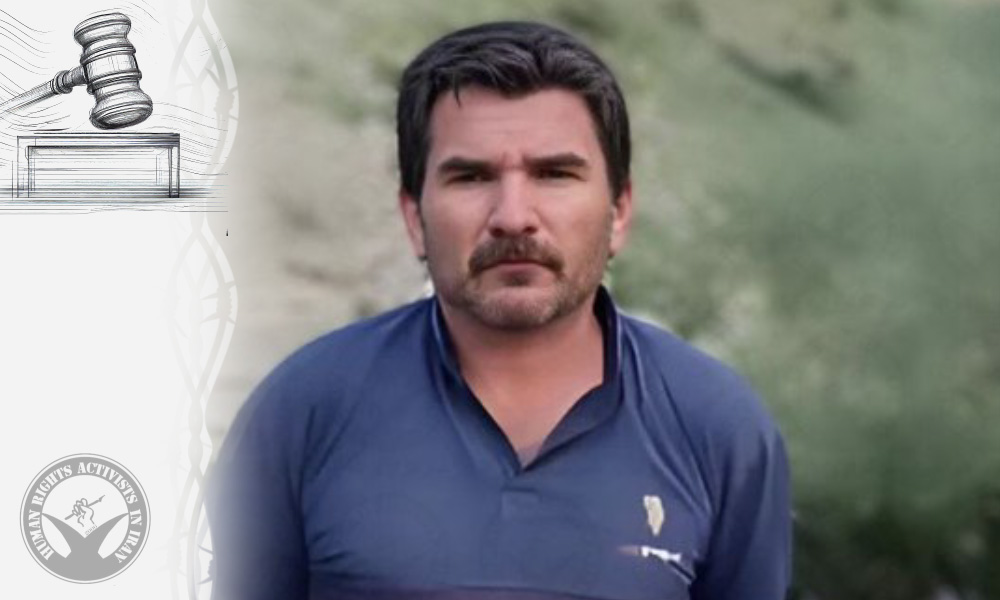
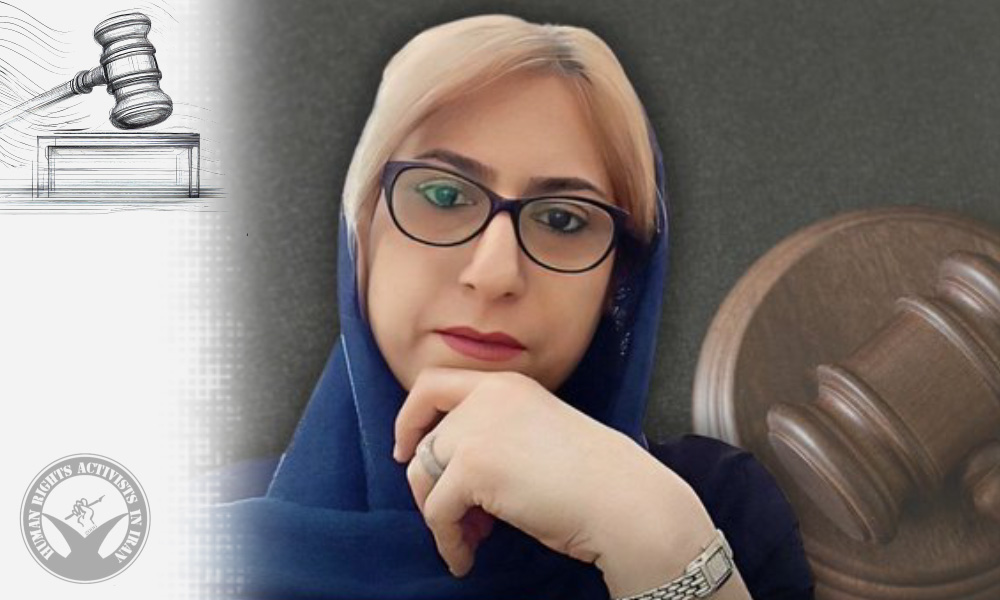
Branch 26 of the Tehran Revolutionary Court has sentenced six political prisoners—Akbar Daneshvar Kar, Seyed Mohammad Taghavi Sang-Dehi, Babak Alipour, Pouya Ghobadi Bistoni, Vahid Bani-Amerian, and Seyed Abolhassan Montazer—to death on charges of armed rebellion (Baghi) through membership in anti-regime groups. Additionally, these individuals, along with Seyed Ali Taghavi Sang-Dehi and Seyed Mojtaba Taghavi Sang-Dehi, were collectively sentenced to over 54 years of imprisonment and 20 years of exile.

According to HRANA, the news agency of Human Rights Activists in Iran, Judge Iman Afshari of Branch 26 issued severe sentences for these eight political prisoners.

Details of the Sentences:

  1. Akbar Daneshvar Kar
    • Death sentence for Baghi through membership in anti-regime groups.
    • 5 years in prison for assembly and collusion with intent to disrupt national security.
    • 10 years in prison for forming illegal groups.
  2. Seyed Mohammad Taghavi Sang-Dehi
    • Death sentence for Baghi.
    • 5 years in prison for assembly and collusion.
    • 10 years in prison for forming illegal groups.
  3. Babak Alipour
    • Death sentence for Baghi.
    • 5 years in prison for assembly and collusion.
    • 20 years of exile to the city of Khash for destruction of public property.
  4. Pouya Ghobadi Bistoni
    • Death sentence for Baghi.
    • 1 year in prison for illegal border crossing.
  5. Vahid Bani-Amerian
    • Death sentence for Baghi.
    • 5 years in prison for assembly and collusion.
  6. Seyed Abolhassan Montazer
    • Death sentence for Baghi.
    • 5 years in prison for collusion with intent to disrupt national security.
  7. Seyed Ali Taghavi Sang-Dehi
    • 2 years in prison for membership in anti-regime groups.
  8. Seyed Mojtaba Taghavi Sang-Dehi
    • 3 years and 7 months in prison for assembly and collusion with intent to disrupt national security.
    • 3 years in prison for membership in groups opposing the regime.


The court sessions for these individuals, who share a common legal case, were held in mid-October this year.

Vahid Bani-Amerian and Abolhassan Montazer were arrested in December 2023, while Babak Alipour was detained in the fall of 2023 by security forces in Tehran.

On February 23, 2024, Pouya Ghobadi and Seyed Mohammad Taghavi were arrested in Chaldoran County and transferred to Maku Prison, seven days later, being moved to Evin Prison.

Akbar Daneshvar and Mojtaba Taghavi had previously been detained and transferred to Evin Prison. Ali Taghavi had also been arrested earlier but was released on bail.

These individuals were formally charged in late May 2024 at Branch 5 of the Public and Revolutionary Prosecutor’s Office in Tehran.

Notably, Abolhassan Montazer and Seyed Mohammad Taghavi were political prisoners in the 1980s, while Vahid Bani-Amerian, Pouya Ghobadi, and Babak Alipour have prior records of imprisonment for their activism.

Behzad Dadkhah Arrested by Security Forces in Saqqez

On November 25, Behzad Dadkhah, a resident of Saqqez, was arrested by security forces in the city and transferred to an undisclosed location.

Behzad Dadkhah is a resident of Saqqez, and the father of a young child.

A source close to the family confirmed the news to HRANA, stating: “He was arrested by security forces at his workplace on Vahdat Boulevard in Saqqez and taken to an unknown location. The lack of information about his whereabouts has caused great concern among his family and loved ones.”

The reasons for his arrest and the charges against him remain unknown at this time.

Appeals Court Upholds Sentences of Mothers of November 2019 Protest Victims

The prison sentences of Mahboubeh Ramazani, mother of Pejman Gholipour, and Rahimeh Yousefzadeh, mother of Navid Behboodi—victims of the November 2019 protests—have been upheld by Branch 36 of the Tehran Court of Appeals. Both were previously sentenced to 18 months and one day in prison by the Shahriar Revolutionary Court.

According to HRANA, the news agency of Human Rights Activists in Iran, the appeals court confirmed the verdict issued by Branch 2 of the Shahriar Revolutionary Court, rejecting the defendants’ appeals.

Reza Shafakhah, the women’s lawyer, stated that the upheld convictions include charges of “propaganda against the regime,” “membership in the Mothers of the November 2019 Victims group,” and “insulting the Supreme Leader.” The original sentence was handed down in September.

Both women have faced prior arrests and convictions for their activism. As mothers of victims killed during the November 2019 protests, they have become vocal advocates for justice.

The November 2019 protests, sparked by a sharp rise in fuel prices, erupted on November 15, 2019, and quickly spread across dozens of cities in Iran. The protests, which lasted several days, saw participation in 719 locations, according to Mohammad Javad Kolivand, an MP from Karaj. Seyed Hossein Naqavi Hosseini, spokesperson for the National Security and Foreign Policy Commission at the time, reported around 7,000 arrests. Human rights organizations estimate that hundreds were killed in the violent crackdown that followed.

This ruling underscores the ongoing suppression of dissent in Iran, particularly targeting those seeking accountability for the deaths of protesters during the November 2019 unrest.

Lawyer Behnam Nezadi Sentenced to One Year in Prison and Two-Year Ban on Practicing Law

Behnam Nezadi, a member of the Central Bar Association, has been sentenced to one year in prison and a two-year ban on practicing law by Branch 2 of the Revolutionary Court in Arak.

According to HRANA, the news agency of Human Rights Activists in Iran, Mr. Nezadi was convicted on charges of “propaganda against the regime.” As an additional penalty, he has been prohibited from practicing law for two years.

Another part of Mr. Nezadi’s case, involving charges of “spreading falsehoods” and “disclosing confidential information,” is still pending review at the Criminal Court No. 2 in Arak, awaiting assignment to a branch.

Mr. Nezadi’s preliminary interrogation took place in late July at the Public and Revolutionary Prosecutor’s Office in District 23 of Tehran (special jurisdiction for interprovincial cases). During the session, he was charged with “propaganda against the regime,” “spreading falsehoods via cyberspace,” and “disclosing confidential investigative materials.” The authorities also cited actions such as “undermining the judiciary, eroding judges’ confidence, and attempting to overthrow the Islamic Republic” as examples of these allegations.

At the end of the interrogation, Mr. Nezadi was released on bail pending further proceedings. During the preliminary stages of the case, the investigating judge issued an order barring him from practicing law in Tehran.

Behnam Nezadi is the administrator of an Instagram page titled “Judicial Misconduct by Judges.” On this platform, he recently shared documents addressing the Disciplinary Prosecutor’s Office for Judges, arguing: “Filing complaints against judges is legally sanctioned, and encouraging people to seek legal recourse cannot be deemed a crime. Moreover, equating the judiciary as an institution with the entire regime is incorrect.”

Mr. Nezadi, a native of Arak and resident of Tehran, is a prominent lawyer and member of the Central Bar Association. His case is one of many highlighting the increasing restrictions imposed on lawyers and legal activists in Iran.

In 2023, the Department of Statistics and Publications of the Human Rights Activists in Iran (HRA) documented 2,380 cases in which citizens, including journalists and civil rights activists, faced legal and security consequences for exercising their freedom of expression and thought. These incidents resulted in the arrest of 3,130 individuals.

Revolutionary Court Sentences Four Political Defendants to Over 14 Years in Prison

Azam Ahooghalander, Hossein Jafari, Nematollah Afshar, and Mehdi Touhidi, political defendants, have been collectively sentenced to 14 years and 10 months in prison and additional penalties by Branch 3 of the Revolutionary Court in Karaj. Another defendant in the case, Mohammad Azizi, was acquitted of the charges against him.

On November 26, Branch 3 of the Revolutionary Court in Karaj, presided over by Judge Mostafa Narimani, issued its verdict. Azam Ahooghalander was sentenced to six years and two months in prison for “forming and leading a criminal group aimed at disrupting national security.” The other three defendants were convicted of “membership in a group with the same objective: Nematollah Afshar received three years and six months, Mehdi Touhidi-Asl was sentenced to three years and two months, and Hossein Jafari to two years in prison.

In addition, all four were sentenced to two years of travel bans and a two-year prohibition on online activities as supplementary punishments.

Mohammad Azizi, another defendant in the case, was acquitted of all charges.

The trial for these political defendants was held on November 9, 2023, in Branch 3 of the Revolutionary Court in Karaj.

These individuals were arrested on September 16, 2023, coinciding with the first anniversary of Mahsa (Jina) Amini’s death, during a gathering at Azam Ahooghalander’s home. They were later released temporarily on bail.

Kiana Dalvand, the 16-year-old daughter of Azam Ahooghalander, was also arrested alongside the other defendants. She was detained in Kachouei Prison in Karaj and released after 20 days upon providing a written pledge.

Subscribe to Our Newsletter

Now is definitely not the time to stop reading!

Sarveh Pourmohammadi’s Prison Sentence Reduced to Five Years on Appeal

The Kurdistan Province Appeals Court has reduced the prison sentence of Sarveh Pourmohammadi to five years, according to Kurdpa. She had previously been sentenced to ten years by the Revolutionary Court in Sanandaj during the preliminary trial.

According to the ruling issued by the Appeals Court, Ms. Pourmohammadi was convicted of forming groups with the intent to disrupt national security and sentenced to five years in prison.

The First Branch of the Revolutionary Court in Sanandaj had earlier handed down a ten-year prison sentence on the same charges.

Sarveh Pourmohammadi, a member of the cultural and social association “Nozhin,” was arrested by security forces on January 29, 2023. After 16 days of detention at the Sanandaj Correctional Center, she was released on bail.

Bushehr Cyber Police Arrests 12 for “Obscene Content” on Instagram

According to ISNA, the head of the Cyber Police (FATA) in Bushehr Province has announced the arrest of 12 individuals—10 men and 2 women—on charges of “producing and sharing obscene content on Instagram.” The authorities have blocked the Instagram accounts associated with the group, and those arrested have been referred to judicial authorities.

Mehdi Ghasemi, the head of FATA in Bushehr, revealed that the group, allegedly led by two sisters, had been identified. They are accused of creating “vulgar videos,” including semi-nude, mixed-gender dancing clips, and sharing them across more than a dozen Instagram pages.

Following judicial authorization, the leaders and members of the group were detained. Ghasemi confirmed that their Instagram accounts were deactivated, and the individuals were handed over to the relevant judicial bodies.

The report did not disclose the identities or the current whereabouts of those arrested.

Ali Teymouri Sentenced to One Year in Prison and Additional Restrictions

Ali Teymouri, a war veteran from the Iran-Iraq war, has been sentenced by Branch 2 of the Karaj Revolutionary Court to one year in prison, a two-year ban on membership in social groups, and a travel ban.

According to HRANA, the news agency of Human Rights Activists in Iran, Teymouri was convicted of “propaganda against the regime.” In addition to the prison sentence, he faces complementary punishments, including a two-year prohibition from participating in social groups and organizations and a ban on leaving the country.

The verdict also acquitted Teymouri of charges related to alleged connections with anti-regime groups.

Ali Teymouri was arrested on February 3, 2024, after appearing at the Public and Revolutionary Prosecutor’s Office in Eshtehard, Alborz Province. He was released two days later, on February 5, after posting bail.

Teymouri, a resident of Karaj, is a veteran injured during the Iran-Iraq war.

Women’s Rights Activist Atefeh Rangriz Sentenced to Over Seven Years in Prison and Additional Penalties

Women’s rights activist Atefeh Rangriz has been sentenced by the Damghan Revolutionary Court to seven years and seven months of imprisonment and a two-year ban from online activities. Rangriz, currently on medical leave from Shahroud Prison, had been serving a separate sentence related to her activism.

Her lawyer, Hossein Taj, revealed: “While her medical leave for a CT angiography was denied an extension, the Revolutionary Court of Damghan issued its verdict. Atefeh Rangriz was sentenced to seven years in prison for creating a Telegram group and seven months for propaganda against the regime. Additionally, she has been prohibited from engaging in online activities for two years.”

Rangriz was temporarily released on medical leave on November 6, 2023, due to deteriorating health conditions.

Her latest arrest occurred on September 10, 2023, when security forces detained her in Damghan. She was subsequently released on bail on October 21, 2023. This new sentence relates to an earlier case in which the Shahroud Revolutionary Court convicted her of “collaboration and membership in groups opposing the regime,” sentencing her to two years, seven months, and 16 days in prison. She also received an additional seven months and 16 days for “propaganda against the regime.” Rangriz began serving this earlier sentence on June 30, 2024, in Shahroud Prison.

Rangriz has faced multiple arrests and convictions over the years due to her advocacy work.

Revolutionary Court Sentences Student Activist Leila Hosseinzadeh to Prison

Leila Hosseinzadeh, a student activist, has been sentenced in absentia to prison by Branch 26 of Tehran’s Revolutionary Court, presided over by Judge Iman Afshari. The charges stem from her appearing unveiled at the University of Tehran during her thesis defense.

According to HRANA, the news agency of Human Rights Activists in Iran, Hosseinzadeh was convicted on charges of appearing in public without a hijab and “propaganda against the regime.” In a personal statement, she revealed that she was sentenced without prior notice and is unaware of the details. She added, “I have no expectations of appeal or any legal process. I’ll wait for the case to be referred to the enforcement office.”
Hosseinzadeh has faced several legal cases over the years. Most recently, a forensic medical commission confirmed her permanent inability to endure incarceration. As a result, her remaining five-year prison sentence from a 2019 case was converted to a fine of 100 million tomans, which she paid to conclude the case.
Leila Hosseinzadeh was first arrested during the 2017–2018 Iranian protests, detained for 16 days, and released on bail. On June 24, 2019, Branch 36 of Tehran’s Court of Appeals sentenced her to 30 months in prison for “assembly and collusion against national security” and an additional year for “propaganda against the regime,” along with a two-year travel ban. Charges included attending a birthday gathering for Mohammad Sharifi Moghadam, a Gonabadi Dervish imprisoned near Sharif University, and singing protest songs.

On July 28, 2019, she began serving her sentence but was released early due to a judicial directive.

In a separate case, Hosseinzadeh was sentenced in February 2021 to five years in prison and a two-year ban from online activities for “assembly and collusion with intent to act against national security” by Branch 28 of Tehran’s Revolutionary Court. The sentence was upheld by Branch 36 of the Appeals Court in December 2021.

She was arrested again on August 20, 2022, after being beaten by security forces outside her home. She was released on bail from Evin Prison on January 9, 2023.