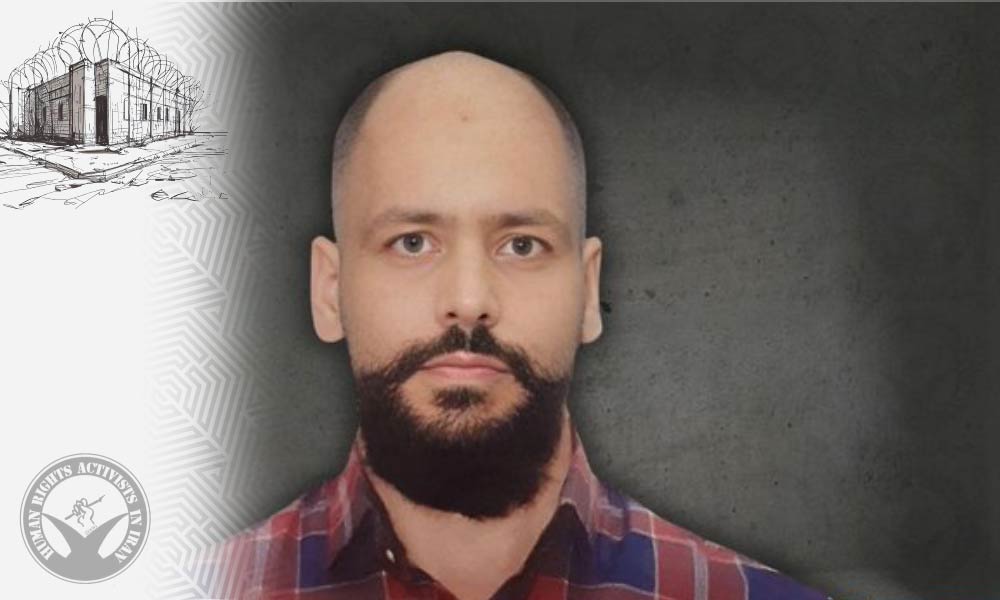
Sunni prisoner Abdolbaset Avarsan is currently serving a 15-year prison term in Vakilabad Prison, Mashhad. Recent developments reveal that his request for release on probation has been rejected by judicial authorities, with sources citing influence from the Ministry of Intelligence.
A close family source, speaking to HRANA, confirmed that the judge, under the Ministry of Intelligence’s influence, dismissed Avarsan’s release request. Hailing from Torbat-e-Jam and a father of three, Avarsan’s family faces financial struggles. Despite holding a Master’s degree, his wife’s job application with the Ministry of Education was rejected during the interview due to her husband’s legal case, further complicating the family’s situation.
In 2019, the Mashhad Revolutionary Court sentenced Avarsan to 15 years in prison for his alleged involvement in “armed rebellion (Baghi) through membership in a Salafi-ISIS group.”
On March 3, Iran’s state TV, IRIB, reported the execution of a prisoner charged with “acting against national security through planning for an explosion at a complex of Iran’s Defense Industries Organization in Isfahan.”
According to IRIB, displaying the news on its news ticker, the executed individual was purportedly under the command of Mossad, planning to detonate a workshop complex owned by the Defense Ministry on January 28, 2023.
Security-affiliated channels shared videos of the explosions, claiming to have taken place in this complex in Isfahan, linked the execution to these incidents. However, the regime has not disclosed the identity of the executed inmate.
In recent months, several individuals have faced execution on charges of “collaboration with Israel.” Notably, on January 29, 2024, Mohsen Mazloum, Pezhman Fatehi, Vafa Azarbar, and Hazhir Faramarzi were executed, adding to a series of such cases.
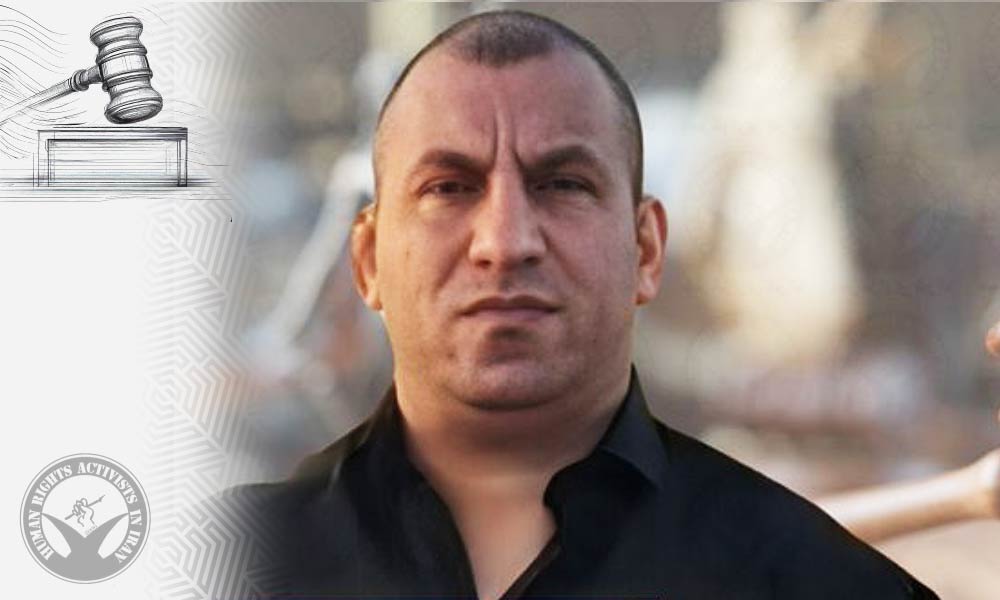
The Revolutionary Court of Karaj has handed down a six-year prison sentence to Mehrdad Bakhtiari, along with a two-year travel ban, and two-year exile in Shahrekord. He is the paternal uncle of Pouya Bakhtiari, who tragically lost his life at the hands of regime forces during the 2019 Protests, aka Aban Protests.
Bakhtiari publicly disclosed that he was given five years for “assembly and collusion against national security” and an additional one year for “spreading propaganda against the regime.”
This legal case unfolded in July 2022 when charges were filed against Bakhtiari and Nahid Shirpisheh, Pouya Bakhtiari’s mother. It is noteworthy that in a separate case initiated by Branch 1 of the Revolutionary Court, Bakhtiari was acquitted of the charges against him.
Bakhtiari’s arrest occurred on July 11, 2022, after he shared a video on social media about Shirpisheh’s arrest and posted pictures of her residence’s door, which had been broken by authorities. Following his arrest, Bakhtiari was transferred to Rajai Shahr Prison in Karaj. He was released on bail on September 3, 2022, until the end of legal proceedings.
In a tragic and interconnected series of events, Bakhtiari’s son, Pouya, at the age of 27, was fatally shot by regime forces during the 2019 protests, also known as the Aban Protests, in Karaj. According to his sister and mother, Pouya succumbed to his injuries in the hospital after being shot in the head during the second day of the protest’s eruption.
The sentencing and associated restrictions underscore a worrisome development, exemplifying the state of freedom of expression and political dissent in Iran.
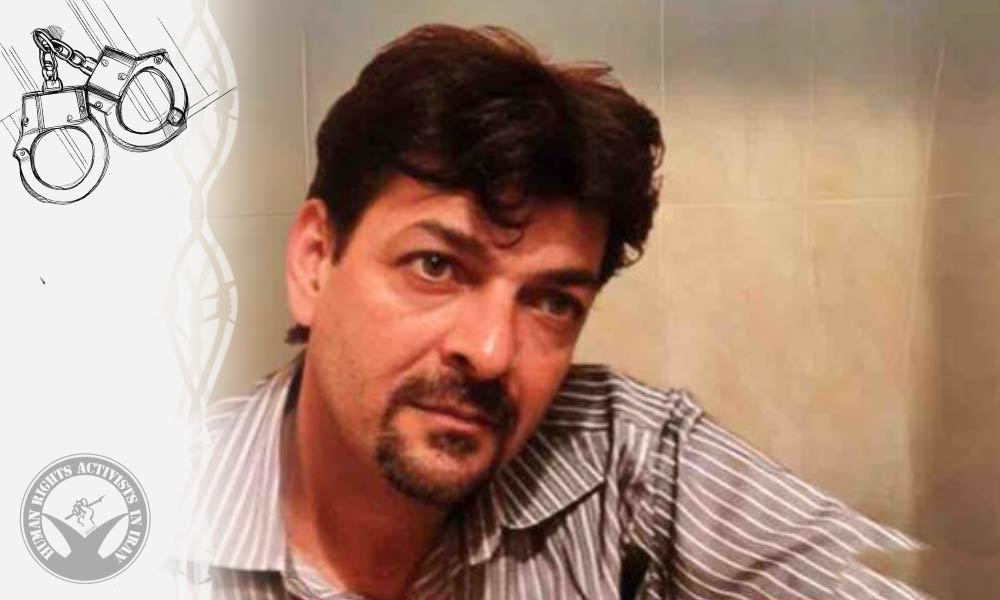
Security forces apprehended Ramin Haeri in Mashhad and subsequently transported him to the Ministry of Intelligence’s detention facility within the city.
A source close to Haeri’s family has confirmed his arrest, stating that Ministry of Intelligence agents detained him at his residence in Mashhad on February 28, 2024. The reasons behind this arrest and the specific allegations against Haeri remain undisclosed. However, there is speculation that this apprehension may be linked to a recent social media post where he expressed dissatisfaction with the current state of the country.
The incident raises concerns about the freedom of expression and the right to voice one’s opinions in the face of potential consequences.
HRANA – In February 2024, Hrana’s monthly report unveils a grim tableau of human rights abuses in Iran, spotlighting 33 executions, numerous unfair convictions and summonses, extensive prisoners’ rights violations, suppression of free speech, unpaid worker protests, and more. The report, a comprehensive account provided by the Institute of Statistics, Publishing and Works of Human Rights Activists in Iran, highlights the country’s alarming rate of per capita executions, including “secret” executions and unfair trials, such as those of Kurdish political prisoners and others accused of espionage without due process. The suppression extends to freedom of thought and expression, where the aftermath of 2022’s protests sees ongoing arrests and coerced confessions under unjust trials. Additionally, the plight of Iranian women and workers is emphasized, detailing punishments for hijab non-compliance, political activism, and unsafe work conditions leading to numerous accidents and protests over unpaid wages. International actions include U.S. sanctions targeting Iranian officials and entities for cyber activities and financial support to the IRGC. Hrana publishes this detailed report with the aim of increasing global awareness of these pressing human rights issues. We invite readers to delve into the full text for a deeper understanding of the situation and to join in advocating for change.
February 2024:
During February 2024, a series of reports brought to light numerous human rights abuses, encompassing 33 executions, numerous convictions, summonses, extensive violations of prisoners’ rights, continued suppression of freedom of speech, worker protests—especially concerning unpaid wages—and various other incidents occurring across different provinces. The Data provided by Institute of Statistics, Publishing and Works of Human Rights Activists in Iran.
Executions
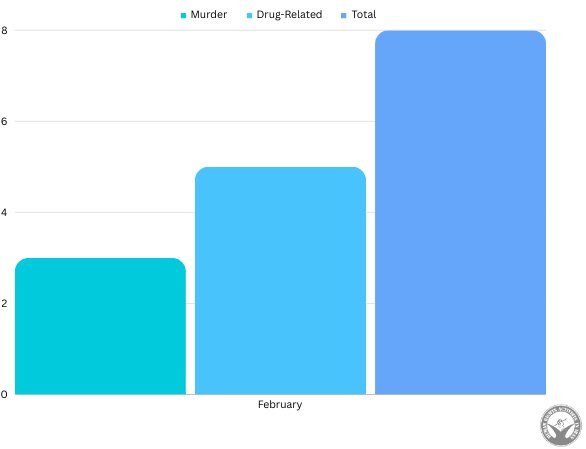
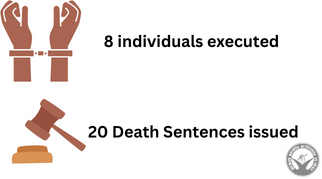
During February, a total of 8 executions were carried out, and a total of 20 individuals were sentenced to death. Iran currently leads globally in per capita executions of its citizens. None of these executions were reported by official sources
This month, three Kurdish political prisoners were executed, Mohsen Mazloum, Pejman Fatehi, Wafa Azarbar and Hajir Faramarez stood accused of spying for the Israeli government, similarly to other cases, their forced confessions were broadcast on domestic television channels and their trial process was unfair.
A Sunni prisoner, Farhad Salimi, was executed after spending more than 13 years in jail. A source close to Salimi’s family told Harana: “Our communication with them was cut off a few days ago, there was no contact from the prison with Salimi’s family regarding the execution of the sentence.”
It’s concerning that over 75% of executions in Iran occur without government or judicial notification, deemed “secret” executions by human rights organizations.
Freedom of Thought and Expression
The protests of 2022 led to a wave of arrests, ensnaring even those who were peacefully exercising their rights. Many find themselves entangled in a judicial system rife with injustices: inadequate legal representation, coerced admissions, and more. Among these cases looms the Ekbatan Case, where eight defendants stand accused of the murder of Basij member Arman Alivardi, a charge vehemently denied by all. Their apprehension occurred amidst the Ekbatan protest. Presiding over this contentious affair is Judge Abolqasem Salavati, notorious for his severe judgments and involvement in biased trials, notably those resulting in the execution of protesters. While the first hearing convened on Tuesday, February 20th, no verdicts have yet been rendered. Nevertheless, the proceedings have already become mired in controversy, with allegations of forced confessions and apprehensions about the integrity of due process.
Furthermore, the aftermath of these protests has revealed a troubling trend: the appeals court frequently affirms the initial sentences without addressing the injustices that marred the original trials. A stark illustration of this is the case of Amir Sheibani Zaveh, whose conviction for “propaganda against the regime” was upheld. His punishment entails a one-year imprisonment, a two-year ban on travel, and restrictions on internet and social media use for two years. According to a source close to the family, this charge stemmed from Zaveh’s communication with the families of protesters who suffered injuries or fatalities at the hands of regime forces. Similarly, three political prisoners also recently had their sentences upheld, and protest Rapper Toomaj Salehi’s One-Year Sentence also being upheld.
Furthermore, Iran continues to monitor its citizens’ online behavior, and uses it in their trials. The Intelligence Organization of the Tehran Police Command announced the arrest of 72 citizens for what it called “producing and publishing immoral advertising content on the Instagram platform”.
Women
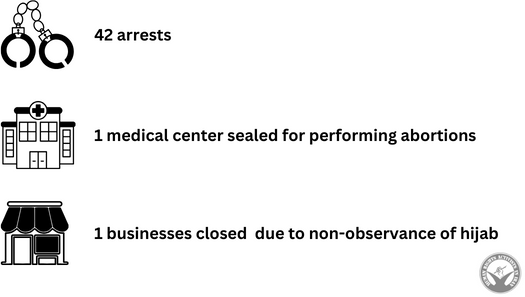
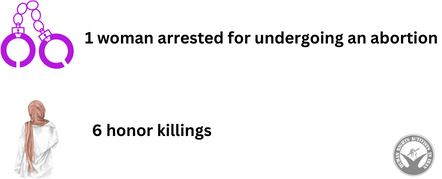
In Iran, women continue to get punished for non-compliance with hijab laws and also for their political activism. This month several women witnessed a series of legal actions and incidents reflecting societal tensions and legal enforcement surrounding the issue of hijab and gender-based violence.
Leila Naqdi Pari, a member of the Board of Directors of the Iranian Cinema Designers Association, faced legal repercussions from Tehran Criminal Court No. 2 for her alleged ‘non-compliance with Hijab rules’ when she was observed in public without one. The court levied fines, revoked her passport, and imposed an 18-month travel restriction. Moreover, during the proceedings, a photo circulating online depicting her without a hijab at a funeral was presented as evidence against her.
Additionally, Shakila Monfared, a political prisoner, has been charged with “propaganda against the regime.” In Branch 26 of the Tehran Revolutionary Court, presided over by Judge Iman Afshari, Monfared was sentenced to 15 months of imprisonment. Furthermore, she is subject to a two-year travel ban, a prohibition from residing in Tehran and surrounding provinces, a ban from joining political/civil groups, and restrictions on using a smartphone.
Forough Taghipour and Marzieh Farsi, political prisoners, have each been sentenced to 15 years in absentia by the Revolutionary Court of Tehran. The court, led by Judge Iman Afshari, accused them of “suspicious membership in anti-regime groups,” without specifying the supporting acts. Both women opted not to participate in the trial, contesting the court’s legitimacy.
Lastly, the highly controversial “Hijab and Chastity Bill,” was resubmitted to the Guardian Council by the Iranian Parliament. The Parliament’s scrutiny of the bill caused a significant delay, disputes, inconsistencies and errors in the bill all highlight the contentious nature of this bill. The bill advocates for severe penalties for violating mandatory hijab regulations , classifying non-compliance as “nudity.” Despite intensified enforcement efforts a growing number of Iranian women are appearing in public without head coverings.
Workers
In the past month, there have been 112 worker accidents across Iran due to poor environmental safety and working conditions, highlighting the country’s low ranking of 102 in global work safety compliance. February alone saw 82 injuries and 30 fatalities resulting from safety negligence. Incidents include deaths in various cities such as Islamshahr, Neishabur, Mirjaveh, Qom, Tehran, Borujen, Isfahan, Kerman, Babol, Semnan, and Nazarabad. Additionally, a worker named Abdul Rahman Ahmadi committed suicide in Sanandaj due to financial struggles, particularly the inability to afford his needed eye treatment.
Further, there were at least 197 protest rallies held, these protests often occur due to unpaid wages, overtime payment and unsafe working conditions. For example, there are teachers who have not received wages since October 2023. The dire financial situation has caused one worker, Abdul Rahman Ahmadi, to commit suicide. He was not able to pay for his eye treatment which amounted to 70 million Tomans($1,665).
International News:
On February 2, 2024, the USA sanctioned Hamid Reza Lashgarian, head of the IRGC-CEC and a commander in the IRGC-Qods Force, along with senior officials of the IRGC-CEC: Mahdi Lashgarian, Hamid Homayunfal, Milad Mansuri, Mohammad Bagher Shirinkar, and Reza Mohammad Amin Saberian. These designations were made pursuant to Executive Order 13224 for their involvement in IRGC cyber and intelligence operations, particularly malicious cyber activities against critical infrastructure in the United States and other countries
On February 14, 2024, the USA sanctioned the Central Bank of Iran primarily for their role in providing financial support to the IRGC. Additionally, Pouria Mirdamadi and Seyed Abotaleb Najafi were both individually sanctioned for their role in facilitating the illegal export of goods and technology from over two dozen U.S. companies to end-users in Iran, including the Central Bank of Iran (CBI).
Between February 2nd and 5th, the Deputy UN Commissioner for Human Rights undertook a visit to Iran amidst considerable controversy. HRA expressed concerns regarding the timing of the proposed visit, citing its proximity to the upcoming session of the Human Rights Council (HRC). There is a significant risk that Iranian authorities may exploit this visit to undermine support for the renewal of crucial accountability mechanisms. They could potentially use this engagement to discredit the factual and evidence-based reports scheduled to be delivered in the coming month.
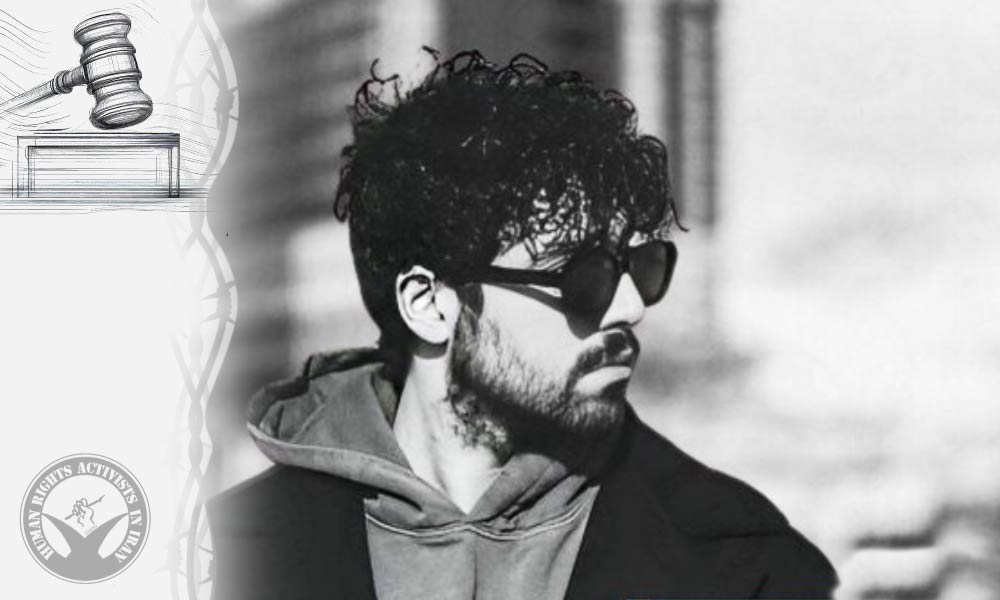
Renowned singer Shervin Hajipour has been handed a three-year, eight-month prison sentence and additional penalties by the Revolutionary Court.
The verdict, disclosed by Hajipour, outlines a three-year term for “inciting people to cause unrest against national security,” including the detention period, and an additional eight months for “spreading propaganda against the regime.” Pursuant to Article 134 of the Islamic Penal Code, he will serve three years for the first charge.
In addition to the prison term, the verdict imposes further restrictions. As the court deems the penalties specified in the Islamic Penal Code insufficient, Hajipour is prohibited from leaving the country for two years. He is mandated to compile and share the achievements of the Islamic Revolution in culture, science, and art on his internet platform. Furthermore, he is required to prepare a summary of two books regarding women’s status in Islam, produce a song addressing “USA’s atrocities against humanity,” collect cases of human rights violations by U.S. governments over the past century, and participate in behavior and knowledge skills training courses in the field of art.
Hajipour’s arrest by security forces during the 2022 nationwide protests, specifically for the song “Baraye” (For…), led to his detention in the Ministry of Intelligence detention facility in Sari, Mazandaran Province.
Hajipour was released on bail on October 4, 2023, but subsequent legal proceedings resulted in this verdict.
Notably, Hajipour was honored with the Special Merit Award for Best Song for Social Change for “Baraye” at the 2023 GRAMMYs.
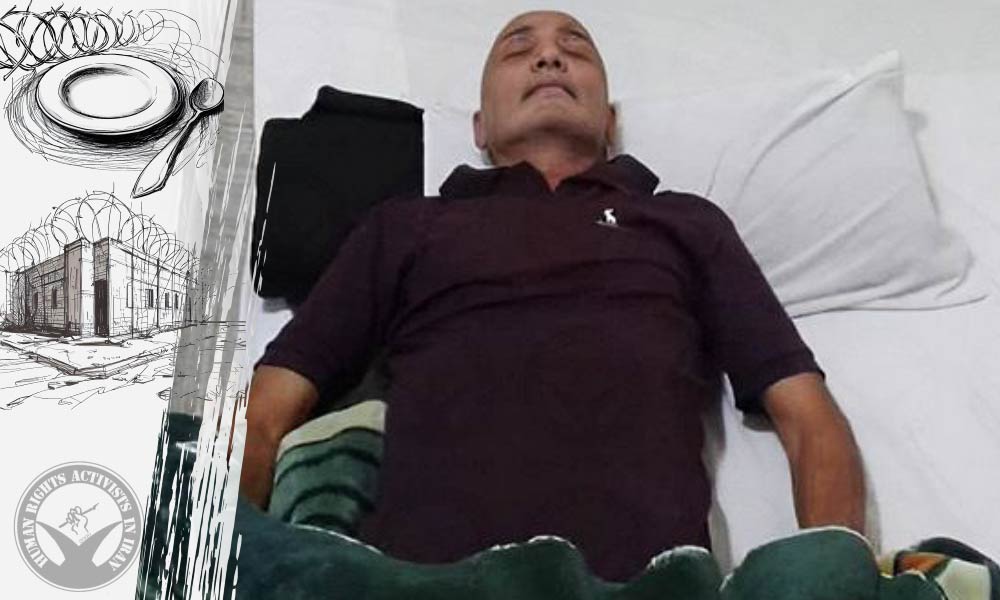
Political prisoner Zartosht Ahmadi Ragheb persists in his hunger strike at Ghezel Hesar Prison, facing a decline in health.
A reliable source close to Ahmadi Ragheb confirmed his unwavering commitment to the hunger strike, revealing alarming symptoms such as low blood pressure, lethargy, and diminishing consciousness. The severity of his condition is evident, with his palm turning blue. Despite his deteriorating health, prison officials remain unresponsive to his demands, while judicial authorities have initiated two new legal cases, accusing him of propaganda against the regime.
The source stated that Ahmadi Ragheb initiated the hunger strike in protest against these legal charges and the increasing number of executions. His concerns have been met with indifference from the prison administration.
Ahmadi Ragheb’s arrest took place in March 2023, leading to his incarceration in Evin Prison. In May 2023, the Revolutionary Court of Tehran imposeda five-year and eight-month prison sentence along with additional penalties. Notably, five years of this term are currently enforceable.
In September of the same year, he, along with several other political prisoners, was transferred to Ghezel Hesar Prison. Ahmadi Ragheb has a history of previous convictions and imprisonments due to his commitment to peaceful activism. The current hunger strike underscores his continued resistance against perceived injustices and an appeal for attention to his grievances.
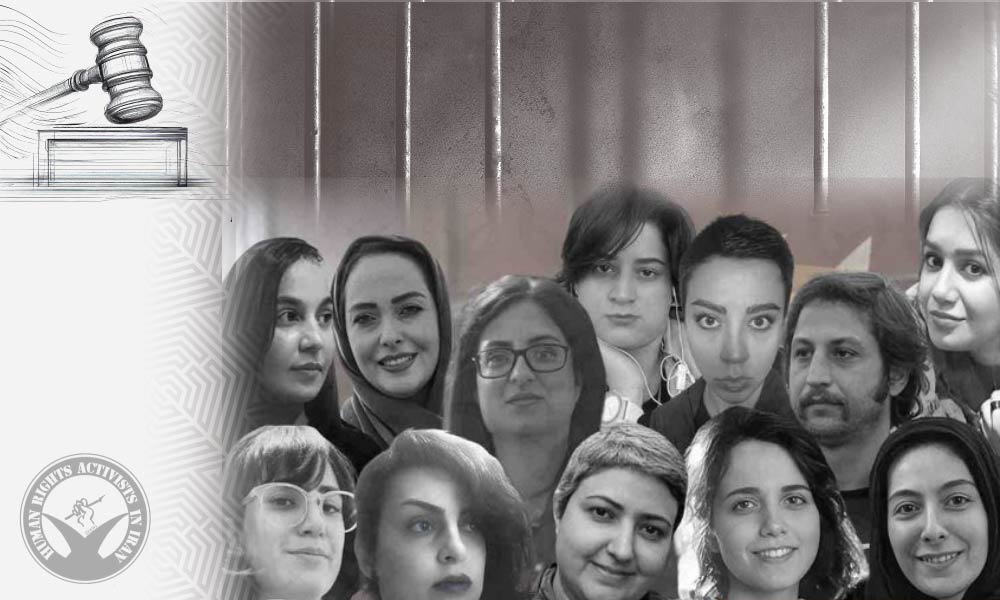
The Revolutionary Court of Rasht initiated the trial of twelve women’s rights advocates on February 29, 2024. The individuals facing charges include Forough Saminia, Sara Jahani, Zahra Dadras, Yasamin Hashdari, Shiva Shah Sia, Negin Rezaie, Vahedeh Khoshsirat, Azadeh Chavoshian, Zohreh Dadras, Matin Yazdani, Hooman Taheri, and Jelveh Javaheri.
Presided over by Judge Mehdi Rasekhi, the first nine women were charged with “membership in a group, assembly, and collusion to act against national security.” Meanwhile, Mr Taheri and Ms Javaheri face charges related to “forming groups to act against national security.”
These individuals were among those detained during a mass arrest of citizens in Gilan Province on August 16 and 17, 2023. Subsequently, they were released on bail from Lakan Prison in Rasht in the following days, pending the conclusion of legal proceedings.
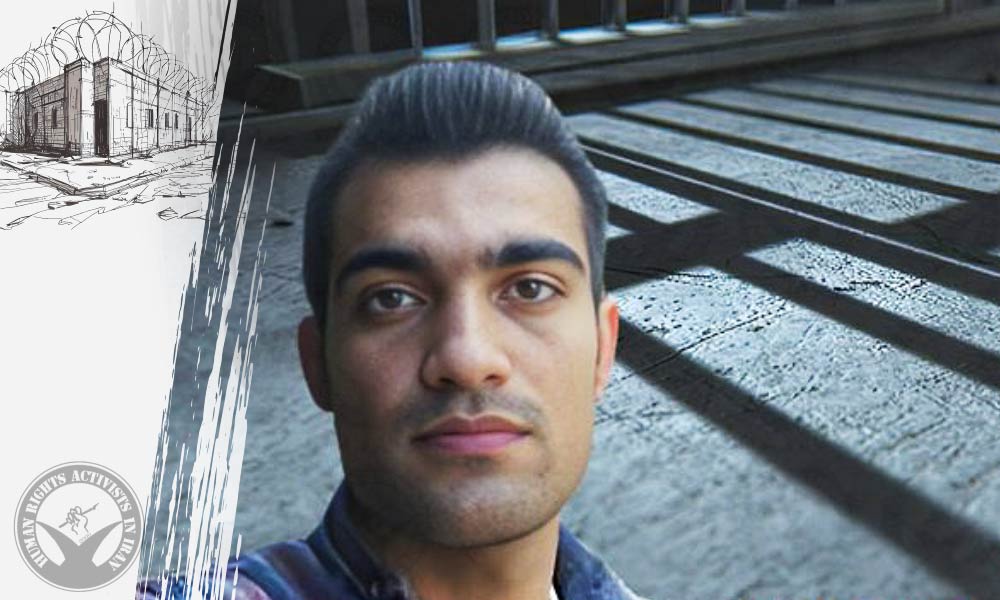
Mehran Gharabaghi, a 31-year-old political prisoner, is serving his sentence in Sheiban Prison in Ahvaz. Despite facing deteriorating health and the urgent need for medical treatment, he has not been transferred to a hospital outside the prison.
According to a source close to his family who informed HRANA, Gharabaghi is suffering from heart disease. Despite receiving medical confirmation of the necessity for hospital treatment two weeks ago, prison officials have refused to facilitate his transfer to a hospital.
On September 20, 2023, the Criminal Court of Behbahan sentenced Gharabaghi to three years and six months for a legal case initiated against him while imprisoned. The charges include “destruction of public property (setting fire to a women’s seminary in Behbahan),” and an additional 45 lashes for “disturbing public order.” Of this sentence, two years have been suspended for five years.
In a previous legal case, Gharabaghi had received a 10-year and one-month sentence along with additional penalties from the Revolutionary Court of Mahshahr. Additionally, he has been handed a three-year imprisonment, with a two-year prison term enforceable by another Revolutionary Court branch. The concerning state of his health emphasizes the need for immediate attention and appropriate medical care.
Sarina Jahani, a political prisoner, is currently serving a two-year sentence at Evin Prison.
According to a source close to her family who informed HRANA, the Revolutionary Court in Shahriar convicted Jahani of “assembly and collusion against national security.” She began serving this prison term on February 6, 2024.
Twenty-year-old Jahani was apprehended by security forces in Shahriar on September 16, 2023, coinciding with the anniversary of Mahsa Amini’s death. Initially held at Qarchak Prison in Varamin, she was later transferred to Evin Prison. On November 4, 2023, she was granted release on bail.





 A
A